Shailendra pratap Singh retweetledi
Shailendra pratap Singh
1.6K posts

Shailendra pratap Singh
@D_Luffy251
@AvaxTeam1🔺 | Ai & Blockchain
India Katılım Kasım 2022
1K Takip Edilen1.4K Takipçiler

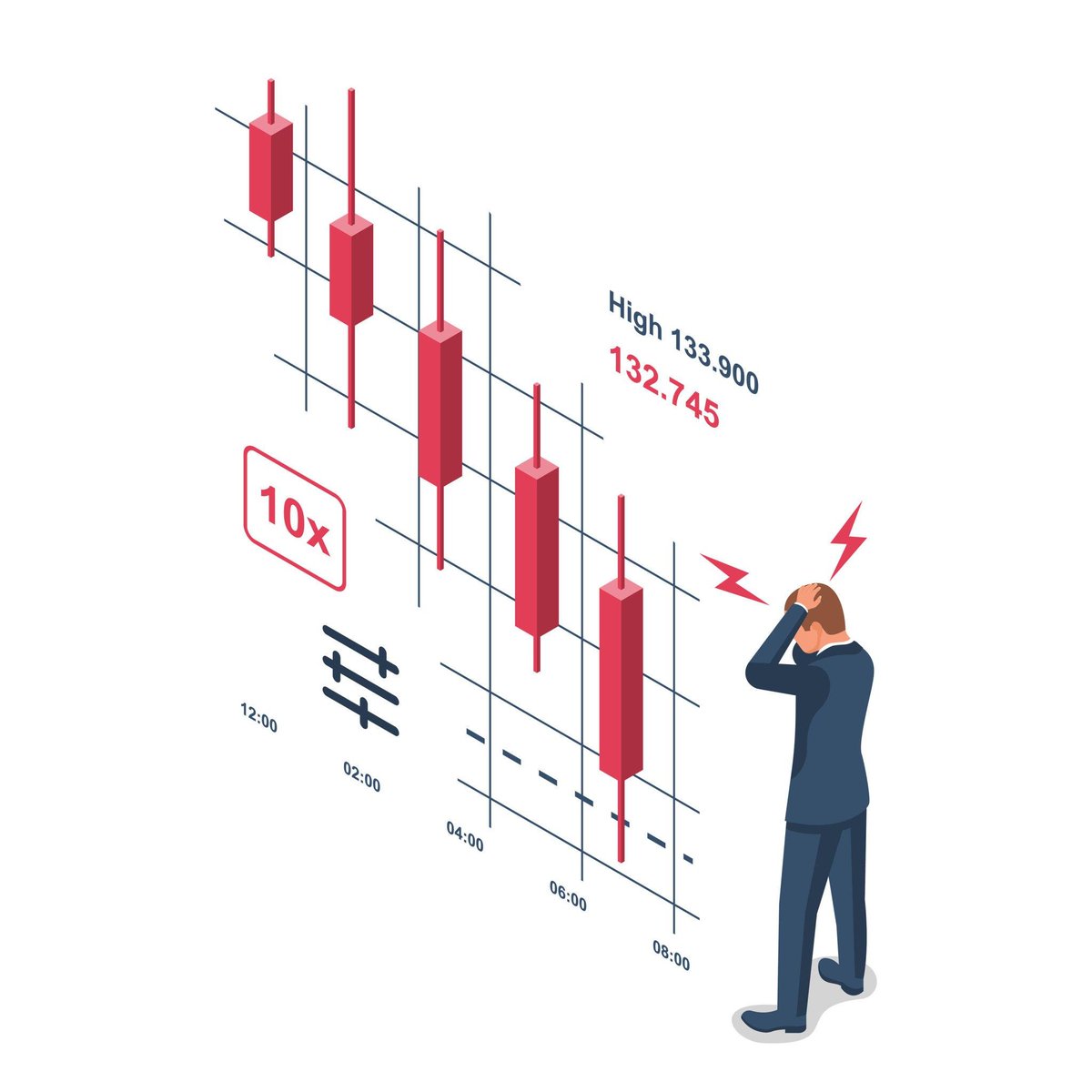
After massive liquidations, the market usually goes quiet.
• Sideways candles
• Dead timelines
• No excitement
• Traders revenge trading and losing more
Then suddenly…
One violent move changes the entire mood again.
The same people saying:
“Crypto is finished”
Start posting:
“Wish I bought lower.”
Crypto is one giant emotional game.
The market punishes emotional traders first…
then rewards patience later.

English

Most retail traders think liquidation events are the END.
But many times?
They’re just the reset phase before the next move.
After everyone gets wiped out:
• Fear hits maximum levels
• Nobody wants to buy
• Volume dries up
• The market becomes painfully boring
And whales LOVE boring markets.
Because smart money enters when:
• People quit
• Confidence disappears
• Everyone thinks crypto is finished

English

“What Happens After Everyone Gets Liquidated?”
Price crashes.
Longs get wiped.
Shorts become overconfident.
Timeline turns fully bearish overnight.
You start seeing:
• “Bull run is over”
• “Crypto is dead”
• “We are going lower”
But most people miss what’s actually happening.
The market is cleaning itself.
• Overleveraged traders get flushed out
• Emotional positions disappear
• Forced selling slows down
And that’s when smart money quietly starts watching again.
#LearnKaroCryptoKaro

English

Altcoins don’t just move on logic.
They move on emotions.
And emotions spread insanely fast in low liquidity markets 😭
That’s why altcoins react harder to:
• Fear
• FOMO
• Panic selling
• Hype
The market usually moves toward areas where it can create the most liquidations and emotional damage first.
So surviving altcoin trading is less about predicting candles...and more about understanding where the crowd is trapped before the real move happens.

English

Most retail traders unknowingly make liquidity sweeps easier 💀
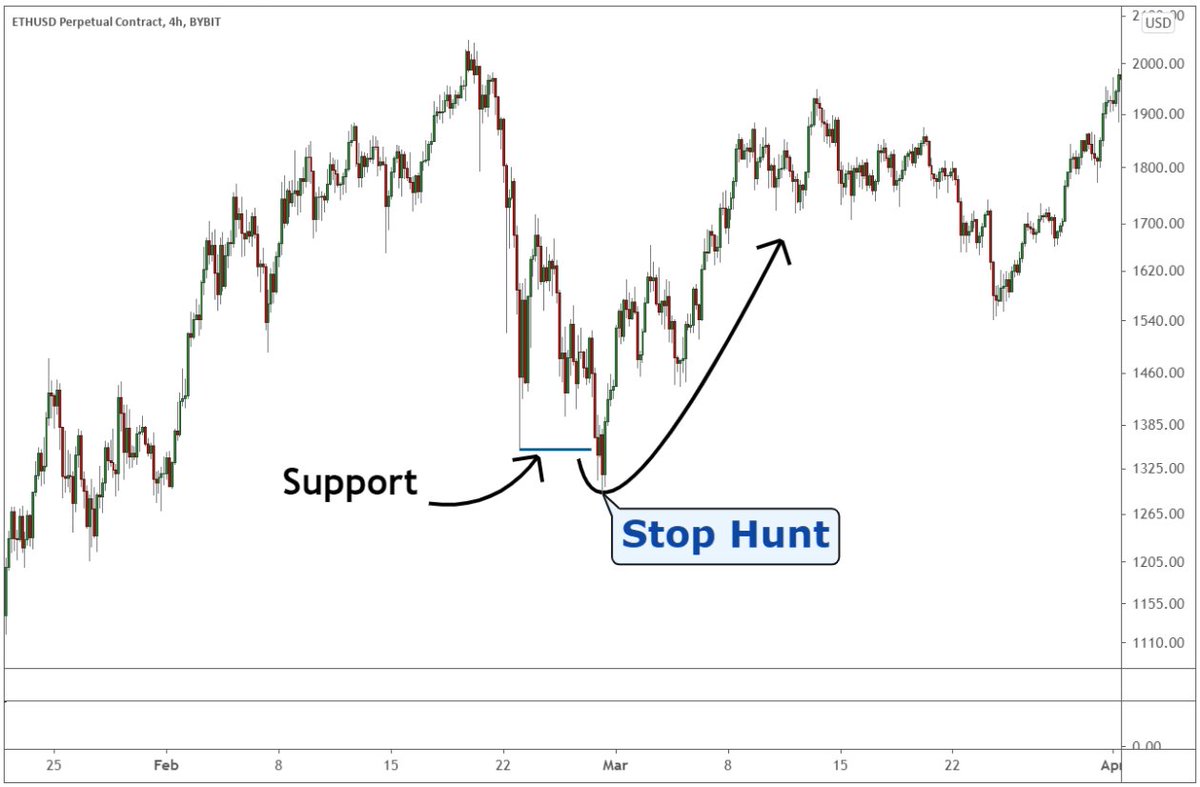
Almost everyone places stops in the same obvious areas:
• Below support
• Below recent lows
• Around round numbers
• Under trendlines
So bigger players target those zones first because that’s where liquidity sits.
Price taps the level, stops get triggered, panic selling starts… and THEN price reverses like nothing happened 😭
That’s why so many traders get wicked out before the real move.

English

Why are altcoin liquidity sweeps way more aggressive than BTC? 👀
Because altcoins are MUCH easier to move.
BTC needs massive money and volume to push price hard.
But many altcoins can move violently with far less capital.
That’s why alt charts constantly show fake breakouts, giant wicks, sudden reversals, and brutal stop hunts 😭
Lower liquidity + emotional traders + thinner order books = pure chaos when volatility hits.
#LearnKaroCryptoKaro

English

A painful truth:
Many traders don’t lose because their analysis was wrong.
They lose because their stop placement was too obvious.
Experienced traders focus on:
• Liquidity zones
• Patience
• Confirmation entries
• Market structure
• Risk management
Trading is not about predicting every candle correctly.
It’s about surviving the manipulation and noise long enough to catch the REAL move.
The market follows liquidity.
Not emotions.

English

Big players can’t enter huge trades like normal traders.
They need MASSIVE liquidity.
So price often moves toward areas where stop losses are stacked:
• Retail traders panic exit
• Orders get triggered
• Liquidity gets collected
• Smart money enters positions
This is why you constantly see:
• Fake breakouts
• Fake breakdowns
• Sudden wicks
• Instant reversals
A lot of the market is just a liquidity game.

English

Your stop loss is market liquidity.
This is probably one of the biggest trading lessons nobody tells beginners.
Most people place stop losses:
• Below support
• Above resistance
• Near equal highs/lows
• Around trendline breaks
And because thousands of traders think the same way…those areas become liquidity zones.
So when price suddenly taps your stop loss and instantly reverses…
That’s usually not random.
The market moves toward where orders are sitting.
And retail stop losses are basically fuel for the move 😭
#LearnKaroCryptoKaro

English

This is why smart traders study tokenomics before buying any altcoin.
Not just the chart.
Before entering, always check:
• Circulating supply
• FDV
• Vesting schedule
• Unlock dates
• Wallet concentration
Because a token can look “cheap” while secretly being massively overvalued.
Low float tokens pump the fastest during hype.
But they also dump the hardest once supply starts unlocking.

English

Here’s how retail becomes exit liquidity 💀
Imagine only 5% of a token supply is circulating.
A little buying pressure comes in and the price flies.
People FOMO in thinking:
“This thing is unstoppable.”
Then token unlocks begin.
Millions of cheap tokens suddenly enter the market from insiders who bought way lower.
Now the market gets hit with:
• Heavy selling
• Liquidity drain
• Panic exits
• Fast price crashes
And the chart breaks instantly.

English

Low float tokens are one of the easiest ways people get trapped in crypto.
A coin starts pumping hard and everyone screams:
“Next 100x gem 🚀”
But sometimes the price is moving fast only because very few tokens are actually available in the market.
The chart looks bullish.
The hype feels real.
CT starts shilling it everywhere.
Meanwhile most of the supply is still locked with:
• VCs
• Team
• Early investors
That’s where the real risk begins.
#learnkarocryptokaro

English

Once you understand resting liquidity, charts start looking completely different.
You stop chasing every breakout.
Instead, you start asking:
• Where are traders trapped?
• Where are stops sitting?
• What level looks too obvious?
• Where is liquidity building up?
Because most of the time…
The market moves where the money is waiting.
And the cleanest moves usually happen after liquidity gets taken.

English

Think about it like this:
Big players can’t buy or sell huge positions instantly.
They need enough traders on the other side.
So price gets pushed toward crowded zones where lots of orders are resting.
That’s why you often see:
• Fake breakouts
• Sudden wicks
• Stop hunts
• Quick reversals after a sweep
Price is usually searching for liquidity before the real move starts.

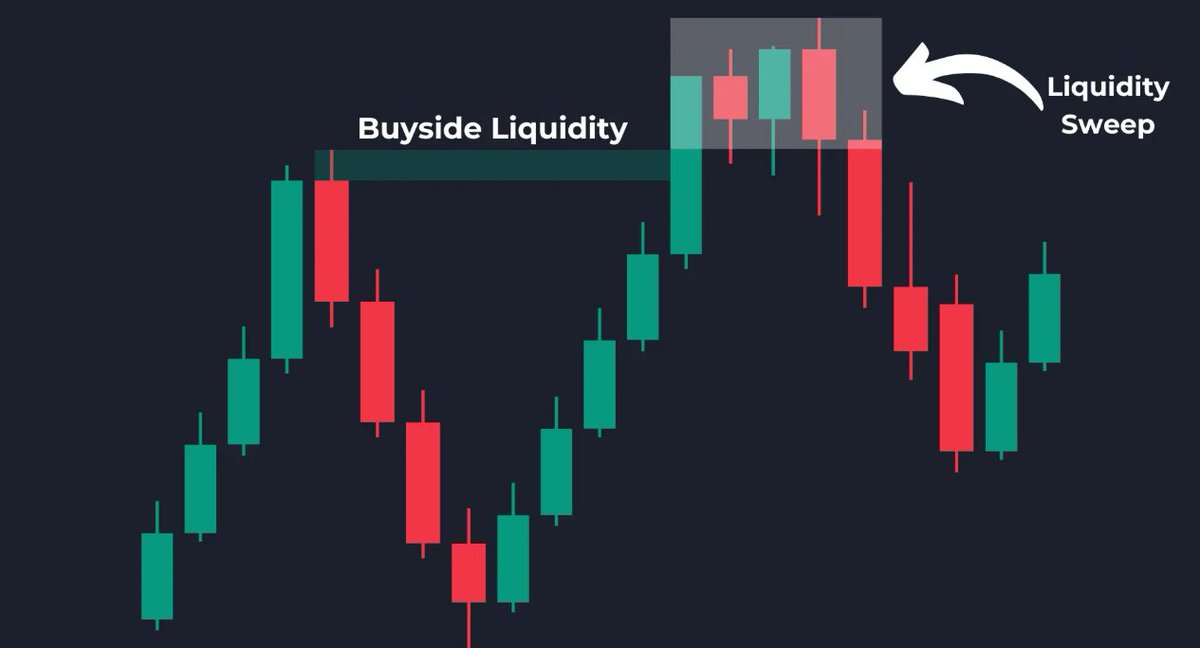
English

Most traders think charts move randomly.
But the market is usually moving toward one thing, which is liquidity.
More specifically, resting liquidity.
That’s basically money waiting on the chart.
Usually sitting around:
• Equal highs & lows
• Stop losses
• Breakout entries
• Liquidation zones
• Major support & resistance
The market loves these levels because that’s where the orders are stacked.
#LearnKaroCryptoKaro

English

And during market panic, this problem becomes super visible.
One exchange crashes faster, another lags behind, bots immediately exploit the price gaps, and retail traders usually get trapped in the middle of the chaos.
That’s also why some altcoins can pump 30% in minutes and then erase the whole move just as fast.
A lot of crypto volatility doesn’t come only from news or hype.
Sometimes the market moves violently simply because liquidity is thin, fragmented, and weak across exchanges.

English

This is why crypto sometimes feels weirdly unstable.
You enter a trade and suddenly:
• Huge slippage
• Random candle spikes
• Price mismatch between exchanges
• Fake breakouts everywhere
Not always because of manipulation.
A lot of times, liquidity is just scattered across too many places:
• Binance
• Bybit
• DEXs
• Futures markets
• Regional exchanges
Everything moves together… but not perfectly together.

English

One thing crypto people don’t talk about enough:
The market is actually way less “connected” than it looks.
Same coin.
Same moment.
But completely different liquidity on different exchanges.
One place has heavy buyers.
Another has weak volume.
Another moves late.
So when people say “BTC is pumping”…
The experience is literally different depending on where you trade from.
#LearnKaroCryptoKaro

English

ETFs are slowly turning Bitcoin from “internet magic money” into an actual financial asset.
And that changes everything:
• More government attention
• More regulations
• More institutional competition
• More mainstream adoption
Retail made crypto popular.
Institutions are making it legitimate in traditional finance.
We’re literally watching crypto evolve in real time, and honestly, this might be one of the biggest shifts the industry has ever seen.

English

The biggest difference with institutional money?
They don’t trade like normal crypto users.
Retail usually reacts emotionally to every pump or crash.
Institutions move differently:
• They think long term
• They avoid hype chasing
• They focus on risk management
• They bring huge liquidity through ETFs
That’s why this cycle feels more mature and less chaotic compared to previous bull runs.

English

A few years ago, institutions laughed at Bitcoin.
Now the same companies are filing ETFs, buying BTC exposure, and competing to get a piece of the market 😭
That’s the craziest part about this cycle.
Crypto is no longer just driven by retail traders staring at charts at 2AM.
Now billion dollar firms are entering through ETFs, and their money moves differently.
Less hype chasing.
More long term positioning.
The market is slowly shifting from speculation to adoption right in front of us.
#LearnKaroCryptoKaro

English