
Yu
1.5K posts
Yu retweetledi


Yu retweetledi

Yu retweetledi


Yu retweetledi

Yu retweetledi


Yu retweetledi

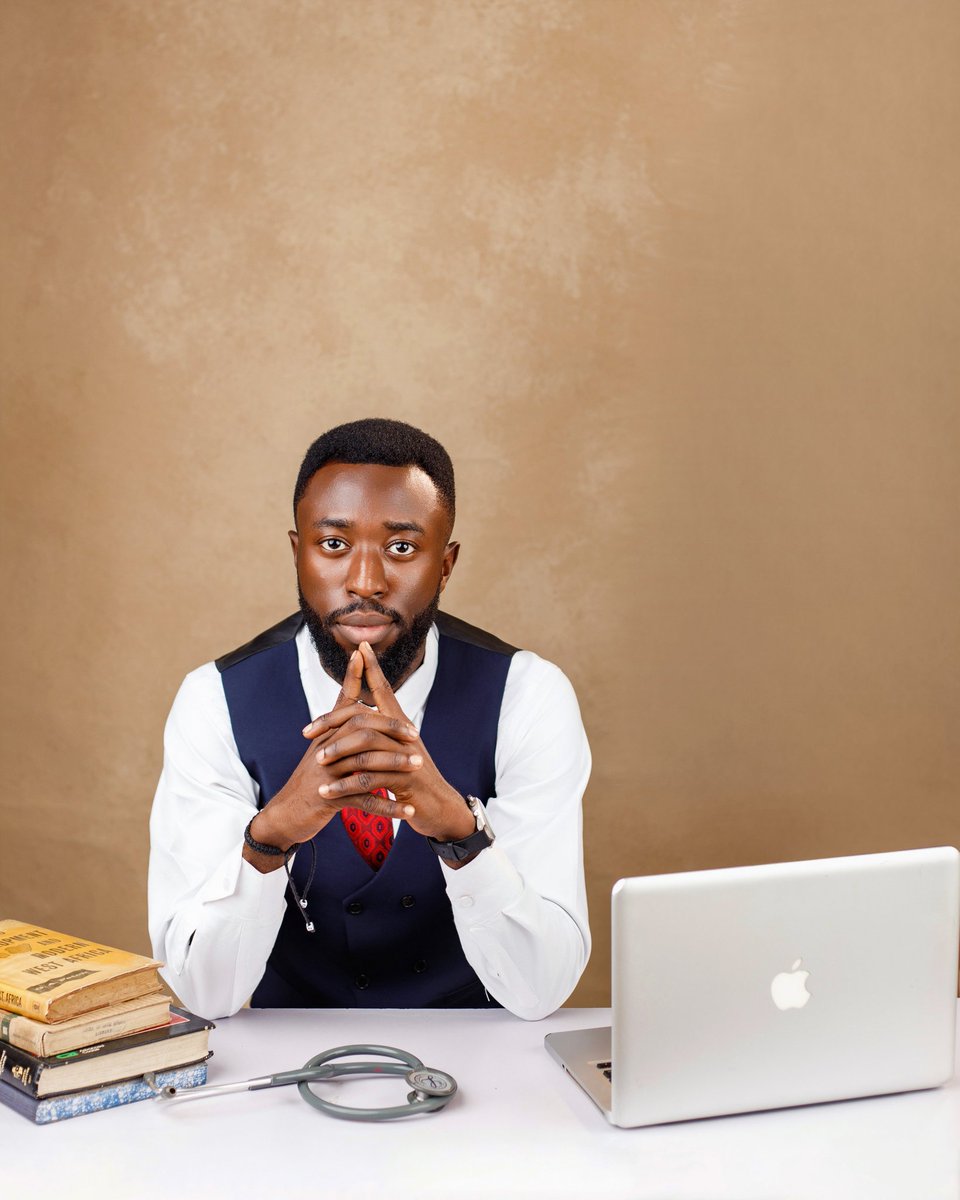
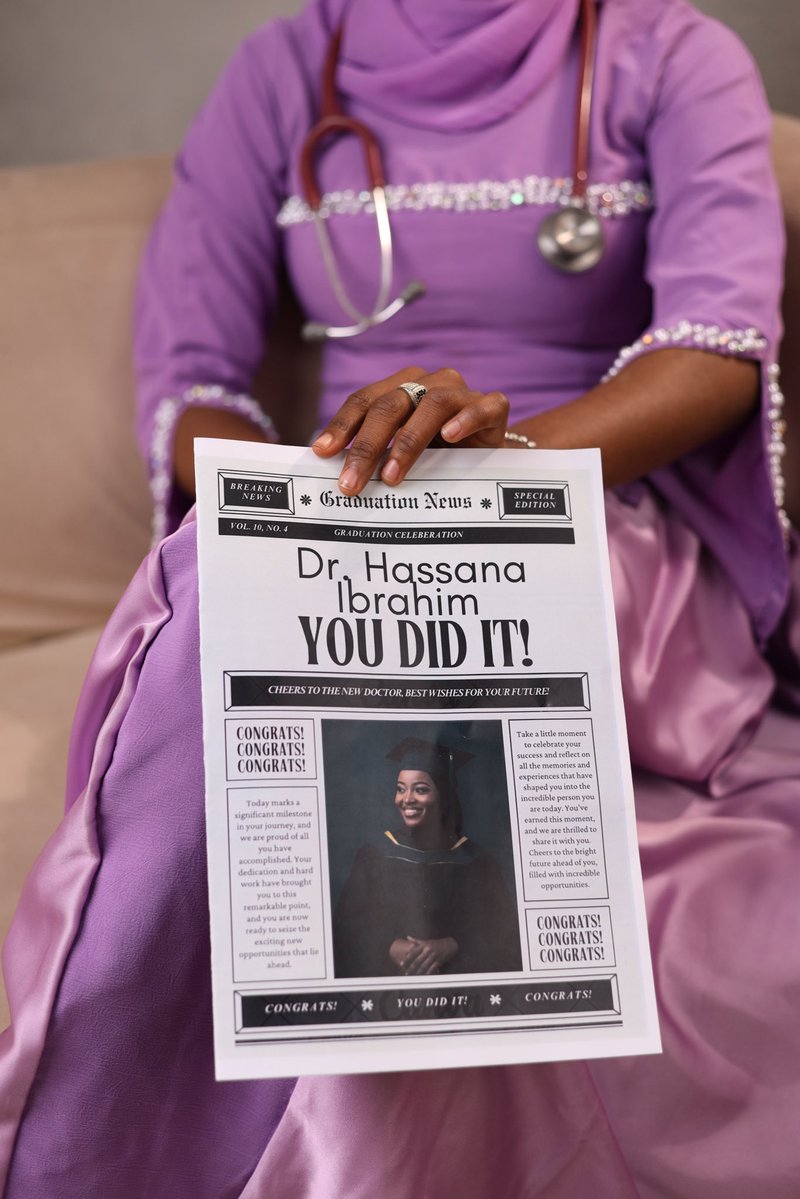
This Dr will see you now
DR. ABDULHAMID ZAINAB 🤭
MBBS ABU ZARIA ❤️


English
Yu retweetledi


Yu retweetledi

Yu retweetledi

Haemoglobin or Mercury?
Please get it.
tobi jacobs!@thejacobsss
april dump but make it texts from hb or hg?
English
Yu retweetledi

Fun fact, if there is one cycle that stayed in my head throughout preclinicals it’s kreb’s cycle…I never really forget it.
dr.Aki 🇵🇰@microlittman
ECG is to Medicine as Kreb's cycle is to Biochemistry. We all study and forget later.
English

Yu retweetledi


Yu retweetledi

Yu retweetledi

My position still stands even as a medical student, artist, and visual storyteller who builds 3D renders daily. As a student, I have stood over a cadaver and found things no software has ever shown me.
So let me be precise.
In our lab we dissected a body with complete situs inversus totalis. Every organ was mirrored. Everything we had memorized from every atlas, every model, every app was not helpful in that moment. That condition occurs in 1 in 10,000 people. There are entire surgical teaching documentaries built around dissecting these cadavers because that surprise is exactly what real medicine looks like.
That is my point.
We found palmaris longus present in some bodies, absent in others. Global prevalence of its absence ranges from 1.5 % to 63.9 % depending on population. In Nigeria specifically, around 6.7%. No 3D atlas flags this when you open it. The cadaver just shows you.
We found atherosclerosis in vessels that looked pristine in every digital model we owned. The software showed us clean perfect structures. The body told the truth.
Now here's data.
A University of Thessaly study (2014–2019, 313 first-year students) split groups: dissection vs prosections vs plastic models vs 3D software. The hands-on dissection group scored significantly higher on comprehension tests
Michigan State University (2014): cadaver-trained students scored 16 % higher identifying structures and 11 % higher explaining function when tested on real tissue.
95% of medical students and 98% of dental students describe cadaver dissection as highly beneficial specifically for anatomical variation and spatial understanding. 63% named variation as the primary advantage.
This is not sentiment. This is surveyed, published, repeated data.
And then there is history.
Andreas Vesalius in 1543 published De Humani Corporis Fabrica after personally dissecting real cadavers. That work corrected Galen's anatomical errors that had stood unchallenged for 1,400 years. Fourteen centuries of wrong were ended by a man who used cadavers!
The entire foundation of modern anatomy was built on imperfect cadavers not perfect illustrations.
3D atlases are excellent. I use them constantly. They are faster, cleaner, always available. They are the best tool for lookup, review and reference.
They are superior supplements. They are not, and have never been, replacements. You can own five flawless 3D models or twenty cadavers. The day you open a body and the vessels don't sit where the screen said they would — and they will — what saves that patient is not how many hours you spent on an app. The data, the history, and every unexpected structure we’ve ever found in the lab say the same thing: supplement with 3D.
Dantala@Docfrosh
They called me a mad man
English
Yu retweetledi

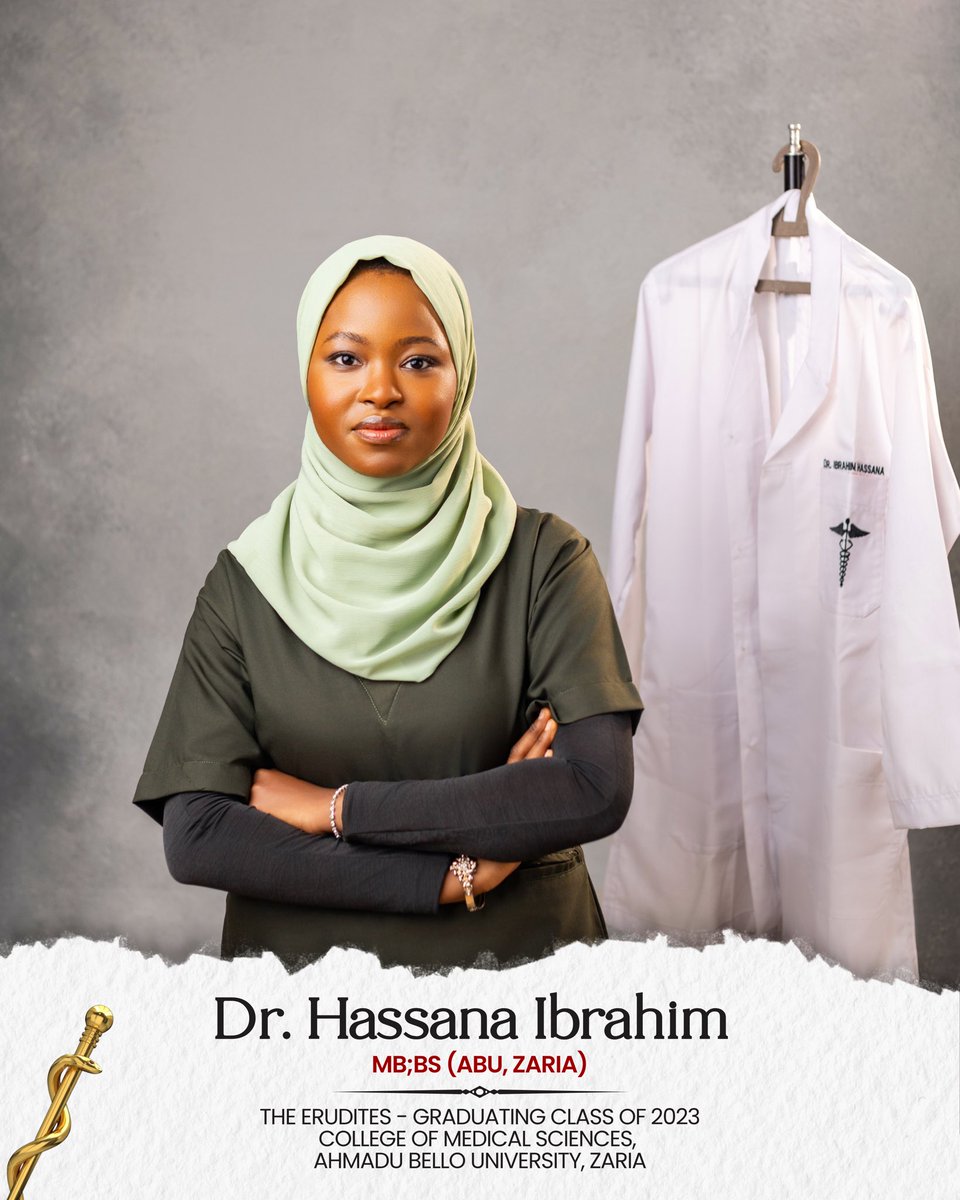
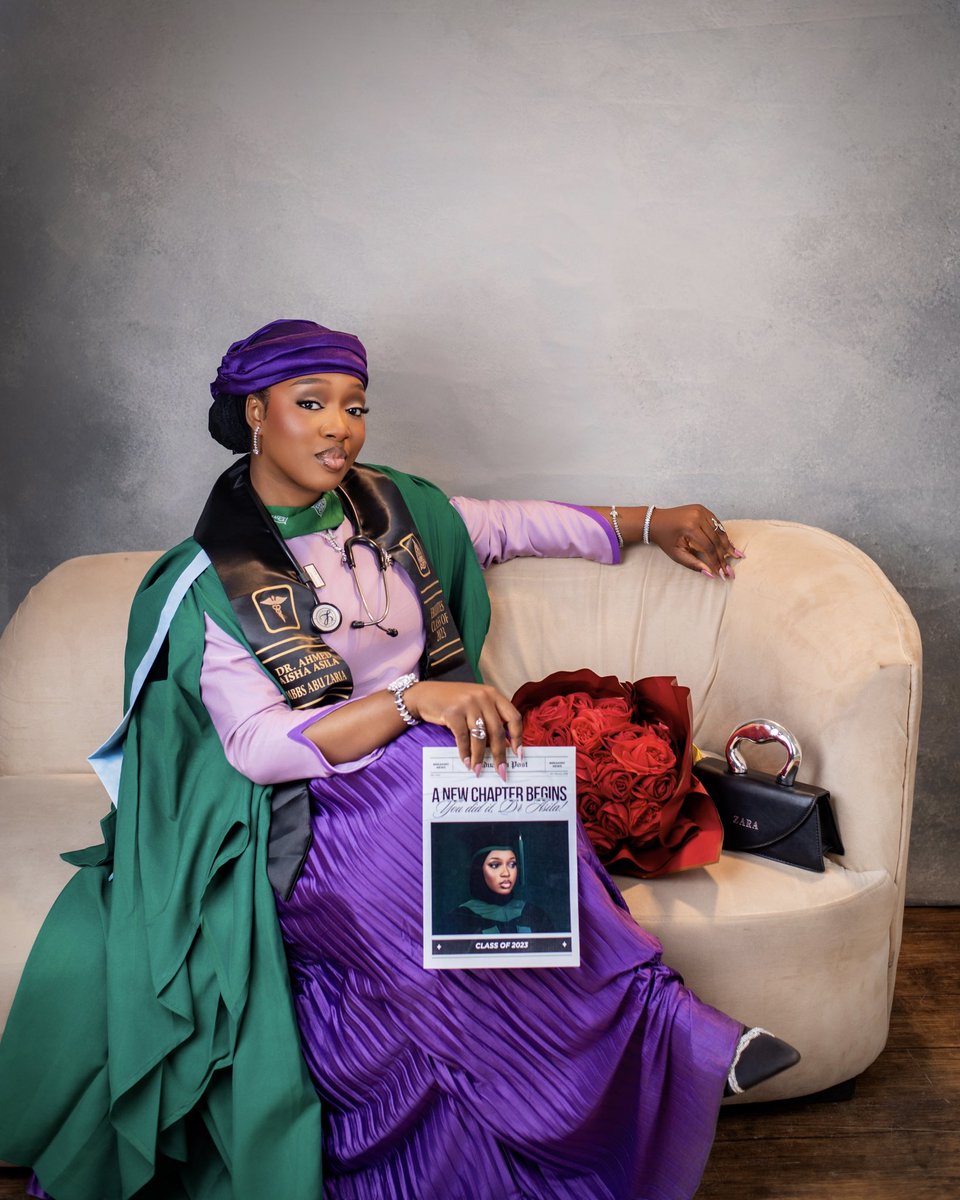
God Did…🥹❤️
After 9years of rigorous medical training…
It’s now Dr. Aisha Asila Ahmed!!!!
MBBS (ABU, Zaria)
🩺
English
Yu retweetledi
