Dacul | Taker

6.4K posts

Dacul | Taker banner
Dacul | Taker

Dacul | Taker

@DaculAlban

Web3 Digital marketer, @Madlads fam. reddio

Web3 blockchain Katılım Eylül 2019
1.1K Takip Edilen1.3K Takipçiler
Sabitlenmiş Tweet
Dacul | Taker
Dacul | Taker@DaculAlban·
I recently learnt why every web3 project I have done email broadcasting for would always insist I continue rendering them that service.Yes it is one of the digital marketing services I find very fun doing🤩. I’m a complete web3 digital marketer who solves these problems; 1/🧵
Dacul | Taker tweet mediaDacul | Taker tweet media
English
2
3
8
474
Dacul | Taker retweetledi
Alex Onyia
Alex Onyia@winexviv·
Today, we will be doubling down on eliminating all forms of corruption in universities, polytechnics and colleges of education in the South East. We have launched campusintegrity.ng Every student's data will be highly protected and will never be shared without express authorization from them. We want students to freely and safely report any form of admission racketeering, sorting, extortion, victimization, sex for grades, threats etc without any form of fear. We will engage all the necessary authorities to ensure that every legitimate complaint is duly handled and justice served. We want to sanitize our tertiary institutions and restore full integrity, to ensure that within 2 years we will start producing top quality graduates across board. We will be the greatest workforce in Africa within 10 years and we are very serious about it.
English
180
2.1K
4.1K
54.1K
Dacul | Taker retweetledi
Peter Obi
Peter Obi@PeterObi·
Fellow Nigerians, good morning. I woke up this morning after my church service with a deeply reflective heart, and despite every constraint, I felt compelled to share these thoughts with you. Many people do not truly understand the silent pains some of us carry daily—the private struggles, emotional burdens, and quiet battles we face while trying to survive and serve sincerely in difficult circumstances. We now live in an environment that has become increasingly toxic, where the very system that should protect and create opportunities for decent living often works against the people—a society where intimidation, insecurity, endless scrutiny, and discouragement have become normal. More painful is when some of those you associate with, believing you would find understanding and solidarity among them, become part of the pressure you face. Some who publicly identify with you privately distance themselves or join in unfair criticism. We live in a society where humility is mistaken for weakness, respect is seen as a lack of courage, and compassion is treated as foolishness—a system where treating people equally is questioned simply because you refuse to worship status, tribe, class, or power. Personally, I have never looked down on anyone except to uplift them. I have never used privilege, position, or resources to oppress others, intimidate the weak, or make people feel small. To me, leadership has always been about service, sacrifice, and helping others rise. Let me state clearly: my decision to leave the ADC is not because our highly respected Chairman, Senator David Mark, treated me badly, nor because my leader and elder brother, Alhaji Atiku Abubakar, or any other respected leaders did anything personally wrong to me. I will continue to respect them. However, the same Nigerian state and its agents that created unnecessary crises and hostility within the Labour Party that forced me to leave now appear to be finding their way into the ADC, with endless court cases, internal battles, suspicion, and division, instead of focusing on deeper national problems and playing politics built more on control and exclusion than on service and nation-building. Even within spaces where one labours sincerely, one is sometimes treated like an outsider in one’s own home. You and your team become easy targets for every failure, frustration, or misunderstanding, as though honest contribution has become a favour being tolerated rather than appreciated. And when you choose to leave so that those you are leaving can have peace, and you step out into the cold, you are still maligned and your character is questioned. Despite all your efforts to continue working for a better Nigeria and engaging people with sincerity and goodwill, those who do not wish you well continue to attack your character and question your intentions. There are moments I ask God in prayer: Why is doing the right thing often misconstrued as wrongdoing in our country? Why is integrity not valued? Why is the prudent management of resources, especially when invested in critical areas like education and healthcare, wrongly labelled as stinginess? Why are humility and obedience to the rule of law often taken to be weakness rather than discipline? Let me assure all that I am not desperate to be President, Vice President, or Senate President. I am desperate to see a society that can console a mother whose child has been kidnapped or killed while going to school or work. I am desperate to see a Nigeria where people will not live in IDP camps but in their homes. I am desperate for a country where Nigerian citizens do not go to bed hungry, not knowing where their next meal will come from. Yet, despite everything, I remain resolute. I firmly believe that Nigeria can still become a country with competent leadership based on justice, compassion, and equal opportunity for all. A new Nigeria is POssible. -PO
English
16.1K
35.3K
78.1K
5.7M
Dacul | Taker retweetledi
-valar morghulis-
-valar morghulis-@eldivine·
My dad had a similar experience. He owned three FMCG stores in Yaba, Tejuosho to be precise. After the war he didn't even come back to Lagos immediately because he felt he might not be welcome. Instead he moved to PH then to Sapele and started doing imports of sewing machines (many Igbo people started itinerant sewing which led them to Okrika). He couldn't crack the business however so his friend who had moved to Cotonou asked him to come join him. On his way there he passed through Lagos and decided to stop by his former area (two full years after the war ended) and found out that his long term neighbor a Yoruba man had kept his 3 shops running, restocking it and keeping all the records. When he saw my dad he told him he'd been looking for a way to reach him since the war ended, even sending messages but post war craziness meant no way to find him. He totaled the money he'd managed plus the cost of buying the stores and everything added up to £9,000. That's what my dad took plus the £6,000 he made from selling off his old business and started doing shoe and textile imports in Lome from 1973 onwards. Many such cases.
Polyglot adedeji Odulesi@polyglotodulesi

During the Nigerian Civil War, many Igbo people fled cities like Lagos, leaving behind houses and property. Alex Ekwueme (then a young architect) left his house in Apapa. His neighbour, Otunba Subomi Balogun, a banker did not seize the property. Instead, he removed intruders from the house, renovated it and rented it out while Ekwueme was away. He carefully kept all the rent proceeds. When the war ended and Ekwueme returned, Balogun handed back the house to him and gave him a full envelope of all the rent collected Ekwueme was reportedly shocked, because many others lost their properties during that period. About a decade later, Ekwueme became Vice President under President Shehu Shagari (Second Republic, 1979–1983). Subomi Balogun wanted to establish his own bank but faced significant hurdles at the Central Bank of Nigeria (CBN). Officials resisted because it was unprecedented for a private Nigerian citizen to own a commercial bank without foreign partners; there were also political suspicions (some alleged he might use it to finance certain politicians). After failing to get traction through official channels, Balogun turned to his old friend. One Sunday after Church Service, he and his wife "cornered" Ekwueme at the Cathedral Church in Marina, Lagos. They physically grabbed Ekwueme and his wife's clothing to get past security and plead their case. Ekwueme listened, reassured him, and instructed him to come to the Federal Executive Council meeting he would preside over (as Shagari was absent). That very Thursday, the Finance Minister called Balogun to confirm that the license had been approved on Ekwueme's instruction. This paved the way for FCMB and reportedly opened doors for other indigenous banks. Balogun later opened an FCMB branch in Ekwueme's hometown of Oko (Anambra State) in continuation of their friendship. We love ourselves, it is the politicians that are dividing us.

English
154
1K
3.3K
514.6K
Dacul | Taker retweetledi
BMS
BMS@bloomstarbms·
Instead of watching Netflix, learn from this Anthropic engineers on how to actually prompt claude the right way. It’s just 24 minutes video. Your prompting will definitely be better.
English
77
237
1.4K
51.8K
Dacul | Taker retweetledi
Polyglot adedeji Odulesi
Polyglot adedeji Odulesi@polyglotodulesi·
During the Nigerian Civil War, many Igbo people fled cities like Lagos, leaving behind houses and property. Alex Ekwueme (then a young architect) left his house in Apapa. His neighbour, Otunba Subomi Balogun, a banker did not seize the property. Instead, he removed intruders from the house, renovated it and rented it out while Ekwueme was away. He carefully kept all the rent proceeds. When the war ended and Ekwueme returned, Balogun handed back the house to him and gave him a full envelope of all the rent collected Ekwueme was reportedly shocked, because many others lost their properties during that period. About a decade later, Ekwueme became Vice President under President Shehu Shagari (Second Republic, 1979–1983). Subomi Balogun wanted to establish his own bank but faced significant hurdles at the Central Bank of Nigeria (CBN). Officials resisted because it was unprecedented for a private Nigerian citizen to own a commercial bank without foreign partners; there were also political suspicions (some alleged he might use it to finance certain politicians). After failing to get traction through official channels, Balogun turned to his old friend. One Sunday after Church Service, he and his wife "cornered" Ekwueme at the Cathedral Church in Marina, Lagos. They physically grabbed Ekwueme and his wife's clothing to get past security and plead their case. Ekwueme listened, reassured him, and instructed him to come to the Federal Executive Council meeting he would preside over (as Shagari was absent). That very Thursday, the Finance Minister called Balogun to confirm that the license had been approved on Ekwueme's instruction. This paved the way for FCMB and reportedly opened doors for other indigenous banks. Balogun later opened an FCMB branch in Ekwueme's hometown of Oko (Anambra State) in continuation of their friendship. We love ourselves, it is the politicians that are dividing us.
English
161
1.7K
6K
690.5K
Dacul | Taker retweetledi
Arinze Odira
Arinze Odira@CaptainArinze·
Young King, 1. Spend time with people who have what you want and learn from them. 2. You don't need every shiny thing to be seen. 3. You can't trust a guy who acts like he has nothing to lose. 4. Don't allow the urgent to drown the important. That it is difficult doesn't make it valuable. 5. Whoever stays close to the heart eventually wins the heart. Read that one again, slowly.
English
3
42
103
2.3K
Dacul | Taker retweetledi
Eddy 🥶
Eddy 🥶@eddieddy01·
@vahphor Your brother use 10k dulz open pure water factory 🤣
English
28
1
176
121.3K
Dacul | Taker
Dacul | Taker@DaculAlban·
@IgboHistoFacts Chukwusolukwuonaogadimma In short Chisolu ✅ Chisom ❌ ( I am tired of being called chisom 😆😂)
English
0
0
0
15
Dacul | Taker
Dacul | Taker@DaculAlban·
@DaddyTwinzz Aha otutu nnam bu "Azidiegwu''(aha nna ya na) Aha ozo ya bu ''Ezennia'' 😉 Dalukwanu
Indonesia
0
0
0
116
Iwu Nna
Iwu Nna@DaddyTwinzz·
Achọrọ m ịma mmadụ ole ga ahọta ihe m dere ebe a. Ọ bụrụ na ị bụ ezigbo onye Igbo, gwa m aha otutu nna gị. Aha otutu nna m bụ Ifemelumma.
Eesti
2.1K
449
3.5K
140.5K
Dacul | Taker
Dacul | Taker@DaculAlban·
becoming num. 1 content tools hub in the east and beyond. We are in Enugu (our first point) and coming! Swiftpoint_enterprise on tiktok Watch the space . We are not just selling content tools, building a movement.. so help me God 🙏
English
0
0
0
20
Dacul | Taker
Dacul | Taker@DaculAlban·
Exactly what I want to do with SPE! Supporting young creators in any little way just as we did in our first edition of #create4dmDeast challenge on tiktok and ig where we gave out 180k worth of content products for free to young creators, a bid to ....
English
1
0
0
21
Dacul | Taker
Dacul | Taker@DaculAlban·
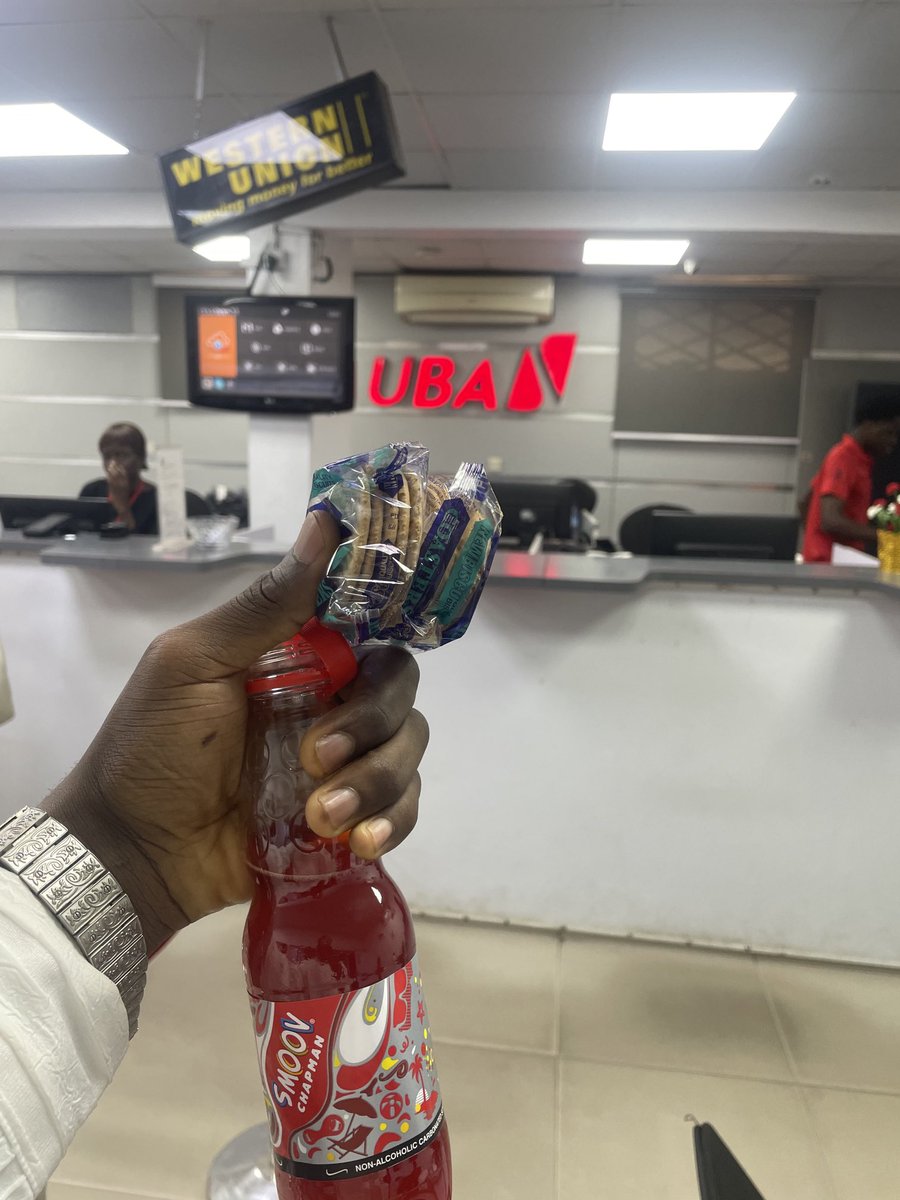
How did I start using @UBAGroup bank? Back in 2012/2013 when they hatched a beautiful idea of going into sec schools to "catch them young" That's how I opened a uba account in jss2 and since then! I've got an emotional attachment with them as my first bank 😎 💕. See comment
English
1
0
0
52
Dacul | Taker retweetledi
Alex Onyia
Alex Onyia@winexviv·
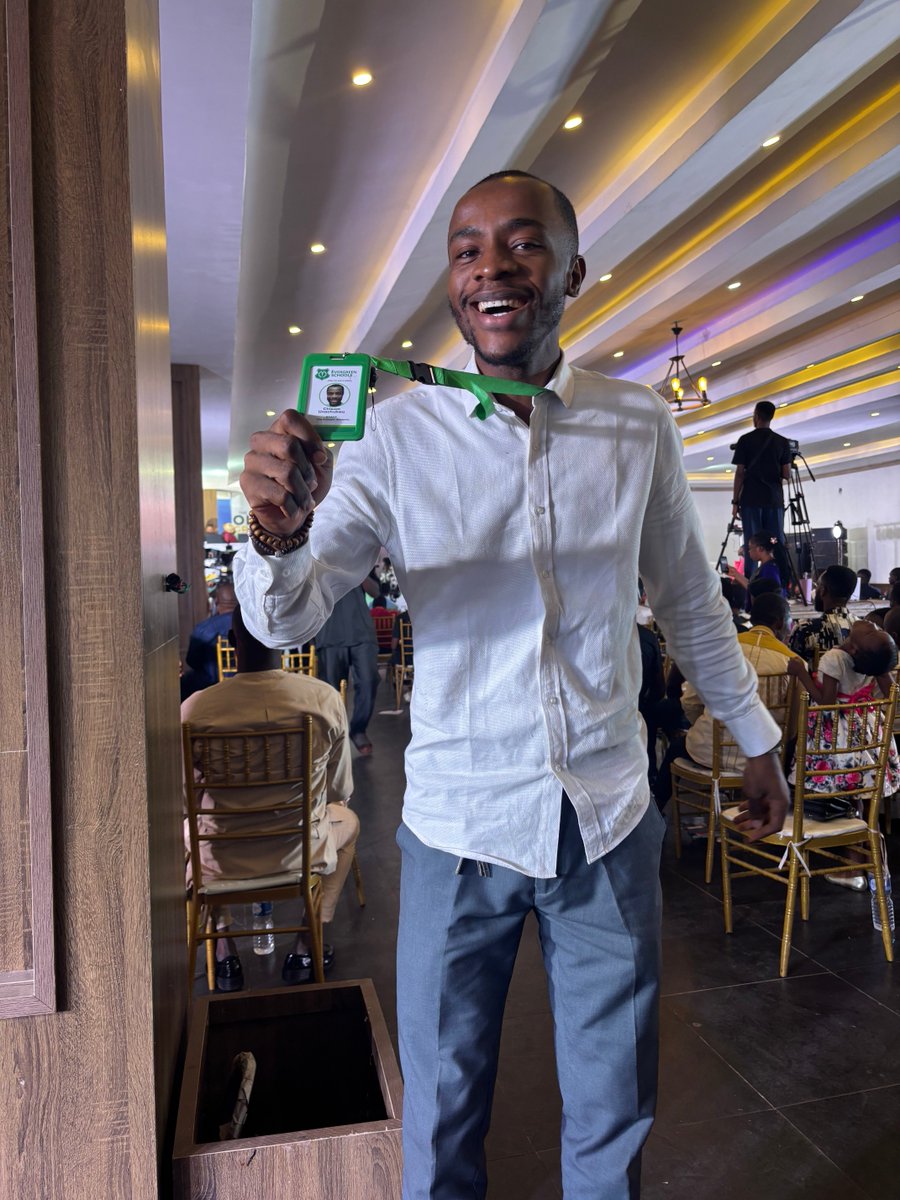
This is the maths teacher from Evergreen schools Enugu. His name is Master Chisom Unachukwu. His students took 1st, 2nd and 3rd positions for Junior Category for South East Maths Olympiad Grand Finale. These boys are hooot!!!!
Alex Onyia tweet media
English
689
8.2K
27.8K
1.1M
Dacul | Taker
Dacul | Taker@DaculAlban·
@udoszn Some actually do.. more practical in the north .
English
1
0
1
6
Dacul | Taker retweetledi
Osaretin Victor Asemota
Osaretin Victor Asemota@asemota·
A Nigerian banking license in the 90s was 20 million Naira. Setting up a cheap branch then was about 340k Naira. I know this because I was actively involved in developing the business plan and obtaining the Oceanic Bank license. How could a 34-year-old manager at one of the biggest banks in the country at the time (All States Trust Bank) raise 20 million Naira? You need to be able to use your imagination to realize that things were not only much easier to do at the time, but that relationships built over your career also mattered. There were two main gigs at heavily deregulated period of Nigerian financial services: 1. Building your own finance house with a lesser license or... 2. Building a bank with very little capital. Many finance houses and banks were established, but many didn't survive, as they were only vehicles for FX round-tripping at a time when the gap between the official and parallel exchange rates was wide, due to the economic chaos created by the Structural Adjustment Program (SAP). Some of my family members started KMC (Keneth Michael and Co), a finance house that failed, and later learned from that experience that it was better to acquire a bank. They boldly went for the biggest, as the government was also divesting from the banking sector, as mandated by the foreign lenders. They acquired UBA with around $12m Dollars raised in private placements. Others followed other paths. Jim Ovia started one from scratch using the same fundraising mechanism others used in an era of market frothiness, when fortunes were being made from FX trading. Tony Elumelu chose to acquire a smaller bank that was almost insolvent and undercapitalized. He turned it around, and it became the fastest-growing bank in Nigeria's history. They went after the segment most people ignored, the young and the poor. While account opening balances at other banks were high, they went lower. They practically owned the student market and were growing fast. Fast forward to an era in which deregulation was halted due to high failure rates among banks and finance houses. There was a forced consolidation of banks, and it was a game of being bought or buying others. UBA faced significant internal turmoil, and the Central Bank removed the Chairman. Standard Trust Bank moved in to merge with UBA in a strategic acquisition move that was unheard of in the industry. I still remember a 10-hour closed-door meeting with stakeholders before the deal was sealed. One person most people have forgotten about, who was the architect of this deal, was the late Albert Egba Okumagba, the CEO of BGL Securities at the time. He was the architect of Tony's first and second acquisitions. The Capital market and the financial services sector were much more intertwined at the time. Young men like the late Egba Okumagba and late Osaze Osifo shaped much of what we now know as today's behemoths through brilliant financial engineering and collaborative relationships. It is better for you to look for what you can build, like they did today, instead of peddling rumors on Twitter.
Osaretin Victor Asemota tweet media
English
83
352
1.3K
164.5K