Dale Lablans

2K posts

Dale Lablans banner
Dale Lablans

Dale Lablans

@DaleLablans

PhD candidate | Head of Performance - Ice Hockey | NSCA regional director - Ontario | Passion for all things Human Performance

Katılım Ekim 2010
987 Takip Edilen454 Takipçiler
Dale Lablans retweetledi
Anish Giri
Anish Giri@anishgiri·
Top 5 chess YouTube channels to watch in 2026: -ChessBaseIndia (everything, but vlogs) -Felix Blohberger (almost everything) -Chess with Mustreader (when good guest) -AnishGiriOfficial (when uploads, so almost never) -DojoTalks (sometimes good) -CSquared (unless about insects)
English
79
24
1K
87.4K
Dale Lablans retweetledi
Brad Stulberg
Brad Stulberg@BStulberg·
25 simple rules for living an excellent life in a shallow, isolated, and distracted world: 1. The best way to stay sane is to find the people and activities you love and give them your all. 2. Challenge yourself and do hard things. It makes you feel alive, and what we are all seeking is aliveness. 3. Move your body regularly. Eat your vegetables. (And when you forget, simply begin again.) 4. Be consistent. Some days will be better than others. Show up. Give what you’ve got to give. Rinse and repeat. 5. Remember that true success is not a big house or fancy car. It is knowing your values and living in alignment in with them. 6. Surround yourself with the right people. (This may be most important of all.) 7. Do what you can to respond not react: You can’t always control what happens to you but you can control what you do about it. This is where your power lies. 8. Everyone faces anxiety, fear, and doubt. Try not to let it shrink your life. Courage means taking these emotions along for the ride and doing it anyways. 9. Confidence comes from evidence. If you want to be confident about something, put in the reps and give yourself the evidence. 10. Just. Get. Started. You’re never fully ready. Nobody is. Lower the bar to ready enough, step in the arena, and learn (and grow) as you go. 11. Do not worry about being the best. Focus on being the best at getting better. The results will take care of themselves. 12. Better is about more than just objective results and points on the scoreboard; it also means becoming stronger, kinder, and wiser. 13. Focus less on being happy all the time and more on living a meaningful and textured life. The irony is, you’ll be happier as a result. 14. Set aside time for full attention on work that is important. Remove distractions. Periods of deep-focus work are a simple yet truly profound part of a good life. 15. Start where you are. Not where you want to be. Not where you think you should be. Not where other people think you should be. But where you are. 16. Play the long game. There is no such thing as an overnight breakthrough. The bigger the goal, the smaller the steps. 17. Sleep when you are tired. 18. Motivation is overrated. You don’t need to feel good to get going, you need to get going to give yourself a chance at feeling good. 19. People love to chess thump about how disciplined they are, but true discipline doesn't need a parade: it is simply showing up and doing what you need to do. 20. Doing the hard thing today often makes tomorrow just a bit easier. 21. You don't have to have an opionion on everything. 22. Don’t stress if you aren’t “balanced.” It’s impossible to do all the things. Part of being a mature adult is making tradeoffs. It’s okay to have different seasons of life for emphasizing different things. 23. What other people think of you does not matter nearly as much as what you think of yourself. 24. Don't be too cool to care. Caring is one of the coolest things there is. 25. The pursuit of greatness isn’t only about where you end up. It’s also about the person you become along the way. (If you found this valuable, repost or comment with the rules you liked best or anything I might have missed!)
English
18
108
646
56.6K
Dale Lablans retweetledi
Steve Magness
Steve Magness@stevemagness·
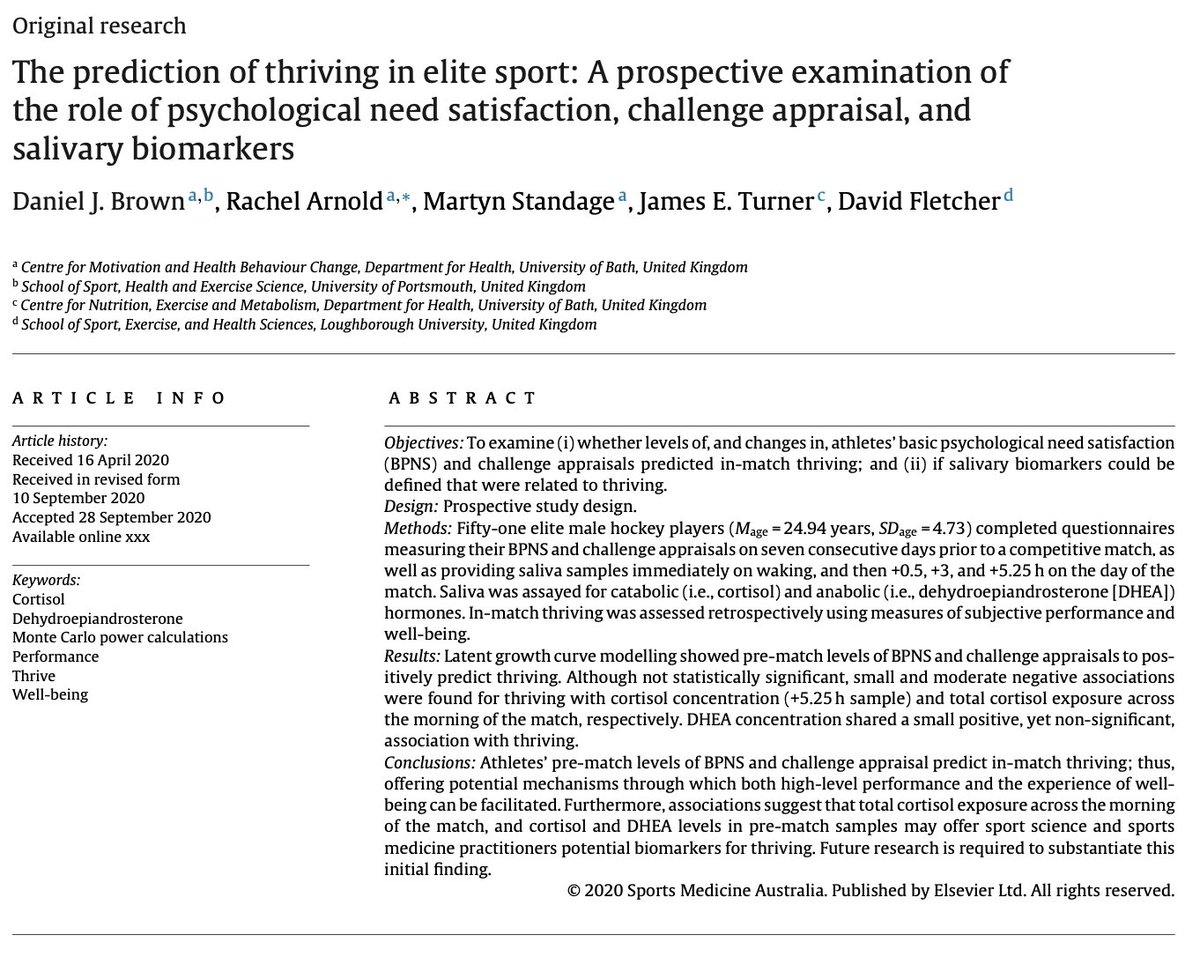
What predicts performance in sport? In a study on elite field hockey players, athletes performed better when they had: -Sense of Autonomy -Sense of Mastery -Feel Belonging -See the game as a challenge instead of a threat
Steve Magness tweet media
English
5
8
84
11.3K
Dale Lablans retweetledi
Sydney
Sydney@sydney_oakes·
Thank you to @TimminsChamber membership for your support and confidence! Looking forward to working with fellow board members and local leadership to help shape the future of business in #Timmins
Canada Nickel Company@CanadaNickel

Canada Nickel is proud to share that @sydney_oakes, our Director of Indigenous Relations and Public Affairs, has been appointed to the @TimminsChamber of Commerce Board of Directors. Her leadership is helping shape the future of mining in Ontario.

English
0
1
1
145
Dale Lablans retweetledi
Mushtaq Bilal, PhD
Mushtaq Bilal, PhD@MushtaqBilalPhD·
Screening papers for a systematic review is a time-consuming task. Silvi helps you screen papers in bulks. Here's how to bulk-screen papers and make your review process efficient:
English
2
37
295
49.3K
Dale Lablans retweetledi
x - Canadiens Montréal
x - Canadiens Montréal@CanadiensMTL·
Check out the best pics from development camp Photo gallery ↓ #GoHabsGo
English
7
21
175
28.3K
Dale Lablans retweetledi
Steve Magness
Steve Magness@stevemagness·
Research on Olympic medal winning swimmers reveals a powerful shift: 1. They started with a "performance narrative" - results were EVERYTHING. 2. Adversity (injury, mental health, even fame) shattered this story. 3. They often tried to double down…and it backfired. 4. They adopted a "quest narrative" - finding MEANING in the struggle, not just the win. They performed and lived better. The quest narrative isn't about saying outcomes don't matter. It's about confronting suffering, accepting consequences, and striving for something positive from the experience. It's about growth and self-discovery. Instead of seeking outcomes and any setback as an indicator that we aren't good enough or that we failed, we need to see our life as a bumpy, meandering path with more exploration. We don't know exactly what we'll face, but it's part of the journey of self-discovery. A quest mindset helps us: Embrace the messiness Find strength in adversity Redefine success beyond just the outcome When performance is the ONLY thing, we're fragile. A quest mindset makes us resilient. It's not about giving up on goals. It's about finding deeper meaning in the pursuit itself. For more, this is from Chapter 5 of Win the Inside Game: amzn.to/4b0p4ju
English
4
16
69
17.4K
Dale Lablans retweetledi
Steve Magness
Steve Magness@stevemagness·
Our brain is smart. You aren’t fooling it with performative stuff. And you aren’t intimidating anyone else. Prepare to perform. Intentionally dropping your core and muscle temp doesn’t help. Confidence comes from evidence not performative fake junk.
English
45
73
1.6K
595.6K
Dale Lablans retweetledi
Canada Nickel Company
Canada Nickel Company@CanadaNickel·
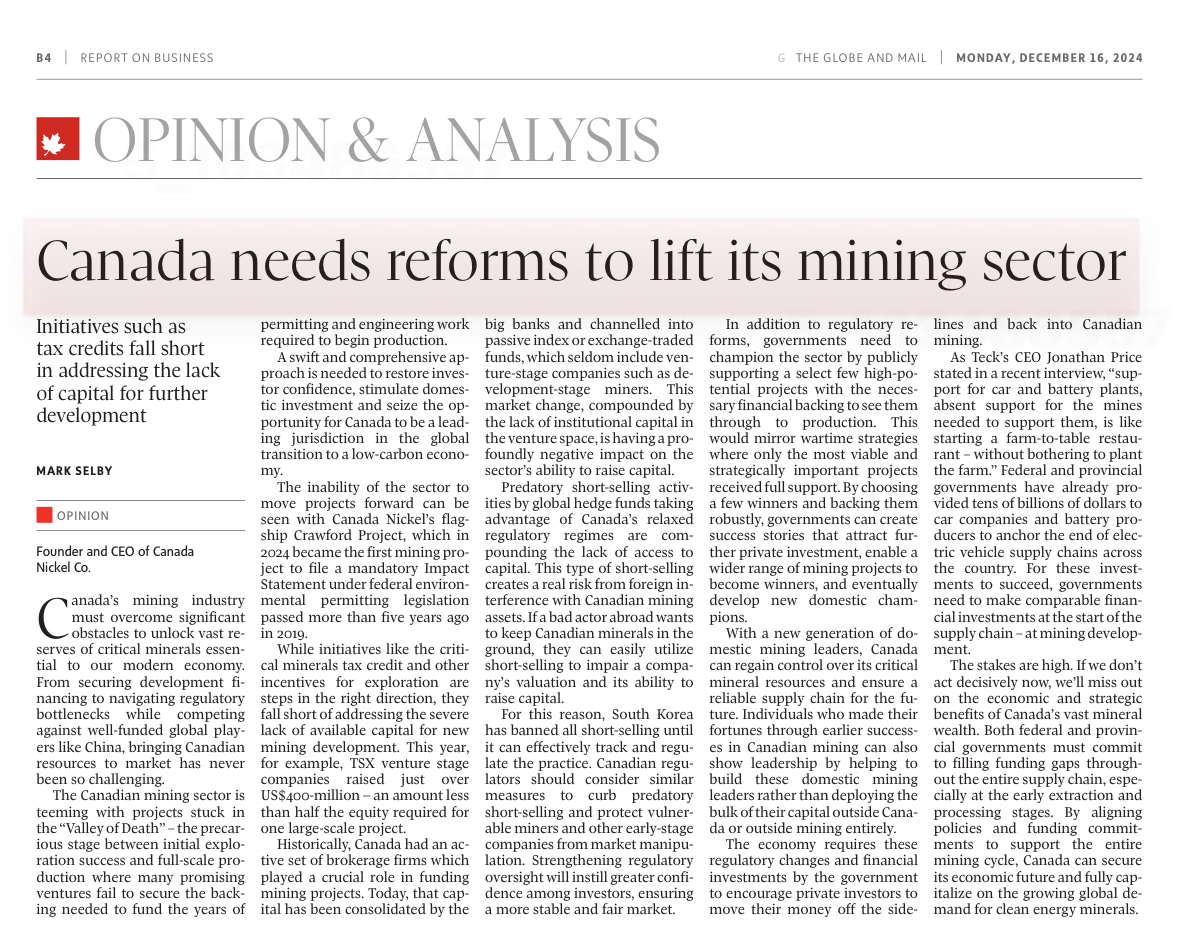
Now more than ever, decisive action on funding, regulation, and creating a stable investment environment is essential to position Canada as a global leader in #cleanenergy minerals. 1/3
Canada Nickel Company tweet media
English
2
12
39
3K
Dale Lablans retweetledi
Prof Lennart Nacke, PhD
Prof Lennart Nacke, PhD@acagamic·
Most researchers make a fatal mistake in their proposal's introduction, but understanding the "Why-What" sequence can change everything... Here's a 15-part structure I use that makes it simple. Let's break it down into 7 broad steps:
Prof Lennart Nacke, PhD tweet media
English
10
274
1.2K
119.6K
Dale Lablans retweetledi
Faheem Ullah
Faheem Ullah@Faheem_uh·
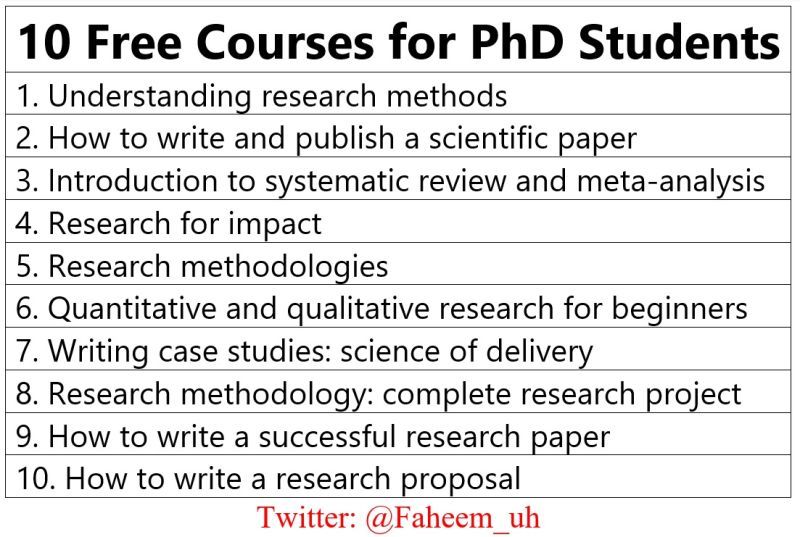
PhD Students - Here are the 10 best FREE courses for you. 𝟏. 𝐔𝐧𝐝𝐞𝐫𝐬𝐭𝐚𝐧𝐝𝐢𝐧𝐠 𝐑𝐞𝐬𝐞𝐚𝐫𝐜𝐡 𝐌𝐞𝐭𝐡𝐨𝐝𝐬 You will learn how to design your research questions and how to position the novelty of your research. Link: lnkd.in/g-xBFj4v 𝟐. 𝐇𝐨𝐰 𝐭𝐨 𝐖𝐫𝐢𝐭𝐞 𝐚𝐧𝐝 𝐏𝐮𝐛𝐥𝐢𝐬𝐡 𝐚 𝐒𝐜𝐢𝐞𝐧𝐭𝐢𝐟𝐢𝐜 𝐏𝐚𝐩𝐞𝐫 You will learn how to write a paper, how to evaluate/review a paper, and how to select appropriate venue for your paper submission. Link: lnkd.in/giwTe2is 𝟑. 𝐈𝐧𝐭𝐫𝐨𝐝𝐮𝐜𝐭𝐢𝐨𝐧 𝐭𝐨 𝐒𝐲𝐬𝐭𝐞𝐦𝐚𝐭𝐢𝐜 𝐑𝐞𝐯𝐢𝐞𝐰 𝐚𝐧𝐝 𝐌𝐞𝐭𝐚-𝐀𝐧𝐚𝐥𝐲𝐬𝐢𝐬 You will learn how to perform systematic review, how to define inclusion and exclusion criteria, and how to answer the questions of your review. Link: lnkd.in/gnpN9ivf 𝟒. 𝐑𝐞𝐬𝐞𝐚𝐫𝐜𝐡 𝐟𝐨𝐫 𝐈𝐦𝐩𝐚𝐜𝐭 You will learn principles and practices for how to make your research more impactful. Link: lnkd.in/gRsWsUsq 𝟓. 𝐑𝐞𝐬𝐞𝐚𝐫𝐜𝐡 𝐌𝐞𝐭𝐡𝐨𝐝𝐨𝐥𝐨𝐠𝐢𝐞𝐬 You will learn about a broad range of research methodologies, sampling approaches, and primary and secondary data collection. Link: lnkd.in/gqh3VKCC 𝟔. 𝐐𝐮𝐚𝐧𝐭𝐢𝐭𝐚𝐭𝐢𝐯𝐞 𝐚𝐧𝐝 𝐐𝐮𝐚𝐥𝐢𝐭𝐚𝐭𝐢𝐯𝐞 𝐑𝐞𝐬𝐞𝐚𝐫𝐜𝐡 𝐟𝐨𝐫 𝐁𝐞𝐠𝐢𝐧𝐧𝐞𝐫𝐬 You will learn the basics of quantitative and qualitative data analysis. Link: shorturl.at/uNT58 𝟕. 𝐖𝐫𝐢𝐭𝐢𝐧𝐠 𝐂𝐚𝐬𝐞 𝐒𝐭𝐮𝐝𝐢𝐞𝐬: 𝐒𝐜𝐢𝐞𝐧𝐜𝐞 𝐨𝐟 𝐃𝐞𝐥𝐢𝐯𝐞𝐫𝐲 You will learn how to plan your research, conduct interviews, and organize your writing. Link: shorturl.at/ejnMY 𝟖. 𝐑𝐞𝐬𝐞𝐚𝐫𝐜𝐡 𝐌𝐞𝐭𝐡𝐨𝐝𝐨𝐥𝐨𝐠𝐲: 𝐂𝐨𝐦𝐩𝐥𝐞𝐭𝐞 𝐑𝐞𝐬𝐞𝐚𝐫𝐜𝐡 𝐏𝐫𝐨𝐣𝐞𝐜𝐭 𝐁𝐥𝐮𝐞𝐩𝐫𝐢𝐧𝐭 You will learn about data collection, data analysis, reporting. Link: lnkd.in/gFU8Nbrv 𝟗. 𝐇𝐨𝐰 𝐭𝐨 𝐖𝐫𝐢𝐭𝐞 𝐚 𝐒𝐮𝐜𝐜𝐞𝐬𝐬𝐟𝐮𝐥 𝐑𝐞𝐬𝐞𝐚𝐫𝐜𝐡 𝐏𝐚𝐩𝐞𝐫 You will learn the complete process of paper writing with templates. Link: lnkd.in/g-ni3u5q 𝟏𝟎. 𝐑𝐞𝐬𝐞𝐚𝐫𝐜𝐡 𝐏𝐫𝐨𝐩𝐨𝐬𝐚𝐥 𝐁𝐨𝐨𝐭𝐜𝐚𝐦𝐩: 𝐇𝐨𝐰 𝐓𝐨 𝐖𝐫𝐢𝐭𝐞 𝐀 𝐑𝐞𝐬𝐞𝐚𝐫𝐜𝐡 𝐏𝐫𝐨𝐩𝐨𝐬𝐚𝐥 You will learn how to write a research proposal for your PhD. Link: lnkd.in/gNRitBwX Any other course to be added? #research #phd
Faheem Ullah tweet media
English
5
96
295
20.1K
Dale Lablans retweetledi
Emmanuel Tsekleves
Emmanuel Tsekleves@PhDtoProf·
When I first started my PhD, constructing a theoretical research framework felt like scaling Mount Everest in flipflops. Today, I'm breaking it down into manageable steps, so you can transform your research. Let's dive into the process:
Emmanuel Tsekleves tweet media
English
5
236
730
83K
Dale Lablans retweetledi
Prof Lennart Nacke, PhD
Prof Lennart Nacke, PhD@acagamic·
Your research paper shouldn't take 6 months to outline. Most junior academics overcomplicate this process. Here's a simple lo-if mind map I've used:
Prof Lennart Nacke, PhD tweet media
English
10
301
1.8K
259.9K
Dale Lablans retweetledi
Joachim Schork
Joachim Schork@JoachimSchork·
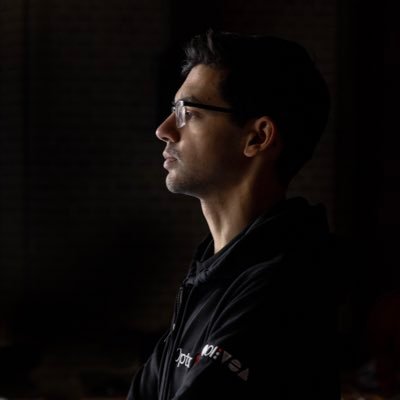
In statistics, Frequentist and Bayesian approaches are two major methods of inference. While they aim to solve similar problems, they differ in their interpretation of probability and handling of uncertainty. Frequentist Approach: Frequentists interpret probability as the long-run frequency of events. Parameters (like the mean) are fixed but unknown, and inference relies on analyzing repeated samples. ✔️ Key Concept: Frequentist methods estimate a single, true parameter value based on hypothetical repeated sampling. ✔️ Confidence Intervals: A 95% confidence interval means that in repeated samples, 95% of intervals would contain the true value, not that there's a 95% chance for a single interval. ✔️ Hypothesis Testing: P-values measure how likely observed data (or more extreme data) would be under the null hypothesis. If the p-value is low (e.g., < 0.05), we reject the null. ❌ Limitations (Frequentist): P-values can be misinterpreted and do not directly indicate the truth of a hypothesis, and frequentist methods do not incorporate prior knowledge, limiting flexibility when such information is available. Bayesian Approach: Bayesians interpret probability as degrees of belief or certainty about an event, updated as new evidence emerges. ✔️ Key Concept: Bayesian methods start with a prior belief about a parameter, which is updated with data to produce the posterior distribution, reflecting the updated understanding. ✔️ Credible Intervals: A 95% credible interval means there's a 95% probability the parameter lies within this range, given the data and prior. ✔️ Incorporating Prior Knowledge: Bayesian methods incorporate prior information, making them flexible for combining expert opinions or past data. ❌ Limitations (Bayesian): The choice of prior can be subjective and influence results, and Bayesian methods often require intensive computation, especially for complex models like those using MCMC. The graph compares Frequentist Confidence Intervals (blue) from 20 samples with a single Bayesian Credible Interval (red). Frequentist intervals vary across samples, showing where the true parameter would fall in repeated sampling. In contrast, the Bayesian interval shows the 95% probability that the parameter lies within the range, given the data and prior. This highlights their different approaches to uncertainty. For more tips and insights on data science, sign up for my free newsletter! Further details: eepurl.com/gH6myT #VisualAnalytics #Python #datavis #database #RStats
Joachim Schork tweet media
English
4
54
264
18.8K