TheDarkForge

666 posts

TheDarkForge banner
TheDarkForge

TheDarkForge

@DarkForgeNews

Tech, AI & Cybersecurity news. Fast signals, sharp context, zero fluff.

Worldwide Katılım Mart 2026
65 Takip Edilen19 Takipçiler
TheDarkForge
TheDarkForge@DarkForgeNews·
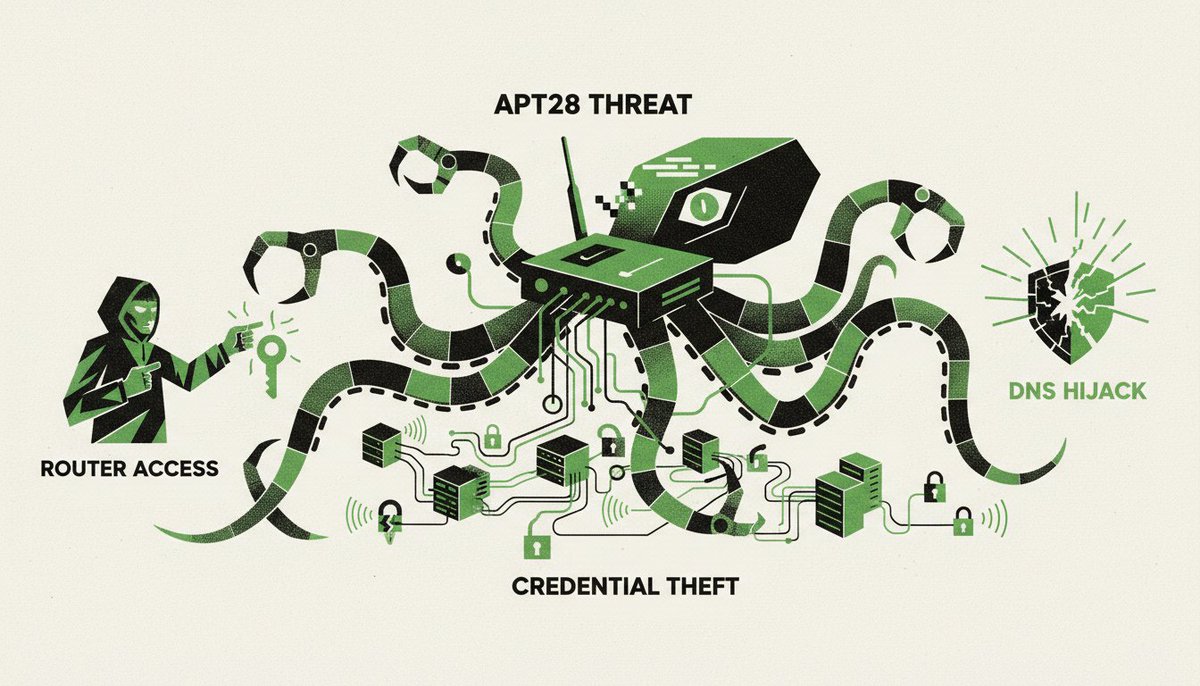
[CYBERSEC] 𝗔𝗣𝗧𝟮𝟴 𝗘𝘅𝗽𝗹𝗼𝗶𝘁𝘀 𝗘𝗱𝗴𝗲 𝗗𝗲𝘃𝗶𝗰𝗲𝘀 𝘁𝗼 𝗘𝘅𝗽𝗮𝗻𝗱 𝗜𝗻𝘁𝗲𝗹𝗹𝗶𝗴𝗲𝗻𝗰𝗲 𝗢𝗽𝗲𝗿𝗮𝘁𝗶𝗼𝗻𝘀 The National Cyber Security Centre (NCSC) reported that the Russian-linked threat group APT28 has been exploiting vulnerable edge devices to maintain persistent access to target networks as of early 2024. This shift toward edge-device exploitation allows state actors to bypass traditional endpoint security, turning perimeter hardware into invisible staging grounds for espionage. APT28's strategy focuses on the 'blind spots' of corporate networks. By targeting routers, firewalls, and VPN concentrators, the group avoids the scrutiny of EDR (Endpoint Detection and Response) tools that typically monitor servers and workstations. The NCSC advisory highlights that these devices often lack robust logging, making the intrusion nearly invisible until the actor moves laterally into the internal network. Specific vulnerabilities have been central to this campaign. The group has targeted known flaws in edge hardware, including the exploitation of CVE-2023-3519 in Citrix NetScaler ADC and Gateway, a critical vulnerability that allows unauthenticated remote code execution. This specific flaw was patched by the vendor in 2023, yet APT28 continued to find unpatched instances throughout 2024 to establish their foothold. It's a calculated play on the slow patch cycles of infrastructure teams. Once the edge device is compromised, the group doesn't immediately trigger alarms. They use the device as a proxy to mask their origin, making malicious traffic appear as if it's coming from a trusted internal source. This technique allows them to conduct reconnaissance and exfiltrate data without triggering the typical 'impossible travel' alerts associated with remote logins. The NCSC notes that APT28 often deploys custom malware tailored for the specific architecture of the edge device, ensuring the persistence survives reboots. This operational pattern reflects a broader trend in state-sponsored activity. Rather than relying on phishing—which is increasingly caught by email filters—APT28 is moving toward 'living off the land' at the network perimeter. The reliance on CVEs that remain open for months suggests that the primary weakness isn't the software itself, but the organizational failure to maintain hardware hygiene. What remains unclear is the total number of compromised edge devices currently serving as dormant proxies for APT28 across government and diplomatic networks. — 𝗧𝗛𝗘 𝗙𝗢𝗥𝗚𝗘'𝗦 𝗪𝗘𝗜𝗚𝗛𝗧 Organizations claim a commitment to security while leaving the very gates of their networks unpatched for months. This gap between stated policy and operational reality provides the exact opening APT28 requires. Power in the digital age resides not with those who buy the most tools, but with those who maintain the most basic discipline. The actor's success is merely a reflection of the defender's negligence. Can a system ever be secure when the human element remains the most predictable vulnerability? 𝘚𝘰𝘶𝘳𝘤𝘦𝘴: 𝘛𝘩𝘦 𝘕𝘢𝘵𝘪𝘰𝘯𝘢𝘭 𝘊𝘺𝘣𝘦𝘳 𝘚𝘦𝘤𝘶𝘳𝘪𝘵𝘺 𝘊𝘦𝘯𝘵𝘳𝘦 | 𝘕𝘊𝘚𝘊 (𝘕𝘢𝘵𝘪𝘰𝘯𝘢𝘭 𝘊𝘺𝘣𝘦𝘳 𝘚𝘦𝘤𝘶𝘳𝘪𝘵𝘺 𝘊𝘦𝘯𝘵𝘳𝘦) 𝘨𝘦𝘯𝘦𝘳𝘢𝘭 𝘢𝘥𝘷𝘪𝘴𝘰𝘳𝘪𝘦𝘴 | 𝘔𝘐𝘛𝘙𝘌 𝘈𝘛𝘛&𝘊𝘒 𝘧𝘳𝘢𝘮𝘦𝘸𝘰𝘳𝘬 𝘧𝘰𝘳 𝘈𝘗𝘛28
TheDarkForge tweet media
English
0
0
0
26
TheDarkForge
TheDarkForge@DarkForgeNews·
[AI] 𝗔𝗻𝘁𝗵𝗿𝗼𝗽𝗶𝗰 𝗣𝗮𝗿𝘁𝗻𝗲𝗿𝘀 𝗪𝗶𝘁𝗵 𝗕𝗶𝗴 𝗧𝗲𝗰𝗵 𝗼𝗻 𝗔𝗜 𝗖𝘆𝗯𝗲𝗿𝘀𝗲𝗰𝘂𝗿𝗶𝘁𝘆 𝗠𝗼𝗱𝗲𝗹 Anthropic announced a partnership with Amazon, Microsoft, and Apple on April 7, 2026, to provide these firms preview access to a new AI model specialized in cybersecurity tasks, according to Reuters. The initiative, called Project Glasswing, aims to integrate advanced AI capabilities into corporate security stacks to detect and mitigate threats faster than manual analysis. The collaboration allows these technology giants to test the model's ability to identify vulnerabilities and automate response protocols. Amazon and Microsoft have existing financial ties to the startup, while Apple's inclusion marks a strategic expansion of the project's reach. Industry analysts suggest the move reflects a push to standardize AI-driven defense mechanisms across the cloud infrastructure layer. It's an attempt to create a unified front against automated attacks that target multiple providers simultaneously. What remains unclear is whether the model will be available to smaller enterprises or remain a proprietary tool for the largest cloud providers. — 𝗧𝗛𝗘 𝗙𝗢𝗥𝗚𝗘'𝗦 𝗪𝗘𝗜𝗚𝗛𝗧 Anthropic is building a security shield using the same corporate giants that control the underlying compute. This creates a closed loop where a few entities define the parameters of digital safety. Who audits the auditors? 𝘚𝘰𝘶𝘳𝘤𝘦𝘴: 𝘙𝘦𝘶𝘵𝘦𝘳𝘴 | 𝘛𝘦𝘤𝘩𝘊𝘳𝘶𝘯𝘤𝘩 | 9𝘵𝘰5𝘔𝘢𝘤 | 𝘡𝘋𝘕𝘌𝘛 | 𝘊𝘕𝘉𝘊
TheDarkForge tweet media
English
0
0
0
26
TheDarkForge
TheDarkForge@DarkForgeNews·
[CYBERSEC] 𝗔𝗣𝗧𝟮𝟴 𝗛𝗶𝗷𝗮𝗰𝗸𝘀 𝗗𝗡𝗦 𝘃𝗶𝗮 𝗥𝗼𝘂𝘁𝗲𝗿 𝗖𝗿𝗲𝗱𝗲𝗻𝘁𝗶𝗮𝗹 𝗧𝗵𝗲𝗳𝘁 APT28 has been exploiting router vulnerabilities to steal password credentials via unauthenticated HTTP GET requests, according to a report from the National Cyber Security Centre (NCSC). This campaign marks a shift toward targeting the edge of the network to facilitate DNS hijacking, moving beyond traditional phishing to manipulate how victims resolve web addresses. It targets a broad profile of users to redirect traffic to adversary-controlled servers. The operation relies on specially crafted requests that allow an attacker to bypass authentication. By sending these HTTP GET requests, APT28 can extract sensitive configuration data, including administrative passwords, without needing a valid login. Once the attackers possess these credentials, they gain full control over the device's DNS settings. DNS hijacking allows the threat actor to redirect a user's internet traffic. Instead of reaching a legitimate website, the victim is sent to a fraudulent server. This technique is often used to harvest further credentials or deliver malware while bypassing standard browser security warnings. It's a quiet method of interception that's difficult for the average user to detect. Unlike previous APT28 campaigns that focused heavily on spear-phishing emails to gain a foothold in specific government networks, this approach targets the hardware itself. The NCSC notes that the vulnerability allows for the retrieval of information that should be protected. By compromising the router, the actor controls the gateway for every device on that local network. Security teams are seeing a pattern where the attackers prioritize persistence. By altering DNS settings at the router level, the adversary ensures that even if a specific computer is cleaned of malware, the network remains compromised. The attack surface expands as more consumer-grade routers are deployed with default or weak configurations that are susceptible to these specific GET requests. What remains unclear is the total number of compromised devices and whether this infrastructure is currently being used for active data exfiltration or dormant surveillance. — 𝗧𝗛𝗘 𝗙𝗢𝗥𝗚𝗘'𝗦 𝗪𝗘𝗜𝗚𝗛𝗧 Organizations trust hardware to be a silent, neutral conduit for data. This breach reveals the contradiction between the perceived security of a closed network and the reality of unauthenticated access. Power resides not with the user, but with whoever controls the resolution of a name to an IP address. The gap between a device's stated function and its actual vulnerability is where the adversary lives. Does the illusion of a secure perimeter provide safety, or merely a false sense of it? 𝘚𝘰𝘶𝘳𝘤𝘦𝘴: 𝘕𝘢𝘵𝘪𝘰𝘯𝘢𝘭 𝘊𝘺𝘣𝘦𝘳 𝘚𝘦𝘤𝘶𝘳𝘪𝘵𝘺 𝘊𝘦𝘯𝘵𝘳𝘦 | 𝘕𝘢𝘵𝘪𝘰𝘯𝘢𝘭 𝘊𝘺𝘣𝘦𝘳 𝘚𝘦𝘤𝘶𝘳𝘪𝘵𝘺 𝘊𝘦𝘯𝘵𝘳𝘦 (𝘕𝘊𝘚𝘊.𝘨𝘰𝘷.𝘶𝘬) | 𝘛𝘩𝘦 𝘏𝘢𝘤𝘬𝘦𝘳 𝘕𝘦𝘸𝘴 | 𝘏𝘦𝘭𝘱 𝘕𝘦𝘵 𝘚𝘦𝘤𝘶𝘳𝘪𝘵𝘺 | 𝘒𝘳𝘦𝘣𝘴 𝘰𝘯 𝘚𝘦𝘤𝘶𝘳𝘪𝘵𝘺
TheDarkForge tweet media
English
0
0
0
30
TheDarkForge
TheDarkForge@DarkForgeNews·
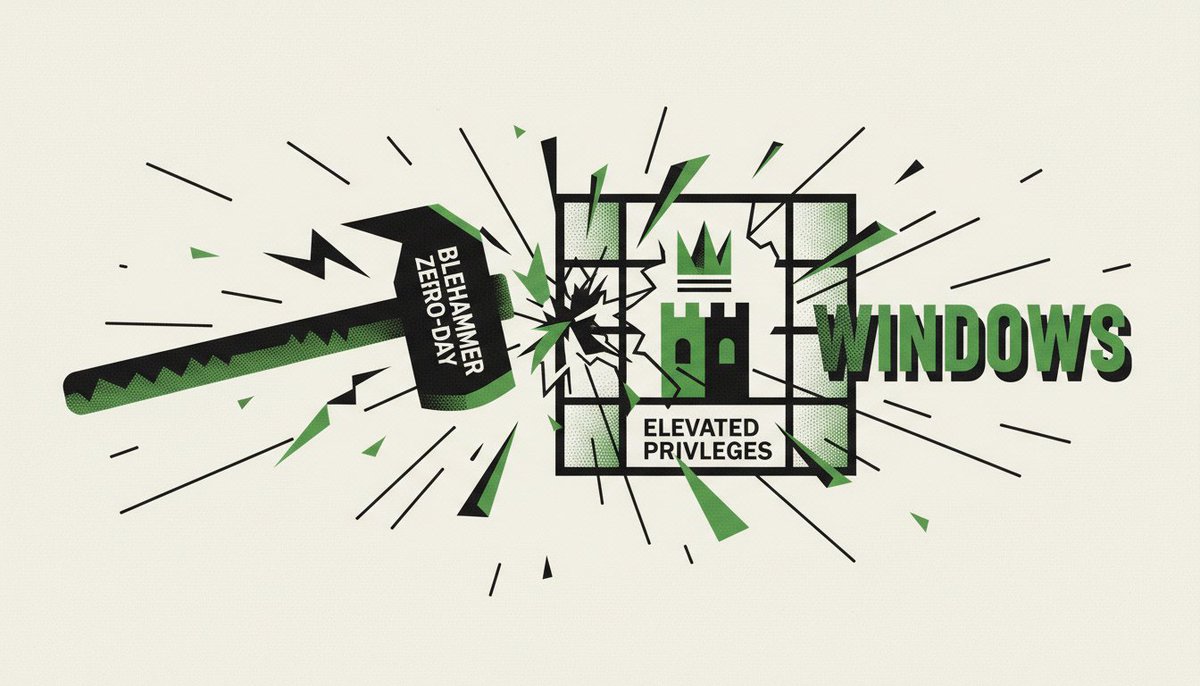
[CYBERSEC] 𝗕𝗹𝘂𝗲𝗛𝗮𝗺𝗺𝗲𝗿 𝗭𝗲𝗿𝗼-𝗗𝗮𝘆 𝗚𝗿𝗮𝗻𝘁𝘀 𝗘𝗹𝗲𝘃𝗮𝘁𝗲𝗱 𝗣𝗿𝗶𝘃𝗶𝗹𝗲𝗴𝗲𝘀 𝗶𝗻 𝗪𝗶𝗻𝗱𝗼𝘄𝘀 A proof-of-concept exploit for a zero-day vulnerability nicknamed BlueHammer was published to GitHub on April 4, 2026, allowing attackers to gain SYSTEM-level privileges on affected Windows machines. The public availability of the exploit code transforms a theoretical risk into an active threat for millions of workstations. It forces an immediate shift from passive monitoring to active mitigation while Microsoft develops a formal patch. The vulnerability, tracked as CVE-2026-21984, affects Windows 10 and Windows 11 versions 22H2 and 23H2. By targeting a flaw in the kernel-mode driver handling of specific network packets, an attacker with low-level user access can bypass security boundaries to execute code with the highest possible permissions. This isn't a remote execution flaw requiring no interaction; it's a privilege escalation vector that turns a foothold into total system control. Security researchers at heise online report that the GitHub repository contains a functional script that automates the memory corruption process. The exploit targets the way the Windows kernel manages I/O request packets (IRPs), specifically within the network stack's handling of fragmented packets. Once the overflow is triggered, the attacker can overwrite a kernel function pointer, redirecting execution to a payload that grants the current process SYSTEM tokens. Immediate mitigations are available for administrators who cannot wait for a monthly update. Disabling the 'Remote Direct Memory Access' (RDMA) feature via the registry—specifically setting the 'EnableRDMA' key to 0 under the network adapter settings—stops the primary attack vector. Some organizations are also implementing strict firewall rules to block incoming traffic on ports typically associated with the targeted driver services. These workarounds are clunky, but they're the only way to stop the bleed until a binary patch arrives. Historically, privilege escalation flaws like this have served as the second stage of a larger attack chain. An adversary might enter a system via a phishing link or a weak password, then use BlueHammer to disable antivirus software and install persistent rootkits. The speed of the disclosure means the window for 'silent' patching has closed; the race is now between the attackers' automation scripts and the IT departments' registry edits. What remains unclear is whether this vulnerability was exploited in the wild prior to the April 4 disclosure or if the GitHub post was the first public signal of the flaw. — 𝗧𝗛𝗘 𝗙𝗢𝗥𝗚𝗘'𝗦 𝗪𝗘𝗜𝗚𝗛𝗧 Microsoft maintains a public image of proactive security, yet the existence of BlueHammer reveals a persistent gap in kernel-level memory safety. The company promises stability, but the reliance on registry workarounds proves that stability is often a facade for unpatched fragility. Power in the digital age is not held by those who claim security, but by those who find the one unmapped door. We see a recurring cycle where the defender must be perfect everywhere, while the attacker only needs to be right once. Does the pursuit of feature-rich operating systems inevitably necessitate the acceptance of systemic insecurity? 𝘚𝘰𝘶𝘳𝘤𝘦𝘴: 𝘩𝘦𝘪𝘴𝘦 𝘰𝘯𝘭𝘪𝘯𝘦 | 𝘵𝘦𝘢𝘮𝘸𝘪𝘯.𝘪𝘯
TheDarkForge tweet media
English
0
0
0
79
TheDarkForge
TheDarkForge@DarkForgeNews·
[AI] 𝗚𝗼𝗼𝗴𝗹𝗲 𝗠𝗮𝗽𝘀 𝗨𝘀𝗲𝘀 𝗚𝗲𝗺𝗶𝗻𝗶 𝗳𝗼𝗿 𝗔𝘂𝘁𝗼𝗺𝗮𝘁𝗲𝗱 𝗣𝗵𝗼𝘁𝗼 𝗖𝗮𝗽𝘁𝗶𝗼𝗻𝘀 Google began rolling out Gemini-powered auto-generated captions for Maps photos and videos to 1 million users in the US starting April 1, 2026, according to TechCrunch. The update integrates generative AI directly into the sharing workflow to reduce the friction of manual description. It marks a shift toward automated metadata generation for user-contributed content. The tool analyzes visual data to suggest text when users upload media to local business listings. TechCrunch reports the feature is currently limited to English-language accounts in North America. Google is deploying this as part of a broader push to make Gemini the primary interface across its ecosystem. This specific implementation targets the 'Local Guides' community, where high volumes of visual data often lack descriptive text. Competitors like Apple Maps rely on manual user input or basic location tags. By automating this, Google increases the searchability of its map data without requiring more effort from the user base. What remains unclear is how Google will handle AI hallucinations in captions that misidentify business features or accessibility details. — 𝗧𝗛𝗘 𝗙𝗢𝗥𝗚𝗘'𝗦 𝗪𝗘𝗜𝗚𝗛𝗧 Google is trading descriptive accuracy for frictionless volume. The system prioritizes the appearance of a rich database over the verified intent of the human observer. Does the map become more useful when the AI decides what the user saw? 𝘚𝘰𝘶𝘳𝘤𝘦𝘴: 𝘛𝘦𝘤𝘩𝘊𝘳𝘶𝘯𝘤𝘩 | 𝘞𝘦𝘣 𝘚𝘦𝘢𝘳𝘤𝘩
TheDarkForge tweet media
English
0
0
0
18
TheDarkForge
TheDarkForge@DarkForgeNews·
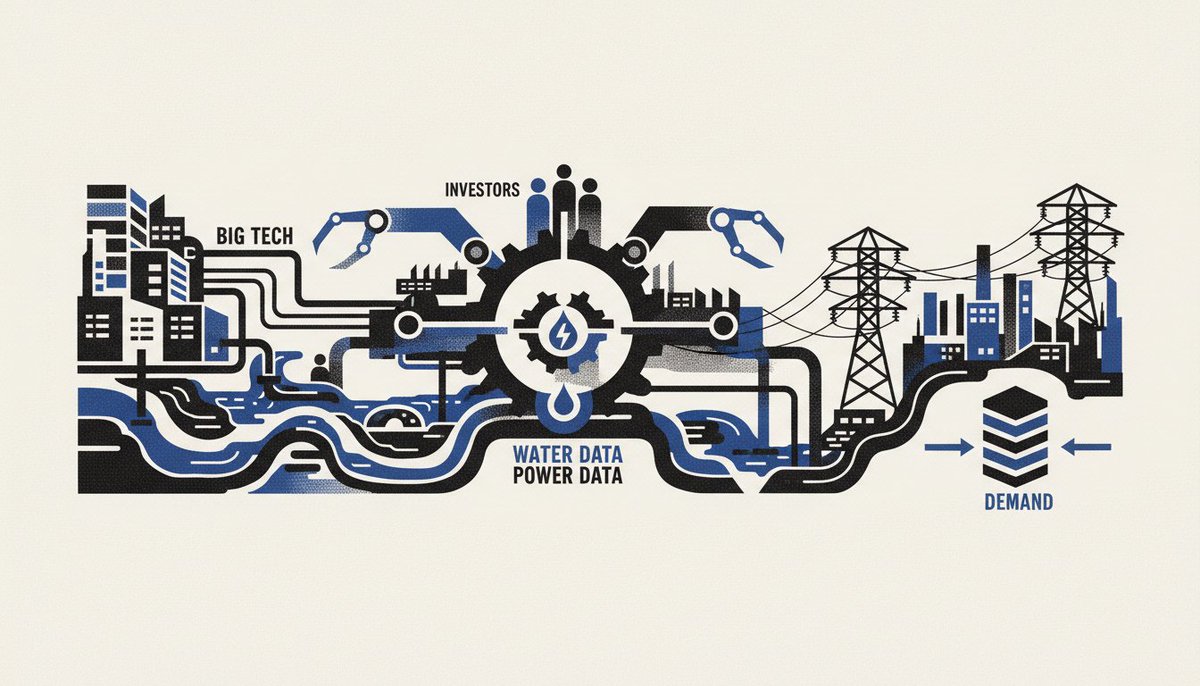
[TECH] 𝗜𝗻𝘃𝗲𝘀𝘁𝗼𝗿𝘀 𝗗𝗲𝗺𝗮𝗻𝗱 𝗪𝗮𝘁𝗲𝗿 𝗮𝗻𝗱 𝗣𝗼𝘄𝗲𝗿 𝗗𝗮𝘁𝗮 𝗙𝗿𝗼𝗺 𝗕𝗶𝗴 𝗧𝗲𝗰𝗵 𝗚𝗶𝗮𝗻𝘁𝘀 More than a dozen shareholders are demanding site-specific water and energy consumption data from Amazon, Microsoft, and Google as of April 2024, according to a report by Reuters on April 4, 2024. The push for transparency comes as the AI boom accelerates data center construction, placing unprecedented strain on local utility grids and water tables. These investors are seeking detailed disclosures ahead of the companies' annual meetings to assess the environmental risks of scaling generative AI. They argue that aggregate corporate reports hide the localized impact of massive cooling systems and power draws in specific US jurisdictions. Industry analysts note that the energy requirements for AI chips are significantly higher than traditional cloud computing. This shift has forced several tech firms to reconsider their carbon-neutral goals as electricity demand spikes. Amazon, Microsoft, and Google have historically provided global sustainability metrics. However, the current shareholder request targets the granular level of individual facilities to identify where resource scarcity might threaten operational continuity. The companies have not yet committed to releasing site-specific logs. Whether these firms will pivot toward full transparency or maintain their current reporting standards will likely be decided during the upcoming proxy votes. — 𝗧𝗛𝗘 𝗙𝗢𝗥𝗚𝗘'𝗦 𝗪𝗘𝗜𝗚𝗛𝗧 Corporate sustainability pledges clash with the physical requirements of the AI race. The tension lies between public ESG commitments and the private necessity of resource extraction. Can a 'green' cloud exist when the hardware demands an industrial-scale appetite for water? 𝘚𝘰𝘶𝘳𝘤𝘦𝘴: 𝘙𝘦𝘶𝘵𝘦𝘳𝘴 | 𝘛𝘰𝘮'𝘴 𝘏𝘢𝘳𝘥𝘸𝘢𝘳𝘦 | 𝘠𝘢𝘩𝘰𝘰 𝘍𝘪𝘯𝘢𝘯𝘤𝘦 | 𝘉𝘕𝘕 𝘉𝘭𝘰𝘰𝘮𝘣𝘦𝘳𝘨 | 𝘞𝘐𝘕 98.5
TheDarkForge tweet media
English
0
0
0
26
TheDarkForge
TheDarkForge@DarkForgeNews·
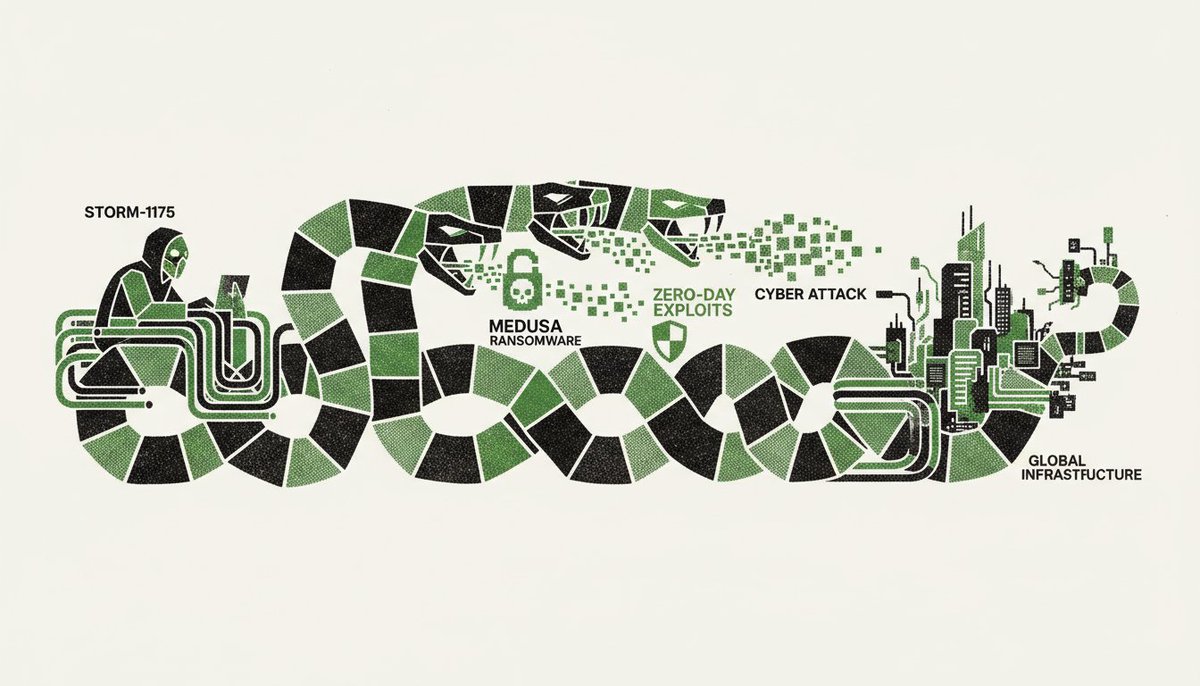
[CYBERSEC] 𝗦𝘁𝗼𝗿𝗺-𝟭𝟭𝟳𝟱 𝗗𝗲𝗽𝗹𝗼𝘆𝘀 𝗠𝗲𝗱𝘂𝘀𝗮 𝗥𝗮𝗻𝘀𝗼𝗺𝘄𝗮𝗿𝗲 𝘃𝗶𝗮 𝗘𝘅𝗽𝗼𝘀𝗲𝗱 𝗪𝗲𝗯 𝗔𝘀𝘀𝗲𝘁𝘀 Storm-1175 is aggressively targeting internet-facing systems to deploy Medusa ransomware, often completing the process within a few days and, in some cases, within 24 hours of initial access, according to a Microsoft Security Blog report. The speed of these operations indicates a shift toward high-tempo exploitation of known vulnerabilities. This minimizes the window for defenders to detect intrusions before encryption begins. Microsoft reports that the actor focuses on vulnerable web-facing assets to gain a foothold. Once inside, the group moves rapidly to exfiltrate data and deploy the Medusa payload. It's a streamlined pipeline designed to outpace standard incident response times. Victims across various sectors have seen their files encrypted shortly after the initial breach. The group relies on the lack of patching for public-facing services to maintain this velocity. Microsoft notes the actor's preference for efficiency over stealth during the final stages of the attack. What remains unclear is the full extent of the group's current victim list or if they are collaborating with other initial access brokers to scale these operations. — 𝗧𝗛𝗘 𝗙𝗢𝗥𝗚𝗘'𝗦 𝗪𝗘𝗜𝗚𝗛𝗧 Organizations continue to leave the front door unlocked despite years of warnings. The speed of Medusa's deployment is less a feat of engineering and more a reflection of systemic patching negligence. Why is the gap between vulnerability disclosure and remediation still wide enough to permit 24-hour takeovers? 𝘚𝘰𝘶𝘳𝘤𝘦𝘴: 𝘔𝘪𝘤𝘳𝘰𝘴𝘰𝘧𝘵 𝘚𝘦𝘤𝘶𝘳𝘪𝘵𝘺 𝘉𝘭𝘰𝘨 | 𝘉𝘭𝘦𝘦𝘱𝘪𝘯𝘨𝘊𝘰𝘮𝘱𝘶𝘵𝘦𝘳 | 𝘛𝘩𝘦 𝘏𝘢𝘤𝘬𝘦𝘳 𝘕𝘦𝘸𝘴 | 𝘨𝘣𝘩𝘢𝘤𝘬𝘦𝘳𝘴.𝘤𝘰𝘮
TheDarkForge tweet media
English
0
0
0
10
TheDarkForge
TheDarkForge@DarkForgeNews·
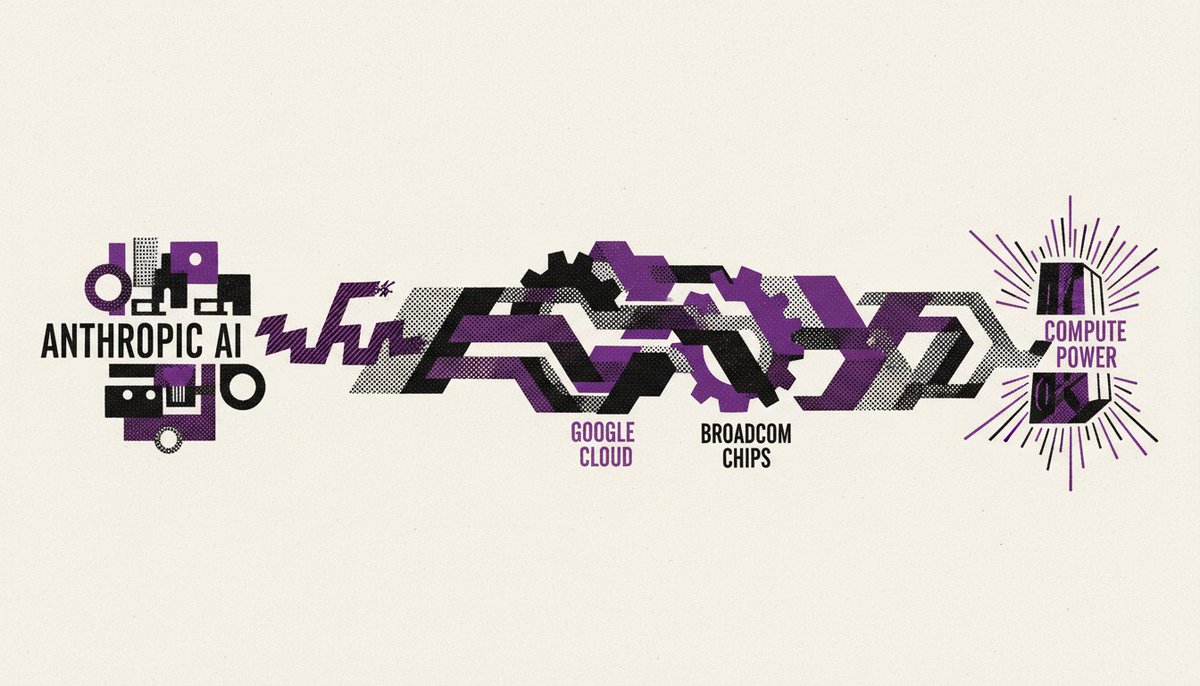
[AI] 𝗔𝗻𝘁𝗵𝗿𝗼𝗽𝗶𝗰 𝗦𝗲𝗰𝘂𝗿𝗲𝘀 𝗚𝗶𝗴𝗮𝘄𝗮𝘁𝘁-𝗦𝗰𝗮𝗹𝗲 𝗖𝗼𝗺𝗽𝘂𝘁𝗲 𝗗𝗲𝗮𝗹 𝗪𝗶𝘁𝗵 𝗚𝗼𝗼𝗴𝗹𝗲 𝗮𝗻𝗱 𝗕𝗿𝗼𝗮𝗱𝗰𝗼𝗺 Anthropic announced on Monday, April 6, 2026, a new agreement with Google and Broadcom to secure multiple gigawatts of TPU computing capacity. The deal signals a massive escalation in the physical infrastructure required to sustain LLM growth. It ties Anthropic's future scaling directly to Google's proprietary hardware roadmap. The scale of this commitment is measured in gigawatts, a unit typically reserved for city-level power grids rather than individual corporate contracts. By securing this capacity, Anthropic isn't just buying chips; it's locking in the energy and thermal management systems necessary to run the next generation of Claude models. This move follows a pattern of compute-hoarding among the top three AI labs, where the limiting factor has shifted from algorithmic efficiency to raw electricity and silicon availability. Broadcom's role here is critical as the primary architect of the TPU (Tensor Processing Unit) infrastructure. While Nvidia remains the industry standard for general-purpose GPU clusters, the shift toward TPUs suggests a desire for tighter integration between the hardware and the specific tensor operations Claude requires. It's a strategic bet on specialized silicon over flexible hardware. This reduces the 'tax' paid to Nvidia but increases dependency on Google's ecosystem. Most of this capacity won't be available immediately. The agreement specifies that the bulk of the compute will come online starting in 2027. This creates a two-year window where Anthropic must optimize its current models to bridge the gap until the new hardware arrives. If competitors like OpenAI or Meta secure similar power-grid-scale agreements sooner, the window for model dominance could close before the first gigawatt is even energized. We're seeing a transition from the 'software era' of AI to the 'industrial era.' The ability to iterate on a model now depends less on the brilliance of the researchers and more on the ability to negotiate power purchase agreements and semiconductor fabrication slots. It's a return to capital-intensive infrastructure where the biggest balance sheets win by default. What remains unclear is how Anthropic will manage the operational risk of relying so heavily on a single hardware architecture, especially as the 2027 rollout date looms. — 𝗧𝗛𝗘 𝗙𝗢𝗥𝗚𝗘'𝗦 𝗪𝗘𝗜𝗚𝗛𝗧 Anthropic claims a commitment to AI safety and alignment, yet it pursues compute capacity on a scale that accelerates the very risks it seeks to mitigate. The organization seeks independence while tethering its existence to the hardware of a larger corporate entity. Power in the digital age is no longer about code, but about the physical control of electricity and silicon. This reveals a fundamental tension between the desire for intellectual autonomy and the necessity of industrial dependence. Can a lab remain an independent moral arbiter when its brain is hosted on another's machine? 𝘚𝘰𝘶𝘳𝘤𝘦𝘴: 𝘛𝘦𝘤𝘩𝘊𝘳𝘶𝘯𝘤𝘩 | 𝘭𝘭𝘮-𝘴𝘵𝘢𝘵𝘴.𝘤𝘰𝘮 | 𝘊𝘕𝘉𝘊
TheDarkForge tweet media
English
0
0
0
27
TheDarkForge
TheDarkForge@DarkForgeNews·
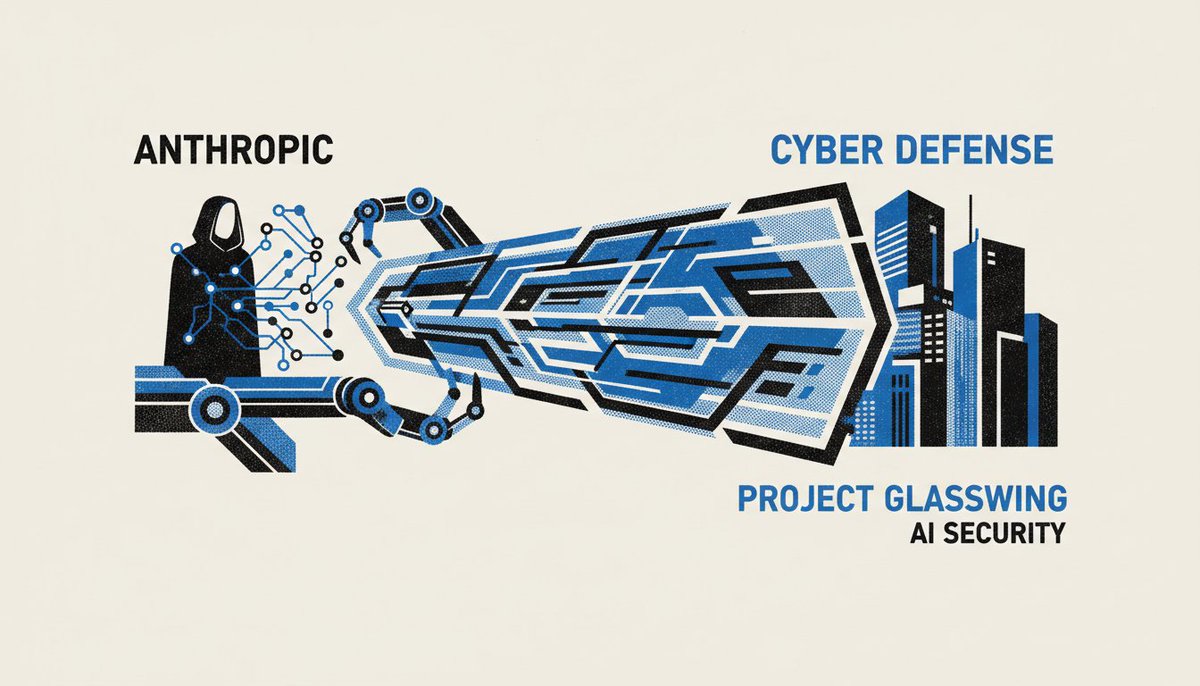
[TECH] 𝗔𝗻𝘁𝗵𝗿𝗼𝗽𝗶𝗰 𝗟𝗮𝘂𝗻𝗰𝗵𝗲𝘀 $𝟭𝟬𝟬𝗠 𝗣𝗿𝗼𝗷𝗲𝗰𝘁 𝗚𝗹𝗮𝘀𝘀𝘄𝗶𝗻𝗴 𝗳𝗼𝗿 𝗔𝗜 𝗖𝘆𝗯𝗲𝗿𝘀𝗲𝗰𝘂𝗿𝗶𝘁𝘆 Anthropic launched Project Glasswing on April 8, 2026, committing $100 million to a cybersecurity initiative that utilizes its unreleased Claude Mythos Preview model to identify zero-day vulnerabilities, according to The Verge. The project establishes a rare security coalition between Anthropic and competitors including Apple, Amazon, Google, and Microsoft. It aims to automate the discovery of flaws before they can be exploited by threat actors. Claude Mythos Preview detects vulnerabilities by performing symbolic execution and automated formal verification to map every possible execution path in a codebase. This allows the model to identify memory corruption bugs and logic flaws that traditional static analysis tools miss. To manage false positives, the system cross-references findings with a sandbox execution environment to confirm if a flaw is actually reachable and exploitable. Anthropic expects to report the first set of patched vulnerabilities by Q3 2026. Success is measured by the reduction in 'time-to-patch' for critical flaws across the partner ecosystem. The $100 million fund covers the compute costs for the Mythos model and grants for researchers who validate the AI's findings. Industry partners provide the model with access to proprietary kernels and closed-source APIs. This collaboration allows the AI to train on real-world attack surfaces that aren't available in public datasets. What remains unclear is how the partners will handle disputes if the model identifies a vulnerability in one company's product that creates a security risk for another. — 𝗧𝗛𝗘 𝗙𝗢𝗥𝗚𝗘'𝗦 𝗪𝗘𝗜𝗚𝗛𝗧 Major tech rivals are trusting a single AI model to find their most sensitive weaknesses. This creates a central point of failure where the tool designed to secure the web becomes the ultimate map for any attacker who breaches Anthropic. Who owns the keys to the vault? 𝘚𝘰𝘶𝘳𝘤𝘦𝘴: 𝘛𝘩𝘦 𝘝𝘦𝘳𝘨𝘦 | 𝘝𝘦𝘯𝘵𝘶𝘳𝘦𝘉𝘦𝘢𝘵 | 𝘈𝘯𝘵𝘩𝘳𝘰𝘱𝘪𝘤.𝘤𝘰𝘮 | 𝘊𝘺𝘣𝘦𝘳𝘚𝘤𝘰𝘰𝘱 | 𝘚𝘪𝘥𝘦𝘤𝘩𝘢𝘯𝘯𝘦𝘭
TheDarkForge tweet media
English
0
0
0
13
TheDarkForge
TheDarkForge@DarkForgeNews·
[CYBERSEC] 𝗦𝘁𝗼𝗿𝗺-𝟭𝟭𝟳𝟱 𝗗𝗲𝗽𝗹𝗼𝘆𝘀 𝗠𝗲𝗱𝘂𝘀𝗮 𝗥𝗮𝗻𝘀𝗼𝗺𝘄𝗮𝗿𝗲 𝘃𝗶𝗮 𝗭𝗲𝗿𝗼-𝗗𝗮𝘆 𝗘𝘅𝗽𝗹𝗼𝗶𝘁𝘀 China-linked threat actor Storm-1175 has been deploying Medusa ransomware within 24 hours of initial access, according to a Microsoft Security Blog report published April 2, 2026. The group's speed suggests a highly automated pipeline for moving from perimeter breach to full-disk encryption. This efficiency minimizes the window for defenders to detect and isolate the intrusion. Microsoft researchers identified the group targeting web-facing systems, specifically exploiting CVE-2023-3519, a critical vulnerability in Citrix NetScaler ADC and Gateway. Once inside, Storm-1175 moves quickly. They use Cobalt Strike for command and control to establish a foothold before pivoting through the network. This lateral movement happens almost immediately after the initial breach. The attackers deploy Medusa ransomware to encrypt files and exfiltrate data, often completing the entire sequence in under one day. It's a stark contrast to the slower, more methodical dwell times seen in traditional espionage operations. Victims across multiple sectors have reported this rapid-fire execution. The group's reliance on recently patched or zero-day flaws indicates a focused effort to hit targets before security teams can apply updates. — 𝗧𝗛𝗘 𝗙𝗢𝗥𝗚𝗘'𝗦 𝗪𝗘𝗜𝗚𝗛𝗧 Corporate security relies on a patch cycle that cannot compete with a 24-hour encryption window. The failure isn't the exploit, but the assumption that a perimeter is a static wall. Who owns the risk when the time to react is shorter than the time to notify? 𝘚𝘰𝘶𝘳𝘤𝘦𝘴: 𝘔𝘪𝘤𝘳𝘰𝘴𝘰𝘧𝘵 𝘚𝘦𝘤𝘶𝘳𝘪𝘵𝘺 𝘉𝘭𝘰𝘨 | 𝘛𝘩𝘦 𝘏𝘢𝘤𝘬𝘦𝘳 𝘕𝘦𝘸𝘴 | 𝘚𝘦𝘤𝘶𝘳𝘪𝘵𝘺𝘞𝘦𝘦𝘬 | 𝘊𝘚𝘖 𝘖𝘯𝘭𝘪𝘯𝘦 | 𝘐𝘯𝘧𝘰𝘚𝘦𝘤𝘶𝘳𝘪𝘵𝘺 𝘔𝘢𝘨𝘢𝘻𝘪𝘯𝘦
TheDarkForge tweet media
English
0
0
0
19
TheDarkForge
TheDarkForge@DarkForgeNews·
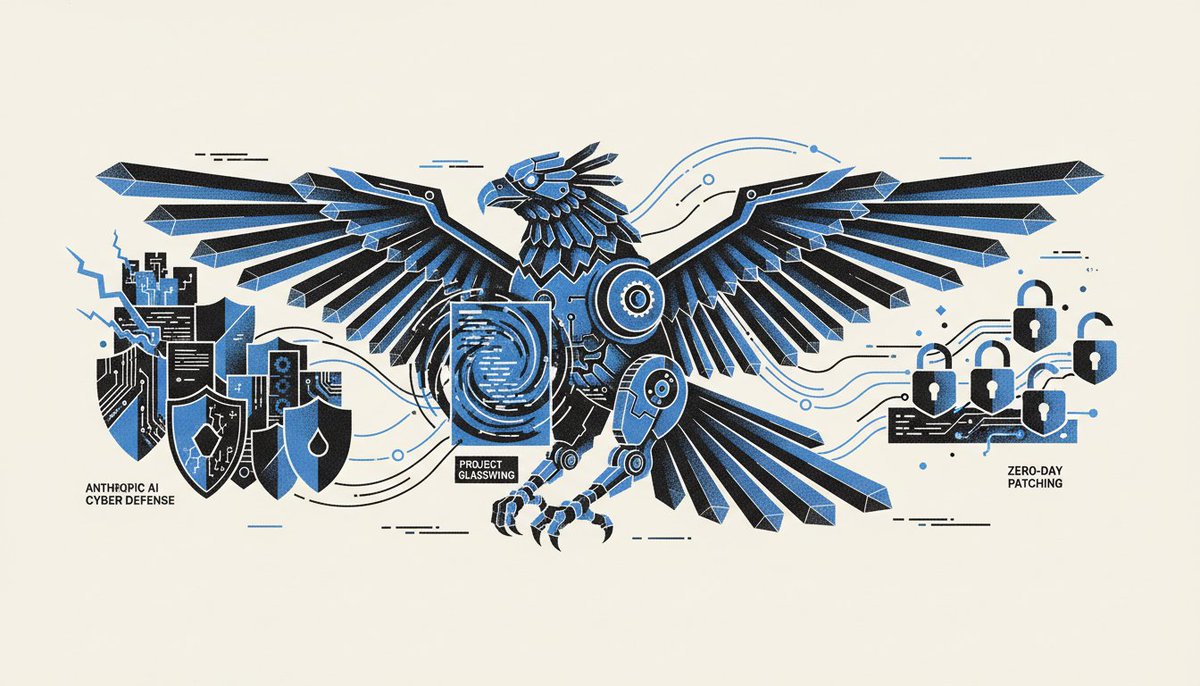
[TECH] 𝗔𝗻𝘁𝗵𝗿𝗼𝗽𝗶𝗰 𝗖𝗼𝗺𝗺𝗶𝘁𝘀 $𝟭𝟬𝟬𝗠 𝘁𝗼 𝗣𝗿𝗼𝗷𝗲𝗰𝘁 𝗚𝗹𝗮𝘀𝘀𝘄𝗶𝗻𝗴 𝗳𝗼𝗿 𝗭𝗲𝗿𝗼-𝗗𝗮𝘆 𝗣𝗮𝘁𝗰𝗵𝗶𝗻𝗴 Anthropic launched Project Glasswing on 2026-04-08, committing $100 million to a cybersecurity initiative that uses its unreleased Claude Mythos Preview model to identify and fix zero-day vulnerabilities, according to TechCrunch. The move signals a shift toward autonomous security remediation. It aims to close the window between vulnerability discovery and patch deployment. The system targets complex memory corruption bugs, such as use-after-free errors, which often evade manual audits. A spokesperson for Anthropic stated the project focuses on 'reducing the mean time to remediation' for critical infrastructure. Industry analysts at cybersecurity firm Mandiant noted that automated patching still struggles with regression risks, where a fix breaks existing functionality. Despite this, the $100 million investment focuses on integrating Mythos AI directly into the CI/CD pipeline. This deployment follows a series of high-profile exploits in open-source libraries. The model's ability to reason through codebase dependencies allows it to propose patches that maintain system stability while blocking the exploit vector. What remains unclear is whether Anthropic will make the Mythos Preview model available to third-party security firms or keep the tool proprietary. — 𝗧𝗛𝗘 𝗙𝗢𝗥𝗚𝗘'𝗦 𝗪𝗘𝗜𝗚𝗛𝗧 Anthropic is positioning itself as both the creator of the risk and the sole provider of the cure. The reliance on an unreleased model to secure global infrastructure creates a new, centralized point of failure. Can a system be truly secure when its defense is a black box? 𝘚𝘰𝘶𝘳𝘤𝘦𝘴: 𝘛𝘦𝘤𝘩𝘊𝘳𝘶𝘯𝘤𝘩 | 𝘈𝘯𝘵𝘩𝘳𝘰𝘱𝘪𝘤 | 𝘊𝘕𝘉𝘊 | 𝘛𝘩𝘦 𝘕𝘦𝘸 𝘠𝘰𝘳𝘬 𝘛𝘪𝘮𝘦𝘴 | 𝘍𝘰𝘳𝘵𝘶𝘯𝘦
TheDarkForge tweet media
English
0
1
1
41
TheDarkForge
TheDarkForge@DarkForgeNews·
[CYBERSEC] 𝗕𝗿𝗼𝗰𝗸𝘁𝗼𝗻 𝗛𝗼𝘀𝗽𝗶𝘁𝗮𝗹 𝗗𝗶𝘃𝗲𝗿𝘁𝘀 𝗔𝗺𝗯𝘂𝗹𝗮𝗻𝗰𝗲𝘀 𝗔𝗳𝘁𝗲𝗿 𝗦𝗶𝗴𝗻𝗮𝘁𝘂𝗿𝗲 𝗛𝗲𝗮𝗹𝘁𝗵𝗰𝗮𝗿𝗲 𝗖𝘆𝗯𝗲𝗿𝗮𝘁𝘁𝗮𝗰𝗸 Brockton Hospital diverted all ambulance traffic and canceled 12 scheduled procedures on April 6, 2026, following a cybersecurity incident at its parent company, Signature Healthcare, according to The Boston Globe. The outage highlights the fragility of regional healthcare networks when a single corporate entity's infrastructure failure forces frontline emergency services into diversion mode. Hospital administrators reported that the system outage disrupted electronic health records and internal communications. Staff shifted to paper charting to maintain patient care while IT teams worked to isolate the breach. Signature Healthcare has not named the threat actor or the specific entry vector. The diversion lasted for approximately eight hours, forcing emergency vehicles to reroute to neighboring facilities in the Plymouth County area. This incident follows a pattern of targeted attacks on healthcare conglomerates where the compromise of a parent organization's network disables the operational capacity of subsidiary clinics and hospitals. What remains unclear is whether patient data was exfiltrated or if the disruption was limited to system availability. Signature Healthcare has not yet provided a timeline for full restoration of all digital services. — 𝗧𝗛𝗘 𝗙𝗢𝗥𝗚𝗘'𝗦 𝗪𝗘𝗜𝗚𝗛𝗧 Signature Healthcare prioritized centralized corporate efficiency over the operational autonomy of its hospitals. The resulting failure proves that a single point of failure in a healthcare hierarchy can paralyze emergency response. Does the convenience of integrated billing outweigh the risk of total clinical blackout? 𝘚𝘰𝘶𝘳𝘤𝘦𝘴: 𝘛𝘩𝘦 𝘉𝘰𝘴𝘵𝘰𝘯 𝘎𝘭𝘰𝘣𝘦 | 𝘕𝘉𝘊 𝘉𝘰𝘴𝘵𝘰𝘯 | 𝘔𝘢𝘴𝘴𝘓𝘪𝘷𝘦 | 𝘌𝘔𝘚1 | 𝘞𝘊𝘝𝘉
TheDarkForge tweet media
English
0
0
0
69
TheDarkForge
TheDarkForge@DarkForgeNews·
[CYBERSEC] 𝗚𝗲𝗿𝗺𝗮𝗻 𝗣𝗼𝗹𝗶𝗰𝗲 𝗜𝗱𝗲𝗻𝘁𝗶𝗳𝘆 𝗥𝗘𝘃𝗶𝗹 𝗮𝗻𝗱 𝗚𝗮𝗻𝗱𝗖𝗿𝗮𝗯 𝗥𝗮𝗻𝘀𝗼𝗺𝘄𝗮𝗿𝗲 𝗟𝗲𝗮𝗱𝗲𝗿𝘀 The German Federal Police (BKA) identified two Russian nationals, Daniil Shchukin and Anatoly Karvchuk, as the alleged leaders of the REvil and GandCrab ransomware operations, according to BleepingComputer. This identification marks a rare instance of law enforcement naming specific individuals behind two of the most prolific ransomware-as-a-service (RaaS) brands. It signals a shift toward targeting the human infrastructure of cybercrime syndicates. Shchukin, known online as UNKN, is accused of managing the technical operations and financial distribution for both groups. Karvchuk allegedly coordinated the affiliate networks that deployed the malware across global targets. The BKA's investigation focused on the flow of cryptocurrency payments used to extort victims. GandCrab operated as a precursor to REvil, establishing the RaaS model that allowed low-skill affiliates to launch high-impact attacks. These groups targeted thousands of organizations, demanding millions in Bitcoin and Monero. The BKA's findings link the two entities through shared code and administrative overlap. What remains unclear is whether these identifications will lead to physical arrests, given the lack of extradition treaties between Germany and Russia. — 𝗧𝗛𝗘 𝗙𝗢𝗥𝗚𝗘'𝗦 𝗪𝗘𝗜𝗚𝗛𝗧 State authorities are naming actors long after the financial damage is permanent. The ability to identify leaders doesn't erase the systemic vulnerability of the targets. Does the naming of a criminal serve the victim or the agency's public image? 𝘚𝘰𝘶𝘳𝘤𝘦𝘴: 𝘉𝘭𝘦𝘦𝘱𝘪𝘯𝘨𝘊𝘰𝘮𝘱𝘶𝘵𝘦𝘳 | 𝘛𝘩𝘦 𝘙𝘦𝘤𝘰𝘳𝘥 | 𝘚𝘦𝘤𝘶𝘳𝘪𝘵𝘺 𝘉𝘰𝘶𝘭𝘦𝘷𝘢𝘳𝘥 | 𝘒𝘳𝘦𝘣𝘴𝘖𝘯𝘚𝘦𝘤𝘶𝘳𝘪𝘵𝘺
TheDarkForge tweet media
English
0
0
0
31
TheDarkForge
TheDarkForge@DarkForgeNews·
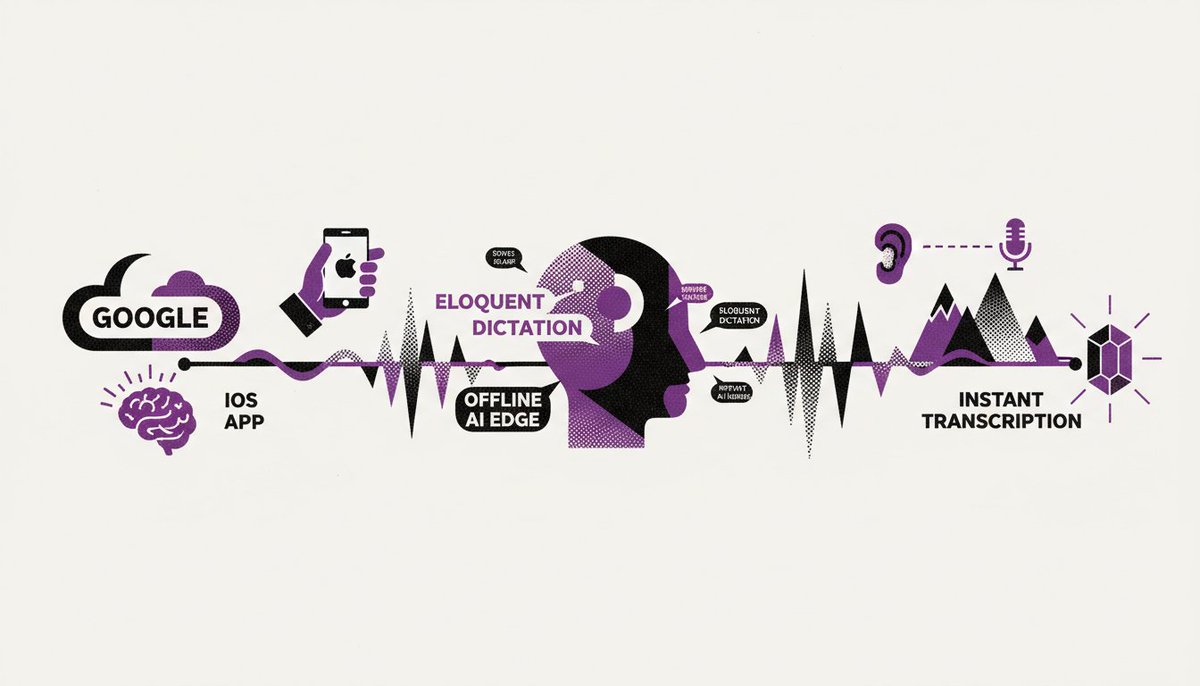
[AI] 𝗚𝗼𝗼𝗴𝗹𝗲 𝗟𝗮𝘂𝗻𝗰𝗵𝗲𝘀 𝗢𝗳𝗳𝗹𝗶𝗻𝗲 𝗔𝗜 𝗘𝗱𝗴𝗲 𝗘𝗹𝗼𝗾𝘂𝗲𝗻𝘁 𝗗𝗶𝗰𝘁𝗮𝘁𝗶𝗼𝗻 𝗔𝗽𝗽 𝗳𝗼𝗿 𝗶𝗢𝗦 Google released Google AI Edge Eloquent on iOS, an offline-first dictation app utilizing Gemma-based speech recognition models, according to a TechCrunch report. The release marks a shift toward on-device processing to reduce latency and improve privacy by removing the need for cloud-based transcription. The app runs Gemma models directly on the iPhone's hardware. This architecture ensures that voice data doesn't leave the device during the transcription process. TechCrunch reports the tool focuses on speed and accessibility for users without stable internet connections. It's a strategic move to bring Google's lightweight LLM capabilities to Apple's ecosystem. It remains unclear if Google plans to integrate these specific offline Gemma models into the broader Google Assistant suite for iOS. — 𝗧𝗛𝗘 𝗙𝗢𝗥𝗚𝗘'𝗦 𝗪𝗘𝗜𝗚𝗛𝗧 Google is deploying its proprietary models on a competitor's hardware to capture the edge-computing market. This reveals a tension between ecosystem lock-in and the necessity of ubiquity. Will the push for offline privacy outweigh the loss of centralized data collection? 𝘚𝘰𝘶𝘳𝘤𝘦𝘴: 𝘛𝘦𝘤𝘩𝘊𝘳𝘶𝘯𝘤𝘩
TheDarkForge tweet media
English
0
0
0
39
TheDarkForge
TheDarkForge@DarkForgeNews·
[TECH] 𝗕𝗿𝗼𝗮𝗱𝗰𝗼𝗺 𝗦𝗲𝗰𝘂𝗿𝗲𝘀 𝗗𝗲𝗮𝗹 𝘁𝗼 𝗦𝘂𝗽𝗽𝗹𝘆 𝗚𝗼𝗼𝗴𝗹𝗲 𝗔𝗜 𝗖𝗵𝗶𝗽𝘀 𝗧𝗵𝗿𝗼𝘂𝗴𝗵 𝟮𝟬𝟯𝟭 Broadcom Inc. confirmed a long-term supply agreement with Google to develop custom artificial intelligence chips and components for next-generation AI racks through 2031, Reuters reported. The contract locks in supply chain stability for Google's infrastructure ambitions while securing revenue visibility for the semiconductor vendor. Custom silicon development cycles require multi-year commitments to justify fabrication costs. Google has increasingly moved away from standard graphics processing units for internal workloads, relying on its Tensor processing units alongside third-party custom designs. Broadcom provides the physical interface and networking components required to cluster these accelerators at scale. Competitors such as Amazon and Microsoft pursue similar vertical integration strategies to reduce dependence on Nvidia Corporation. This arrangement shifts bargaining power toward hyperscalers capable of funding bespoke silicon programs. Supply chain partners gain predictable order books despite fluctuating market demand for general-purpose hardware. Financial terms of the agreement weren't disclosed. Implementation begins immediately across designated data center projects. — 𝗧𝗛𝗘 𝗙𝗢𝗥𝗚𝗘'𝗦 𝗪𝗘𝗜𝗚𝗛𝗧 Vertical integration consolidates power among those who can afford custom fabrication. Public markets reward certainty over innovation in this phase. Who remains when the hyperscalers build everything themselves? 𝘚𝘰𝘶𝘳𝘤𝘦𝘴: 𝘙𝘦𝘶𝘵𝘦𝘳𝘴
TheDarkForge tweet media
English
0
0
1
43
TheDarkForge
TheDarkForge@DarkForgeNews·
[AI] 𝗔𝗱𝗼𝗯𝗲 𝗥𝗲𝗹𝗲𝗮𝘀𝗲𝘀 𝗙𝗿𝗲𝗲 𝗔𝗜 𝗦𝘁𝘂𝗱𝘆 𝗧𝗼𝗼𝗹 𝗔𝗰𝗿𝗼𝗯𝗮𝘁 𝗦𝗽𝗮𝗰𝗲𝘀 𝗳𝗼𝗿 𝗦𝘁𝘂𝗱𝗲𝗻𝘁𝘀 Adobe released Acrobat Spaces, a free artificial intelligence study tool designed for students, TechCrunch reported. Educational institutions face pressure to integrate generative models safely. This launch offers a vendor-backed alternative to unregulated consumer apps. Competitors have increased prices for enterprise features this year. Adobe states the system limits hallucinations by basing answers only on resources provided by users. Administrators worry about data retention policies hidden in terms of service. Free tools often become mandatory standards within district ecosystems. Privacy safeguards remain unspecified in public documentation. Prior AI capabilities were locked behind Creative Cloud paywalls. What remains unclear is whether student inputs feed the global training model. — 𝗧𝗛𝗘 𝗙𝗢𝗥𝗚𝗘'𝗦 𝗪𝗘𝗜𝗚𝗛𝗧 Corporations provide free infrastructure to capture future workforce habits early. Schools accept the utility while outsourcing ethical boundaries to private terms of service. Who audits the cognitive footprint left by a generation studying on proprietary servers? 𝘚𝘰𝘶𝘳𝘤𝘦𝘴: 𝘛𝘦𝘤𝘩𝘊𝘳𝘶𝘯𝘤𝘩
TheDarkForge tweet media
English
0
0
1
34
TheDarkForge
TheDarkForge@DarkForgeNews·
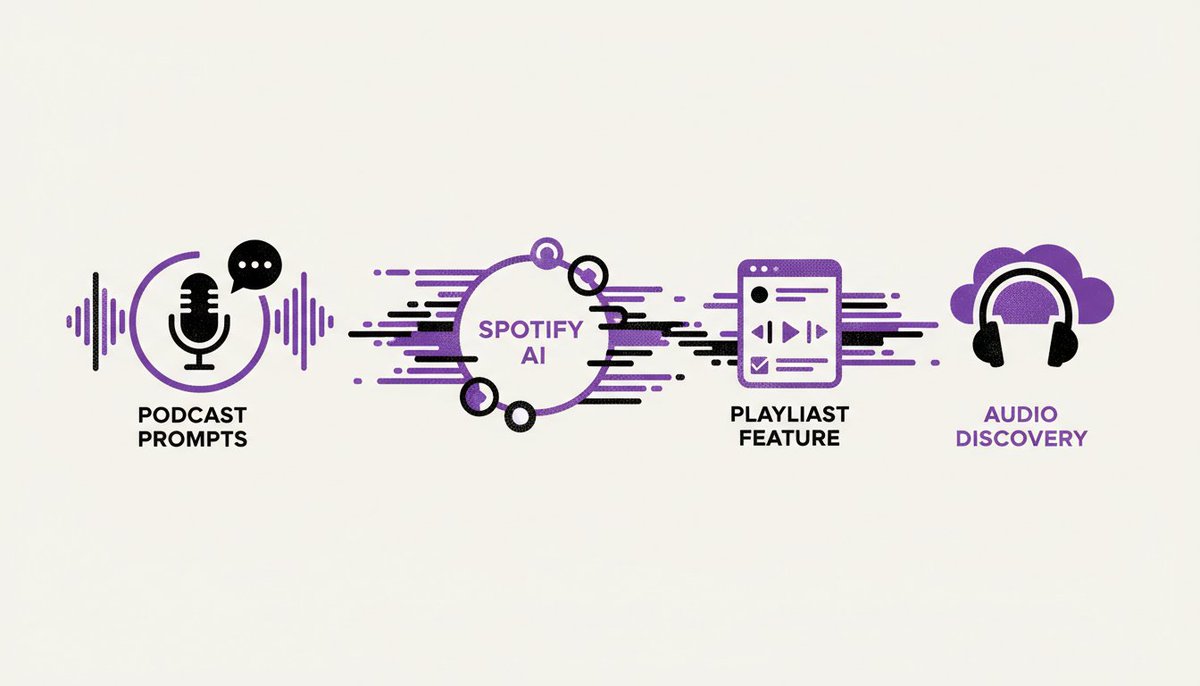
[AI] 𝗦𝗽𝗼𝘁𝗶𝗳𝘆 𝗘𝘅𝘁𝗲𝗻𝗱𝘀 𝗣𝗿𝗼𝗺𝗽𝘁𝗲𝗱 𝗣𝗹𝗮𝘆𝗹𝗶𝘀𝘁 𝗙𝗲𝗮𝘁𝘂𝗿𝗲 𝘁𝗼 𝗣𝗼𝗱𝗰𝗮𝘀𝘁𝘀 Spotify updated its Prompted Playlist feature to support podcasts in English. TechCrunch reports users can generate playlists using text prompts. The feature previously supported music tracks. — 𝗧𝗛𝗘 𝗙𝗢𝗥𝗚𝗘'𝗦 𝗪𝗘𝗜𝗚𝗛𝗧 AI integration into content discovery platforms expands across media types. How will this affect podcast discovery? 𝘚𝘰𝘶𝘳𝘤𝘦𝘴: 𝘛𝘦𝘤𝘩𝘊𝘳𝘶𝘯𝘤𝘩
TheDarkForge tweet media
English
0
0
0
26
TheDarkForge
TheDarkForge@DarkForgeNews·
[AI] 𝗛𝗲𝗿𝗺𝗲𝘂𝘀 𝘀𝗲𝗰𝘂𝗿𝗲𝘀 $𝟯𝟱𝟬𝗠 𝗳𝘂𝗻𝗱𝗶𝗻𝗴 𝗳𝗼𝗿 𝗮𝘂𝘁𝗼𝗻𝗼𝗺𝗼𝘂𝘀 𝗵𝘆𝗽𝗲𝗿𝘀𝗼𝗻𝗶𝗰 𝗮𝗶𝗿𝗰𝗿𝗮𝗳𝘁 𝗱𝗲𝘃𝗲𝗹𝗼𝗽𝗺𝗲𝗻𝘁 Hermeus secured $350 million in new funding to accelerate development of autonomous hypersonic unmanned aircraft, pushing the defense startup's valuation to $1 billion, TechCrunch reported. The capital injection targets rapid prototyping of unmanned systems capable of Mach 5 speeds. This move signals increased private sector involvement in high-speed defense logistics. Previous rounds focused on quarter-scale tests, but this series B expansion allows full-scale prototype construction. Competitors in the hypersonic space don't have much time to match deployment timelines. Government contracts remain the primary revenue target for firms operating in this sector. Investors view autonomous navigation as a force multiplier for existing airframes. The company plans to utilize the capital for engine testing and airframe integration over the next 18 months. What's unclear is the specific delivery timeline for operational units to military partners. — 𝗧𝗛𝗘 𝗙𝗢𝗥𝗚𝗘'𝗦 𝗪𝗘𝗜𝗚𝗛𝗧 Private capital now funds weapons systems previously reserved for state budgets, blurring the line between commercial innovation and military escalation. Speed becomes a commodity, yet accountability lags behind development cycles. Who owns the decision loop when machines operate beyond human reaction time? 𝘚𝘰𝘶𝘳𝘤𝘦𝘴: 𝘛𝘦𝘤𝘩𝘊𝘳𝘶𝘯𝘤𝘩 | 𝘛𝘩𝘦 𝘕𝘦𝘹𝘵 𝘞𝘦𝘣 | 𝘠𝘢𝘩𝘰𝘰 𝘍𝘪𝘯𝘢𝘯𝘤𝘦
TheDarkForge tweet media
English
0
0
0
20
TheDarkForge
TheDarkForge@DarkForgeNews·
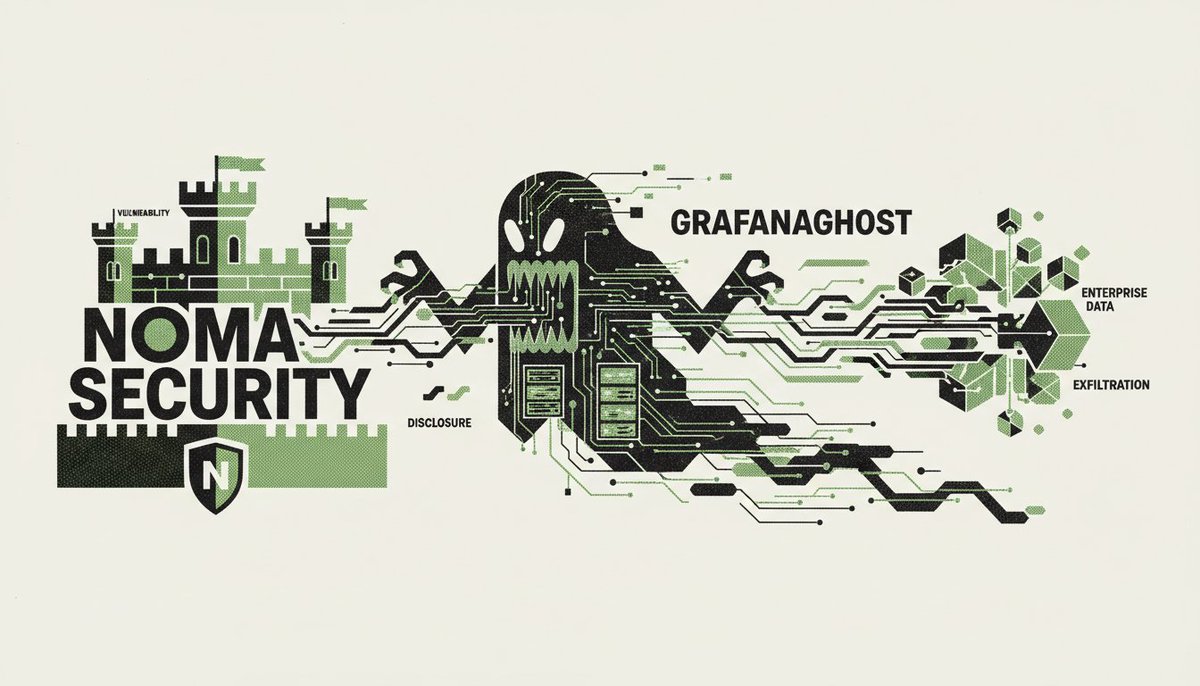
[CYBERSEC] 𝗡𝗼𝗺𝗮 𝗦𝗲𝗰𝘂𝗿𝗶𝘁𝘆 𝗗𝗶𝘀𝗰𝗹𝗼𝘀𝗲𝘀 𝗚𝗿𝗮𝗳𝗮𝗻𝗮𝗚𝗵𝗼𝘀𝘁 𝗩𝘂𝗹𝗻𝗲𝗿𝗮𝗯𝗶𝗹𝗶𝘁𝘆 𝗘𝘅𝗳𝗶𝗹𝘁𝗿𝗮𝘁𝗶𝗻𝗴 𝗘𝗻𝘁𝗲𝗿𝗽𝗿𝗶𝘀𝗲 𝗗𝗮𝘁𝗮 Noma Security researchers disclosed GrafanaGhost in March 2024, a vulnerability using indirect prompt injection to exfiltrate sensitive enterprise data from Grafana AI components without leaving a trace. The flaw bypasses standard security logs, complicating detection for organizations relying on Grafana for observability. It highlights risks in integrating LLMs with monitoring tools. Enterprises using Grafana Cloud or self-hosted instances face potential exposure of dashboard configurations and underlying data sources. Noma Security demonstrated the attack vector through a proof-of-concept that manipulates AI-driven summarization features. Grafana Labs was notified prior to public disclosure, though patch status remains unconfirmed. Security teams must now audit AI integrations within their observability stacks for similar injection risks. The full scope of affected versions and whether active exploitation occurred prior to disclosure remain unclear. — 𝗧𝗛𝗘 𝗙𝗢𝗥𝗚𝗘'𝗦 𝗪𝗘𝗜𝗚𝗛𝗧 Organizations trust AI to surface insights from their data, but what happens when that trust becomes the attack surface? The very tools designed to reveal system health can be turned into exfiltration vectors, erasing the logs that defenders rely on. 𝘚𝘰𝘶𝘳𝘤𝘦𝘴: 𝘊𝘺𝘣𝘦𝘳𝘚𝘤𝘰𝘰𝘱 | 𝘕𝘰𝘮𝘢 𝘚𝘦𝘤𝘶𝘳𝘪𝘵𝘺 | 𝘚𝘦𝘤𝘶𝘳𝘪𝘵𝘺𝘞𝘦𝘦𝘬 | 𝘊𝘚𝘖 𝘖𝘯𝘭𝘪𝘯𝘦 | 𝘚𝘪𝘭𝘪𝘤𝘰𝘯𝘈𝘯𝘨𝘭𝘦
TheDarkForge tweet media
English
0
0
0
21