DataShapes AI

403 posts

DataShapes AI banner
DataShapes AI

DataShapes AI

@DataShapes_AI

DOMINATE THE SPECTRUM | Convert unknown RF to known in seconds | No internet req. | Built by Warfighters for Warfighters! (Follow, RTs & likes ≠ endorsement)

Charlottesville, VA Katılım Eylül 2024
303 Takip Edilen696 Takipçiler
DataShapes AI
DataShapes AI@DataShapes_AI·
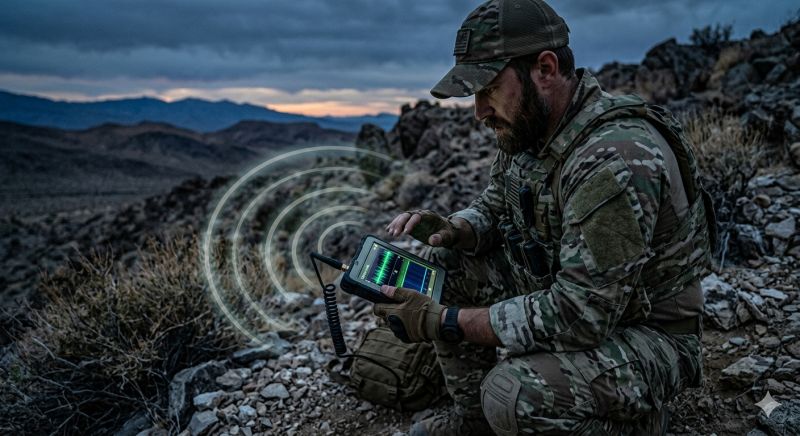
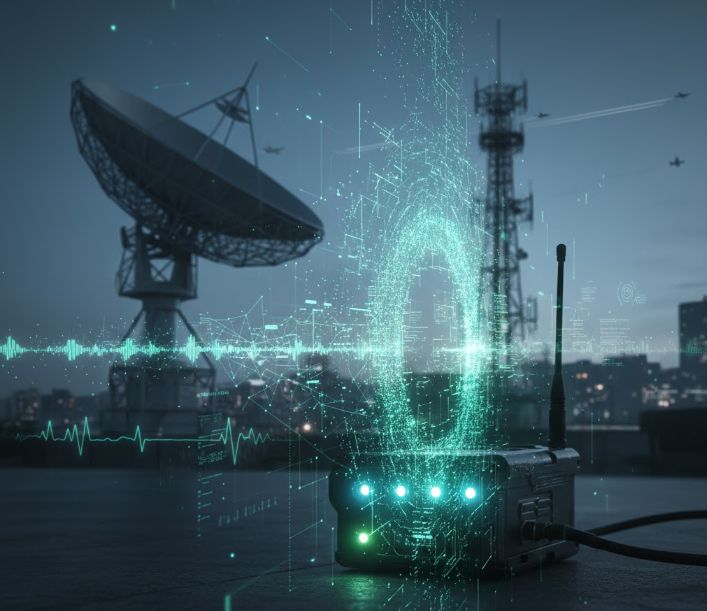
𝐖𝐡𝐚𝐭 𝐢𝐟 𝐭𝐡𝐞 𝐫𝐚𝐝𝐢𝐨𝐬 𝐰𝐚𝐫𝐟𝐢𝐠𝐡𝐭𝐞𝐫𝐬 𝐚𝐥𝐫𝐞𝐚𝐝𝐲 𝐜𝐚𝐫𝐫𝐲 𝐜𝐨𝐮𝐥𝐝 𝐚𝐥𝐬𝐨 𝐝𝐞𝐭𝐞𝐜𝐭 𝐭𝐡𝐫𝐞𝐚𝐭𝐬? Traditional counter-UAS systems require dedicated sensors, specialized equipment, and infrastructure that may not reach the tactical edge. But forward-deployed forces already carry communications equipment everywhere they operate. The concept: Turn existing tactical radios into distributed RF sensors. Instead of deploying new hardware, add intelligence to what's already in the field. Communications devices that monitor the electromagnetic spectrum while performing their primary function—creating a distributed sensing network without additional equipment burden. 𝐖𝐡𝐲 𝐭𝐡𝐢𝐬 𝐚𝐩𝐩𝐫𝐨𝐚𝐜𝐡 𝐦𝐚𝐭𝐭𝐞𝐫𝐬: → Ubiquitous coverage - Sensors wherever forces operate → No additional SWaP-C - Uses existing equipment → Distributed intelligence - Network resilience through multiple nodes → Real-time awareness - Detection at the point of operation When thousands of radios become intelligent sensors, the entire force gains electromagnetic awareness. Small drone threats get detected by the equipment operators already carry. 𝑅𝑒𝑠𝑝𝑜𝑛𝑠𝑒 ℎ𝑎𝑝𝑝𝑒𝑛𝑠 𝑎𝑡 𝑡ℎ𝑒 𝑡𝑎𝑐𝑡𝑖𝑐𝑎𝑙 𝑒𝑑𝑔𝑒, 𝑛𝑜𝑡 𝑎𝑓𝑡𝑒𝑟 𝑑𝑎𝑡𝑎 𝑡𝑟𝑎𝑣𝑒𝑙𝑠 𝑏𝑎𝑐𝑘 𝑡𝑜 𝑐𝑒𝑛𝑡𝑟𝑎𝑙𝑖𝑧𝑒𝑑 𝑠𝑦𝑠𝑡𝑒𝑚𝑠. This is the convergence of assured communications and threat detection—dual-purpose systems that communicate and sense simultaneously. The best capability is the one already in the field. #datashapesai #AI #radioasasensor
DataShapes AI tweet media
English
0
0
2
24
DataShapes AI
DataShapes AI@DataShapes_AI·
Proud to partner with @L3HarrisTech on Wraith Shield™— using our proprietary GlobalEdge AI to transform 100,000+ tactical radios into AI-powered counter-UAS sensors to support forward-deployed warfighters. Now, warfighters can detect, classify, and respond to drone threats in real time—without centralized infrastructure. Speed wins. Edge AI delivers. Check out full article here: bit.ly/492hg14 #L3Harris #datashapes #AI #radioasasensor
L3Harris@L3HarrisTech

We’re transforming tactical radios into AI-enabled counter-UAS sensors with our new Wraith Shield™ software. This converged capability gives warfighters real-time electromagnetic awareness and a new way to detect and defeat small drone threats at the tactical edge. We’re working with @DataShapes_AI to help bring this capability to soldiers around the world. More: spklr.io/6013EzinV

English
0
2
5
77
DataShapes AI
DataShapes AI@DataShapes_AI·
@L3HarrisTech Great collaboration and exciting work ahead. Proud to partner on delivering real-time AI capabilities to the tactical edge.
English
0
0
0
42
DataShapes AI retweetledi
L3Harris
L3Harris@L3HarrisTech·
We’re transforming tactical radios into AI-enabled counter-UAS sensors with our new Wraith Shield™ software. This converged capability gives warfighters real-time electromagnetic awareness and a new way to detect and defeat small drone threats at the tactical edge. We’re working with @DataShapes_AI to help bring this capability to soldiers around the world. More: spklr.io/6013EzinV
L3Harris tweet media
English
3
8
58
1.6K
DataShapes AI
DataShapes AI@DataShapes_AI·
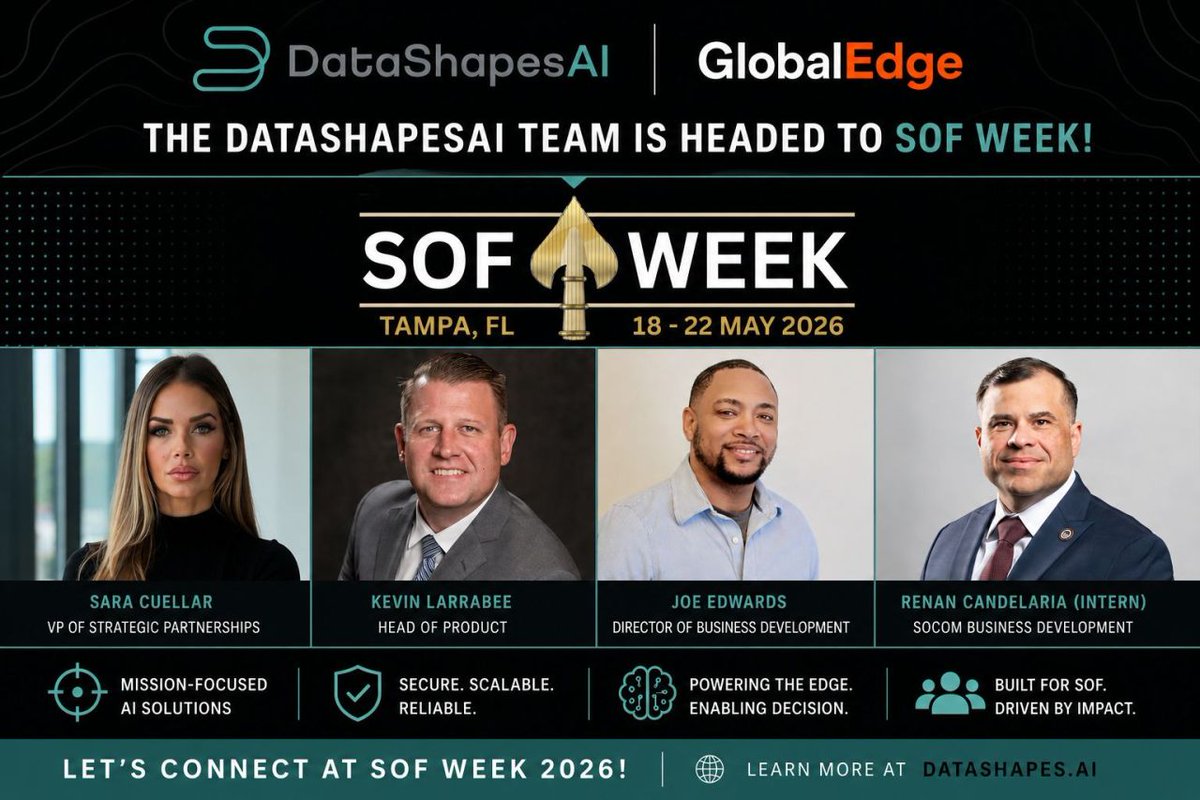
The DataShapes AI team is heading to SOF Week next week in Tampa. If spectrum intelligence, drone detection, or Edge AI is on the agenda — let's talk. Join us next week as we'll be on the ground connecting with the SOF community, meeting with partners, and working to bring Edge AI to those who need it most. Drop a comment below or DM to schedule time. #Sofweek2026 #sof #edgeAI #spectrumintelligence #dronedetection
DataShapes AI tweet media
English
1
1
3
42
DataShapes AI
DataShapes AI@DataShapes_AI·
Spectrum intelligence shouldn't stop at the edge of the network. Most RF systems depend on cloud connectivity to process and return useful data. In denied, degraded, or disconnected environments, that's a liability. GlobalEdge can run fully offline. Detection, classification, and analysis happen on-device — with no external dependency. That means operators get actionable intelligence whether or not there's a connection to reach back to. The mission doesn't pause for connectivity. Neither should the tools.
DataShapes AI tweet media
English
0
0
3
34
DataShapes AI
DataShapes AI@DataShapes_AI·
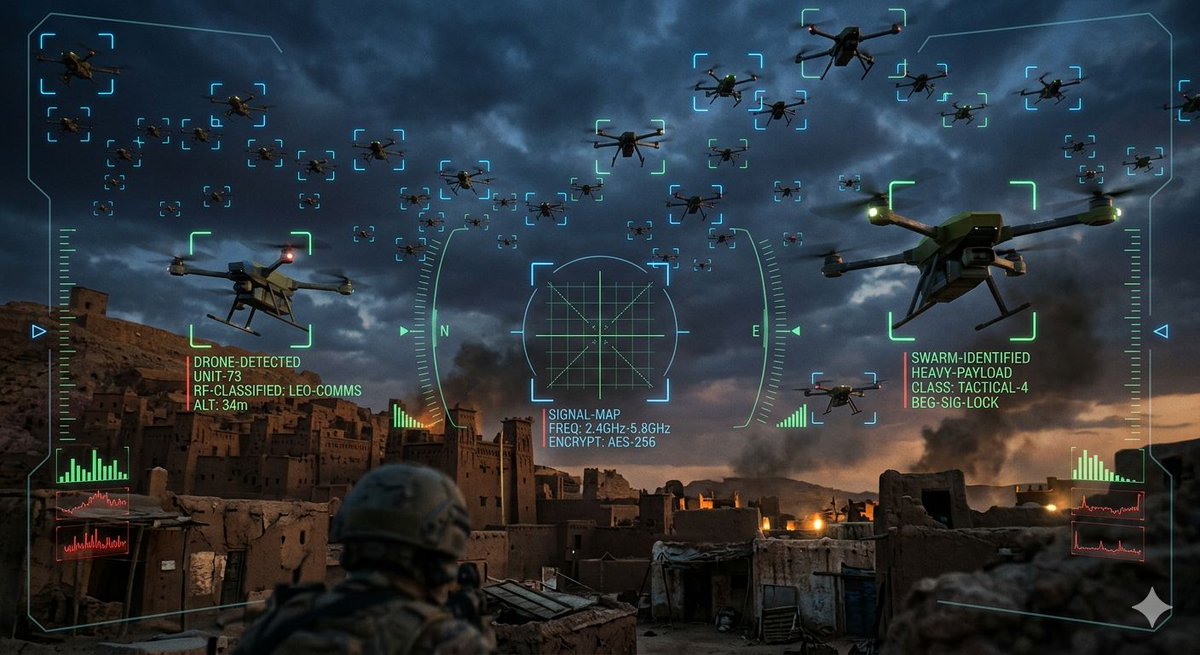
The drone threat has outpaced most detection systems. UAS proliferation isn't slowing down. Consumer-grade platforms, modified commercial drones, and purpose-built threats are increasingly present in contested environments. Traditional radar, RF and optical detection have real limits — especially against small, low-altitude, RF-controlled systems operating in complex terrain. AI-powered spectrum analysis changes the calculus. Signal identification happens in near real-time. Threats are classified before they're a problem, not after. Detection that keeps pace with the threat. That's the standard.
DataShapes AI tweet media
English
0
0
4
49
DataShapes AI
DataShapes AI@DataShapes_AI·
Every modern military operation depends on it. Communications, navigation, ISR, targeting — all of it runs on spectrum. That's why adversaries aren't just contesting airspace and land anymore. They're contesting frequencies. The threat environment has evolved. Jamming is more sophisticated. Drone proliferation has exploded. Signals are harder to classify and faster to adapt. Organizations that treat spectrum awareness as a secondary capability are already behind. AI spectrum intelligence at the edge — real-time, automated, hardware-agnostic — isn't a future requirement. It's a current one. #AI #defensetech #electromagneticspectrum
DataShapes AI tweet media
English
0
0
2
41
DataShapes AI
DataShapes AI@DataShapes_AI·
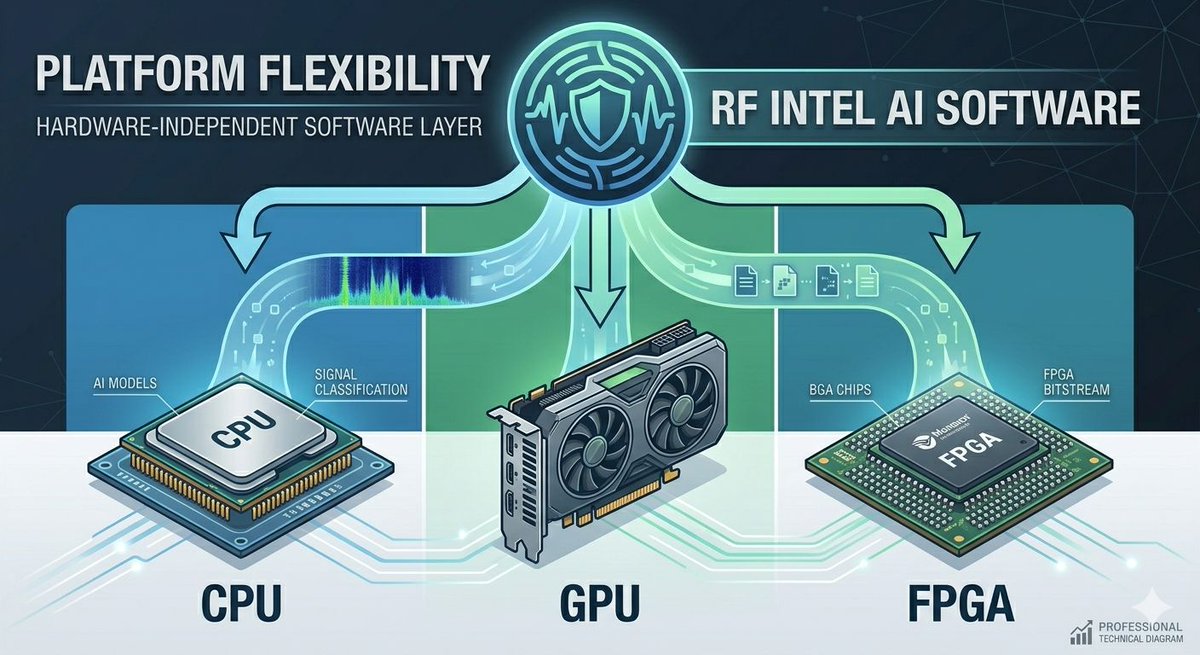
Why hardware-agnostic deployment matters for defense tech. Vendor lock-in isn't just a procurement annoyance—it's an operational constraint. When RF intelligence systems require specific hardware platforms, organizations face limited flexibility, higher costs, and slower capability refresh as technology evolves. Hardware-agnostic deployment changes this entirely. AI-powered detection that runs on CPU, GPU, or FPGA platforms means: 1. Deploy on existing mission hardware - No forced equipment replacement 2. Adapt to different operational contexts - Match processing to mission requirements 3. Upgrade software without hardware constraints - Capability improves independently 4. Avoid vendor dependency - Choose best platform for each deployment Organizations can integrate advanced RF intelligence into the systems they already have fielded, reducing cost and accelerating deployment timelines. The best technology is the technology that works with what's already in place. Flexibility in deployment means faster capability to the field and lower total cost of ownership.
DataShapes AI tweet media
English
0
1
3
29
DataShapes AI
DataShapes AI@DataShapes_AI·
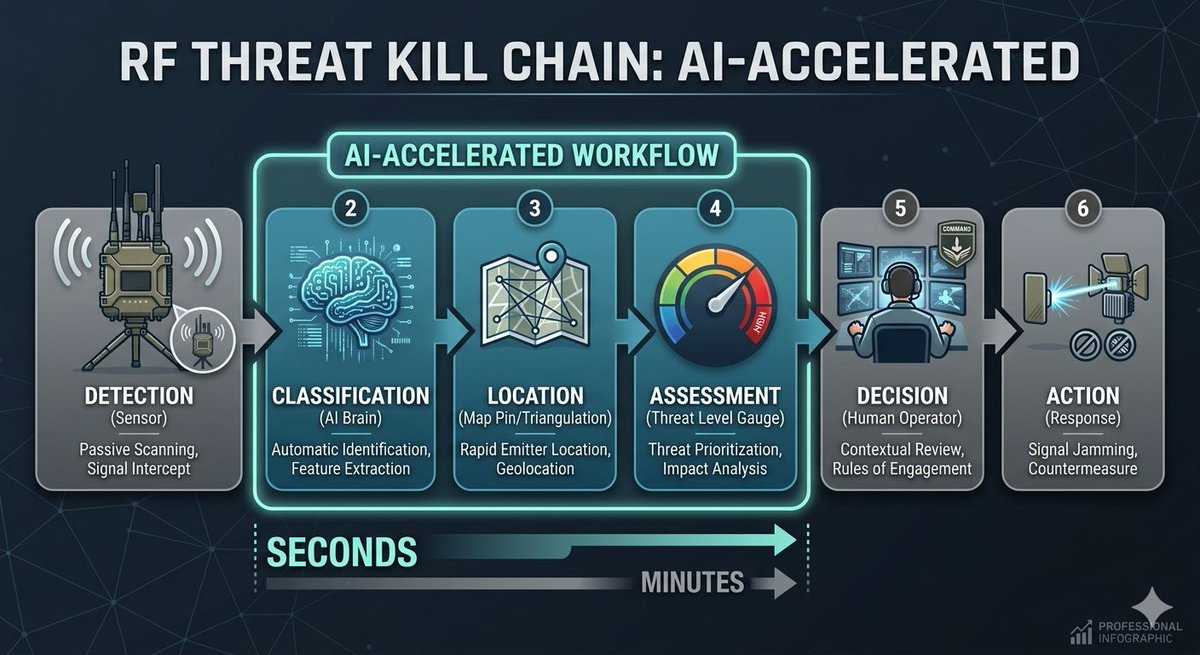
The kill chain: From RF detection to action. Understanding the steps from awareness to action shows where speed matters most. 1. Detection- RF sensor identifies electromagnetic activity. Something is transmitting. 2. Classification- AI determines what the signal is—drone, jammer, communications link, reconnaissance platform. 3. Location- Distributed sensors triangulate position and trajectory. 4. Assessment- Threat level determined based on behavior, intent indicators, and operational context. 5. Decision- Operator evaluates options: monitor, jam, kinetic response, or coordinated action. 6. Action- Response executed based on commander's authorization and rules of engagement. Where time is lost: Steps 2-4 in traditional systems that require manual analysis. Where AI accelerates: Automating classification, location, and assessment—collapsing the timeline from minutes to seconds. The faster you move through the command chain, the more options you have. Delay at any step reduces your response capability. Speed through the chain determines whether you're acting or reacting. #rfdetection #AI #KillChain #DefenseTech
DataShapes AI tweet media
English
0
0
1
34
DataShapes AI
DataShapes AI@DataShapes_AI·
𝐑𝐞𝐚𝐥-𝐰𝐨𝐫𝐥𝐝 𝐬𝐜𝐞𝐧𝐚𝐫𝐢𝐨: Detecting modified drones at a forward operating base. A commercial drone—purchased for $2,000, modified with custom firmware—approaches the perimeter. It's flying low and slow, operating on a non-standard frequency that's been changed from factory settings. Traditional signature-based detection misses it entirely. The drone doesn't match known patterns in the threat library. Visual detection struggles with the profile. Radar might not pick it up at that altitude and speed. AI-powered RF detection identifies it anyway. The system hasn't seen this exact configuration before, but it recognizes the behavioral signature: a communication link that doesn't match routine operations, flight patterns inconsistent with commercial use, coordination signals that indicate hostile intent. Alert goes to base defense within seconds. Location triangulated through distributed sensors. Threat assessment provided to operators. Response options generated. The modified drone that would have slipped through gets detected, identified, and countered—because the system learned to recognize threats by behavior, not just by signature. This isn't a hypothetical. It's the operational reality edge AI enables. #ai #RealWorldTraining #RealWorldAI #DefenseTech
English
0
0
3
23
DataShapes AI
DataShapes AI@DataShapes_AI·
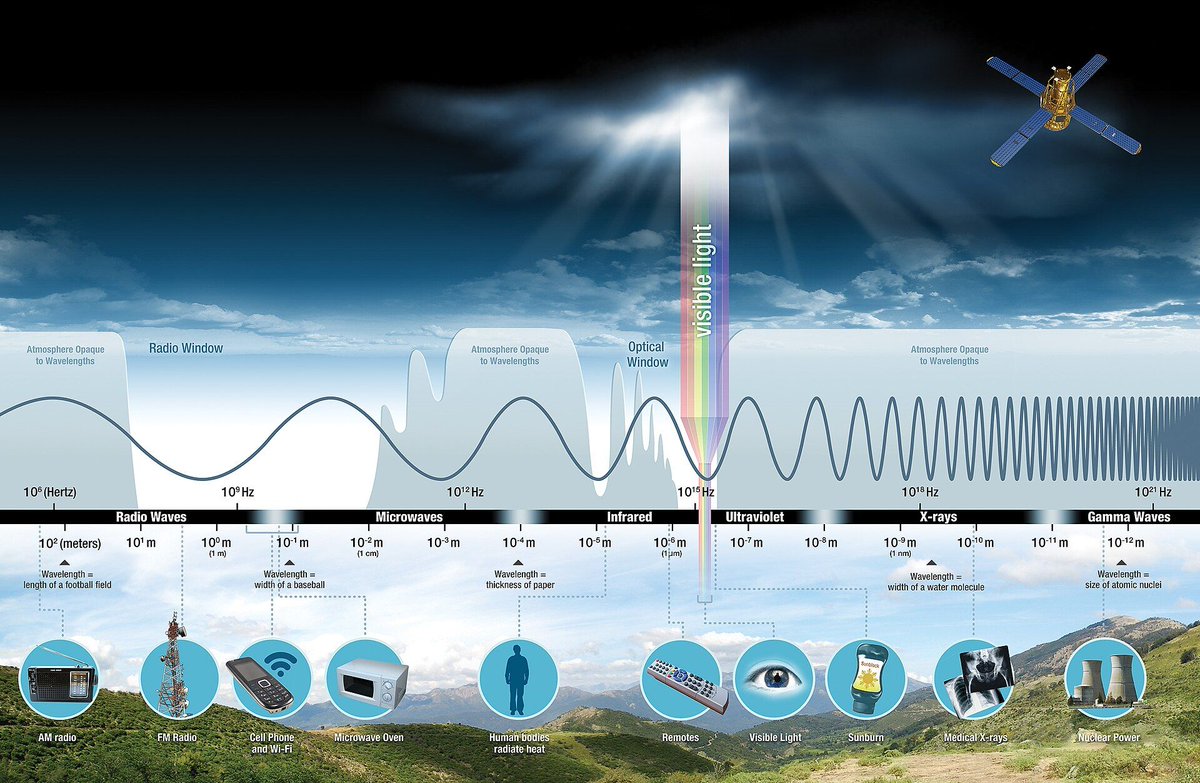
The electromagnetic spectrum: The invisible domain that connects everything. Most people can't see it, but every military operation depends on it. Communications between units. GPS navigation for precision weapons. Radar for air defense. Satellite links for ISR. Drone control signals. Targeting data. Command and control networks. All of it travels through electromagnetic frequencies, detectable only through advanced sensors. When adversaries disrupt or deny access to the spectrum, capabilities across every domain degrade. Precision becomes guesswork. Coordination breaks down. Situational awareness goes dark. This is why spectrum superiority isn't optional—it's foundational. You can have the most advanced platforms, the best-trained forces, and superior firepower. But if you lose control of the electromagnetic domain, you lose the ability to employ them effectively. The invisible battlefield determines the visible one. Understanding and controlling the spectrum isn't a technical specialty anymore. It's a strategic imperative for modern operations. #ElectromagneticSpectrum #DefenseTech
DataShapes AI tweet media
English
0
2
4
38
DataShapes AI
DataShapes AI@DataShapes_AI·
𝐃𝐢𝐬𝐭𝐫𝐢𝐛𝐮𝐭𝐞𝐝 𝐬𝐞𝐧𝐬𝐨𝐫𝐬 𝐝𝐨𝐧'𝐭 𝐣𝐮𝐬𝐭 𝐜𝐫𝐞𝐚𝐭𝐞 𝐜𝐨𝐯𝐞𝐫𝐚𝐠𝐞—𝐭𝐡𝐞𝐲 𝐜𝐫𝐞𝐚𝐭𝐞 𝐫𝐞𝐬𝐢𝐥𝐢𝐞𝐧𝐜𝐞. A single RF sensor provides point detection. Multiple distributed sensors create overlapping awareness that's greater than the sum of its parts. Why distributed networks matter: → No single point of failure. One sensor down doesn't blind the system. → Cross-confirmation. Multiple sensors share data to verify threats. → Triangulation. Precise location through geometric positioning. → Redundant coverage. Gaps in one sensor's view get covered by neighbors. The network becomes self-healing. When nodes communicate and share intelligence, the system adapts to degradation, damage, or jamming. Traditional hub-and-spoke architectures create vulnerability: take out the hub, blind the network. Distributed intelligence keeps operating even when individual nodes fail. It's resilience through distribution. In contested environments where systems get targeted, degraded, or disrupted, distributed RF networks keep the mission running. #rf #AI #network
DataShapes AI tweet media
English
0
1
3
19
DataShapes AI
DataShapes AI@DataShapes_AI·
𝐄𝐯𝐞𝐫𝐲 𝐜𝐨𝐮𝐧𝐭𝐞𝐫-𝐔𝐀𝐒 𝐬𝐲𝐬𝐭𝐞𝐦 𝐬𝐡𝐨𝐮𝐥𝐝 𝐚𝐧𝐬𝐰𝐞𝐫 𝐭𝐡𝐫𝐞𝐞 𝐟𝐮𝐧𝐝𝐚𝐦𝐞𝐧𝐭𝐚𝐥 𝐪𝐮𝐞𝐬𝐭𝐢𝐨𝐧𝐬: 1. What is it? Detection alone isn't enough. Is it a commercial drone, modified platform, or coordinated industrial swarm? Does it have a payload capacity? Classification matters for response. 2. Where is it? Precise location and trajectory. Detection without location gives awareness but not actionability. 3. When does it matter? Real-time threat assessment. Not every drone is hostile, but the hostile ones need immediate response. The gap between detection and decision is where threats slip through. Complete intelligence—what, where, when—enables confident action. Often, that may require a layered solution. However, the combination of advanced sensors and Edge AI processing creates a robust layer, cutting decision-making speeds down significantly. #AI #DefenseTech #keepingsoldierssafe #SpectrumDominance
DataShapes AI tweet media
English
0
0
3
32
DataShapes AI
DataShapes AI@DataShapes_AI·
Size, weight, power, and cost aren't just specs—they're operational constraints. Tactical teams can't carry server racks. Forward operating bases can't spare power for energy-hungry processors. Deployed units need intelligence systems that fit their mission footprint. This is where low SWaP-C edge AI changes capability. Traditional RF intelligence required centralized processing with significant infrastructure—racks of equipment, substantial power draws, and dedicated facilities. Moving that capability to the tactical edge meant rethinking everything. Modern edge AI delivers full spectrum intelligence in compact, efficient packages: → Runs on existing tactical hardware without new infrastructure → Operates on minimal power—critical for extended missions → Deploys quickly without logistical burden → Works autonomously in denied or degraded environments The advantage: Warfighters get real-time RF awareness without the weight penalty, power constraints, or cost barriers that limited previous systems. Low SWaP-C isn't about making technology smaller. It's about making capability deployable where it's actually needed—at the point of the mission. When every pound and watt counts, Edge AI delivers intelligence without the infrastructure burden.
DataShapes AI tweet media
English
0
1
3
27
DataShapes AI
DataShapes AI@DataShapes_AI·
𝐓𝐡𝐢𝐬 𝐢𝐬 𝐰𝐡𝐚𝐭 𝐀𝐈-𝐚𝐬𝐬𝐢𝐬𝐭𝐞𝐝 𝐜𝐨𝐦𝐛𝐚𝐭 𝐝𝐞𝐜𝐢𝐬𝐢𝐨𝐧-𝐦𝐚𝐤𝐢𝐧𝐠 𝐥𝐨𝐨𝐤𝐬 𝐥𝐢𝐤𝐞 𝐢𝐧 𝐩𝐫𝐚𝐜𝐭𝐢𝐜𝐞. A soldier receives an alert on their laptop: "Anomalous activity detected." The AI platform has been continuously analyzing satellite imagery, sensor data, and intelligence feeds. The soldier types: "Show me more details." The chatbot responds with timestamps, potential threat assessment, and a map showing the location. The soldier asks about options for higher-resolution imaging. After reviewing the choices, the soldier makes a selection. The request goes up the chain of command for approval. A commander authorizes it. The new imaging reveals a tank—a potential threat. The soldier types: "Generate three courses of action to target this equipment." 𝐖𝐢𝐭𝐡𝐢𝐧 𝐬𝐞𝐜𝐨𝐧𝐝𝐬, 𝐭𝐡𝐫𝐞𝐞 𝐨𝐩𝐭𝐢𝐨𝐧𝐬 𝐚𝐩𝐩𝐞𝐚𝐫 𝐰𝐢𝐭𝐡 𝐟𝐮𝐥𝐥 𝐝𝐞𝐭𝐚𝐢𝐥𝐬: time required, equipment needed, distance to target, personnel required, and more. The soldier can probe each option, ask follow-up questions, and request a mission summary. A commander gives final approval. The entire process—from initial alert to approved action plan—happened in minutes instead of hours or days. This isn't science fiction. It's happening now. 𝐀𝐈 𝐩𝐫𝐨𝐜𝐞𝐬𝐬𝐞𝐬 𝐭𝐡𝐞 𝐝𝐚𝐭𝐚. 𝐇𝐮𝐦𝐚𝐧𝐬 𝐦𝐚𝐢𝐧𝐭𝐚𝐢𝐧 𝐝𝐞𝐜𝐢𝐬𝐢𝐨𝐧 𝐚𝐮𝐭𝐡𝐨𝐫𝐢𝐭𝐲. 𝐓𝐡𝐞 𝐜𝐨𝐦𝐛𝐢𝐧𝐚𝐭𝐢𝐨𝐧 𝐜𝐫𝐞𝐚𝐭𝐞𝐬 𝐬𝐩𝐞𝐞𝐝 𝐰𝐢𝐭𝐡𝐨𝐮𝐭 𝐬𝐚𝐜𝐫𝐢𝐟𝐢𝐜𝐢𝐧𝐠 𝐚𝐜𝐜𝐨𝐮𝐧𝐭𝐚𝐛𝐢𝐥𝐢𝐭𝐲. The future of military operations isn't human or machine—it's intelligent collaboration between both. #AI #SpectrumDominance #warfighter #MissionReady #missionfaster
English
0
1
2
65
DataShapes AI
DataShapes AI@DataShapes_AI·
The future of combat operations isn't just about better weapons—it's about faster, smarter decisions. Modern warfare generates overwhelming amounts of data: satellite imagery, sensor feeds, communications intercepts, radar signals, field reports, and real-time intelligence. Processing all of this manually takes days or weeks. By then, the tactical situation has evolved. AI is compressing that timeline from weeks to minutes. Military AI platforms now fuse data from multiple sources, detect anomalies, identify potential threats, and generate response options—all autonomously. When an alert surfaces, soldiers can interact with AI chatbots in plain language to explore options, request additional intelligence, and evaluate courses of action. The workflow: Anomaly detected → AI provides context and imagery → Soldier requests options → AI generates multiple courses of action with details on timing, resources, and risks → Commander approves final decision. What once required extensive manual analysis now happens in real-time, giving operators the speed advantage in dynamic environments. This transformation extends beyond combat: Mission planning, supply chain management, cyber defense, and administrative functions are all being accelerated by AI that can process, reason, and generate insights at scale.
DataShapes AI tweet media
English
0
1
3
33
DataShapes AI
DataShapes AI@DataShapes_AI·
Artificial intelligence is reshaping military operations—from combat to logistics, from decision-making to supply chains. Key insight: The United States Department of War recognizes that the risks of not moving fast enough outweigh the risks of imperfect alignment. This urgency is driving deployment of commercial AI models to military personnel within 30 days of public release. What's already happening: AI is processing vast amounts of battlefield data—satellite imagery, sensor feeds, communications, cyber intelligence—and generating actionable insights in minutes instead of weeks. Combat chatbots guide soldiers through threat detection and response planning. Autonomous drone swarms make decisions in real-time. The broader transformation extends beyond combat: Mission planning. Target assessment. Cyber defense. Supply chain optimization. Administrative efficiency. The once-in-a-century modernization touches every aspect of military operations. Why this matters for spectrum operations: The article underscores what we see daily: speed, adaptability, and intelligent data processing aren't future requirements—they're operational imperatives right now. #AI #Battlefield #spectrum #speed
DataShapes AI tweet media
English
0
0
2
33
DataShapes AI
DataShapes AI@DataShapes_AI·
The best capabilities are the one you can actually deploy. That's why we built GlobalEdge to integrate, not replace. Whether running established EW platforms or building new capabilities, our AI-powered RF detection integrates into existing architectures. Teams maintain the workflows they know. Operators keep the interfaces they trust. We support standard signal formats. We deploy on existing hardware—CPU, GPU, or FPGA. We work with what's already in the field. It's AI integration in months, not years. API compatibility assessment, sandbox testing with IQ data, calibration with live waveforms, then production deployment. The timeline is measured in quarters, not contract cycles. Because the best capability is the one that can actually be deployed. Sophisticated technology that sits waiting for integration funding doesn't protect anyone. Intelligence that works with existing systems gets to the mission faster. #DefenseTech #upgrade #MissionReady #missionfaster
DataShapes AI tweet media
English
0
0
2
11
DataShapes AI
DataShapes AI@DataShapes_AI·
𝐓𝐡𝐞 𝐞𝐥𝐞𝐜𝐭𝐫𝐨𝐦𝐚𝐠𝐧𝐞𝐭𝐢𝐜 𝐬𝐩𝐞𝐜𝐭𝐫𝐮𝐦 𝐢𝐬 𝐟𝐮𝐥𝐥 𝐨𝐟 𝐬𝐢𝐠𝐧𝐚𝐥𝐬. 𝐌𝐨𝐬𝐭 𝐚𝐫𝐞 𝐫𝐨𝐮𝐭𝐢𝐧𝐞. 𝐒𝐨𝐦𝐞 𝐚𝐫𝐞 𝐭𝐡𝐫𝐞𝐚𝐭𝐬. 𝐀𝐈 𝐜𝐚𝐧 𝐭𝐞𝐥𝐥 𝐭𝐡𝐞 𝐝𝐢𝐟𝐟𝐞𝐫𝐞𝐧𝐜𝐞. Traditional RF detection works by matching signals against known signatures—if it's in the database, it gets flagged. But this approach misses threats that don't match existing patterns and floods analysts with false positives from benign activity. AI-powered anomaly detection changes the approach entirely. 𝑰𝒏𝒔𝒕𝒆𝒂𝒅 𝒐𝒇 𝒍𝒐𝒐𝒌𝒊𝒏𝒈 𝒇𝒐𝒓 𝒌𝒏𝒐𝒘𝒏 𝒕𝒉𝒓𝒆𝒂𝒕𝒔, 𝑨𝑰 𝒍𝒆𝒂𝒓𝒏𝒔 𝒘𝒉𝒂𝒕 𝒏𝒐𝒓𝒎𝒂𝒍 𝒍𝒐𝒐𝒌𝒔 𝒍𝒊𝒌𝒆 𝒊𝒏 𝒚𝒐𝒖𝒓 𝒔𝒑𝒆𝒄𝒊𝒇𝒊𝒄 𝒆𝒏𝒗𝒊𝒓𝒐𝒏𝒎𝒆𝒏𝒕. Routine communications. Expected traffic patterns. Baseline spectrum activity. Once it understands normal, it can identify what's anomalous—even if it's never seen that specific signal before. A new frequency appears where silence should be. Traffic volume spikes unexpectedly. Coordination patterns emerge that don't match routine operations. When real anomalies surface, AI autonomously alerts analysts—providing context on what changed, where it's coming from, and why it matters. Analysts focus on genuine threats, not noise. The system gets smarter with every observation, continuously refining its understanding of normal and sharpening its detection of what's truly abnormal. 𝐀𝐈 𝐝𝐨𝐞𝐬𝐧'𝐭 𝐣𝐮𝐬𝐭 𝐝𝐞𝐭𝐞𝐜𝐭 𝐦𝐨𝐫𝐞. 𝐈𝐭 𝐝𝐞𝐭𝐞𝐜𝐭𝐬 𝐛𝐞𝐭𝐭𝐞𝐫! #AI #DefenseTech #electromagnetic #SpectrumDominance
DataShapes AI tweet media
English
0
0
3
19