agirltheycallBrian

4K posts

agirltheycallBrian banner
agirltheycallBrian

agirltheycallBrian

@Davemademedoit

ICM/AIM SpR. like diagnostic mystery, livers, obesity, health inequality, sustainability. love History&reading& Davy Doodles (she/her/Brian)
SW, UK Katılım Kasım 2012
1.5K Takip Edilen541 Takipçiler
Sabitlenmiş Tweet
agirltheycallBrian
agirltheycallBrian@Davemademedoit·
I have a diagnosis of #hEDS. Hypermobility impairs my life every day, but i do not let it disable me. I have pain every day, but I am not in #ChronicPain. I rage against it. I do not embrace it.
English
0
0
7
0
agirltheycallBrian
agirltheycallBrian@Davemademedoit·
@DrRobgalloway And we need to ask people more ro think more about end of life wishes and planning and thinking ahead about escalation decisions and be frank about outcomes from CPR/invasive ventilation in extreme age. It’s mad that people have funeral plans but not actual life plans.
English
0
0
2
31
agirltheycallBrian
agirltheycallBrian@Davemademedoit·
@DrRobgalloway We are also flogging our elderly prioritising longevity over quality and expectations of what can be done to achieve this from public are increasing. Ten years ago if I told an 85+ year old they had cancer that had spread most would understand its unsurvivable. That’s changed
English
1
0
2
215
Rob Galloway
Rob Galloway@DrRobgalloway·
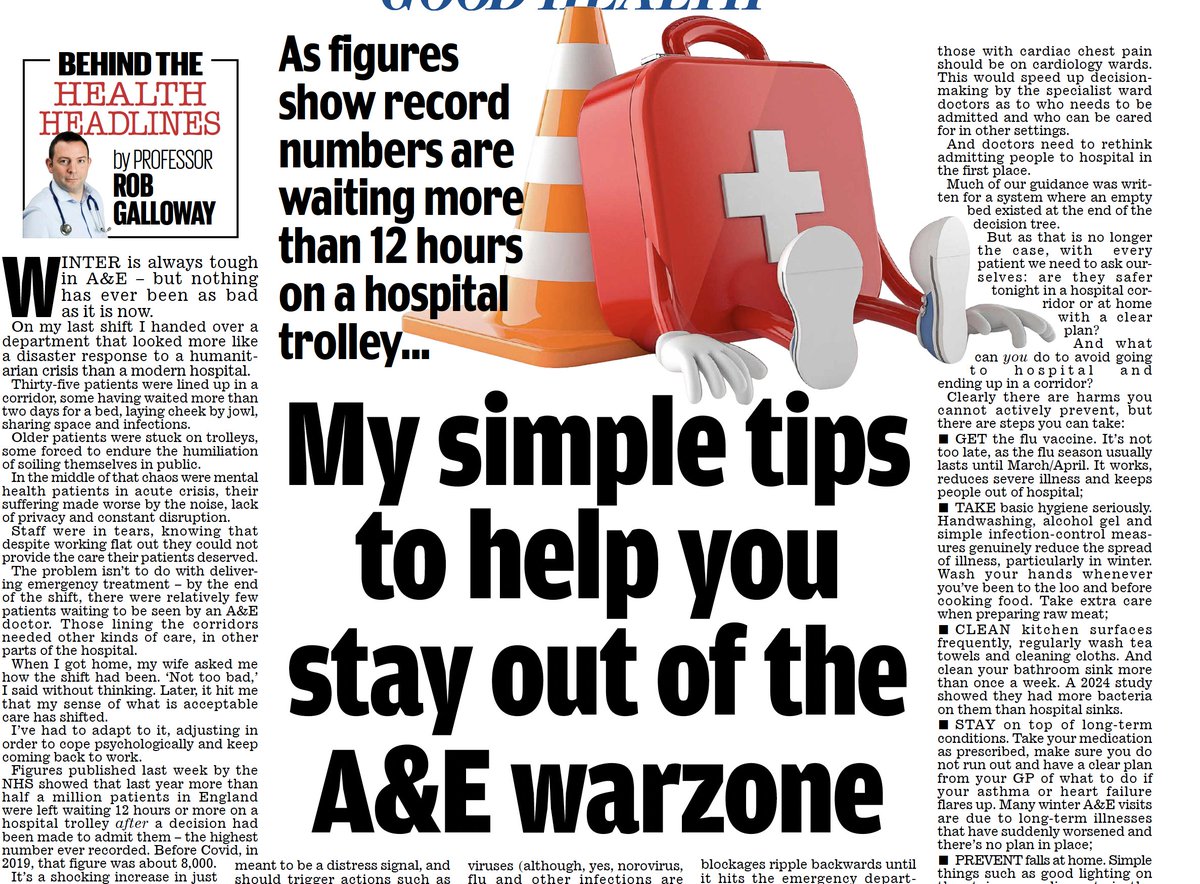
When people accept the unacceptable, it quietly becomes acceptable. And that, to me, is the most unacceptable thing of all. Right now, in A&E departments across the country, patients who should be in proper hospital beds are being cared for in corridors. This isn’t a rare emergency measure. It isn’t a winter-only phenomenon. It isn’t a sign that “things are stretched today”. It is normal practice. In my latest article for the Mail Health section I explain the reality of what is actually happening in A&E departments. Its truly awful….. Older patients lie on trolleys for days. Frail people wait without privacy, dignity or rest. Some soil themselves in public. People with dementia or delirium become more confused. Patients with mental health crises sit in noise and chaos that actively worsens their distress. Infections spread. Pain goes untreated for longer than it should. Families watch, helpless and shocked. And yet, outside the hospital walls, almost nobody notices. That is what frightens me most. Inside A&E, staff are working flat out. They are not lazy. They are not indifferent. They are doing everything they can to deliver safe care in a system that no longer allows it. I have seen experienced, resilient clinicians cry at the end of shifts. Not quietly upset, but broken by the feeling that they are participating in something unsafe and degrading despite their best efforts. But here is the uncomfortable psychological truth: to survive, we adapt. You come home after a shift like this and someone asks how work was. You say, “Not too bad.” And you mean it. Because if you let yourself fully feel how bad it really was, you wouldn’t be able to go back the next day. Your internal bar for what counts as acceptable care quietly drops. Once that happens, the system stops screaming. Corridor care stops being a scandal and becomes background noise. “Critical incidents” lose their meaning because the pressure is no longer exceptional – it is constant. And because this suffering is largely hidden inside hospitals, it slips out of the news cycle. No dramatic single event. No clear villain. Just a grinding, everyday erosion of standards that would once have been unthinkable. The truth, which we need to say out loud, is this: A&E is not coping. The situation is not meaningfully improving. And comforting narratives about “recovery” do not match what staff and patients experience on the ground. If we want this to change, three difficult things have to happen. First, we have to change how the NHS is run. This is no longer simply a funding argument. The NHS is receiving more money than it ever has. But it is using that money badly, and in the wrong places. We have built a system obsessed with hospitals, expensive interventions and downstream fixes, while hollowing out the parts of the system that prevent people needing hospital care in the first place. We are losing experienced generalists – particularly GPs – who know their patients, understand risk, and can safely manage uncertainty in the community. They are being replaced by less experienced doctors working under impossible pressure, with fewer appointments and less continuity. In that environment, risk is pushed uphill. Patients are referred to hospital “just in case”. And once someone crosses the hospital threshold, everything becomes harder. Beds don’t exist. Discharges are delayed. Social care isn’t there. Those blockages ripple backwards until they hit A&E, where the pressure finally becomes visible as corridor care. If we are serious about fixing A&E, we have to stop pretending hospitals alone can absorb unlimited demand. Investment has to move upstream. Community care has to work. Care packages need to be available in hours, not weeks. Experienced clinicians need to be retained, not driven out. Second, we have to change how doctors think about risk. This is deeply uncomfortable for the profession, but unavoidable. Much of our clinical guidance was written for a system where an empty bed existed at the end of the decision tree. That assumption is now false. Doctors are already doing everything they can to avoid admitting patients to hospital, not because they are negligent, but because admission itself has become risky when patients are destined for corridors rather than wards. We now have to ask a brutally honest question with every patient: are they safer tonight in a hospital corridor, or at home with a clear plan, safety-netting and follow-up? That feels wrong. It goes against decades of training. But pretending that hospital is always the safest place is no longer true when the system is overwhelmed. This requires courage, honesty with patients and families, and a shift away from defensive, default admission that the system can no longer sustain. Third, we have to be honest with the public about what patients themselves can do. This is not about blame. It is about realism. Overwhelmed hospitals are dangerous places. There are harms you cannot control, but there are things people can do to reduce their chances of ending up in A&E in the first place. In my latest article for the Daily Mail health section, I set these out clearly. Get vaccinated. Take basic hygiene seriously. Manage long-term conditions properly and have a clear plan for flare-ups. Prevent falls at home. Go easy on alcohol. Keep simple medications at home. Think carefully before defaulting to A&E when safer alternatives exist. And crucially, if a doctor says a relative needs to stay in hospital, it is reasonable to ask why. If the reason is simply waiting for tests or reviews, it is fair to ask whether this could be done safely as an outpatient instead. None of this is easy to hear. None of it fits neatly into slogans or soundbites. But honesty is not disloyal. It is not anti-NHS. It is not pessimism. Honesty is the only route to change. Silence is how the unacceptable becomes normal. And once that happens, it becomes very hard to remember that it does not have to be this way. dailymail.co.uk/health/article…
Rob Galloway tweet media
English
53
124
293
35.2K
agirltheycallBrian
agirltheycallBrian@Davemademedoit·
@recover2renew I think this article completely misses the point… that we over medicalise. I think there is research into why some people may be at risk of functional disorders- but then do we label different types of brain and start pathologising ‘Types of brain’ and response.
English
0
0
0
23
agirltheycallBrian
agirltheycallBrian@Davemademedoit·
@ProfRobHoward I recommend Suzanne O’Sullivans book ‘It’s all in your head’ at pretty every teaching session I do - and I’m an intensivist!
English
1
0
1
97
Robert Howard
Robert Howard@ProfRobHoward·
The power of functional neurological disorders and the damage done by those who won’t recognise them. There’s a lesson here for those who don’t apply a sensible degree of clinical scepticism to claims of novel ailments unless supported by good and scientifically tested evidence.
Alina V@AlinaV_Psy

It's a long story, but worth reading and thinking about. In summary, a doctor makes up a “mystery disease” when there isn’t one. The “mystery disease” then takes a life on its own, and when it’s proven that it was a fake story, people don't believe it and still believe in the “mystery disease”

English
8
9
38
11.6K
agirltheycallBrian
agirltheycallBrian@Davemademedoit·
Britain is broken is it @nadhimzahawi ? Who the fuck do you think broke it? You and your cronies at @Conservatives since you were elected in 2010. Take some ownership and responsibility and stop blaming others. PS have you paid your tax bill yet?
English
0
0
0
25
agirltheycallBrian
agirltheycallBrian@Davemademedoit·
@dru_jlh A bottle of champagne a deep hot bath and a good book. Maybe a takeaway. Sounds dreamy! Enjoying low key special days the older I get 🥳
English
0
0
1
131
Bert’s Books
Bert’s Books@bertsbooks·
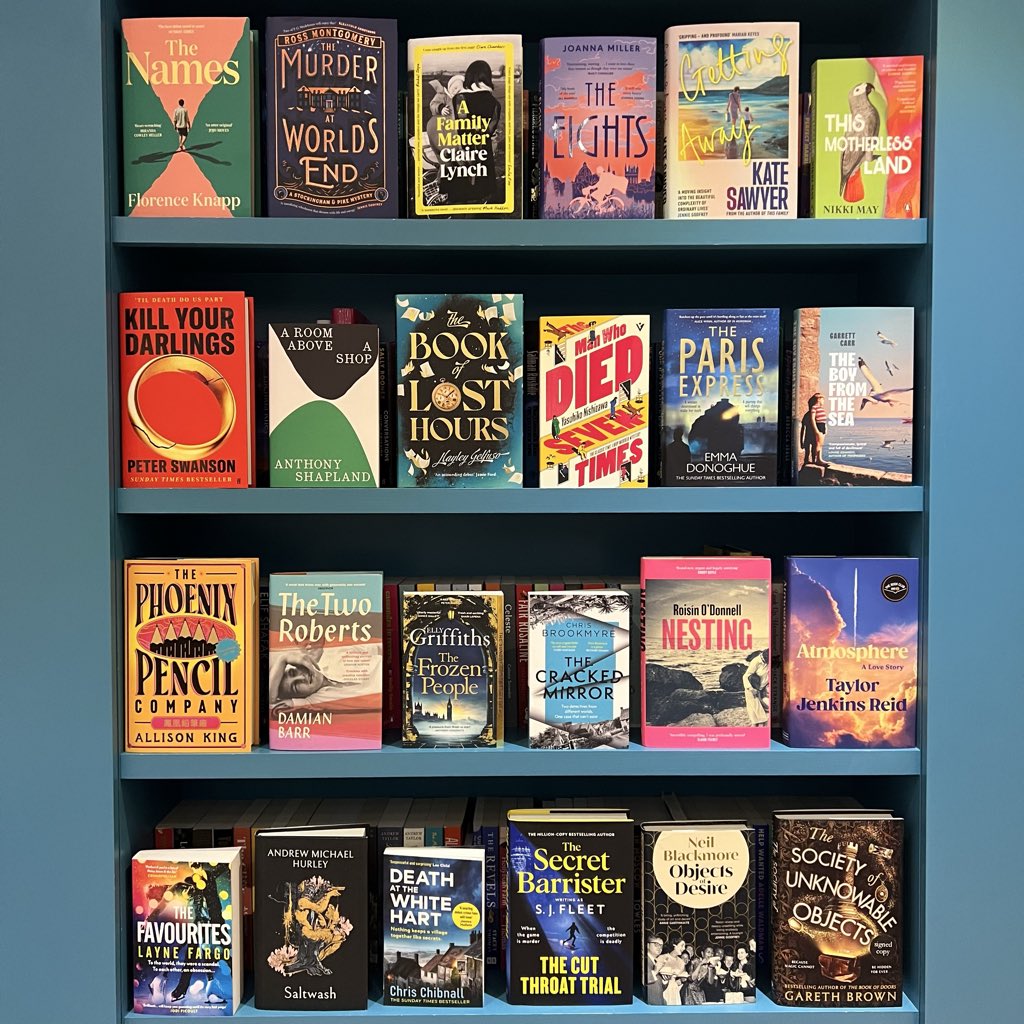
Giveaway! I’m giving one lucky person the chance to pick one shelf of books from our Bertvent bookcase. Follow and repost by midday on Saturday 27th and I’ll pick someone at random! Which shelf will you choose? (UK only)
Bert’s Books tweet media
English
483
1.1K
919
58.1K
Goodreads
Goodreads@goodreads·
10 days left in the year! How's your Reading Challenge going?
English
226
48
588
96.6K
agirltheycallBrian
agirltheycallBrian@Davemademedoit·
@trentconsultant I do sort of have a low grade resentment of the people who have seen that they are living older than their parents and done little thinking/planning about their futures if they’re ill. But mostly the governments who have done sod all to prepare the infrastructure for it
English
0
0
1
25
Mike Henley 🤨
Mike Henley 🤨@trentconsultant·
I think we need to face the fact that right across Europe the baby boomer generation is reaching the point of needing healthcare/social care and the estate & infrastructure are simply not up to it. This isn’t ‘unproductive staff’ it’s underinvestment & demographics in action.
The BMA@TheBMA

Yesterday @BMACymru members joined forces with nurses to call for an end to corridor care in Wales, demonstrating outside the Senedd. There must be immediate action to end this dangerous and undignified practice. Read more: bma.org.uk/news-and-opini…

English
5
29
90
5.2K
agirltheycallBrian
agirltheycallBrian@Davemademedoit·
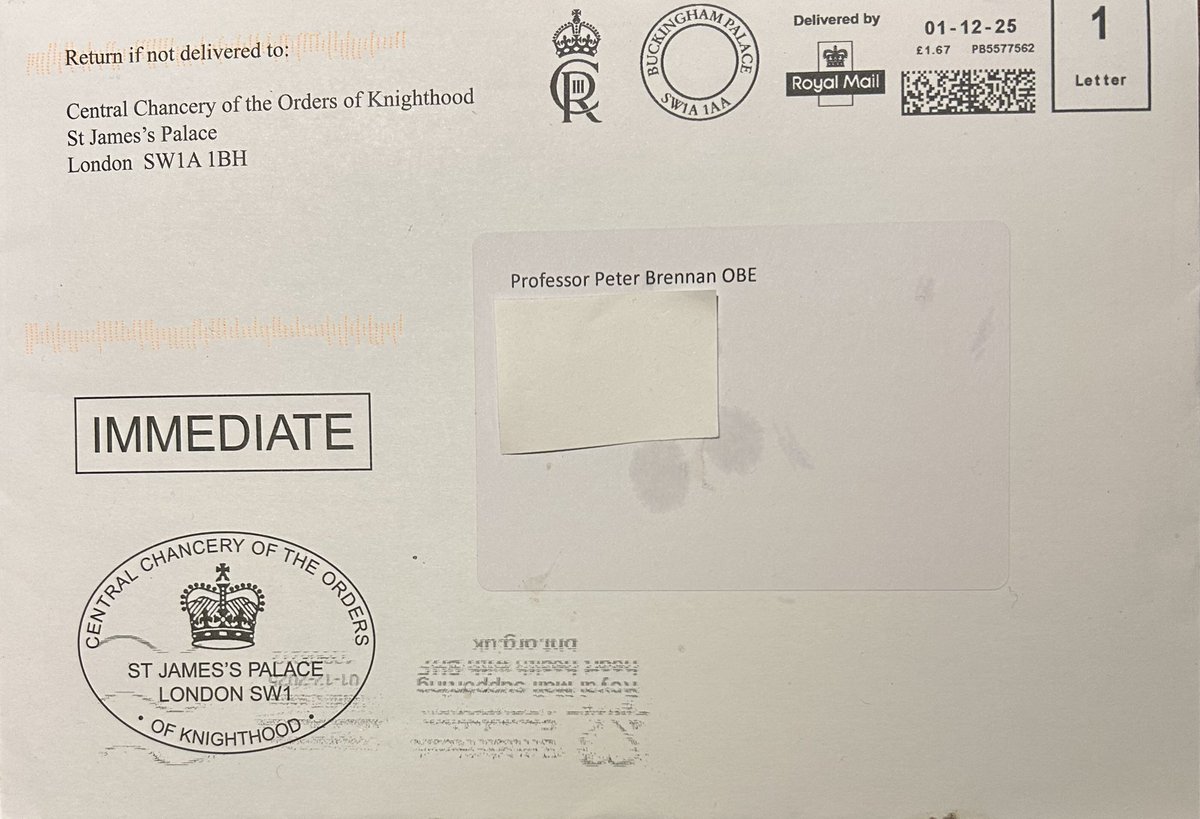
@BrennanSurgeon @RoyalFamily My dad died 6m before I graduated from medical school- his anniversary was just last week. He wouldn’t recognise my life now and that’s hard to understand sometimes. mum says he saw me as the dr I’d be when I picked holes in the med regs plan for him as a Yr5 student 😂 Congrats!
English
0
0
1
38
Peter Brennan
Peter Brennan@BrennanSurgeon·
This is the best summons ever!!!! Inside the envelope is a summons letter to attend Windsor Castle next month Still can’t quite believe it. If only my father was alive to see what we’ve done over the last 15 years to help improve patient safety & team working 😢
Peter Brennan tweet media
English
38
6
382
20K
agirltheycallBrian
agirltheycallBrian@Davemademedoit·
@bertsbooks I normally struggle with books focussed around a piece of artwork or music as it’s hard to visualise/hear through the words for me but I’m really enjoying this. It’s so effortlessly readable too
agirltheycallBrian tweet media
English
0
0
1
73
Bert’s Books
Bert’s Books@bertsbooks·
What’s everyone reading this weekend?
English
178
17
150
13.3K
agirltheycallBrian
agirltheycallBrian@Davemademedoit·
@SketchesbyBoze How contemporary? Was about to recommend Human Traces by Sebastian Faulks but then thought of some Ian McEwans I loved- Saturday, Amsterdam and if you have a dark sense of humour ‘Nutshell’ is just so funny and wry
English
0
0
0
32
Boze the Library Owl 😴🧙‍♀️
I’m looking for a good contemporary novel. I’ve been reading a lot of medieval poems & sagas and realized I’d read hardly any recent fiction this year. I love a book that’s a bit cerebral, a bit strange, and tells a solidly plotted story with a minimum of fuss.
English
508
84
1.2K
78.5K
agirltheycallBrian
agirltheycallBrian@Davemademedoit·
@DrAnimeshSingh Not in Canterbury- based system there in 2014. It was bonkers. Resp would decline to take over a bad asthmatic from Gastro if they hadn’t taken over someone with deranged LFTs the previous week. We were running around all over the hospital. Only one ‘firm’ worth the name too
English
0
0
0
98
Animesh Singh
Animesh Singh@DrAnimeshSingh·
The days of a ‘firm’ being on call together, admitting all patients to their ward & then spending a week sorting them out etc finished over 20 years ago.
Arctic Squirrel 🇺🇦 🇬🇧 🇩🇪@ArcticSquirrel3

@DrAnimeshSingh Ok. Sigh. I thought you might make some smartarse response like that. Whatever. I’m just trying to understand and be informed about the situation.

English
3
6
91
16.7K
agirltheycallBrian
agirltheycallBrian@Davemademedoit·
@goodreads I took one non medical book when I went to work /study in a hospital abroad in Madagascar for 3 months. I was trying to improve myself. Tuens out the complete works of Shakespeare is not my desert island book choice 😂
English
0
0
3
146
Goodreads
Goodreads@goodreads·
What are your desert island, "I could read this for eternity" kind of books?
English
151
23
259
68K
agirltheycallBrian
agirltheycallBrian@Davemademedoit·
You can be sure that the men raging about the accidental release of a sex offender who happens to be a foreign national (found guilty of indecent exposure) will complain there is nothing wrong with wolf whistling or touching a woman’s breasts or bottom uninvited #prisonchaos
English
0
0
1
66
agirltheycallBrian retweetledi
Sean McGovern
Sean McGovern@smcg600·
The challenge of getting past Whatiffery applies to the whole clinical journey from referral to ED through to discharge ?
Sean McGovern tweet media
English
14
63
237
29.2K
Samuel West 💙💛
Samuel West 💙💛@exitthelemming·
Thank you for your many memories of Ma and messages of condolence. I’m sorry I can’t reply to them all but I’ve read each one and they’re such a comfort.
English
50
27
1.6K
16.7K
agirltheycallBrian
agirltheycallBrian@Davemademedoit·
@MartynPitman Is it not vaguely considered common sense that having experienced two serious complications (PPH and sepsis) that the parents can be expected to have at least *some* common sense that a home birth was ill advised at best…
English
0
0
1
82
Martyn Pitman
Martyn Pitman@MartynPitman·
Whilst I always have and always will share your concerns regarding the potential maternal and neonatal risks of homebirth, I challenge your use of the the term 'unforeseeable' in relation to the fatal complications in this tragic case. Given the maternal past Obstetric history...
Catherine Roy@catherineroyuk

My letter to @wesstreeting asking for the Department of Health to revise its policy on out-of-hospital births and to make them all against medical advice. @PutneyFleur 1/3

English
2
1
16
3.2K
agirltheycallBrian
agirltheycallBrian@Davemademedoit·
@Neuro_Matt (Ok I’m not a cardiologist but have done my AIM cardio stint and am ICM/(AIM) and can spot sketchy decisions
English
0
0
1
114
agirltheycallBrian
agirltheycallBrian@Davemademedoit·
@Neuro_Matt My godmother’s private cardiologist (with no NhS profile) makes some wildass decisions from what I have seen but despite having a near CCT me to hand just seems to think private = better. Just can’t seem to convince her he’s a cowboy 🤦🏻‍♀️🤦🏻‍♀️
English
1
1
13
1.6K
Matthew Evans
Matthew Evans@Neuro_Matt·
Some behaviour in the private sector is wild. Got an external call today from someone accepting a referral privately for something WELL outside of their specialty’s scope, then called up an NHS neurology registrar to ask how to manage the condition they are charging £££ for.
English
23
29
190
20K