Sabitlenmiş Tweet
David Mc Cullough Bell
237 posts

David Mc Cullough Bell
@DavidBorisjules
Repre By Liz Mercado Associates (Ire) Male Lead in "Waves Over Sand" Which Won The Southampton International Film Festival For The Best Short Film 2018

Belfast: Katılım Ekim 2012
834 Takip Edilen150 Takipçiler

@Chantelledwyer_ @LizJMercado Chan don’t look straight at the camera, look right of the camera or left as if you’r telling the story to your mum eye movement were consistent with the way you told the story, don’t jerk your head as if someone has just come in to the room the tone was good more emotion needed
English

✨✨Happy Monday! Please let me know what you think of this monologue, advice is welcomed!! ✨✨
#monologue #monologuemonday #acting #cast #casting #GreysAnatomy #jowilson
Rep’d ~ @LizJMercado
English

@FionaCrossUK Fiona, is this the stats for one Actor in your Agency?
Best. David McCullough Bell
🐝🐝☘️
English

@anactorre Ana, David McCullough Bell is represented by Liz Mercado Associates.
English


@anactorre Ana, where is the production being filmed in 2024.
Best wishes David McCullough Bell
English

@dapperdondharshi/post/CyZb1v6P54p/?igshid=MTc4MmM1YmI2Ng==" target="_blank" rel="nofollow noopener">threads.net/@dapperdondhar…
ZXX

@BeCoMeCast @TheHStirling F/back is essential to the Actor’s wellbeing, I’m wasting my time or was I unlucky on this occasion.
Producers, Directors, C/D and Agents if you want new Actors faces on the set be encouraged to give f/back and f/get about we have No Time or the unforgiven Books closed.
English

@tracksgoggins @Ruby_Actor @UnitedAgents @storyfilms_tv @moviegoblin Watched you on ACTONTHIS tonight with Ross Grant Diarmuid, a breath of fresh air on auditions in the Room and self tapes done properly and what Directors are looking for from Actors. 🐝🐝☘️
English

Here's a little sizzle showreel of my most recent directing work. #kin #witnessnumber3 @UnitedAgents @storyfilms_tv Shoutout to @moviegoblin for assembling.
English


@DanielJPatton Well done Daniel, Cheers mate 🐝🐝☘️
English

Bud Stop is now available once again! With a full digital remaster and improved audio quality.
youtu.be/_y4DAFDtU1U?si…

YouTube

English

@mhdksafa @TheHStirling True Animal Love With A Kiss Of Gratitude. 🐝🐝☘️
English

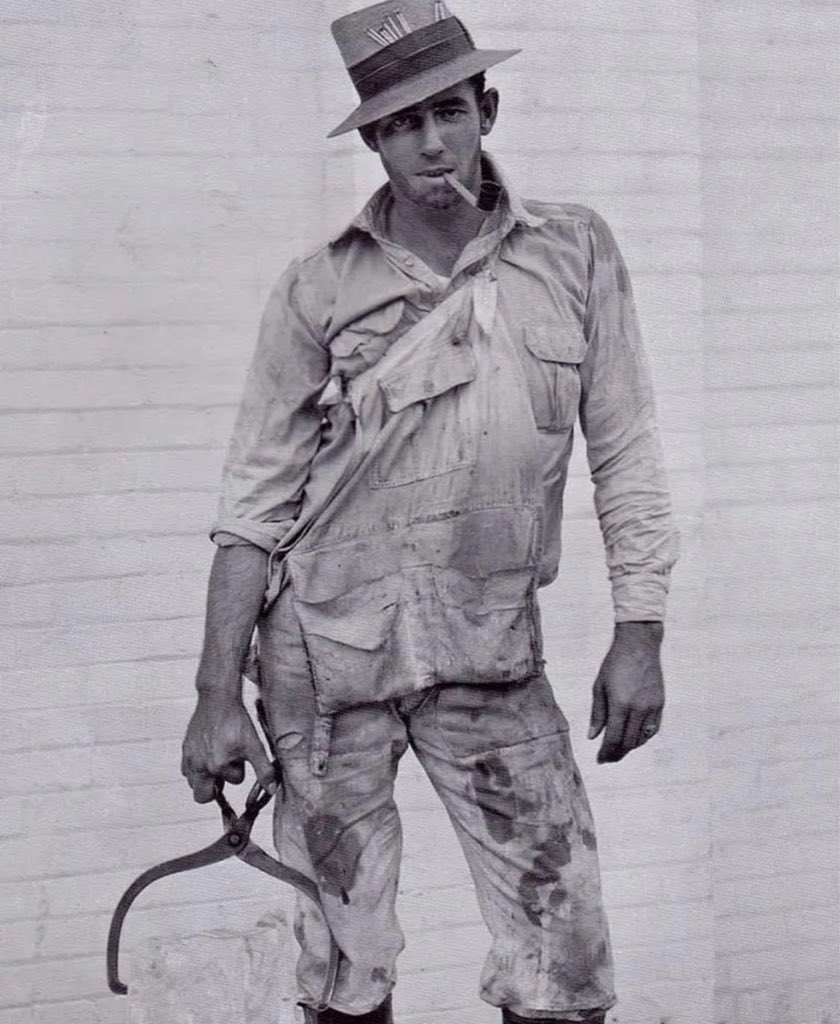
@historyinmemes How did the “Casting Directors” miss this guy ?
English

In the scorching summer of 1928, amidst the bustling streets of Houston, Texas, the Ice Man embarked on his daily mission to deliver a 25-pound block of ice to his loyal customers. The ice trade, once a flourishing industry, was now facing its inevitable decline, as the emergence of refrigeration cooling systems threatened to melt away its profits.
The foundations of the ice trade were established in the 19th century, when ice was harvested from frozen ponds and streams, packed tightly in sawdust, and transported across the globe via railroad or ship. This frozen commodity was a precious resource, essential for preserving food, cooling beverages, and providing relief from the sweltering heat of summer.
Frederic Tudor, aptly nicknamed the Ice King, pioneered this frozen empire in New England in 1806. Initially catering to the wealthy elite in the Caribbean, Tudor's business soon expanded to include Cuba and the southern United States. As demand grew, he set his sights on even more distant lands, shipping ice to far-flung destinations such as India, Australia, China, and South America. Tudor's entrepreneurial spirit ignited the ice trade, transforming it into a lucrative industry.
During its peak, the ice trade provided employment to a staggering 90,000 people and relied on a fleet of 25,000 horses to haul the precious cargo. World War I further fueled the demand for ice as it was crucial for preserving food supplies for soldiers on the front lines. However, with the conclusion of the war, the ice trade encountered its own chilling battle against the advent of modern refrigeration systems.
Refrigerators, equipped with the wonders of mechanical cooling, began to appear in homes during the 1930s. Their convenience and reliability rapidly transformed the domestic landscape, heralding the decline of the ice trade. By the 1950s, refrigerators were nearly ubiquitous in both the United States and Europe, solidifying their reign as the new kings of cooling.
And yet, in the summer of 1928, the Ice Man braved the unforgiving Texan heat to ensure that his customers' iceboxes remained chilled. Clad in a heavy coat, he skillfully maneuvered his horse-drawn ice wagon through the bustling city streets, navigating through the cacophony of traffic and pedestrians.
With his trusted horse leading the way, the Ice Man's wagon was loaded with blocks of ice, carefully wrapped in burlap sacks and insulated with sawdust. Beads of sweat formed on his brow as he toiled under the scorching sun, his muscles straining against the weight of the ice. Determination etched on his face, he knew that his livelihood depended on delivering this precious cargo to his loyal clientele.
As the wagon rumbled through the neighborhoods, children would eagerly gather, their eyes wide with anticipation. The Ice Man, with a friendly smile, would chip off a small piece of ice and present it to the children, who would revel in the instant relief from the oppressive heat. It was these small moments of joy that made his arduous labor worthwhile.
The ice trade may have been nearing its end, but for the Ice Man, the sense of pride and purpose he derived from his work was immeasurable. He was a symbol of a bygone era, a testament to the human ingenuity that once tamed nature's frozen bounty and brought it to the masses. Though the industry would soon fade into history, the memories of the Ice Man's deliveries and the taste of cool relief in the sweltering Texas heat would forever linger in the collective consciousness of those who had experienced his frozen gifts.

English