๐ƒ๐š๐ฏ๐ข๐ ๐๐ฎ๐ญ๐ฅ๐ž๐ซ ๎จ€๐Ÿ‡บ๐Ÿ‡ฆ

18.6K posts

๐ƒ๐š๐ฏ๐ข๐ ๐๐ฎ๐ญ๐ฅ๐ž๐ซ ๎จ€๐Ÿ‡บ๐Ÿ‡ฆ banner
๐ƒ๐š๐ฏ๐ข๐ ๐๐ฎ๐ญ๐ฅ๐ž๐ซ ๎จ€๐Ÿ‡บ๐Ÿ‡ฆ

๐ƒ๐š๐ฏ๐ข๐ ๐๐ฎ๐ญ๐ฅ๐ž๐ซ ๎จ€๐Ÿ‡บ๐Ÿ‡ฆ

@DavidButler34

Husband/Father. Farmer & mixed farming advocate. Nature spotter. BASIS

Wiltshire, UK Katฤฑlฤฑm Nisan 2011
4.3K Takip Edilen6.5K Takipรงiler
๐ƒ๐š๐ฏ๐ข๐ ๐๐ฎ๐ญ๐ฅ๐ž๐ซ ๎จ€๐Ÿ‡บ๐Ÿ‡ฆ retweetledi
Matthew Todd ๐ŸŒ๐Ÿ”ฅ
Matthew Todd ๐ŸŒ๐Ÿ”ฅ@MrMatthewToddยท
โ€˜The era of reliable harvests is overโ€™ Professor Paul Behrens, British Academy Global Professor University of Oxford #climateChange
English
10
179
316
4.6K
Sky News
Sky News@SkyNewsยท
Apple is urging users to update their iPhones after the discovery of new spyware that can take over phones running older versions of the iOS operating system ๐Ÿ”— Read more trib.al/268LbH2
English
35
246
544
440.4K
Longwool
Longwool@Longwoolยท
Up market view on milling oats on @BBCFarmingToday bears no reality to current market. A local grain marketing group returned a miserly ยฃ115.72/t for its committed autumn pool. The oat straw is worth more, better bed the cattle on the grain and sell the straw
English
3
4
20
2K
Goosey
Goosey@Goosey30111568ยท
Diesel ยฃ1.71 per litre this morning. Labour has wrecked the UK
English
1.8K
155
2.6K
2.6M
Joe Stanley
Joe Stanley@JoeWStanleyยท
We now have a target for steel production with tariffs on imports - action on โ€˜steel securityโ€™. Yet food production & food security remain off the table & in continuing decline. bbc.co.uk/news/articles/โ€ฆ
English
6
12
24
1.5K
Bob Flowerdew
Bob Flowerdew@FlowerdewBobยท
@blodwench had nearly the full childhood 50& 60s collection: measles, German measles (Rubella), mumps (twice), chicken pox, real flu (twice), all were not at all nice, but meningitis was by far the worst, be careful
English
1
0
3
72
Bob Flowerdew
Bob Flowerdew@FlowerdewBobยท
I caught meningitis in late 1960s, was very very sick and took many weeks to recover, would not recommend anyone takes any risks with this
English
7
16
90
3.2K
Clive Bailye
Clive Bailye@TWBFarmsยท
And everything was just great under the Tories, wasnโ€™t it? ๐Ÿ™„ As horrendous as Labour have been, many of the issues we face today have their roots firmly in previous Conservative governments. I have voted Conservative all my life, largely on the basis that the alternative was worse, but I will not do so again. There is now an alternative that understands and values farmers and the countryside, and has a blank page to write agricultural policy that actually works. Itโ€™s time for change. Frankly, this is our last hope. Farming needs @reformparty_uk ๐Ÿ‘
Farmers Guardian@FarmersGuardian

Reform is undoubtedly courting the UK rural vote โ€” but are farmers buying it? ๐Ÿค”๐Ÿ‡ฌ๐Ÿ‡ง Shadow Defra Secretary @VictoriaAtkins says a Government under Nigel Farage would be โ€˜no better for farming than Labourโ€™. READ MORE: farmersguardian.com/blog/4526294/eโ€ฆ

English
23
4
31
7K
๐ƒ๐š๐ฏ๐ข๐ ๐๐ฎ๐ญ๐ฅ๐ž๐ซ ๎จ€๐Ÿ‡บ๐Ÿ‡ฆ retweetledi
Shanaka Anslem Perera โšก
There are two clocks running in the Hormuz crisis. One belongs to the insurance industry. The other belongs to biology. They cannot be reconciled. And that irreconcilability is the single most important fact in the global food system right now. The insurance clock: P&I clubs cancelled Gulf war-risk cover on March 5. Premiums surged from 0.25 percent to 5 percent of hull value. For commercial shipping to resume at scale, insurers require a sustained period of incident-free stability before reinstating cover. Industry precedent from the Red Sea Houthi crisis shows what that timeline looks like. Houthi attacks began in November 2023. It is now March 2026. Twenty-six months later, Red Sea war-risk premiums remain elevated. Lloydโ€™s and the International Group of P&I Clubs do not respond to military press releases. They respond to actuarial loss ratios measured over quarters, not days. Even in the most optimistic scenario, if a full ceasefire were announced tomorrow morning and every Iranian provincial command stood down simultaneously, maritime insurers would require a minimum of 30 to 60 days of zero incidents before beginning to normalise premiums. Underwriters would then need to reassess hull values, renegotiate reinsurance treaties, and reprocess hundreds of individual vessel policies. The fastest realistic timeline for commercial shipping to resume normal Hormuz transit after a verified ceasefire is 60 to 90 days. More realistically, based on the Red Sea precedent, partial normalisation takes six months or longer. The planting clock: Corn Belt nitrogen application must occur by mid-April. Indiaโ€™s Kharif preparation runs through May. Bangladeshโ€™s Boro season is underway now. Australiaโ€™s winter crop urea window opens in June. These are not political deadlines that can be extended by negotiation. They are biochemical windows defined by soil temperature, moisture content, and crop physiology. Nitrogen applied outside these windows either volatilises into the atmosphere or fails to metabolise in time to support yield formation. The two clocks do not overlap. The insurance clock says: even under perfect conditions, commercial shipping cannot resume normal fertiliser transit through Hormuz before late May at the earliest. The planting clock says: nitrogen must reach American soil by mid-April, Indian soil by May, and Bangladeshi soil now. The insurance recovery timeline structurally exceeds the biological deadline by weeks to months. This means that even a ceasefire tomorrow does not save the 2026 spring planting season. The military victory has been achieved. The enrichment programme is destroyed. The anti-ship missile sites are penetrated. But the insurance architecture that governs whether a commercial vessel can legally carry urea through the strait operates on a timeline that no military operation can compress. NOLA urea at $683 per ton reflects this. The market is not pricing a shortage that might happen. It is pricing a shortage that is already locked in by the structural mismatch between two clocks that no ceasefire, no escort convoy, and no deep-penetrator strike can synchronise. A bomb can destroy a bunker in seconds. An insurer takes months to forget it happened. And a corn plant needs nitrogen in four weeks regardless of what either of them decides. The planting clock does not wait for the insurance clock. The insurance clock does not accelerate for the planting clock. And somewhere between the two, the yield losses that will feed into food prices, import bills, and hunger statistics for the rest of 2026 are being determined right now by a mismatch that has no solution inside the current architecture. Full deep dive analysis here - open.substack.com/pub/shanakaansโ€ฆ
Shanaka Anslem Perera โšก tweet media
English
61
597
1.4K
202.1K
๐ƒ๐š๐ฏ๐ข๐ ๐๐ฎ๐ญ๐ฅ๐ž๐ซ ๎จ€๐Ÿ‡บ๐Ÿ‡ฆ retweetledi
Shanaka Anslem Perera โšก
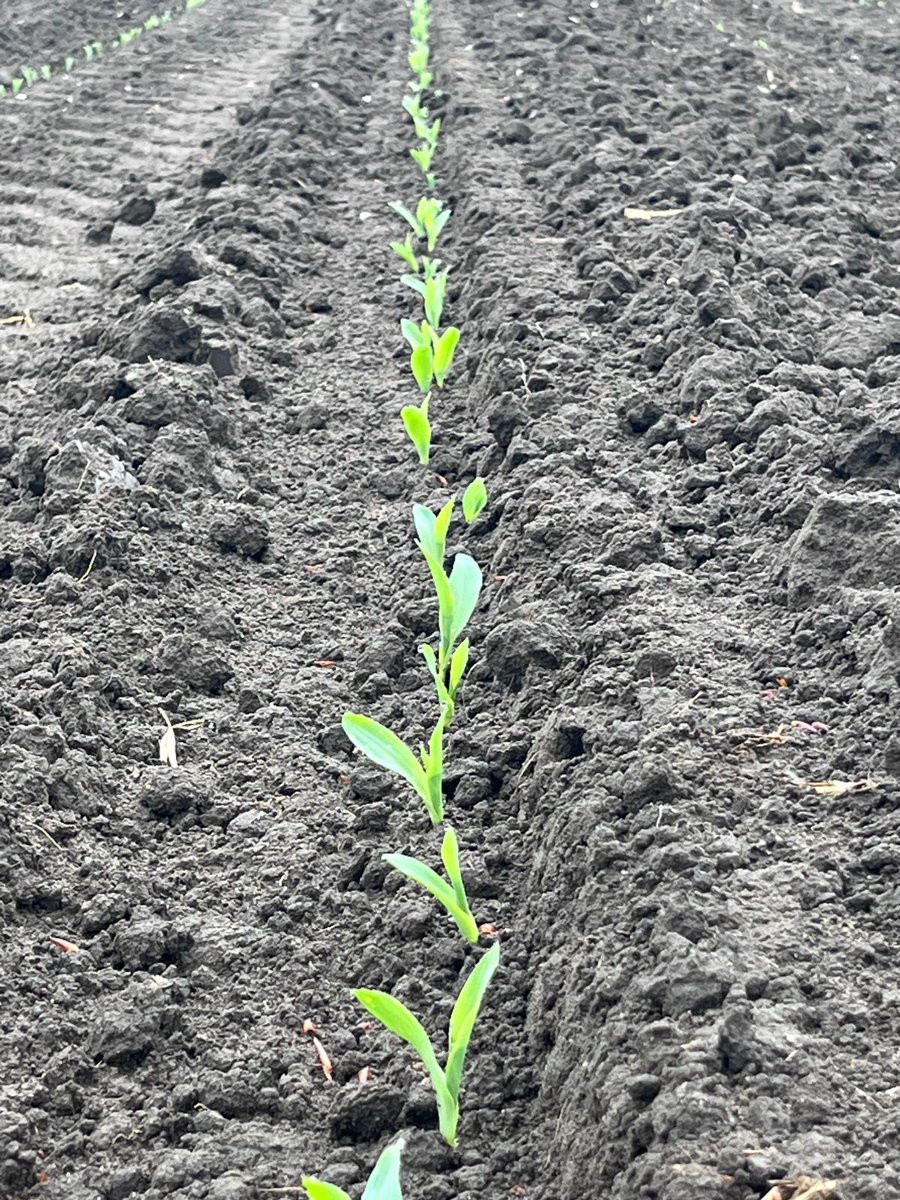
Right now, in barns and equipment sheds across the American Midwest, farmers are making the most consequential decision of this war. Not generals. Not senators. Farmers. At $683 per ton urea, corn economics have collapsed. Nitrogen is the single largest input cost for corn production. At pre-war prices a farmer could justify 180 pounds per acre and expect a margin. At $683 the math breaks. Soybeans fix their own nitrogen from the atmosphere through root bacteria. They do not need the molecule trapped behind the Strait of Hormuz. The seed decision is being made this week across roughly 90 million acres of American cropland. Once the planter rolls into the field, the choice is irreversible. Corn seed in the ground stays corn. Soy seed stays soy. The acreage allocation locks in. USDA Prospective Plantings reports March 31. That report will tell the world how American agriculture responded to the Hormuz blockade. But the decisions it captures are being made now, in conversations between farmers and agronomists and seed dealers who are looking at nitrogen prices and making the rational economic choice: plant the crop that does not need the input you cannot afford. Every acre that shifts from corn to soybeans tightens the corn balance sheet for the rest of the year. Corn feeds livestock. Corn feeds ethanol. The Renewable Fuel Standard mandates 15 billion gallons of corn ethanol annually, consuming roughly 43 percent of the US corn crop regardless of price. That demand is inelastic. If acres shift and production falls while the mandate holds, corn prices spike. Feed costs spike. The protein cascade reverses. The US cattle herd sits at 86.2 million head, a 75-year low. Poultry and pork margins that were benefiting from cheap feed compress when corn crosses $5 per bushel. This is how a naval blockade 7,000 miles from Iowa reaches the American grocery shelf. Not through oil. Not through shipping. Through nitrogen. The farmer cannot afford the molecule. The molecule cannot transit the strait. The farmer plants soy instead. The corn supply tightens. The ethanol mandate consumes its fixed share. The remaining corn reprices. The feed reprices. The meat reprices. The grocery bill reprices. The decision is not political. It is arithmetic performed on a kitchen table by a person who needs to plant in three weeks and cannot wait for a ceasefire, an escort convoy, or an insurance normalisation that the Red Sea precedent says takes years. The deepest penetrator in the American arsenal cannot reach a sealed Iranian doctrinal packet. But the fertiliser price it failed to resolve is reaching every planting decision on 90 million acres of the most productive farmland on Earth. The warโ€™s most irreversible consequence is not happening in a bunker. It is happening in a barn. And by the time USDA publishes the data on March 31, the seeds will already be in the ground. Full analysis in the link. open.substack.com/pub/shanakaansโ€ฆ
Shanaka Anslem Perera โšก tweet media
English
369
2.6K
5.8K
1.6M
Easy To Learn
Easy To Learn@EasyToLearrnยท
how did this person even think of this ๐Ÿ™„
English
388
267
4.5K
1.6M
๐ƒ๐š๐ฏ๐ข๐ ๐๐ฎ๐ญ๐ฅ๐ž๐ซ ๎จ€๐Ÿ‡บ๐Ÿ‡ฆ retweetledi
Farmers Guardian
Farmers Guardian@FarmersGuardianยท
A two-day Judicial Review begins today at the Royal Courts of Justice. Led by farmer Tom Martin a farmer collective is seeking to challenge the Governmentโ€™s Inheritance Tax proposals. @Farmer_Tom_UK @NFUtweets
English
22
249
732
10.5K
๐ƒ๐š๐ฏ๐ข๐ ๐๐ฎ๐ญ๐ฅ๐ž๐ซ ๎จ€๐Ÿ‡บ๐Ÿ‡ฆ retweetledi
Farmer Tom ๐Ÿ‡ฌ๐Ÿ‡ง ๐Ÿ‡บ๐Ÿ‡ฆ
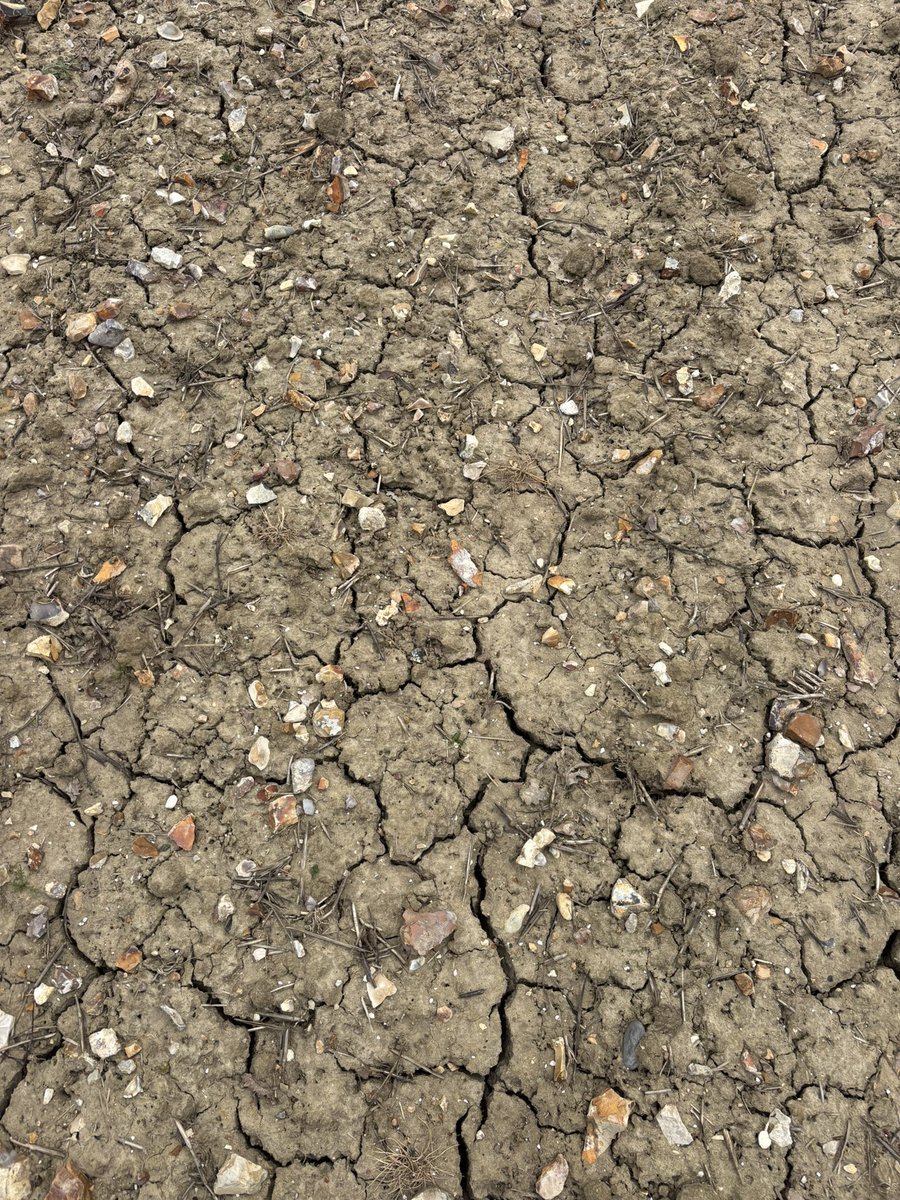
I should be on the farm today planting barley or spreading fertiliser, but instead weโ€™re at the High Court for a Judicial Review where weโ€™ll ask the Court to step in and declare that the Chancellorโ€™s decision not to consult properly over IHT changes with the public was unlawful.
Farmer Tom ๐Ÿ‡ฌ๐Ÿ‡ง ๐Ÿ‡บ๐Ÿ‡ฆ tweet media
English
405
1.8K
6.9K
57.8K
๐ƒ๐š๐ฏ๐ข๐ ๐๐ฎ๐ญ๐ฅ๐ž๐ซ ๎จ€๐Ÿ‡บ๐Ÿ‡ฆ retweetledi
Shanaka Anslem Perera โšก
BREAKING: Everyone is watching the Strait of Hormuz for oil and fertilizer. Almost nobody has noticed that it is also shutting down MRI machines, semiconductor fabs, and the global aerospace supply chain. Helium. The second lightest element in the universe. No substitute exists for it. You cannot synthesize it. You cannot replace it. And roughly one-third of the worldโ€™s supply just went offline. Qatar produces 30 to 33 percent of global helium as a byproduct of LNG processing at Ras Laffan, home to the largest helium production facilities on Earth. When the Hormuz blockade triggered LNG force majeure declarations and attacks hit Qatari infrastructure, the helium stopped flowing with it. Prices have doubled in spot markets. And helium has a property that makes this crisis structurally different from oil, fertilizer, or any other commodity caught behind the strait. It evaporates. Continuously. Even in sealed containers, helium boils off. The global supply chain operates on roughly 45 days of buffer before existing inventory simply ceases to exist. You cannot stockpile helium the way you stockpile crude oil in salt caverns or grain in silos. If the supply stops for six weeks, the buffer is gone. Not depleted. Gone. Returned to the atmosphere where it is too diffuse to economically recapture. This is why the industries that depend on helium are facing a crisis that no financial instrument can solve. Semiconductor manufacturing requires ultra-pure helium for wafer cooling in lithography and for leak detection in sub-5-nanometre chip fabrication. TSMC, Samsung, and Intel cannot produce advanced processors without it. Every AI chip, every smartphone processor, every data centre GPU in the current generation traces its manufacturing lineage through a helium-cooled process. If fabs run dry, the production lines stop. Not slow. Stop. MRI machines require liquid helium to cool superconducting magnets to near absolute zero. Hospitals cannot substitute another gas. When helium supply tightens, MRI availability falls. During previous shortages, hospitals rationed scans. A sustained one-third supply cut puts diagnostic imaging capacity at risk across every healthcare system that depends on magnetic resonance. Aerospace depends on helium for purging rocket fuel systems, pressurising tanks, and testing for leaks in systems where failure means explosion. NASA, SpaceX, ULA, and every launch provider in the Western world runs on helium. Fibre optic cable manufacturing requires helium atmospheres. Quantum computing research requires helium-3 isotopes for cryogenic cooling. The US is the worldโ€™s largest helium producer and has some buffer capacity. Algeria and Russia produce meaningful volumes. Overland rerouting from Qatar through Oman and Saudi Arabia is theoretically possible but logistically slow and capacity-limited. None of these alternatives can replace one-third of global supply within the 45-day evaporation window that defines the crisis timeline. The same 21-mile strait that is starving the food system is now threatening the technological infrastructure of modern civilization. The fertilizer trapped behind Hormuz determines whether four billion people eat. The helium trapped behind Hormuz determines whether the chips powering the AI revolution get manufactured, whether cancer patients receive diagnostic scans, and whether rockets carrying communications satellites reach orbit. One chokepoint. Two invisible supply chains. Both irreplaceable. Both operating on biological or physical deadlines that no ceasefire retroactively extends. The world built petroleum reserves. It never built fertilizer reserves. It never built helium reserves either. The pattern keeps repeating. The lesson keeps being ignored. Full analysis: open.substack.com/pub/shanakaansโ€ฆ
Shanaka Anslem Perera โšก tweet media
English
178
3K
6.2K
459.1K
๐ƒ๐š๐ฏ๐ข๐ ๐๐ฎ๐ญ๐ฅ๐ž๐ซ ๎จ€๐Ÿ‡บ๐Ÿ‡ฆ retweetledi
Dan Rejto ๐Ÿ‡บ๐Ÿ‡ธ๐ŸŒŽ๐Ÿด
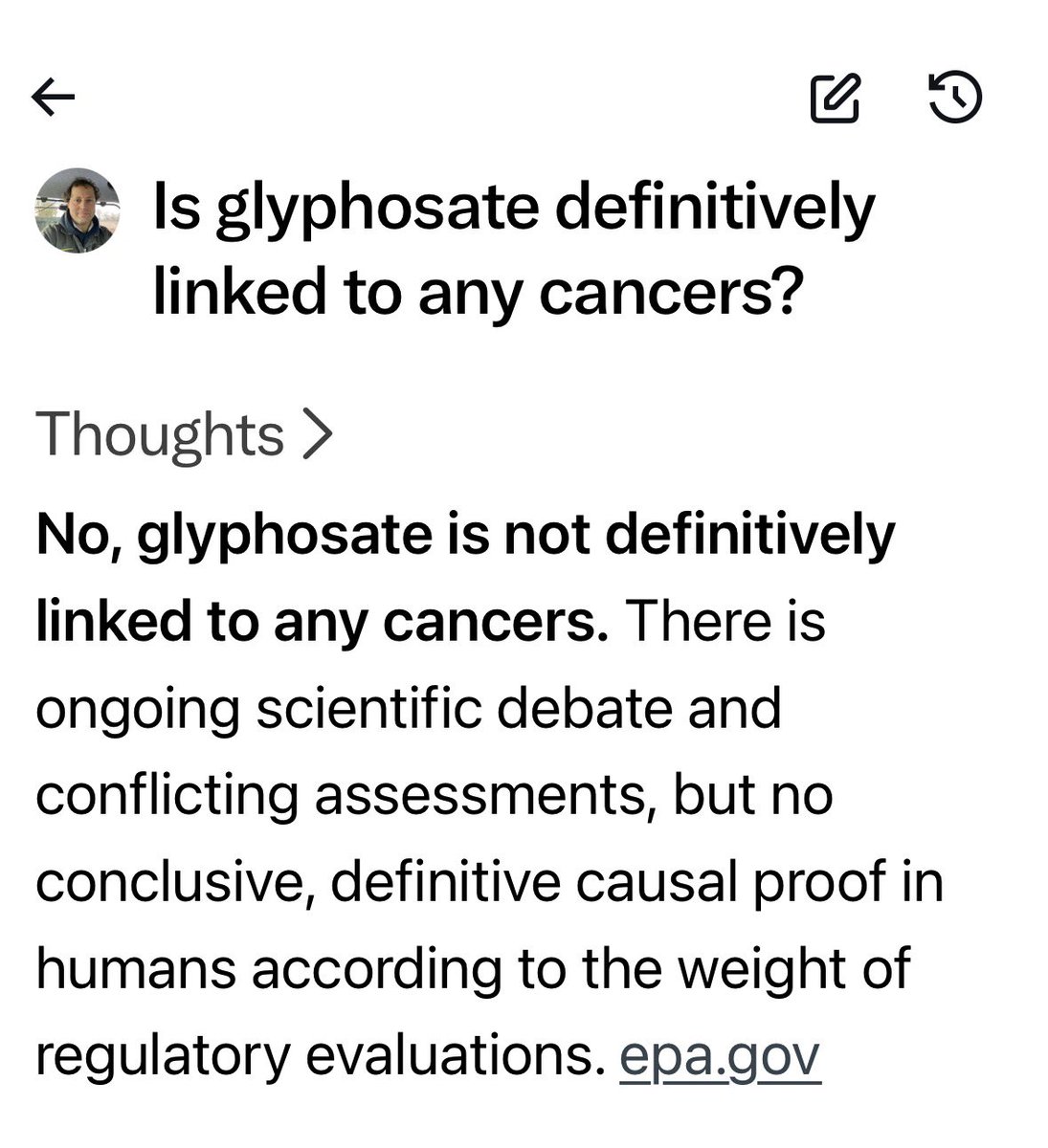
Glyphosate isn't the terrible herbicide it's made out to be. I dug deep into its impact in my latest @TheBTI analysis. Restricting glyphosate more would likely hurt wildlife and the environment in 3 big ways: increased toxicity, erosion, and greenhouse gas emissions. ๐Ÿงต
English
8
17
57
5.9K
Scott Menzel
Scott Menzel@ScottDMenzelยท
Iโ€™m just curious but has anyone who has seen Project Hail Mary not liked it?
English
34
9
706
82.1K
James Lucas
James Lucas@JamesLucasITยท
What's the most profoundly beautiful piece of music you have ever listened to?
English
1.7K
123
1.2K
433.5K