@ReneDercksen @marcelcrok Je onderschat de kracht van wensdenken René.
iedere dag komt de verandering nabij.
Nederlands
David Manstra
83.5K posts

@DavidManstra
Cynische hufter. Onverveerd & Ongegeneerd.

Uit 2018 en pas nu krijgen @marcelcrok en andere sceptici gelijk: "Ik heb letterlijk tien jaar nauwelijks iets verdiend”, zegt Crok in een koffiehuis in Amsterdam. „Kijk naar m’n jas, helemaal versleten. Ik was super naïef. Ik dacht: ik verdiep me hier grondig in want als je van een onderwerp veel afweet word je wel gewaardeerd. Maar vanaf m’n allereerste artikel ben ik onterecht neergezet als een ’klimaatontkenner’. En dan ben je een paria. Je loopt tegen gevestigde belangen aan": telegraaf.nl/binnenland/pol…

This is what happens when the soul merges with the violin: the music running in your veins.
Habsburg dynasty had a strategy. It was simple, it was consistent, and it was catastrophic. For 200 years, Spanish branch of the family married relatives with single-minded dedication to keeping wealth, title and bloodline within the family. Cousins married cousins. Uncles married nieces. Of eleven royal marriages contracted by Spanish Habsburgs between 1450-1661, most involved some degree of consanguinity. Thinking was that outsiders diluted bloodline. What actually happened was that bloodline diluted itself. Charles II was conclusion of that experiment. He was born on November 6, 1661, son of Philip IV of Spain and his wife Mariana of Austria. His parents were uncle and niece. His paternal grandparents were first cousins. His maternal grandparents were first cousins. His inbreeding coefficient, calculated by geneticists in a 2009 study that traced 3,000 individuals across 16 generations, was 0.254. For context, expected coefficient for child of a full sibling union is 0.25. Charles II was, genetically speaking, more inbred than if his parents had been brother and sister. His family tree had so many loops that the same ancestors appeared on multiple branches simultaneously. Nobody expected him to live. Philip IV had watched a string of children die before this one arrived, and when Charles was born, frail and visibly unwell, court braced for another loss. The royal governess responsible for his early care was so desperate to keep him alive that she kept him swaddled and nursed well past the age when other children were walking and eating solid food. He did not walk until somewhere between eight and ten years old. He did not speak clearly until four. His teeth did not fully develop. His tongue was so large that it was difficult to understand him when he spoke at all. Habsburg jaw, a protruding lower mandible that appeared across the dynasty in varying degrees, reached its most extreme expression in Charles. British envoy named Alexander Stanhope described it in a 1694 letter with clinical precision: his lower jaw stood so far out from his upper that his two rows of teeth could not meet. He could not chew. He swallowed his food whole wherever possible and suffered chronic stomach problems as a result. His hair fell out before he was thirty-five. He was subject to seizures. He suffered from what we would now recognize as a combination of hormonal and renal disorders, produced by homozygous expression of multiple recessive genes that his family's centuries of inbreeding had made almost inevitable. Philip IV died in 1665, leaving his four-year-old son as King of Spain. Spain at this point controlled an empire stretching from Americas through the Philippines, including territories across Italy and Low Countries. It was one of the largest political entities on earth. It was now governed, nominally, by child who could not walk and could barely talk, and in practice by his mother Mariana as regent and shifting factions of her court. The court around Charles was not, in any simple sense, running empire competently. It was running it through him. His mother, her advisers, his half-brother Don Juan José, his two wives and various noble factions and foreign ambassadors who circulated through Spanish court all understood that king's condition made him easily influenced and that proximity to his ear was real currency of power. Contemporary observers described him as completely dependent on those around him, following suggestions of whoever had most recently spoken to him with quiet conviction. He was not, as more recent historians have argued against the traditional caricature, a mindless prop. He showed occasional flashes of judgment and will that surprised his handlers. He could be decisive in unexpected ways and genuinely cared about his role as king even when his capacity to exercise it was limited. But distance between what he was capable of and what his position required of him was insurmountable from beginning. #drthehistories


Iedereen ziet het, behalve zij die het niet willen zien…

Le Charles de Gaulle, en panne, immobilisé au large de Chypre, pour des problèmes techniques graves, mais aussi à court de munitions missiles air/air pour les avions rafales, la triste réalité Française. Son retour peut être en juin !!!

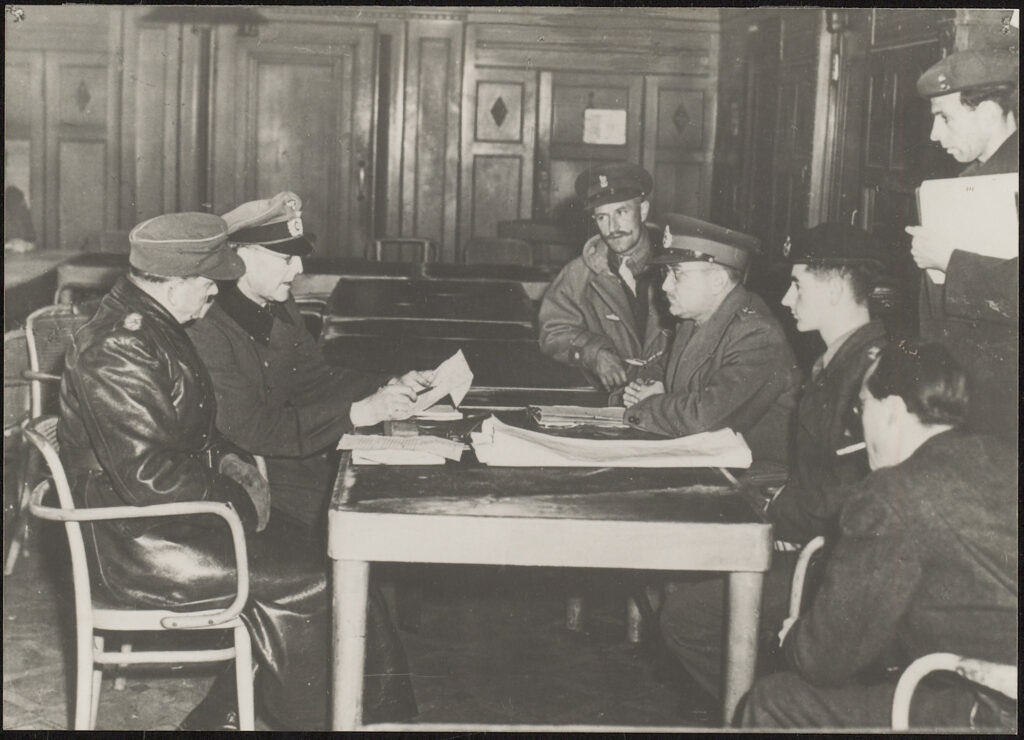
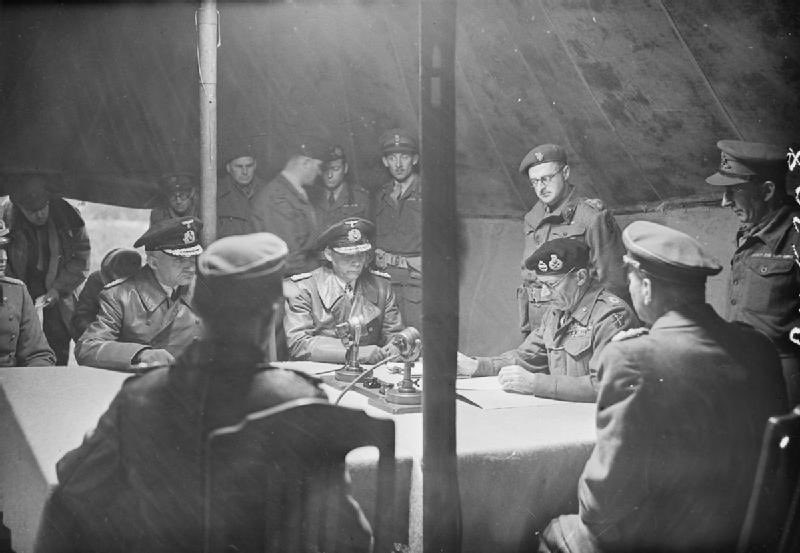


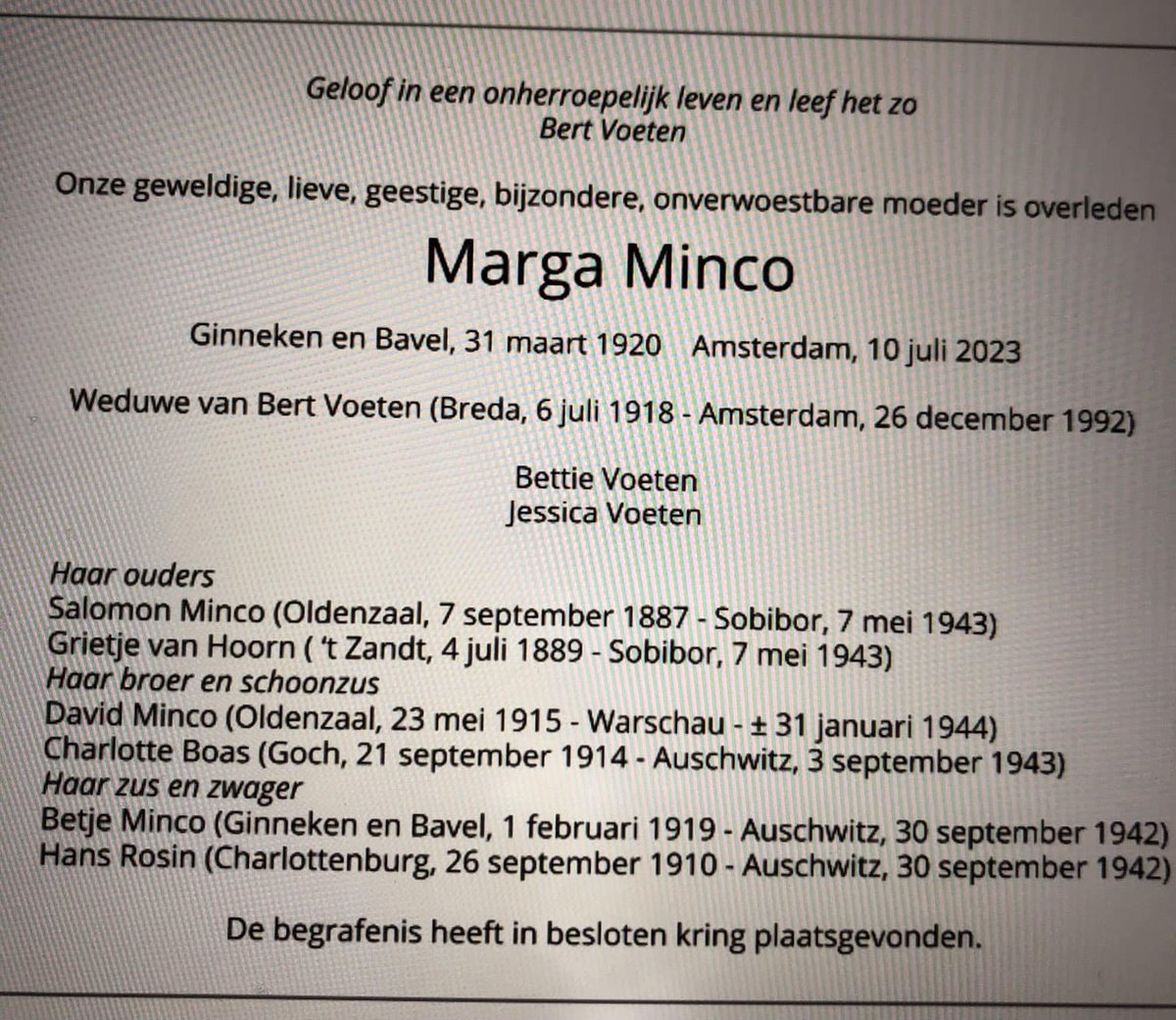

Politie checkt een grote groep mannen in zijstraat van de #Dam. Agenten hebben een melding gehad van overlast/ geschreeuw. Ze moeten allemaal hun ID laten zien en worden daarna het gebied uitgestuurd. Politie gaat ze weg begeleiden na controle. #Dodenherdenking.

Raad van State heeft ’begrip’ voor kabinetsplan om eigen risico te verhogen naar 455 euro #Echobox=1777894871" target="_blank" rel="nofollow noopener">telegraaf.nl/politiek/raad-…

Zondag in #buitenhof burgemeester van Wijdemeren Mark Verheijen; directeur van Justice for Prosperity Jelle Postma; Stientje van Veldhoven @MinisterKGG; IT-ondernemer Ludo Baauw; Jaïr Stranders, artistiek leider van Theater Na de Dam 12:10 @NPO1 Lees meer: bit.ly/buitenhof-3-me…