
David Perlmutter, MD

13K posts

David Perlmutter, MD banner
David Perlmutter, MD

David Perlmutter, MD

@DavidPerlmutter

Neurology, Functional Medicine, Nutrition, Author, Lecturer

Naples, Florida, USA Katılım Temmuz 2009
120 Takip Edilen81.8K Takipçiler
Sabitlenmiş Tweet
David Perlmutter, MD
David Perlmutter, MD@DavidPerlmutter·
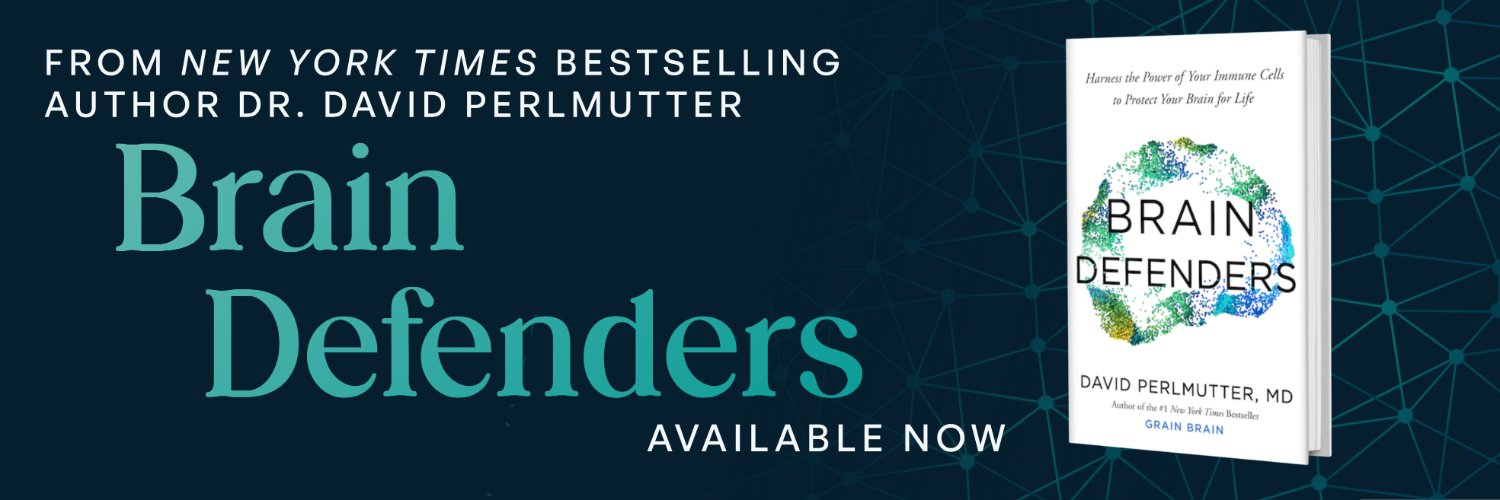
There is no cure for Alzheimer’s. Prevention is essential. If we want a future with a lower risk of Alzheimer’s and cognitive decline, we must care for the brain long before symptoms begin. My new book Brain Defenders is a practical guide for doing exactly that. Pre-order now: drperlmutter.com/books/brain-de…
English
8
23
141
6.6K
David Perlmutter, MD
David Perlmutter, MD@DavidPerlmutter·
The standard Omega-3 recommendation is too low. Given the current state of metabolic health, I consider most people to be in a higher risk category. If brain health is the goal, this is the framework I use: ➡️ Daily Omega-3 target: 1,500–2,000 mg of EPA + DHA ➡️ DHA specifically (critical for the brain): At least 800–1,000 mg of DHA daily
English
4
4
48
6.2K
David Perlmutter, MD
David Perlmutter, MD@DavidPerlmutter·
A consistent pattern in Alzheimer’s research: diets lower in omega-3s and higher in saturated fats. This imbalance may influence brain health. Optimizing omega-3 intake could matter more than we think.
English
2
6
34
2.8K
David Perlmutter, MD
David Perlmutter, MD@DavidPerlmutter·
What you do in your 20s sets the stage for your brain health decades from now. Make sure you: ✅ Prioritize sleep ✅ Get outside ✅ Exercise regularly ✅ Limit alcohol ✅ Avoid ultra processed foods The habits you build now compound.
English
2
7
38
1.7K
David Perlmutter, MD
David Perlmutter, MD@DavidPerlmutter·
Loneliness is not just emotional, it affects brain health. Social isolation drives inflammation, disrupts stress pathways, and may accelerate cognitive decline. Strengthening your relationships may help protect your brain: youtube.com/watch?v=zg0GEy…
YouTube video
YouTube
English
1
0
8
1K
David Perlmutter, MD
David Perlmutter, MD@DavidPerlmutter·
Healthy brain aging is driven by how well we support the brain’s ability to adapt, repair, and remain resilient over time. And the earlier we begin, the better.
English
1
4
22
824
David Perlmutter, MD
David Perlmutter, MD@DavidPerlmutter·
Movement is one of the most powerful brain-supporting tools we have. Exercise supports mitochondrial function, reduces inflammation, and promotes neuroplasticity. Your brain benefits every time you move.
English
1
5
34
1.3K
David Perlmutter, MD
David Perlmutter, MD@DavidPerlmutter·
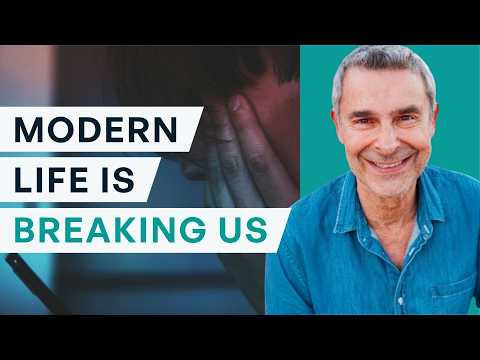
We are more connected than ever, yet many people feel deeply alone. In this episode of The Empowering Neurologist, I sit down with Barnet Bain to explore why loneliness has become such a profound public health issue and what it really takes to build meaningful relationships in a world that pulls our attention in every direction. youtu.be/zg0GEyfS6Ok?si…
YouTube video
YouTube
English
0
2
11
1.3K
David Perlmutter, MD
David Perlmutter, MD@DavidPerlmutter·
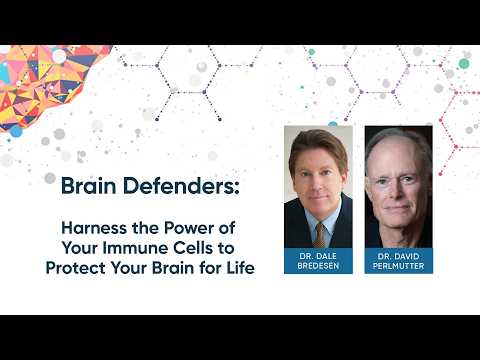
Your brain’s immune cells can either protect you or work against you. In this conversation with @DrDaleBredesen, we explore how microglia are shaped by metabolism, sleep, diet, and lifestyle. Alzheimer’s prevention starts years before symptoms. Watch here: youtu.be/zvRm0ppXlfY?si…
YouTube video
YouTube
English
3
3
14
1.4K
David Perlmutter, MD
David Perlmutter, MD@DavidPerlmutter·
Food is information for the brain. It influences inflammation, metabolism, the microbiome, and immune signaling. The question is not simply calories. It is the message your diet is sending to your biology.
English
0
6
25
1.3K
David Perlmutter, MD
David Perlmutter, MD@DavidPerlmutter·
Name 3 ways you moved your body this week. Movement increases blood flow to the brain and supports neuroplasticity and metabolic health. Small daily habits compound over time.
English
2
0
13
1.2K
David Perlmutter, MD
David Perlmutter, MD@DavidPerlmutter·
Alzheimer’s doesn’t start when obvious symptoms appear. It can begin 20–30 years earlier. Your metabolism, blood sugar, sleep, and inflammation are shaping your brain long before diagnosis. Here’s what you can do now to protect your future brain health: youtu.be/bTWYi8blLEw?si…
YouTube video
YouTube
English
0
4
20
1.6K
David Perlmutter, MD
David Perlmutter, MD@DavidPerlmutter·
What you eat isn’t just shaping your body. It’s shaping your brain. The brain is one of the most metabolically active organs and is deeply influenced by what you eat. Food impacts inflammation, blood sugar, neurotransmitters, and the gut microbiome, all key to cognitive function. What you eat each day shapes how your brain performs and ages. Need inspiration? Explore healthy recipes here: drperlmutter.com/eat/gluten-fre…
English
1
4
22
1.4K
David Perlmutter, MD
David Perlmutter, MD@DavidPerlmutter·
At first glance, Alzheimer’s and autism seem entirely different. One appears later in life, the other early in development. But these two conditions may, in fact, share a common underlying mechanism. Read more: drperlmutter.com/alzheimers-aut…
English
1
8
16
1.5K
David Perlmutter, MD
David Perlmutter, MD@DavidPerlmutter·
There’s a good chance you’re doing HIIT wrong. It’s not about going all-out the entire workout. True HIIT is short bursts of effort followed by recovery. It’s the contrast that drives the benefits, not constant exertion. Done right, even a few intervals can improve cardiovascular and metabolic health.
English
3
4
27
1.5K
David Perlmutter, MD
David Perlmutter, MD@DavidPerlmutter·
Alzheimer’s is not inevitable. For too long, the focus has been on reacting to disease instead of understanding what drives it. The science tells a different story. The processes behind cognitive decline begin years, even decades, before symptoms appear and are shaped by metabolism, inflammation, immune activity and lifestyle. In my new book Brain Defenders, I explore the brain’s immune system and what it means for prevention. Pre-order it here: drperlmutter.com/books/brain-de…
English
1
6
25
1K
David Perlmutter, MD
David Perlmutter, MD@DavidPerlmutter·
Alzheimer’s is still largely thought of as a disease of old age, but the biological changes that set the stage for cognitive decline often begin in your 20s and 30s. If you want to protect your brain, you can start now: • Prioritize sleep • Exercise daily • Control blood sugar • Reduce ultra processed foods
English
7
17
108
4.7K
David Perlmutter, MD
David Perlmutter, MD@DavidPerlmutter·
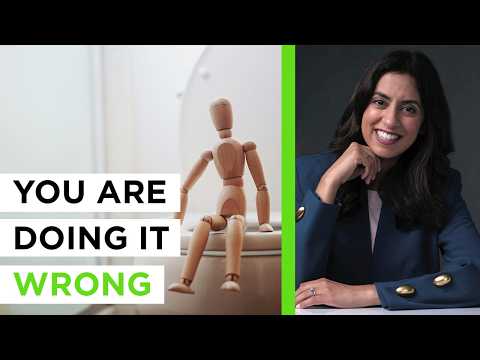
You’ve probably been pooping wrong your entire life. It might sound funny, but it’s worth paying attention to. In my recent podcast episode, I sit down with Dr. Trisha Pasricha to break down what is actually “normal,” common misconceptions, and simple ways to support better gut and brain health. Listen here: youtube.com/watch?v=3qYmBO…
YouTube video
YouTube
English
6
1
10
1.3K
David Perlmutter, MD
David Perlmutter, MD@DavidPerlmutter·
Neurodegenerative disease does not begin the day symptoms appear. The processes that lead to cognitive decline can begin decades earlier. That is why prevention matters. What you do in your 20s, 30s, 40s, and 50s can shape how your brain ages.
English
2
6
30
1.4K
David Perlmutter, MD
David Perlmutter, MD@DavidPerlmutter·
Have you moved your body today? Exercise supports brain plasticity, reduces inflammation, and helps regulate mood.
English
0
5
23
1K