Sabitlenmiş Tweet

4hours+ of sweet reggae music 🌻.
Curated with love. Shuffle and enjoy!
music.apple.com/gh/playlist/re…
English
Denah
118.6K posts

@Demnaaya
Building ✦ Digital nomad ✦ Everything is designed ✦




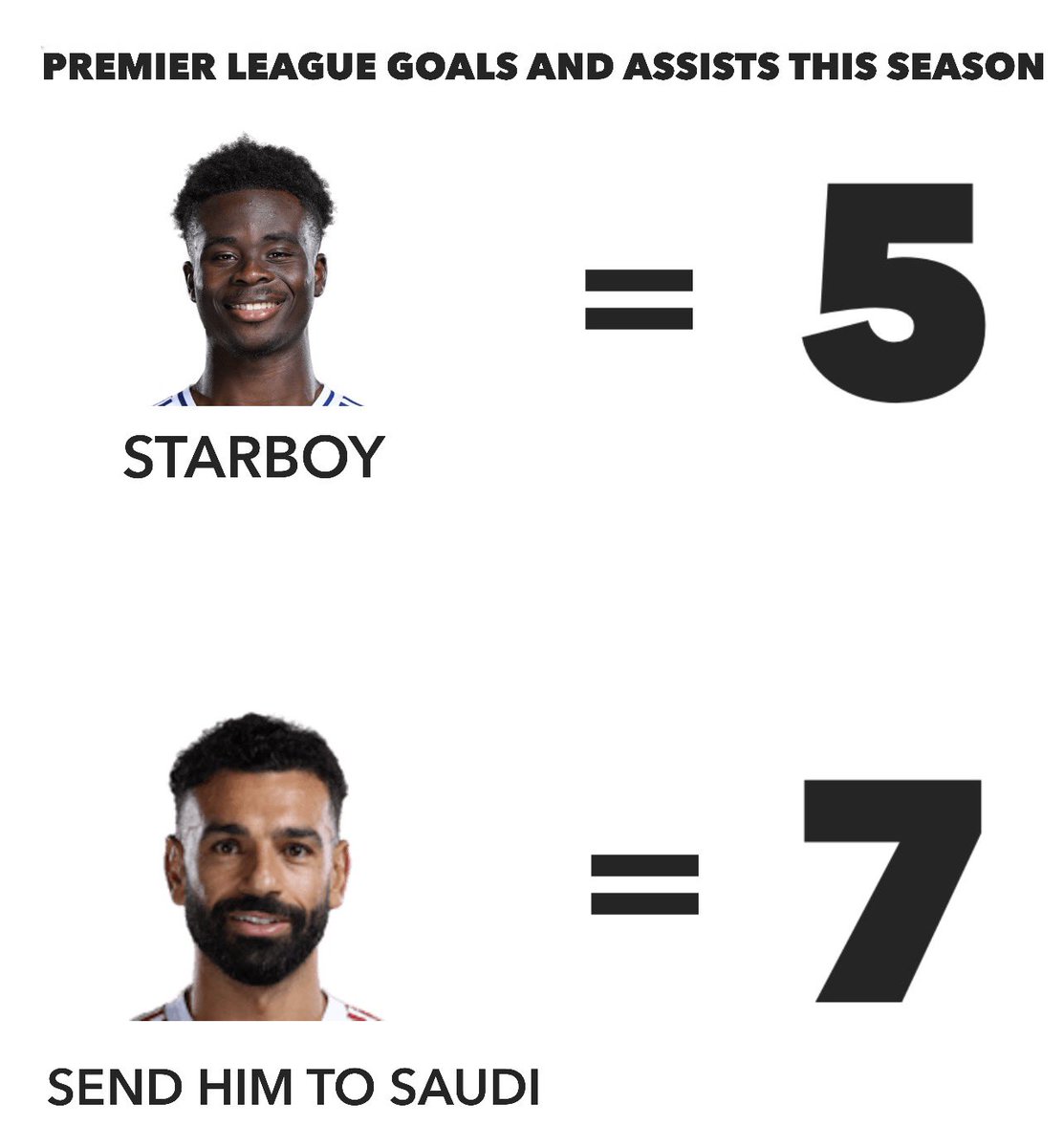
Liverpool are back into the top 6 😎
What's the "snappiest" design or product or software advice you've heard that is practical and direct enough that it doesn't need any further context/nuance? Something that's easy to remember, repeat, tell people, understand, and that is true/helpful immediately?
🚨 Arne Slot: “I have no reason for not wanting Mo Salah to stay at the club”.

1. Once in a while someone argues that one of the solutions to graduate youth unemployment in Africa is to increase the availability of coaching and mentoring. 2. The scale of graduate youth employment being so large, any resulting need for coaching and mentoring would be overwhelming. 3. We live in a world where anytime "scarcity" comes up, AI also comes up. 4. Can't we use AI to augment coaching and mentoring and thus increase availability? 5. If every young African university atudent that needed coaching and mentoring could get some, perhaps degree choices, skill focuses, career planning, and a host of tactical decisions would be better, and unemployment will go down a bit. 6. It doesn't hurt to dream. 7. From a policy strategy point of view, we have to - we always have to - disaggregate. 8. It starts from recognising the difference between "coaching" and "mentoring". It is true that, increasingly, professional coaching associations are trying to bring "mentoring" into "the fold". But it is still the case that mentoring is seen by people as different from coaching. 9. Mentoring involves more role-modelling, more political sponsorship, more power-balancing, more informality and spontaneity, and more values alignment than coaching in the minds of most people. 10. Coaching certification and credentialing is thus more straightforward than is the case for mentoring. You can apply stricter tests to vet coaches. Mentors, on the other hand, bring more subtle social capital to the game. 11. All of the above makes coaching more reducible to procedures, frameworks, techniques, standards etc than mentoring and thus much easier to enhance by AI. Matching, vetting, remote-sessions, chatbot fill-ins all make more sense with coaching than mentoring. 12. Your mentor can make calls for you so you skip some lines. Your mentor can give you insider intel and whisper secrets about what is not disclosed but is measured. Your mentor often stays with you years and years. Coaches typically don't. 13. In short, AI can be used to boost coaching accessibility for young African graduates, especially in settings like entry-level work environment and universities through better match-making, coach-vetting, progress-tracking, and session automation. 14. But in environments where getting a job is more about "who you know" than "what you know", mentors are far more useful. Unfortunately, mentorship is also far less scalable. 15. It bears emphasising, nonetheless, that the productivity of young graduates is as much a cultural as a technical skills and attitudes issue. An individual can have the skill but it is the culture that dictates the use. 16. And without productivity there just won't be sustainable employment. In a society where coaches themselves don't grasp productivity, no amount of AI-support would make a difference. Which raises the broader policy issue: how to produce coaches is as important as how to distribute them.
Seedorf “I believe that the team, the club and the coach, when a player is hurt for whatever reason – right, wrong or whatever should make the first step & open the door for him to then see what is happening. This was my comment.” Arne Slot: “OK, that’s your opinion!”