Deshpremi

3.7K posts

Deshpremi

Deshpremi

@Deshpremi151

Katılım Kasım 2022
825 Takip Edilen61 Takipçiler
Sabitlenmiş Tweet
Deshpremi
Deshpremi@Deshpremi151·
@InvestorOfJAMMU This won’t go to zero. I think double in a year time max. Market is not giving value to their cell business
English
1
0
10
2.2K
Deshpremi
Deshpremi@Deshpremi151·
@sunilgurjar01 Ye bask ramdeo pagal hai sunil bhai. Hamesha bull banke logo ko pagal bana diya aur iske mutual fund bhi front running karte hai
हिन्दी
0
0
0
211
Sunil Gurjar, CFTe
Sunil Gurjar, CFTe@sunilgurjar01·
Ramdeo Agarwal is worth Rs. 18,000 Crores ( $1.9 Billion ) He explains 4 simple ways to identify a quality stock. Masterclass in Investing
English
10
175
680
50.4K
Deshpremi
Deshpremi@Deshpremi151·
@Atulsingh_asan Sarkaar bhit late jaagti hai jar cheez mai. Kisi bhi cheez ki pehle se planning nhi hoti, wais emai bjp supporter hoo but lagta hai modi ji ke jumle kuch jaada he hai
हिन्दी
0
0
2
431
ASAN
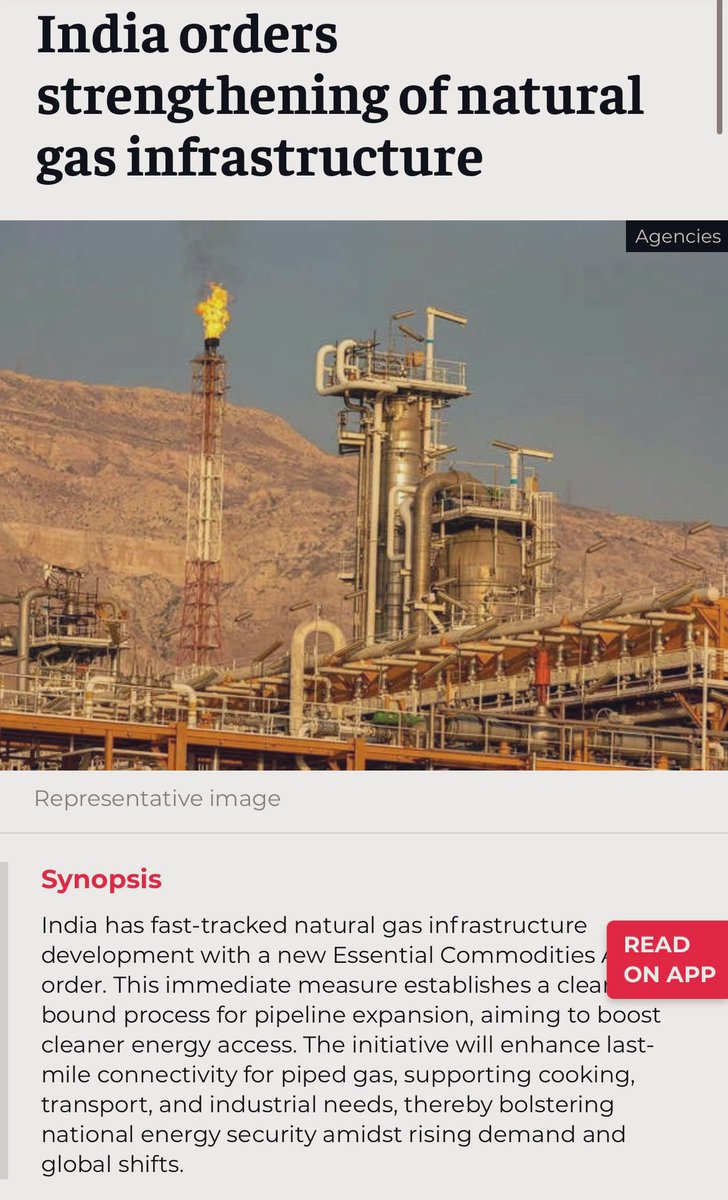
ASAN@Atulsingh_asan·
Government focus on PNG infrastructure Many small companies could benefit from this.
ASAN tweet media
English
41
33
413
84.5K
Deshpremi
Deshpremi@Deshpremi151·
@LearningEleven Mai bhi track kar rha hoo power ka but mera toh kalmuha nikla reliance infra😝 jale pe namak chidakta rehta hai ye share. 🥲🥲🥲🥲
Indonesia
0
0
0
965
Sekhar
Sekhar@LearningEleven·
Electrification and renewables are starting to have a second coming. But unlike 22-24 cycle, that may not give 5x-10x sort of returns. But still good money can be made if one tracks their capex and growth plans. Names I am tracking/invested: KSH, Atlanta, Yash and Quality Power.
English
24
38
390
29.3K
Deshpremi
Deshpremi@Deshpremi151·
@LearningEleven Ye time pass talks nhi imp talks hai sir ji. Good knowledge from a great thinker .
English
0
0
2
300
Sekhar
Sekhar@LearningEleven·
Timepass talk on Sunday 1. Weight Loss, Price Crash – It’s raining hallelujah The generics cycle for Semaglutide has now officially begun in India with the expiry of Novo Nordisk’s patent, and the impact is already dramatic. Natco Pharma has taken an aggressive first-mover position by launching its generic version at just ₹1,290–₹1,750 per month, a fraction of the earlier ₹10,000+ monthly cost for branded drugs like Ozempic and Wegovy. Glenmark has now upped the ante further. Its GLIPIQⓇ vials are priced at an expected weekly cost of just ₹325–₹440, translating to roughly ₹1,300–₹1,760 per month. This effectively places Glenmark right alongside Natco at the absolute bottom of the pricing curve, confirming that this is not going to be a staggered price correction, but a full-blown collapse. This isn’t just incremental undercutting, this is a hard reset. With multiple players already clustering around ~₹1,300–₹3,000/month, and over 40 companies expected to enter, the market is rapidly transitioning from premium to commoditized. The shift effectively moves GLP-1 therapies from a niche, affluent segment to a mass-market category in a country with one of the world’s largest diabetes and obesity populations. For Novo Nordisk, this marks a direct erosion of its core semaglutide franchise, with pricing power likely to come under immediate pressure. Eli Lilly, while not directly exposed to semaglutide, is not entirely insulated, sharp price resets across the GLP-1 category could anchor patient and physician expectations lower, potentially slowing adoption and constraining pricing for its newer therapies like tirzepatide in price-sensitive markets. But of course, India market is a small one for Novo Nordisk and Eli Lilly. Entero Healthcare could emerge as a key proxy for this theme, will be interesting to see how it plays out. 2. Belrise – A Transformation Hiding in Plain Sight While Sansera Engineering has emerged as the latest poster child of a transformation story, commanding ~50x PE, Belrise is quietly carving out a similar niche for itself. The narrative around its pivot from 2Ws to 4Ws and increasing ticket size is already well understood. However, its recent European acquisitions could prove to be the real inflection point in Belrise’s transformation journey: Chester Hall Precision (UK) – Chester Hall specializes in machining complex aerostructures and engine components using advanced materials such as titanium and high-grade aluminum. Its clientele includes Airbus (A320 program), Collins Aerospace, and Safran, with a strong positioning as a single-source supplier across multiple programs. Belrise acquired Chester Hall for ~₹140 crore, implying a valuation of ~6x EV/EBITDA on ~₹230 crore revenue. While the acquisition valuation appears attractive, that’s not the real story. The bigger takeaway is the immediate global footprint, along with critical certifications required to operate in the highly regulated aerospace ecosystem. SAS Société Dupuis Mécanique (SDM) (France) – A couple of months earlier, Belrise acquired SDM through a French court-supervised liquidation for just ~₹3.1 crore. That’s virtually negligible for gaining access to high-precision aerospace machinery, a “ready-to-operate” setup that typically takes years to build, and—importantly—existing customer relationships. If that wasn’t enough, the company also merged promoter entities at ~8.3x P/E (FY25), reflecting a clear intent to consolidate value at reasonable valuations. Overall, this increasingly looks like a company that is not just executing a transformation, but doing so with strong capital allocation discipline and clear regard for minority shareholders. I had briefly touched upon Belrise in the Dec 28th “Timepass Talk on a Sunday,” and @AlphaWealth000 presented it brilliantly at HIE on Jan 31st, 2026! 3. Laurus Labs - Plant visit Multiple brokerages, including B&K Securities (360 One Capital), Motilal Oswal, and Axis Capital, have published their latest plant visit notes. Here’s a quick summary: a) Investments in technologies like CGT, ADCs, Peptides, Enzymes, Precision Fermentation, Trickle Bed, Continuous Crystallization / Grignard / DP manufacturing, oral dissolvable films that will meaningfully contribute from FY28e. b) Future growth drivers include CDMO projects in Human Health, Animal Health and Crop Science, and formulations segment including Krka JV. Ambition to take CDMO sales to 50% of total revenue by FY30. c) Laurus is scaling up biologics and animal health/crop science with investments, backed by customer demand (e.g., advance-funded spray drying) and a modular expansion strategy, driving higher asset turns and adding new growth verticals beyond core APIs/CDMO. d) Most CDMO R&D development is partner-funded, but Laurus invests in backward integration to strengthen its position, resulting in some upfront cost overruns which are strategic for long term. While Axis Capital has not provided explicit estimates, Motilal Oswal pegs PAT at ~₹1,150 crore, and B&K is slightly higher at ~₹1,350 crore. Personally, I believe most of these estimates are underappreciating the operating leverage likely to play out over FY27–FY28. But as always, time will be the ultimate judge. 4. FirstCry – The Tomato-to-Zomato moment? FirstCry (Brainbees Solutions) continues to grapple with meaningful financial headwinds, remaining loss-making at the consolidated level. For the quarter ending December 2025, net losses widened sharply by 161% YoY to ₹38.4 crore, largely driven by its international expansion and the GlobalBees segment. Of course, PAT loss narrowed QoQ. The lack of profitability, coupled with negative operating cash flows, has kept the stock in a persistent structural downtrend since its August 2024 IPO (₹465). Prior to the recent 19% rebound, the stock had corrected nearly 70% from its peak, bottoming around ₹200, reflecting growing investor discomfort with its rich valuation versus weak bottom-line delivery. In response, the company is pivoting aggressively through its ‘Qwik’ delivery initiative to counter the rise of quick-commerce players. Currently live in select high-density pincodes across Bengaluru, Pune, and Hyderabad, Qwik leverages FirstCry’s network of 1,200+ physical stores as “dark stores” for fulfillment. While positioned as a sub-3-hour delivery service today, management aims to optimize this further toward a 2-hour window. The next phase of expansion includes Delhi NCR, Ahmedabad, and Chennai, with a clear objective: shift consumer behavior from occasional discretionary purchases to high-frequency “necessity” buying—think diapers, baby food, and daily essentials. To accelerate adoption, FirstCry has slashed the free delivery threshold to ₹199 for Qwik (vs. ₹699 for standard delivery). While this will inevitably pressure near-term margins, the company is attempting to offset costs by sweating its existing store network—avoiding the heavy capex typically associated with quick-commerce infrastructure. Management is targeting ~60,000 Qwik orders in March 2026 alone, signaling early intent to scale this model meaningfully. The big question remains: can FirstCry evolve from a “Tomato” into a “Zomato” moment and offer FirstSmile to it's investors, or will execution risks and unit economics keep it grounded? 5. Strait of Hormuz – The Middle East Connection Until recently, most people couldn’t even spell the Strait of Hormuz, today, it sits at the center of global risk discussions. And for good (and bad) reason. This narrow passage handles ~20% of global LNG, ~32% of LPG, and ~10% of seaborne crude oil trade, making it one of the most critical energy chokepoints in the world. For India, the dependence is even more pronounced: ~60% of LNG, ~90% of LPG, and ~54% of crude imports transit through Hormuz, effectively making it an energy lifeline. While alternate routes are being explored, the near-term impact remains significant. The vulnerability extends beyond hydrocarbons. The Gulf accounts for ~45% of global sulphur exports, ~30–35% of methanol, and over 30% of urea trade, raising the risk of supply disruptions and second-order effects like food inflation. And this isn’t a short-term issue. Restoring oil & gas infrastructure across Qatar, Saudi Arabia, and other Gulf nations could take months, if not years, prolonging the disruption. The Result: INR under pressure, current account deficit potentially widening by ~1.5–2% of GDP, rising ATF prices, margin pressure on cement, slowdown in industrial activity, and feedstock constraints for chemical and fertilizer companies. Collateral Damage: India’s ambitious capex push may face headwinds, particularly impacting B2G-linked sectors and companies. Incidental Tailwinds: A renewed policy push toward EV adoption, BESS, LPG blending (DME), Grid Infrastructure, and Strategic Crude & Gas storage. And if this isn’t enough, it’s still unclear how much of the near- and medium-term impact is already priced in. I believe a good chunk of both the damage and the recovery timeline is yet to be factored in. At the same time, many Indian companies could play an important role in rebuilding infrastructure across the Gulf. But for now, it’s better to stay a bit conservative with Q4FY26 and FY27 earning estimates. That's all for this edition. Have a great Sunday!
English
20
41
367
38.5K
Deshpremi
Deshpremi@Deshpremi151·
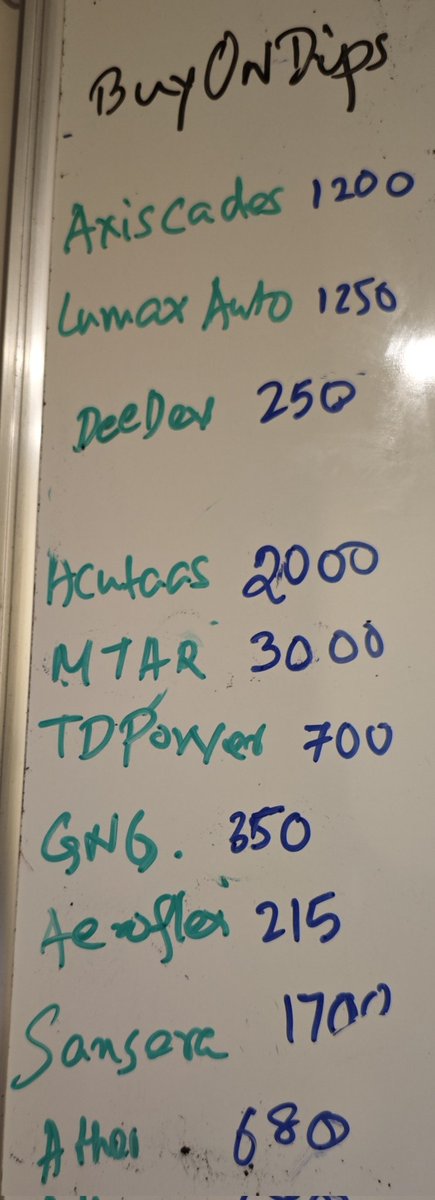
@shiladitya4u Wah bhai, log bhagwaan ki pooja karte hai daily, aap is board ki. 😂😂waise best way to keep a track
हिन्दी
0
0
0
356
Shiladitya
Shiladitya@shiladitya4u·
This is my BUY-ON-DIPS list, Which I have on the whiteboard beside my desk. So far, none of the stocks have hit these levels.. Lets see.. might get some opportunities next week!!
Shiladitya tweet media
English
24
59
425
29.7K
Deshpremi
Deshpremi@Deshpremi151·
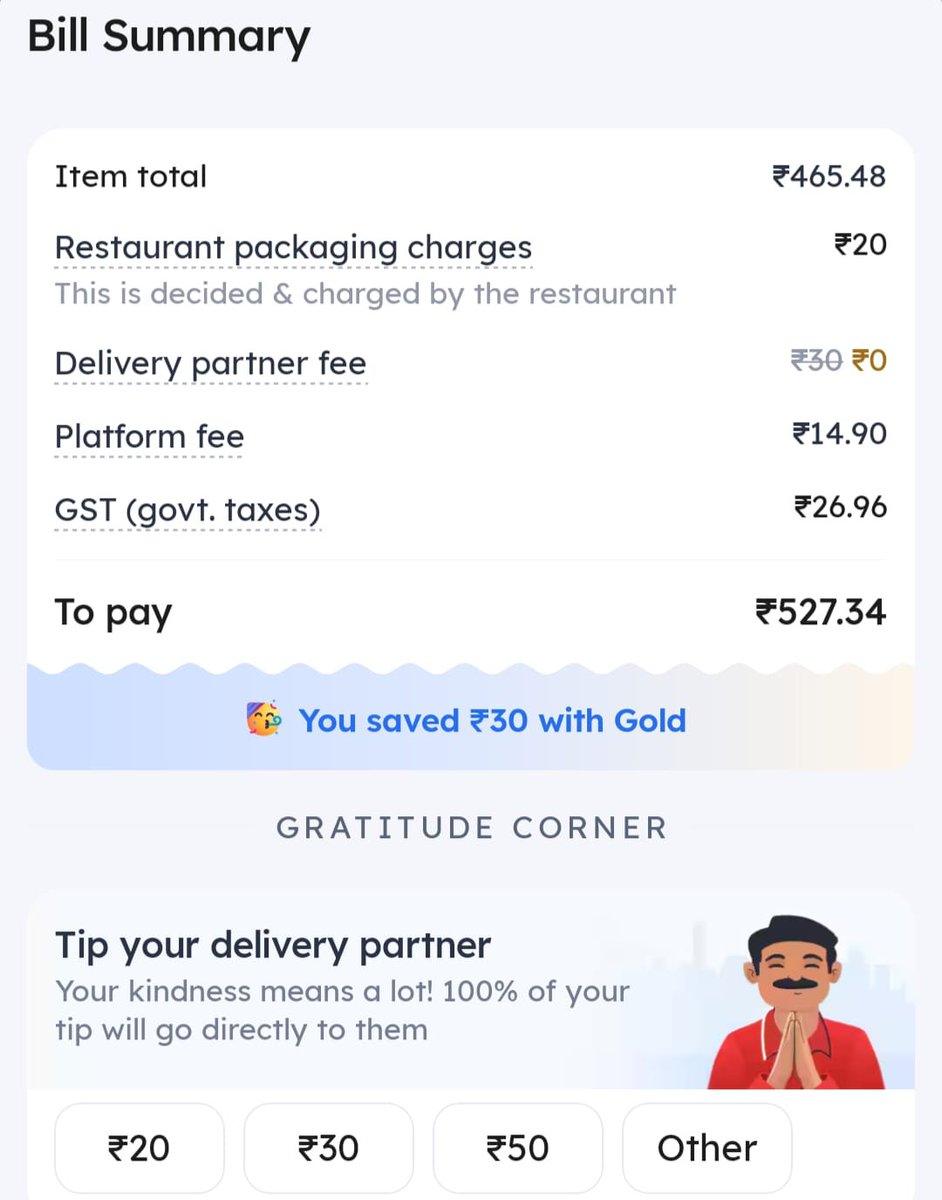
@yatinmota Koi zomato se lega tab na. Festive ki hike ho ya kahi ki bhi ho. Bhut alternative hai market mai. Zomato se he kyu lega koi.
हिन्दी
0
0
0
197
Yatin Mota
Yatin Mota@yatinmota·
Eternal Ltd - Zomato in Focus Festive Season Hike in Platform fees by about 20% From Rs 12.50 to now Rs 14.9 per order
Yatin Mota tweet media
English
16
10
102
14.8K
Sekhar
Sekhar@LearningEleven·
Timepass talk on Sunday 1. Jal Jeevan Mission (JJM) 2.0 Finally, the long-awaited JJM 2.0 announcement was made with a substantial budget of ₹8.69 lakh crore, and instantly many related stocks moved up >10%. But remember a few things: Centre's Commitment: The entire ₹8.69 lakh crore will not come from the Centre alone. The Centre’s contribution would be 100% for Union Territories, 90% for Himalayan & North-Eastern states, and 50% for all other states. Conditional Funding: Under the new 2.0 guidelines, central funds will be milestone-based. States must meet specific structural reform requirements, such as digital asset mapping, among other compliance measures. Stopping of Central Fund Releases: If a state fails to contribute its 50% share or does not meet the new “2.0” reform criteria, project execution could effectively stall from the central side. It is worth remembering that states like Maharashtra and West Bengal have seen central funds paused in recent quarters due to either lack of state funding or unresolved implementation complaints. Corruption / Leakages: In Kerala, A CAG report (February 2026) revealed that 2.14 lakh connections were disconnected within just one month of installation, indicating possible “ghost” or non-functional infrastructure. Uttar Pradesh recorded the highest number of complaints, with 14,264 cases investigated. On paper, geo-spatial companies look like clear winners along with some of the pipe companies. But before jumping the gun and adding JJM-linked stocks, one may need to do adequate due diligence, as this theme carries not only execution risks but also political risks. 2. KUSUM 2.0 In KUSUM 1.0, the “low-hanging fruit” was Component B, installing standalone solar pumps for individual farmers. This is where companies like Shakti Pumps and Oswal Pumps made a killing. However, KUSUM 2.0 is shifting the focus from the individual level (one solar plant for every pump) to the feeder level. Essentially, the KUSUM 2.0 approach is to build one large solar plant (0.5 MW to 2 MW) that powers an entire agricultural feeder, a distribution line that supplies electricity to 50–100 farmers. So, instead of installing 100 individual solar pumps, the government may increasingly build one mini-utility solar plant that powers the entire feeder. The concern for companies like Shakti Pumps and Oswal Pumps is that if the policy focus shifts toward “solarizing the feeder” rather than “replacing the pump,” the immediate demand for new solar pump sets could slow down. That said, demand is unlikely to drop to zero, as standalone solar pumps will still be needed in off-grid or remote areas. However, the “unlimited growth” phase these companies enjoyed during KUSUM 1.0 could moderate as grid-connected regions transition to feeder-level solarization. One potential driver for Shakti and Oswal could be the replacement cycle, especially if the government pushes for 4-star or 5-star rated energy-efficient pumps. Alternatively, these companies may need to pivot toward EPC-style participation in feeder-level solar projects to remain relevant in the evolving policy framework. Additionally, KUSUM 2.0 introduces the Agri-PV (Agri-Photovoltaic) component, targeting 10 GW of agricultural solar power generation. Long story short: read these policy shifts carefully and understand how prepared solar pump companies are for this transition before starting to accumulate the stocks. 3. Amagi Media Labs Amagi is a Bengaluru-headquartered, cloud-native SaaS platform that serves as the “industry cloud” for the global media and entertainment sector. For context, companies like Zoho or Freshworks are horizontal SaaS platforms, whereas Amagi is a vertical SaaS company focused specifically on Media & Entertainment. In simple terms, just like the IPL streams on Jio Hotstar, several sporting and entertainment events are streamed globally, and Amagi plays a critical role in enabling such broadcasts. The company has supported events such as the Oscars, Grammys, UEFA tournaments, Super Bowl, and the Olympics, apart from regular television distribution. First things first - Amagi has reported net losses for four consecutive years (FY22–FY25). However, looking deeper, revenues grew from ₹431 crore in FY22 to ₹1,163 crore in FY25, while net losses narrowed sharply from ₹1,078 crore (FY22) to ₹69 crore (FY25). Plus, promoter shareholding is below 15%, although FIIs and DIIs together hold more than 70%. So, this is certainly not your typical “good company next door.” Then why talk about it? First, if a company plays a critical role in global events of the scale mentioned above, it likely indicates a competent, capable, and reliable technology platform. Second, revenues are rising while losses are narrowing. We have seen in the past how operating leverage can kick in once tech/platform companies turn profitable. That doesn’t guarantee the same outcome here, but it is something worth watching closely. Third, the company closed Q3 with a strong cash balance of ₹803 crore (excluding IPO proceeds), which is earmarked partly for acquisitions, potentially allowing Amagi to buy smaller global competitors and expand its footprint. Fourth, global streaming continues to grow (18-20% CAGR), which means the TAM for companies like Amagi should also expand. The company already has relationships with 45% of the top 50 global media and entertainment companies. If it can increase wallet share within these existing customers, a meaningful portion of incremental revenue could flow directly into EBITDA. Apparently, only about 10% of TV channels have transitioned to the cloud, while the remaining 90% still operate on physical hardware. Management believes that, over time, most of this remaining base will need to migrate to the cloud, creating a massive TAM. Per Management's estimate, $16.9B is the total cloud media operations opportunity, while $5.1B is the portion Amagi can realistically capture with its current offerings. In comparison, Amagi’s FY2025 revenue was less than $150M, underscoring how large the headroom remains.” Long story short: this appears to be a high-risk, high-reward play. The rest is for you to assess and decide whether the investment opportunity fits your framework. 4. KSH International KSH International is a specialized industrial player focused on magnet winding wires and Continuously Transposed Conductors (CTC), high-precision components that are critical for large power transformers, EV traction motors, and generators. You might ask: there are many companies riding the electrification theme, so why look at this one? Here are a few reasons: i) KSH is the third-largest manufacturer of magnet winding wires in India and the largest exporter of the same, supplying to 24+ countries. Being an approved vendor for global utilities and OEMs is a high-entry-barrier business, built over years of qualification and trust. ii) The company serves global heavyweights such as Hitachi Energy, GE Vernova, Toshiba, and Siemens Energy, along with Indian giants like Power Grid, NTPC, and BHEL. It also holds RDSO approval and supplies to several Indian transformer manufacturers. Roughly 40–45% of revenues come from power transformers, grid infrastructure, and HVDC/EHV transformers, making KSH a strong proxy for the broader electrification theme. iii) While other major players such as Precision Wires India and Apar Industries manufacture CTC and winding wires, KSH International is currently the only Indian company approved and certified to supply CTC specifically for 400kV HVDC transformers. HVDC transformers operate under extreme electrical stress; even a minor defect in the CTC winding can trigger catastrophic grid failures, which is why micron-level precision is critical. iv) The company has added significant capacity over the last six months, taking total annualized capacity to 43,445 MT. This is expected to increase further to 59,045 MT by FY27, providing a clear runway for volume-led growth. The expanded capacity also positions the company well to pursue opportunities in export markets. v) With better margins than peers, a near-monopoly position in HVDC CTC, capacity expansion underway, and strong tailwinds from the electrification theme, KSH appears to sit in a favorable strategic position. Of course, valuations may not necessarily be cheap, and that is ultimately a call each investor needs to make. 5. Luck Favors the Prepared Mind This past week has shaken investor sentiment and opened up opportunities across the market. Apart from the news of two India-flagged LPG tanker ships successfully crossing the Strait of Hormuz, there hasn’t really been much positive news. Worse, there doesn’t appear to be any immediate resolution in sight. If this trend continues, many quality names could become available at even more attractive valuations. CDMO companies, Aerospace ancillaries, AI/data-center proxies, almost every sector seems to be throwing up opportunities. However, the tricky part is that many of these stocks are sitting right at critical support levels. A few more weak sessions and those supports could break, potentially triggering a deeper “discount sale.” So it may be prudent to always keep some dry powder. That said, this correction is also offering a good opportunity to reshuffle portfolios, especially if you had missed exposure to some of the sectors mentioned above. What if Laurus becomes available at 900, Acutaas at 1,850, Sansera at 1,750, Lumax Auto at 1,200, Dynamatic at 8,200, MTAR at 3,000, or MCX at 2,100? Or perhaps you already have even better names on your radar. I am deliberately skipping micro-cap and nano-cap names for now due to the ongoing liquidity crunch, although quite a few of them are available at deeply depressed valuations. In any case, have a plan for the coming week. Many investors may not have much cash left, so portfolio reshuffling could be the practical route. Identify your top 7 conviction names and decide in advance: if they reach your preferred levels, which existing holdings would you rotate out of? Because in markets, as in life, luck favors the prepared mind. That's all for this edition. Have a good one!
English
15
47
366
43.5K
Deshpremi
Deshpremi@Deshpremi151·
@aswathiguna Ab power ka bill induction badayenge toh power ke le le stock. Dikhwe pe mat ja aur apni akal laga
Indonesia
0
0
0
260
Aswathiguna
Aswathiguna@aswathiguna·
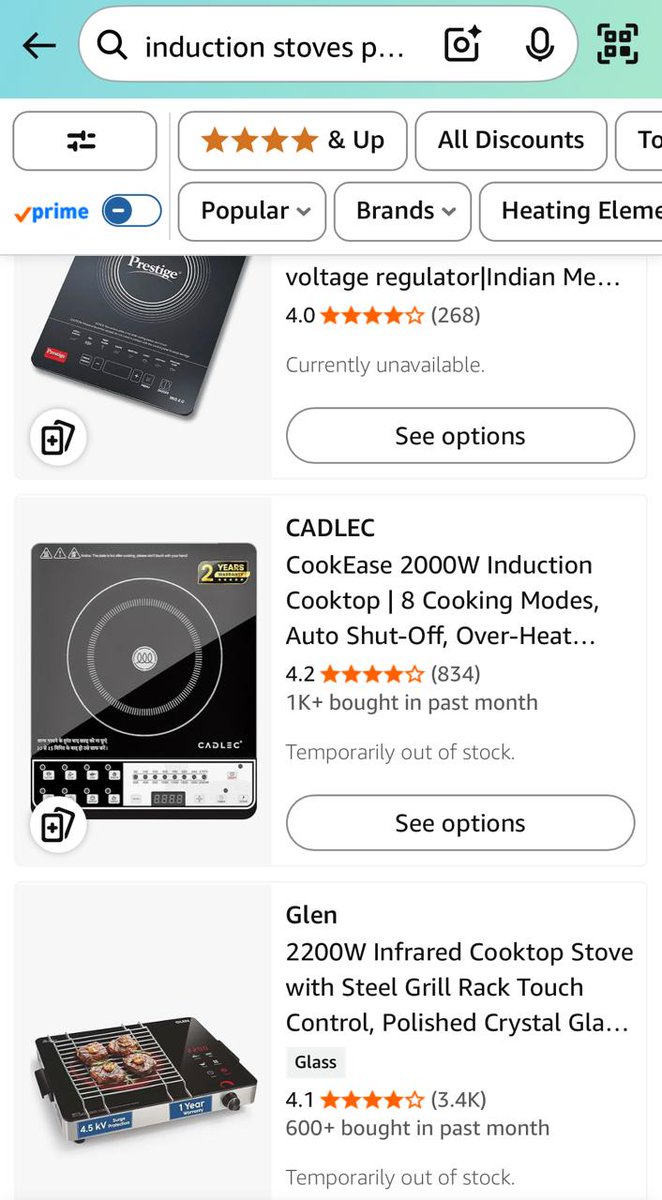
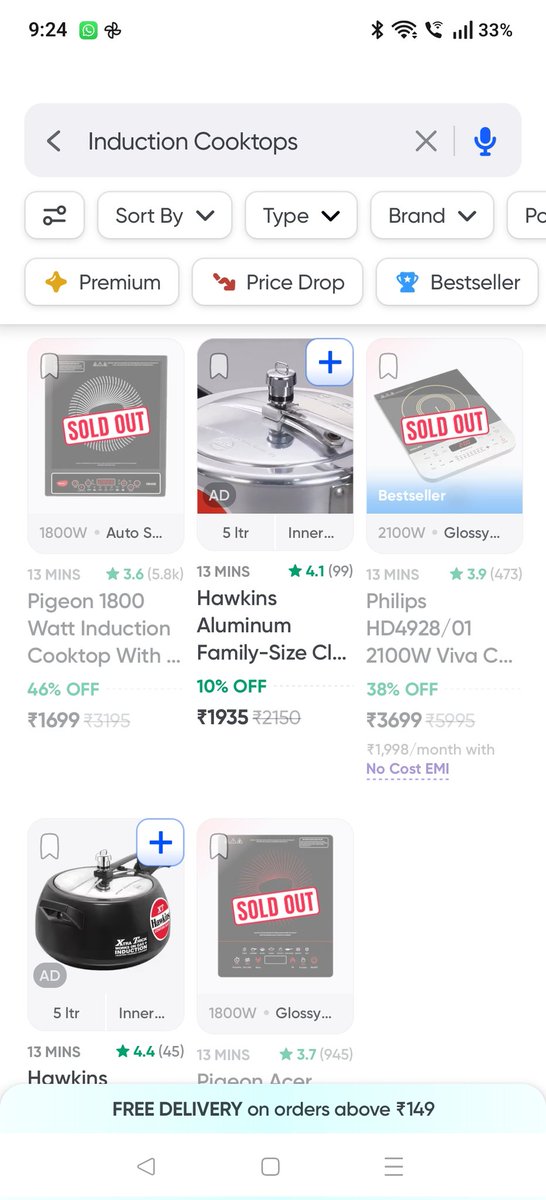
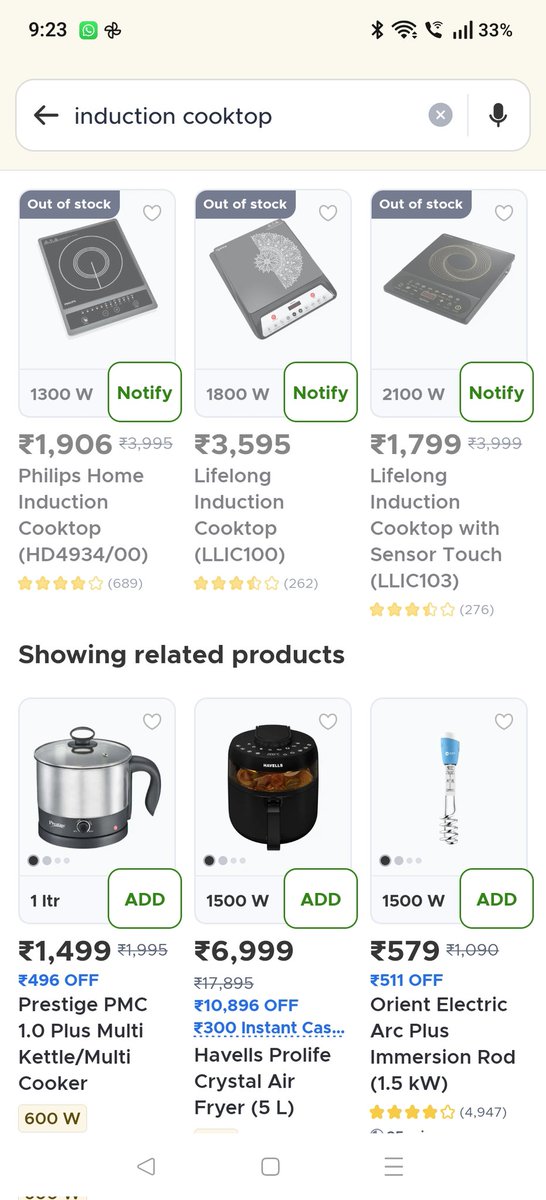
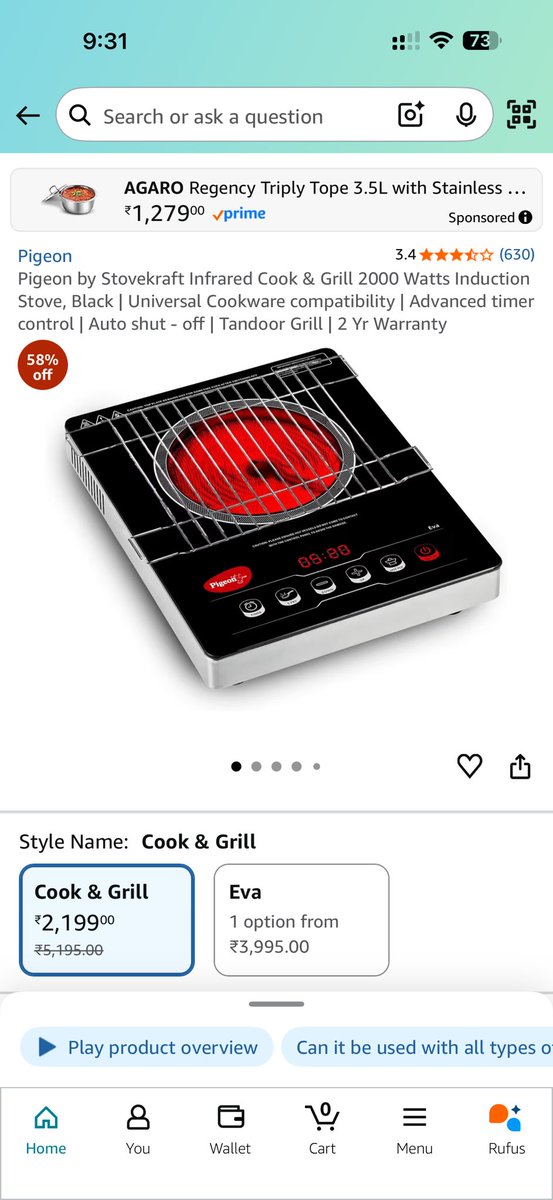
Everyone buying INDUCTION STOVE & cooker last 2 days : stocks to follow
Aswathiguna tweet mediaAswathiguna tweet mediaAswathiguna tweet media
English
32
61
747
159.9K
Deshpremi
Deshpremi@Deshpremi151·
@aswathiguna Abe kitchen mai jake kaam karna stock ka chod de aur narrative chala band kar samajh gyi.
हिन्दी
0
0
0
243
Yatin Mota
Yatin Mota@yatinmota·
OUT OF STOCK ! Amazon Blinkit Instamart None of these players have induction cooktop. Electric cookware orders flooded with local retailers
Yatin Mota tweet mediaYatin Mota tweet mediaYatin Mota tweet media
English
48
61
470
71.9K
Deshpremi
Deshpremi@Deshpremi151·
@yatinmota Mota sahab kahe narrative chalana and panic failana. Aisa karna band karo. Kal ko aise he stock badwate hai fir log fas jaate hai. Khane ka sawal hai toh khane tak rehne do na. Har jagah stock ka nhi sochna chahiye
हिन्दी
0
0
2
333
Deshpremi
Deshpremi@Deshpremi151·
@Zaffar_Nama Bnchd shi se math padi hoti toh aisi baat na karta. Baat kar rha hai 150 crore logo ki aur paise honge bas 150 logo ke liye. Madarsa se paddga aise he baat karega shutya
हिन्दी
0
0
0
2
Zaffar 🇮🇳
Zaffar 🇮🇳@Zaffar_Nama·
BCCI announced 131 crore rupees prize money for the Indian team. I request them to increase 19 crores more and give it to all Indians so that 150 crore Indians can get 1 crore each.
English
4.8K
517
8.1K
1.2M
Deshpremi
Deshpremi@Deshpremi151·
@elonmusk You are getting younger with each passing day.
English
0
0
1
12
Rayham.
Rayham.@RayhamUnplugged·
🚨 INDIA RIGGED THE T20 WORLD CUP 🚨 - This is clear evidence that India rigged the T20 World Cup Final. When India was batting, the ball was coming nicely onto the bat and they kept scoring runs like it was a batting paradise. There was no swing either. - But when New Zealand came out to bat, the ball suddenly started to swing and spin, and now it has become very difficult for them to bat. This looks like clear cheating; there might be some changes with the ball or the Indian batters bats. - ICC should take strong notice of this. It is very unfair not only to New Zealand but to the entire cricketing world. 👎🏼
Rayham. tweet media
English
1.5K
367
2.5K
637.8K
ASAN
ASAN@Atulsingh_asan·
तेल के दाम बढ़ाने के लिए माहौल बनाया जा रहा है इतने सालों तक क्रूड अपने निम्नतम स्तर पर था , सस्ते तेल ख़रीद कर रूस से ये लोग एक्सपोर्ट कर रहे थे कितना प्रॉफिट कमाया कभी बताया नहीं लेकिन अब ये MC प्रति लीटर लॉस कितना हो रहा है वो बता रहे है #CrudeOil #Iran
RedboxGlobal India@REDBOXINDIA

OMC'S INCURRING A LOSS OF RS 20 ON SALE OF EVERY LITRE OF PETROL AND DIESEL || GROSS MARKETING MARGIN IS NEGATIVE RS 20/LITRE; OMCS FACE DOUBLE OF WHAMMY OF HIGHER CRUDE AND WEAKER RUPEE - AS PER ANALYSTS ( HPCL, BPCL AND IOCL )

हिन्दी
70
327
1.5K
79.4K
Advait Arora
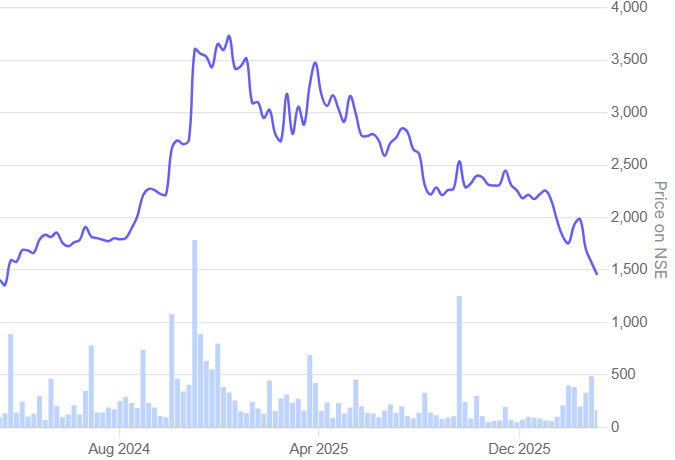
Advait Arora@WealthEnrich·
The Company manufactures critical process equipment like heat exchangers, reactors and pressure vessels used in global energy & chemical plants. Is now trading @ 2 Yr lows ! A good buying opportunity? Detailed analysis comes soon on this heavy engineering backbone firm !
Advait Arora tweet media
English
17
14
241
47.9K