
Joe Dicus
48.4K posts

Joe Dicus
@DicusJoe
Musician/sports fan/cancer fighter
Katılım Ekim 2018
203 Takip Edilen1.4K Takipçiler


Oh man… such feeling in this performance…it’s infectious…😢❤️🔥😘🎶
Best English Songs@1BestSongs
To Love Somebody Song by Bee Gees ‧ 1967
English

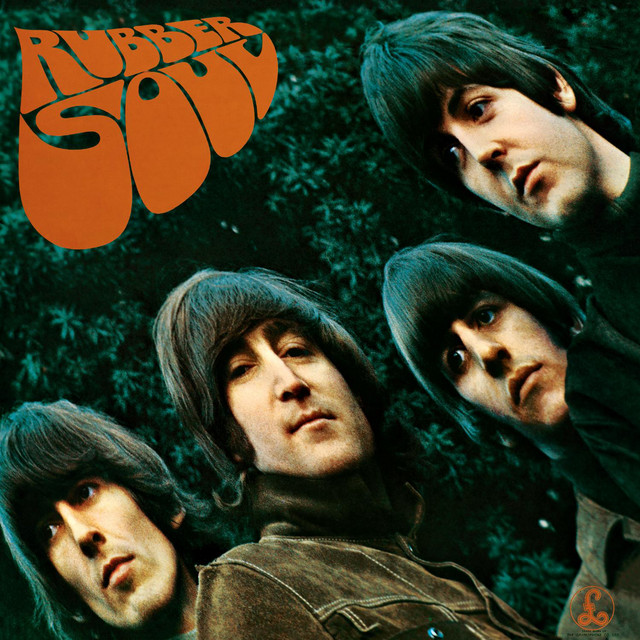
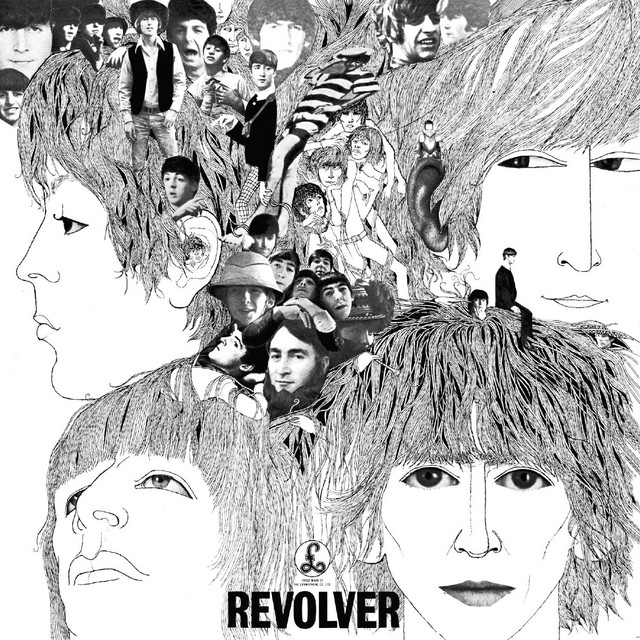

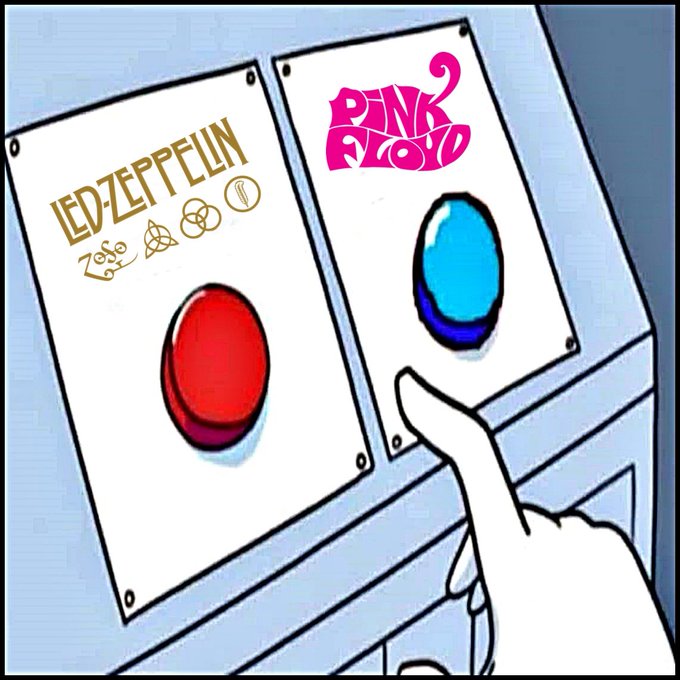
Which button would you press
🔴 or 🔵
???
English

🎼🎶🎸
Clapton Chronicles
The Best of Eric Clapton
1999
14 tracks
Blue Eyes Blue
Change the World
My Father’s Eyes
Tears In Heaven
Layla
Pretending
Bad Love
Before You Accuse Me
It’s In the WayThat You Use It
Forever Man
Running On Faith
She’s Waiting
River of Tears
(I) Get Lost

English
Name the song
Old Man Rhythm
is-a in my shoes
It's no use sittin' here
singin' the blues
So be my guest,
you've got nothin' to lose
Won't you let me take you on a
___ ______
Whoo-ee, whoo-ee baby
Whoo-ee, whoo-ee baby
Whoo-ee, whoo-ee baby
Won't you let me take you on a ...
English

Name the song
Anybody else would surely know
He's watching her go
But ____ _ ____ ________
he sees
No wise man has the power
to reason away
What seems to be
Is always better than nothing
Than nothing at all
English
youtube.com/watch?v=WNWR-b…
Jon Lord intro solo “When a Blind Man Cries”
Freaking Amazing!👊❤️🔥🔥🎶

YouTube
English
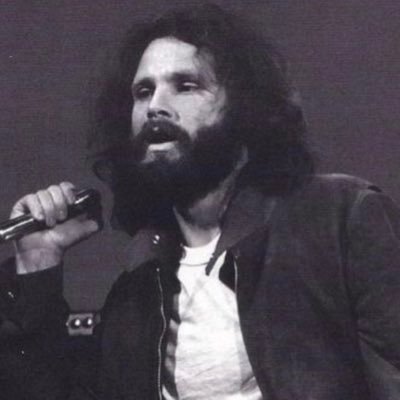
4 Killer Bands,put them in your order
#RockandRollmusic
•Eagles
•Jethro Tull
•The Band
•The WHO
English
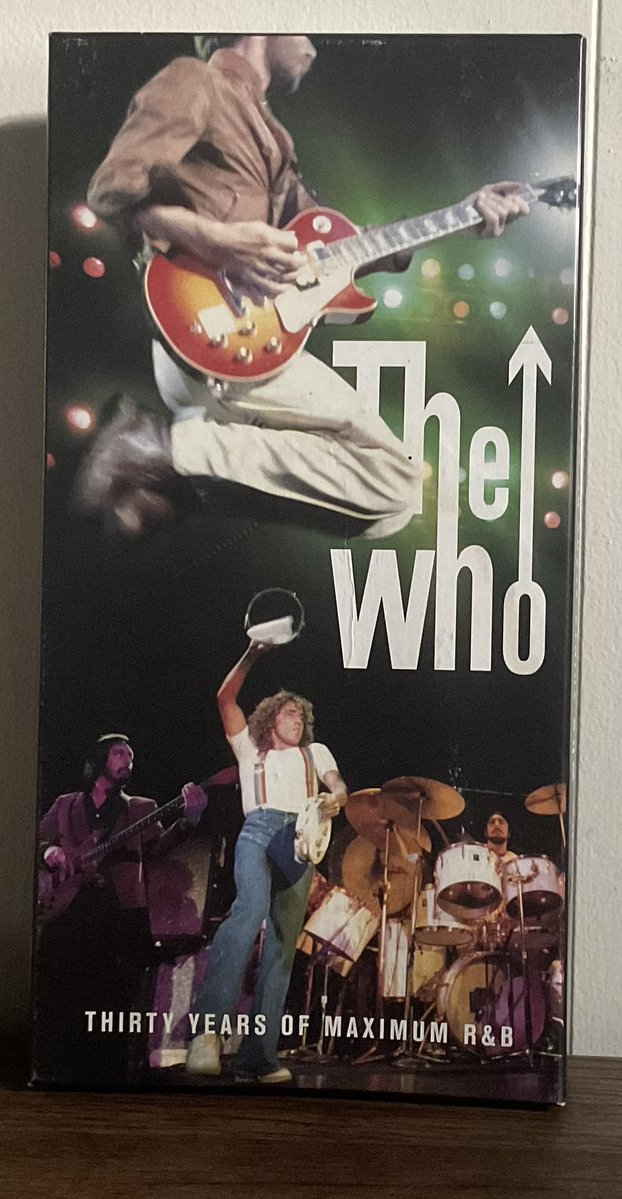
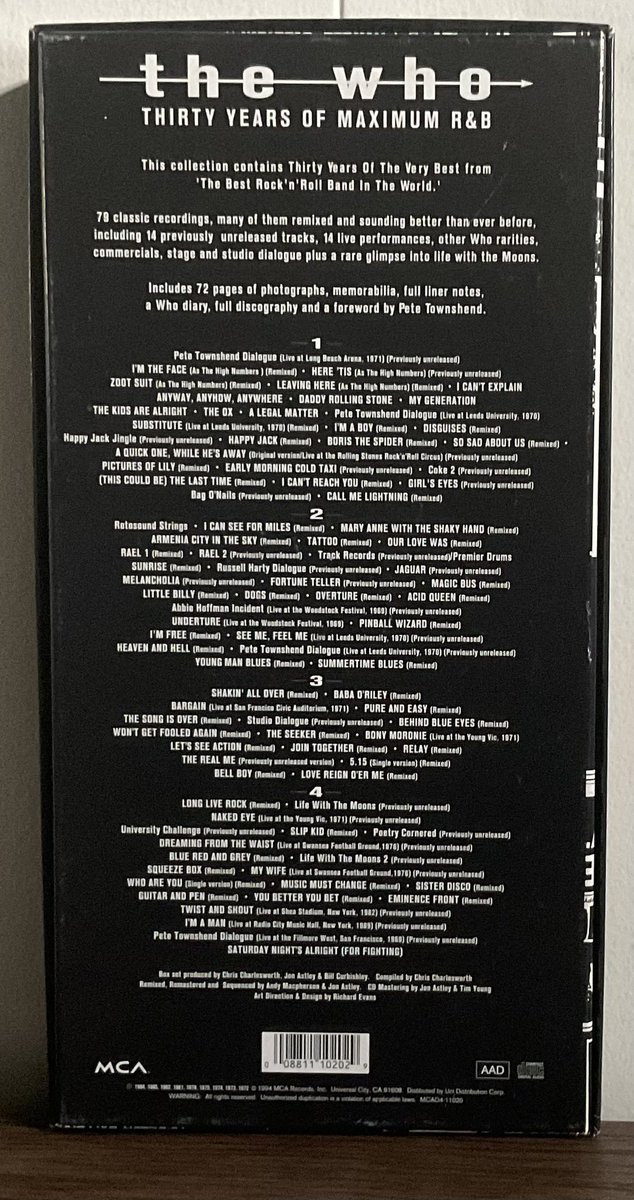
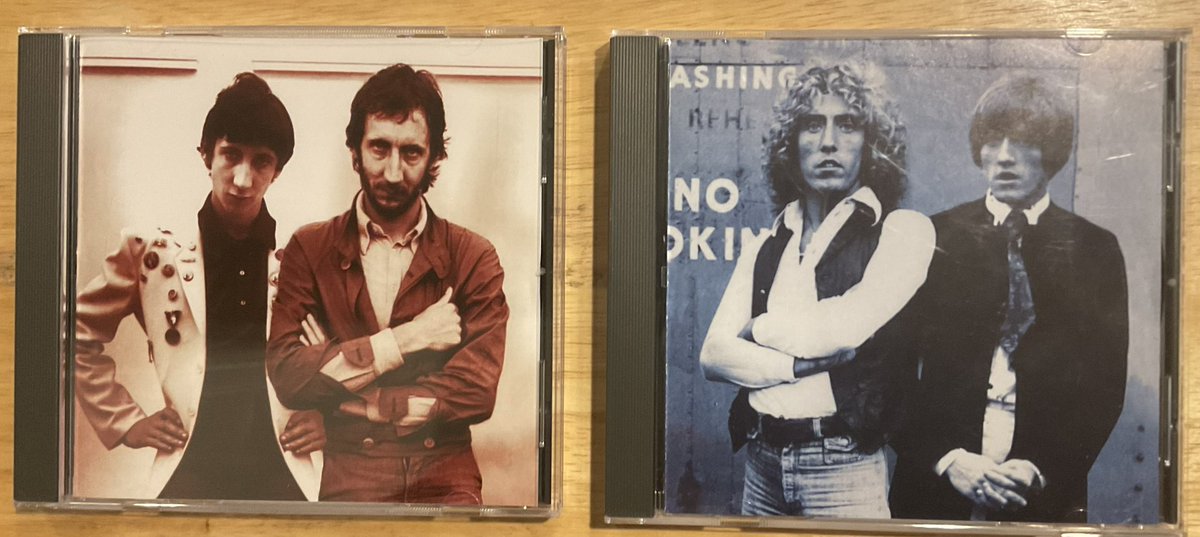

My cancer treatment is nearly complete so I bought this Memento Mori bracelet to remind me that every day is a GIFT. And it's a macabre reminder that I've gone through hell and SURVIVED.
✨💀✨
#fuckcancer

English
Would you rather spend the rest of your life listening to Bruce Springsteen or Rush?
English


Share a 10/10 Album!!
(No Beatles or Led Zeppelin albums)
English

Is “Band On The Run” by Paul McCartney a better Song than “My Sweet Lord” by George Harrison?
English
Name the song
He gave us _____ ______ ____
So very fine
We'll drink it right down
Pass it all around
So stimulating, so intoxicating ...
English