J
38 posts


J retweetledi

J retweetledi

Let your hands explore clay’s soft rhythm—this weekend’s hand-building workshop turns messy mud into tiny, warm sculptures. No experience needed, just bring curiosity!

English

J retweetledi


Want to level up your skills in 2024 Spend just 15 mins daily on one new mini-course—consistency beats cramming every time! #SkillGrowth #SelfImprovement

English
J retweetledi
Just finished this DIY fabric scrap keychain! Upcycled old clothes into something cute u0026 useful #DIYCrafts #Upcycle,

English
J retweetledi

Transform your desk into a productivity hub with just a few minimalist touches—less clutter, more focus, daily wins ahead!

English

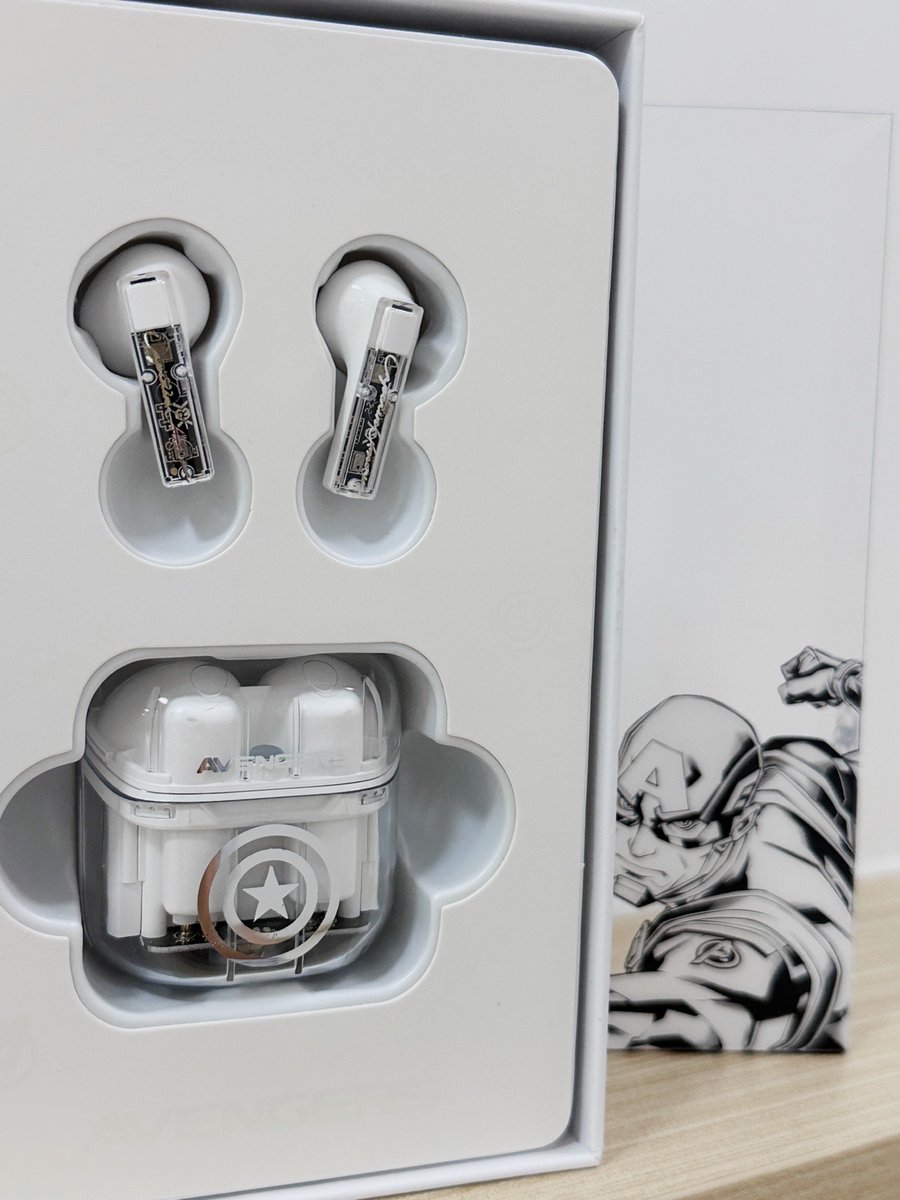
Just unboxed my new wireless earbuds—game-changer for my morning runs! No tangles, great sound quality, 10/10 would repurchase. #Unboxing #TechDeals
English
J retweetledi







@JackPosobiec I’ve always heard & used the term “Xennial”…the generation between GenX & millennial.
English

The Centennial Generation
I have previously described what I refer to as the "Centennial" cusp generation, which I distinguish from both Millennials and Generation X
Here are the key points of my theory:
Time Frame:
Born Roughly Between: 1981 and 1990, although some definitions might slightly vary, making them younger than traditional Gen X but older than core Millennials
Unique Cultural Identity:
Last Analog Generation: Centennials are described as the last generation to have experienced significant parts of childhood without pervasive digital technology. They remember the transition from analog to digital life, including the introduction of the internet, but weren't born into it like Millennials.
Cultural Nostalgia and References:
90s Pop Culture: They have a deep connection to and nostalgia for 90s pop culture, including TV shows, music, and the general vibe of that era. Shows like "Batman: The Animated Series," "Gargoyles," and other early Nickelodeon shows were significant to their childhood identity. Nirvana, Smashing Pumpkins, No Doubt, were key bands.
9/11 occurred during high school for Centennials and many joined the military as a result
Technological Transition:
Digital Transition: This generation has lived through the significant technological shifts from dial-up internet to broadband, and from no cell phones to having them become common, but not ubiquitous from birth.
Economic and Social Challenges:
Financial Crisis: Many were entering or already in the workforce during the Global Financial Crisis, which shaped their views on work, money, and economic security
Independence and Self-Reliance:
Cusp Generation: They embody aspects of both Gen X's independence (due to less parental oversight in the pre-digital era) and the communal aspects of Millennials but with fewer of what might be described as Millennials' 'hangups'—less entitlement or different expectations regarding career and life.
Identity:
Centennial Identity: Simply put, Centennials don't act like Gen X or core millennials, necessitating the separate label
Social Media and Internet Use:
Late Adoptions: While they use social media, they might not have the same level of digital native intuition as Millennials or Generation Z, having adapted to these technologies later in life
Centennial Theory positions this group as having a particular vantage point due to their experiences straddling two major generational cohorts, experiencing both the end of an analog childhood and the beginning of the digital age. Their identity, according to this theory, is shaped significantly by these transitional experiences, making them distinct in cultural, technological, and economic terms.
English