The GDCE program applies McMaster's renowned problem-based learning approach. Learners participate in live sessions with a small group, tutored by HEI’s expert faculty members. Apply to be part of our Fall 2025 cohort now! gdce.healthsci.mcmaster.ca#epidemiology
🌟 Exciting update! 🌟 Check out our website for the latest version of the Summary Resource for the MOH document: "Recommendations for Outbreak Prevention and Control in Institutions and Congregate Living Settings."
ipachub.ca/resources/outb…#OutbreakPrevention#StayInformed
Part 1: What does IPAC have to do with construction, renovation, maintenance and design (CRMD)? CRMD activities can disturb and disperse harmful bacteria and fungal spores through air, soil, water and dust.
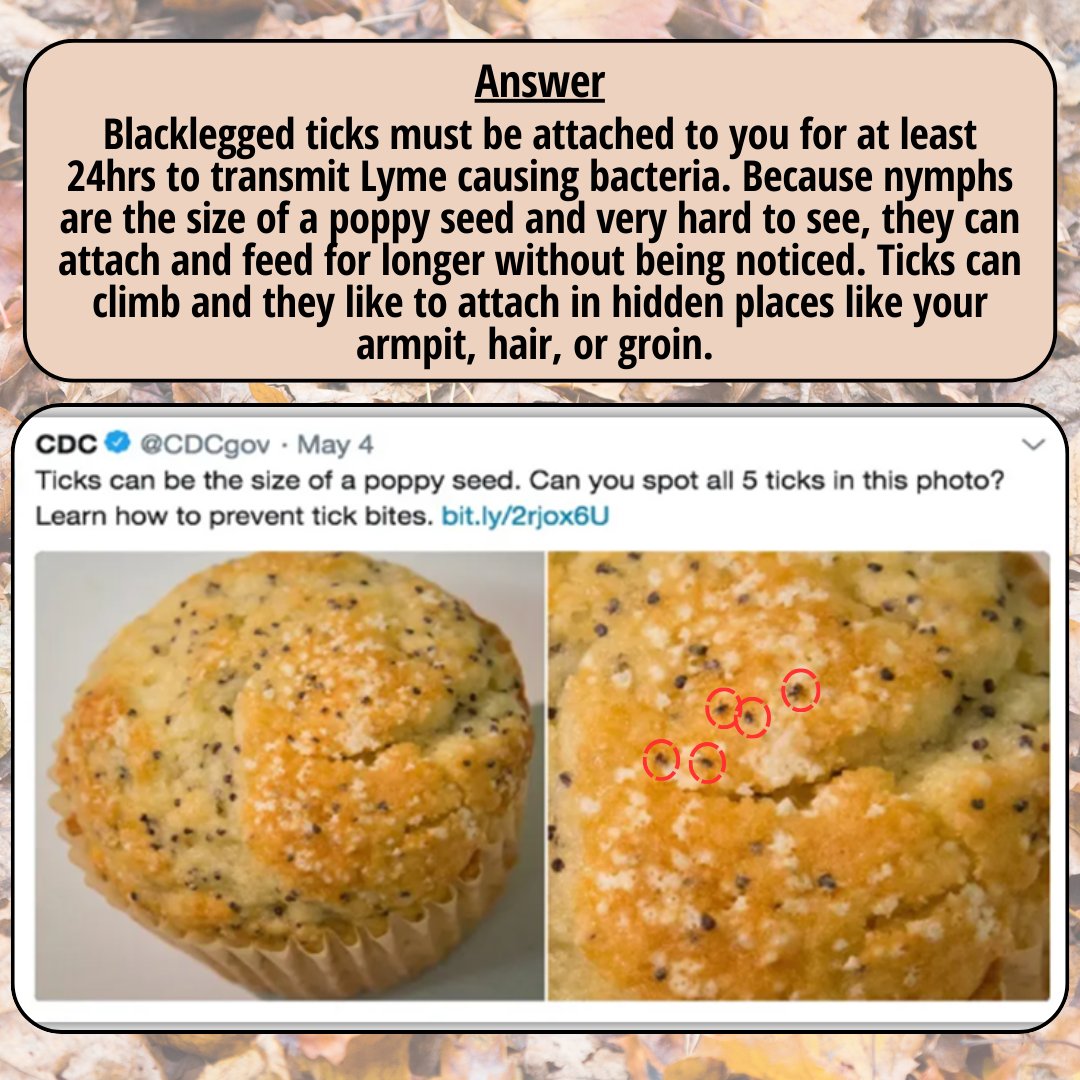
Part 1: Do you know which tick can transmit the bacteria that causes Lyme disease?
Learn about blacklegged ticks, how they can cause illness, how to prevent tick bites, and what to do when bit!
Part 2: Do you know which tick can transmit the bacteria that causes Lyme disease?
Learn about blacklegged ticks, how they can cause illness, how to prevent tick bites, and what to do when bit!
Our condolences are with the family, friends, and colleagues of professor emeritus Stuart Connolly, who passed away on June 2.
He founded the cardiac arrhythmia service and served two terms as cardiology division director.
Read more about his legacy: phri.ca/stuartconnolly/
A great thread on what needs to be considered when interpreting observational studies - it is not as simple as people may think when they draw their very simplified conclusions.
History Friday: If you've ever heard of John Snow (no, not from Game of Thrones) - you've likely heard about the Broad Street Pump.
Swipe through to get a brief intro to Snow's contributions to ending the cholera outbreak in London in 1854, where over 600 people perished. (1/2)
@horsepharmer To be exact: « Masks might reduce transmission, test-to-stay policies might not increase transmission risk compared with mandatory quarantine, cohorting and hybrid learning might make little to no difference in transmission (low certainty). »