

Dr. Mike Belkowski
171 posts
Dr. Mike Belkowski
@Doctormike
Founder + CEO @biolightshop @biolightlabs⚡️ Host of The Energy Code 🎙️ Mitochondrial Medicine isn't the future.... it's NOW! 🧬
Katılım Haziran 2022
59 Takip Edilen705 Takipçiler

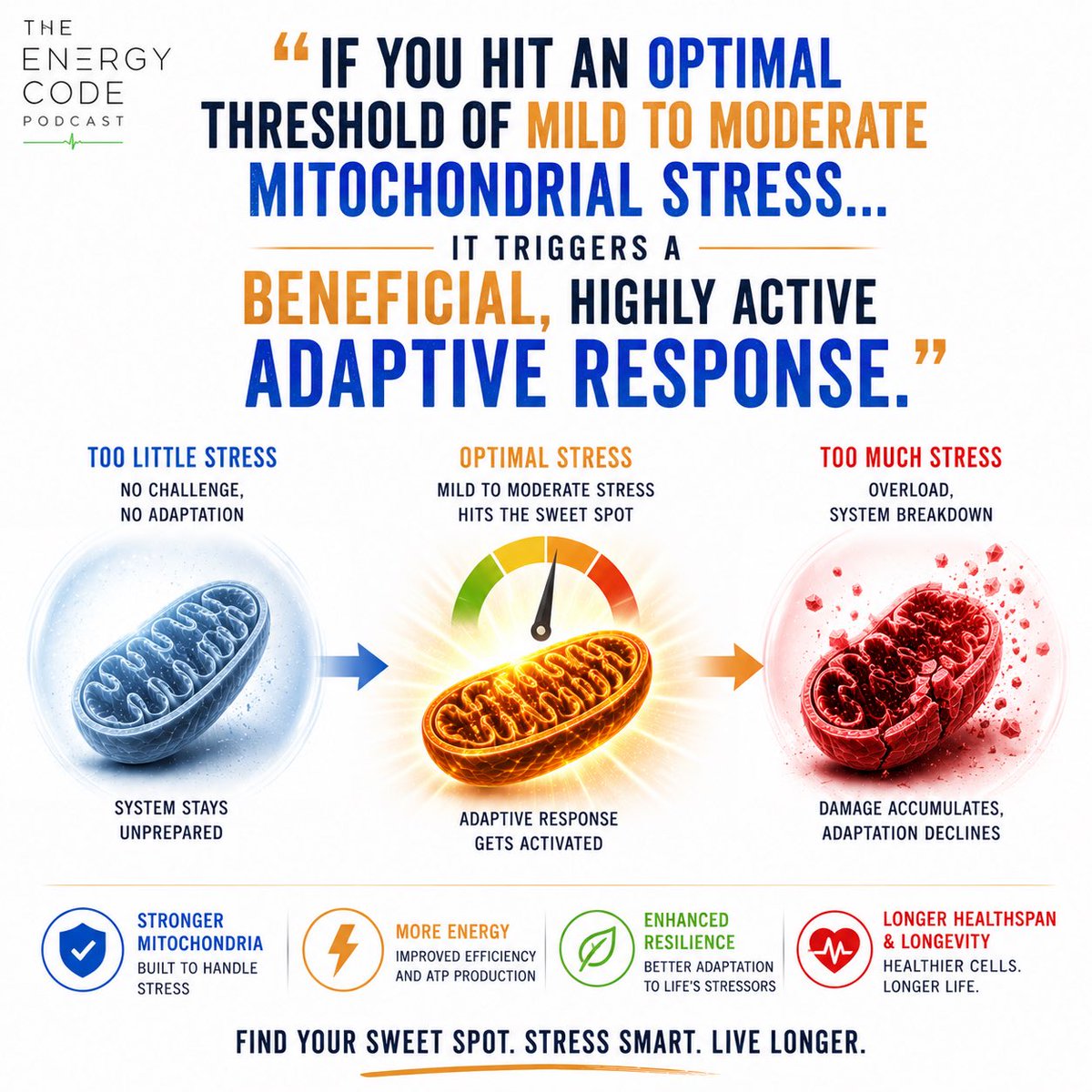
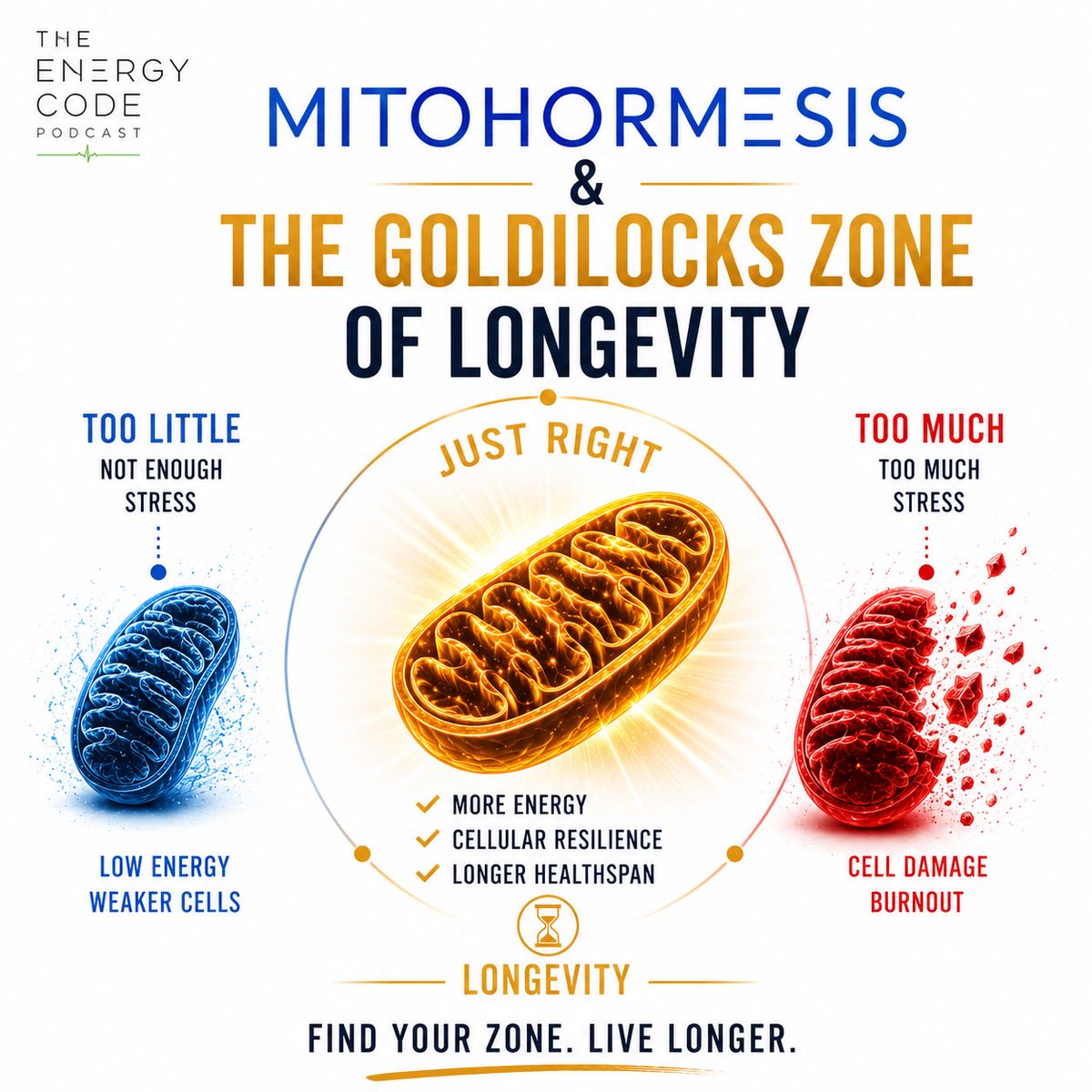
This episode of The Energy Code reframes mitochondria from "powerhouses" into master environmental sensors — and explains why mild cellular stress can be the very signal that upgrades your biology. Dr. Mike and Don unpack mitohormesis: the bell-curve logic where too much stress destroys cells, too little causes stagnation, and the "just right" dose triggers repair, resilience, and longer healthspan.
You’ll learn how mitochondria "shout" to the nucleus through stress pathways like UPRmt and the Integrated Stress Response (ISR) — including an elegant "fire alarm" cascade (OMA1 → DLE1 cleavage → HRI → eIF2α → ATF4). Then the lens widens from single-cell survival to whole-body adaptation via mitokines like FGF21 and GDF15 (appetite suppression, energy expenditure), plus mitochondrial peptides like MOTS-c.
The episode connects this to exercise, fat "browning," stem-cell hypoxic "seed vaults," and the darker edge: how cancer hijacks the same survival program to create therapeutic resistance.
Finally, it hits the headline takeaway: the future isn’t "eliminate all stress with antioxidants" — it’s precision control of the Goldilocks zone.
English
Dr. Mike Belkowski retweetledi

What if one of the most powerful compounds for longevity wasn’t a vitamin… but a carbon nanostructure?
Carbon 60 (C60) is a unique spherical molecule made of 60 carbon atoms arranged like a microscopic “buckyball.” While it originally gained attention in material science, it has since become one of the most intriguing compounds in the world of mitochondrial wellness and healthy aging research.
Why the interest? Because your mitochondria — the energy-producing engines inside your cells — are constantly exposed to oxidative stress generated during metabolism, environmental exposures, inflammation, and aging itself.
Carbon 60 is being explored for its potential to help support:
⚡ Cellular energy production
🛡️ Oxidative stress resilience
🧠 Brain and cognitive function
❤️ Cardiovascular health
🔥 Healthy inflammatory balance
⏳ Longevity and healthy aging pathways
Some researchers believe C60’s structure may allow it to interact with free radicals in a uniquely efficient way, helping preserve mitochondrial function and cellular integrity under stress.
And when mitochondria function better, the effects can ripple throughout the entire body:
More energy. Better recovery. Greater resilience. Healthier aging.
At BioLight, we’re fascinated by compounds that support the body at the cellular level — because wellness starts where energy is made.
Fuel your cells. Extend your life. 🔬⚡

English
Key Quotes From Episode:
⚡️ "Think of sepsis as a massive fire breaking out in a house… and diabetes like having gasoline already spilled all over the floor."
⚡️ Regarding C60: “It has this amazing capacity to attract and neutralize rogue, unbalanced electrons from free radicals.”
⚡️ “In the liver, there was vastly reduced hepatocyte necrosis.”
⚡️ “In the heart, they saw reduced interstitial fibrosis and way less myocardial disorganization.”
⚡️ “They noted a major decrease in inflammatory cellularity in the brain.”
⚡️ “It’s (C60) not just blocking the fire—it’s like upgrading the body’s sprinkler system.”
📚 Source: pubmed.ncbi.nlm.nih.gov/41929532/
English
Key Quotes From Episode:
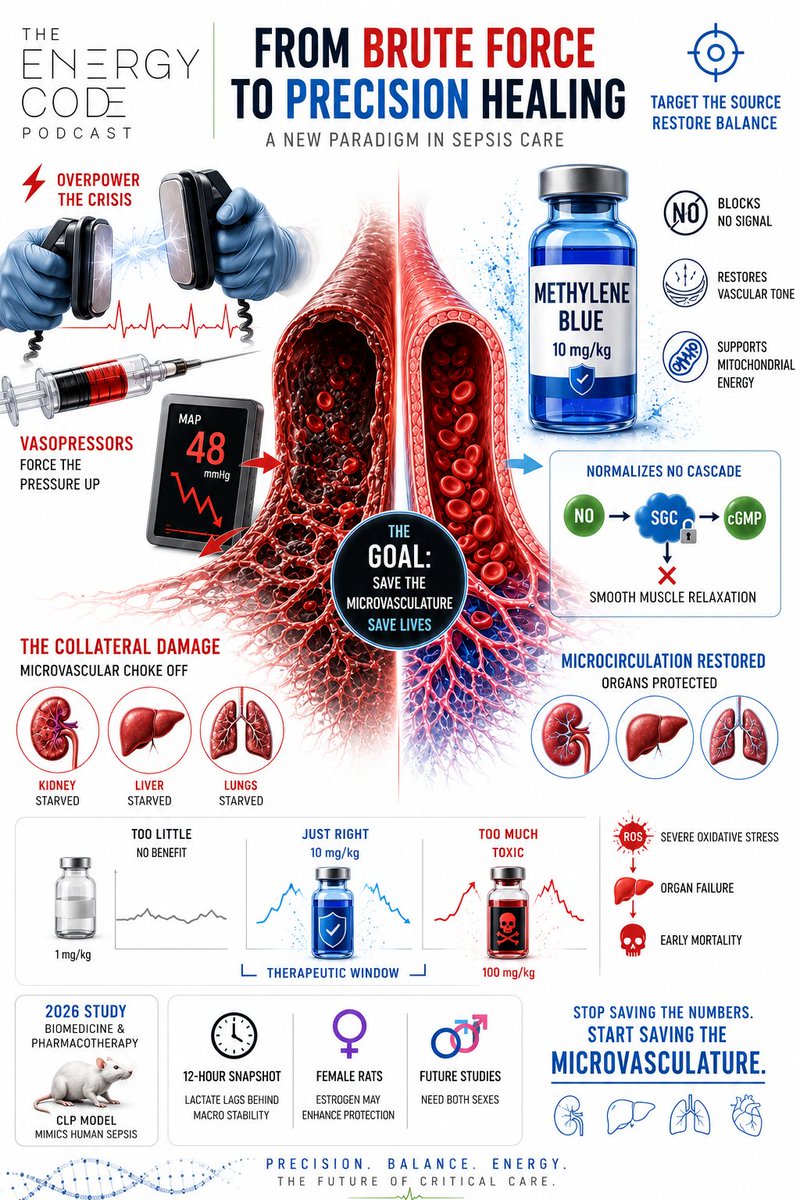
⚡️ “In emergency medicine, the instinct is always to overpower the crisis with brute force.”
⚡️ Regarding vasoplegia: "The engine driving it is an overproduction of nitric oxide.”
⚡️ “Methylene blue… oxidizes the heme iron… preventing nitric oxide from binding to sGC.”
⚡️ “It (methylene blue) restores normal vascular tone without aggressively squeezing the vessel from the outside.”
⚡️ “At super-therapeutic concentrations, methylene blue stops acting as an efficient electron carrier... Instead of smoothly passing electrons… it begins indiscriminately stealing electrons and auto-oxidizing.”
⚡️ “That is the inherent danger of redox-active compounds.”
-
Key Points From Episode:
⚡️ Septic shock punishes “brute force” care: raising MAP can collapse microvascular perfusion and accelerate organ failure.
⚡️ Core driver of vasoplegia: iNOS → excess NO → sGC activation → cGMP surge → vascular smooth muscle relaxation.
⚡️ Standard vasopressors “fight from the outside,” risking regional hypoperfusion, ischemia, and organ injury.
⚡️ Methylene blue “fixes from the inside”: prevents NO binding to sGC (heme oxidation) and reduces NO production.
⚡️ In CLP sepsis (dynamic polymicrobial model), 10 mg/kg improved MAP and organ protection without high-dose pressors.
⚡️ Cellular redox rescue: ↑ SOD/GSH, ↓ MDA (lipid peroxidation), ↓ IL-1β.
⚡️ Dose is everything: at high concentrations methylene blue becomes pro-oxidant, generating ROS and worsening collapse.
⚡️ Translational scaling: 10 mg/kg (rat) ≈ 1.6 mg/kg (human), within the clinical bolus range 1–4 mg/kg.
⚡️ Lactate may lag behind MAP: macro stabilization precedes microcellular recovery.
⚡️ Limitations: 12-hour window, no long-term survival/infusion data, female-only cohort and potential estrogen “buffer.”
Source: scilit.com/publications/a…
English
Dr. Mike Belkowski retweetledi
Blue spirulina is more than just a vibrant superfood… it may be one of nature’s most interesting compounds for supporting mitochondrial wellness. 🔵⚡️
Derived from spirulina and rich in the powerful pigment-protein phycocyanin, blue spirulina is being explored for its potential to support:
• Cellular energy production
• Antioxidant defense against oxidative stress
• Healthy inflammatory balance
• Exercise performance + recovery
• Mitochondrial resilience and longevity pathways
Your mitochondria are constantly producing energy — but that process also creates oxidative stress. Compounds like phycocyanin may help support the balance between energy production and protection, which is a major part of long-term mitochondrial function.
Blue spirulina is also naturally rich in nutrients and bioactive compounds that may support cellular health from the inside out.
In a world focused on stimulants for “energy,” supporting the mitochondria themselves may be the smarter long-term strategy. ⚡️
English
Key Points From Episode:
⚡️ Mitochondria aren’t static batteries—they’re a dynamic fleet: biogenesis, fusion, fission, mitophagy.
⚡️ Mitophagy failure → exhaust (ROS), DNA damage, and programmed cell death pathways that show up in chronic disease.
⚡️ Plant secondary metabolites evolved as defense chemistry—but “keys fit locks” due to shared ancient biochemical language.
⚡️ Berberine: induces a mild energy dip → triggers mitophagy + biogenesis (cleanup + upgrade loop).
⚡️ Caffeine: can intercept UV-stress death signaling, helping cells survive and repair rather than self-destruct.
⚡️ Astaxanthin: can stabilize membranes and dial back runaway mitophagy during acute oxidative crises.
⚡️ Urolithin A: you can’t “eat it”—your gut bacteria must manufacture it from ellagitannins.
⚡️ Cancer paradox: some compounds become targeted demolition in tumor cells due to their altered mitochondrial state.
⚡️ Dose + context rule everything: isolate + concentrate → membrane damage, ETC disruption, toxicity, interactions.
⚡️ Big frame: plant compounds are “software updates” for mitochondrial stress resilience.
Source: mdpi.com/1422-0067/26/1…
English
Key Points From Episode:
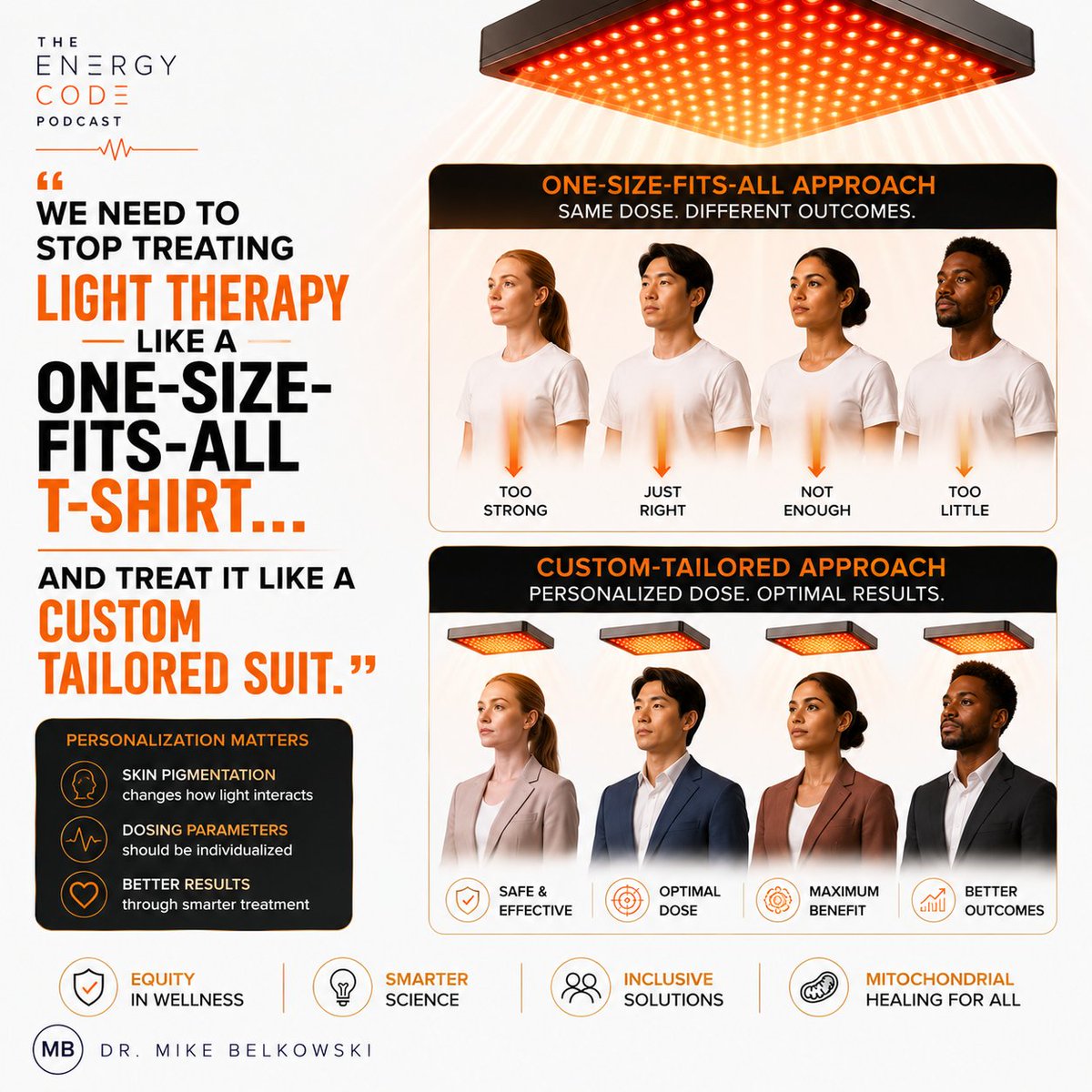
⚡️ PBMT’s core mechanism: photons → mitochondrial chromophores (cytochrome c oxidase) → ATP support and healing.
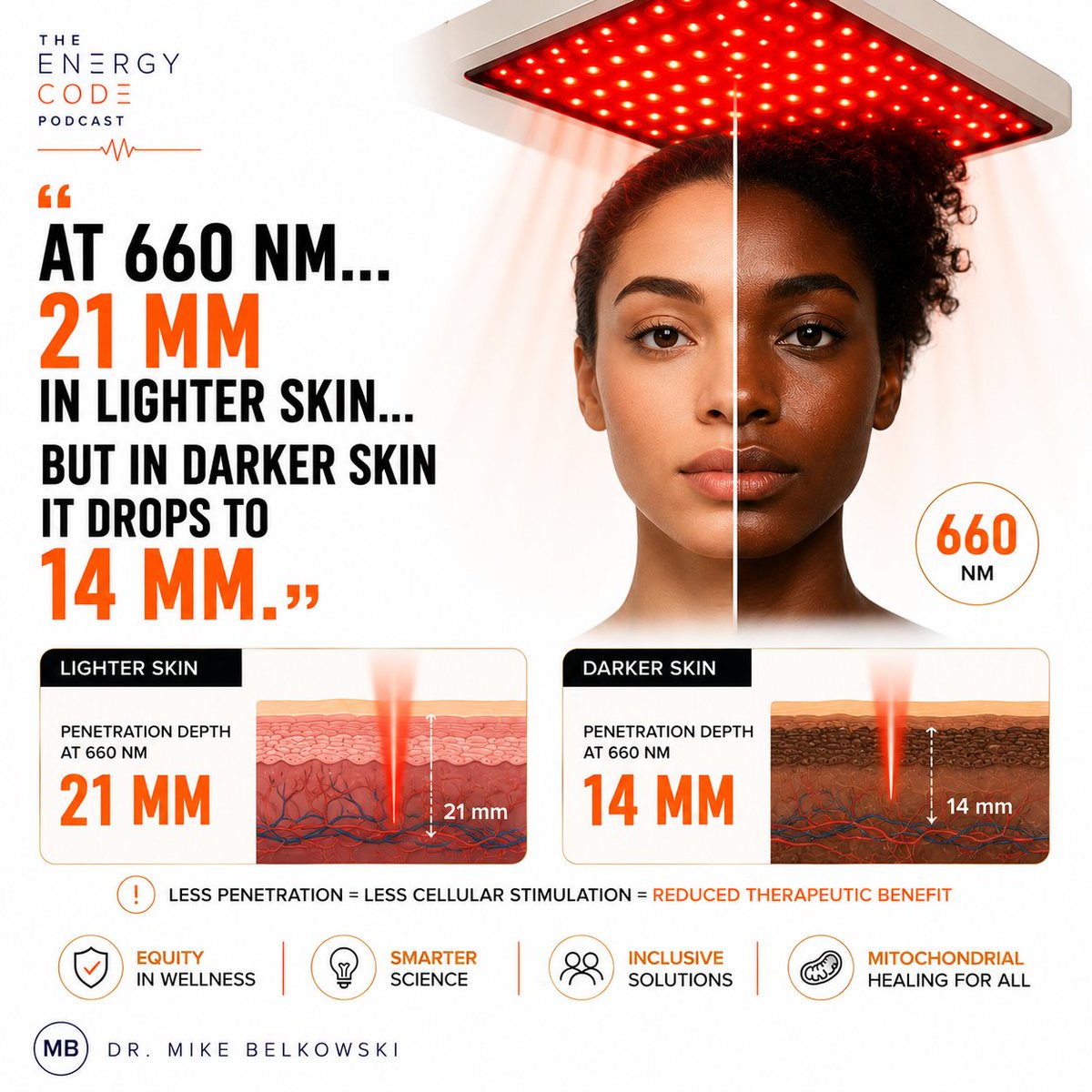
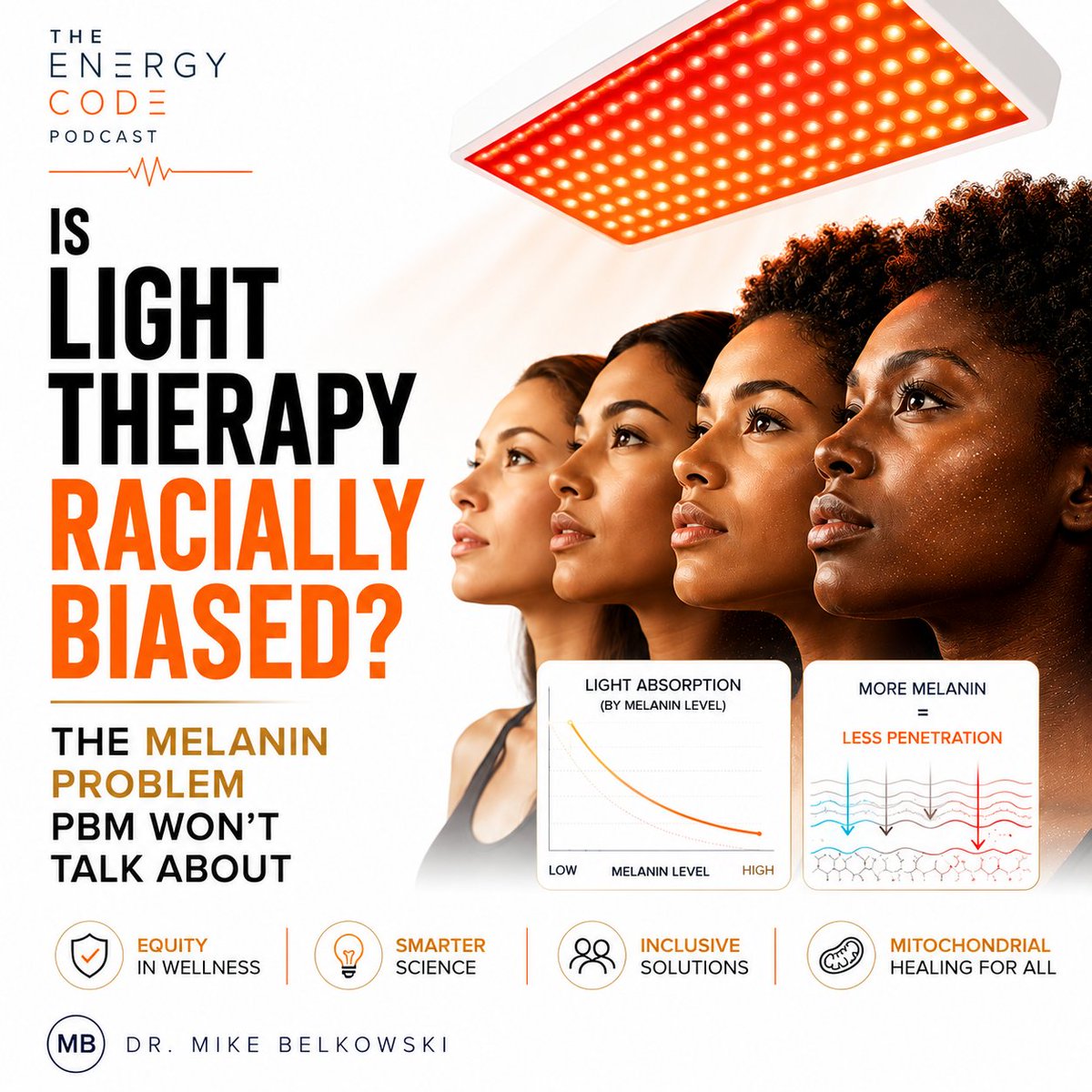
⚡️ The optical window (≈600–1100 nm) overlaps with melanin’s strong absorption (≈600–900 nm).
⚡️ Darker skin = more melanin absorption, meaning less light reaches deeper tissue → risk of subtherapeutic dosing.
⚡️ “Just increase power” can be dangerous: melanin absorbs more energy → heat + ROS/RNS → redness, pain, burns.
⚡️ Guideline gap: WALT dosing recommendations don’t meaningfully adjust for pigmentation.
⚡️ Data aggregation problem: studies include darker phototypes but often don’t stratify outcomes, producing “average” conclusions that can hide harm.
⚡️ Fixes the paper argues for: longer wavelengths (e.g., 830–1064 nm), larger spot sizes, gradual ramping + patient sensory monitoring, and pigmentation-sensitive dosimetry models.
⚡️ Bottom line: melanin isn’t a deal-breaker — it’s a dosing variable that must be accounted for.
📚 Source: pmc.ncbi.nlm.nih.gov/articles/PMC13…
English
Key Points From Episode:
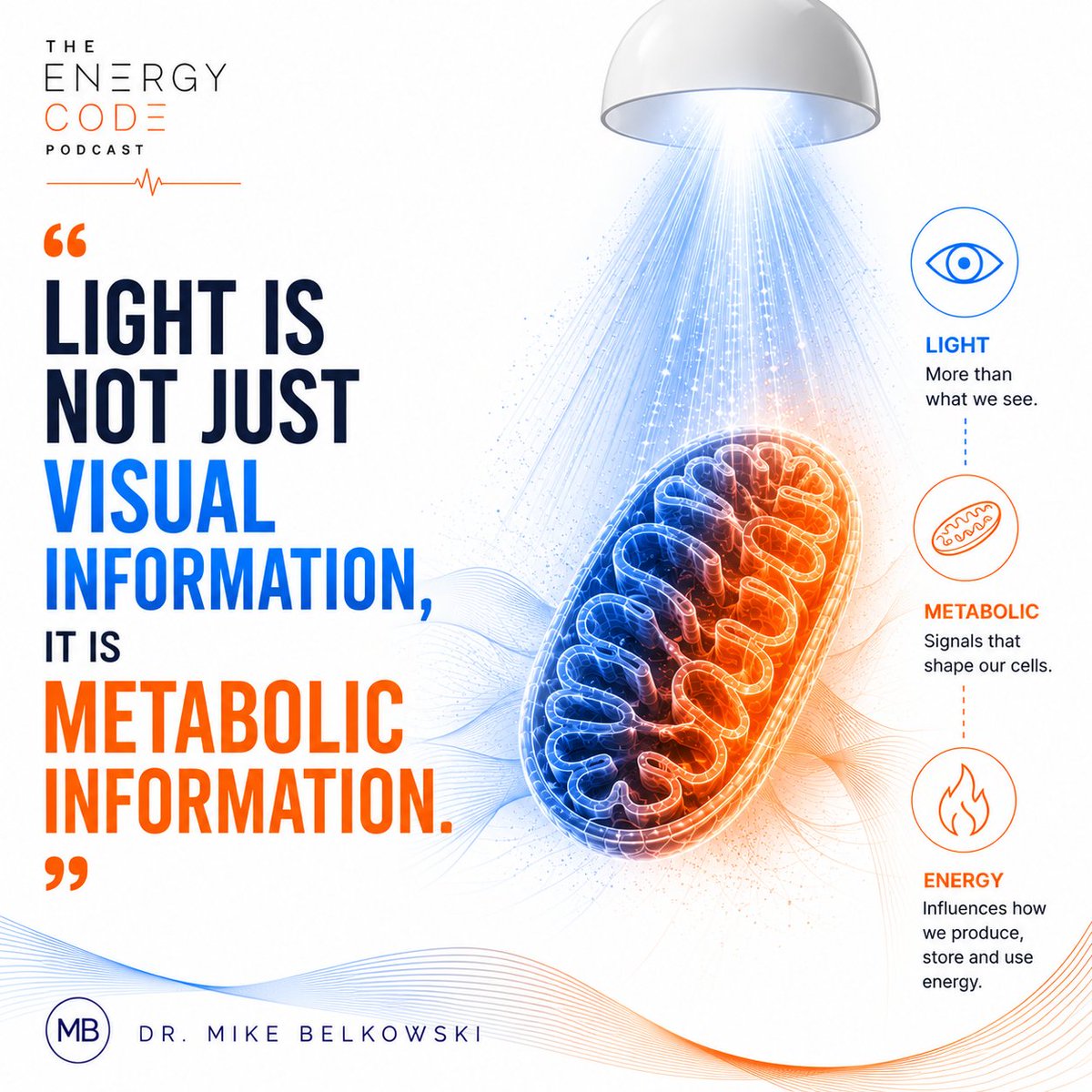
⚡️ The paper asks: can blue light worsen obesity beyond circadian/sleep effects — via fat-tissue mitochondria?
⚡️ 4 groups: normal diet vs high-fat diet × white light vs blue light exposure.
⚡️ In high-fat diet mice, blue light → more weight gain + more body fat than white light.
⚡️ Blue light + high-fat diet → worse glucose tolerance and insulin sensitivity.
⚡️ Strongest depot effect: inguinal white adipose tissue (iWAT) (subcutaneous, closer to surface).
⚡️ Visceral depot (e.g., epididymal WAT) showed less pronounced change, supporting “location matters.”
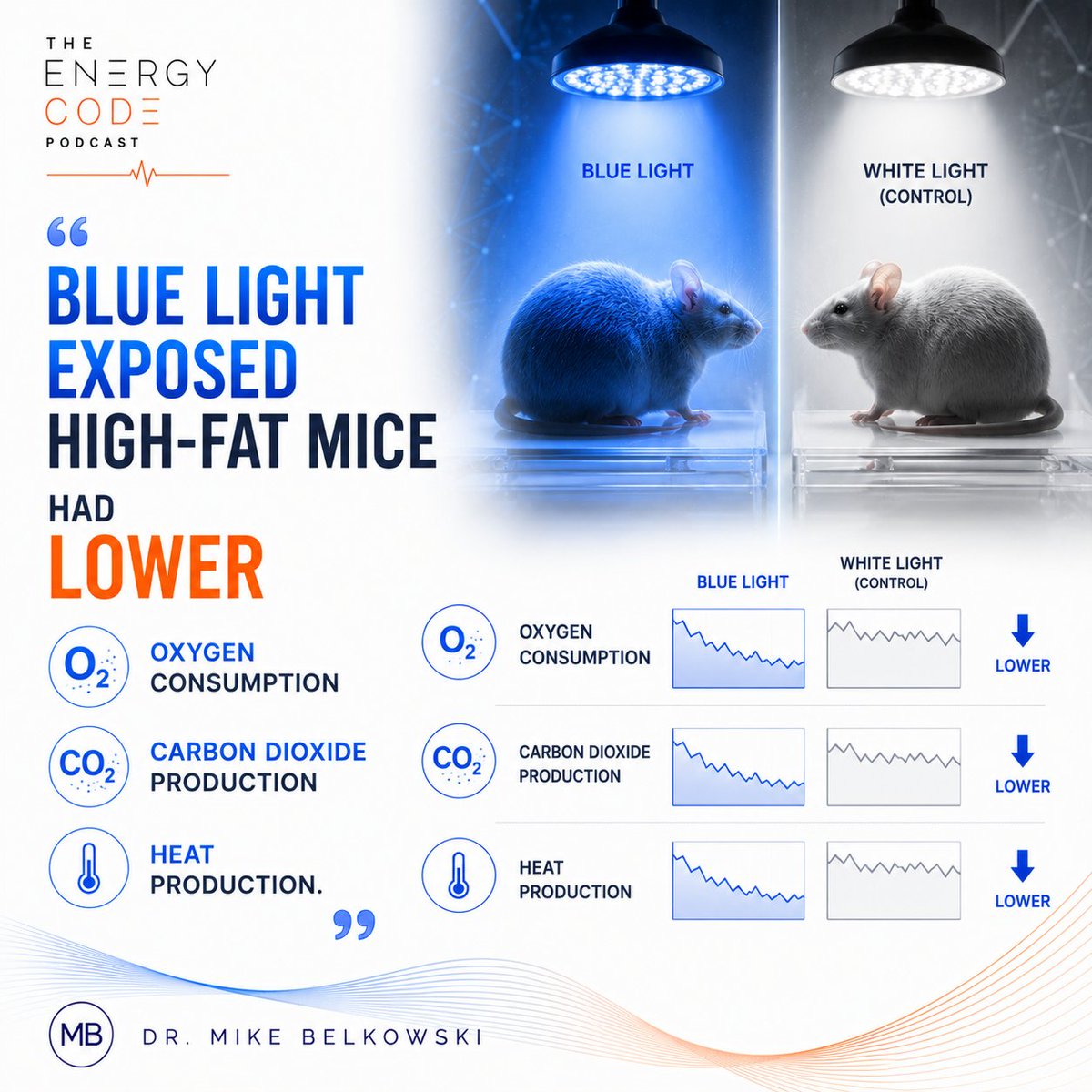
⚡️ Whole-body physiology: blue light high-fat mice had lower O₂ consumption, CO₂ production, and heat output → lower energy expenditure.
⚡️ These changes were not explained by obvious differences in movement or food intake (per the transcript summary).
⚡️ iWAT showed suppressed oxidative phosphorylation-related gene expression.
⚡️ iWAT also showed higher oxidative stress (↑ROS/↑MDA) and lower antioxidant defenses (↓SOD/↓total antioxidant capacity).
⚡️ Brown fat showed some “thermogenic markers up” signals, but whole-body heat output was down → possible failed compensation.
Source: sciencedirect.com/science/articl…

English