

(二狗子)Dogquant 小狗量化
2.8K posts

(二狗子)Dogquant 小狗量化
@Dogquant0
二狗TG小社群吹水用:https://t.co/X7HvoiaabS 我们自己做的免费🆓交易机器人🤖:https://t.co/ssNbiw8yhM
Dogquant 小狗量化 代码实操部署youtube频道 Katılım Haziran 2024
2.2K Takip Edilen3.7K Takipçiler


明白一个事实就行了,散户是用来承接卖出的股票的,上层不会与你共享财富,股票涨也是为了出货。至于价值投资在我的认知里不存在,只要是金钱能买卖的事物都只有价格没有价值,房子能卖出换钱,那说明房子在未来大概率不属于你,那么只有我的狗和我的健康工作开心才是属于我自己的,这才是我的价值。美滋滋
中文

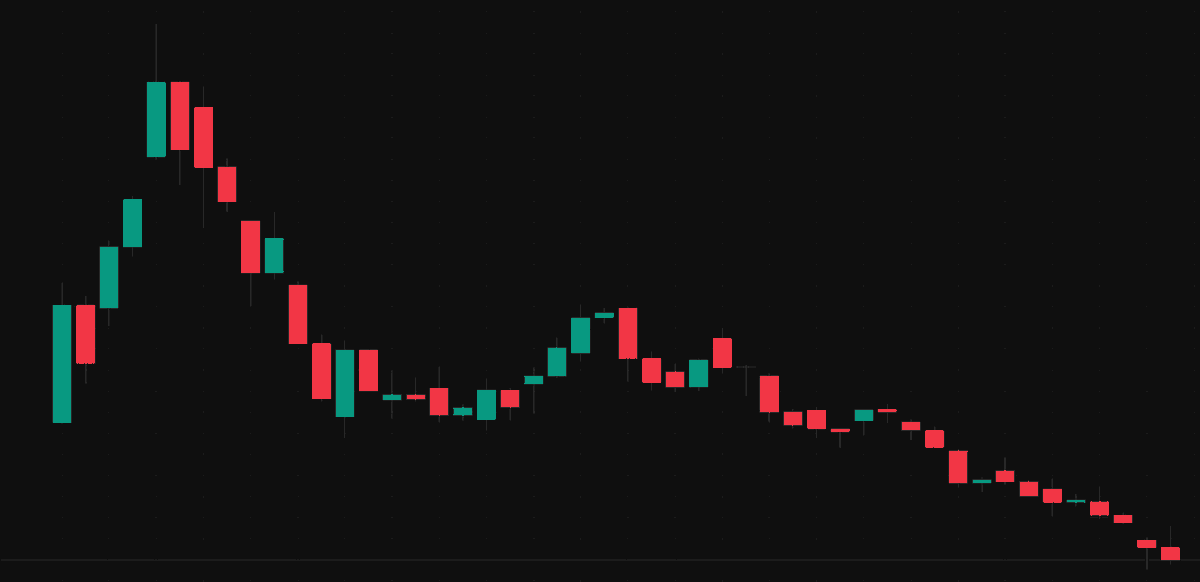

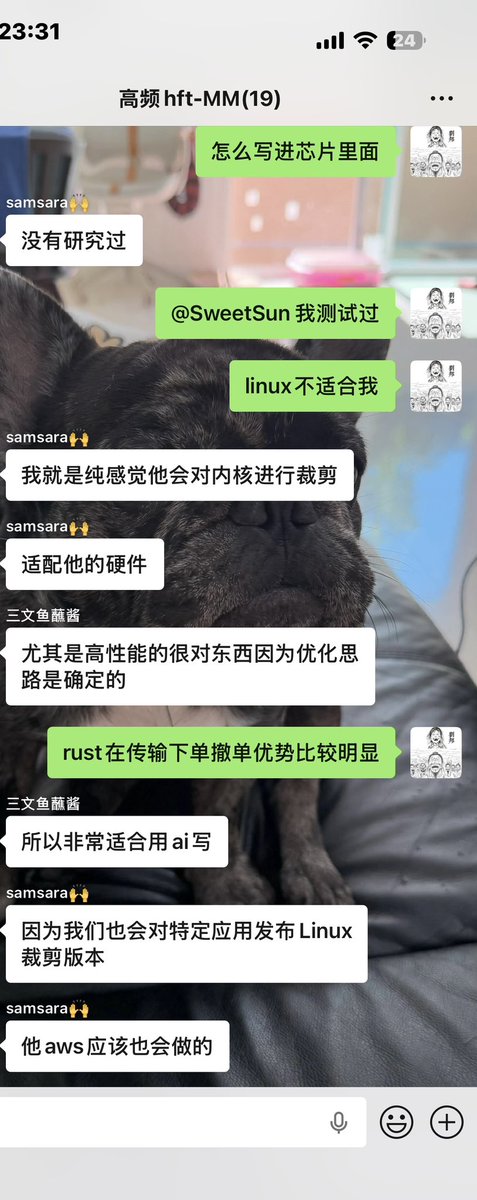
High-frequency quantization can now be coded into chips using AI? What a breathtaking day…

English
币安高频做市商策略模型跑起来,还有其他dex交易所也在高频量化交易🤝。
策略模型快稳定盈利一个月了,天行健 君子以自强不息,我爱交易。
中文


@Quantzilla34 Our team has long since given up on those projects and started seriously engaging in arbitrage and market making in the market.
English

I am hopeless of dexes anymore bc all dex users just join any project to share ref link, all users of all project just share ref with eachother , when ı was mm in hyper, even we dont know anything about points and airdrops
English


. @cascade_xyz
Looks like there was an exploit on the vault, but I didn't have anything in the vault and my account went to $0 🤔
Might have lost $1,265.42. Discord is locked too — nobody can post.
DYOR

English
@phil0p0n You know I really really need it? Where have it?
English

@igeekbb 那时候没手机有小霸王学习机和网吧,好玩得很,诺基亚彩屏刚出来也只是挂挂QQ等级。每天想着如何去网吧看别人打游戏,看别人半夜睡觉不玩了,我去占机帮忙打怪美滋滋,最烦有的叼毛看一晚上三级片的,是真他妈神,看一个晚上。
中文


(二狗子)Dogquant 小狗量化 retweetledi

treasury around $20m & >90% of all future revenue to buyback token.
- eToro partnership live & soon Extended will be the backend perps infra for 4m active users.
- onboarding more brokers & institutional partners.
- annual revenue $30m in a bear market without any tradfi flows.
Extended.
Extended@extendedapp
Extended surpassed $30M in Total Cumulative Revenue
English
Being cool is a feeling; it was a non-mainstream style we used to play in a small village 22 years ago.
English

长鑫还没上市,Hyperliquid 上 tradexyz 已经能 24 小时交易了。
发行价 8.66 块。
链上刚才大概 7.2 刀,折合人民币差不多 49 块。
按发行后总股本大约 668.81 亿股算:
A 股发行价对应市值,大约 5792 亿。
如果按 Hyperliquid 这个价定价,市值直接到 3.27 万亿左右。
同一家公司。
一边不到 6000 亿,一边 3 万亿。
差不多 5.6 倍。
我一开始也怀疑是不是 1 份合约对应很多股,不然溢价也太离谱了。
后来查了文档,又看到 TradeXYZ 官方说明:这个合约盯的就是 1 股 A 股普通股的隐含价格。
所以不是单位问题,就是大家真在按这个价交易。
当然这不是股票,也不是打新额度。
没有股权,没有分红,跑不了 A 股。
就是一个 pre-IPO 永续,USDC 保证金,24 小时开着。
为什么会贵成这样?
我觉得挺直观的。
A 股打新基本是境内的游戏,海外资金很难直接上车。
但全球又有很多人想赌中国存储国产替代。
那现在能表达观点的地方,就剩链上了。
而且盘口其实不深。
买墙厚,卖盘薄,价格很容易被情绪顶上去。
所以这更像离岸 FOMO 的价格,不是什么严谨估值。
但这件事本身挺有意思。
A 股核心资产的价格发现,开始提前跑到 Hyperliquid 上了。最后 A 股的价格大概率会收敛到 hyper 这边的价格吧。
以前 RWA 聊的多是美债美股黄金,现在连长鑫这种标的都能先在链上交易预期。或许 rwa 最 beneficial 是像 A 股这种foreigners 难以获得暴露的吧。
congrats @sershokunin @chameleon_jeff !


中文
İn some work in grvt, it was a good journey, and want to see outcome and what happened after tge (just 1 subaccount in pic)

English