Sabitlenmiş Tweet

Kaptajn Klo
23K posts
@CMorrisonEsq To watch or listen to the whole episode, click on this link: buff.ly/tkU1ywG

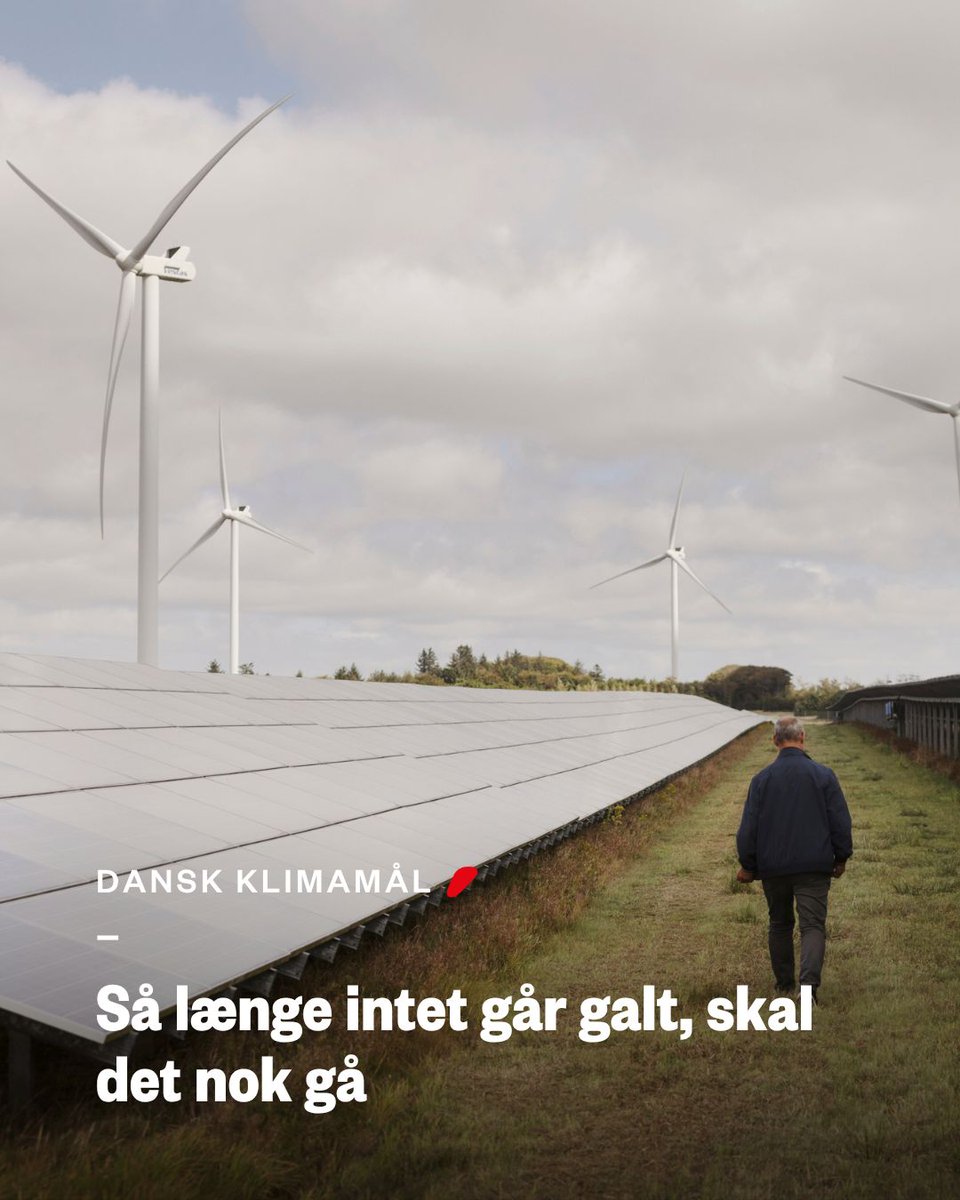

Many of the onshore wind farms along the coasts of the UK and Denmark are falling apart after only 10 years. A study reveals that energy contributions from wind farms begin to fall sharply after only 10 to 15 years, leaving the skeletons of steel and plastic blowing in the wind. The economic analysis reveals the lifespan of an onshore turbine is not 20 to 25 years, as stated by the wind industry itself, supported by the UK Government. This peer reviewed British study reveals that the energy production of onshore wind farms falls substantially as they get older, due to wear and tear. Energy and environmental economist, Professor Gordon Hughes (University of Edinburgh), carried out the statistical analysis of wind farm performance data in the UK and Denmark. He concluded that load factors, like electricity generated as a percentage of capacity, declined a lot faster than expected, suggesting a baseline 10 to 15 year lifespan. This is when the technical life of most turbines crunch to halt, and become unprofitable to continue. Rising maintenance costs makes them uneconomical. The study found the average UK wind farm's ability to meet electricity demand had fallen by a third after around 10 years, leading to a conclusion that many are fully uneconomic to run after only 12 years. While the wind industry generally forecasts a 25-year lifespan, the data reveals a different reality about the viability of keeping them spinning so long. Many companies now 'repower' (replace old turbines with new ones) long before the 25-year target to maximise subsidies and output. This often ends the lifespan of the original hardware much sooner. The wind farm study is published by the 'Renewable Energy Foundation on the Performance of Wind Farms in the United Kingdom and Denmark, 2012'.







The sun has officially stopped setting in Utqiagvik, Alaska. Timelapse footage from the National Weather Service captured the final sunrise before 84 consecutive days of daylight until August 2. The NWS said the weather event is due to an annual Arctic phenomenon caused by Earth’s tilt toward the sun. (Video: NWSFairbanks via Storyful)


@CMorrisonEsq To watch or listen to the whole episode, click on this link: buff.ly/tkU1ywG