Lord Bebo@MyLordBebo
🇮🇱🇮🇷 IRAN WAR STRATEGY EXPLAINED!
It is important to understand that Iran is not fighting a symmetric war against the USA/Israel. They can’t and they don’t.
📋 Iran is doing two things at the same time:
1) WAR ON OIL AND GAS
Iran is trying to choke off oil and gas trade from the Middle East through strikes on oil and gas platforms/refineries and the closure of the Strait of Hormuz, which handles about 25% of seaborne oil and gas trade. (Video 3)
This hits US and Arab interests hard. The sheikhs are already calling Trump and urging quick action. They need peace to continue business.
→ This is achieved with minimal effort by Iran and is working. No ships pass the strait, oil/gas production is halted to some extent, prices skyrocket. This affects everyone worldwide.
Trump is under heavy pressure as long as this continues.
2) MISSILE WAR
The missile campaign is not aimed at quickly destroying USA or Israel. That’s pure internet hype.
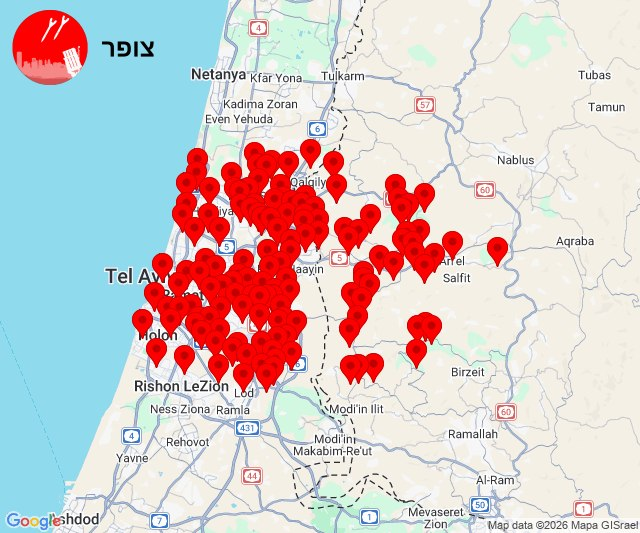
Iran fires enough drones and missiles to keep defenses busy and deplete interceptor stocks. They strike multiple locations simultaneously (Qatar, Saudi Arabia, UAE, even Cyprus), forcing the US to spread air defenses thin. Concentrating heavy defenses in one place becomes impossible.
As Rubio noted yesterday, only 6–7 interceptors are produced per month (Video 2), while Iran produces over 100 missiles per month. If Iran sustains the campaign, it will win the attrition war against air defenses.
Time is on Iran’s side. The more air-defense missiles are expended per Iranian projectile, (just look how much they fire to intercept one missile - Video 4), the worse the situation becomes for the defenders—especially after Ukraine depleted much of the Western stockpile over the past four years.
Key takeaway: As long as Iran maintains the missile campaign, time works in their favour. The longer the conflict lasts, the stronger Iran’s position becomes. If air defenses run out, Iran can strike freely anything and will win.
📋 Status quo:
A) Iran fired fewer missiles on Monday, so they are losing? No!
Analysis of the US CENTCOM video (Video 1): The US Air Force struck abandoned, already-used launchers and a broken-down truck.
They clearly couldn’t locate active Iranian missile forces, so they hit whatever they found. The launchers were already expended; the crews had left after firing.
When the US releases such footage, it suggests this is the best they have. They are not destroying Iran’s missile forces at a high rate. They destroy abandoned trucks.
Iran doesn’t need to act quickly. Firing drones and missiles a few times a day is enough to keep oil/gas trade stopped and air defenses occupied. As long as they sustain this, time remains on their side.
B) Is Iran winning? Also No.
Iran struggles to keep its airspace clear. US surveillance drones continue to penetrate, preventing free movement of launchers. As long as those drones remain active, Iran cannot fire at will without risk. Failure to neutralise them would break their strategy.
While American and Israeli drones fly in Irans sky, Irans missiles stay under ground and can’t surface, or they risk being struck quickly. Hence US/Israeli Surveillance drones, that direct strikes are the biggest problem Iran has now. They want to roll out missile infrastructure from below ground to the surface, and they can’t … at least not at scale.
Watch this closely as a key indicator. How many drones are flying above Iran and how many are shot down.
C) What is the US/Israeli strategy?
They planned to remove Khamenei, trigger mass protests by Shah supporters, and install a new regime. This has clearly failed.
Now they destroy military buildings (police headquarters, etc.), mostly for posture and intimidation. Essential personnel do not work in above-ground offices—doing so would be foolish.
The remaining option is to make life unbearable and force surrender by bombing power plants and similar infrastructure. This will come soon at scale.
More bombs!