Dr. Sandhya S. Kulkarni

117 posts

Dr. Sandhya S. Kulkarni

Dr. Sandhya S. Kulkarni

@DrSandhyaSK

Dr(MBBS,MD, PG Diploma in Diabetology.Dip in Metabolic Medicine Low Carber ,Healer,Yoga & ExerciseEnthusiast,Trekker,Painter,Mother,Pet Parent! WA 9916688660

Katılım Ocak 2024
116 Takip Edilen225 Takipçiler
Dr. Sandhya S. Kulkarni
Dr. Sandhya S. Kulkarni@DrSandhyaSK·
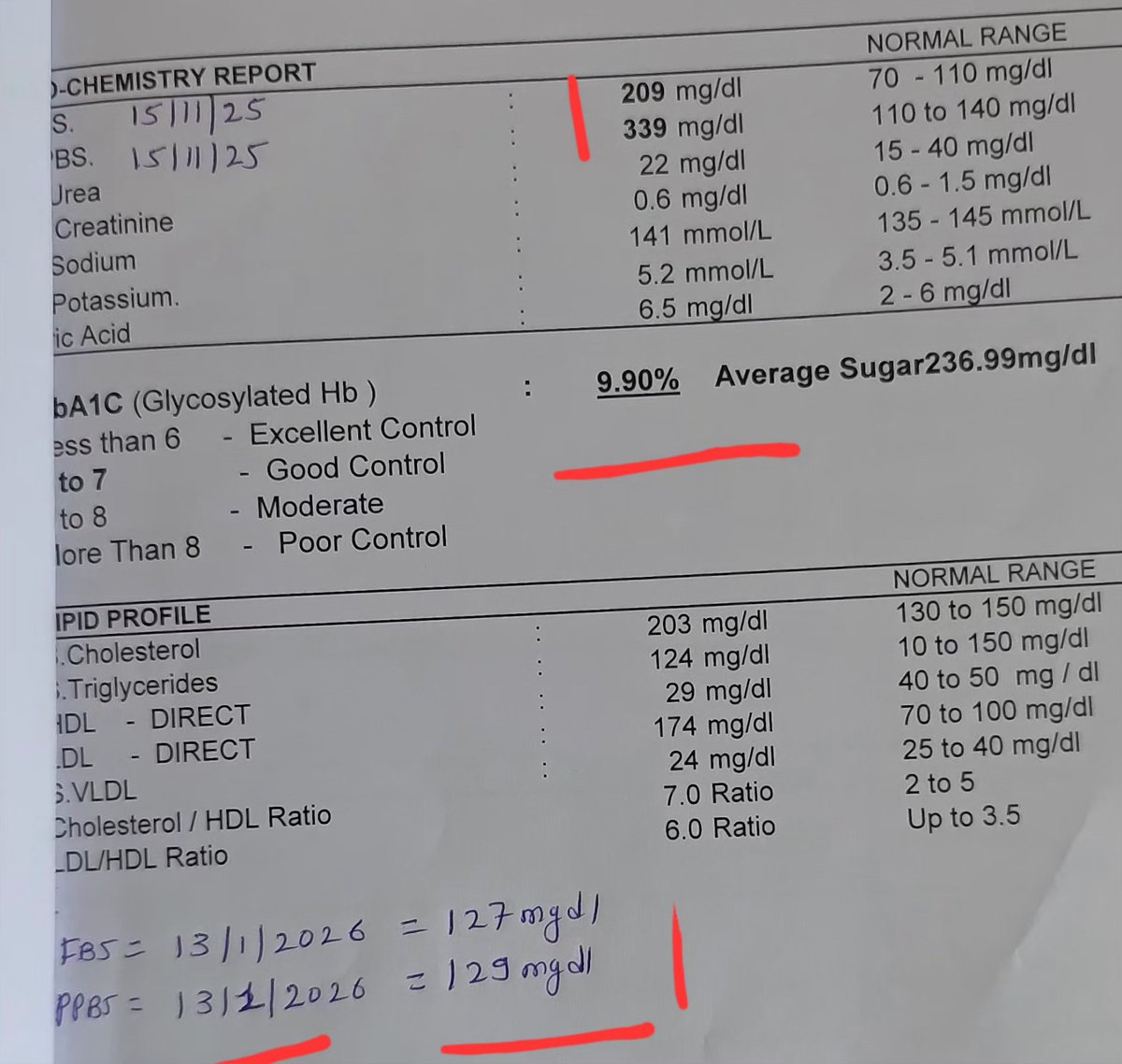
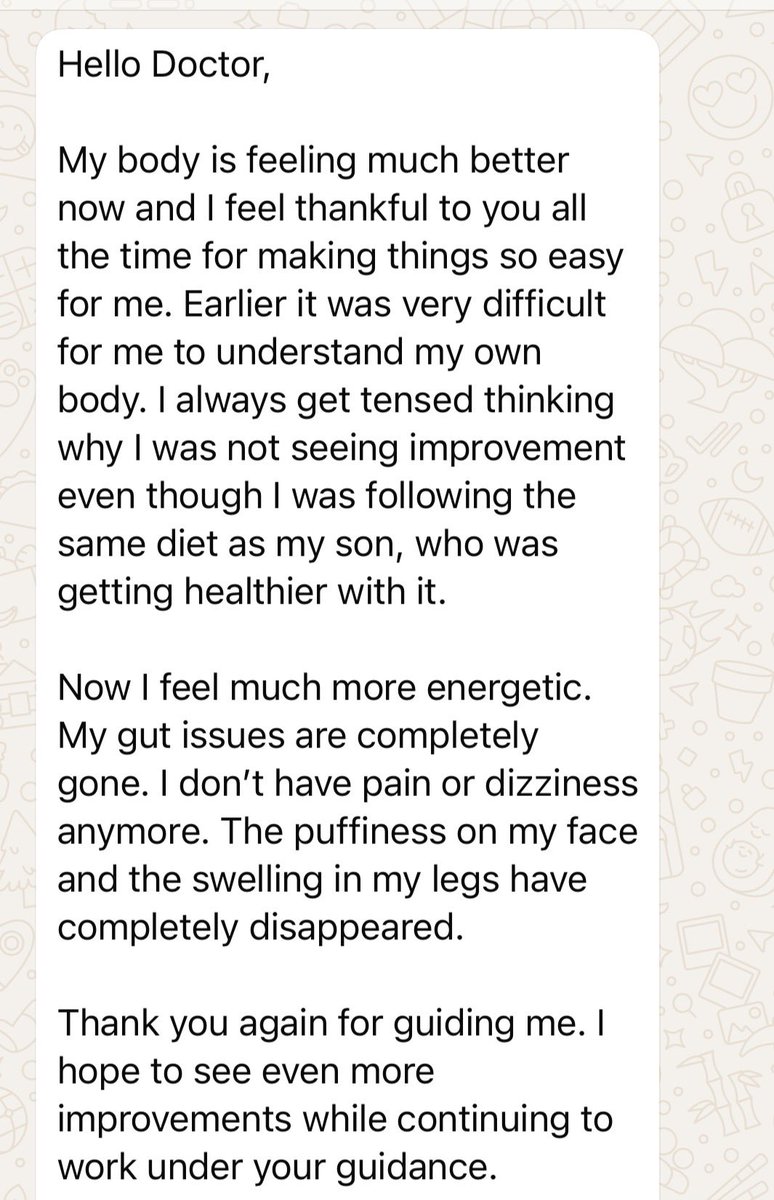
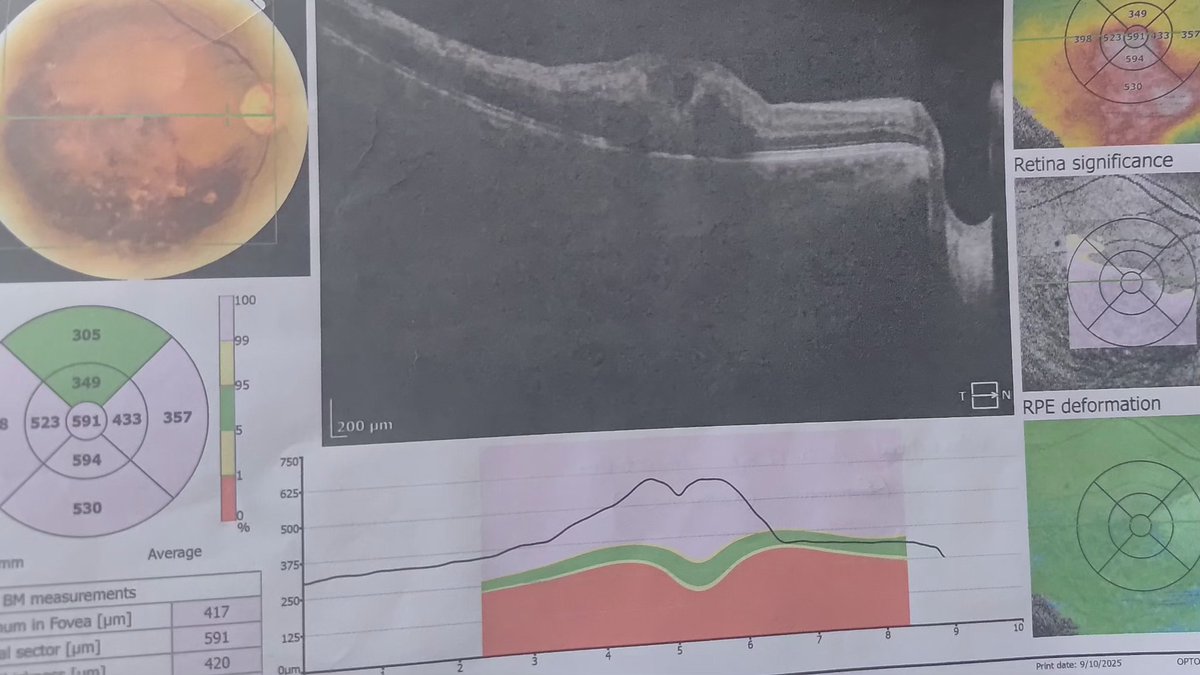
Treating Beyond Sugars! Mr R diabetic for 20 yrs .Tired of going to Dr as he kept on increasing his insulin dose..So left for an year 1 yr later Blurred Vision Retinal Bleed in Rt eye which needed an injection! Needed 40 units insulin Had expulsive haemorrhage on table hence the eye procedure abandoned! Left with blurred eye Immediately referred to haematologist.. Through evaluation: Bleeding and clotting parameters normal. Sent back to Ophthalmologist Repeated visits but no improvement Referred to me. Within a few days sugar started dropping on low carb diet. Stopped insulin! Remarkable improvement in Sugar Nov 25. JAN 26 Fbs 201......... 127 Ppbs 339 129 HBA1C 9.9. 6.6( March 26) But pain n blurred vision remained ! His B12 & VitD levels turned out to be alarmingly low! Supplements were given to improve both Vit D & Vit B12 Within 4 weeks eye issues were significantly better . Enough evidence to say that Diabetic retinopathy is worsened by B12 & Vit D deficiency!& it definitely needs to be taken care of, in India where both these are rampant! Most Drs overlook this & patients suffer even if their Sugars are better! Its never about being happy at the sugar reports on paper or on a glucometer... Diabetes needs much more vigilance & care!
Dr. Sandhya S. Kulkarni tweet mediaDr. Sandhya S. Kulkarni tweet mediaDr. Sandhya S. Kulkarni tweet media
English
1
0
2
265
Dr. Sandhya S. Kulkarni retweetledi
Dr. Jasmeet Kaur (PhD)
Dr. Jasmeet Kaur (PhD)@jasmeet481·
People often over-focus on insulin resistance as a single cause, but while it is important, it is usually a result of deeper dysfunction, not always the starting point. Hunger and satiety are controlled by the Gut-Brain Axis, where the gut senses food quality and sends signals to the brain through hormones like Ghrelin and Leptin. When gut health, nutrient quality, stress, sleep, and lifestyle are poor, this signaling becomes faulty, leading to overeating, cravings, and metabolic stress over time. Insulin resistance then develops as a secondary adaptation to this long-term disruption. So the real issue is not just insulin, it is broken internal signaling, where the gut, nutrients, and hormones are no longer communicating properly. Fixing nutrition and gut health helps restore this signaling, and only then can hunger become a reliable guide again.
English
2
1
10
339
Dr. Sandhya S. Kulkarni
Dr. Sandhya S. Kulkarni@DrSandhyaSK·
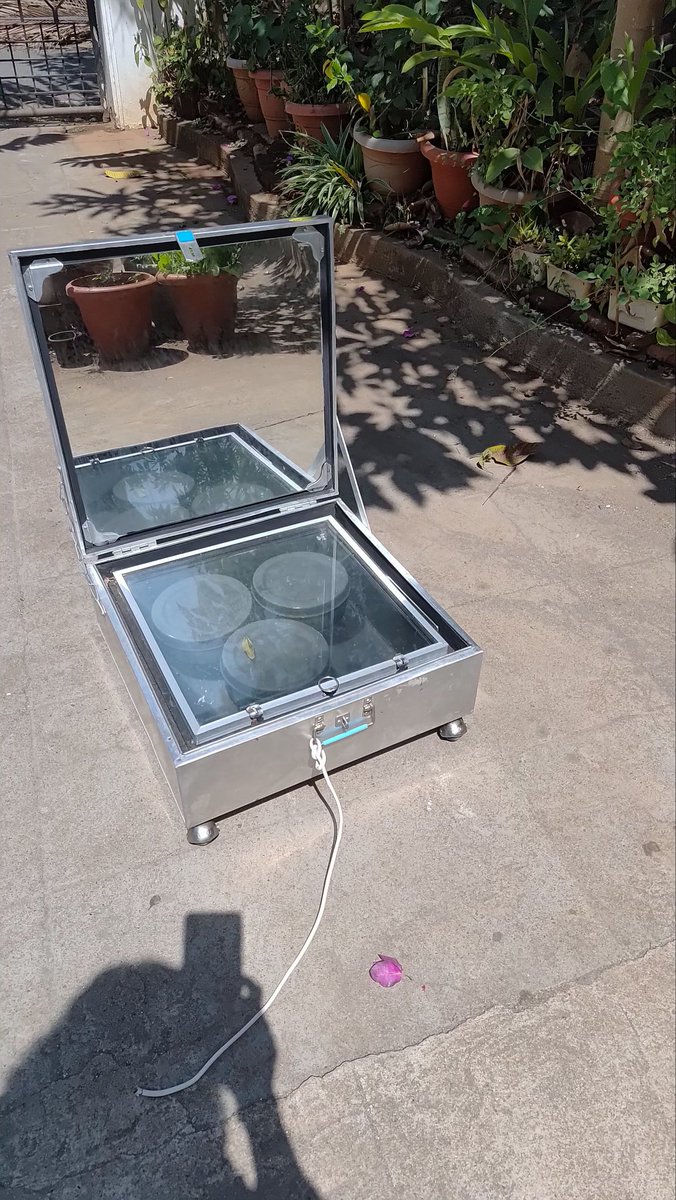
@WebprogrPRO I bought this for 6.5 k from my home town Satara...I always have been having a solar cooker..I have not bought it on amazon.its a local brand..I have been using it throughout summers all these years!
English
0
1
1
33
Dr. Jasmeet Kaur (PhD)
Dr. Jasmeet Kaur (PhD)@jasmeet481·
Case Insight: When We Treat the Whole Body, Not Just the Diet. A 51-year-old woman enrolled with me for multiple health issues: • Weight around 91 kg • Type 2 diabetes • Heavy bleeding during perimenopause • Endometrial hyperplasia (recent D&C) • High blood pressure • Gut issues – burning, burping, incomplete bowel movements • Varicose veins and heaviness in legs • Poor sleep and low energy • Constant puffiness and body heaviness She had already tried low-carbohydrate diets earlier, but the improvements were always limited. This time we did something different. Instead of focusing only on food, we worked on the whole body system. The plan included: • Supporting gut health and digestion • Improving liver function and hormone balance • Correcting nutrient deficiencies • Improving sleep and nervous system balance • Activating muscles and circulation • Supporting flow • And improving food quality Food was just one part of the plan, not the only solution. In just 20 days, she reported: • Noticeable reduction in body puffiness • Better sleep • Higher energy levels and body feels lighter • Improved digestion and having no symptoms. Important truth: Health does not improve by diet alone. Real improvement happens when we understand human physiology and treat the body as one connected system. When gut, metabolism, hormones, circulation, sleep, and nutrients start improving together, the body begins to heal naturally.
Dr. Jasmeet Kaur (PhD) tweet media
English
6
8
26
3K
Dr. Sandhya S. Kulkarni
Dr. Sandhya S. Kulkarni@DrSandhyaSK·
When most in the country are worried about LPG and its availability....i can chill relax and harness the power of sunshine! Sustainability at its best.. No need to supervise.. Fill it... Shut n Eat it! Plus it cooks my veggies.. Makes my ghee N makes my maids rice all at a time! My solar cooker !❤️❤️❤️❤️❤️
Dr. Sandhya S. Kulkarni tweet media
English
1
0
3
172
Dr. Sandhya S. Kulkarni retweetledi
Dr David Unwin
Dr David Unwin@lowcarbGP·
I am often asked if someone following a vegetarian diet can achieve drug free T2 diabetes remission Here is a published case report TEN YEARS !! 🤩
Shashi Iyengar | Metabolic Health India®@shashiiyengar

🚨 Just Released: 10 Years of T2D Remission! 🚨 It is now part of the scientific record. The study documents medication-free remission over a decade, achieved using a low-carbohydrate, lacto-ovo vegetarian diet, with systematic long-term safety evaluation. To our knowledge, this is the first such study conducted globally. What makes this work unique is not just remission, but rigour and duration. For most of this period (approximately 70-75%), I followed a ketogenic diet; during the remaining time, I followed a low-carbohydrate diet with carbohydrate intake below 100 g/day. This is a prospective N-of-1 longitudinal study, followed for a full decade, with repeated assessments across multiple domains: •Glycaemic control (HbA1c, fasting glucose, CGM) 🩸 •Insulin dynamics 🧬 •Advanced lipids including ApoB and Lipoprotein(a) •Inflammatory markers 🔥 •Liver and renal function (including cystatin-C) •Serial coronary artery calcium scans 🫀 •CT coronary angiography 🫀 •Carotid imaging (CIMT) •Bone mineral density (DEXA) 🦴 •Detailed ophthalmic imaging 👁️ Starting Hba1c was 7.2%. FBS 152 & PPBS 253 mg/dl. Achieved remission in the 4th month with Hba1c of 5.2% Over 10 years: •HbA1c, FBS & PPBS remained consistently in the non-diabetic range •Average Hba1c was 5 in 10 years. (4.7 to 5.3) •Average LDL and ApoB remained higher than recommended, but stable •No microvascular complications •No macrovascular disease •No deterioration in renal, skeletal, or ophthalmic health This was achieved without diabetes medication. Importantly, this is an Indian study. The dietary pattern was: •Low carbohydrate •Lacto-ovo vegetarian •Culturally adapted •Sustained for 10 years in a South Asian individual with the MONW (Metabolically Obese Normal Weight) phenotype This directly addresses a major gap in the literature: the absence of long-term, real-world safety data for low-carbohydrate approaches in South Asian, predominantly vegetarian populations. It demonstrates that: •Long-term remission is possible •Sustainability over a decade is possible •Comprehensive safety monitoring is feasible •Replication at larger scale is testable The intent of this work is not to prescribe, but to inform, challenge existing assumptions, and invite replication. As an N-of-1 longitudinal study, these findings are not generalizable by design. They are hypothesis-generating and intended to inform larger, prospective cohorts. India carries one of the highest diabetes burdens globally. Evidence addressing sustainability must emerge from within this context. This study is now part of the scientific record. Big thanks to Dr Jasmeet Phd @jasmeet481, whose relentless effort and scientific rigour made this study possible. She invested enormous time and care in shaping the manuscript and strengthening it to publication standard. Grateful to my guru, Anup Singh, who introduced me to low-carb nutrition in 2015 at the time of my Type 2 diabetes diagnosis. His guidance laid the foundation for my 10-year low-carb journey. Thank you to Arun Kumar who helped me when I was newly diagnosed. Big Thanks to the 3 doctors who were part of my 10 years journey & are the co-authors also. Dr Sharat Kolke MD (Med) - Physician - Criticare Asia Hosp. - Mumbai Dr Mihir Raut - MD - Diabetologist - Nanavati Max Hosp - Mumbai Dr R K Singh MD DM (Interventional Cardiologist) - Gandhi Medical College - Bhopal frontiersin.org/journals/nutri…

English
8
36
112
11.4K
Shashi Iyengar | Metabolic Health India®
🚨 Just Released: 10 Years of T2D Remission! 🚨 It is now part of the scientific record. The study documents medication-free remission over a decade, achieved using a low-carbohydrate, lacto-ovo vegetarian diet, with systematic long-term safety evaluation. To our knowledge, this is the first such study conducted globally. What makes this work unique is not just remission, but rigour and duration. For most of this period (approximately 70-75%), I followed a ketogenic diet; during the remaining time, I followed a low-carbohydrate diet with carbohydrate intake below 100 g/day. This is a prospective N-of-1 longitudinal study, followed for a full decade, with repeated assessments across multiple domains: •Glycaemic control (HbA1c, fasting glucose, CGM) 🩸 •Insulin dynamics 🧬 •Advanced lipids including ApoB and Lipoprotein(a) •Inflammatory markers 🔥 •Liver and renal function (including cystatin-C) •Serial coronary artery calcium scans 🫀 •CT coronary angiography 🫀 •Carotid imaging (CIMT) •Bone mineral density (DEXA) 🦴 •Detailed ophthalmic imaging 👁️ Starting Hba1c was 7.2%. FBS 152 & PPBS 253 mg/dl. Achieved remission in the 4th month with Hba1c of 5.2% Over 10 years: •HbA1c, FBS & PPBS remained consistently in the non-diabetic range •Average Hba1c was 5 in 10 years. (4.7 to 5.3) •Average LDL and ApoB remained higher than recommended, but stable •No microvascular complications •No macrovascular disease •No deterioration in renal, skeletal, or ophthalmic health This was achieved without diabetes medication. Importantly, this is an Indian study. The dietary pattern was: •Low carbohydrate •Lacto-ovo vegetarian •Culturally adapted •Sustained for 10 years in a South Asian individual with the MONW (Metabolically Obese Normal Weight) phenotype This directly addresses a major gap in the literature: the absence of long-term, real-world safety data for low-carbohydrate approaches in South Asian, predominantly vegetarian populations. It demonstrates that: •Long-term remission is possible •Sustainability over a decade is possible •Comprehensive safety monitoring is feasible •Replication at larger scale is testable The intent of this work is not to prescribe, but to inform, challenge existing assumptions, and invite replication. As an N-of-1 longitudinal study, these findings are not generalizable by design. They are hypothesis-generating and intended to inform larger, prospective cohorts. India carries one of the highest diabetes burdens globally. Evidence addressing sustainability must emerge from within this context. This study is now part of the scientific record. Big thanks to Dr Jasmeet Phd @jasmeet481, whose relentless effort and scientific rigour made this study possible. She invested enormous time and care in shaping the manuscript and strengthening it to publication standard. Grateful to my guru, Anup Singh, who introduced me to low-carb nutrition in 2015 at the time of my Type 2 diabetes diagnosis. His guidance laid the foundation for my 10-year low-carb journey. Thank you to Arun Kumar who helped me when I was newly diagnosed. Big Thanks to the 3 doctors who were part of my 10 years journey & are the co-authors also. Dr Sharat Kolke MD (Med) - Physician - Criticare Asia Hosp. - Mumbai Dr Mihir Raut - MD - Diabetologist - Nanavati Max Hosp - Mumbai Dr R K Singh MD DM (Interventional Cardiologist) - Gandhi Medical College - Bhopal frontiersin.org/journals/nutri…
Shashi Iyengar | Metabolic Health India® tweet media
English
58
60
224
39.8K
Dr. Sandhya S. Kulkarni
Dr. Sandhya S. Kulkarni@DrSandhyaSK·
@sandeepvarma15 I am post menopausal....i run as a hobby ..n I have been discouraged! I care a damn. Most Drs are ignorant about such things and when I am doing weights i also take creatine..which is again a NO for women...as its thought to be made on my for Gym Bros.....ignorance at its best!
English
1
0
1
14
SandeepVarma
SandeepVarma@sandeepvarma15·
And there was another obese orthopedic surgeon advising my wife after her road accident, not to run as running is not good for women in the menopausal stage. I had to tell him on his face to focus only on accident related advice as he is not fit to give lifestyle and physical fitness related advice.
docyogi@docyogi1

Q: What happens when an Orthopaedician takes his hobby seriously? A: He becomes the second fastest Indian in a marathon on Indian soil. Take a bow Dr Kartik Karkera. (Will he really care about the prefix?)

English
5
0
13
1.3K
Nutrition Network
Nutrition Network@NutritionNetwrk·
We are thrilled to officially welcome our newest 2026 Coach Certification Cohort! The Coach Practitioner Program brings together a uniquely crafted syllabus, blending expertly trained coaching and LCHF mentoring. By being part of this exclusive group of Coach Practitioners, you now set yourself apart as an advanced-level LCHF Coach and mentor. To our new students: You are now at the frontline of a health revolution. We are honored to be part of your journey. Join us in celebrating the Cohort of 2026 in the comments below! 👇 #NutritionNetwork #CoachCertification #MetabolicHealth #LCHF #HealthCoach #ClinicalExcellence #Cohort2026
Nutrition Network tweet media
English
4
4
5
403
Dr. Sandhya S. Kulkarni
Dr. Sandhya S. Kulkarni@DrSandhyaSK·
When people discourage others ....it often is their fear or inability to do the same! They often fear that the one who was discouraged might do it better than themselves!! As you say it isn't about diet it is actually about loads of things in life!.. And such Human tendencies are so common...out of ego ,jealousy fear n what not!
English
0
1
7
893
Shashi Iyengar | Metabolic Health India®
Choosing not to do something doesn’t give anyone the right to discourage others who do. I say this from experience. I’ve repeatedly seen people discourage others from low carb, simply because they wouldn’t choose it themselves. If someone is informed, willing, and seeing benefits, discouraging them helps no one. Different paths work for different people. This applies to all walks of life.
English
4
8
29
1.5K
Dr. Sandhya S. Kulkarni
Dr. Sandhya S. Kulkarni@DrSandhyaSK·
Orthorexia "Un healthy Obsession with eating pure, clean or healthy food! Disheartened to see one of my favorite News Channels broadcast so much wrong information! Palki SharmaUpadhyay representing the Wion channel Gravitas, Speaks a wee bit of sense as she speaks about gluten, vitamin water !& says how Indians & the world are obsessed with social media posts about health! But says Women need 46 gms/ protein per day & Men 56gms! (How??) By consuming whey protein ( which is unnecessary.. one booms that Industry!) Need not worry if the target protein intake is not achieved! Speaks of CALORIE DEFICIT as the best way to lose weight ... & cut junk if you want to stay healthy ! Unbelievable that a prominent news channel speaks like this! Palki SharmaUpadhyay ji read up ! You are spreading the wrong word! Unacceptable!
Dr. Sandhya S. Kulkarni tweet media
English
0
0
2
199
Dr. Sandhya S. Kulkarni
Dr. Sandhya S. Kulkarni@DrSandhyaSK·
@jasmeet481 That's true! However very often Post prandial C peptide is not done!.It rises well before C peptide in fasting state n is a better indicator of Insulin resistance & insulin Demand.This is very commonly seen in South Asian population, Pcos & in NAFLD too
English
0
0
1
52
Dr. Jasmeet Kaur (PhD)
Dr. Jasmeet Kaur (PhD)@jasmeet481·
@DrSandhyaSK So basically, Fasting insulin + C-peptide together can act as a functional “metabolic clearance test” especially of the liver while also reflecting whole-body insulin demand.
English
1
0
2
180
Dr. Sandhya S. Kulkarni
Dr. Sandhya S. Kulkarni@DrSandhyaSK·
Going beyond Blood Glucose❤️!!!! One more intresting case! Ms S is 31 years & lives in the US Was detected to have PCOs & stated on Metformin 1500mg/ day at bed time & Birth Control pills since past 1 year . She is a thin girl She remembered her Fasting insulin was 18.6 when she was diagnosed to have PCOS She wanted reassessment & we did it! Her Fasting sugar 67 Post Prandial 87 HbA1C 4.5❤️ Fasting Insulin 5.55 Post prandial Insulin 105.6😱🔴 Post Prandial CPeptide 12.3🔴 Tg/ HDL ratio 3.3🔴 Homocysteine 8.7🔴 HsCRP 1.69🔴 Vit B12 316.29🔴 Vit D 21.39🔴 Ms S was told she was fine with whatever she was given in the US! & she was happy with her regular periods! We found many metabolic Abnormalities with her Sugars & HbA1C completely Normal! 🔴SHOULD WE STOP HERE?🔴 I chose to go BEYOND GLUCOSE! MS S had very high CPeptide Levels in the Post Prandial state!. What does that Indicate? I went ahead and Did her PCPR ratio. (CPeptide/ Bld Glucose Ratio) It turned out to be .14 🔴🔴🔴🔴 (NORMAL BEING 0.020 to 0.050) A high PCPR ratio is strongly associated with various metabolic Abnormalities & insulin resistance! 🔴What post-prandial C-peptide actually tells you? C-peptide is released 1:1 with endogenous insulin, But Not extracted by the liver Has a longer half-life Is not affected by exogenous insulin ☀️☀️☀️ So post-meal C-peptide = true β-cell secretory burden☀️☀️☀️ ☀️Earliest marker of compensatory hyperinsulinemia Before glucose rises: Post-meal insulin may fluctuate Post-meal C-peptide stays consistently elevated 🔴🔴 Indicates β-cell overdrive despite “normal” sugars( evident in her case) Differentiates hypersecretion vs reduced clearance High insulin can mean: ↑ secretion or ↓ hepatic insulin clearance ☀️ High C-peptide confirms"TRUE HYPERSECRETION"! ☀️ Normal C-peptide with high insulin → reduced hepatic clearance ❤️This distinction is clinically huge. ☀️ C peptide is a better marker of insulin resistance severity Post-prandial C-peptide correlates with: HOMA-IR Insulin resistance Visceral adiposity NAFLD severity ☀️Especially useful in Asian Indian phenotype where fasting indices underestimate IR. ☀️ Predicts cardiometabolic risk (independent of glucose) Elevated post-meal C-peptide is associated with: 🔴Endothelial dysfunction 🔴Increased arterial stiffness 🔴Hypertension Atherosclerosis progression Several cohort studies show C-peptide predicts CV events better than insulin. ☀️ Microvascular relevance (often overlooked) C-peptide excess is linked with: Pro-inflammatory signaling Vascular smooth muscle proliferation Increased capillary permeability ☀️ Utility in women (PCOS & perimenopause) Post-meal C-peptide: Reflects ovarian insulin exposure Correlates with androgen excess Helps stratify metabolic risk in lean PCOS Often rises during perimenopause before fasting insulin does ☀️Distinguishes diabetes subtypes & treatment response Post-prandial C-peptide helps: Identify preserved β-cell function Differentiate T2DM vs LADA ❤️SO DID WE STOP AT HER GLUCOSE??? 🔴🔴NO!!🔴🔴 She was Councelled with Dietary changes... ❤️Emphasizing on ❤️ Low Carb ❤️Strength Training ❤️Stress Management ❤️Sleep With a detailed explanation of Her increased risk of developing T2DM in future & Other cardiovascular complications in view of severe Insulin Resistance as indicated by her PCPR ratio! We hope to hear from Ms S in future as she applies these suggestions in her life & gets back to us!
English
1
1
7
381
Shashi Iyengar | Metabolic Health India®
HbA1c. Same person. Same lab. Same calendar day. 10 years apart. · Sept 2015: Diagnosed with Type 2 Diabetes (HbA1c 7.2) · 28 Jan 2016: First remission marker (HbA1c 5.2) · 28 Jan 2026: HbA1c 5.2 again This is 10 years of sustained remission. No medication. Low-carb nutrition. Relentless consistency. And respect for data. Remission is not an event. It is a daily practice, repeated for years. Some ask wonder I keep posting my blood sugar data so often. This is why: To demonstrate that my work is backed by data, not empty claims. I have 10 years of data, and I’ve shared it consistently over the years on X. I don’t just talk. I live the life. I aim to improve the metabolic health of India by being a role model.
Shashi Iyengar | Metabolic Health India® tweet media
English
24
24
166
23.9K
Dr. Sandhya S. Kulkarni
Dr. Sandhya S. Kulkarni@DrSandhyaSK·
Indian Women: Walking & Simple Yoga is NOT Enough! Exercise during peri/ menopause. A woman's physiology changes massively during Perimenopause & Menopause. She undergoes 🔴Decline in Estrogen & Progesterone 🔴Accelerated Sarcopenia & Bone loss 🔴Increased Central Fat ( Visceral) & Insulin Resistance! 🔴Behavioural Changes ( Mood & Cognition) The impact of Estrogen leads to decrease in the muscle mass .5 to 1% per year after menopause 🔴Bone density loss accelerates! 1 to 2% per year 🔴There is a high risk of fractures and fragility 🔴Reduced metabolic rate & energy expenditure! To Avoid all This, STRENGTH TRAINING IS THE KEY! It helps in maintaing : Hormonal, Metabolic Bone & Mental Health! ☀️The right mix of resistance + aerobic activity,+ balance/ mobility offsets sarcopenia,osteoporosis & insulin resistance while supporting Mood sleep & Cognition!☀️ Aim weekly for 🔴 2 to 3 Resistance Training sessions per week Build up slow! 🔴 150 to 300 mins/ week of Brisk walk/ cycling/ swimming 🔴HIIT 1 to 2 sessions per week if joints allow! 🔴Balance & Fall prevention! Single leg stance. Tandem walk TaiChi/ Yoga 🔴Flexibility & Mobility : Daily gentle stretching, dynamic warm ups, foam rolling etc to reduce stiffness! ITS VERY IMPORTANT TO HAVE APPROPRIATE NUTRITION : Protein support 1.2 to 1.6 g/ kg body weight, Vit D & Other nutraceuticals as per need! Avoid overstraining, Protect Sleep & Recovery! RESISTANCE TRAINING IS MEDICINE!! Why strength training is non-negotiable for Indian women? Indians are born with less muscle Compared to Western populations, Indians have: 🔴Lower skeletal muscle mass 🔴Higher body fat % at the same BMI 🔴More visceral fat (metabolically dangerous) Muscle is the largest glucose sink in the body. Less muscle = glucose has nowhere to go = insulin resistance. 😱No amount of walking alone fixes this! So dear women of perimenopausal & Menopausal ages .. give priority to STRENGTH TRAINING....WALKING IS NOT ENOUGH!
Dr. Sandhya S. Kulkarni tweet media
English
0
5
19
1.3K
Dr. Sandhya S. Kulkarni
Dr. Sandhya S. Kulkarni@DrSandhyaSK·
Looking beyond glucose!❤️ RETINOPATHY is NOT ALWAYS DIABETES! Ms P is 47 yrs old university professor & walked into my clinic with a a file of her blood work! 🌷No Hypertension BP 110/ 76mmHg 🌷No Diabetes Fbs 76 , PPbs 114 HbA1C 5.1 🌷Her Triglycerides were 126 & Her HDl was 46..TG / HDL ratio >2 But Ms P was having blurred Vision in her right eye She had visited a Retinologist Her Diagnosis was: Retinal Bleed ,secondary to BRVO..branch retinal vein occlusion! She also had Macular edema! 🔴She was told they could not find a cause ...& that's why she walked into my clinic We did some blood work! 🌶Her Fasting Insulin was 28 🌶Pp insulin was 208 🌶Homa IR 5.4 🌶Hs CRP 4.8 🌶Homocysteine 12 🌶VitB12 274 🌶VitD 10.9 🌶Uric acid was 8.8 She had many tiny growths on her neck A classic case of Hyperinsulinemia & insulin resistance! How does highInsulin affect Retina? Retina is extremely sensitive to Insulin Glucose Vascular Signalling Abnormalities! Chronically high insulin causes: 🔴Decreased NO ( Nitric oxide) leading to Vasoconstriction Capillary Hypoperfusion Basement Membrane Thickening! 🔴VEGF Increased insulin leads to Increased Vascular Endothelial Growth Factor ( VEGF) Expression! Leading to Increased Vascular permeability, Microaneurysms Neovascularization 🔴Retinal Inflammation : Commonly associated with high insulin levels Leading to activation of various molecules like ICAM, TNF, IL6 etc This leads to Oxidative stress 🔴Breakdown of Blood Retinal Barriers! Leading to changes in Pericytes & Macular edema! All these changes can occur even before the HbA1C crosses the Diabetes Range! My patient did not have Diabetes! She was severely Insulin Resistant! Her RETINOPATHY ,MACULAR EDEMA & BRVO were all secondary to METABOLIC ILLNESS! Look Beyond Glucose! RETINOPATHY DOESNOT ALWAYS MEAN UNCONTROLLED DIABETES & HYPERTENSION! Mrs P has been advised supplements & changes in Nutrition in the form of low carb diet.. Will update once she follows up!
Dr. Sandhya S. Kulkarni tweet mediaDr. Sandhya S. Kulkarni tweet media
English
1
7
22
2.4K
Dr. Sandhya S. Kulkarni
Dr. Sandhya S. Kulkarni@DrSandhyaSK·
Vit B12 & Hypertension What is the relation? Mr S a 55 y/o male came to the opd with a BP of 180/ 120 mmHg with c/o tiredness,acidity issues ! On detailed history ,he was a pure vegetarian, walked daily for an hr and often took antacids on his own! On investigation he had 🔴B 12 192.97 🔴Homocysteine 46 🔴Uric acid 8.8 🔴Fasting Insulin 11.45 But what is the relation between B12 & Hypertension? Vitamin B12 deficiency and hyperinsulinemia are biochemically and clinically interconnected, especially in insulin-resistant states (very relevant in Indian patients). ☀️Hyperinsulinemia → Vitamin B12 deficiency (common & under-recognized) Insulin resistance is associated with: Altered bile acid signaling Gut dysbiosis( here cause of is acidity issues!) These impair B12 release and absorption ☀️Chronic inflammation & oxidative stress Hyperinsulinemia → ↑ inflammatory cytokines Increases cellular demand for methylation & it also accelerates B12 depletion at tissue level Vitamin B12 deficiency → Hyperinsulinemia (reverse causality) ☀️Impaired insulin signaling via homocysteine B12 deficiency → ↑ homocysteine Homocysteine causes: Oxidative stress Endoplasmic reticulum stress Impaired insulin receptor phosphorylation ☀️ Leads to insulin resistance → compensatory hyperinsulinemia Epigenetic & methylation defects B12 deficiency ↓ SAM (S-adenosylmethionine)..this Results in: Altered gene expression of insulin signaling pathways Impaired glucose transporter (GLUT4) expression ☀️ Fetal and early-life B12 deficiency strongly linked to adult insulin resistance (Indian cohort studies). ☀️Mitochondrial dysfunction Elevated MMA ( methyl malonic acid) in B12 deficiency interferes with: Fatty acid oxidation TCA cycle efficiency which leads to lipotoxicity, worsening insulin resistance Clinical consequences of the B12–Hyperinsulinemia loop Vicious cycle: Hyperinsulinemia → B12 deficiency → ↑ homocysteine & mitochondrial stress → insulin resistance → ↑ insulin This contributes to: 🔴Resistant insulin resistance 🔴Visceral adiposity 🔴Endothelial dysfunction 🔴Hypertension & PCOS 🔴NAFLD progression. Mr S has been explained the cause of his Hypertension has been put on B12 supplements ( injectable) adviced on Dietary changes in the form of a high protein low carb diet His BP is being monitored and he is much better at 150/ 90 at present! & told to follow up regularly .. Will update as he progresses!
Dr. Sandhya S. Kulkarni tweet media
English
0
2
13
467