
DUDA 🦭 EMOJI SB19 feat Jolin retweetledi

DUDA 🦭 EMOJI SB19 feat Jolin
13.2K posts

@Dudsb19
•Fan Account para os meus Favs• De tudo um pouco ✨️ mas com foco especial no SB19 💙 Brasil
“Meu trabalho é viver sob o olhar do público. Não é conviniente, mas eu não ligo em como os outros me veem e nunca leio a opinião dos outros sobre mim. Então não acho que seja particularmente difícil” ele fala sorrindo, simplesmente AMO a mente do yoongi, que mentalidade forte

Chegamos Filipinas 🇧🇷🫂🇵🇭 @SB19Official #SB19
Que entrevista incrível!

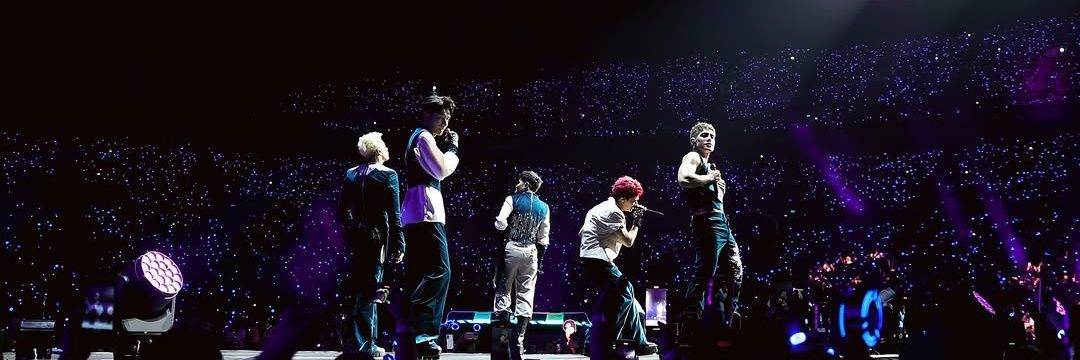
OPINION: “We have world-class talent. What we need is support—real, sustained support.” — Lea Salonga That call has been echoed for years, but now, it feels more urgent—and more possible—than ever. With acts like BINI and SB19 breaking through global noise, P-pop is no longer just a local curiosity. It’s an emerging force. The question is: will we, as a country, treat it that way? Here’s why Filipinos—and the Philippine government—should rally behind P-pop as a serious global industry. A. P-POP AS A CULTURAL EXPORT When South Korea invested in K-pop, it wasn’t just building a music scene—it was reshaping its global identity. Today, the “Korean Wave” influences everything from skincare to cinema. It made the world curious about Korean culture, language, and lifestyle. P-pop has that same potential. Groups like BINI and SB19 are proudly Filipino in sound, language, and storytelling. They don’t hide their roots—they amplify them. When international fans stream their songs or watch their performances, they’re not just consuming music; they’re engaging with Filipino culture. Imagine a world where Filipino phrases, aesthetics, and stories become globally recognizable—not as niche, but as mainstream. That shift in perception has long-term value. It builds soft power. It creates pride. B. LONG-TERM ECONOMIC BENEFITS Let’s talk numbers—because this isn’t just about art, it’s about industry. Music acts today are ecosystems. They don’t just release songs—they sell out concerts, move merchandise, secure brand deals, and drive digital streams across platforms. SB19 has already proven it can fill arenas. BINI is quickly building a fanbase that’s just as mobilized and global. Now multiply that across multiple successful P-pop acts. That means: • More jobs across production, marketing, styling, and events • Increased tourism (fans traveling for concerts, fan meets, festivals) • Export revenue from music, merch, and licensing Look at how fans travel to Seoul for concerts and K-pop experiences. There’s no reason Manila, Cebu, or even regional cities can’t become similar destinations. A strong P-pop industry isn’t just entertainment—it’s an economic engine. C. A GATEWAY TO OTHER FILIPINO PRODUCTS Music opens doors—and once people are in, they start exploring everything else. Fans who discover BINI or SB19 don’t stop at the songs. They get curious: • What food do they eat? (Hello, adobo and halo-halo) • What are they wearing? (Filipino designers, streetwear, modern barong) • Where are they from? (Tourism, culture, destinations) This is how global consumption works today—it’s interconnected. P-pop can serve as the entry point to a wider Filipino brand: our food, our fashion, our creativity, our stories. It’s a ripple effect that benefits multiple industries, not just music. At the end of the day, this isn’t about chasing trends—it’s about recognizing what we already have. Filipinos are undeniably musical. From karaoke nights to global stages, the talent has always been there. What’s been missing is a unified push—a belief that this can be more than individual success stories. P-pop gives us that opportunity. If we support it—seriously, strategically, and collectively—we’re not just building pop stars. We’re building a global Filipino presence. And this time, we don’t have to wait for the world to discover us by accident. We can make it happen on purpose. #radarPH



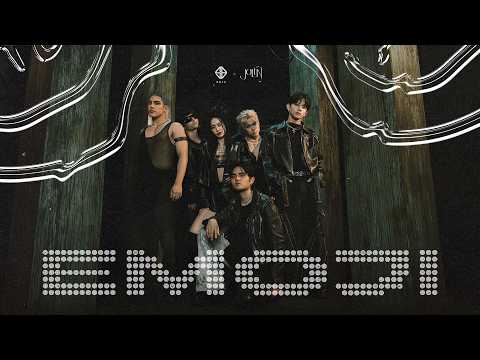

SUMAM COM ESSE VÍDEO, PELO AMOR DE DEUS


