Digital Dynasty/π²/ base.eth
3.8K posts

Digital Dynasty/π²/ base.eth
@Dynastyproof
In a world where digital technologies have become the new reality and traditional systems have given way to decentralization, the DD community was born
Ukraine Katılım Temmuz 2020
1.2K Takip Edilen332 Takipçiler
Sabitlenmiş Tweet

Most people in DeFi aren’t earning yield.
They are the yield.
Sounds harsh — but if you can’t clearly explain where your returns come from,
there’s a high chance someone else is earning on you.
Quick thread 👇
__________________________________________________
DeFi UX is dangerously good.
Click → Deposit → Watch numbers go up.
40% APY feels like you made a smart move.
But good UX often hides bad understanding.
__________________________________________________
Here’s the part no dashboard shows you:
APY − hidden costs − risk = your real return
And those “hidden” parts?
– impermanent loss
– fees & slippage
– volatility
– rebalancing mistakes
That 40% can shrink fast.
__________________________________________________
So where does yield actually come from?
There are only a few real sources:
→ traders paying fees
→ borrowers paying interest
→ inefficient users getting arbed
→ liquidations
→ token incentives (usually temporary)
If you don’t know which one you’re relying on — pause.
__________________________________________________
Uncomfortable truth:
In markets, money doesn’t appear.
It moves.
From less informed participants → to more informed ones.
If you’re not sure which side you’re on…
that’s already a signal.
__________________________________________________
Same protocol. Different results.
Person A: chases the highest APY
Person B: understands structure, risk, and costs
Institutions? They don’t even enter without a model.
This isn’t luck. It’s process.
__________________________________________________
The shift already started:
From → chasing yield
To → engineering it
That means:
– thinking in net returns
– managing risk first
– acting systematically, not emotionally
– rebalancing with intent
Tools like Concrete Vaults help automate this — removing guesswork and structuring exposure.
__________________________________________________
Simple idea to keep:
Yield is not a number on your screen.
It’s:
revenue − costs − risk
Once that clicks, you stop chasing APYs
and start building returns.
That’s when DeFi actually starts working for you.
Explore Concrete →__________________________________________________
English

Digital Dynasty/π²/ base.eth retweetledi

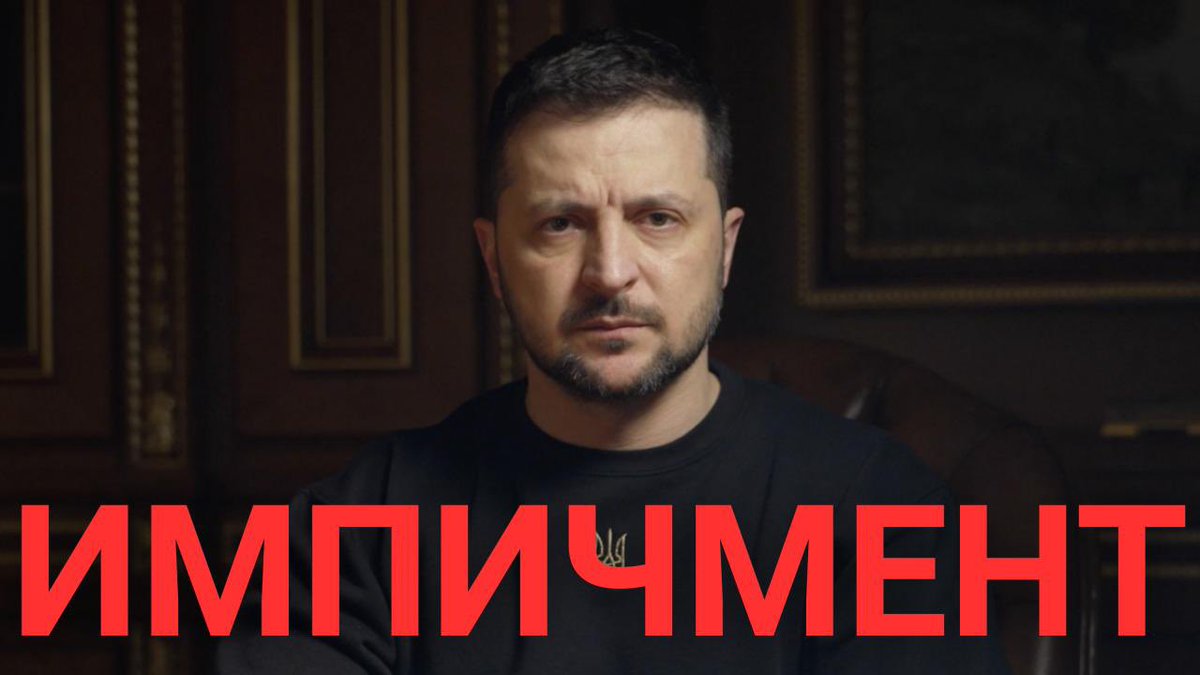
Статья 111 Конституции Украины и статья 2 Закона Украины “Про особливу процедуру усунення Президента України з поста (імпічмент)”.
Відповідно до статті 111 Конституції України та статті 2 Закону України “Про особливу процедуру усунення Президента України з поста (імпічмент)”, Президент України може бути усунений з поста в порядку імпічменту у разі вчинення ним державної зради або іншого злочину.

Українська
Digital Dynasty/π²/ base.eth retweetledi

Some apps are for killing time
LAB Mobile is for accidentally losing track of it
If your weekend somehow still has free screen time left
We may have a solution for that 👇
LAB@LABtrade_
Meet the LAB Mobile app Trading is changing. It's faster, more social, more connected than the tools have ever admitted. We built the one that catches up Built for how we actually trade Built for who we actually trade with Built for the people who've been here the whole time The whole experience, in your pocket, in one tap Download now 👇
English
Digital Dynasty/π²/ base.eth retweetledi

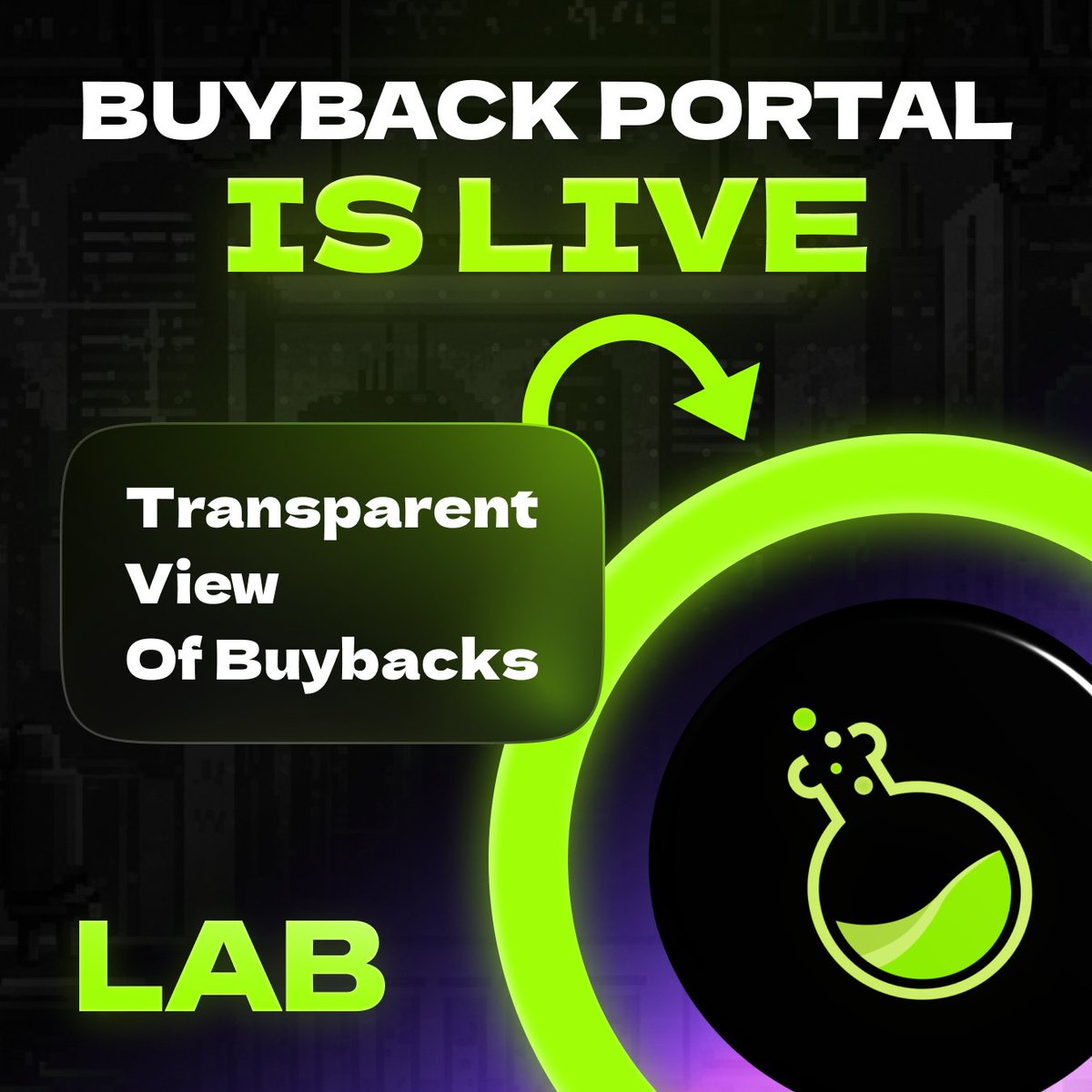
The LAB Buyback Portal puts everything on full display
> A record of all buyback executed
> A clear overview of buybacks’ value & contribution
> Transparent stats of the LAB revenue spent on buybacks
All stats are visible. Verifiable by anyone
Explore the Buyback Portal: buyback.lab.pro

English

DeFi Doesn't Remove Trust — It Engineers It
When I first got into DeFi, I bought the pitch completely.
"Trustless." "Permissionless." "Code is law." No banks, no middlemen, no humans who could screw you over. Just math.
Then I watched a bridge get drained for $600 million. Then a governance vote that three wallets basically decided. Then an oracle manipulation that liquidated thousands of positions in minutes.
And I started asking a question I should have asked earlier: where did all the trust actually go?
The Myth We Sold Ourselves
The "trustless" narrative made sense as a reaction to traditional finance. Replace the humans with code, remove the trust, problem solved.
But here's what nobody put in the whitepaper: you can't engineer trust out of a system. You can only move it.
And when you move it without thinking carefully about where it lands, you don't get a trustless system. You get a system where trust is hidden — which is actually worse.
Where Trust Actually Lives
Walk through any major DeFi protocol and start pulling on threads.
Smart contracts — you trust the code does what the docs say, the audit caught everything, the deployment matches the audited version. That's a lot of assumptions stacked on each other.
Oracles — your entire risk model depends on price feeds being accurate. The Mango Markets exploit wasn't a smart contract bug. Someone manipulated the oracle and drained $100 million because of it.
Bridges — Ronin, Wormhole, Nomad. The list of bridge exploits reads like a casualty report. "Trust the validators" is still trust.
Governance — most DAO votes get decided by a handful of large holders. The community controls it, technically. In practice, three wallets do.
Trust didn't disappear. It just stopped being labeled.
Decentralization Theatre
A protocol sets up a 7-signer multisig. Sounds distributed. But four signers are founders, two are investors, and one DAO rep never participates. In a real emergency, three people make the call.
Or: a timelock delays governance execution by 48 hours. Great. But if there's a live exploit draining funds, what exactly is the community supposed to do? Watch?
The appearance of decentralization can make systems less safe — because it creates the illusion of distributed accountability while concentrating real power in ways that can't respond quickly when things go wrong.
What Engineered Trust Actually Looks Like
Here's the reframe: trust isn't the enemy. Unexamined trust is.
Mature financial systems don't pretend trust doesn't exist. They define it, structure it, make it explicit and auditable.
Engineered trust means clear roles with defined permissions, constraints enforced at the protocol level, and response mechanisms that can actually activate during a crisis — not after.
Institutional capital isn't sitting on the sidelines because yields aren't good enough. It's waiting because the risk infrastructure isn't mature enough. And "trust the code" isn't a risk framework. It's a slogan.
Code Can't Handle Everything
Automated systems are great at handling situations they were designed for. They are not good at handling situations nobody thought of.
Every major DeFi incident had at least one moment where a human with the right permissions could have stopped it — if the system had been built to allow that intervention.
Real operational security means monitoring that catches anomalies in real time, response mechanisms that react in minutes not hours, and human judgment in the loop for edge cases no smart contract anticipated. This is just how you build resilient systems in any domain.
What Concrete Is Doing Differently
Concrete is one of the few teams directly addressing this instead of papering over it.
Their core framing: trust is explicit, not hidden. If something requires trust, they design that trust deliberately — with clear roles, defined permissions, and enforceable constraints.
Their architecture combines onchain enforcement with off-chain intelligence. On-chain handles execution in controlled environments. Off-chain handles monitoring, anomaly detection, and judgment calls no smart contract can make alone. Role-based architecture means permissions are explicit and constrained — not assumed.
Concrete vaults are built around one principle: knowing exactly where trust lives, who holds it, and what happens when something goes wrong.
Where This Is All Headed
DeFi is growing up. And growing up means letting go of some founding myths.
"Trustless" was a useful rallying cry. But it was always a simplification, and the industry has been paying for it in exploits, hacks, and institutional hesitation.
The next phase looks like systems that acknowledge trust exists and structure it deliberately. Resilience valued over ideological purity. Infrastructure judged not on the quality of its decentralization story — but on how it performs when something breaks at 3am on a Sunday.
The protocols that survive long-term won't be the ones that claimed to remove trust. They'll be the ones that engineered it best.
That's not a betrayal of DeFi's original vision. That's the vision finally becoming real.
concrete.xyz
English
Digital Dynasty/π²/ base.eth retweetledi

Digital Dynasty/π²/ base.eth retweetledi

We’re in the final stretch on LAB Mobile
Every screen, every interaction, every edge case is being dialed in to deliver the experience this deserves
We’ve got a solid team on it, and we’re not in a rush to push something out just to say it’s live
Just taking a little more time to make something we’re actually proud of
When it’s out, it should just feel natural to use
Soon

English

Most DeFi strategies follow the same pattern:
New protocol launches → crazy APY → everyone piles in → yield drops → people leave
Rinse and repeat every few weeks.
The honest question isn't "what has the highest APY right now?" It's "what will still be working in 6 months?"
There's a big difference between yield from real activity (trading fees, lending, arbitrage) and yield that comes from token emissions. The first one sticks around as long as people actually use the protocol. The second one disappears the moment incentives slow down.
Sustainable strategies are kinda boring. They don't promise 200% APY. They focus on:
Consistent returns over time
Real economic activity behind the yield
Actually accounting for fees and slippage (not just headline numbers)
That's why I've been looking at Concrete vaults. The Concrete DeFi USDT vault sits around 8.5% stable yield — not flashy, but it doesn't pretend to be something it's not. Capital gets managed across strategies, and they adapt as conditions change instead of riding one trade until it blows up.
DeFi is slowly growing up. The winners long-term won't be the protocols with the biggest APY spikes — they'll be the ones that actually hold up when markets get weird.
If you're tired of chasing yields that disappear, worth exploring → app.concrete.xyz/earn
English

@Jack3934g @DambimBambass Гончаренко пустышка, бумажная опозиция. Критиковать просто а что он предлагает, выборы, мир, сокращение гос. аппарата , свободу слова, открытые границы... не ведитесь,это шавка системы.
Русский

@ukrpravda_news Війна це наслідок правління корумпованої владної системи, все що можно здали а зараз кінцева стадія - утилізація українців...
Українська

60% українців покладають на РФ відповідальність за зрив зусиль з припинення війни – опитування
pravda.com.ua/news/2026/04/3…

Українська
Digital Dynasty/π²/ base.eth retweetledi

@DambimBambass Гончаренко это такой же винтик этой корупционной машины, хватает и других прикормышей которые критикуют режим и ничего не предлагают. Нет опозиции в такой Ураине, увы..
Русский
Digital Dynasty/π²/ base.eth retweetledi

🇺🇦 Ehemalige Chefin des ukrainischen Amts für Korruptionsbekämpfung: Selenskyj besitzt 6 Immobilien in Spanien, 14 im Vereinigten Königreich, 21 in Frankreich, 8 in Italien, 34 in den VAE. Hier sind eure europäischen Gelder.
Quelle @cuprwarszawa
Deutsch
Digital Dynasty/π²/ base.eth retweetledi