Edgar Lorente

1.1K posts

Edgar Lorente banner
Edgar Lorente

Edgar Lorente

@ELM_Rad

Radiologist | Abdominal Imaging | EDiR Holder @EBRadiology | Reviewer at @JMIRS1 | Valencia, Spain

Valencia, Spain Katılım Şubat 2020
391 Takip Edilen1.9K Takipçiler
Edgar Lorente retweetledi
SERAM - Sociedad Española de Radiología Médica
🔸 Desde la #SERAM, tras consultar con nuestros socios, nos hemos posicionado sobre el borrador del nuevo Estatuto Marco del personal estatutario de los servicios de salud Manifestamos nuestro apoyo a las acciones reivindicativas convocadas en las próximas fechas con el objetivo de reformar el actual anteproyecto para adecuarlo a las necesidades de nuestra profesión y nuestra especialidad. Consulta nuestro posicionamiento completo aquí 🔗 buff.ly/f0uBGMn
SERAM - Sociedad Española de Radiología Médica tweet media
Español
0
9
14
1.6K
Edgar Lorente retweetledi
ESGAR
ESGAR@EsgarSociety·
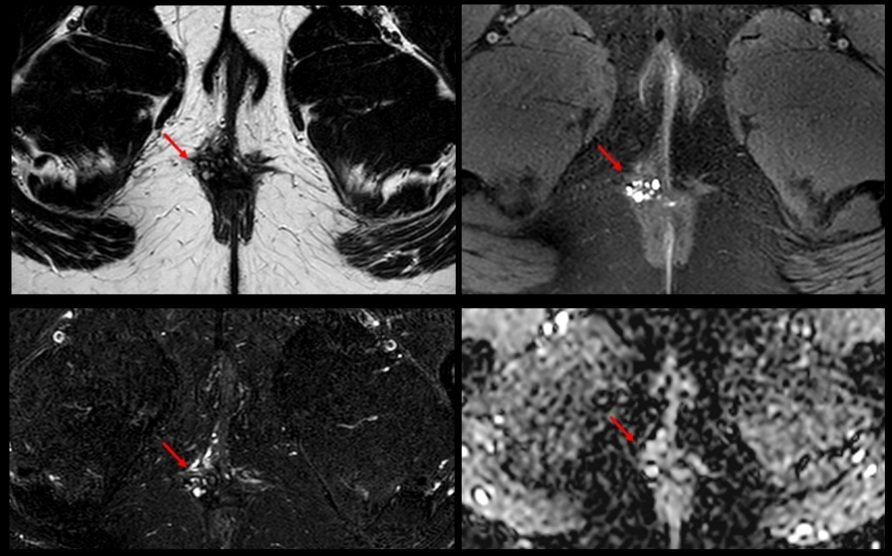
💥 New YE case. Courtesy of Dr. Canales, submitted by @AnaVillanuevaCa ♀️ 27 yo. Perianal pain of 2 years, recently admitted to ED with diagnosis of perianal abscess 🔴 Multilocular hyperintense T2 lesion, hyperintense on T1 fat sat and not restricted difussion 🧵..
ESGAR tweet media
English
2
16
59
6.4K
Edgar Lorente retweetledi
Lea Alhilali, MD
Lea Alhilali, MD@teachplaygrub·
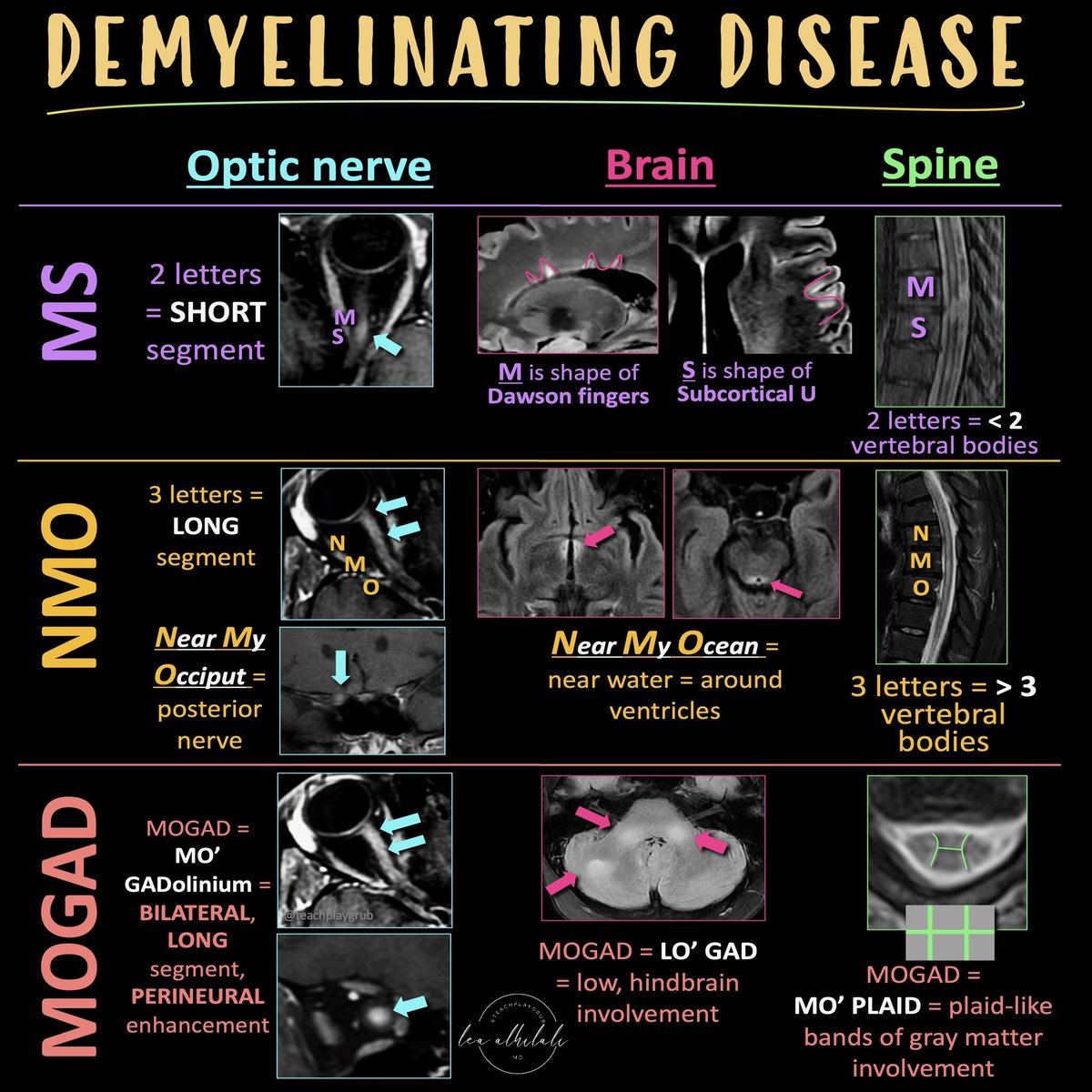
Have MULTIPLE questions about MULTIPLE sclerosis?   Having trouble seeing neuromyelitis optica?   In a fog about MOG?   Here’s the cheat sheet you NEED to distinguish the demyelinating diseases!   Demyelinating diseases predominantly involve the optic nerves, brain, & spine.    The three main chronic demyelinating diseases are Multiple sclerosis (most common), neuromyelitis optica (NMO), & myelin oligodendrocyte glycoprotein (MOG) antibody associated disease or MOGAD   Each has its own features in the optic nerve, brain, & spine.  Here’s how to remember them!   MS Optic nerve: MS only has 2 letters, so MS involvement of the optic nerve tends to be short segment Brain: Letter M makes the shape of the perivascular distribution of lesions along the ventricles (Dawson’s fingers) Letter S makes the shape of the subcortical U fiber involvement Spine: MS is only 2 letters, so lesions are usually less than 2 vertebral bodies in length   NMO Optic nerve: NMO is a longer abbreviation, three letters, so longer involvement NMO can stand for Near My Occiput. Occiput is posterior, so more posterior nerve involvement Brain: NMO can stand for Near My Ocean. What is your brain’s ocean? The ventricles. NMO lesions are all periventricular Spine: NMO is 3 letters, so lesions usually more than 3 vertebral bodies in length   MOGAD Optic Nerve: Remember MO’ GAD-olinium.  So things that cause more regions of enhancement.  MOGAD lesions are commonly bilateral & long segment & enhancement can extend perineural Brain: Remember LO’ GAD.  MOGAD typically involves the lower areas of the brain Spine: Remember MO’ PLAID. MOGAD can give a plaid-like H shape in the cord from predominantly gray matter involvement   Hopefully, this cheat sheet will help you remember how to distinguish the demyelinating diseases! It ain’t lyin’ about diseases of myelin!
Lea Alhilali, MD tweet media
English
23
201
774
73.5K
Edgar Lorente retweetledi
SEDIA
SEDIA@sediabdomen·
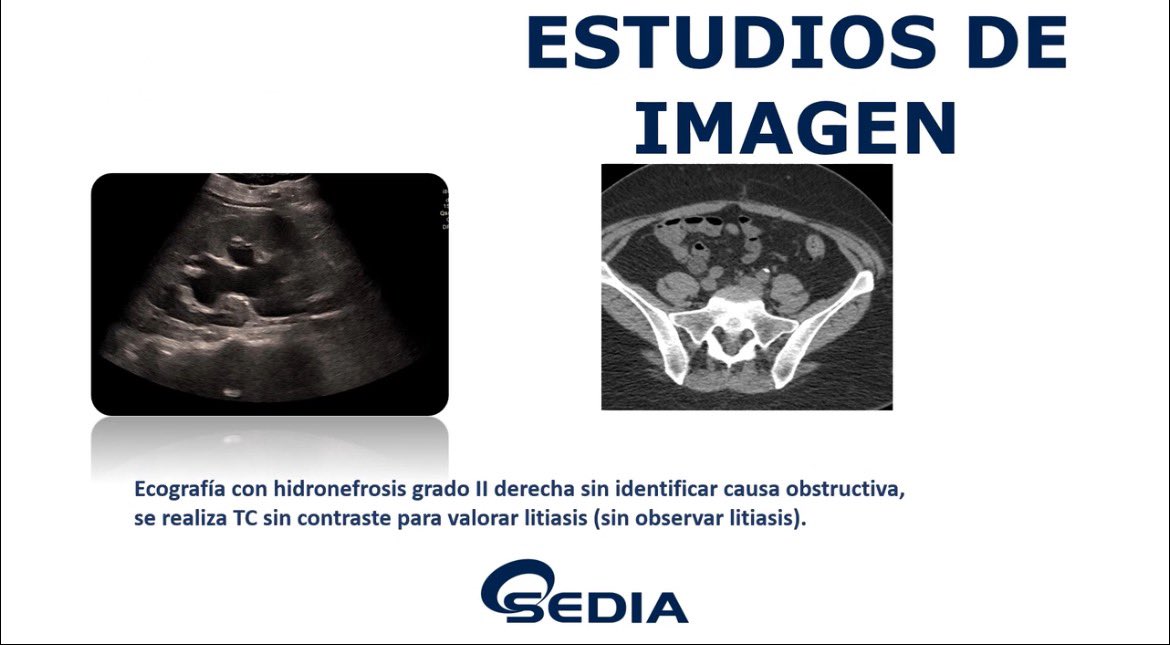
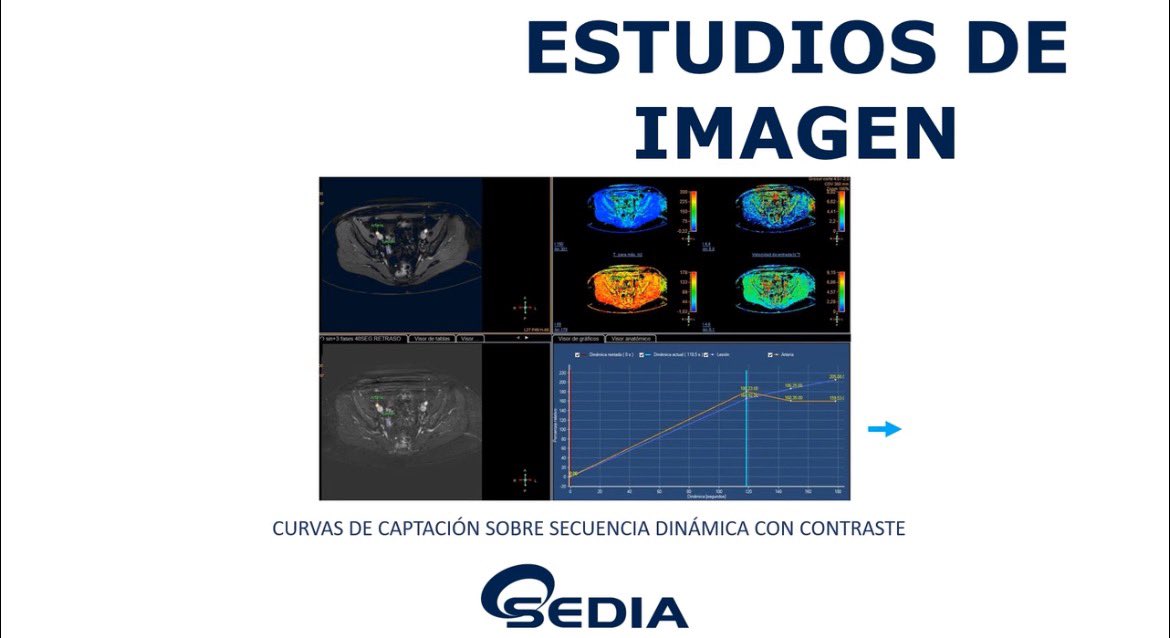
Nuevo #casosedia de noviembre: “Mujer 52años con dolor en hipocondrio derecho sin fiebre” Puedes verlo en sedia.es/caso-radiologi…. ✍️Envía tu respuesta a info@sedia.es y empieza a participar para conseguir gratis tu inscripción para el #congresoSEDIA2026
SEDIA tweet mediaSEDIA tweet mediaSEDIA tweet mediaSEDIA tweet media
Español
0
5
9
988
Edgar Lorente retweetledi
Mskfreak
Mskfreak@mskfreak·
Finally, the Shoulder Ultrasound course is ready!! 1st calling on 06/24/24, open access for 3 months. Discount coupon SHOULDER15 during the first month! You can sign up now, all the information here: new.mskfreak.com
English
8
15
67
8.3K
Edgar Lorente retweetledi
sergio serrano belmar
sergio serrano belmar@sserranobmsk·
dry needling: MRI findings Patient with pain in the long head of the biceps femoris muscle and a suspected fibrillar tear, for whom an MRI of the thigh was requested. The MRI shows a patchy increase in signal in the distal third of the long head of the biceps associated with hyperintense linear paths, which correlate with the history of dry needling performed three days before the radiological study. Dry needling is an invasive technique used in physiotherapy to eliminate muscle pain points (or trigger points), which can be generated due to overload. It is imperative not to do this treatment during the five days before performing an MRI because it can make the diagnosis of muscle injury difficult or impossible, mainly grade I. How many routes do you see in the video?
English

4
18
74
12.6K
Edgar Lorente retweetledi
Sameer Raniga
Sameer Raniga@samrad77·
“Double beak sign” of closed loop obstruction. Commonest cause of closed-loop obstruction is adhesions (this case also). Volvulus and Internal hernia can also result in closed-loop obstruction and similar morphology.
Sameer Raniga tweet media
English
2
20
103
4.4K
Edgar Lorente retweetledi
AJR
AJR@AJR_Radiology·
When performing contrast-enhanced ultrasound using perfluorobutane to diagnose HCC, Kupffer phase images may be optional when recognizing features of non-HCC malignancy and incorporating transitional phase washout.ajronline.org/doi/10.2214/AJ…
AJR tweet media
English

0
3
4
1.2K