EMBO Reports

2.6K posts

EMBO Reports banner
EMBO Reports

EMBO Reports

@emboreports

We publish research in molecular biology, reviews, and science & society commentaries. Tweets by the editors.

Heidelberg, Germany Katılım Aralık 2013
797 Takip Edilen15.7K Takipçiler
EMBO Reports
EMBO Reports@emboreports·
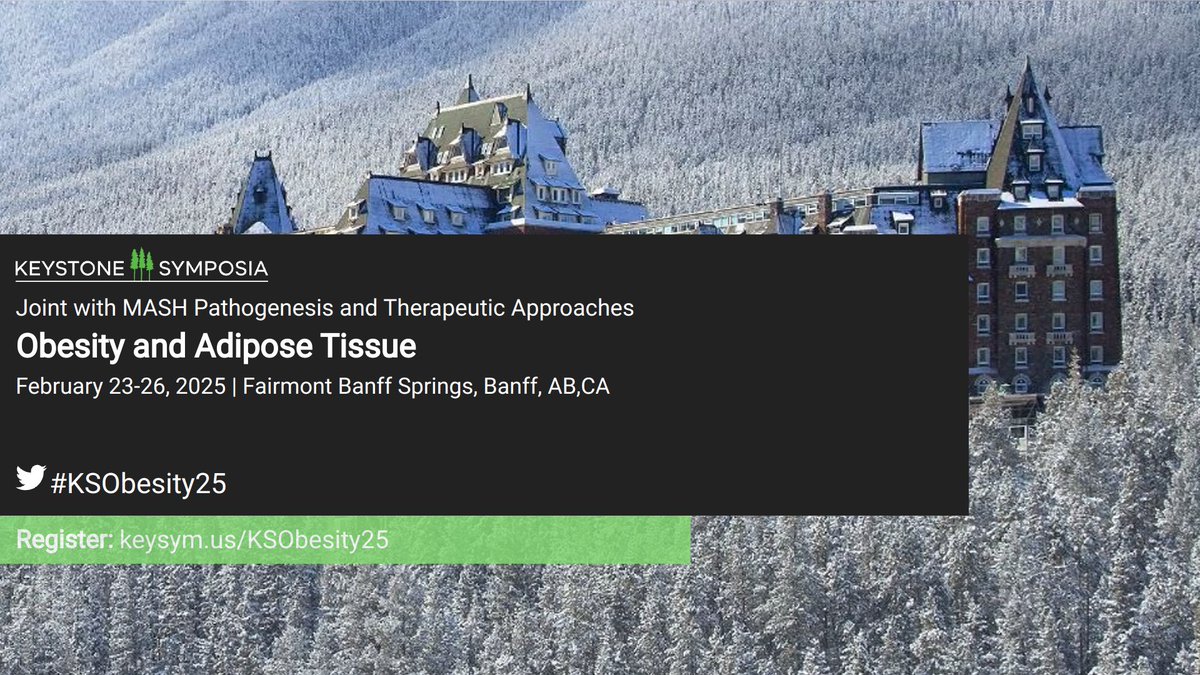
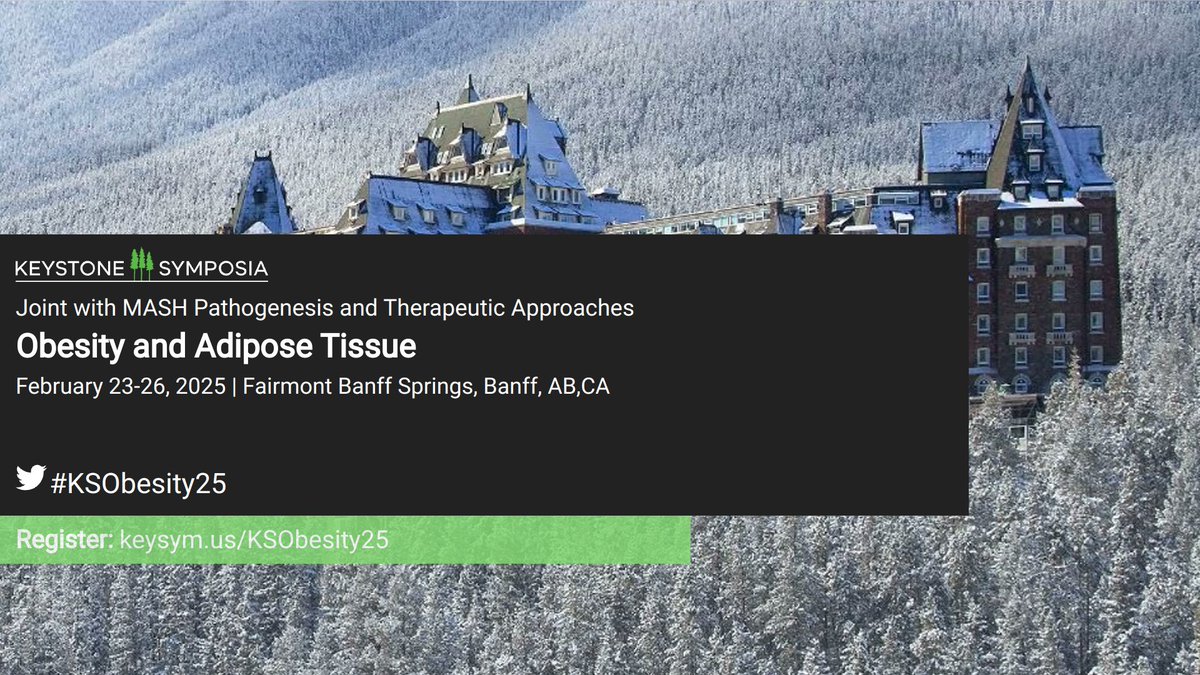
Are you attending the #EMBOmetabolicDiseases meeting in beautiful Torremolinos? So is our editor Deniz Senyilmaz Tiebe! Talk to her if you are looking for a home for your paper or about scientific publishing. @EMBOevents @EMBOPress
EMBO Reports tweet mediaEMBO Reports tweet media
English
0
4
4
2K
EMBO Reports retweetledi
Pranam Chatterjee
Pranam Chatterjee@pranamanam·
Okay, another VERY exciting paper drop! 🎉📜 So you guys may know the story of how @GametoGen was started? 🐣 My part of the story begins with a visit to @geochurch at @harvardmed, with a (perhaps naive) goal: to make an oocyte from a stem cell. 🧫 With @GametoGen's support, I started working on it together with @krammecc, and later with @mpsmela1. 5 years later, after many rejections and sleepless nights of experiments/analysis, our paper describing oogonia differentiation from iPSCs is finally published in @emboreports! 🎉 📜:embopress.org/doi/full/10.10… Ever since the generation of iPSCs from somatic cells, stem cell differentiation to different cell types has been a major challenge. Some of the toughest cells to make are gametes (oocytes and sperm) -- they have crazy methylation dynamics, they are haploid, and they can obviously produce offspring !👶 The search space for the right cocktail of molecules and transcription factors (TFs) to make these is complicated and vast -- a perfect problem for an algorithm! 💻 As a part of our STAMPScreen pipeline (sciencedirect.com/science/articl…), we developed an adaptive PageRank-based algorithm that could rank "central" transcription factors in the gene regulatory networks of differentiating cells. 📊 After screening the top 46 TFs ID'ed for oocyte production in iPSCs (while also pushing them through primordial germ cell-like cell (hPGCLC) formation), we identified 3 that both independently and together (D3), drove DDX4+ oogonia formation, as well as 3 that drove improved hPGCLC formation! 🤩 We have since showed that cells we engineered with these factors, termed induced oogonia-like cells (iOLCs), can be generated in just FOUR DAYS (not like the previous FOUR MONTH protocol) and exhibit late-stage oogonia-like gene expression, epigenetics, and protein markers. 🧫 They are defined by the expression of mitotic oogonia markers (DDX4, DAZL, and KI67) and the absence of earlier primordial germ cell and pluripotency markers (OCT4 and SOX17). Remarkably, these iOLCs are capable of feeder-free expansion culture while retaining their oogonia-like identity post-sorting, making this a super rapid, scalable, and robust system to study human germline development! 💨 Honestly, this was only possible via my incredible partnership with @krammecc (now the CSO at @GametoGen!) and our brilliant collaboration with @mpsmela1, as well as with @Patrick11F, my @DukeU undergrad Shrey + the entire team! 🙌 It was just sheer perseverance for years as we CONSTANTLY got rejected by journals and had to keep adding new data and analysis (I thought it would never end). We were also so lucky to have the guidance of the Shioda Lab at @MassGenBrigham and the team at the @wyssinstitute through the process! 🤝Just so many great scientists who put their everything into this! 🫶 I know a lot of you know me as a peptide/protein designer (or probably just as the sequence-only guy), but this shows you how impactful good algorithms can be! Who would have guessed a graph theory algorithm could be used to make human oogonia?! 🙃 I'm just really excited for my lab to continue work in this space and make an impact in reproductive medicine with our new generative models! 💻 I hope you can take a read of our paper and let us know your thoughts! 🙏
Pranam Chatterjee tweet media
English
0
11
66
7.9K