Baba Awori

828 posts

Baba Awori banner
Baba Awori

Baba Awori

@EOyigi

Awori, Yoruba, Engineer. Fighting for Awori to govern Lagos & Ogun at every level. Uniting all Yoruba tribes for our future! #AworiGovernance #YorubaUnited

Katılım Mayıs 2022
45 Takip Edilen2.5K Takipçiler
Sabitlenmiş Tweet
Baba Awori
Baba Awori@EOyigi·
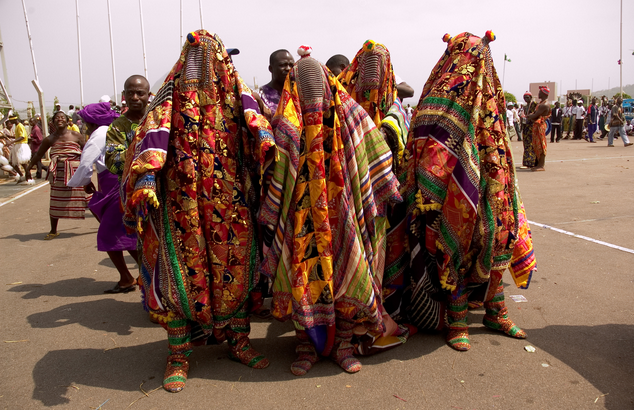
Things You Can Do to Be More Respectful of Lagos State Indigenes and Their Culture By following these steps, you can enjoy your Nigerian privilege in Lagos peacefully without trampling on the rights of the natives. 1. Understand that being a Lagos State indigene means different things to different people. Some identify primarily as Awori, the earliest settlers. Others belong to the Egun in Badagry, the Eko (a melting pot of Saros, Aguda, Tapa, and Benin influences) in Lagos Island, or the Ijebu in parts of Epe and Ikorodu. While Lagos is diverse, its indigenous people must be recognized and respected. 2. Find out whose land you are on and honor it. Every part of Lagos State has its indigenous people—whether the Awori, the Egun in Badagry, or the Eko in Lagos Island. Recognizing these roots is key to truly understanding Lagos beyond its modern identity. 3. Never ask anyone if they are a “true Lagosian.” Lagos has always been a city of migration, but its indigenous people should not have to prove their authenticity. Many Lagosians can trace their ancestry back generations, and their lineage is often more complex than outsiders assume. 4. Do not lightly claim that you have Awori, Egun, Eko, or Ijebu heritage. Lagos welcomes all, but being a Lagos indigene is different from simply being born or living in Lagos. Saying “My great-grandfather lived on Lagos Island” does not automatically make one indigenous. Honor the distinction. 5. Avoid saying things that diminish or erase indigenous Lagos culture. Phrases like “Eko for show” or the assumption that Lagosians are just “hustlers” overlook the deep traditions of the Awori, Egun, Eko, Ijebu, and other native groups. Lagos is more than just business—it has a cultural soul. 6. Don’t “play Lagos indigene.” Lagos culture is not entertainment for outsiders. Wearing Aso Oke as a costume, using Yoruba slang for clout, or engaging in selective “heritage tourism” without respecting the real people behind the traditions is exploitative. 7. Be where the people are. Visit historical Awori, Ijebu, Eko, and Egun settlements, support local cultural centers, and engage with Eyo festivals, Oro traditions, and heritage sites like the Badagry Slave Route, the Brazilian Quarter, and Iga Idunganran, which reflects Benin influence in its early monarchy. 8. Support Lagos indigene businesses by buying from indigenous artisans. From beadwork to fabric weaving, Awori, Egun, Eko, and Ijebu craftsmen have traditions that deserve to be preserved. Choose authentic Lagos State indigene products over mass-produced imitations. 9. Invite an elder or traditional leader to open major events with prayers or blessings. If hosting an event in Lagos State, acknowledge the Awori, Egun, Eko, or Ijebu communities whose land you are on. Research first and provide appropriate honorariums to show respect. Visit the palaces (Obas) for additional guidance. 10. Understand that Lagos State is diverse. Indigenous Lagosians are not just Awori—there are Egun, Eko, Ijebu, and other groups with distinct traditions and customs. Recognize their differences instead of treating them as the same. 11. Don’t assume all Lagos State indigenes are wealthy because of commerce. While Lagos is a financial hub, many indigenous communities have been displaced by development projects, migration, and pressure to accommodate new residents. Lagos State indigenes have faced land seizures, economic shifts, and struggles that are often overlooked. 12. When recognizing people, do not exclude Lagos State indigenes. Indigenous Lagosians are often left out of conversations about Lagos’ success. Acknowledge them when discussing the city’s history, economy, and contributions. 13. Don’t expect every cultural custom to be explained to you. At a traditional event? Observe and respect rather than demand explanations. Some practices are sacred and not meant to be overly dissected or commercialized. 14. If you’re at an event, be thoughtful about time. Traditional gatherings may not run on rigid schedules. Many prioritize relationships, storytelling, and community over strict timing. Respect the flow instead of imposing external expectations. 15 Be sensitive during mealtimes. In many Lagos (Yoruba) traditions, elders eat first, and younger or able-bodied people serve them. Be mindful at cultural events and do not rush to the food line without observing the customs. 16. Don’t call traditional outfits “costumes.” Whether it’s Aso Oke, Fila, Dansiki, ceremonial attire, kareta, or Egungun regalia worn by Lagos State indigenes, traditional clothing holds deep cultural and personal significance. Many garments are family heirlooms or handmade with care. 17. Do not assume Lagosians have high rates of social vices. Stereotypes about Lagosians—whether about wealth, land selling, crime, or lifestyle—are misleading. The history of Lagos State indigenes is far richer than media portrayals often suggest. Even outlets like @ARISEtv don’t fully grasp this history. 18. Do not tokenize people. Lagos indigenes should not be included in conversations just for the sake of “diversity.” Build genuine relationships with the communities rather than using them for optics. 19. Ensure the voices of Lagos Indigenes are amplified. If Lagos’ history is being discussed, Awori, Egun, Eko, Ijebu, and other indigenous voices should lead the conversation—not outsiders writing their stories for them. 20. Don’t bring up migration theories that erase indigenous identity. Some narratives suggest that all Lagosians are settlers from elsewhere, ignoring the deep history of Awori, Egun, Eko, Ijebu, and other native peoples. Recognize their rightful presence. 21. Check your Nigerian privilege if you are not indigenous to Lagos. Just because Lagos is welcoming does not mean non-indigenes should feel entitled to its land, politics, culture, or opportunities without respecting the people who have always been here. 22. Use the present tense when talking about indigenous Lagosians. Many people speak of Lagos indigenes as if they only existed in the past. But indigenes are still here—preserving traditions, shaping modern Lagos, and influencing its future. By Prince Gbenga Ajiboye from the Ikudigbaro Royal Family, Ete Kingdom, Lagos, Nigeria. and Prince Adeniyi Baruwa from Aromire, Oluwa and Akinsemoyin Royals houses, Lagos, Nigeria
English
13
80
139
17.1K
Baba Awori
Baba Awori@EOyigi·
The Idejos: Keepers of the Land – The Oloto Chieftaincy: Custodian of Iddo and Mainland Lagos The Idejo chiefs, identified by their distinctive "White-Cap Chiefs" (Onifila-Funfun) insignia, form the venerable landowning aristocracy of Lagos. Their authority is deeply rooted in the lineage of the legendary Olofin Ogunfunminire (Atekoye), considered the progenitor of the Awori branch of the Yoruba nation. These chiefs represent the original proprietors of various territories, and their claims to land predated the establishment of the Oba dynasty in Lagos by the Benin Kingdom. Origin and Succession to the Olofin: The Oloto is identified as one of the Olofin’s natural children, who eventually succeeded the Olofin (whose wife was Ajaiye) as the primary ruler of the mainland territory with Iddo Island as his seat of government. The original title of "Olofin" was allowed to fall into abeyance, Oloto could not assume the title -OLOFIN- the latter had been deified as a god in his own right because of his reputation and prowess. Oloto therefore retained his own name but, however, succeeded Olofin. This transition highlights a unique aspect of traditional Yoruba governance, where the spiritual veneration of a powerful founder could influence the formal titulature of his successors. Domain and Seat of Government: The Oloto's authority traditionally centered on Iddo Island and extended significantly onto the mainland of Lagos, encompassing a vast area stretching from the Lagos Lagoon in the South to Ogudu in the North. This extensive domain included numerous villages and towns such as Ebute Metta, Oko Baba, Iwaya, Somolu, Akoka-Abebe, Surulere, Onitiri, Onike, Bariga & Apelehin, Abule Okuta, Ifako, Agege Omi, Yaba, Laleye, Oke Ira, Igbobi, Oworonsoki, Ogudu, Idi Araba, and Idi Oro. Within this territory, the Oloto traditionally appointed Baales (village heads), who continue to hold meetings with the Oloto and participate actively in traditional and cultural affairs. The Oloto's continued residence on Iddo Island, which was originally cultivated by its inhabitants and served as a farming ground for early Lagos settlers, reinforced his claim as the "head chief of the descendants of the original settlers at Ebute Metta" Historical Interactions with Benin and Lagos Obas: The Oloto Chieftaincy played a crucial role in the early defense of Iddo Island against Benin incursions. Benin eventually established a lasting presence. It is crucial to note that the Obaship of Lagos was not an indigenous Awori institution but was established through Benin influence. Ashipa (Fagade), an Awori chief from Isheri, played a pivotal role in this process. After one of the Benin military commanders, Asheru, died, Ashipa conveyed his body to Benin for burial. Impressed by Ashipa's friendly actions and recognizing his Yoruba royal lineage, the King of Benin conferred upon him the title of Olori-ogun of Lagos (head war chief), along with symbols of royal authority. This act made Ashipa the first Oba (King) of Lagos, initiating the new royal dynasty, even though he himself was Awori. Initially, the Kings of Lagos and the Oloto were considered equals. However, as Lagos grew in wealth and importance due to the burgeoning slave trade, the economic power of the Lagos Obas increased significantly. This led to a gradual shift in their relative positions, with the Oloto eventually showing deference to the richer Lagos ruler and becoming regarded as a "chief and retainer" of the King of Lagos, though without a formal act of submission. Role in Land Ownership and Colonial Challenges: The Oloto's traditional role as a paramount landowner on the mainland was deeply ingrained. Anyone, including the Kings of Lagos, wishing to use land in his domain had to seek permission from the Oloto or his representatives, often making payments as an acknowledgment of ownership. This principle was robust enough that the Idejo chiefs, including the Oloto, were key players in the Amodu Tijani v. The Secretary, Southern Nigeria (1921) case, which challenged the British Crown's absolute ownership claims over Lagos land. The Privy Council ruled that while the radical title vested in the Crown, a "full usufructuary title" remained with the head chief on behalf of the community, validating the communal landownership inherent in the Idejo system. Cultural Significance and the Agba Festival: The Oloto Chieftaincy is also distinguished by its unique cultural practices. The Agba festival, performed annually by the Oloto, is the only festival celebrated by an Idejo Chief that the Oba of Lagos is traditionally required to attend. This singular prerogative underscores the Oloto's deep traditional roots and the enduring respect for his ancient authority, even within the broader Lagosian political and cultural landscape. Oriki (Praise Names): The Oriki of Oloto vividly expresses his historical role, power, and connection to the land and its people: "Dagba bi nmaye Omo Alagbaa lode Oto" "Omo oniyara Omo Oyewun" "Omo osunmola juwon" "Omo a gbe 'busun p'ekun" "Omo anikan gbologbo sanle" "Omo Oloto arokun sa" "Omo magbin magbin dodo" "Omo ake nigbo k'eru o ba ara ona" "Omo aja nla n'ibore" "Omo aja nla senu gbohan gbohan" "Omo onide kasa lakobi" "Omo agba ti o gbale s'osa lara" "Omo esu gb'oja kale" "Omo elegba meta leyin odi" "Omo imole a f'eleja" These praise poems celebrate his status as a formidable leader, a guardian of his people, and a provider of prosperity and security. Signed: Baba Awori
Baba Awori tweet mediaBaba Awori tweet media
English
0
10
15
452
Baba Awori
Baba Awori@EOyigi·
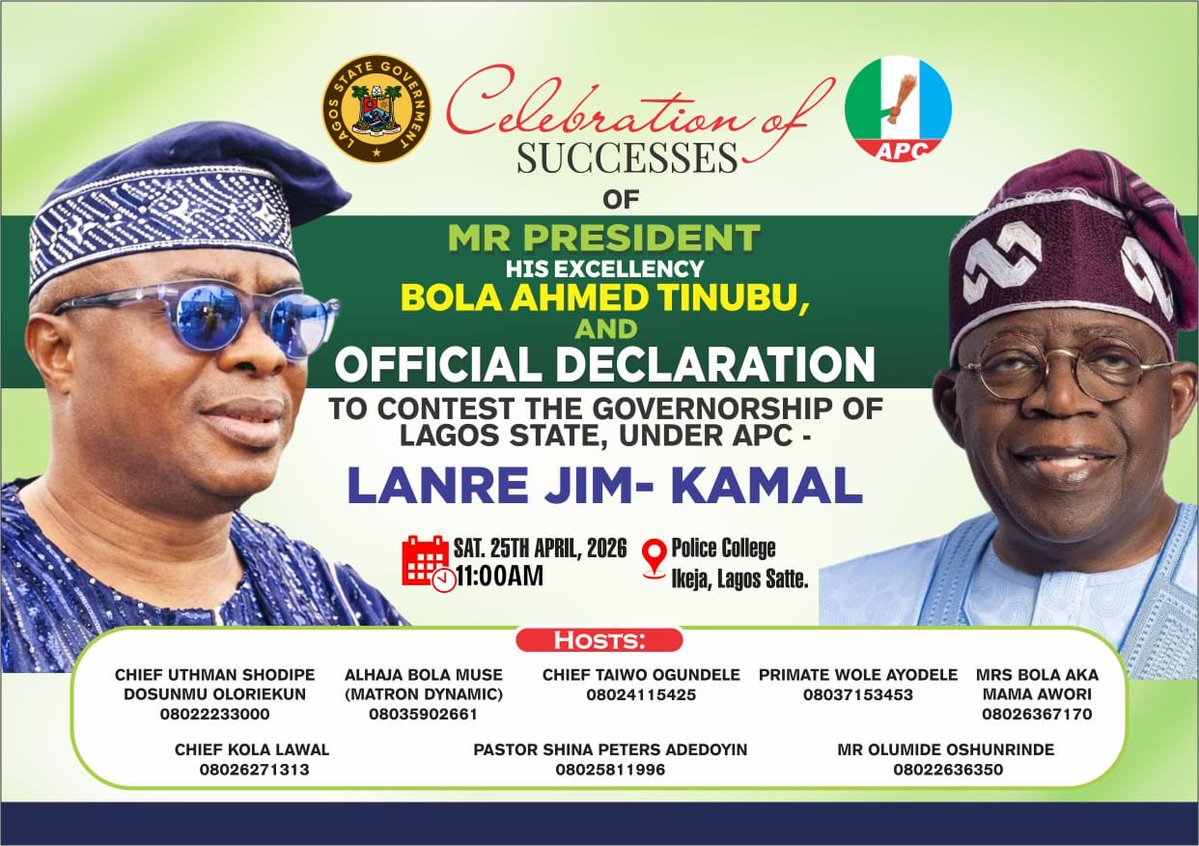
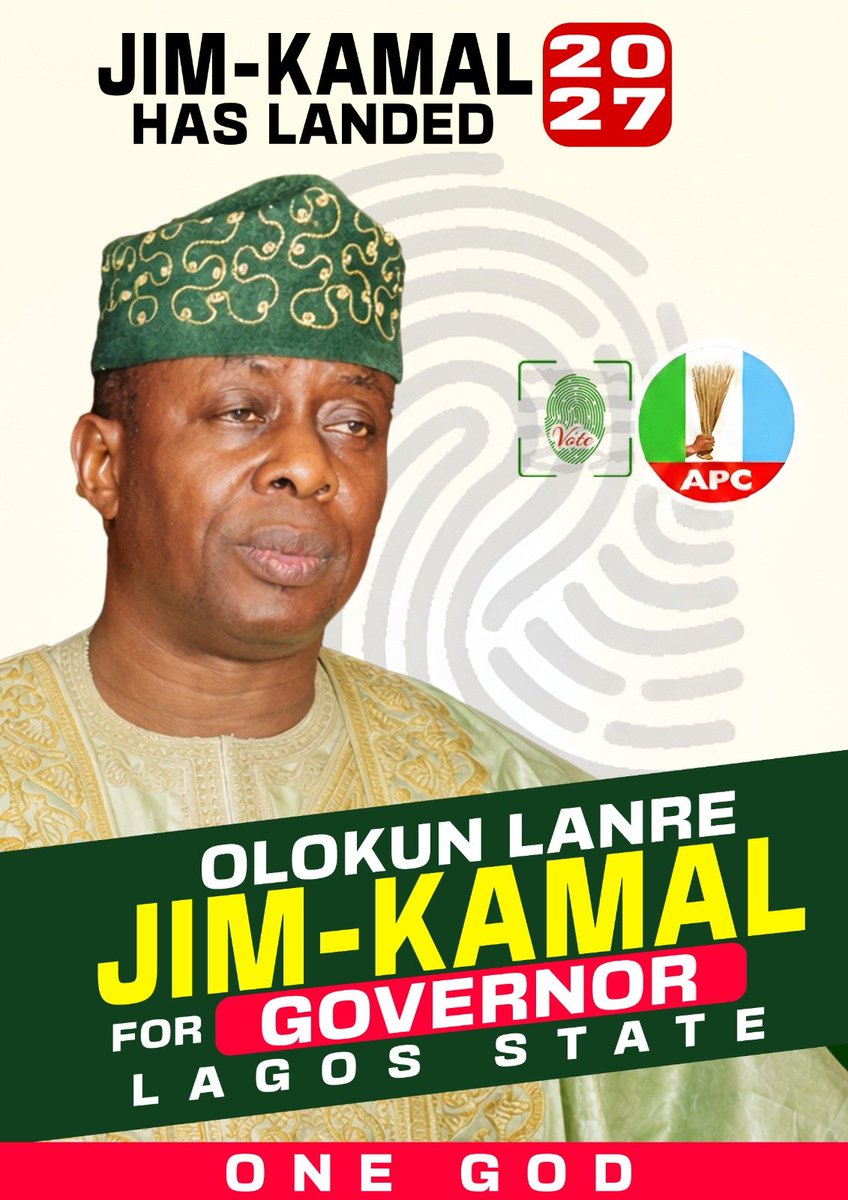
MY PROMISE TO THE APC: GIVE US A SON OF THE SOIL, AND WE WILL GIVE YOU THE SUPPORT AS INDIGENES. For years, I have been a relentless advocate for one thing: An Indigene for Governor of Lagos State. I am making my position crystal clear today: If the APC produces an authentic indigene like Otunba Lanre Jim-Kamal, I will personally lead the charge from the front lines to ensure victory. Why Jim-Kamal? Because Lagos has had enough of "Ghost Infrastructure"—skyline projects that look good on camera but leave the people behind. Otunba Lanre Jim-Kamal represents a shift from Concrete to Community. While others build roads that forget the residents, Otunba is committed to Human Infrastructure. His vision is rooted in the principle of Fairness For the Indigenes: An end to the era of being spectators in our own ancestral home. For the Yorubas: Strengthening our regional identity and cultural backbone. For all Nigerian Citizens in Lagos: A government that protects your business and family because it treats everyone with equity. Human Infrastructure means: Technical education that puts tools in the hands of our youths. Healthcare that treats our elders like the treasures they are. A Lagos where you don't just "survive" under a bridge, but thrive in a home. APC, the choice is yours. Give us a leader who knows the soil. Give us Otunba Lanre Jim-Kamal, and watch the masses rise. The Cap Fits. The Indigene is Ready. Signed: Baba Awori
Baba Awori tweet media
English
4
8
7
269
Baba Awori
Baba Awori@EOyigi·
"Man of Letters again, there is a difference between being present in a state and being indigenous to it. The Egba original home is the Egba Forest, north of their current location. The Aworis have been in Isheri, Otta, and Lagos for centuries before the Egba ever saw the Olumo Rock. The Ijebus have held the eastern coastlines for just as long. The Egba presence in modern Ogun is a result of 19th-century displacement and the 'Ajele' (Consul) system of occupation. We are siblings by choice and proximity, but the Awori and Ijebu are the only original owners of the Lagos/Ogun corridor." Before there was an "Abeokuta," there was Oko Adagba (Adagba’s Farm). The site where the Egba live today was Awori and Egbado soil. In 1830, the Egba arrived as refugees fleeing the war in the north. Our ancestors gave them room to breathe. Historically, the Egba were our guests.
English
0
0
1
32
Man of Letters.
Man of Letters.@Letter_to_Jack·
Ogun State and Lagos State are intertwined by ancestry from ALL sides. Egbas are indigenous to Lagos State, Egbas are indigenous to Ogun State. Aworis are indigenous to Lagos State, Aworis are indigenous to Ogun State. Ijebu’s are indigenous to Lagos State, Ijebu’s are indigenous to Ogun State. Lagos and Ogun State are siblings in every sense of the word.
Cinderella Man@Osi_Suave

Im curious, if Yayi who has held all his elective offices in Lagos is suddenly fit for Governor of OGUN state. Why the angst against GRV Why the angst against non indigenes who have assimilated into the culture. Genuinely curious as to what informs these things..

Română
70
262
1K
85.8K
Baba Awori
Baba Awori@EOyigi·
@omolisabi1 Ayodeji, it is brothers like you—a true Yoruba son—who make our brotherhood stronger. This is exactly how it should be. It’s painful to see some of our own Yoruba people acting like Igbos or Fulanis. On behalf of my people, I appreciate you, brother.
English
0
0
1
68
Ààrẹ Ayọ̀dèjì
Ààrẹ Ayọ̀dèjì@omolisabi1·
I agree Egbas are not indigenous to Lagos. The migration of Egba people to Lagos was during the time of the missionaries. Most of the land they settled in belonged to Awori people. When it comes to Ota, it is high time we leave the land to Awori people. Fine, the land has cost us a lot. Our first fight with Dahomey started from Ota because it was a trading route.
dotun odumosu@dotunodumosu

You can’t stretch identity to fit narratives. Egbas are indigenous to Ogun State, not Lagos. Same way Ota is clearly not “Egba land” no matter how many times it’s claimed. Egbas = Indigenous to Ogun State Aworis = Indigenous to Lagos & Ogun Ijebus = Indigenous to Ogun & Lagos.

English
6
7
23
9.3K
Baba Awori
Baba Awori@EOyigi·
The Idejos: Keepers of the Land – The Aromire Chieftaincy: First on Lagos Island The Idejo chiefs form the ancient landowning aristocracy of Lagos, tracing their lineage back to the legendary Olofin, the revered progenitor of the Awori branch of the Yoruba nation. Among these foundational figures, the Aromire Chieftaincy holds a unique and particularly significant place, as its holder is recognized as the first of the Olofin's children to settle on Lagos Island itself, making him the original proprietor of a substantial portion of what would become the bustling city of Lagos Name and Identity: The individual who became known as Aromire was originally named Onita Ogbogbodi, one of the Olofin's children. His son, Oshoboja, later earned the nickname Abomire (meaning "someone who was very friendly with water") due to his exceptional swimming abilities as a fisherman. This nickname eventually evolved into Aromire, which subsequently overshadowed his birth name. While the name "Onita" was raised as a potential alternative, Oral account consistently uses "Onita Ogbogbodi" as Aromire's original name, with "Onitana" referring to a distinct, albeit related, Idejo chieftaincy family (the first Chief Onitana was Oshoboja's grandchild). Domain and Settlement: Aromire was the pioneering figure who crossed the lagoon to Lagos Island, establishing his own domain. Historically, the entirety of Lagos Island was considered to be under his jurisdiction. His magnanimity is remembered through his actions of granting land on Lagos Island to other chiefs, including Onikoyi, who later built his own palace there, and those who accompanied Oba Ado to Lagos. This pivotal role as the island's earliest settler cemented the Aromire Chieftaincy's foundational claim to Lagosian land. Role and Influence: As a fisherman and hunter, Aromire laid the groundwork for the community. To ensure efficient administration of his extensive estate, he established two sub-chiefs: Ejimosu (the Aro), responsible for overseeing the fishing industry, and Asaba (Chief Odofin), tasked with managing farming and hunting activities. He also trained his eldest son, Kueji, in administrative arts, who later succeeded him as Ojora. The Aromire Chieftaincy also played a role in the "Ose Iga," the Olofin's weekly meetings for discussing communal issues and coordinating policies. Historical Context: Ashipa, Awori Lineage, and Benin's Obaship: Aromire's establishment on Lagos Island predates the Benin third Expedition that landed in Lagos. When Asheru and his men (representing Benin) arrived, Aromire (specifically, it was during the reign of Aromire Ogabi Desoro) offered no resistance and appeased them by providing a "conspicuous site on Lagos Island" for settlement. This interaction is crucial for understanding the complex origins of Lagos's royal authority. While Ashipa, who founded the Oba dynasty in Lagos, was indeed of Awori (Yoruba) royal family by descent, his appointment as the first Oba (King) of Lagos was conferred by the King of Benin. This means that the institution of the Obaship in Lagos was established by a political act from Benin, even if the individual appointed to that office (Ashipa) was Awori. Benin's intervention effectively imposed a new royal dynasty and administrative structure over the existing Idejo framework. Aromire's subsequent decision to grant land to chiefs who accompanied Oba Ado (Ashipa's son) further illustrates the integration of the indigenous landowning structure with the newly established Benin-derived royal authority. Impact of Colonial Government: Later, the Colonial Government significantly impacted the Aromire Chieftaincy, depriving it of most of its lands through acquisitions and other means. This reflects the broader colonial policies concerning land tenure and indigenous authority. Oriki (Praise Names): The Oriki of Ojora, which traces its origin to Mogiso (a relation of Olofin Ogunfunminire) and speaks of Ejo's children (Oluwen and Olukolo), refers to the original camp as "Ibi ti ati nje eran" ("where meat is eaten"), shortened to "Ajiran," a name associated with the Ojomu of Ajiran Chieftaincy. Although oral rendition puts the Oriki under Ojora, its reference to "Aromire Ake" and "Olofin Omo Ajaiye" strongly links it to the broader Olofin-Idejo narrative, emphasizing Aromire's foundational role: "Omo Ojora Apasa" "Omo Oyinbo dudu lode Iganmu" "Omo afomo foko toun tidi e" "Omo Nmoru wa Nma se egi" "Omo Nmorú ti ki run sansan" "Ogberi ko mo" "O pe lesun isu" "Omo epiya meta" "Okan lomi" "Okan loke" "Okan ni shasu iyawo ti ko je ki 'yawo le lo" "Omo aja buru iloso" "Won gbe aja ta won fi ra obo" "Omo onide ka sa lakobi" "Omo o gbe obirin ta fi owo ra akobi" "Omo akobi lo ngbe ni, obirin kii gbe ni" "Omo irinwo opa egberun aje" "Omo asiwun lo ri eru" "Omo beru ba ku, a ra mi" Signed: Baba Awori
Baba Awori tweet mediaBaba Awori tweet media
English
1
6
14
553
Baba Awori
Baba Awori@EOyigi·
suggest who amongst the Idejo you want to read next!
English
2
0
2
255
Baba Awori
Baba Awori@EOyigi·
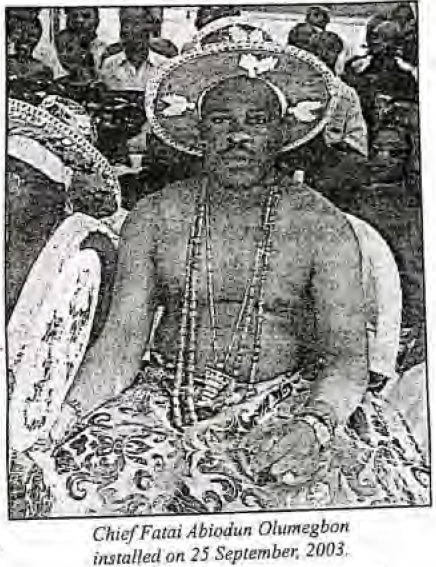
The Idejos: Keepers of the Land – A Focus on the Olumegbon Chieftaincy The Idejos, also known as the "White-Cap Chiefs" (Onifila-Funfun), represent the ancient landowning families of Lagos, whose origins are deeply intertwined with the legendary Olofin, the progenitor of the Awori branch of the Yoruba nation. These chiefs were originally the children—both natural and adopted—of the Olofin, who established settlements across Iddo Island, Lagos Island, and parts of the mainland, exercising "full suzerainty over their land". Their titles were derived from the specific territories they controlled, and their role as custodians of the land predates the formal establishment of the Oba dynasty in Lagos. Their historical significance as the original authorities on land matters is a cornerstone of Lagosian tradition. The Olumegbon Chieftaincy: Eldest Son of the Olofin The Olumegbon Chieftaincy holds a preeminent position among the Idejo chiefs, traditionally associated with the eldest natural son of the Olofin of Iddo. This esteemed status meant that the Olumegbon was highly respected by all other children of the Olofin and, by extension, by the wider community. The continuous existence of the Olumegbon Chieftaincy even before the arrival of the Benins in Lagos underscores its deep roots in the region's history Domain and Settlement: When the Olofin's children set out to establish their own domains, the Olumegbon ventured as far as Ajah in the Lekki Peninsular to found his kingdom. While the Olumegbon maintains a permanent palace on Lagos Island, the ancestral village of Ajah remains crucial to the chieftaincy, serving as the traditional burial ground where the remains of any Olumegbon are interred upon joining their ancestors. This dual presence reflects the historical expanse of the Olumegbon's influence from the central island to the peripheral peninsular lands. The chieftaincy's physical relocation from its original pre-Benin settlement to Lagos Island after Oba Ado's arrival was a strategic move, intended to facilitate easier attendance at the Ose Iga, the Olofin's weekly council meetings. Role and Prerogatives: A distinguishing feature of the Olumegbon's authority is his prerogative to install any Idejo Chief and to perform the Iwuye ceremony (coronation) for all the Idejos. This highlights his supreme position within the Idejo hierarchy. Historically, these installation ceremonies took place at the Olumegbon's palace. However, an innovation, agreed upon between the Awunrin (those who came with Oba Ado) and the Olumegbon, shifted the remaining ceremonies to Owa after the Olumegbon's personal capping ceremony. This process involves the chief-elect capping himself with the assistance of his family, who then lead him to Owa for the concluding rituals conducted by the Eletu Odibo. The Olumegbon, like other Idejo Chiefs, traditionally uses an Abebe (fan) to dance during his own Iwuye ceremony or those of other chiefs, symbolizing his status. Oriki (Praise Names): The praise names, or Oriki, associated with the Olumegbon eloquently describe his significance and attributes within the community: "Olumegbon oba Ajaiye" "Belu Asekun joye" "Omo ojilokiti" "Omo oro nje" "Omo oro nmu" "Omo oro nse" "Omo ma gbin ma gbin dundun" "To ko iga fun Oredo" "Omo a su fi lode toro" "Omo a ke nigbo ki eru ba ara ona" "Omo Olofin Omo Ajaiye" These Oriki reflect his royal status, his role in securing peace and prosperity, and his connection to the Olofin lineage. Interaction with Benin and Land Ownership: The Olumegbon's existence and authority predate the full establishment of Benin's influence over Lagos. While the Benins eventually had influence on royal dynasty (the Obas) on Lagos, the rights of the indigenous Idejo chiefs, including the Olumegbon, as landowners were largely acknowledged. The Olumegbon, like other Idejos, initially protested the British Treaty of Cession in 1861, which transferred sovereignty over Lagos to the British Crown, on the grounds that the land belonged to them and not the King (Dosunmu) to cede. This highlights the long-standing assertion of the Idejos' communal ownership rights, which later became a point of contention with colonial authorities. Citations: [Fasinro]: Fasinro, Alhaji H. A. B. Political and Cultural Perspectives of Lagos. 2004. [Wood]: Wood, Rev. J. Buckley. Historical Notices of Lagos, West Africa. New Edition, 1933. [Amodu Tijani]: 399 Amodu Tijani Appellant; v. The Secretary, Southern Nigeria Respondent. Privy Council, 1921. (Accessed via Nineteenth Century Collections Online) Signed: Baba Awori
Baba Awori tweet mediaBaba Awori tweet media
English
4
12
19
3.2K
Baba Awori
Baba Awori@EOyigi·
ENOUGH IS ENOUGH! GRAPHIC PROOF THE NORTH CANNOT IGNORE Fulani terrorists gunning down innocent Nigerians, kidnapping our women and mothers, and digging mass graves for the bodies they leave behind. Yet where are the northern people? Where is their outrage? Where are the protests, the marches, the noise they suddenly make when the military finally moves? Gumi and the Arewa Consultative Council — shut your fucking mouths! Stop the crocodile tears and bring the terrorists out for justice. Northern leaders stayed silent for years while Boko Haram lived openly among us — buying fuel, food, sleeping with our daughters, raising families in our midst — and no one reported them. Pure complicity. This so-called “campaign” is barely the start of real justice. If you don’t want soldiers in your cities, stop hiding the monsters. Drag every Fulani terrorist out and hand them over. You are accomplices. Every single day, Fulani terrorists butcher innocent Hausas, burn our farms, seize our ancestral lands, and drive our people into refugee camps. No protests. No outrage from the North. Their tears for “our daughters” are completely misplaced. While they protect their own, Fulani killers kidnap and rape our daughters and mothers in Yoruba land. Northern politicians are profiting handsomely from this chaos — stuffing their pockets with defence allocations and illegal mining money while our blood flows. Innocent blood is being spilled. Ancestrial land is being stolen. Our women are being taken. Northern leaders, you have failed us. Fulani terrorists, your time is up. The land is for the indigenous people and not yours. Signed: Baba Awori.
English
2
5
4
205
Baba Awori retweetledi
Olalekan Oshodi
Olalekan Oshodi@LekanOshodi4u·
@officialLiaco Lagos Indigenes reject the imposition of another non Indigene as governor. The internal colonisation must stop!
English
1
12
13
271
Baba Awori
Baba Awori@EOyigi·
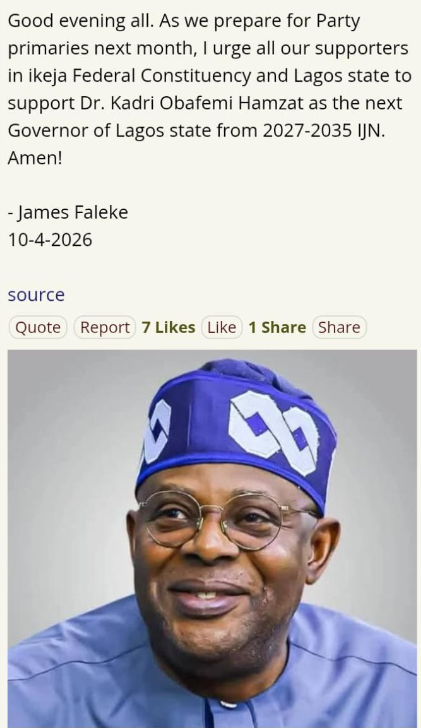
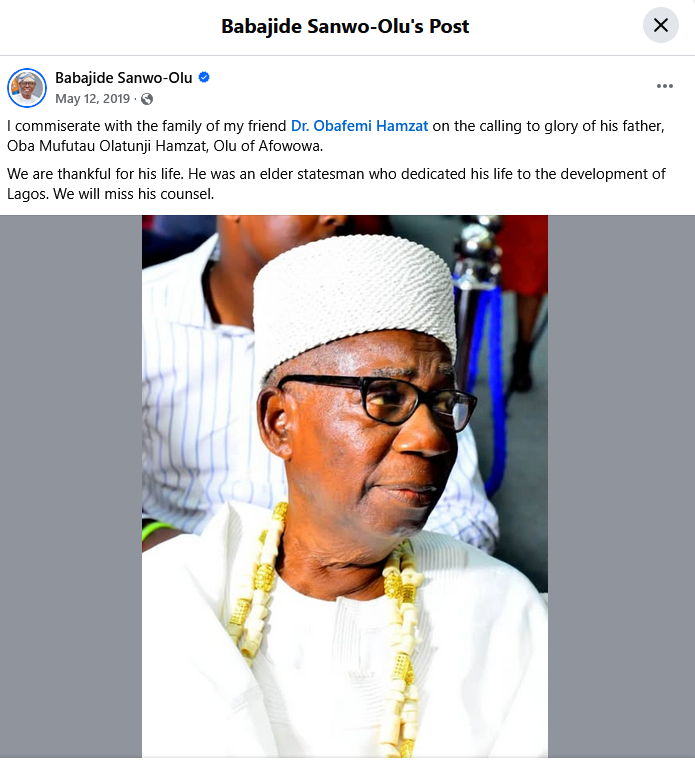
LAGOS 2027: THE ERASURE OF THE INDIGENE BY "OUTSIDERS" I am writing this with a heavy heart and a boiling spirit. We are watching the systematic erasure of Lagos State indigenes from the leadership of our own ancestral land, and the most insulting part is that it is being orchestrated by people who don't even call Lagos "home" when it matters. The "Outsider" Tag-Team: Faleke and Hamzat Look at the optics: James Faleke, a man who has spent his political career with one foot in Ikeja and his whole heart in Kogi, is now the one "urging" us to support Dr. Kadri Obafemi Hamzat for 2027. Why is a man who keeps trying to be Governor of Kogi State deciding who leads us in Lagos State? It’s a slap in the face. It is an "outsider" pushing for another "outsider." Let’s talk about the Hamzat lineage. We are told to support Dr. Hamzat, but where are his roots? His father, the late Oba Mufutau Olatunji Hamzat, was the Olu of Afowowa—in Ogun State. We are Yoruba, and we respect the crown, but that crown belongs to Ewekoro, Ogun State, not Lagos! How did we get to a point where the children of Ogun State Kings and Kogi State aspirants are the ones determining the fate of the 5 Divisions of Lagos? We are teaching the world that Lagos is "No Man's Land" When we allow this "Outsider for Outsider" politics to thrive, we lose the moral right to complain about anyone else. We are showing other groups—including the Igbos who are watching closely—that Lagos has no owners. If we can’t protect our own governorship for our own indigenous sons, why should anyone else respect our boundaries? We are literally opening the door and saying, "Anyone can take it." The Ikorodu Question The IBILE formula (Ikorodu, Badagry, Ikeja, Lagos Island, Epe) was created to ensure fairness. They have used the Epe slot. They have used the Island slot. They have used the Ikeja slot. They have tucked the Party Chairman to Badagry. So, I ask: What about Ikorodu? Is Ikorodu not part of Lagos state? Are our sons and daughters not capable? We have indigenes who have bled for this state and this party, yet they are being bypassed for people whose ancestral loyalties lie across the borders in Ogun and Kogi. A Wake-Up Call We are being treated like strangers in our own home. We are being colonized by our neighbors while we sit in silence. If we don’t stand up for the Ikorodu division and the true indigenes of this state now, there will be nothing left for our children to inherit. Lagos is not a "spoils of war" for people from other states to share. We are from Lagos State. We are Indigenes. And it is time we started acting like it. Ikorodu deserves 2027. The Indigenes deserve their land back. Signed: Baba Awori
Baba Awori tweet mediaBaba Awori tweet media
English
46
33
84
36.9K
Baba Awori
Baba Awori@EOyigi·
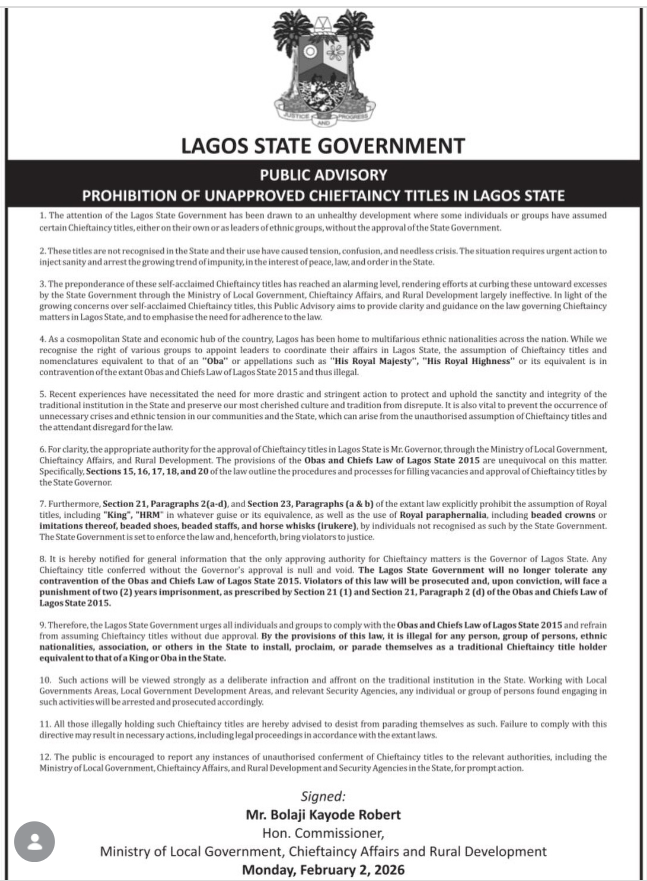
A Line Has Been Crossed: A Warning Against Cultural Imperialism and Scapegoating A deeply disturbing and dangerous pattern has emerged: a brazen attempt by certain individuals of Igbo extraction to export a brand of cultural imperialism, planting flags of mock royalty on ancestral lands that are not their own. From Lagos to Ghana to South Africa, we are witnessing the audacious spectacle of men leaving their own homes to parade themselves as "kings" in the sovereign territories of others, a profound insult to the sacred traditions and established leadership of their hosts. This act of profound disrespect is a provocation in itself. But what follows is even more sinister. When confronted with the natural indignation of the host communities, there is no humility, no introspection, no responsibility. Instead, we are met with a torrent of arrogant deflection and baseless accusations. We see them deflecting legitimate grievances by scapegoating other communities, particularly the Yoruba people, with a shocking display of historical revisionism and outright falsehoods. They do not answer for their actions. They simply point fingers, manufacturing enemies and sowing discord to distract from their own transgressions. They boast of economic conquest, claiming to have "bought the land," as if the soul and heritage of a people can be purchased. This is not the behavior of a respectful guest; it is the language of a colonizer. In Lagos State, this is not merely a matter of custom; it is a matter of law. The Obas and Chiefs Law of 2015 exists to protect the sanctity and authority of traditional institutions, and it is being trampled upon. Let there be no ambiguity: this law will be respected. Going forward, the indigenous people will no longer stand idly by. If the state government fails to enforce its own statutes, the people themselves will be compelled to uphold the sanctity of their heritage and enforce their law. Let this be a clear and final warning to all. You are not just disrespecting traditions; you are deliberately striking a match in a room filled with ethnic tinder. This reckless provocation is a direct threat to the fragile peace that holds our diverse communities together. To assume you can violate a people's heritage and then escape accountability by inciting hatred against another group is a grave miscalculation. The patience of your hosts is not infinite. The dignity of a people is not for sale. Go back to your ancestral land if you wish to be a king. But do not test the resolve of those who have welcomed you. This provocation must end. Now. Signed: Baba Awori
Baba Awori tweet media
English
4
18
42
1.8K
Baba Awori
Baba Awori@EOyigi·
"I do not support the elected officials that are thieves in our land. That being said, I am against anyone who cannot call out their own people in their ancestral homes but wants to call mine out. This kind of thing happened before on January 15th, 1966, and it will not happen again — not in Yoruba land, and not in my Lagos State. If you have any reports of her misbehavior, DM me. We will call her out. I don’t need someone who is running away from his own village to come and call my village names."
English
1
1
15
177
Mide.O 🩷
Mide.O 🩷@Midatlblog·
@EOyigi @LagosPoliceNG @followlasg @AbimbolaShotayo This woman is very lazy please stop defending her..infact she should be removed..cant u see the way obasa son is doing us proud?...nobe everything u go defend while she's squandering money doing nothing mcheww
English
4
0
1
243
Baba Awori
Baba Awori@EOyigi·
Warning and Disclaimer to Elvis Urhobowin and Co-Conspirators @LagosPoliceNG, @followlasg, @AbimbolaShotayo To Elvis Urhobowin and the group planning a "March" on Eti-Osa Local Government on April 16th: This is a formal and final warning from the indigenous sons and daughters of Lagos State. We have watched your recent videos and heard your plans to "match" to the Eti-Osa Local Government @EtiOsaLocalGovt Secretariat to harass our leadership. Let it be known to you and your associates: 1. Focus on Your Ancestral Roots: While you claim to seek "accountability," your energy is misplaced. We advise you to take this same zeal, this same jersey, and these same questions to your own ancestral local governments in your states of origin. If you fixed your hometowns with half the passion you use to disturb Lagos, you wouldn’t be here as a resident seeking a better life in our state. 2. Eti-Osa is Not Your Battleground: Eti-Osa is one of the highest-performing and most economically strategic local governments in Nigeria. Under the leadership of Princess Omobola Adeola Adetoro, we have seen tangible progress in primary healthcare, digital hubs for youths, and school infrastructure that far exceed the performance of the local governments in your own home states. We do not need "outsider" activists to tell us how to manage our heritage. 3. Desist from Cultural Disrespect: We have noted the derogatory and insulting language used against our Yoruba people, particularly the vile comments targeting our women. We will no longer tolerate guests who come to our land, enjoy our infrastructure, and then turn around to insult our mothers and sisters. Such behavior is a violation of the peace and a betrayal of the hospitality Lagos has shown you. 4. Accountability is for the Indigenes: We, the indigenes of Eti-Osa, have our own internal mechanisms—our Obas, our CDAs, and our youth networks—to hold our chairmen accountable. Your "planned march" is viewed not as activism, but as a planned attack and a provocation designed to create tension for political scores. 5. A Warning Against the April 16th Action: If you proceed with this attempt to destabilize the Eti-Osa Secretariat, be aware that you are acting against the will of the host community. Do not mistake our accommodative nature for weakness. We will defend our heritage, our leadership, and the peace of our local government by all legal and traditional means necessary. Cancel your plans. Call your home local governments. Leave Eti-Osa alone. Signed: Baba Awori
English
32
59
103
6.2K
Baba Awori
Baba Awori@EOyigi·
This my message remains valid, non of this people have a place in our state governance.
English
1
0
0
89
Baba Awori
Baba Awori@EOyigi·
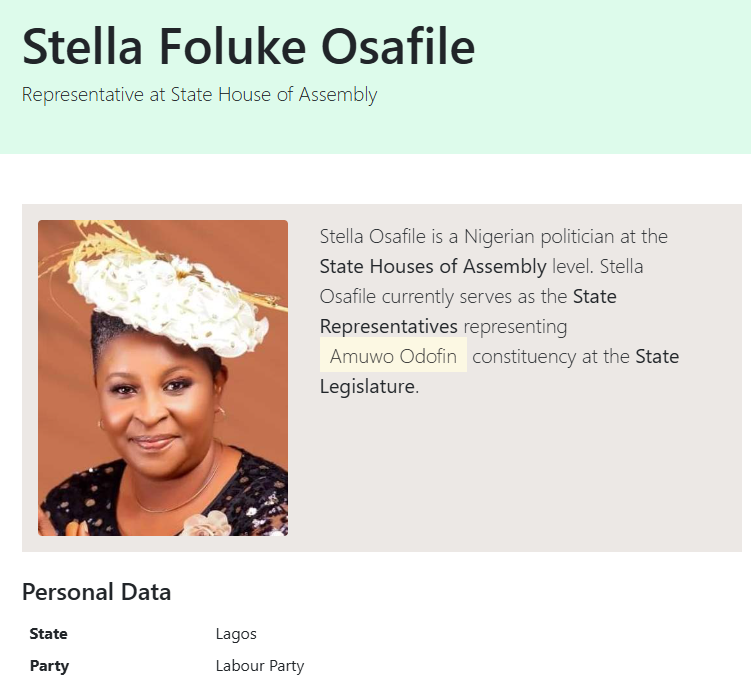
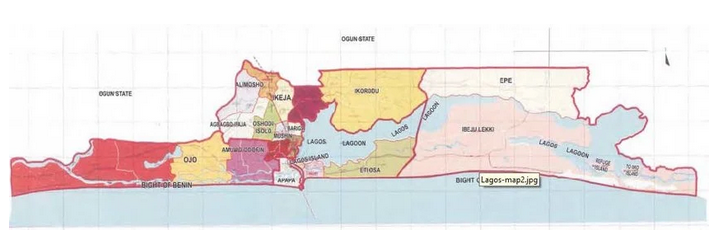
The following have no place in Lagos State Leadership State Assembly Stella Foluke Osafile LP- Amuwo Odofin Olusola Desmond Elliot APC - Surulere Federal House of Representatives. Jesse Okey-Joe Onuakalusi LP - Oshodi/Isolo II Thaddeaus Attah LP - Eti Osa
Baba Awori tweet mediaBaba Awori tweet mediaBaba Awori tweet mediaBaba Awori tweet media
English
64
86
264
35.5K
Baba Awori
Baba Awori@EOyigi·
A CLARION CALL FOR THE SOUL OF LAGOS STATE: THE MANIFESTO OF THE INDIGENE This is a message for the sons and daughters of the soil—the Yoruba indigenes of Lagos State. This is about our survival, our heritage, and our future. 1. THE IBILE COVENANT: JUSTICE FOR IKORODU Lagos stands on five pillars: Ikeja, Badagry, Ikorodu, Lagos Island, and Epe (IBILE). Fairness demands that the Governor’s seat rotate among these divisions. - Lagos Island has served. - Ikeja has served. - Epe has served. The "Gentleman’s Rule" is clear: Since the State Party Chairman is from the Badagry division, the next Governor must come from the IKORODU DIVISION. We have competent, untainted indigenes ready to lead. To bypass Ikorodu again is to tell our people they are second-class citizens in their own home. 2. THE ERASING OF OUR IDENTITY The cry of marginalization has reached the heavens like the blood of Abel. We are witnessing the systematic "erasing" of the Awori and Ijebu heritage. Our traditional institutions are being violated by those who do not understand our roots. We demand a bonafide son or daughter of the soil—someone we can hold accountable, someone who feels our pain, and someone we can criticize effectively if they underperform. We are tired of "Yes Ma/Yes Sir" indigenes who prioritize their positions over the land. 3. ECONOMIC EXCLUSION: OUR CHILDREN ARE NAKED How can we be the "Center of Excellence" when our own children are bypassed? - We saw 100 automatic civil service jobs given to NYSC graduates while our indigenous graduates were ignored by @jidesanwoolu - The Lagos State Water Corporation and other agencies hire everyone except our sons and daughters. When our youths are bypassed, they cannot care for our elderly. Our parents are left unprotected because the children who should care for them have been economically sidelined. This is why our youths are falling into drug addiction—the heart of the state is rotting like a cancer while the outside body is shining with infrastructure. 4. THE LAND IS CRYING Unchecked migration and money laundering are being used to purchase our ancestral spaces. Our people can no longer afford to live on the land of their forefathers. We are being left "naked" with no heritage to leave behind. 5. A WARNING FROM THE BALLOT BOX The last election, where the state was lost at the presidential level, was a reflection of the deep-seated pain of the indigenes. In no other state are the owners of the land treated as spectators. People use our land to reach the limelight while our own brilliant children are left behind. We support our brother at the Federal level, but the issues of Lagos State must be solved by those who truly belong to it. OUR DEMAND: The upcoming party primaries are the time to show that the leadership is listening. We want fairness. We want the IBILE rotation respected. We want our children hired. We want our land protected. We will not complain to eternity. We are at the wall, and we are ready to stand for our right to exist and thrive on our own land. LAGOS IS YORUBA LAND. EQUITY FOR THE INDIGENE NOW! Signed: Baba Awori
Baba Awori tweet mediaBaba Awori tweet mediaBaba Awori tweet mediaBaba Awori tweet media
English
7
33
69
2.9K
Baba Awori
Baba Awori@EOyigi·
@Ola_mMuritala Are you insinuating he is not his fathers son? His father was a king in Ogun State: HRM Oba Mufutau Olatunji Hamzat the Olu of Afowowa Sogade in Ewekoro Local Govt
English
2
0
0
548
Ọláyẹmí
Ọláyẹmí@Ola_mMuritala·
No, Hamzat is a true son of the soil. He’s from epe in the epe division of Lagos east, so the claim that he’s from ogun state is false. Hamzat is from Lagos state, not ogun state.
Baba Awori@EOyigi

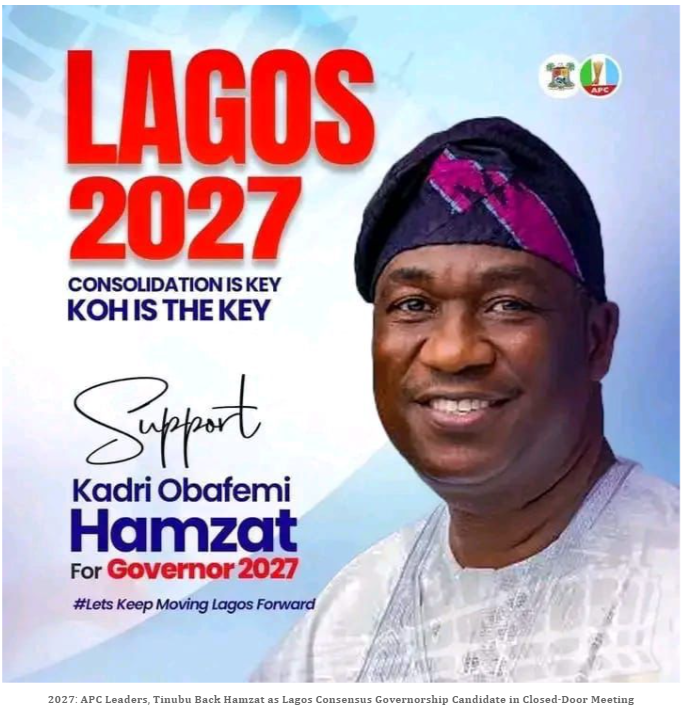
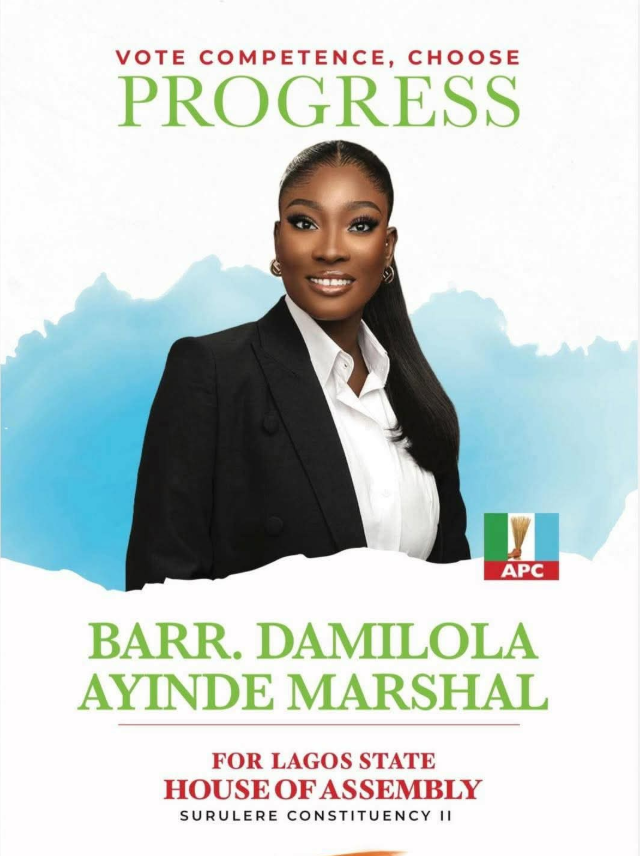
Lagos Indigenes Are Being Sidelined Again – What Is Really Going On With APC?! @officialABAT , @APCchairman , @OfficialAPCNg , @followlasg Strong indications show the APC is pushing Obafemi Hamzat, a Yoruba brother from Ogun State, as their consensus candidate for the 2027 Lagos governorship after Governor Sanwo-Olu (also from Ogun State). We acknowledge that Hamzat is Yoruba, but we cannot keep replacing one Ogun State indigene with another while the real sons and daughters of Lagos — the Awori, Ijebu, Eko and other indigenous families — are constantly pushed aside in their own land. And now the same thing is happening APC is bringing Wasiu Ayinde (KWAM1)’s daughter, Damilola Marshall, to contest for Lagos State House of Assembly in Surulere Constituency II. K1 himself is from Ijebu-Ode, Ogun State! We have our own capable sons and daughters right here in Lagos who are qualified, competent and ready to lead — so why are we being overlooked? We saw it clearly in Eti-Osa: when indigenes get angry over these “Our Internal Yoruba decisions” that sideline indigenes, voter apathy sets in — and the Igbos take full advantage to snatch seats, just as Attah did in the last election. We do NOT want that disaster repeated across the entire state. The smart, fair and only responsible thing for the ruling party to do right now is to pick genuine Lagos indigenes as candidates for both governor and assembly. Stop taking the patience and hospitality of the real owners of Lagos for granted! APC decision makers, hear us loud and clear before it is too late: Lagos belongs to Lagos indigenes! Do the needful. Enough is enough. Signed: Baba Awori

English
3
0
1
656
Baba Awori
Baba Awori@EOyigi·
@Hon_alaoonilu Mr. Geography, The Olu of Afowowa, Oba Mufutau Olatunji Hamzat, was a traditional ruler in Ogun State, his father is now from Lagos State, pity the people you are lying to na.
English
0
0
0
87
#OniluofLagos🇲🇺
#OniluofLagos🇲🇺@Hon_alaoonilu·
For clarification, he's a lagosians via his father side the claim that he's from Ogun is from his mother side.
Baba Awori@EOyigi

Lagos Indigenes Are Being Sidelined Again – What Is Really Going On With APC?! @officialABAT , @APCchairman , @OfficialAPCNg , @followlasg Strong indications show the APC is pushing Obafemi Hamzat, a Yoruba brother from Ogun State, as their consensus candidate for the 2027 Lagos governorship after Governor Sanwo-Olu (also from Ogun State). We acknowledge that Hamzat is Yoruba, but we cannot keep replacing one Ogun State indigene with another while the real sons and daughters of Lagos — the Awori, Ijebu, Eko and other indigenous families — are constantly pushed aside in their own land. And now the same thing is happening APC is bringing Wasiu Ayinde (KWAM1)’s daughter, Damilola Marshall, to contest for Lagos State House of Assembly in Surulere Constituency II. K1 himself is from Ijebu-Ode, Ogun State! We have our own capable sons and daughters right here in Lagos who are qualified, competent and ready to lead — so why are we being overlooked? We saw it clearly in Eti-Osa: when indigenes get angry over these “Our Internal Yoruba decisions” that sideline indigenes, voter apathy sets in — and the Igbos take full advantage to snatch seats, just as Attah did in the last election. We do NOT want that disaster repeated across the entire state. The smart, fair and only responsible thing for the ruling party to do right now is to pick genuine Lagos indigenes as candidates for both governor and assembly. Stop taking the patience and hospitality of the real owners of Lagos for granted! APC decision makers, hear us loud and clear before it is too late: Lagos belongs to Lagos indigenes! Do the needful. Enough is enough. Signed: Baba Awori

English
2
1
2
202
Baba Awori
Baba Awori@EOyigi·
Lagos Indigenes Are Being Sidelined Again – What Is Really Going On With APC?! @officialABAT , @APCchairman , @OfficialAPCNg , @followlasg Strong indications show the APC is pushing Obafemi Hamzat, a Yoruba brother from Ogun State, as their consensus candidate for the 2027 Lagos governorship after Governor Sanwo-Olu (also from Ogun State). We acknowledge that Hamzat is Yoruba, but we cannot keep replacing one Ogun State indigene with another while the real sons and daughters of Lagos — the Awori, Ijebu, Eko and other indigenous families — are constantly pushed aside in their own land. And now the same thing is happening APC is bringing Wasiu Ayinde (KWAM1)’s daughter, Damilola Marshall, to contest for Lagos State House of Assembly in Surulere Constituency II. K1 himself is from Ijebu-Ode, Ogun State! We have our own capable sons and daughters right here in Lagos who are qualified, competent and ready to lead — so why are we being overlooked? We saw it clearly in Eti-Osa: when indigenes get angry over these “Our Internal Yoruba decisions” that sideline indigenes, voter apathy sets in — and the Igbos take full advantage to snatch seats, just as Attah did in the last election. We do NOT want that disaster repeated across the entire state. The smart, fair and only responsible thing for the ruling party to do right now is to pick genuine Lagos indigenes as candidates for both governor and assembly. Stop taking the patience and hospitality of the real owners of Lagos for granted! APC decision makers, hear us loud and clear before it is too late: Lagos belongs to Lagos indigenes! Do the needful. Enough is enough. Signed: Baba Awori
Baba Awori tweet mediaBaba Awori tweet media
English
11
8
13
3.6K
Baba Awori
Baba Awori@EOyigi·
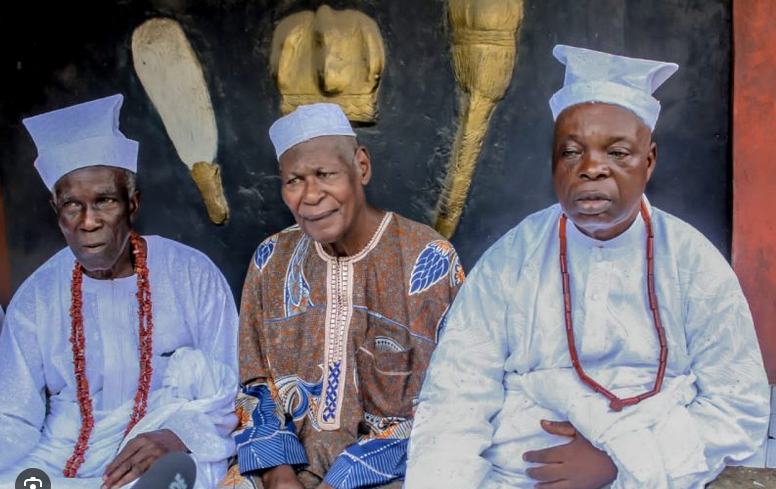
AN URGENT AND UNFLINCHING APPEAL TO THE FOUR ROYAL FATHERS OF AWORI LAND: THIS FRATRICIDAL WAR MUST END NOW! (With a Direct Challenge to the Lagos State Governor) Your Royal Majesties, I write to you today, not with the gentle whispers of court, but with the thunderous anguish of a son of Awori watching our ancestral home burn to ashes. The violence that has engulfed Ijanikin, Oto-Awori, Ilemba, and Igbede is more than a crisis; it is a profound betrayal of our heritage, a direct challenge to your sacred authority, and a festering wound on the soul of the entire Yoruba nation. I therefore call upon you, by name, to rise to your sacred duty: . HRM Oba M. A. Ashafa, the Onijanikin of Ijanikin . HRM Oba (Dr.) Josiah O. Ilemobade Aina, the Oloto of Oto Awori . HRM Oba Nofiu Adaraloye Oduwoiya, the Elete of Ete Land . HRM Oba (Dr.) Sulaimon Adeshina Raji-Ashade, the Oniba Ekun of Iba Land @ObaONIBA_EKUN Kabiyesio, the blood of your children is flowing in the streets! These are not faceless outsiders; they are your subjects—the indigenous Awori sons of the very soil you are custodians of. This is an internal Awori matter, and its resolution rests squarely, unequivocally, with you. We are all painfully aware of the root causes: the crippling unemployment, the corrosive idleness, and the systematic marginalization of our indigenous youth. This occurs despite the towering "development" that surrounds them, a stark reminder that progress often bypasses the very people whose land it consumes. These are no longer mere excuses; they are damning indictments of a system that neglects its future. The Lagos State Government under Governor Babajide Sanwo-Olu @jidesanwoolu is not merely an observer; it is complicit in this crisis. By consistently failing to meaningfully engage, empower, and integrate our indigenous Awori youths into the fabric of this mega-city, the current administration has allowed festering idleness and explosive frustration to boil over into fratricidal violence. This tragic situation underscores a critical truth: Only an indigene Governor—someone who truly understands our history, our traditions, our sacred connection to this land, and the unique pain of marginalization in our own ancestral territory—can fully grasp and truly solve this crisis. An indigene Governor is not just better; for Lagos State, it is imperative. We, the children of Awori—at home and in the diaspora—implore you, our Royal Fathers, to take immediate and decisive joint action: CONVENE AN EMERGENCY PEACE COUNCIL Immediately. Your Majesties must meet as one, with all Baales and Chiefs from the affected areas present. This disunity cannot be healed in fragments; it demands a unified, royal declaration. ISSUE A JOINT ROYAL PROCLAMATION commanding all hostilities to cease immediately and all weapons to be laid down. Your combined, resonant voice carries more power than any police force, more authority than any political decree. Speak as the fathers of the land. SIT WITH YOUR CHILDREN. Convene a face-to-face meeting with the youth leaders of Ilemba, Igbede, Ijanikin, and Oto-Awori. Listen to their pain, their grievances, their demands. Broker not just a truce, but a lasting framework for peace, opportunity, and engagement. This is the ultimate test of your sacred leadership. The government can only police the symptoms; only you, our Royal Fathers, can heal this deep-seated disease from its root. Do not let history record that our ancient kingdom tore itself apart while its kings watched in silence or inaction. Act now, Kabiyesio. Restore peace, dignity, and a future to your domains. The time for deliberation is over. The time for decisive action is NOW. Signed: Baba Awori
English
2
5
7
236