
Sabitlenmiş Tweet
EarthNodeItalia
718 posts


EarthNodeItalia
@EarthNodeItalia
Connect the people🌎|| We are the first Italian @worldMobileTeam Earth Node || Available soon...... || [email protected]
Italia Katılım Kasım 2023
150 Takip Edilen133 Takipçiler
EarthNodeItalia retweetledi
EarthNodeItalia retweetledi

The Network Builder auction process is LIVE.
This is where participation becomes responsibility, and responsibility begins to scale.
The platform is open.
Explore the map.
Save the Hexes you want to build.
🔗Link in replies.
English


Those ties..
World Mobile@WorldMobileTeam
Rome, connected. 🇮🇹 A massive week of execution for World Mobile at #WAS22, hosted by @GSMA. Our team, including Vimal Odedra, Robert Magembe & Gareth Hammer held 60+ meetings with mobile operators to expand our global footprint. The result: 48 new roaming agreements signed, more than doubling our target of 20. Industry leaders are taking note, and our status as a serious global operator is being recognized.
English
EarthNodeItalia retweetledi

We want to highlight @EarthNodeItalia who just bought a Unity Node using referral code “ALLIANCE”.
EarthNodeItalia: Italia's earth nodes pasta-fy decentralization like spaghetti in a volcano, mamma mia, al dente nodes with extra garlic giggles!
Go to unitynodes.io and use referral code ALLIANCE then let us know so we can brag about how awesome you are!
English
EarthNodeItalia retweetledi


English
EarthNodeItalia retweetledi

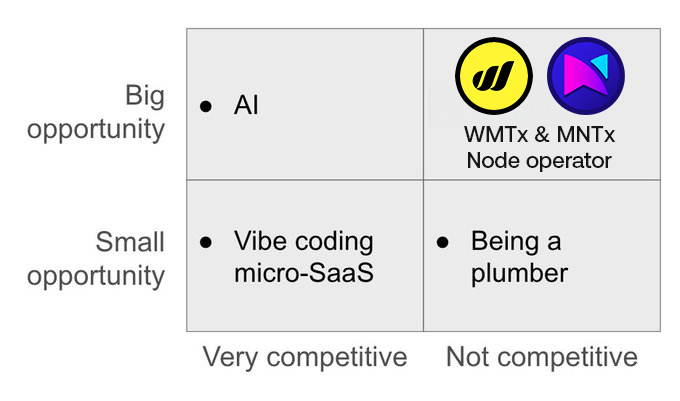
@jonwu_ "Crypto" as in Node operator (DePIN)
World Mobile @WorldMobileTeam and Minutes Network @Minutes_Network offer incredible opportunities as part of their sharing economy.
$WMTx $MNTx
English
EarthNodeItalia retweetledi

I hear a rumor about a Digital Asset Treasury eyeing $WMTX 😱👀
If true… you have no idea where this rocket is headed 🚀
English
EarthNodeItalia retweetledi

🚀 WMTX at rock bottom market cap → the ultimate degen playground?
📈 Staking frenzy or stealthy whale moves?
🔥 Season is just starting, hold tight! #vibe #cryptal #cryptalai #cryptalinsights @Cryptal_ai

English
EarthNodeItalia retweetledi
We want to highlight @Krabalot who just bought a Unity Node using referral code “ALLIANCE”.
Mr. Krabalot (@Krabalot): The crabby connoisseur who pinches pennies and nodes with equal gusto
Go to unitynodes.io and use referral code ALLIANCE then let us know so we can brag about how awesome you are!
English
EarthNodeItalia retweetledi
Unity.
Serg@sg_HGA
Ever wondered why Speedtest or Downdetector are “free”? 🤔 It’s not for you. Your data is quietly packaged + sold to carriers, who already spend tens of billions testing their networks. Unity flips this model: instead of giving data away… you get paid. 🧵 @wmchain @Minutes_Network $WMTx $MNTx
English
EarthNodeItalia retweetledi

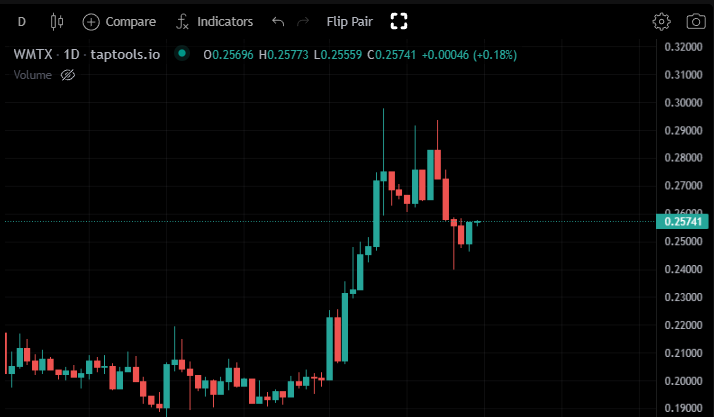
$WMTX is up almost 30% in the past 30 days🔥
This is one of Cardano's sleeping giants🚀
English
EarthNodeItalia retweetledi
I don't think you understand how big Unity Node can really get... for $WMT alone just think about it. This will become the biggest decentralized global edge network of its kind fueling direct traffic to the EN network which will result in HUGE buy backs.
I foresee this generating 𝗯𝗶𝗹𝗹𝗶𝗼𝗻𝘀 𝗶𝗻 𝗿𝗲𝗰𝘂𝗿𝗿𝗶𝗻𝗴 𝘁𝗿𝗮𝗳𝗳𝗶𝗰 creating a nonstop cycle of demand for $WMTX
Every new service, every new license, every new partner plugged into Unity means more rewards for operators and more buy pressure on $WMTX
This isn’t just another node...this is the engine that will scale a huge part of the EN network.

English

English
EarthNodeItalia retweetledi
If you use referral code “ALLIANCE” to buy your Unity Node(s), let us know!
We are making a list of the smartest, best looking, most talented, best dressed, awesomest people in the community!
Don’t wait!
Use our code and solidify your spot on the list!
Unitynodes.io

English
EarthNodeItalia retweetledi


EarthNodeItalia retweetledi

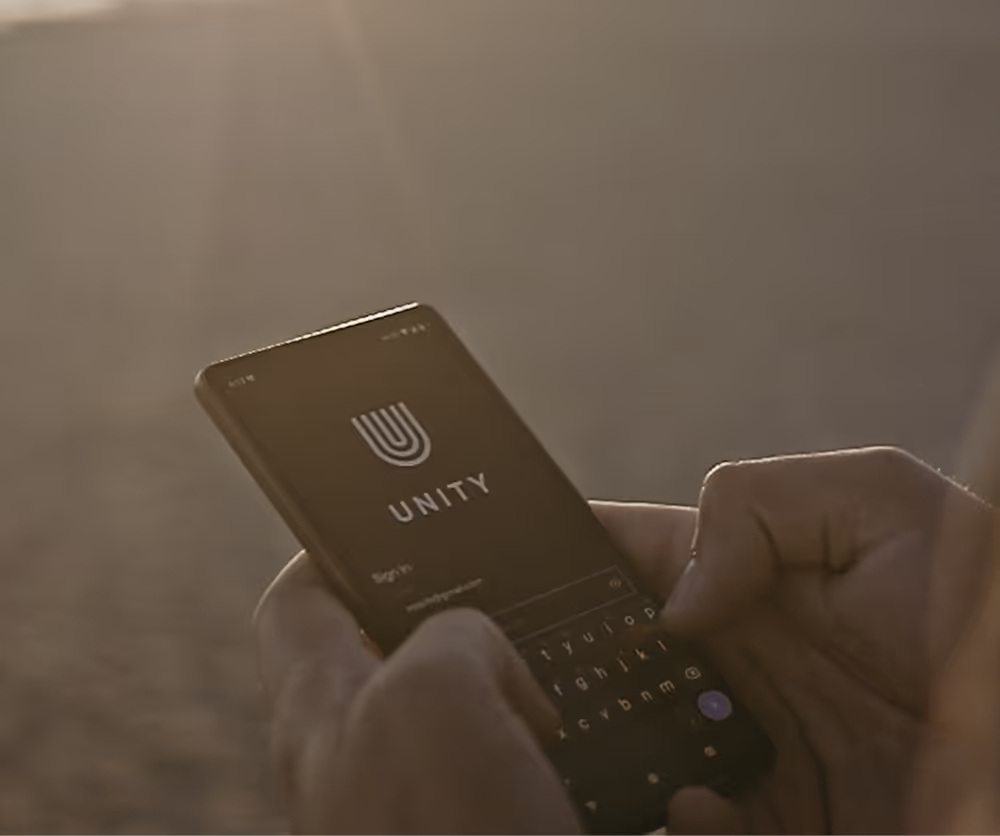
🚀 Own a Unity Node, mine top crypto from your phone!
Earn #BTC, #ETH, #ADA + more 🔥
📱 All you need is a cellphone!
Just rewards straight from your phone.
Only 6,000 Unity Nodes exist — secure yours today ⏳
👉 Referral code: JWRLM3QA
unitynodes.io
#Ethereum
English
EarthNodeItalia retweetledi

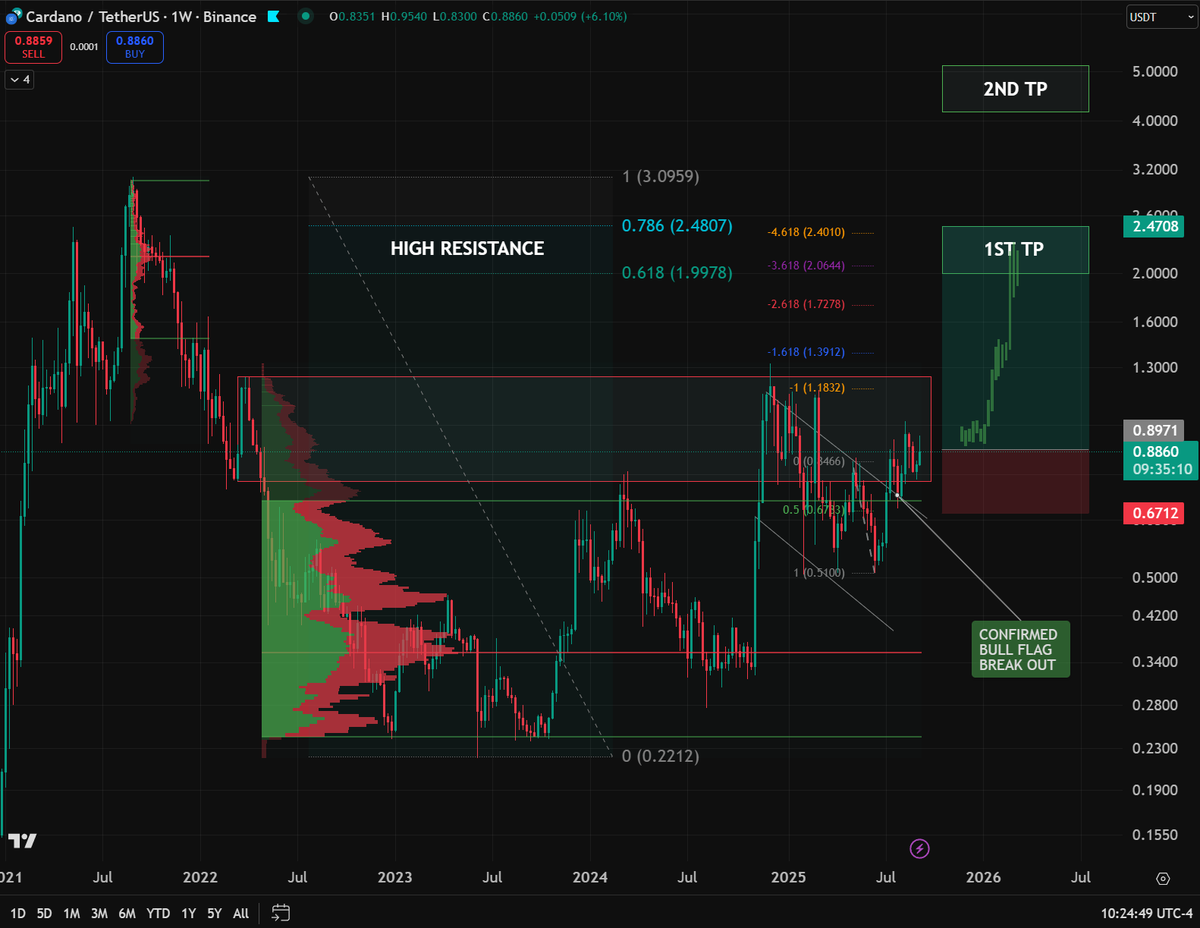
$ADA Bull Flag Breakout ✅ Close above $1.39 = 🚀
Clear skies ahead for a run to $5! 🌕
🟨 Trade $ADA on WEEX: themoon.co/WEEXcharts 👉 20% Deposit Bonus + Get 10-100 USDT Coupon by Binding Phone & Email + Trading Rewards
English
EarthNodeItalia retweetledi
🎙️ "I’ve always wanted to be an AirNode Operator."
Kal from @CloverNodes was among the very first to join, driven not just by rewards, but by the mission to provide connectivity to people in need.
Now it’s your turn.
Be part of tomorrow’s AirNode Drop at 17:00 UTC and join the sharing economy.
👉 #ctaairnode" target="_blank" rel="nofollow noopener">worldmobile.io/airnodes#ctaai…
English
EarthNodeItalia retweetledi

Are you based in Australia? 🦘🇦🇺 Interested in DePIN,
@WorldMobileTeam or joining the sharing economy? 💰
I just launched a community for Australian marketers, enthusiasts & potential HEX Guardians. $WMTx
Come build with us! 👇
x.com/i/communities/…
English