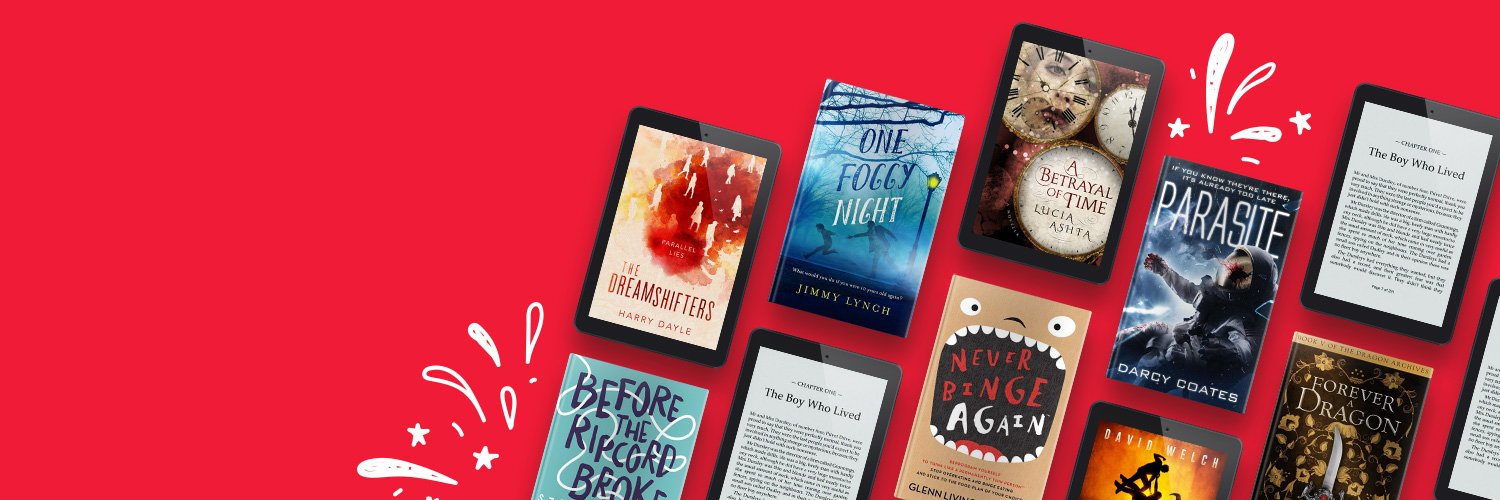
Ebook Launch

4.4K posts

Ebook Launch banner
Ebook Launch

Ebook Launch

@Ebook_Launch

Cover Design, Formatting & Book Editing Services for independent authors and publishers.

Katılım Ekim 2009
2.4K Takip Edilen1.6K Takipçiler
Sabitlenmiş Tweet
Ebook Launch
Ebook Launch@Ebook_Launch·
Unlock the secrets to a compelling back cover that turns browsers into buyers! Our comprehensive guide covers everything from book blurbs to ISBNs. Don't miss out! #BookPublishing #CoverDesign 📚🎨 Read more: buff.ly/3PIc9d5
Ebook Launch tweet media
English
4
0
2
345
Ebook Launch
Ebook Launch@Ebook_Launch·
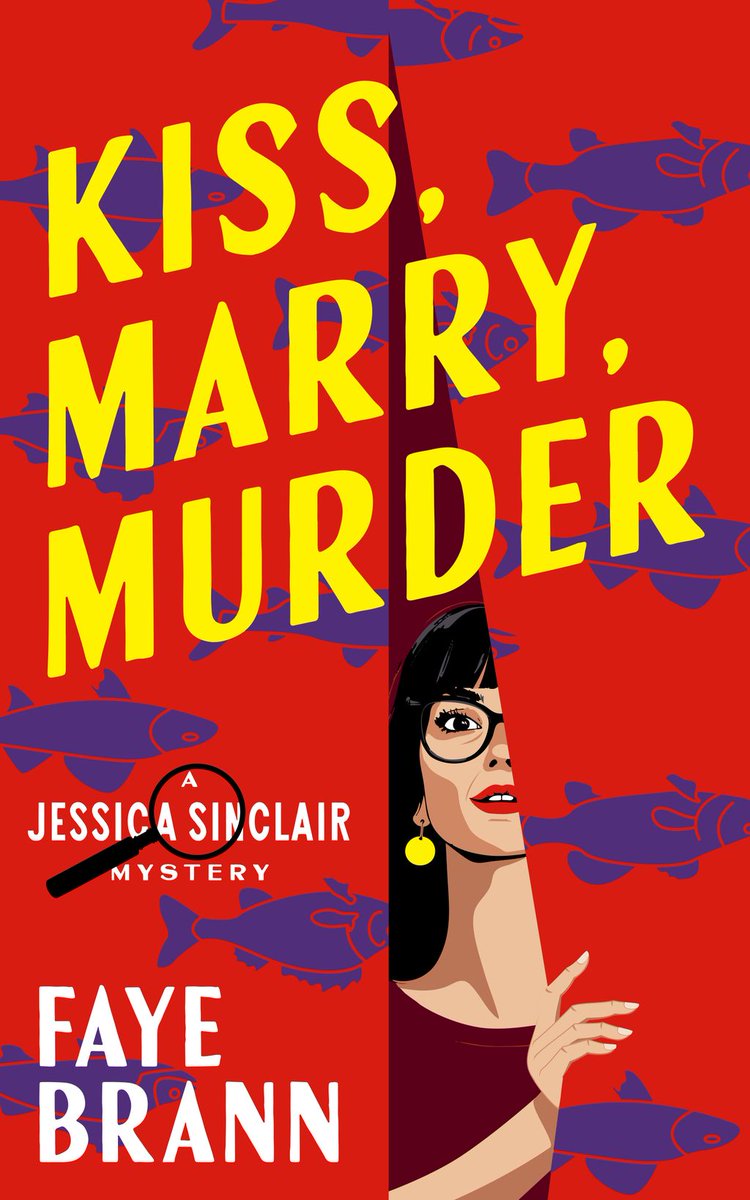
Recently completed humorous mystery book cover design! #amwriting
Ebook Launch tweet media
English
1
2
11
167
Ebook Launch
Ebook Launch@Ebook_Launch·
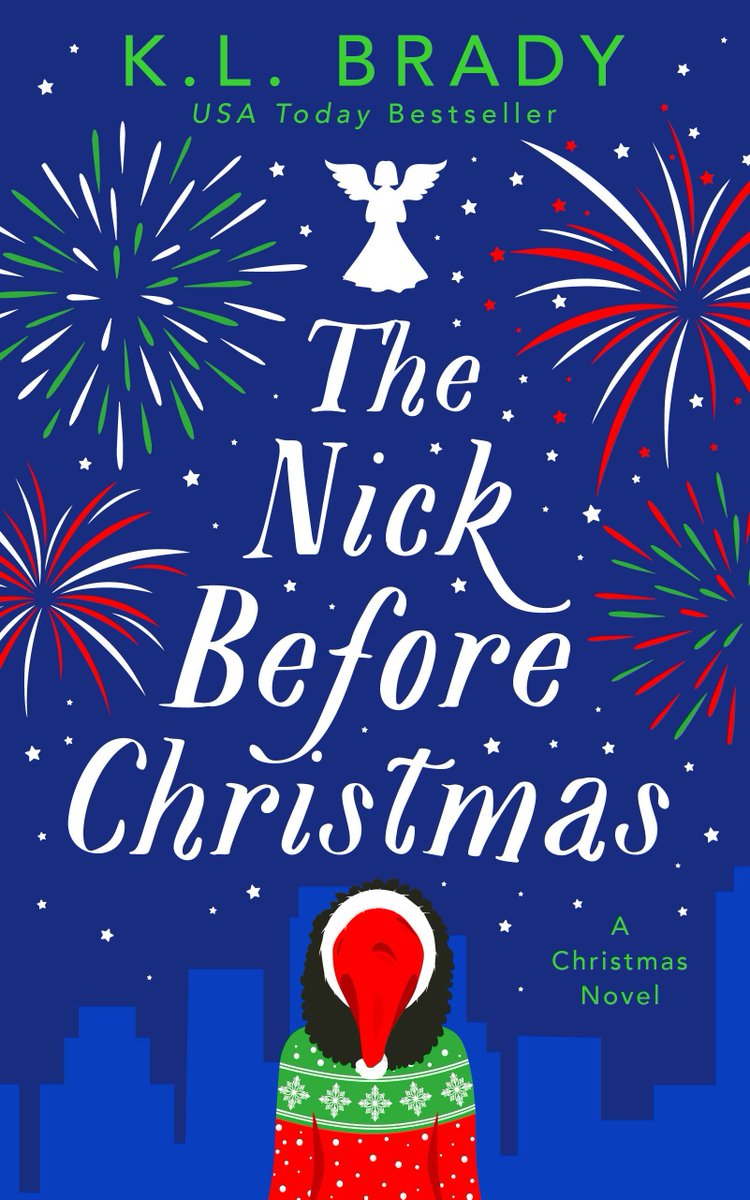
Recently completed contemporary fiction book cover design! #amwriting
Ebook Launch tweet media
English
0
0
6
168
Ebook Launch
Ebook Launch@Ebook_Launch·
Recently completed romantic comedy book cover design! #amwriting
Ebook Launch tweet media
English
0
0
6
109
Ebook Launch
Ebook Launch@Ebook_Launch·
Recently completed psychological thriller book cover design! #amwriting
Ebook Launch tweet media
English
1
0
3
98
Ebook Launch
Ebook Launch@Ebook_Launch·
Recently completed women's fiction book cover design! #amwriting
Ebook Launch tweet media
English
0
0
2
80
Ebook Launch retweetledi
Melissa Cave
Melissa Cave@melissajcave·
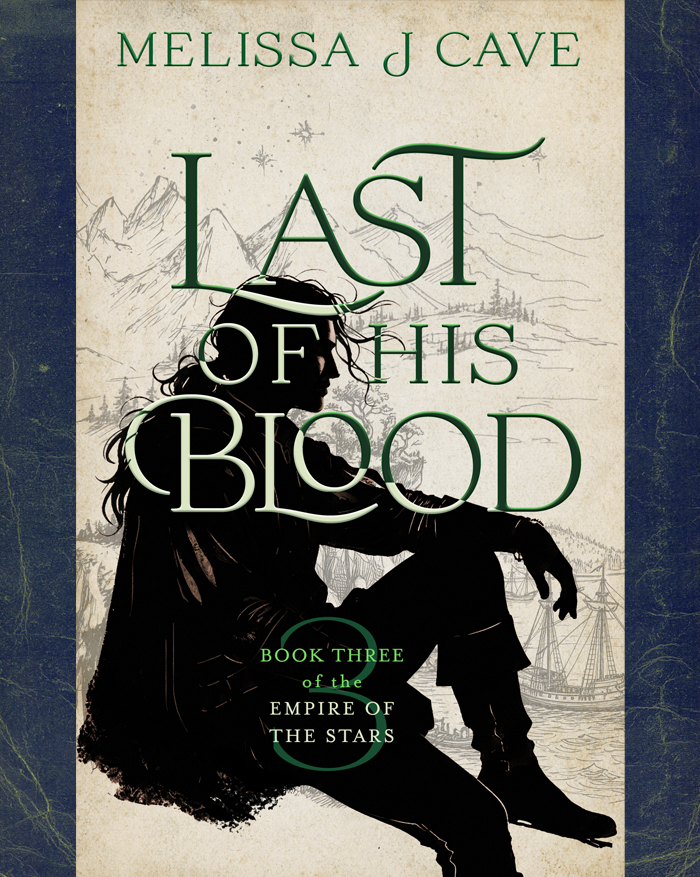
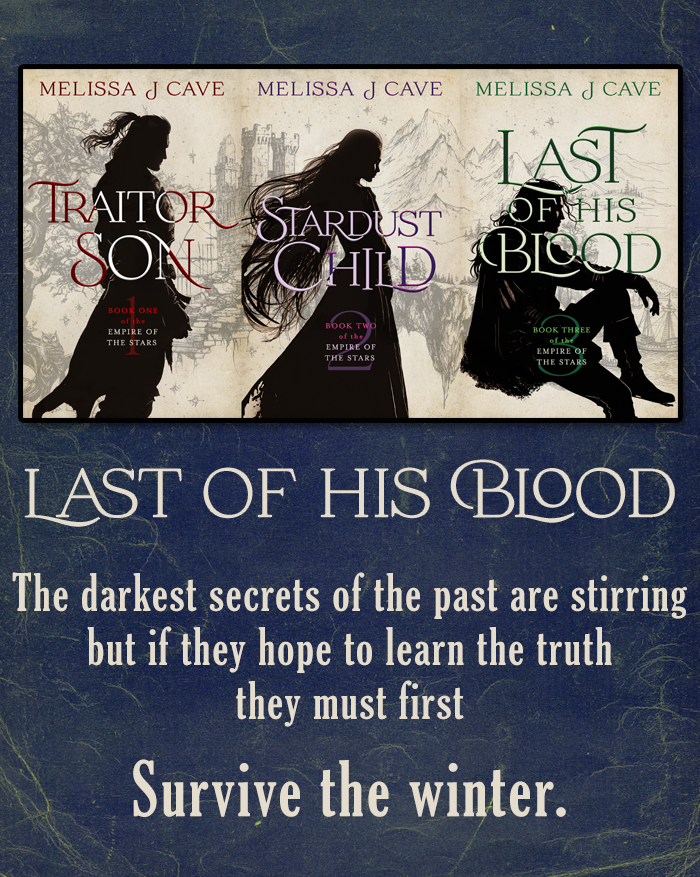
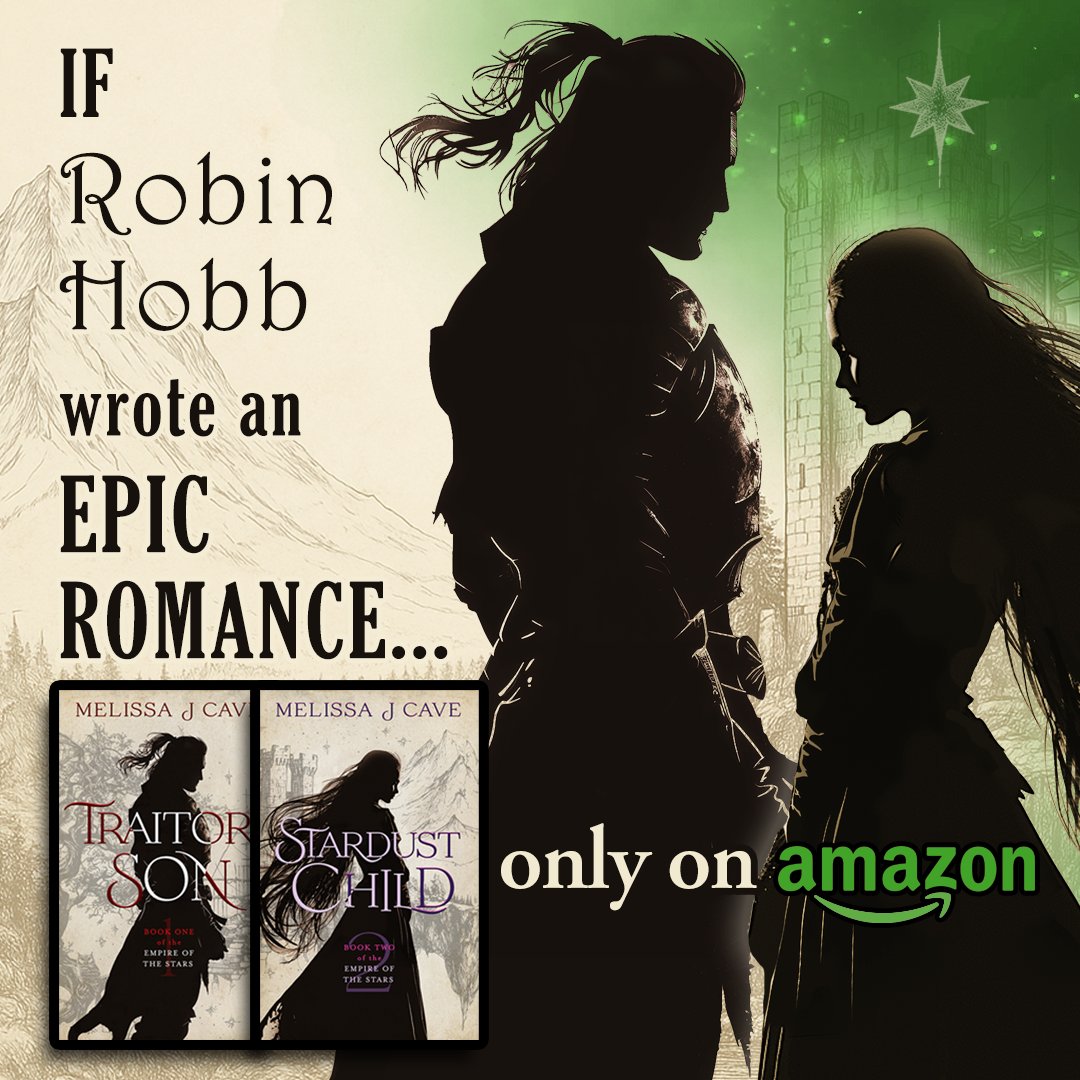
Last of His Blood has a cover! 😍 It is so exciting to see Miche (and that luscious hair) as well as watching the whole panorama of the story coming together. Thanks as always to the amazing @Ebook_Launch for the cover. 🥰
Melissa Cave tweet mediaMelissa Cave tweet media
English
2
5
14
445
Ebook Launch retweetledi
Melissa Cave
Melissa Cave@melissajcave·
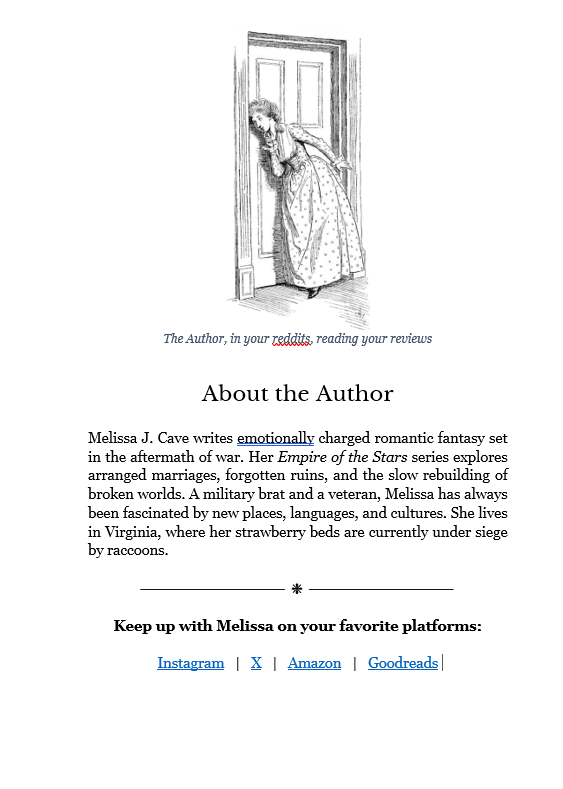
There is an entire industry built on self-publishing, with people at every stage waiting to take money from hopeful authors in exchange for not much. It gets really tempting to think there's an easy solution after a few months down that rabbit hole. So here's my guide, for what it's worth. I released two decently successful books in the last 9 months (successful as in, "paying for my mortgage") just to give you some bona fides, but I hope @DavidBadurina @AnEriksenWife @Devon_Eriksen_ @Kristin_Fiction will correct me or expand if I'm wrong. (I'll include the corrections in an article I'll send to @indiosyncbooks to be a more permanent resource.) 1. First: Why do you want to be published? It's okay to just love writing. It's okay to snap up a budget premade cover and publish your writing on Amazon for free and see who bites. But if you are serious about being a writer, and have a dream of making it a career, then you must invest. There are a few areas where you can't afford to be stingy. So if you are serious about an author career, and are willing to work Doordash for a month to pay for a good book cover if that's what it takes, then proceed to step 2. 2. Write (and edit!) a good book. Take the time to write the best book you possibly can. Join a writer's group, either online or in-person, and build relationships while you're writing. You will need other writers and readers to give you feedback. For many writers, a circle of excellent beta readers is sufficient to complete a polished final book. There are two types of editors. I paid (expensively!) for a developmental editor for my first two books to look at them for content, pacing, etc. And while he gave me excellent advice, I'm not sure my current betas wouldn't have done the same, if I'd had them back then. Note: my current betas are MERCILESS when it comes to structure and who vs. that, and don't hesitate to correct me AT LENGTH. I hear @S_L_Falls yelling at me in my head about my POV shifts every time I make one. But that's GOOD. Betas are not cheerleaders. If all they do is praise you, they're not helping. The second type of editor is a copy editor. You need to know your own writing well enough to know if you need an copy editor. If you have a lot of spelling and grammatical errors, then you need to do what it takes to fix them. That's what a copy editor does. I use an AI reader and listen to my entire book read aloud to catch switched words and dropped words (my particular weakness), which is an excruciating and time-consuming exercise, but effective. BLUF: Paying for editors is better than no feedback at all. DO NOT PUBLISH WITHOUT FEEDBACK. But betas are much cheaper. 3. Pay for a good cover that reflects your brand and genre. Lots of authors have dreams about their book covers, but the point of a book cover is not to fulfill your dreams. It needs to a) stop the scroll, b) get readers to click it, and c) get the RIGHT readers to click it. You don't want to promise medieval monster hunting and deliver three hundred pages of explicit monster erotica. All that will get you is low ratings and angry reviews. What do other covers in your genre look like? What is your genre? Author, know thyself. Who are your comp authors? That question infuriated me for years, but you need to keep asking yourself until you get answer. If you were to search for your own book on Amazon, what would you put in the search bar? "Authors like..." who? "Books with..." what? Once you can answer those questions, you can find a reputable book cover artist/designer. I use @Ebook_Launch, and they have a package for ebook, paperback, and hardcover for $600. I feel I got my money's worth, but by all means, look around. What they need to know first is your genre and comp authors, and THEN you can look at how to make your cover stand out from the crowd and accurately reflect your story. You don't have to pay thousands. But if you're serious about your career, then NO, a premade $50 cover is not good enough. Because you're not just publishing one book. You're building a brand. You also need a blurb to go on the back of your book if you're getting print book covers. See step 6 for details. 4. Build your brand. (And website.) Knowing your genre, comps, and having a book cover will give you a creative direction for what your author website and even your internal book formatting should look like. It may sound nitpicky or even premature to be planning an author website, but all these things will feed on each other for a professional presentation of who you are. You are reducing friction in every place a reader might encounter you. Friction is when your website doesn't match your book cover. Friction is when your blurb doesn't match your cover. Friction is when your "About Me" page is blank or even worse says, "Coming Soo." Friction is when you're an ass on social media. You are looking to create a polished, professional package of who you are and what you write. Secondly, you are building a pipeline. A reader finishes your book. Ideally it's the best thing they've ever read and they're foaming at the mouth for their next fix. Where do they go? We'll talk about the back matter at the end of your book in a minute, but you are missing a big opportunity if you don't have somewhere to send them. The end of your book is the most interested a reader will ever be in you. Yes, you need a website. It doesn't have to be expensive. It doesn't have to be huge. You can get a site (with a subscribe function) from @MailerLite for $10/month, and their drag and drop functionality is simple enough that just about anyone can do it. Pick two contrasting colors from your book cover, keep it simple, be professional. Give your readers a landing page where they can subscribe for updates. Some genres use this more than others; in my genre, romantic epic fantasy, it's a almost a given that I'll provide a website, mailing list, and bonus content for my subscribers. You should look into all these things, but in the beginning, you just need a landing page and subscriber sign-up. 5. Internal Book Formatting: I chose this order of operations for a reason. Now that you have a website and book cover, you should have refined the creative direction of your brand. You'll have a font for your book cover, which you can re-use for your chapter titles and title page. You have images from your book cover, which can give you a direction for your chapter header image, if you need one. Again, you're reducing friction with a polished and consistent presentation. Now you either pay for your book formatting or learn to do it yourself. For my first two books, I paid about $400 each, which will vary depending on the length of the book and the complexity of the formatting. Chapter header images and custom chapter fonts should not add appreciably to that amount. I had to learn to format ebooks when I made a bonus short story for my subscribers, so I went ahead and learned to format for print, too. I use Calibre for formatting ebooks and Microsoft Word-->PDF for print, because that's what I'm most familiar with. Your mileage may vary; there are a TON of options out there. @Kindlepreneur has great reference material on this, just search "Book Formatting" on his site. BLUF: If you have the time and patience to learn to format yourself professionally, then go ahead. If you can't do it professionally, pay for it. Do not neglect your back matter. After the book is over, when your reader is still basking in the afterglow, is your best chance to get them to a) review your book, b) subscribe to your mailing list, and c) preorder your next book. Again, you're building your pipeline. You may not have the next book ready (though you should IMMEDIATELY update the back matter of all your books when you do) but you can still ask them to subscribe for updates, review, and follow you on social media. I put social media on my About the Author page because it looks too crowded otherwise, and I do have a book for them to preview and preorder. See the attached images for examples from my books. 6. Amazon. Now that you have a professionally formatted book and a book cover, it's time to talk about Amazon. ISBNs: If you are just planning to release an ebook on Amazon and that will be it, ever, yea verily unto the ending of the world, you don't need ISBNs. (These are the barcodes that go on the back of your book that will be your unique identifier.) But if you are releasing multiple versions and one day dream of being in actual bookstores, then go ahead and spend the money now. You can just use the ASINs that Amazon will provide you, but a) those are only good on Amazon and b) it is an ungodly pain in the ass to try to add your own ISBNs later if you want to expand. ISBNs are $300 for 10 from Bowker, and Bowker is the only place you can get them. Look it up. Learn it. Love it. Live it. Categories and Keywords: The most important thing you need to know about these is a) keywords can be easily updated, and b) categories CAN'T. If you want to update your categories later, you will have to send an email to KDP support and then cross your fingers and sacrifice a goat in the hopes that they'll do it. Knowing this, I paid for KDPRocket ($100 a month for lifetime use) from @Kindlepreneur and watched their videos. I later paid for a marketer who said my categories were spot on and my keywords less so. I think KDPRocket was a good investment, but that doesn't mean there aren't other equally good resources or tools. For keywords specifically, they are a hit and miss resource, period. They are intended to help Amazon determine when to display your books in search results, but if there are 6000 higher-ranked authors above you, then that keyword isn't helping. Initially, as an indie author, you will want to target niche interests where you can get visibility. Once you're ranking higher, then go for more popular keyword sets. Blurb: Like your book, your blurb is not about you and your dreams. It is a sales pitch and as the author, you are the absolute worst person to write it. But over the literal years it took me to refine my blurb, I started to understand what I was trying to achieve with it. I looked at blurbs for other authors in my genre. And I broke it down to this structure: A) The hook. The first sentence that poses an interesting question or conflict to instantly grab the reader's attention. B) The characters: No more than two. Who are they and why should the reader care about them? If you can pose it in terms that do some world-building (in my case, "Daughter of Stars" and "a battle-scarred knight who dreams of peace") then bonus points. C) The stakes: What's the problem, and what happens if they fail? D) Call to action: Pick up my book today, and begin a journey that will change your whole life and FEED YOUR SOUL. Pricing: Again, this will depend on your genre. Let me say that again. This will depend HEAVILY on your genre. My advice is to look at your INDIE comps and start low. In the beginning, reviews are more important than profit, but you don't want to go SO low that it screams indie bargain bin. Weigh your indie comps and your word count, then knock a dollar off that. Print specifications: Read the Kindlepreneur "Book Formatting" resources. Don't get cute. Release Date: It is really hard to get any traction for a first book as an indie author. But once you have everything else on this list in order, give yourself a minimum of three months to try. 7) The Buzz. The best avenues to build pre-order interest will depend on your genre. I have made some good friends on X, found a few of my betas here, and made a few sales, but for my genre (romantic epic fantasy), X is the worst. My audience is not here, and nothing I do will change that. Social Media: If you can leverage your social media relationships into readers/reviews, more power to you. But that means that you're not really selling your books: you're selling YOU, first. You're building a platform separate from your books (your social media personality) and THEN selling. It's a viable strategy, if you're an interesting person with a lot of time on your hands. ARC Sites: My greatest success came here. I used Netgalley (via a co-op at $55/month/title) and Book Sirens to release both my books and got about 30 reviews from both on release day, which is exceptional for an indie. But I also had a GREAT book cover, an 8/10 blurb, and a very popular genre in romantic fantasy. Your mileage may vary, but you have got to get those reviews somehow. Paid Reviews: Kirkus Reviews and similar sites carry a lot of weight as editorial reviews. I paid a lot of money for a TERRIBLE review from Kirkus and I don't recommend it. If you do get a bad review, they will generously not publish it if you ask, but in my opinion, it's a scam. Certain authors will ALWAYS get a good review, regardless of the quality of the book. Certain subjects will ALWAYS get a bad review, regardless of how well they are handled. There's no way to talk about this without sounding sour-grapey, but I have seen much worse books than mine get much better reviews. In my case, it's not JUST that the reviewer said my book was bad, but they said it in a single poorly-written paragraph that looked like it was written by an unpaid intern in a dark closet scented of cleaning products and broken dreams. Maybe you'll get better results. It's very expensive and demoralizing if you don't. Book Bloggers: Whether it's on Youtube or review sites, you can try contacting reviewers directly. They will usually need at least a couple months' lead time, if they accept you at all. I went to Book Sirens and went through their entire fantasy book blogger catalogue. Of ~700 reviewers, about ~150 were still updating their blog and adjacent to my genre. (DO NOT just send your book to anyone. You want HAPPY readers.) Of that 150, maybe 40 accepted my book. Of that 40, ~15 wanted physical copies. Of that 15, maybe two actually posted a review. Lessons Learned: Sending out physical copies is exciting, but expensive and not worth it. Would I repeat the rest of the exercise? Probably. I got ~10 reviews total from that whole process, but it took DAYS of work, cost about $300 between shipping and the books themselves. But early Amazon reviews as an indie--if you're serious about being an author--are that important. Further Lessons Learned: document your contacts. Follow up. If someone replies to you, WRITE. IT. DOWN. I have a spreadsheet with the email, website, and last contact date of every reviewer who responded to me. I have a folder just for them in my email inbox. You will need it. Be organized. Genre-Specific Strategies: There are too many other strategies to list. My advice, when you're looking them up, is to always ask, "will this work for my genre." As a romantic fantasy writer, I did Instagram book tours that performed EXCELLENTLY. They got me a ton of Goodreads adds and Amazon reads. But you won't get that result if you write military sci-fi. Release Day: I am going to say this with all sympathy. For your first book, no one cares. You can do book cover reveals, book launch parties, etc. etc., but those will only matter if you already have a following and platform separate from your book. They're fun, they may result in a sympathy sale or two, but they aren't going to put you on any bestseller lists. Be professional. Post about it on social media, and politely remind your reviewers that your book is out today and ask them to take a minute and post their review on Amazon. Mark off the ones that do and follow up two weeks later with the ones that don't. This isn't just about the first book; this will be your list of potential reviewers for book 2. 8. Marketing: If you want to be a professional author, this is unavoidable, and it is harder than any other part of this process. Your book does not exist if you don't constantly market it. Amazon is not going to miraculously discover it for you. And as with your release day strategy, it is so dependent on genre, that should always be the first question out of your mouth as soon as someone starts talking about a promotion. But here are some generalities. A) Build a platform. Pick the social media sites where your readers are most likely to be there and go there. Follow topics that will interest them and contribute to the discussion. Do not constantly shill your own book. If you are interesting and have thoughtful, well-phrased contributions to the conversations, they will pick up your book by themselves. In a similar vein, many authors have Youtube channels, podcasts, etc. etc. All of those are viable routes to gaining an audience, but where most of them fail (IMO) is that they all want to talk to and about other writers. That's great if you want to network and uplift the community, but just recognize you're not getting readers that way. If you want people to read your medieval fantasy, talk about medieval fantasy. You need to answer two questions: Why should they be interested in me, and therefore, why will they be interested in my book? B) Pay to win. Advertising. I went this route because I don't have the time or patience for social media, and I already have the graphics skills to make ad images. (See a few below.) I also am making enough off my books that I can afford $40-$50 a day in advertising. IF you have the money and the skills, this is viable and lucrative. But you need to be rock solid on your branding, your book cover, your blurb, and your book. If any of those are less than professional-grade, you will lose money and get nowhere. C) Miscellaneous. There are so many possible other avenues (and so many scams) that it's impossible to list them all. I've tried Fussy Librarian and Red Feather Romance. I tried very expensive book tours that did NOT provide results. THE VAST, VAST MAJORITY OF THIS NONSENSE IS WASTE. A waste of your time and money. Email lists, purchased subscriber lists, etc. etc. The maddening thing is, there are things that will work in this mess of miscellaneous, but you need to be strict about ROI and do your homework. How much did you spend? How much did you get for it? Be honest. I've heard good things about BookBub. And that's it. Through release day, for book 1, I spent $600 on my book covers, $400 on my book formatting, $300 on ISBNs (which will cover 2.5 books for me) $10/month on Mailerlite, $110 on Netgalley, $30 on BookSirens, $300 on mailing books (don't recommend) $100 on KDPRocket, and $970 on an Instagram Book Tour (highly recommend for my genre.) Plan about $2500 for the first book as an investment, and that is the barest minimum you need, IMO. If you don't spend a thousand on a book tour, then it can be equally well spent on other paid promotions more appropriate to your genre. When I decided to do this, my boyfriend told me, "If you're going to do this, DO IT. Give it everything you have." If you want to be a professional author, then COMMIT. Doordash for your book cover, if that's what it takes. But track that ROI. Fellow authors of the writing community, did I miss anything big?
Melissa Cave tweet mediaMelissa Cave tweet mediaMelissa Cave tweet mediaMelissa Cave tweet media
Mike Magruder@MikeMagruder3

@Devon_Eriksen_ Well said! Would you consider helping those of us looking to self-publish with a basic how-to? I would love to eventually self-publish, but don’t know where to start. 🙏🏼🙏🏼🙏🏼

English
15
14
77
5.2K
Ebook Launch
Ebook Launch@Ebook_Launch·
Recently completed contemporary romance book cover design! #amwriting
Ebook Launch tweet media
English
0
0
0
68
Ebook Launch
Ebook Launch@Ebook_Launch·
Recently completed Humor & Entertainment book cover design! #amwriting
Ebook Launch tweet media
English
0
0
1
59
Ebook Launch retweetledi
Patty Almond
Patty Almond@patty_almond·
@Ebook_Launch Thank you for the beautiful ebook and print covers, as well as the "upload-problem-free" formatting of both versions. With so many details a new self-publishing author has to think about, you made these areas run so smoothly, and I am eternally grateful!
English
1
1
2
39
Ebook Launch
Ebook Launch@Ebook_Launch·
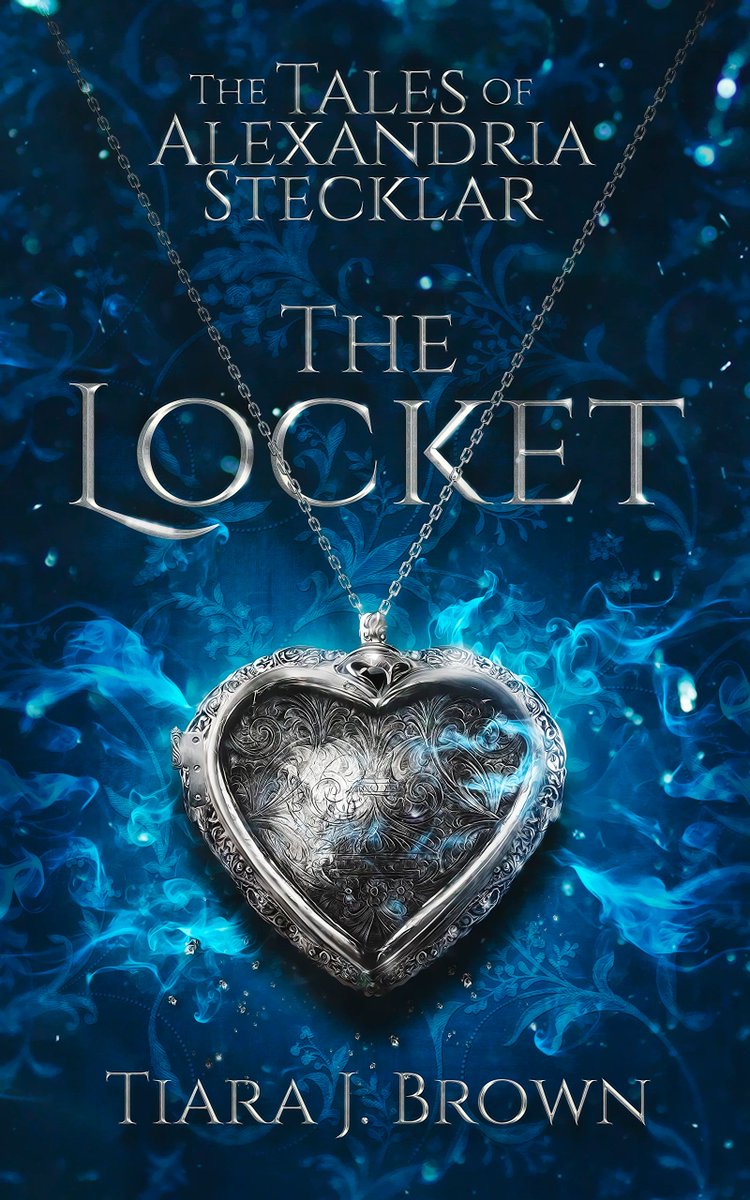
Recently completed Young Adult Fantasy book cover design! #amwriting
Ebook Launch tweet media
English
0
0
1
59
Ebook Launch
Ebook Launch@Ebook_Launch·
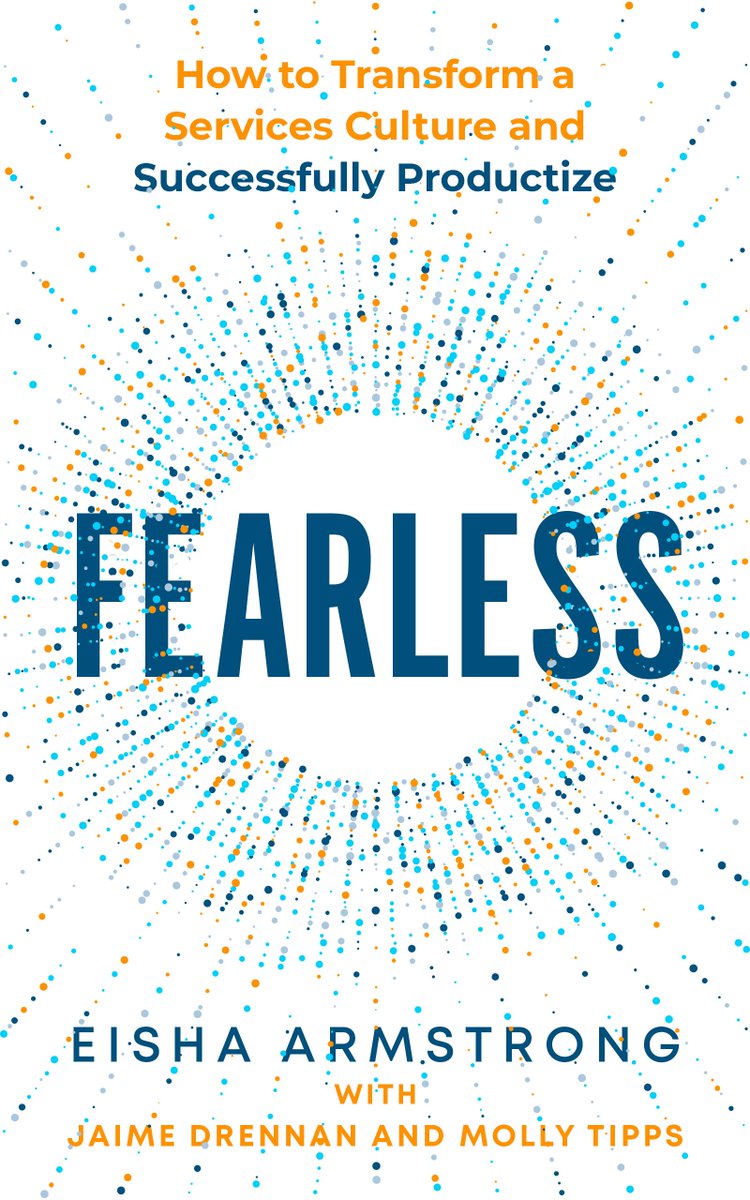
Recently completed computer science book cover design! #amwriting
Ebook Launch tweet media
English
0
0
0
45
Ebook Launch retweetledi
Melissa Cave
Melissa Cave@melissajcave·
@LordTBR_FFA I use @Ebook_Launch for my covers and internal formatting. They do a fantastic job and are very reasonably priced.
English
1
1
3
72
⚔️LordTBR_FFA⚔️
⚔️LordTBR_FFA⚔️@LordTBR_FFA·
Authors. I want to know who your cover artist is and I want their permission to be included in a list on FanFiAddict.com. I want to help create a “one stop shop” resource for writers and we will begin with what I believe is your biggest selling point.
English
46
34
109
5.5K
Ebook Launch
Ebook Launch@Ebook_Launch·
Recently completed science fiction book cover design! #amwriting
Ebook Launch tweet media
English
0
0
1
45