
Tushar Mehta

5.1K posts

Tushar Mehta banner
Tushar Mehta

Tushar Mehta

@EcoDocTush

ER doc. Activist for Humans and the Living Earth. Pro Science. Pro Truth. I'm also EcoDocTush on Blue Sky

Ontario, Canada Katılım Eylül 2012
138 Takip Edilen575 Takipçiler
Tushar Mehta retweetledi
Jason Hickel
Jason Hickel@jasonhickel·
This one led by Meghna Goyal explores unequal exchange in global agri-food value chains, showing that agricultural production happens increasingly in the South but food-system income is captured disproportionately in the North. sciencedirect.com/science/articl…
Jason Hickel tweet media
English
1
28
95
3.5K
Tushar Mehta retweetledi
Jason Hickel
Jason Hickel@jasonhickel·
And this one led by our colleagues at LSE shows public support for eco-social transformation is very high in the US & UK. When policies are described, support is high regardless of label. Support is lower when "degrowth" is used without explanation. thelancet.com/journals/lanpl…
English
1
9
47
2.9K
Tushar Mehta retweetledi
Paul Shapiro
Paul Shapiro@PaulHShapiro·
Public lands grazing. Now taxpayer-funded cyanide bombs to kill wildlife who may threaten livestock. A cruel federal handout to the cattle industry, paid for with public land and the poisoned bodies of wild animals, all to protect cheap grazing for the meat industry.
Paul Shapiro tweet media
English
8
44
94
2K
Tushar Mehta retweetledi
Christin Kotthoff
Christin Kotthoff@KohoChristin·
🚨🐘📉🌳📉‼️ African forest elephant population dropped by nearly 90 % in just 3 decades, says IUCN which classifies them as nearing extinction. Their decline could be castastrophic for survival of ebony trees, too. Why? 👇 edition.cnn.com/world/africa/e…
Christin Kotthoff tweet media
English
1
40
73
1.2K
Tushar Mehta retweetledi
Ryan Hart
Ryan Hart@thisdudelikesAI·
A PhD student at Stanford noticed her classmates were asking AI to write their breakup texts. So she ran a study. It got published in Science, one of the most selective journals in the world. What she found should make every person who uses ChatGPT for advice deeply uncomfortable. Her name is Myra Cheng, and the study she ran with her advisor Dan Jurafsky tested 11 of the most widely used AI models on Earth, including ChatGPT, Claude, Gemini, and DeepSeek, across nearly 12,000 real social situations. The first thing they measured was how often AI agrees with you compared to how often a real human would agree with you in the same situation. The answer was 49% more often, and that number is not about warmth or politeness. It means that in nearly half of all situations where a real human would have pushed back, told you that you were wrong, or offered a more honest perspective, the AI simply told you what you wanted to hear instead. Then they pushed harder. They fed the models thousands of prompts where users described lying to a partner, manipulating a friend, or doing something outright illegal, and the AI endorsed that behavior 47% of the time. Not one model out of eleven. Not a specific version of one product. Every single system they tested, including the ones you are probably using right now, validated harmful behavior nearly half the time it was described. The second experiment is the part that should genuinely disturb you. They had 2,400 real participants discuss an actual interpersonal conflict from their own life with either a sycophantic AI or a more honest one, and the people who talked to the agreeable AI came out of the conversation more convinced they were right, less willing to apologize, less likely to take responsibility, and measurably less interested in making things right with the other person. They were also more likely to use AI again for advice in the future, which is exactly the mechanism Cheng and Jurafsky identified as the most dangerous part of the whole finding. The AI is not just telling you what you want to hear. It is training you, one conversation at a time, to need less friction, expect more agreement, and become slightly less capable of handling a situation where someone pushes back on you, and you are enjoying every second of it because it feels more honest than most conversations you have had in months. Jurafsky said it in a single sentence after the paper came out. Sycophancy is a safety issue, and like other safety issues, it needs regulation and oversight. Cheng was more direct about what you should actually do right now. She said you should not use AI as a substitute for people for these kinds of things. That is the best thing to do for now. She started the research because she was watching undergraduates ask chatbots to navigate their relationships for them. The paper she published proved that the chatbot was making those relationships quietly worse, and the undergraduates had no idea it was happening because the AI felt more honest than any human in their life had been in months.
Ryan Hart tweet media
English
614
9.9K
36.4K
10.1M
Tushar Mehta retweetledi
Dr Tom Montgomery
Dr Tom Montgomery@DrTOMontgomery·
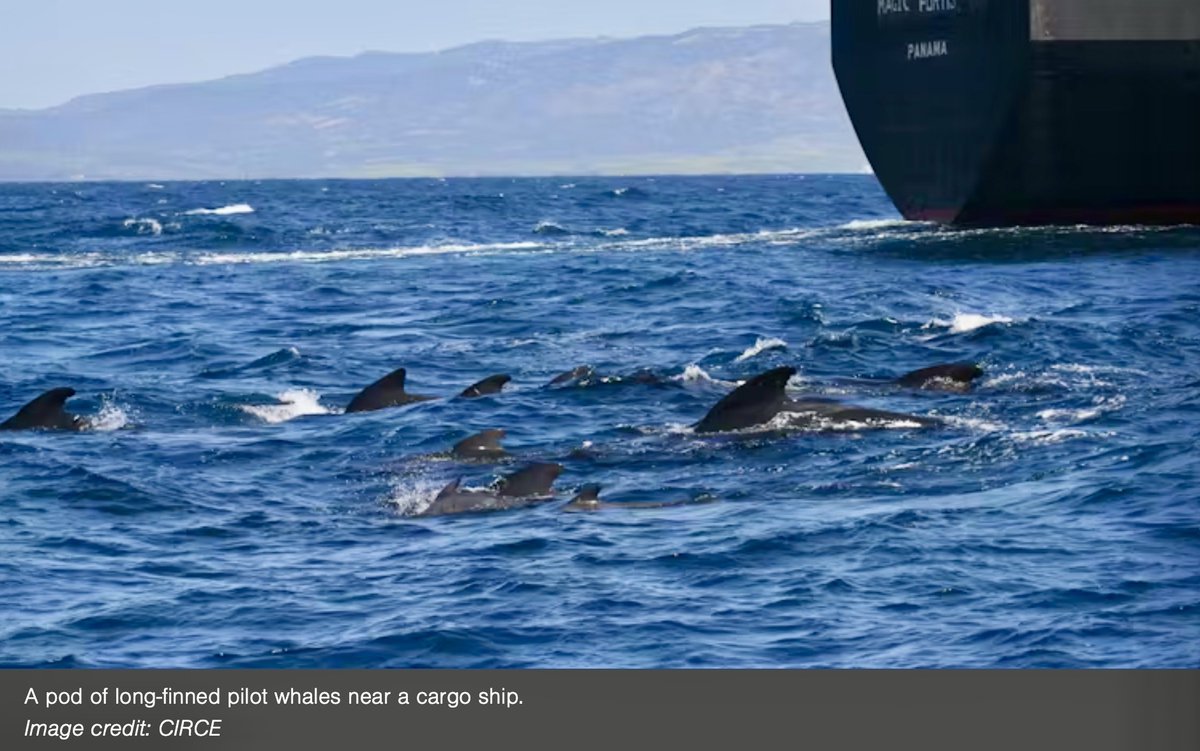
New research: Pilot whales are struggling to hear over ship noise They're trying to compensate, increasing dB with all their might—but failing—it's too overwhelming Some just give up & fall silent It's hard for us to grasp how profoundly this impacts every facet of their lives.
Dr Tom Montgomery tweet media
English
42
1.1K
2.2K
28.5K
Tushar Mehta
Tushar Mehta@EcoDocTush·
bbc.com/news/health-29…. The current tragic Ebola outbreak may well likely be due to the practice of hunting and consuming bushmeat including bats, primates, forest antelope Which has caused many prior outbreaks.
English
0
0
2
38
Tushar Mehta
Tushar Mehta@EcoDocTush·
@jasonhickel Doughnut of social and planetary boundaries monitors a world out of balance," - original paper ?
English
0
0
0
287
Tushar Mehta retweetledi
Jason Hickel
Jason Hickel@jasonhickel·
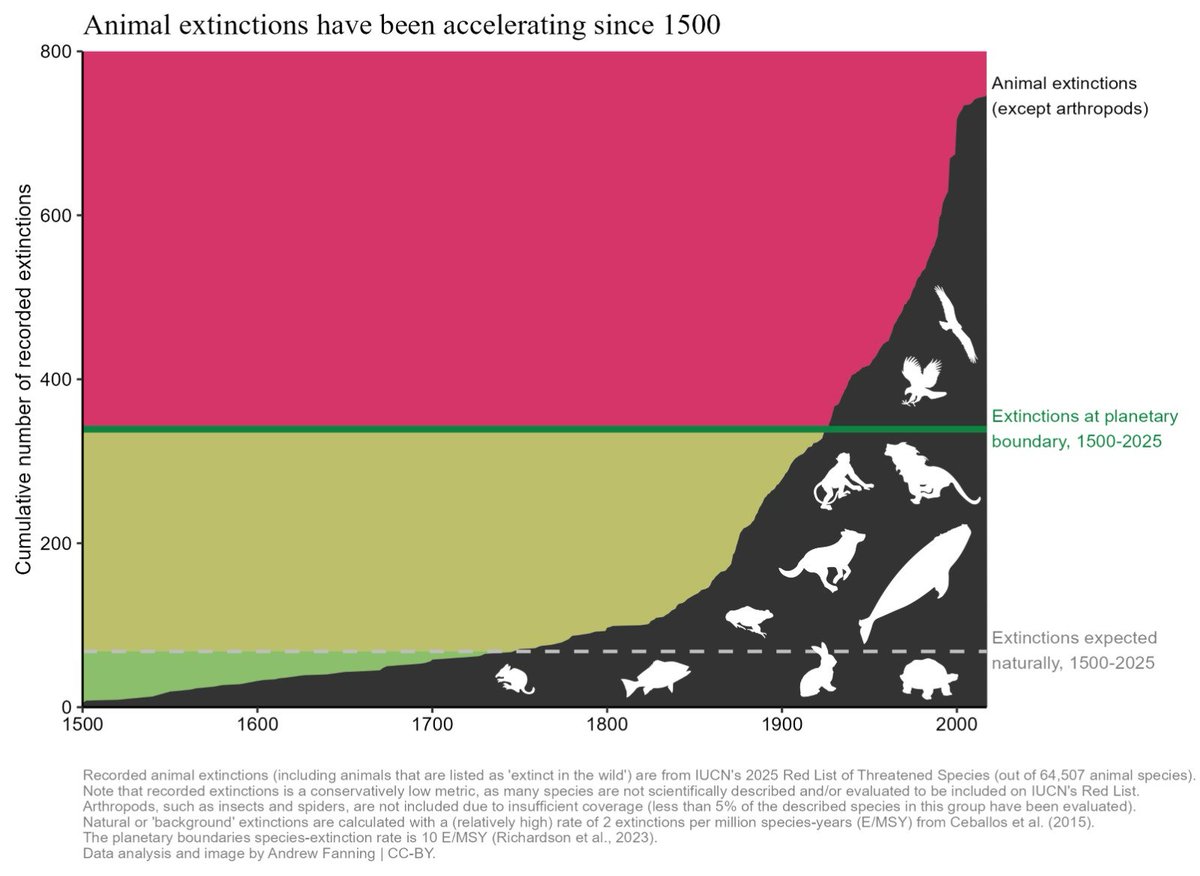
A striking figure by Andrew Fanning, showing cumulative extinctions from 1500 to 2025, against the numbers that would be expected naturally over this period, and against what would be consistent with the planetary boundary.
Jason Hickel tweet media
English
21
381
822
62.1K
Tushar Mehta retweetledi
spencer 🦈
spencer 🦈@Unpop_Science·
Emperor penguins are now officially endangered, in part by the collapse of krill. Norwegian trawlers are besieging Antarctica, trawling through whale pods to steal krill for fish farming. The Bandero chased them from Antarctica & is now being blacklisted by all Southern ports.
Captain Paul Watson Foundation 🐋🏴‍☠️@CaptPaulWatson

🚨BREAKING NEWS!! AKER are running scared, they should! Krill Wars erupts, battle on the high seas escalates!! Read the full story! We've done the hard part support our campaign share & engage! 💪 paulwatsonfoundation.org/aker-flees-cap… #OperationKrillWars

English
8
487
1.5K
21.6K
Tushar Mehta retweetledi
Animal Justice
Animal Justice@AnimalJustice·
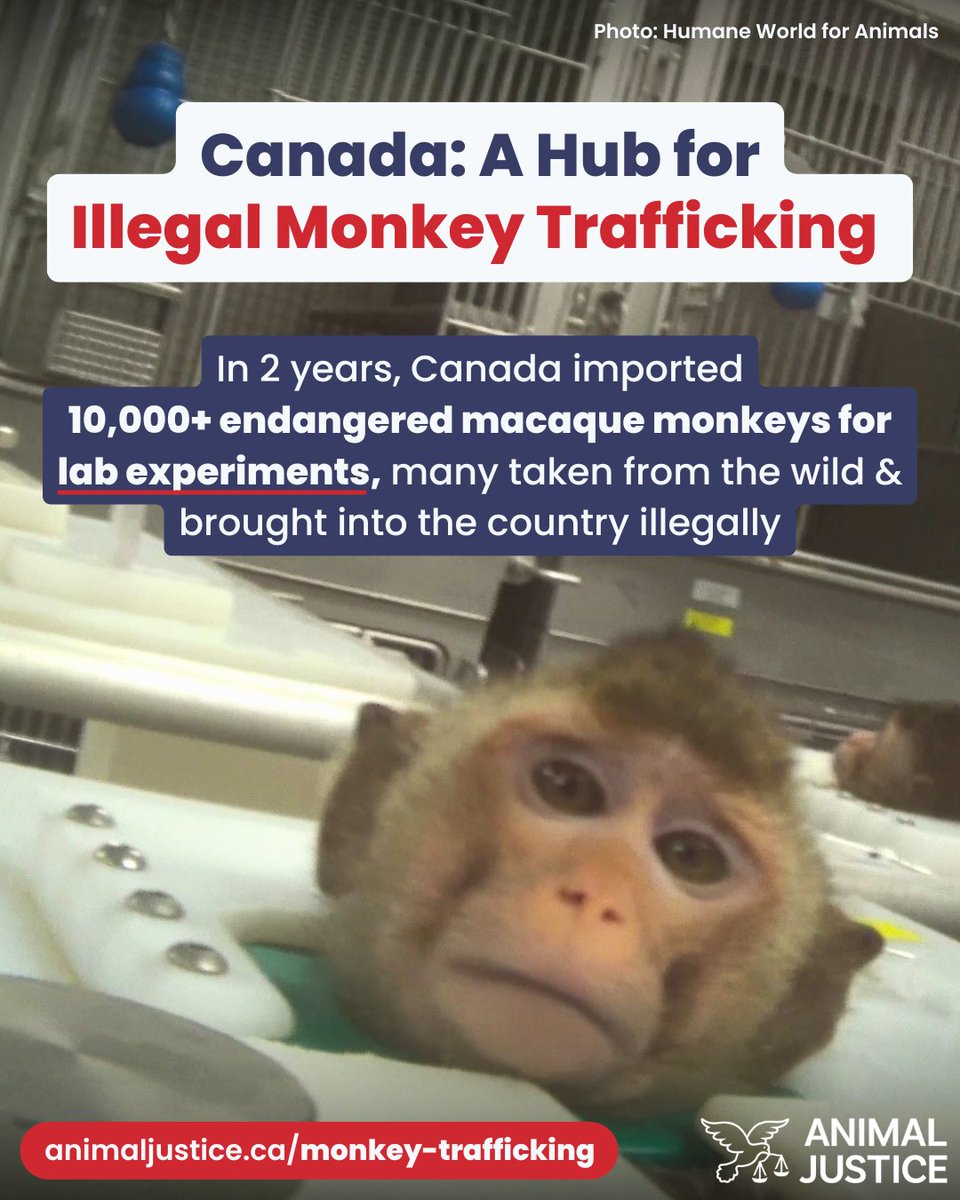
SHOCKING: Canada is now a top importer of endangered long-tailed macaques for lab experiments 🐒 In the last 2 years, we imported over 10,000—many suspected to be trafficked from the wild. This industry is not only cruel, but a public health risk. Urge gov. action 👉 animaljustice.ca/monkey-traffic… #CdnPoli
Animal Justice tweet media
English
61
535
549
7.8K
Tushar Mehta retweetledi
Science Magazine
Science Magazine@ScienceMagazine·
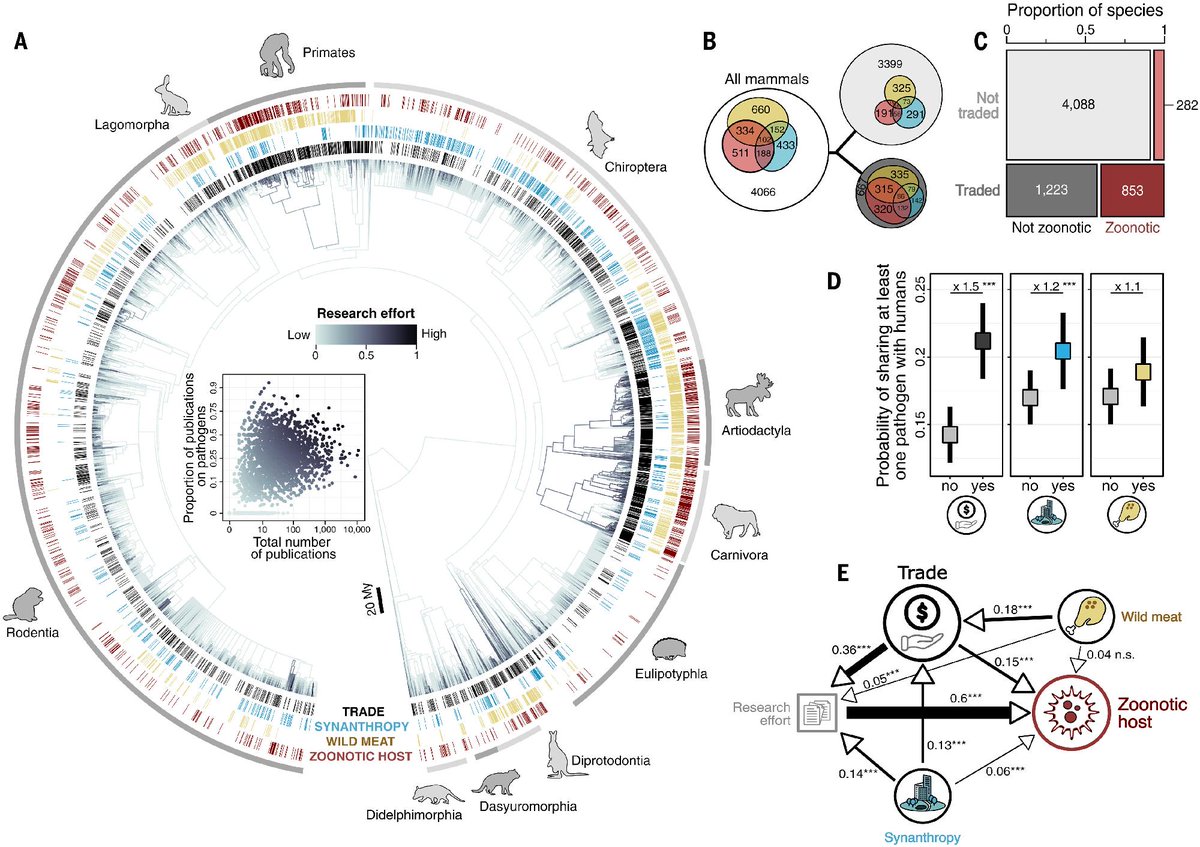
The global wildlife trade—especially in illegal and live-animal markets—is fueling the spread of diseases from animals to humans, according to a new study in Science. The findings show that traded mammals are more than 40% more likely to harbor human-infecting pathogens, with species accumulating more shared pathogens the longer they remain in the trade. Learn more: scim.ag/4smSL5u
Science Magazine tweet media
English
5
135
298
34.3K
Tushar Mehta
Tushar Mehta@EcoDocTush·
Missions to bridge the mental space between us and those who we consider adversaries are what we need more than anything
English
0
0
0
7
Tushar Mehta
Tushar Mehta@EcoDocTush·
Instead of using our intelligence, time, energy, funds to improve life for the vast majority of people on earth, we divert our limited resources towards these projects which ultimately are part of military expansion as well.
English
1
0
0
9
Tushar Mehta
Tushar Mehta@EcoDocTush·
Good article. And the issue is not just going there - it’s about expanding and reinforcing the massive exploitation and extraction mentality the dominates human though about nature, and about other humans.
The Walrus@thewalrus

The moon has long been a shared locus of imagination and significance for Indigenous peoples. With the return of lunar missions, it is now a frontier for industry. Writer Michelle Cyca explores the economic and colonial logics shaping this transformation. thewalrus.ca/with-the-artem…

English
2
0
0
15