
Sabitlenmiş Tweet
Zach Paul
1.4K posts


Zach Paul
@ElementaryZach
1st Grade Teacher 📘 Let's talk STEM and social-emotional learning 🧠 Sharing ideas to make the classroom a better place for all students. #teachertwitter
Katılım Temmuz 2020
269 Takip Edilen439 Takipçiler
@teacher2teacher One mistake I made last semester was trying to grade and collect every math exit slip for my records. Now, I quickly scan them for errors and provide reteaching that same day, so I don't have to hold onto stacks of papers.
English

What's one mistake from last semester that you learned from?
English
Zach Paul retweetledi

Instead of teaching kids how to say “no," it's more effective to teach them how to reduce the likelihood of doing things that aren’t good for them.
kqed.org/mindshift/6617…
English
"The 'old-school' skills of deep reading comprehension and strong writing ability allow people to use AI thoughtfully rather than be replaced by it."
Brian Tolentino M.Ed@TolentinoTeach
Ironically, the “old-school” skills of deep reading comprehension and strong writing ability may become the true meta-skills of the new economy—because they allow people to use AI thoughtfully rather than be replaced by it. For this reason, schools should first develop students’ thinking, reading, and writing with limited technology—so that when technology is introduced, students know how to direct it rather than depend on it.
English
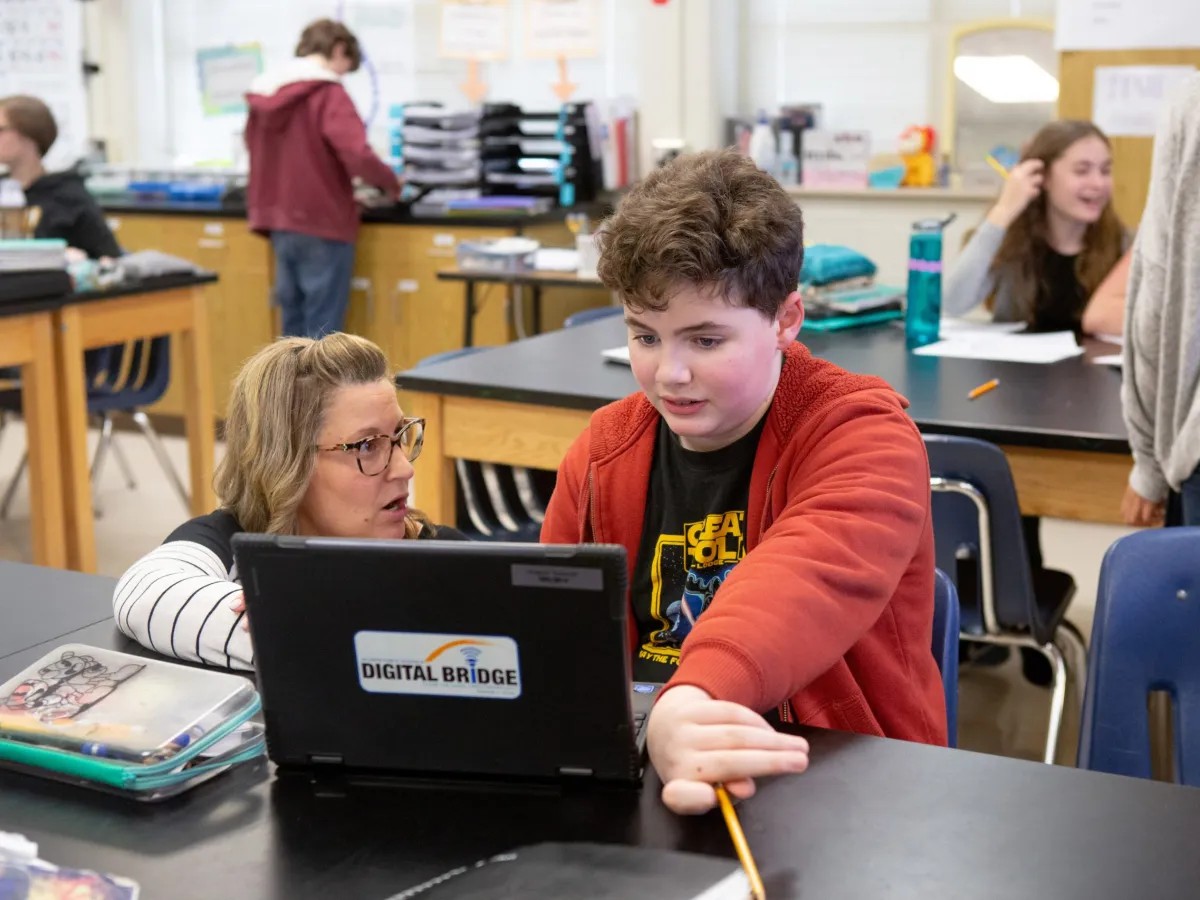
We cannot wait until high school or college to integrate computer science lessons
hechingerreport.org/high-school-co…
English
Zach Paul retweetledi

📢#PLN, does anyone know how to create an app?
Resource teacher wanting a quick check in for students that then does branching. "How do you feel?" Gives options of what tool they want.
Used Forms before; but it's convoluted for Elementary kiddos.
English
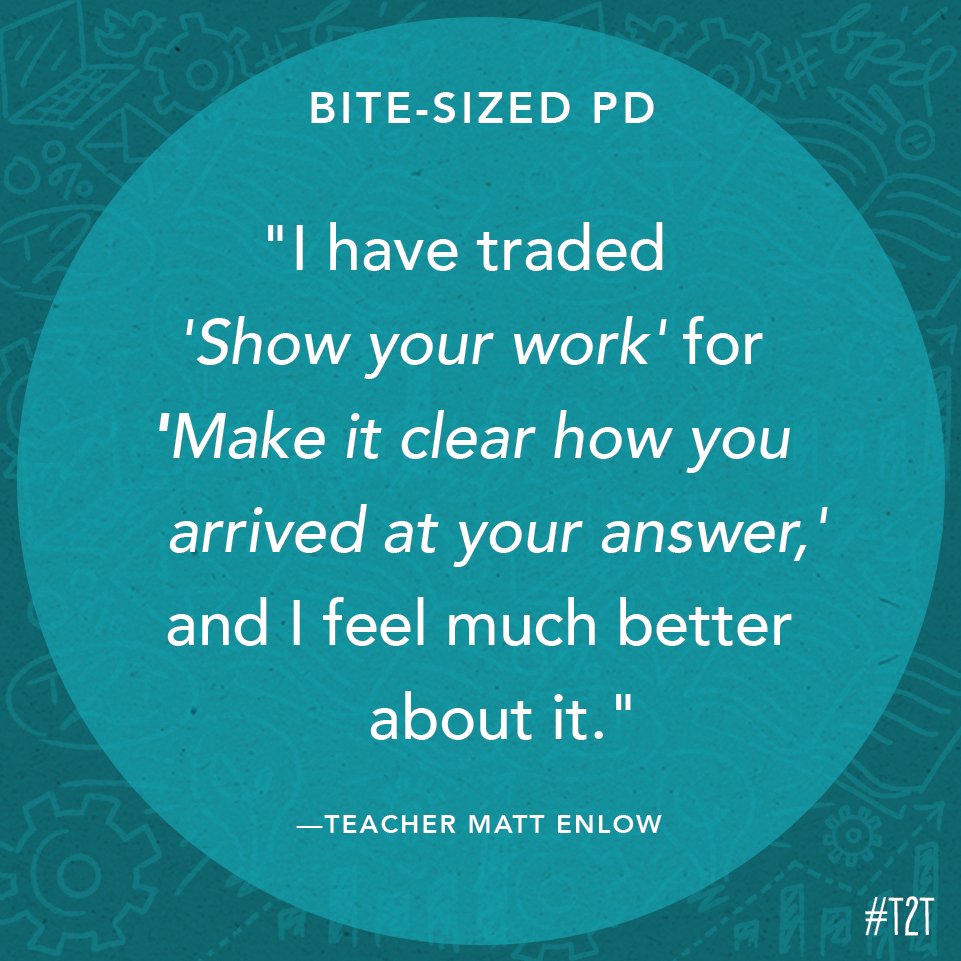
@teacher2teacher @CmonMattTHINK Another helpful phrase is "Will someone else understand what you did to find your answer?"
English
@0Beanie05923291 @tpatrick0888 What about discrepancies between standardized test scores and summarize assessments (i.e., those provided by curriculum)? Some students meet expectations on assessments that contain content they have learned in class, but then the students can't apply that knowledge elsewhere.
English

Whenever I point out the discrepancy between students’ grades and their test scores, inevitably parents (and some teachers) rush to explain that “some kids just aren’t good test-takers”.
This is similar to the undying myth of “learning styles”. We’ve convinced a lot of parents (and quite a few teachers) that it’s not ineffective instruction or ambiguous curriculum that leads to lack of student learning. It’s easier to blame the elusive test companies.
There’s no question that standardized tests need improvement (thanks to @CLT_Exam for stepping up), but denying that the results of the current tests provide any substantial information is foolish.
Rather than dismissing students as “poor test-takers”, schools need to be honest with parents (and students) about what the results mean and why students’ grades don’t always coincide.
English
Zach Paul retweetledi

10 Life Lessons Kids Can Learn from the Olympics
1.Effort matters more than outcome
As a therapist and educator, I want kids to understand that growth comes from consistent effort, not just the final result. Olympic athletes train for years for one moment. The lesson for kids is simple: keep showing up, keep practicing, and keep trying, even when progress feels slow.
2.Progress is more important than perfection
The Olympics remind us that personal bests matter. Kids often put pressure on themselves to be perfect. What we want them to learn is that improvement over time builds confidence, resilience, and healthy self-esteem.
3.Respect is a sign of strength
Athletes compete fiercely but still show respect for teammates, opponents, coaches, and officials. Kids can learn that kindness and good sportsmanship are not weakness. Respect helps build emotional safety and strong relationships.
4.Everyone belongs, even when they are different
The Olympics bring together people from different countries, cultures, and backgrounds. This is a powerful reminder for kids that differences are normal and valuable. Learning to appreciate others builds empathy and social awareness.
5.Teamwork matters, even when you are the one competing
Behind every athlete is a support system. Kids benefit from understanding that success is rarely individual. Coaches, teachers, family members, and friends all play a role, and asking for help is a strength, not a weakness.
6.Mental strength is just as important as physical ability
Olympians practice focus, emotional regulation, and managing pressure. This Lesson mirrors what we teach in social-emotional learning: learning to breathe, stay calm, and think clearly under stress helps kids perform better in school, sports, and relationships.
7.We learn a lot from setbacks
Athletes fall, lose, miss opportunities, and face disappointment — and those moments often become their greatest teachers. We want kids to understand that setbacks are not proof of failure; they are opportunities to learn, adjust, and come back stronger. Resilience grows when kids experience challenges and realize they can recover.
8.The real work happens when nobody is watching
Most growth happens in quiet moments of practice and preparation. This helps kids understand that discipline and small daily habits matter more than occasional big successes.
9.Character matters more than winning
Fair play, honesty, and integrity are core lessons we want children to take from sports. Winning without integrity does not build long-term confidence or trust. The goal is to help kids become good humans first and successful performers second.
10. Your best is enough
The most important message from the Olympics is not about being better than others. It is about becoming the best version of yourself. When kids focus on their own growth rather than comparison, anxiety decreases and motivation becomes healthier.
Closing thought:
The Olympics give us a powerful teaching moment. When adults shift the conversation away from medals and toward mindset, character, effort, and learning from setbacks, kids develop skills that last far beyond sports. The real win is helping children grow into confident, compassionate, and resilient people.
English
Performance environment can apply to the classroom as well as sports!
stevemagness.substack.com/p/miracle-on-i…
English
@ciji_thurman @teacher2teacher Wow, that is so great! I love the combination of real photos with your creative/artistic flair
English

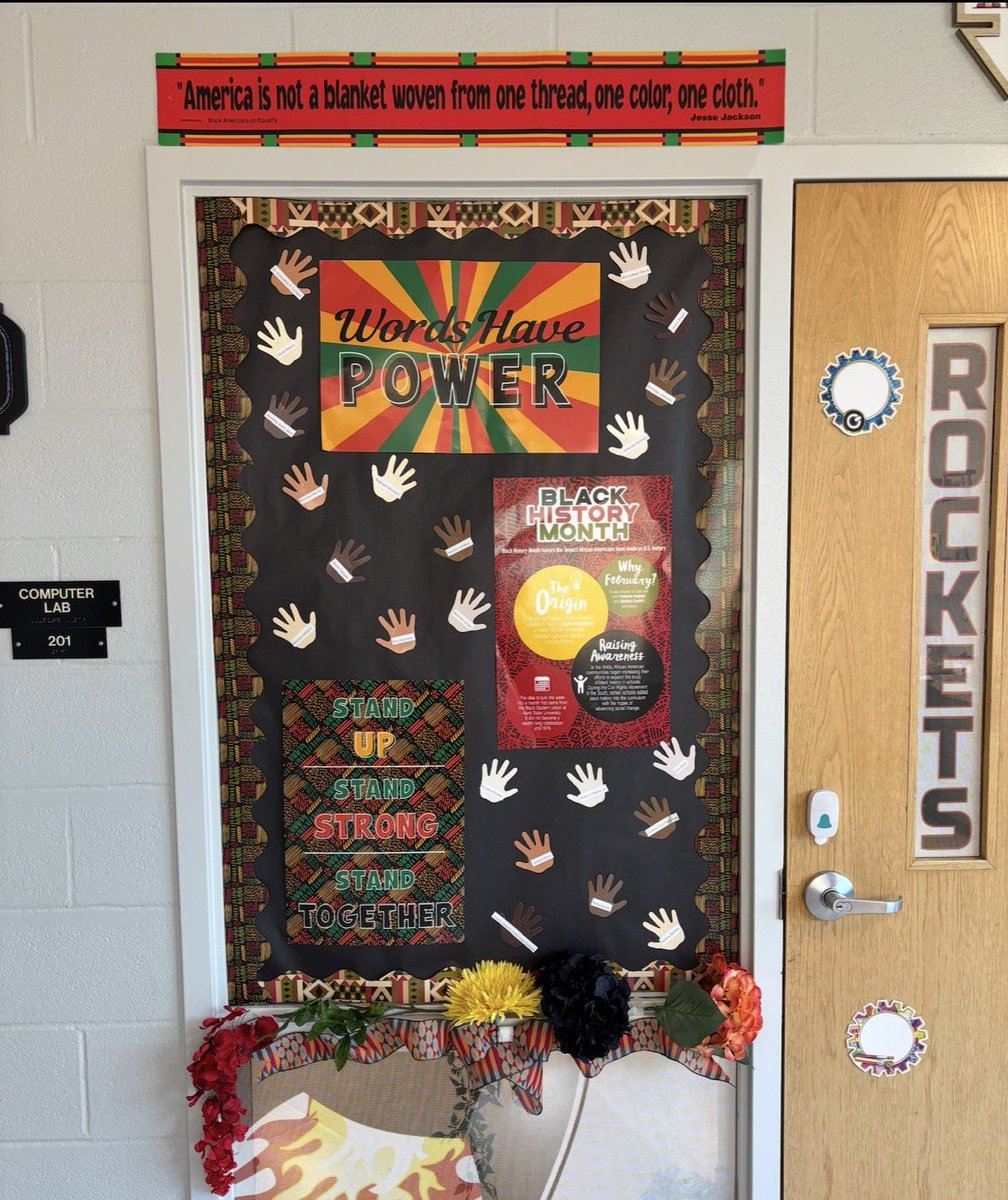
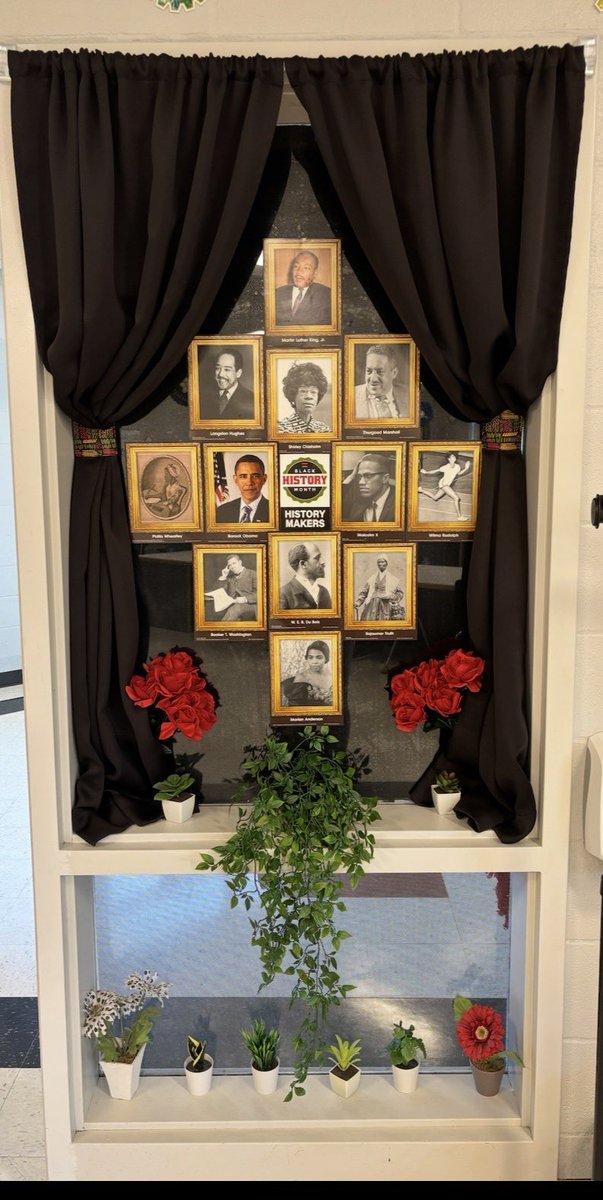
Q1. Black history belongs in every classroom, not just history class! What’s one way you bring Black history into your teaching? #T2Tchat
English
@OrganicLeaderVB Food is such an authentic connection to make for students, so it's wonderful that your school is able to do that!
English

A1 Hi everyone #T2Tchat Akilah, Middle School Director…just getting in!
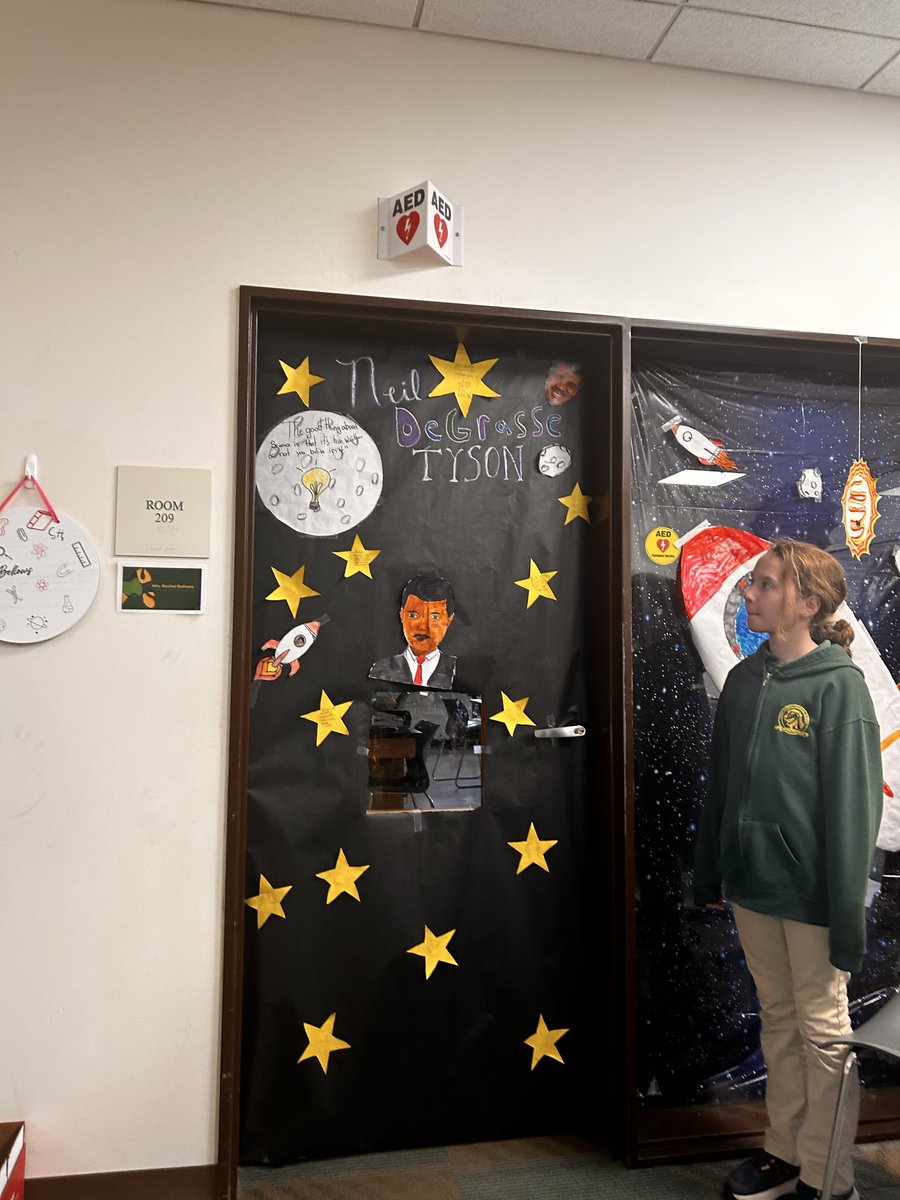
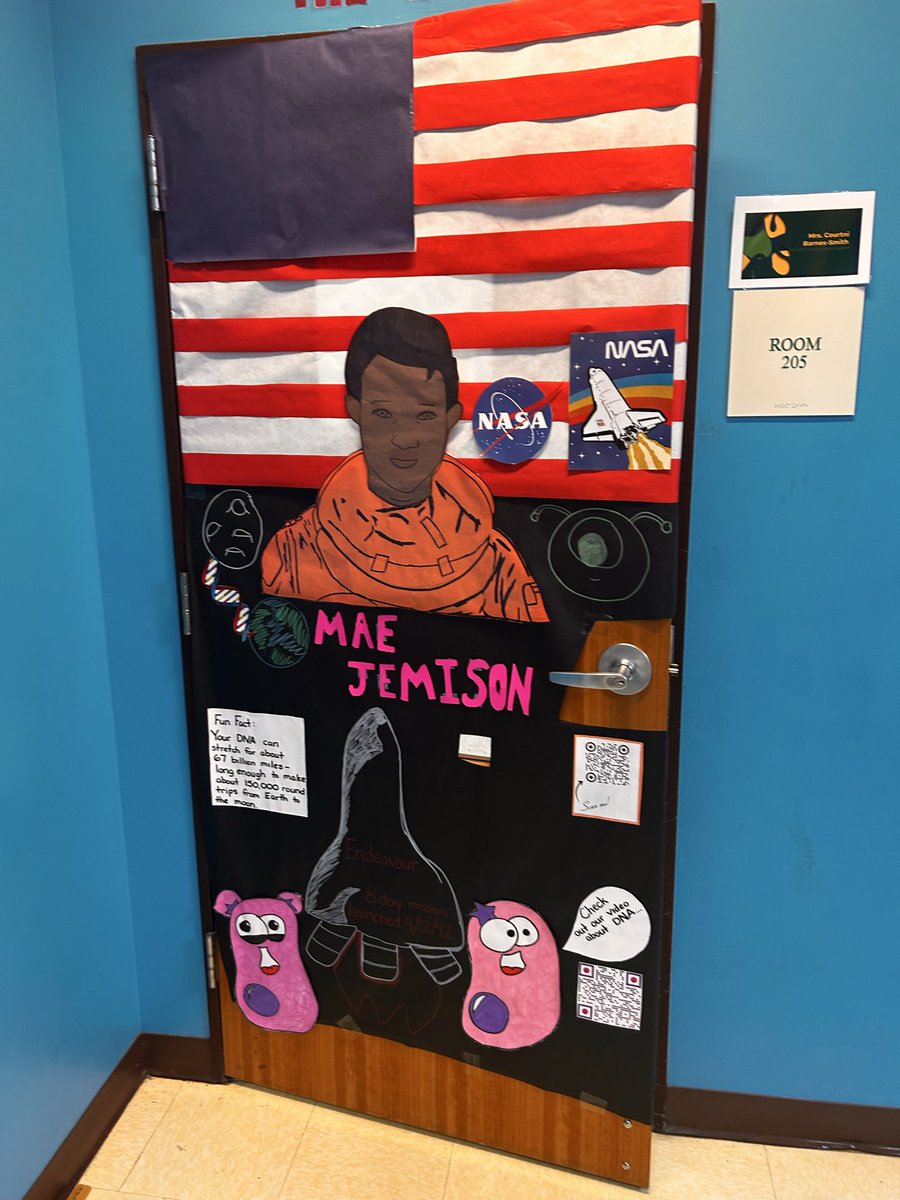
We celebrate Black History Month by flattening the walls…doorways, hallways and even highlighting special cuisine in our dining hall #LeadfromtheMiddle

Teacher2Teacher@teacher2teacher
Q1. Black history belongs in every classroom, not just history class! What’s one way you bring Black history into your teaching? #T2Tchat
English
@RANESIAEDWARDS @teacher2teacher @ciji_thurman @ms_witherell I would love to hear perspectives from educators in a variety of positions/settings for this topic as well!
English

@teacher2teacher @ciji_thurman @ms_witherell Love to talk about how to support Special Education Students.
English
Thank you for joining #T2Tchat – and a big shoutout to our moderators, @ciji_thurman and @ms_witherell!
Have ideas for an upcoming chat topic? Share it in a reply!
English
@ciji_thurman I agree 100% about openness. We want all students to feel valued and welcomed, so being open helps build that trust
English
A6: One meaningful way to build an inclusive classroom culture is to be present and open to all students. #T2TChat
Teacher2Teacher@teacher2teacher
Q6. Fill in the blank! One meaningful way to build an inclusive classroom culture is: _______. #T2Tchat
English
@ms_witherell @teacher2teacher Having someone agree with your ideas can be so validating for students
English

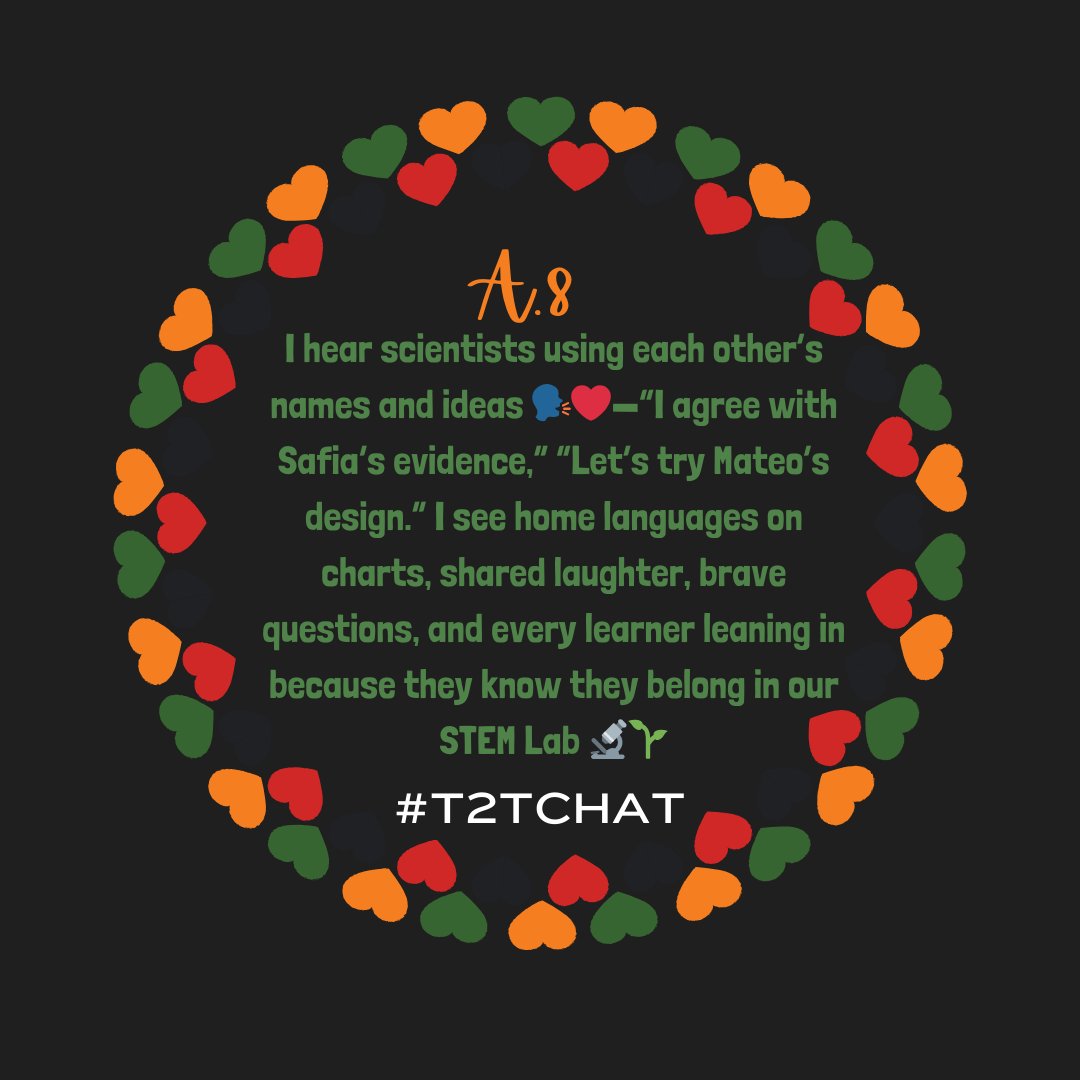
Q8. Imagine you’re standing in your classroom on a good day. What do you see and hear that indicates students feel they belong? #T2Tchat

English
@teacher2teacher A5 - As a student I felt the most supported when I was able to ask questions, with the understanding that it was okay not to know every answer. #T2Tchat
English
Q5. Looking back on your own experience as a student, when did you feel most seen and supported? #T2Tchat
English
@teacher2teacher A3 - Specific to this year, we highlighted the achievements of Black Olympians as a connection to the winter games!
English
Q3. What book, activity or lesson do you love coming back to during Black History Month? #T2Tchat
English
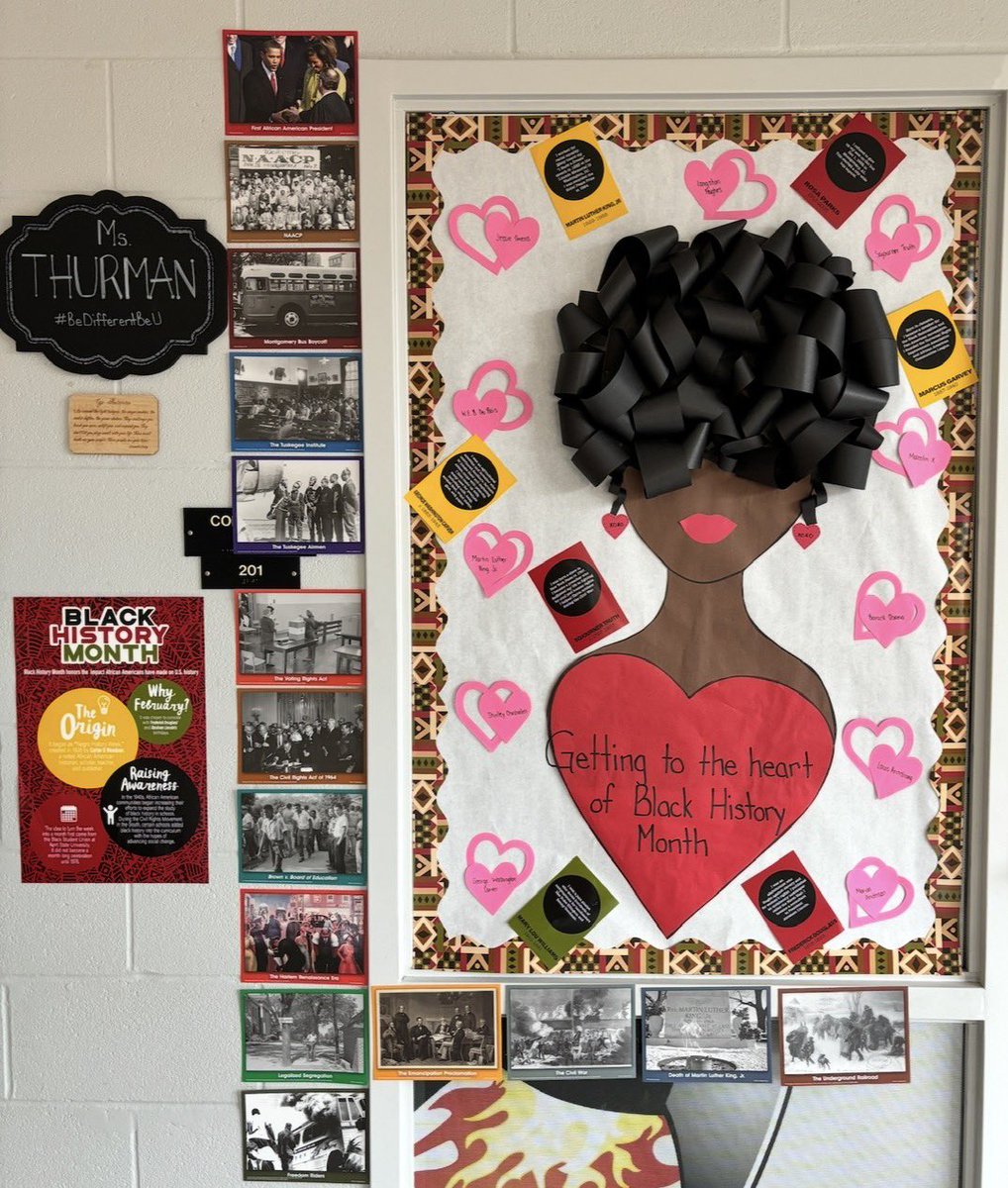
@ciji_thurman @teacher2teacher Do you have a picture that you can share? I love seeing displays in shared spaces!
English
@teacher2teacher Black History month is celebrated not only inside my classroom, but in the hallway as I decorate a board on the wall to highlight different scientists #T2TChat
English
@ms_witherell @teacher2teacher Yes! We do Lonnie Johnson as well (former NASA engineer and inventor of the Super Soaker)
English

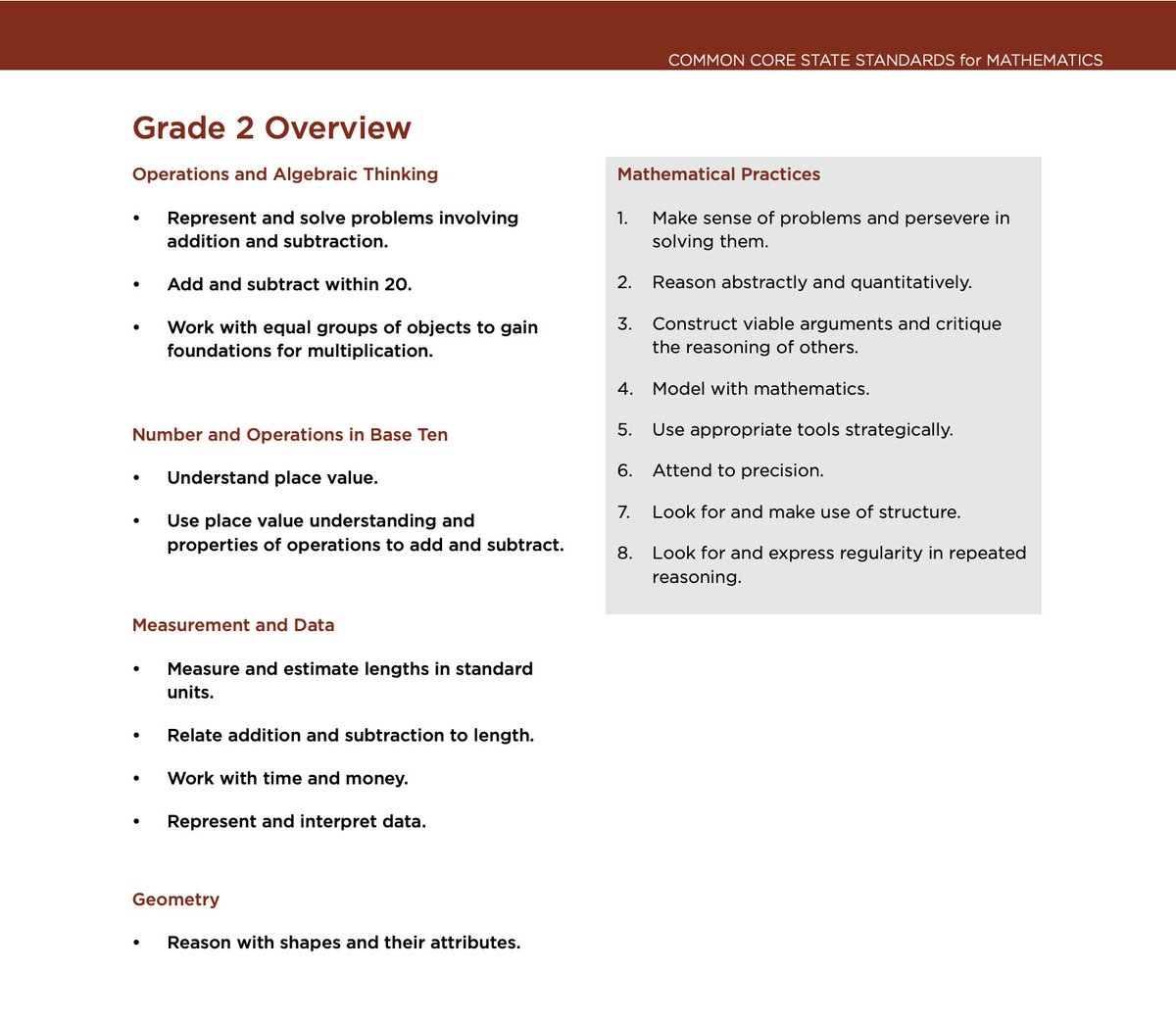
@NielsHoven @MrZachG Add and subtract within 20 for second grade actually refers to fluency (i.e., mentally recall those facts).
The second grade Common Core standard 2.OA.A.1 states that students are expected to "Use addition and subtraction within 100 to solve one- and two-step word problems..."
English

The worst part of K-12 mediocrity isn't 6th-8th grade math, it's K-5.
eg: The main Common Core goals for 2nd grade math are:
1) Read numbers up to 1000
2) Add and subtract within 20
3) Count money
4) Tell time
The worst part is that these goals have become a ceiling rather than floor
Justin Skycak@justinskycak
The worst segment of the K-12 mediocrity is 6th-8th grade math. Typically, kids learn counting/arithmetic in elementary school (K-5) and then spend the next 3 full years spinning their wheels without learning much new math, only moving on to Algebra I in 9th grade. If you take those 3 years and put them to good use, you can actually enable gifted kids to cover all of high school math during those years and pass the AP Calculus BC exam by the end of 8th grade, without spending any extra time doing math.
English
@TolentinoTeach At what age do you think that experimentation and playfulness does/should end?
English

I will never understand why so much middle school writing isn’t built around experimentation, challenge, fun, and creativity.
Middle schoolers love to play, laugh, take risks, and test boundaries.
When we make most writing overly serious, we turn them away from what they do best: playing with language, experimenting with literary devices and vocabulary, and rising to creative challenges.
English