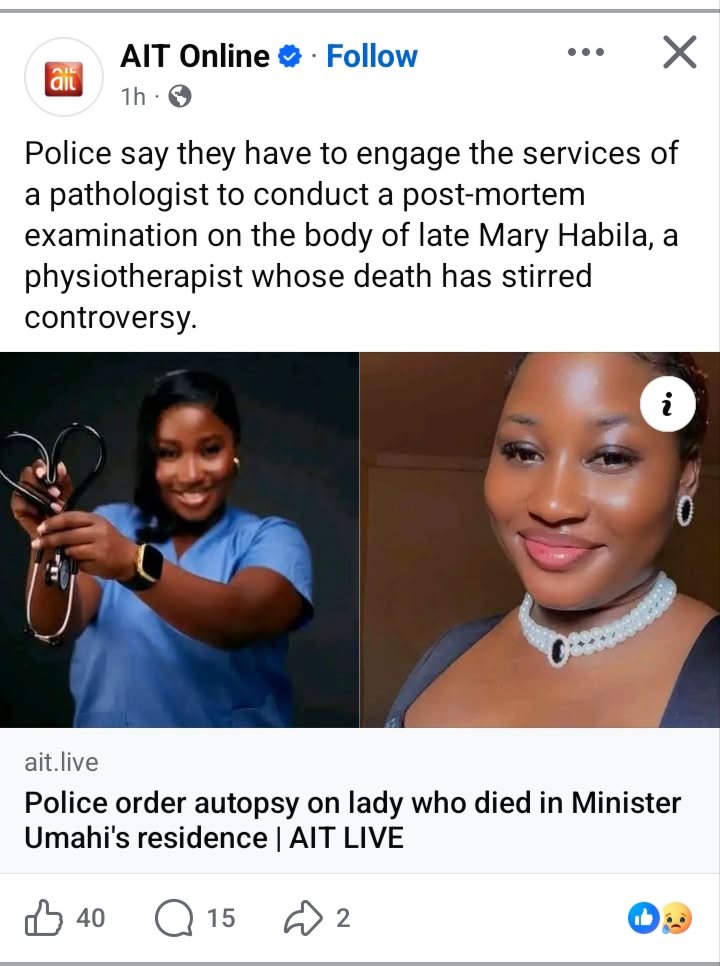
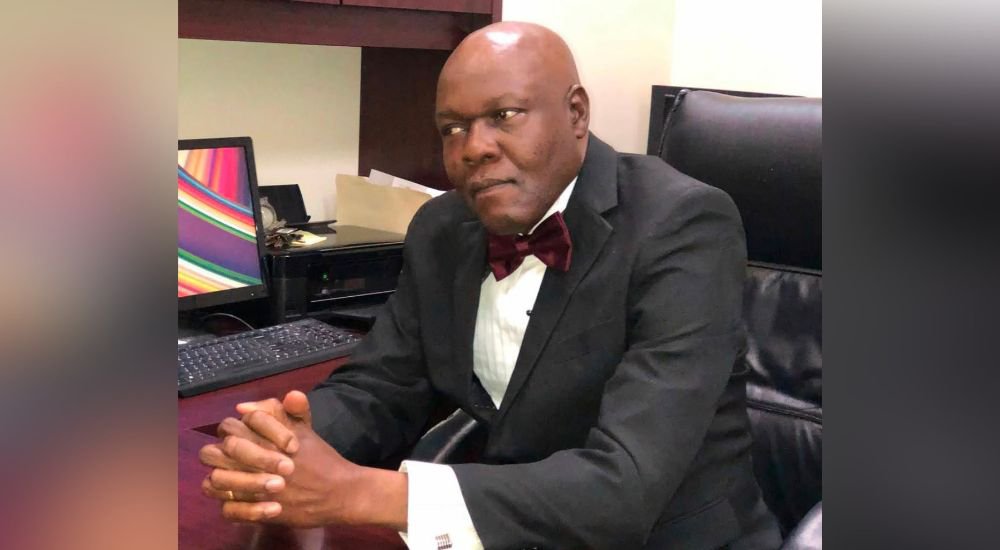
I don't need autopsy ------- Mr. Tanko Habila, father of the late Miss Mary Habila, the nurse who died at the Ebonyi residence of the Minister of Works, on June 27 says
When I was in secondary school, I was told by Uwazuruike of MASSOB that Biafra had already been recognised by the United Nations. For years, this claim filled many of us with hope and excitement. However, as I grew older and began to research and understand the realities, it became clear that these were carefully crafted stories designed to sustain a cycle of deception and continue scamming well-meaning Biafrans.
This year marks our 12th year in the IPOB struggle. While persistence is commendable, we must now mature beyond the current approach. Taking pictures and videos with wh*te people in front of government houses or offices may generate temporary excitement and social media buzz, but it does little to advance the actual cause. These gestures have become repetitive and symbolic at best.
What the Biafran people truly desire is concrete action: a sovereign country that formally recognises Biafra as an independent nation, or at the very least, a country willing to champion and push for Biafra’s freedom at the United Nations. Anything short of this is merely delaying the real work that needs to be done. It is time for the struggle to evolve into a more strategic, result-oriented movement that prioritises diplomacy, international advocacy, and genuine self-determination.
Family Writers Press International.
IPOB Factional Crisis Deepens as Homeland Leadership Fires Back at Expulsion Order
The Indigenous People of Biafra (IPOB) is facing yet another sharp escalation in its prolonged internal leadership crisis, as the Homeland launched a fiery rebuttal to a recent expulsion order issued by the Nnamdi Kanu-led group.
In a memorandum released today, the Homeland dismissed the expulsion notice targeting Mazi Williams Yeje Otegwa Okarammad as “laughable” and evidence of “structural defeat” and panic within the rival camp.
Titled “Laughable: Are You Already Threatened by the Solidarity of Biafrans to Truth?”, the document was issued from the Office of Mazi Williams Yeje Otegwa Okarammad, IPOB Homeland National Coordinator. It was signed by Mazi Expensive, the IPOB Homeland Publicity Secretary.
The statement directly addresses the Nnamdi Kanu-led faction and its supporters, describing them as “Subverters of the People’s Collective Will.” It accuses them of circulating “a panic-induced piece of paper” through “desperate backchannels” in an attempt to expel legitimate custodians of the Biafran struggle.
Excerpts from the memorandum read:
“The immediate question that must be asked to these ‘Sokoto Caliphate appointed’ rebels is simple: Are you already so deeply threatened by the massive solidarity of Biafrans to the truth?”
“It is a glaring sign of structural defeat when an illegitimate body resorts to printing hollow decrees in a failed attempt to suppress the voice of the people.”
The document firmly rejects the expulsion, stating:
“You cannot expel a man from his own home, and an external and strange fellow cannot terminate a mandate given by the collective will of an institution. Your administrative tantrums hold absolutely no water.”
It further warns against the use of force:
“Any attempt to use armed thugs to enforce your illegitimate directives… will be met with resolute defiance. Your deluded hoodlums are definitely not invisible, and they also bleed.”
The memorandum concludes on a defiant note, calling the rival faction’s paperwork “worthless” and “a monument to your own desperation,” while reaffirming that “the march toward absolute truth and total liberation cannot be suspended by the ink of frightened men.”
IPOB has faced internal fragmentation for years, with competing claims over leadership, resources, and strategy further complicated by Kanu’s prolonged legal battles.
Analysts note that such public infighting risks eroding credibility and unity within the pro-Biafra movement at a time when the group seeks to maintain momentum on self-determination issues.
The situation worsened dramatically when Nnamdi Kanu, while in detention in Sokoto Prison, moved to dissolve the Directorate of State (DOS), a key administrative body that had steered the IPOB movement for years. In swift retaliation, the DOS dissolved the Office of Nnamdi Kanu and the Directorate of Radio Biafra, citing critical security reasons.
As of now, neither side has shown signs of backing down. Further statements or on-ground developments in the Southeast are expected in the coming days as the battle for control of IPOB’s narrative and structures continues.
Family Writers Press International.
IPOB Biafra land Leadership Issues Stern Warning to Nnamdi Kanu and Associates Over Factional Violence
The Leadership of the Indigenous People of Biafra (IPOB Biafra land ) has issued a strong public warning to Nnamdi Kanu and his associates, declaring that the Biafran people will no longer tolerate acts of factional violence and disruption carried out in his name.
In a statement signed by the IPOB Publicity Secretary Biafra land, IPOB accused certain elements of engaging in extortion, torment, and armed assaults under the pretext of following Kanu’s orders. It emphasized that patience within the movement has been exhausted following Kanu’s official suspension, which was described as a measure to protect the organization’s integrity.
The leadership highlighted years of alleged misconduct by “criminal elements and hoodlums” claiming affiliation with Kanu, despite his access to legal teams and visitors. They noted that previous defenses of Kanu were rooted in a desire for unity, but that protection has now ended.
“While Kanu was the leader of this movement, leadership exercised extreme patience and defended him under the assumption of institutional unity. That shield is gone,” the statement read.
IPOB referenced a recent incident in Abia State where armed hoodlums reportedly invaded an official meeting, attempting to oust the Abia National Coordinator and seize control. The assailants claimed they were acting on direct instructions from Kanu after visiting him at the detention facility in Sokoto.
IPOB Biafra land demanded that Kanu immediately issue a public disclaimer through his lawyers or visitors to denounce these actions. Failure to do so, they warned, would be interpreted as confirmation that he is “actively working as an enemy of the Biafran people.”
While reaffirming commitment to a peaceful struggle, IPOB made clear that it would not allow continued attacks on its structures.
“Nobody is bigger than the collective will of the Biafran people. If any further attempt is made to attack our leadership or disrupt our structures, the people will be ordered to defend themselves and strike back,” the statement warned. “When that day of reckoning arrives, do not cry about the outcome.”
The leadership also pointed to the broader implications of internal divisions, suggesting they provide the Nigerian government opportunities to increase militarization in the region.
Nnamdi Kanu was sentenced to life imprisonment by the Nigerian court on terrorism charges. IPOB has maintained a policy of non-violent agitation in recent years.
Kanu’s suspension by IPOB directorates of state was a measure to protect the movement from groups using the name of Nnamdi Kanu to carry out violent actions.
This latest statement signals a hardening stance by the current IPOB leadership against any perceived attempts to undermine its authority through violence or infiltration.
As of the issuance of this warning, there has been no immediate public response from Kanu or his representatives. The situation remains tense, with potential for further confrontations in Biafra Land if the factions fail to de-escalate.
IPOB urged all parties to heed the warning and respect the collective will of the people to avoid bloodshed.
Family Writers Press International.
REPORT: FATHER OF LATE MARY HABILA FILES AFFIDAVIT TO WITHDRAW CASE, REQUESTS RELEASE OF BODY FOR BURIAL
An affidavit of withdrawal of case sworn before the High Court of Justice of Ebonyi State indicates that Mr. Tanko Habila Wisdom, father of the late Mary Habila, has requested the release of his daughter’s remains for burial and stated his opposition to an autopsy being conducted.
According to the affidavit dated July 13, 2026, and sworn at the High Court Registry, Abakaliki, Mr. Tanko Habila Wisdom stated that his daughter, Mary Habila, died on June 27, 2026, at Uburu, Ohaozara Local Government Area of Ebonyi State.
In the 13-paragraph affidavit, the deponent stated that:
1) Background: The late Mary Habila was his daughter and, before her death, worked with David Umahi Federal University of Medical Sciences. He further stated that she was seconded to the Federal Ministry of Works, Abuja, where she served for about three years before her death.
3.) Role: According to the affidavit, Mary Habila served as a Personal Nurse to the Honourable Minister of Works and lived with other immediate staff of the Minister at the Minister’s Guest House in Abuja and the Minister’s Staff Quarters in Ebonyi State.
4. ) Autopsy Request: The affidavit stated that following her death, the Honourable Minister of Works requested that an autopsy be conducted to determine the cause of death.
5.) Family Position: Mr. Tanko Habila Wisdom stated that while the family appreciates efforts to establish the circumstances surrounding her death, they would not accept an autopsy on his daughter’s body and appealed for her remains and organs to remain intact.
6.) Withdrawal of Case: The affidavit stated that the family no longer wished to proceed with further investigation and requested the release of the body for burial. It further stated that the deponent would not honour subsequent invitations from the police or court regarding the matter, as the family was not suspecting foul play.
7.) Denial of Influence: The deponent stated in the affidavit that he was not induced, coerced, or influenced by anyone in making the depositions.
Public Reactions
The affidavit has generated discussions online, with some individuals questioning the decision to withdraw from further investigation, while others have called for respect for the family’s position.
However, the circumstances surrounding Mary Habila’s death remain a subject of public interest, and the claims contained in the affidavit have not been independently verified by Family Writers Press International.
As of the time of this report, no official statement from the Ministry of Works or relevant authorities regarding the matter has been confirmed.
Family Writers Press International will continue to monitor developments and provide updates as more information becomes available.
Editor’s Note: This report is based on the contents of an affidavit of withdrawal of case dated July 13, 2026, reportedly filed at the High Court of Justice, Ebonyi State. The statements contained in the document are attributed to the deponent and have not been independently verified by FWPI. All persons mentioned are presumed innocent unless established otherwise by competent authorities.
Family Writers Press International
Abeg how many of you believe that under Nigerian police supervision that autopsy will be conducted with real results published in a case Dave Umahi is involved?
This is Nigeria , after one week of noise the matter will fade away. Am sure even the family has been bribed to silence. As long as the Nigerian system is concerned the case cannot see the light of the day. Let us enjoy the noise as it trends .
Think about this simple truth: In Nigeria, when a big man is involved, the truth often dies quietly.
A young woman, a physiotherapist named Mary Habila, was found dead inside the house of David Umahi, the Minister of Works. She was naked, with some injuries on her body. The minister says she was there for treatment. But many people are asking questions, and the story is already fading away.
This is not just one sad story. It shows systemic impunity meaning powerful people can do wrong things and nothing happens to them. The police, courts, and government often protect the rich and connected instead of finding the real truth. Ordinary people already say: "This Umahi case is dead on arrival." They expect no real investigation.
Look at the UK. There, even a big Nigerian politician like Ike Ekweremadu was sent to prison for his crime. The law worked the same for everyone.
But in Nigeria, the system seems to have two rules, one for the powerful, and one for everyone else. This makes people lose hope and stop believing in justice.
How can Nigeria change so that powerful people also face real investigations like ordinary citizens?
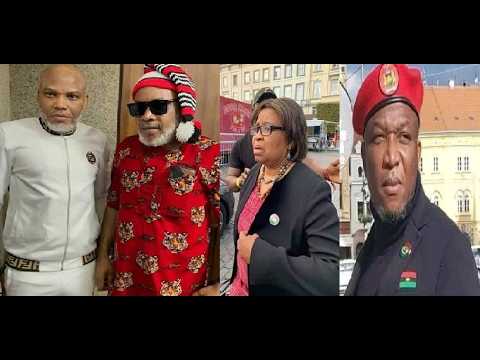
Do you remember this woman here when she was complaining about the same Dav Umahi, if Nigeria is a sane society this will lead to something but ....the case is already dead on arrival.
Welcome to Nigeria
Police Intensify Probe into Death of 26-Year-Old Physiotherapist at Minister David Umahi’s Ebonyi Residence
Nigerian police are conducting an active investigation into the death of Mary Habila, a 26-year-old physiotherapist, who was found unresponsive at the country home of Minister of Works Senator David Umahi in Uburu, Ohaozara Local Government Area of Ebonyi State, on June 27, 2026.
Habila, who hailed from Nok in Kaduna State, reportedly traveled to the minister’s residence with a colleague identified as Mary or Anita Baski. According to multiple reports, she was discovered the following morning inside the quarters. Some accounts circulating in local media and online platforms claim she was found naked, though official details on the exact circumstances remain limited as the probe continues.
Minister Umahi has publicly confirmed the incident and denied any involvement or wrongdoing. In statements issued through various channels, he described Habila as “a good nurse” and a dedicated employee of the David Umahi Federal University Teaching Hospital (DUFUTH). He insisted that both women were physiotherapists assigned to attend to him and that the matter was promptly reported to the police.
According to the minister, Habila’s family members, concerned about her welfare, forced open her room. Doctors from DUFUTH were called and rushed her to the hospital, where resuscitation efforts failed. Umahi has advocated for an autopsy to be conducted with the family’s consent to determine the precise cause of death and has pledged full cooperation with authorities. He also warned of legal action against those spreading what he termed false and misleading reports about a cover-up.
Police sources, however, have indicated that investigators are examining conflicting accounts of the events. Some reports suggest discrepancies regarding the women’s exact role or employment status at the teaching hospital, and authorities are gathering witness statements, forensic evidence, and other details. The Ebonyi State Criminal Investigation Department is leading the case, and police have reportedly resisted early release of the body for burial pending further inquiries.
Habila’s father, Baba Habila, was reported to have collected her body from a morgue in Abakaliki earlier this week ahead of a planned burial in Kaduna State on July 17. He declined to comment publicly on the circumstances. The family has reportedly shown reluctance toward an autopsy, though the minister maintains he has pushed for one.
The case has sparked widespread public interest and calls for transparency, with some political voices, including the African Democratic Congress (ADC), demanding a thorough and impartial investigation.
As of July 16, 2026, no charges have been filed, and the police have not released an official cause of death. Authorities emphasize that the investigation remains ongoing to establish the full facts. Minister Umahi’s office has reiterated commitment to allowing due process.
Family Writers Press International.
If you have criticised the Nigerian supreme court for appointing Hope Uzodimma as Imo.state governor.. What do you have to say about the appointment of none IPOB member to lead IPOB?
Drop your comments and opinions let us read human conscience.
#SupportBiafraReferendum#SupporBiafra
Nigerian Actress Yvonne Jegede Laments Backlash, Says “Nigerians Aren’t Worth Fighting For”
Nollywood actress Yvonne Jegede has sparked widespread reactions online after expressing deep frustration over the backlash she receives for speaking out on social and political issues in Nigeria.
In a series of posts shared on her Instagram Stories, the actress highlighted what she described as systemic problems in the country, including issues around taxation, governance, and public apathy. She stated that citizens who work hard, pay taxes, and sometimes even contribute to basic infrastructure are met with negativity when they demand better from the government.
“So after they work hard to earn and then pay their taxes, they should help the government to provide a better life for the masses. While the tax collected is meant for some family members. This country has stretched my mental health to its limits,” she wrote in one post.
In a follow-up message accompanied by a photo of herself in a brown dress, Jegede added:
“The more I speak of the uncommon things I see happening in my country, the more people drag me. I see why people stay quiet in times of crisis. I wasn’t born to look the other way when humanity is being trampled upon but you see Nigerians aren’t worth fighting for because bigotry is the order of the day.”
She punctuated the post with a row of emojis depicting faces with zipped mouths, symbolizing silence in the face of adversity.
Yvonne Jegede, known for her roles in popular Nigerian films and her outspoken nature on social issues, has previously engaged with topics concerning governance and citizen welfare. This latest outburst reflects growing fatigue among some public figures who feel targeted for highlighting national challenges.
Family Writers Press International.
Renunciation Oath / Declaration of Renunciation
I, Mazi Emeka Gift, of my own free will and without any duress, coercion, or external pressure, hereby make this solemn declaration today, the 14th day of July, 2026.
I feel deeply betrayed and, therefore, I completely and irrevocably renounce the IPOB oath that I took which included Nnamdi Kanu's name . I reject and nullify every word, pledge, vow, allegiance, and obligation contained in that oath.
I also fully renounce and withdraw any oath, curse, or spiritual/legal obligation that I previously placed upon any IPOB members or upon myself in relation to that oath.
From this moment onward:
I am no longer bound by that IPOB oath, covenant, or allegiance.
I withdraw every commitment, loyalty, or duty I ever swore to IPOB with the name of Mazi Nnamdi Kanu included.
Any spiritual, moral, or contractual obligations arising from those oaths are hereby declared null and void.
I reclaim my full personal freedom, conscience, and independence from that IPOB oath.
I will continue to work for Biafra and open to take another oath of allegiance for Biafra only without any individual name included
I make this renunciation openly, sincerely, and permanently. Let this declaration stand as my binding word before God, man, and my own conscience.
Signed:
Mazi Emeka Gift
Date: 14th July, 2026
Kemi Badenoch Urges Labour to Stand Firm on 10-Year Wait for Permanent UK Residency
iconsnews.com/2026/07/kemi-b…
Kemi Badenoch, leader of the Conservative Party, has urged the Labour government not to water down plans to double the wait for permanent UK residency (ILR) from 5 to 10 years.
In a strongly worded letter, she argued that temporary work visas should not automatically lead to settlement, and migrants in low-paid or unemployed roles should leave when their visas expire a policy that could affect around 2 million recent arrivals. Conservatives have offered to support Labour to pass the tougher rules.
iconsnews.com/2026/07/kemi-b…
IPOB Denies Military Claims of Arresting ESN "Explosives Experts" in Abia State
IPOB has dismissed as false and misleading claims by the Nigerian Army and DSS that troops arrested suspected ESN "explosives experts" in Umuene, Isiala Ngwa South, Abia State.
In a statement on July 13, 2026, the group denied any arrests of its members, described the reports as recycled propaganda, and challenged the military to provide verifiable evidence and allow independent investigations.
IPOB maintains ESN is a community defense network formed to protect Biafraland from herdsmen attacks.
iconsnews.com/2026/07/ipob-d…
Anambra State Government Arrests Blogger Ejike Ofoegbu Over Fake News Against Governor Soludo and Son
youtube.com/shorts/_EPShHN…
The Anambra State Government has arrested Ejike Ofoegbu (also known as Ejike Ofoegbu Experience), publisher of Igbo Times Magazine and INews, for publishing and circulating fabricated stories targeting Governor Chukwuma Charles Soludo and his son, Ozonna Soludo.
Ofoegbu reportedly fabricated multiple sensational claims, including false quotes attributing to the governor disowning his son, calling him a “drunkard,” and staging bizarre scenarios like a drinking competition. The stories were designed to generate online traffic and revenue, authorities said.
Following the arrest and legal pressure, Ofoegbu issued a public apology and full retraction on social media. In a signed statement and video, he admitted the reports were “completely fake, false, fabricated, and untrue,” apologized to Governor Soludo, his family, and the public, and pledged to publish retractions in national newspapers.
The state government noted that apologies alone may not suffice, as the publications caused significant reputational damage. Officials warned of potential prosecution under cybercrime and defamation laws, which carry penalties of up to 10 years imprisonment and heavy fines.
Family Writers Press International.
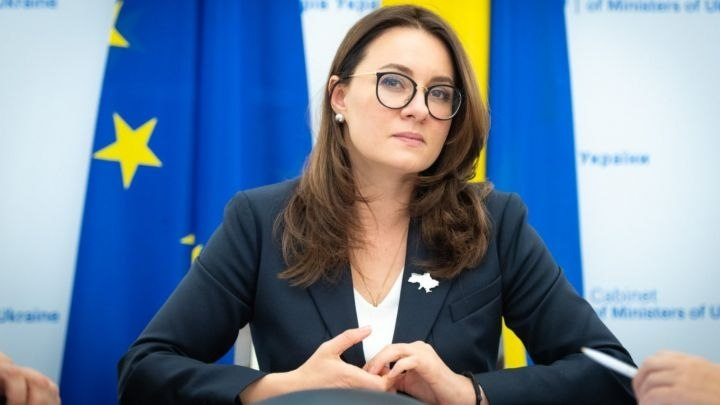
Ukraine's Prime Minister Yulia Svyrydenko Resigns Amid Major Government Reshuffle
Ukrainian Prime Minister Yulia Svyrydenko has resigned after approximately one year in office, as part of a significant government shake-up announced by President Volodymyr Zelenskyy on Sunday.
In a statement, Zelenskyy described the move as necessary because Ukraine is "changing its political strategy." He emphasized the need to place experienced leaders in key positions, with a particular focus on foreign policy and international relations.
Zelenskyy said he had offered Svyrydenko a new, important role leading relations with one of Ukraine's key international partners. The president thanked her for her service during a challenging wartime period.
Svyrydenko, who assumed the premiership in July 2025 after serving as First Deputy Prime Minister and Economy Minister, confirmed her resignation. In a post on X, she expressed gratitude to Zelenskyy for the trust placed in her to lead the government "during the most difficult periods in Ukraine's modern history."
Under Ukrainian law, parliament (the Verkhovna Rada) must approve the prime minister's resignation. If accepted, this would trigger the resignation of the entire cabinet, paving the way for further appointments and reforms. Additional changes in law enforcement leadership are also anticipated.
Svyrydenko, an economist by background, played a prominent role in wartime economic management and efforts to strengthen ties with Western partners, including a notable mineral resources agreement with the United States. Her potential new diplomatic posting is seen by observers as leveraging her expertise in international economic relations.
The reshuffle comes as Ukraine continues to navigate the ongoing war with Russia, pressing for enhanced military support, EU integration, and strategic partnerships. Analysts suggest the changes aim to inject fresh momentum into these priorities.
Further details on her successor and the full scope of the cabinet overhaul are expected in the coming days as parliamentary processes unfold.
Family writers press International