Emily Matijevich

571 posts

Emily Matijevich banner
Emily Matijevich

Emily Matijevich

@EmilyMatijevich

Passionate about wellness gear & gadgets that keep us on the move | Data Science | Orpyx | @orpyxinc
Calgary, AB, Canada Katılım Ocak 2019
520 Takip Edilen1.1K Takipçiler
Emily Matijevich
Emily Matijevich@EmilyMatijevich·
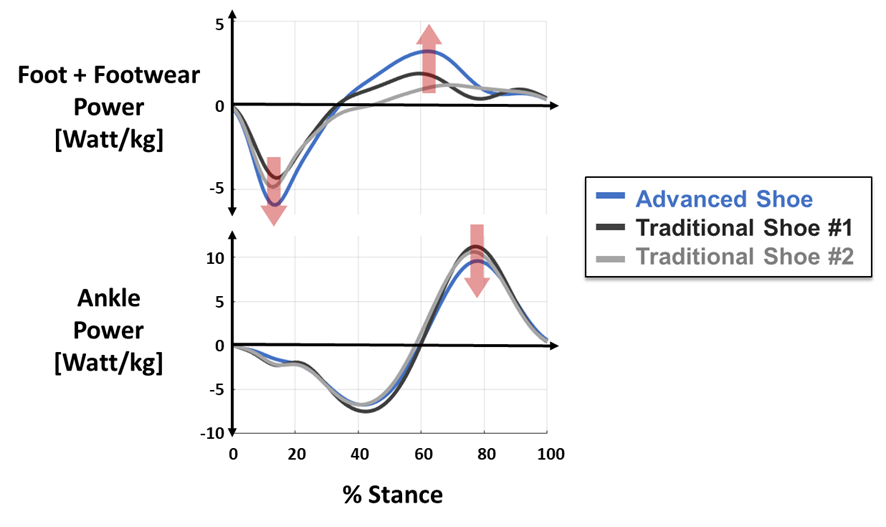
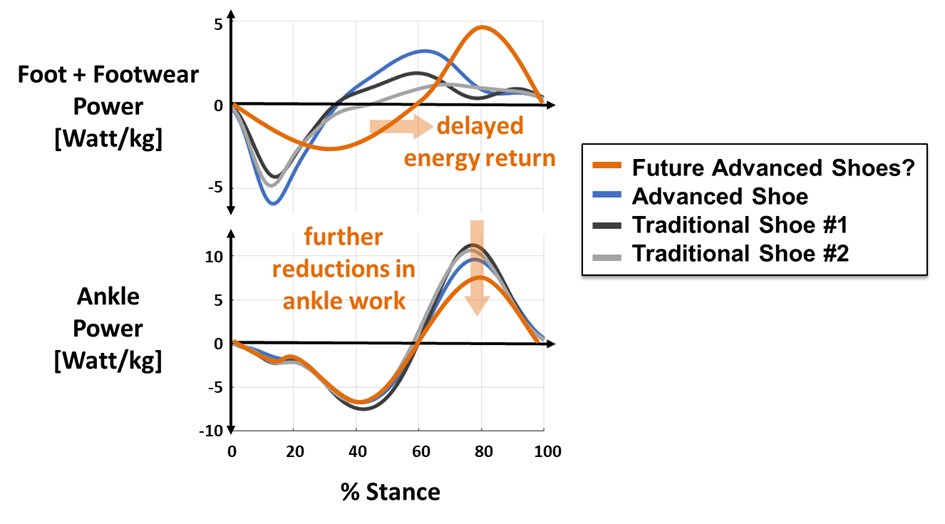
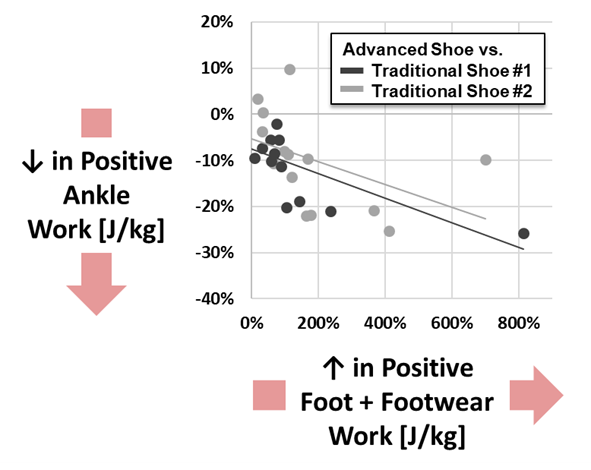
TAKE AWAY #2: To further improve Advanced Footwear, should we delay the transition from footwear energy storage to return? We speculate the timing of foot + footwear energy return (~40% stance) may be earlier than optimal – given that positive ankle work begins at ~60% stance.
Emily Matijevich tweet media
English
1
0
4
439
Emily Matijevich
Emily Matijevich@EmilyMatijevich·
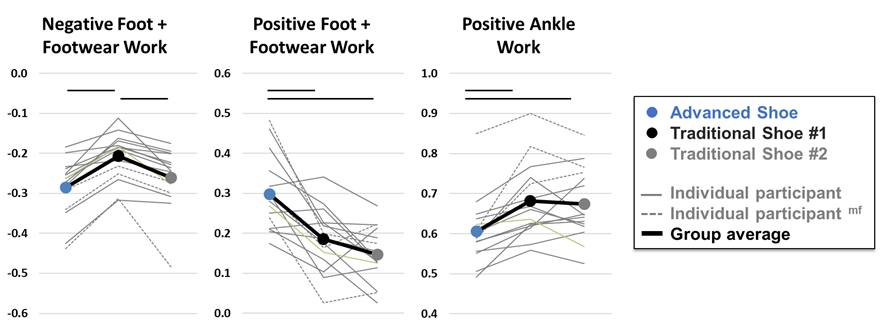
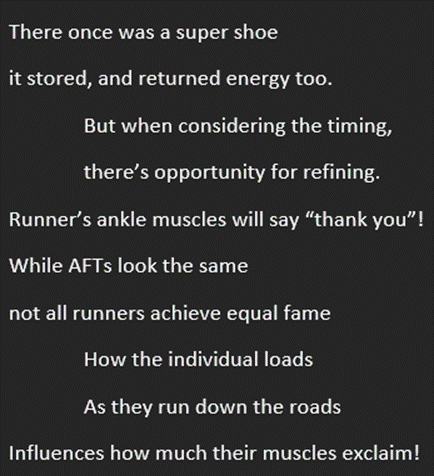
MORE SIMPLY: Runners who received greater magnitudes of energy return from the shoe (or more optimally timed energy return?) had a greater reduction in ankle demand. Would these have also been the athletes that achieved the greatest metabolic energy savings when running in AFT?
Emily Matijevich tweet media
English
1
0
1
200
Emily Matijevich
Emily Matijevich@EmilyMatijevich·
TAKE AWAY #1: A post hoc qualitative analysis revealed an exciting trend - runners who had the greatest relative increase in positive foot + footwear work in the Advanced Shoe compared to a Traditional Shoe, also had the greatest decrease in positive ankle work.
English
1
0
1
176
Emily Matijevich
Emily Matijevich@EmilyMatijevich·
FINDING #3: The approximate timing of footwear energy return (estimated as the transition of negative to positive foot + footwear power) varied only slightly across footwear conditions.
English
1
0
1
176
Emily Matijevich
Emily Matijevich@EmilyMatijevich·
FINDING #2: Positive ankle work was ⬇️ in the Advanced Shoe (consistent with prior research), with no significant changes at the knee and hip. Current Advanced Footwear designs primarily modulate the mechanical demand on muscles spanning the ankle joint.
Emily Matijevich tweet media
English
1
0
2
176
Emily Matijevich
Emily Matijevich@EmilyMatijevich·
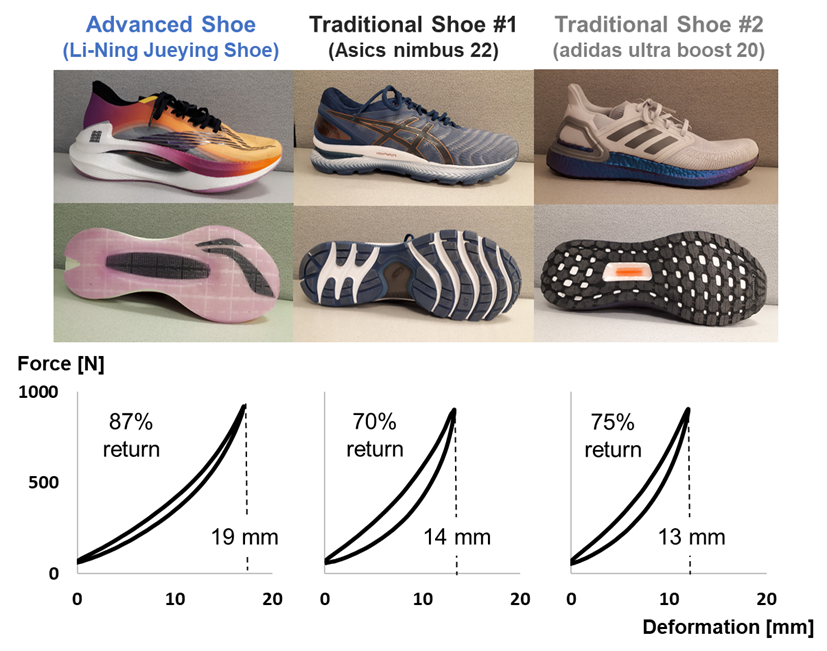
FINDING #1: Both negative and positive foot + footwear work were ⬆️ in the Advanced Shoe. However, this was not a linear transitional of the relative mechanical benefit of the shoe observed during benchtop testing – and there was significant variability across runners!
Emily Matijevich tweet media
English
1
0
1
156
Emily Matijevich
Emily Matijevich@EmilyMatijevich·
THE HOW: 15 male runners ran overground in three footwear conditions – one Advanced Shoe and two Traditional Shoes. “Foot + footwear” and lower limb joint powers were compared.
Emily Matijevich tweet media
English
1
0
1
167
Emily Matijevich
Emily Matijevich@EmilyMatijevich·
STUDY PURPOSE: To evaluate the MAGNITUDE and TIMING of foot, footwear and lower limb joint powers and work while running in “Advanced” and “Traditional” running shoes.
English
1
0
0
147
Emily Matijevich
Emily Matijevich@EmilyMatijevich·
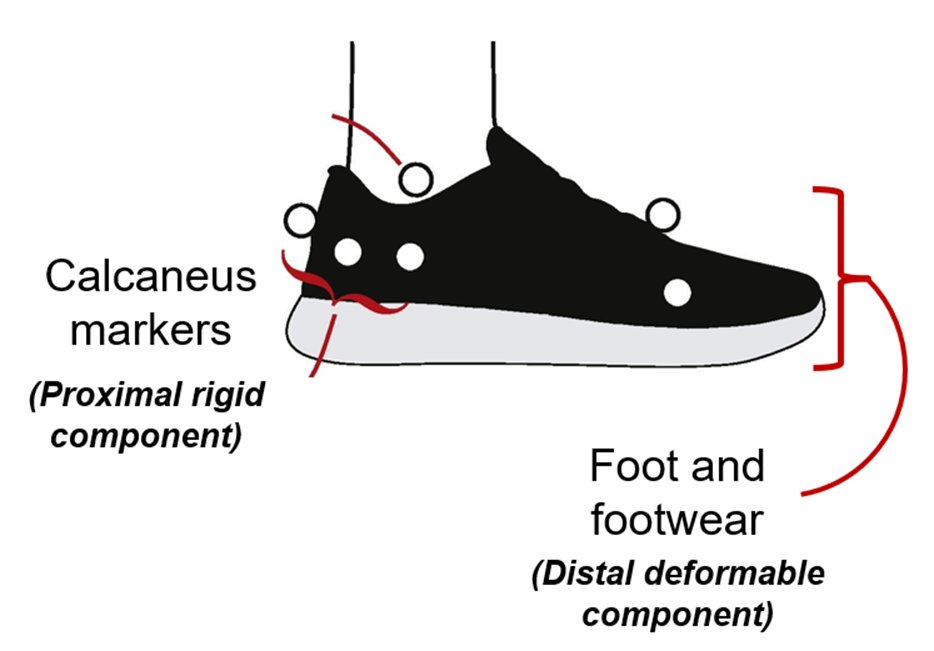
“Foot + footwear” power is a specific application of unified deformable segment analyses methodology. "Foot + footwear" power quantifies the combined energetics of all the rigid and deformable foot and footwear structures.
Emily Matijevich tweet media
English
1
0
0
157
Emily Matijevich
Emily Matijevich@EmilyMatijevich·
Fortunately, existing methodologies can support! Unified deformable segment analyses can be harnessed to quantify the net power of complex and non-rigid devices (i.e., prostheses, shoes, body soft tissues, etc.) during locomotion.
English
1
0
1
150
Emily Matijevich
Emily Matijevich@EmilyMatijevich·
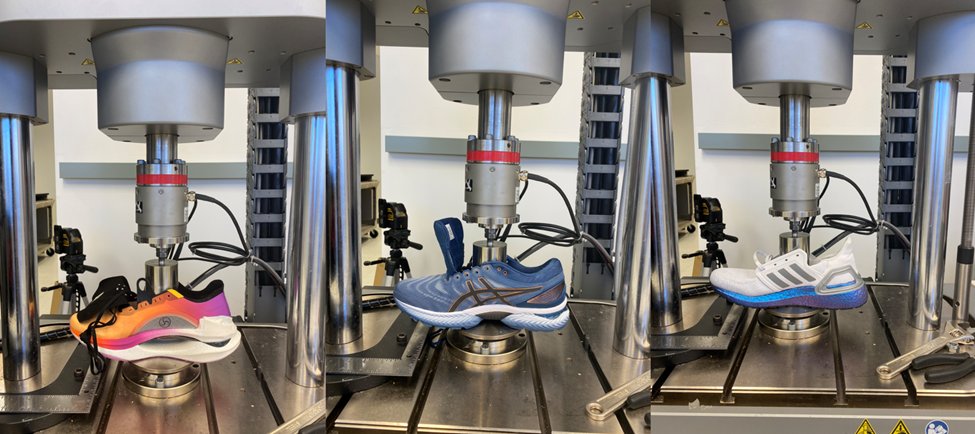
This lack of mechanistic understanding may be due to limitations of benchtop energy return material testing – the controlled loading does not replicate the magnitude and timing of shoe material loading and rebound (i.e., mechanical power/work) during actual under foot running.
Emily Matijevich tweet media
English
1
0
1
175
Emily Matijevich
Emily Matijevich@EmilyMatijevich·
Despite the large volume of running biomechanics research focused on Advance Footwear Tech (compliant, resilient, and longitudinally stiff running shoes), there is a lack of mechanistic understanding of HOW footwear energy return facilitates changes in running performance.
English
1
0
0
171
Emily Matijevich
Emily Matijevich@EmilyMatijevich·
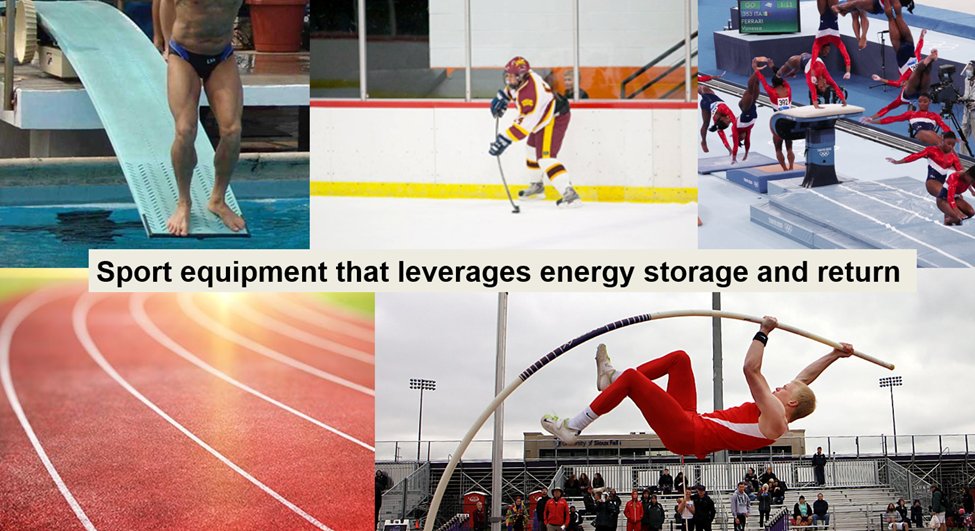
THE WHY: Sporting equipment often leverages energy storage & return to help athletes run faster, jump higher, and move better. While E return is intuitively good for “propelling athletes”, the magnitude/timing of E return influences the products capacity to enhance performance.
Emily Matijevich tweet media
English
1
0
0
208
Emily Matijevich retweetledi
Scott Uhlrich
Scott Uhlrich@ScottUhlrich·
I am hiring PhD students in the Movement Bioengineering Lab at the University of Utah. Please share or apply by January 1! Join us at the intersection of movement biomechanics, computer vision, machine learning, and wearables as we create tools that improve human mobility.
Scott Uhlrich tweet media
English
5
66
141
18.6K
Emily Matijevich
Emily Matijevich@EmilyMatijevich·
(Implication #2 cont.) "This may give users a false sense of energy (calorie) expenditure. This may be an important area of consideration for consumer physical activity monitor developers.” ⌚ 🤔
English
0
0
0
38
Emily Matijevich
Emily Matijevich@EmilyMatijevich·
Implication #2: “Many physical activity monitors likely consider HR to calculate energy expenditure… during yoga/exercise performed in hot environment, when HR is artificially higher because of the added circulatory demands, energy expenditure may also be artificially inflated"
English
1
0
0
41
Emily Matijevich
Emily Matijevich@EmilyMatijevich·
Implication #1: “Participants may be inclined to reduce their effort during hot yoga, intentionally or unintentionally, as they perceive it to be harder than it actually is, resulting in reduced exercise intensity and consequently minimizing potential fitness adaptions” 🤯
English
1
0
0
34
Emily Matijevich
Emily Matijevich@EmilyMatijevich·
Finding #3: However, identical yoga sessions performed in a thermo-neutral and hot environment result in similar energy expenditure because of similar rates of oxygen consumption VO2 (hot = 30.9% ± 2.3% vs. thermo-neutral = 30.5% ± 1.8%, p = 0.68)
Emily Matijevich tweet media
English
1
0
1
42