
Memorial in English
4.1K posts

Memorial in English banner
Memorial in English
Memorial in English

@EnMemorial

An account in English for Memorial friends around the world! Please follow us and retweet! keep in touch [email protected]

Katılım Ocak 2022
866 Takip Edilen4.3K Takipçiler
Memorial in English
Memorial in English@EnMemorial·
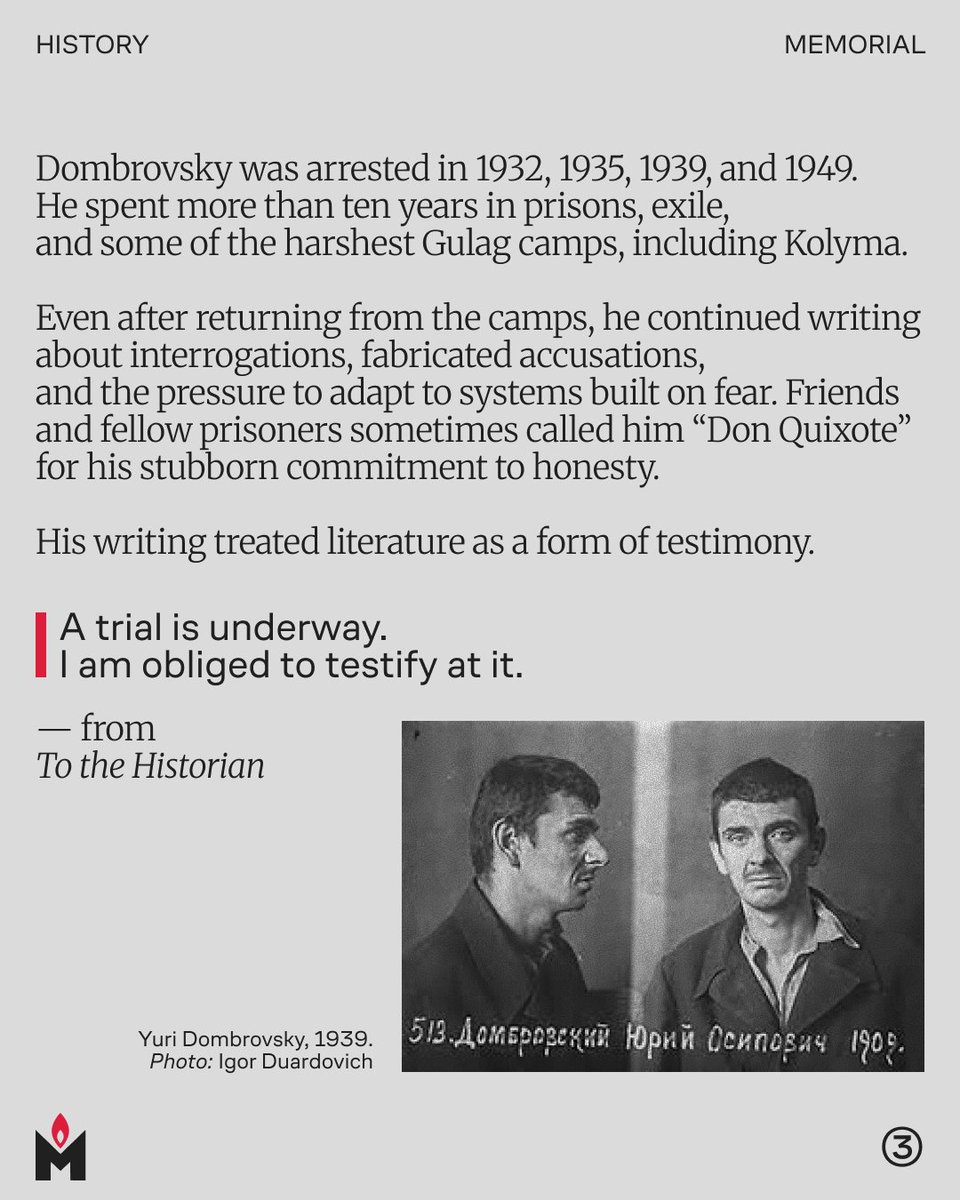
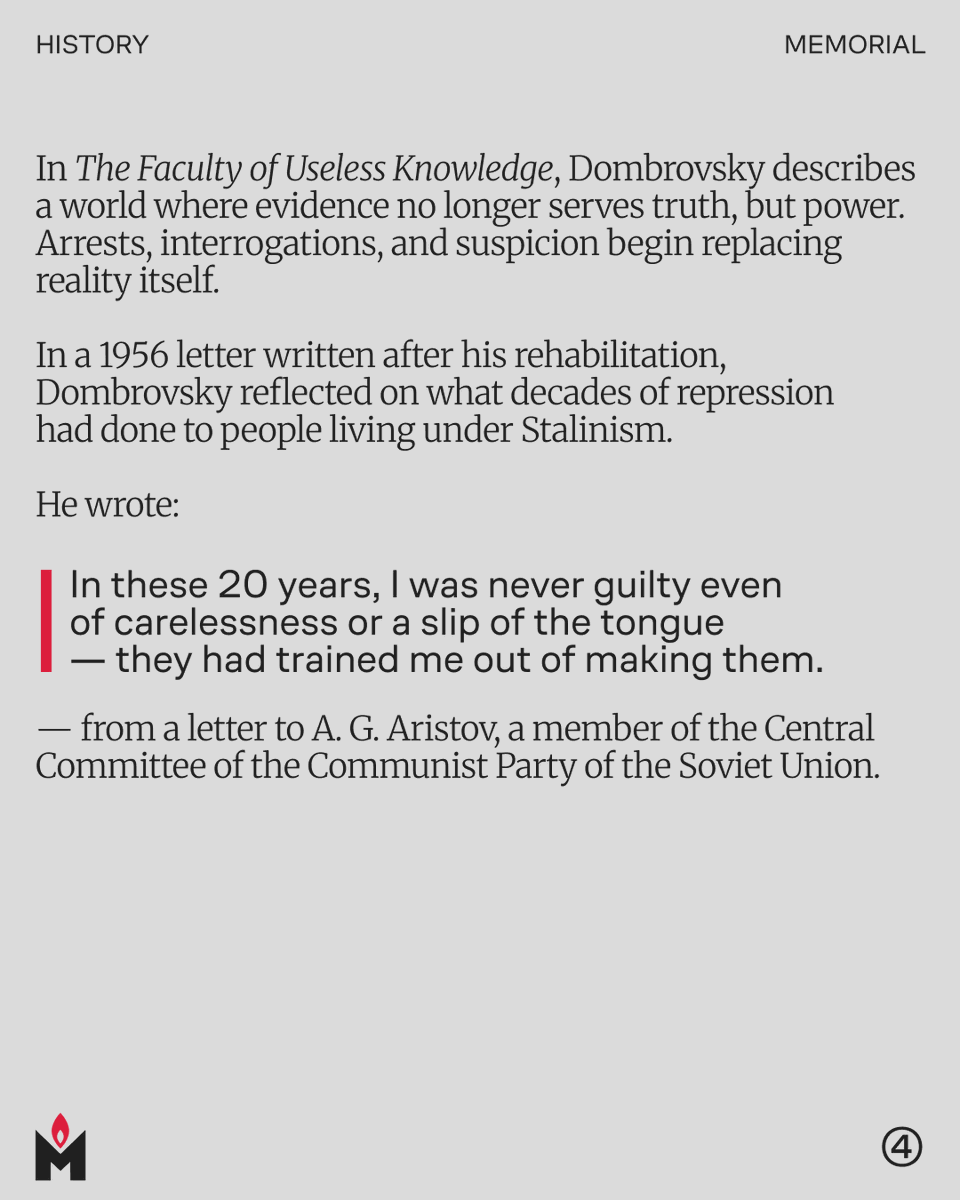
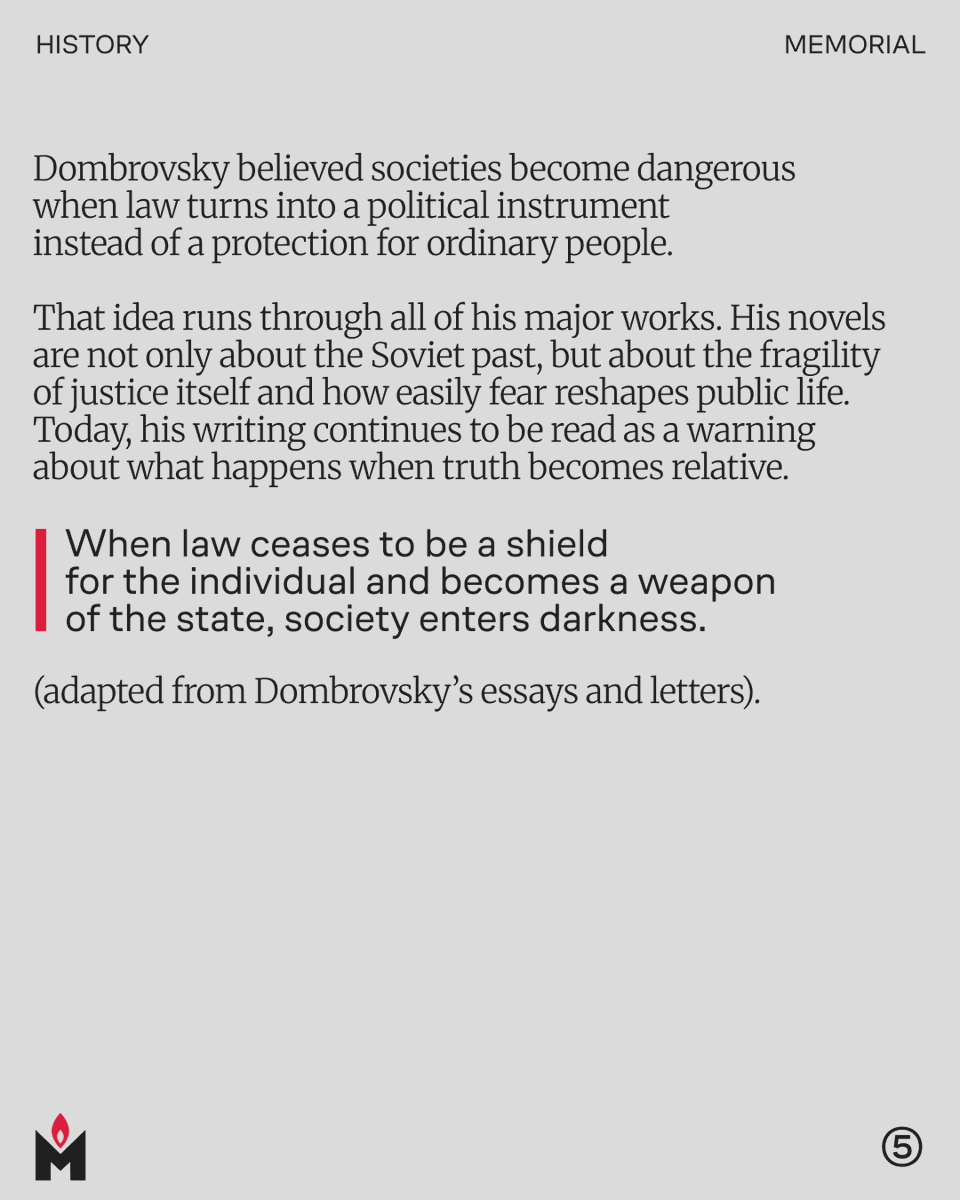
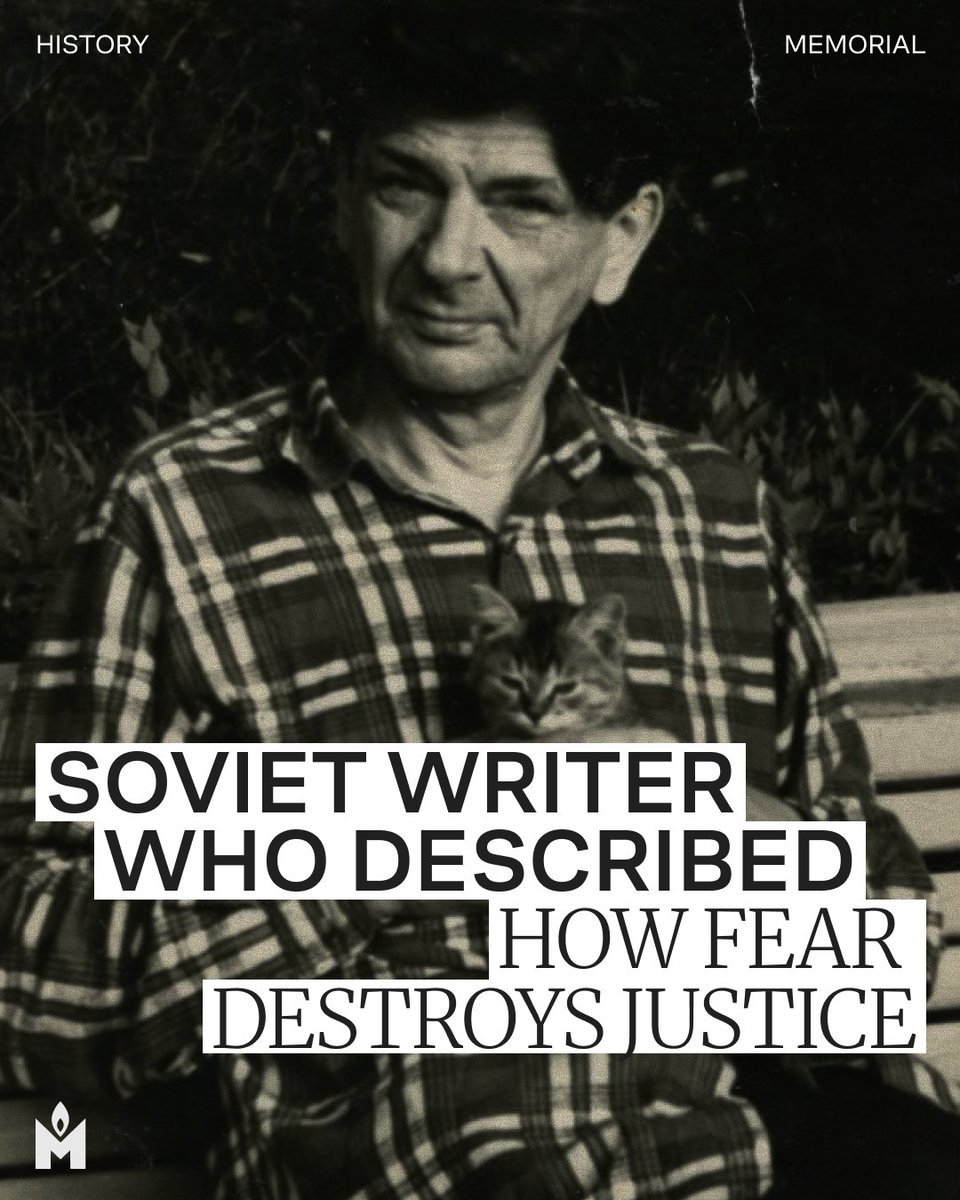
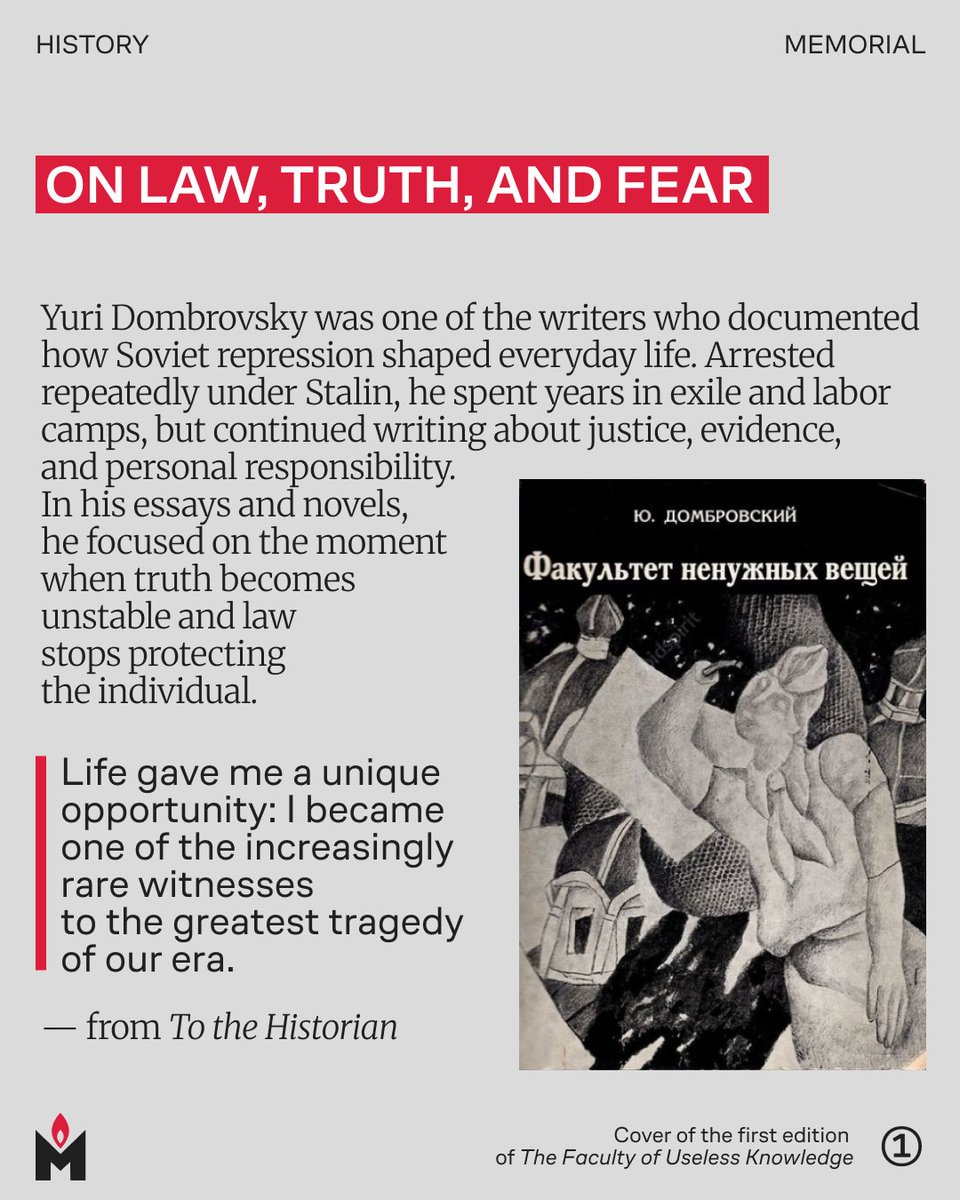
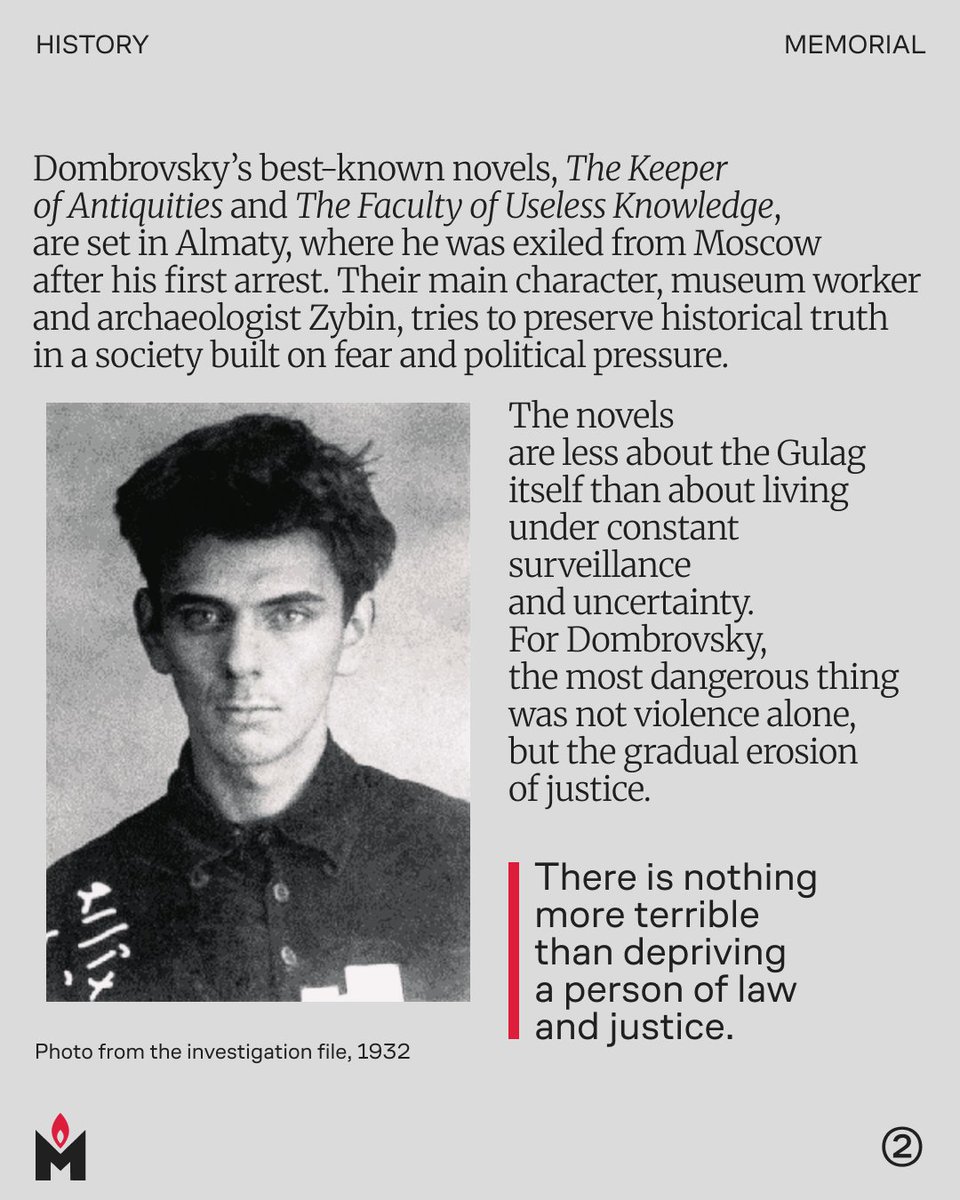
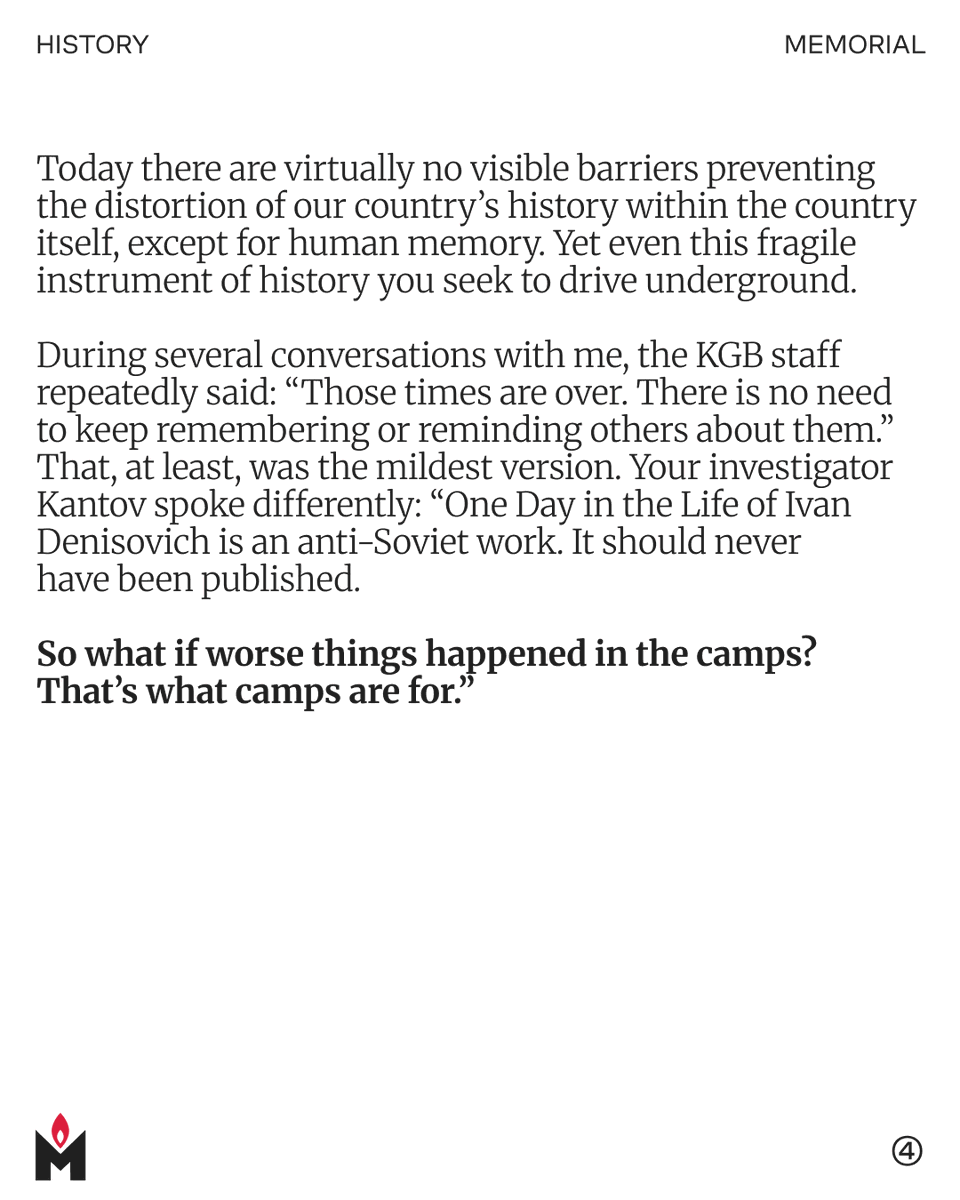
Yuri Dombrovsky was born on May 12, 1909. Over the course of his life, the Soviet writer and poet was arrested four times, exiled from Moscow to Almaty, and spent more than a decade in Gulag camps, including Kolyma. These experiences shaped his best-known novels, The Keeper of Antiquities and The Faculty of Useless Knowledge — books about fear, justice, and what happens when truth becomes politically inconvenient. Dombrovsky wrote less about the camps themselves than about the atmosphere surrounding them: interrogations, fabricated evidence, constant suspicion, and the slow erosion of trust between people. Arrested for “anti-Soviet agitation,” he witnessed firsthand how law could be transformed from protection into a tool of power. His most famous novel, The Faculty of Useless Knowledge, was never published in the USSR during his lifetime. It first appeared in Paris in 1978 through YMCA Press. Soon after its publication, Dombrovsky was attacked by unknown men near Moscow’s Central House of Writers. He died two months later from injuries linked to the beating, which was never properly investigated. Today, Dombrovsky’s writing remains strikingly relevant in the way it explores the relationship between truth, justice, and the state. In the cards: quotes and excerpts from Yuri Dombrovsky’s works and letters, with commentary on his writing by our volunteer Katya Sh!
Memorial in English tweet mediaMemorial in English tweet mediaMemorial in English tweet media
English
1
2
6
293
Memorial in English
Memorial in English@EnMemorial·
Today | Critical Heritage Studies in the Post-Socialist Space How do archives shape memory, heritage, and the way we understand the Soviet and post-Soviet past? Join us this evening for a seminar exploring archival institutions, unofficial archives, and contemporary art practices across Uzbekistan, Kazakhstan, and Russia. Speakers: — Anna Pronina (Independent Researcher) Uzbekistan’s Archival Landscape: Storages and Heritage — Jamilya Nurkaliyeva & Tatiana Neuimina (Archive “Documentation”, Tselinny Center for Contemporary Culture, Almaty, Kazakhstan) Documentation: Imagining Central Asia on the Map of Contemporary Art — Irina Galkova (Université de Caen Normandie, Memorial) The Death Road in Siberia Through the Lens of Unofficial Archives 17:30 CET Maison de la recherche (Sorbonne Université) 28 rue Serpente, Paris 6e, room D116 Online participation via Zoom is also possible. To receive the Zoom link, contact: aleksandra.kolesnik@uni-bielefeld.de
Memorial in English tweet mediaMemorial in English tweet media
English
0
1
0
133
Memorial in English
Memorial in English@EnMemorial·
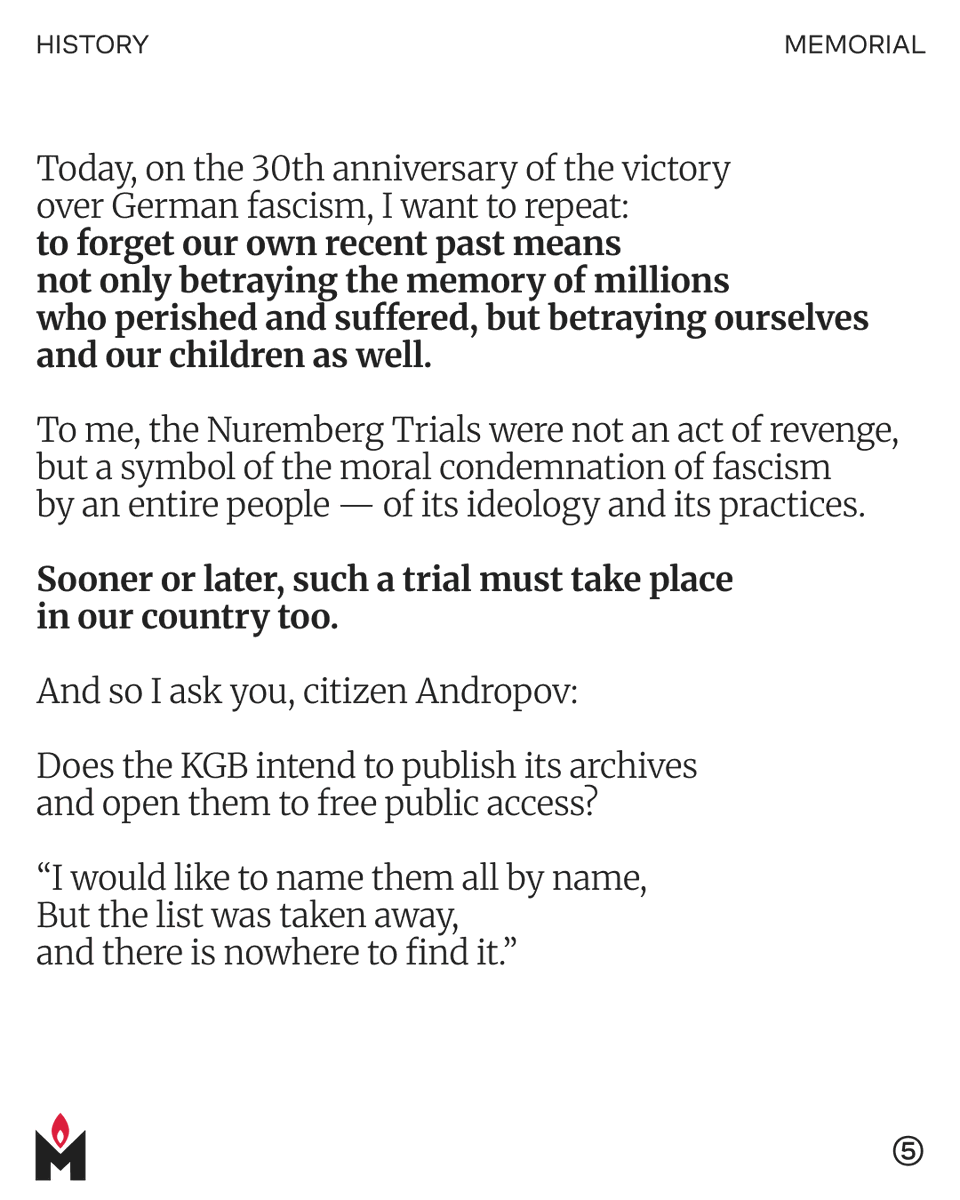
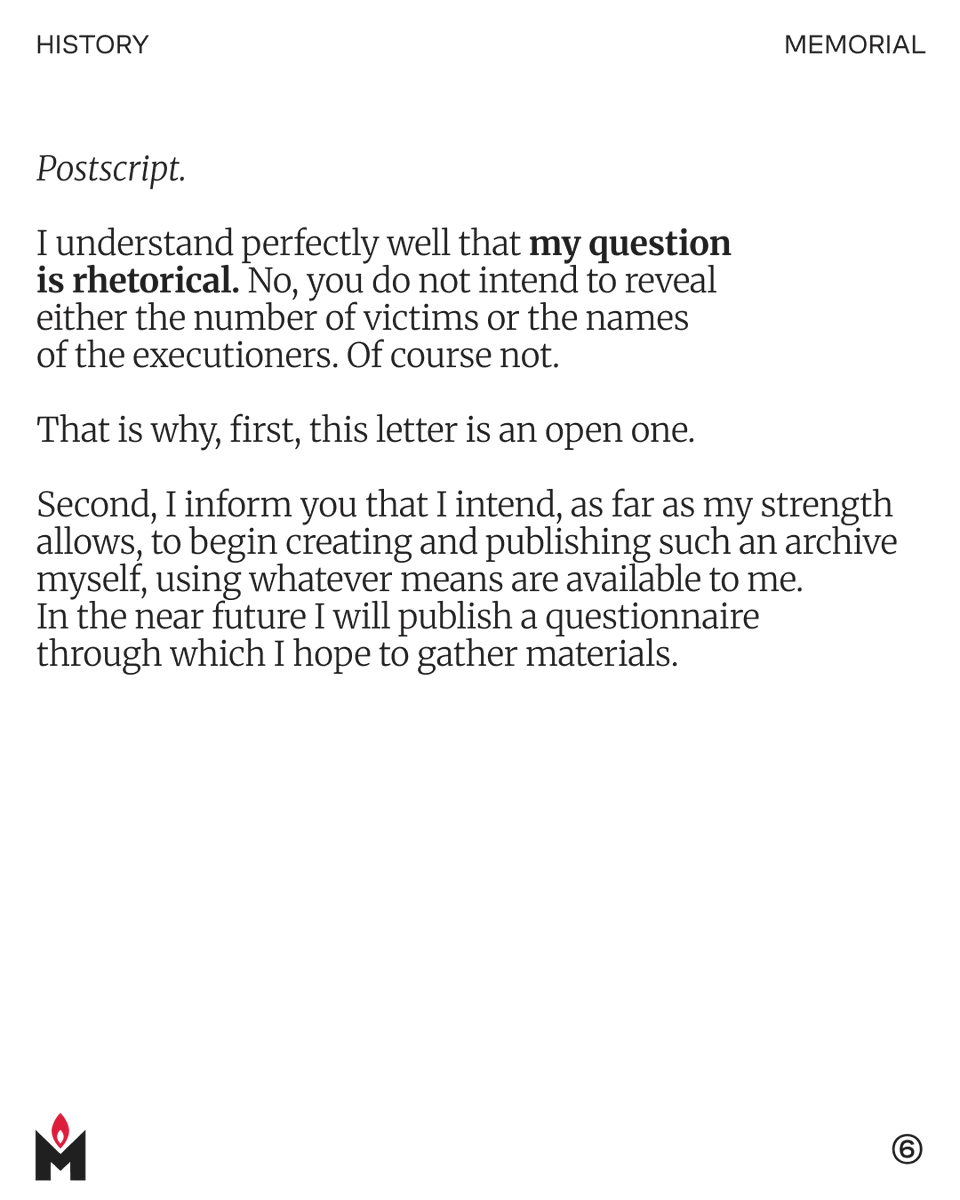
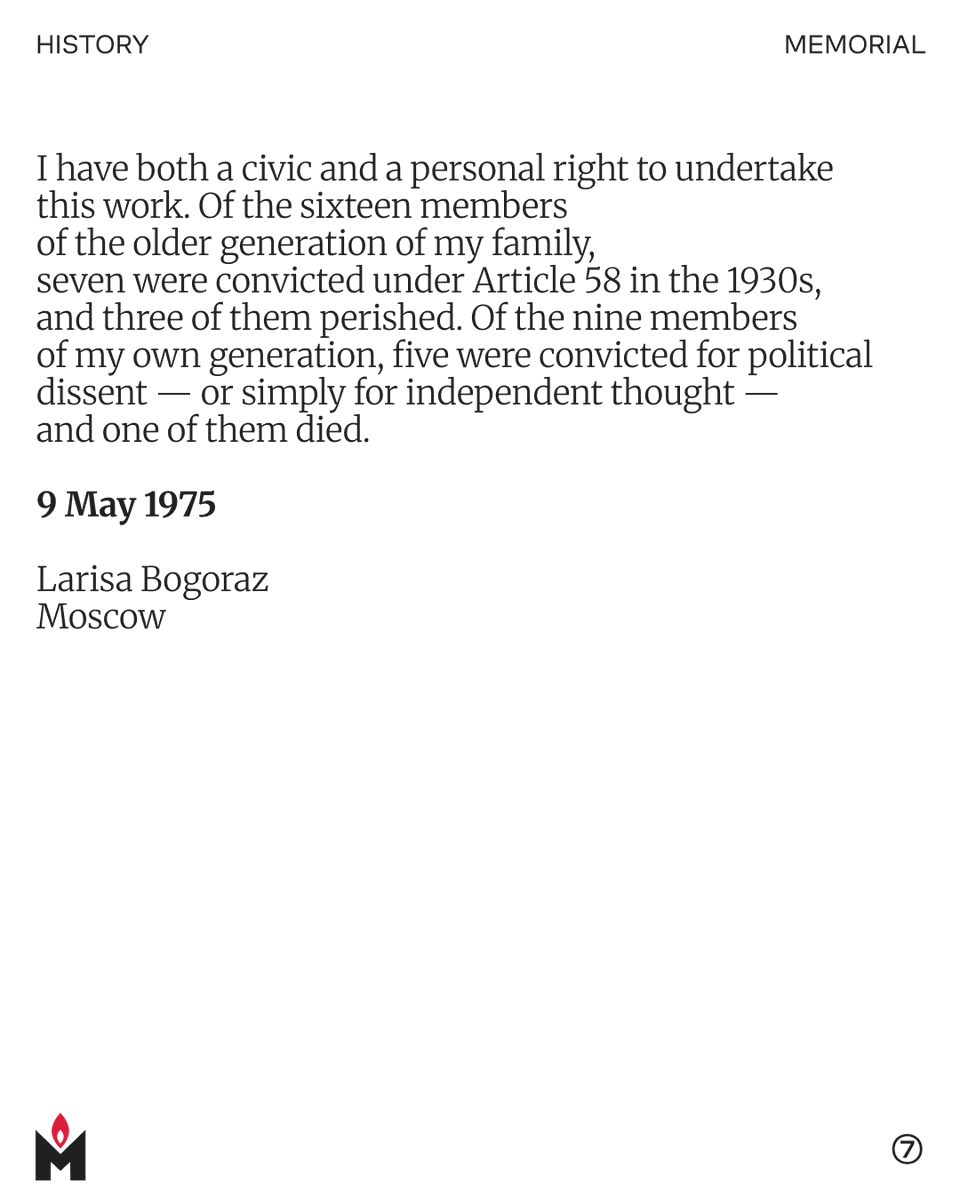
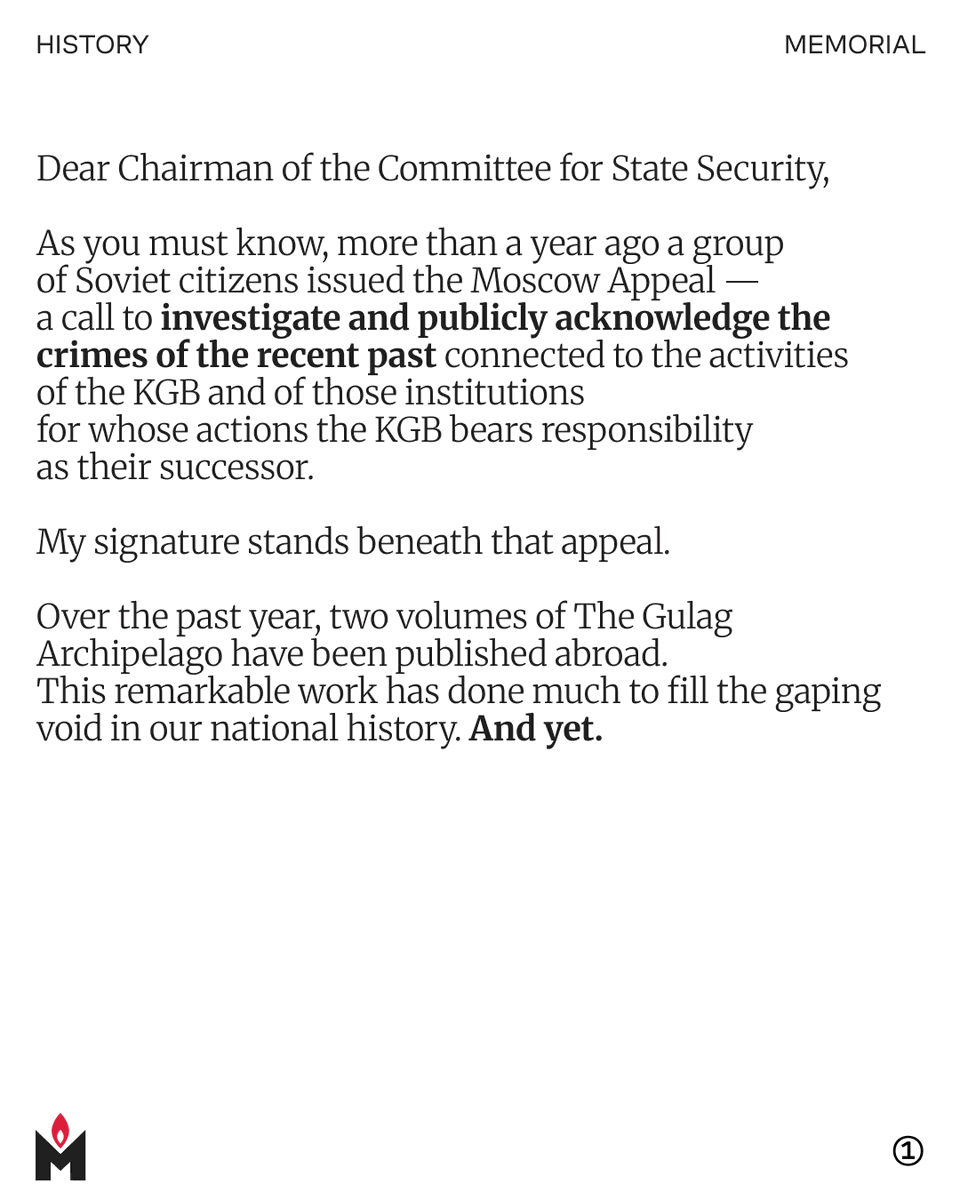
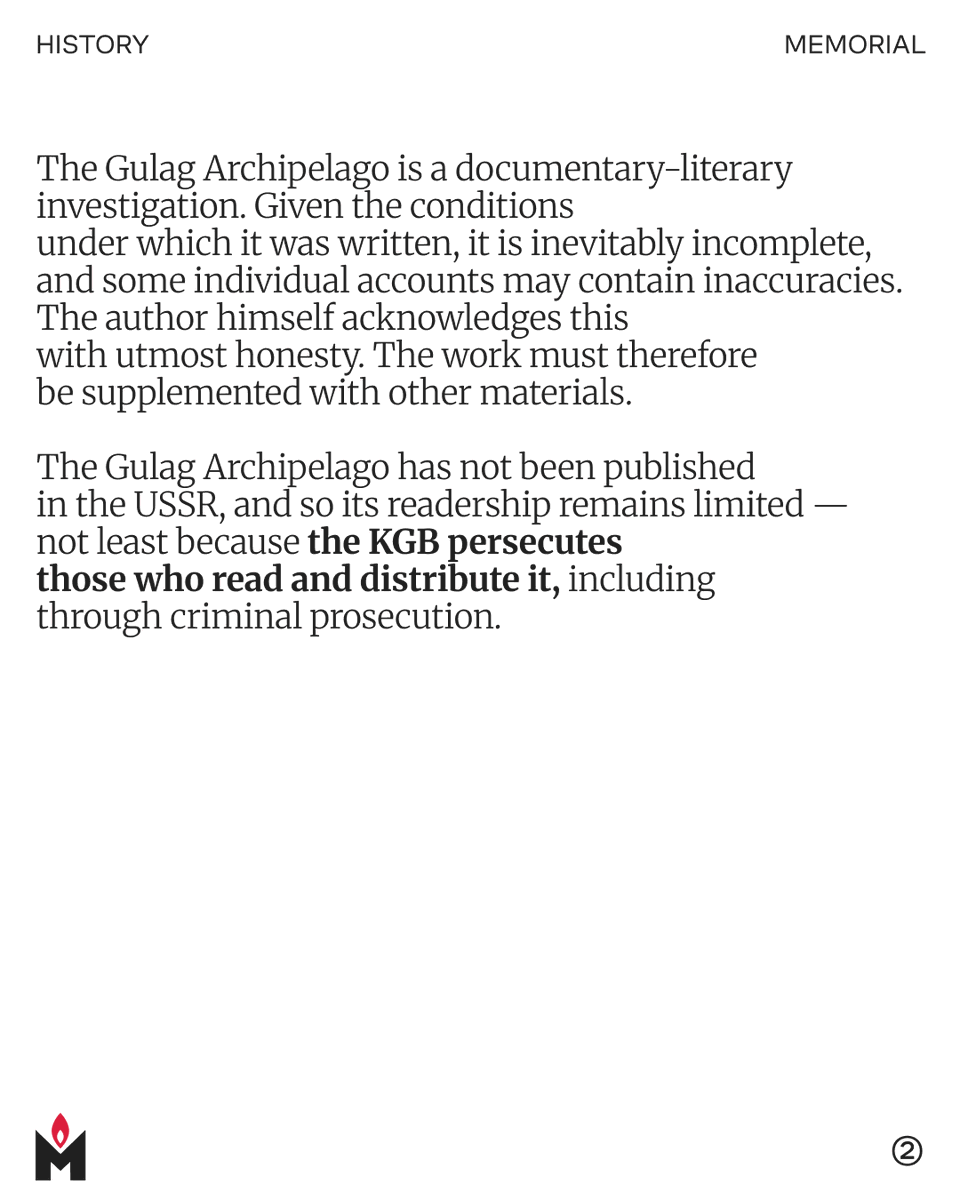
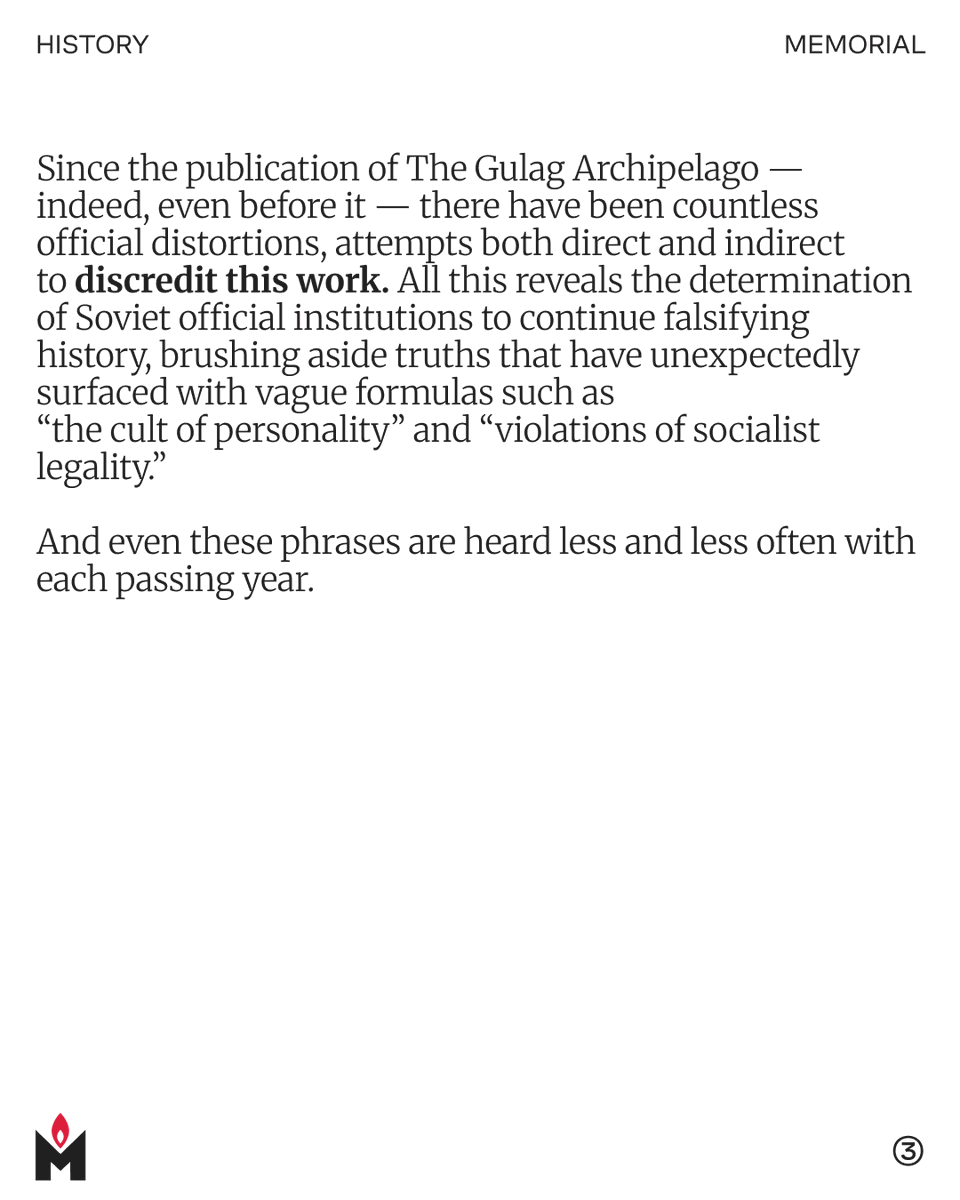
On May 9, 1975 Soviet dissident and human rights activist Larisa Bogoraz published an open letter addressed to KGB Chairman Yuri Andropov. In it, she demanded that the Soviet authorities stop concealing the crimes of Stalinist repression and open the archives to the public. “To forget our own recent past,” she wrote, “means not only betraying the memory of millions who perished and suffered, but betraying ourselves and our children as well.” Bogoraz also reminded readers of the “Moscow Appeal” — a call by Soviet citizens to investigate and publicly acknowledge the truth about political terror in the USSR. Fifty years later, these words still sound painfully relevant. Historians from Memorial are still forced to fight for access to archival investigation files. We are publishing excerpts from Larisa Bogoraz’s letter preserved in Memorial’s archive.
Memorial in English tweet mediaMemorial in English tweet mediaMemorial in English tweet mediaMemorial in English tweet media
English
1
3
10
268
Memorial in English
Memorial in English@EnMemorial·
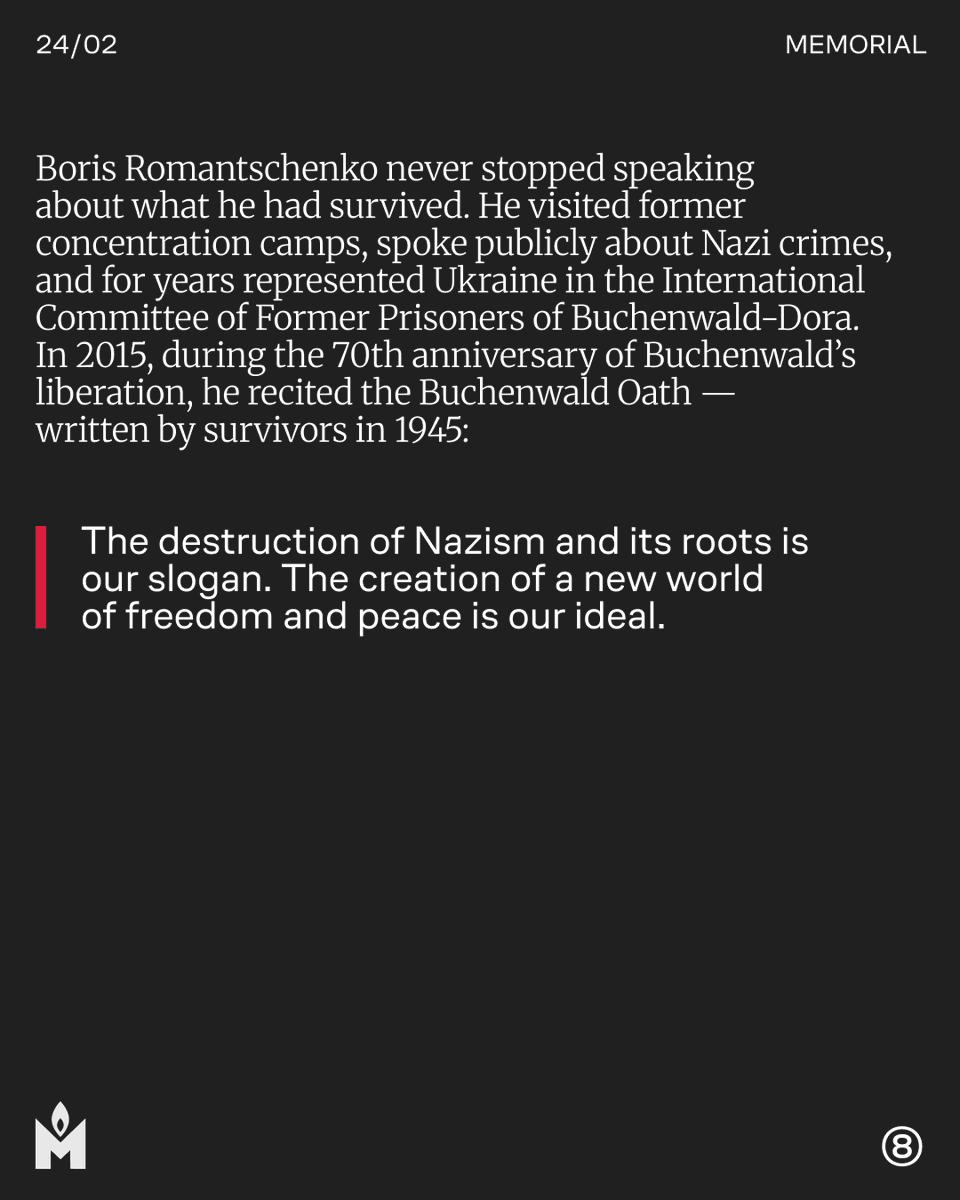
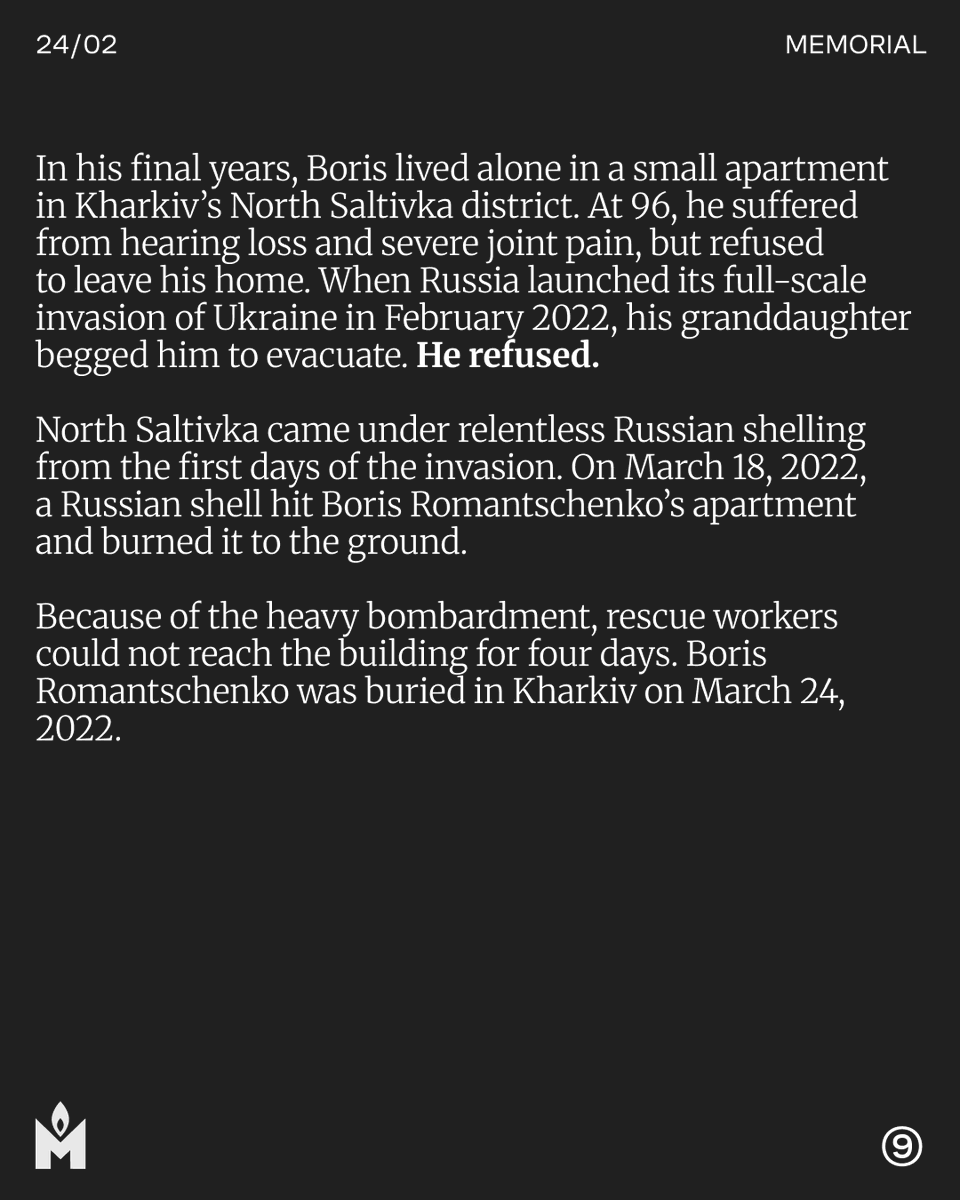
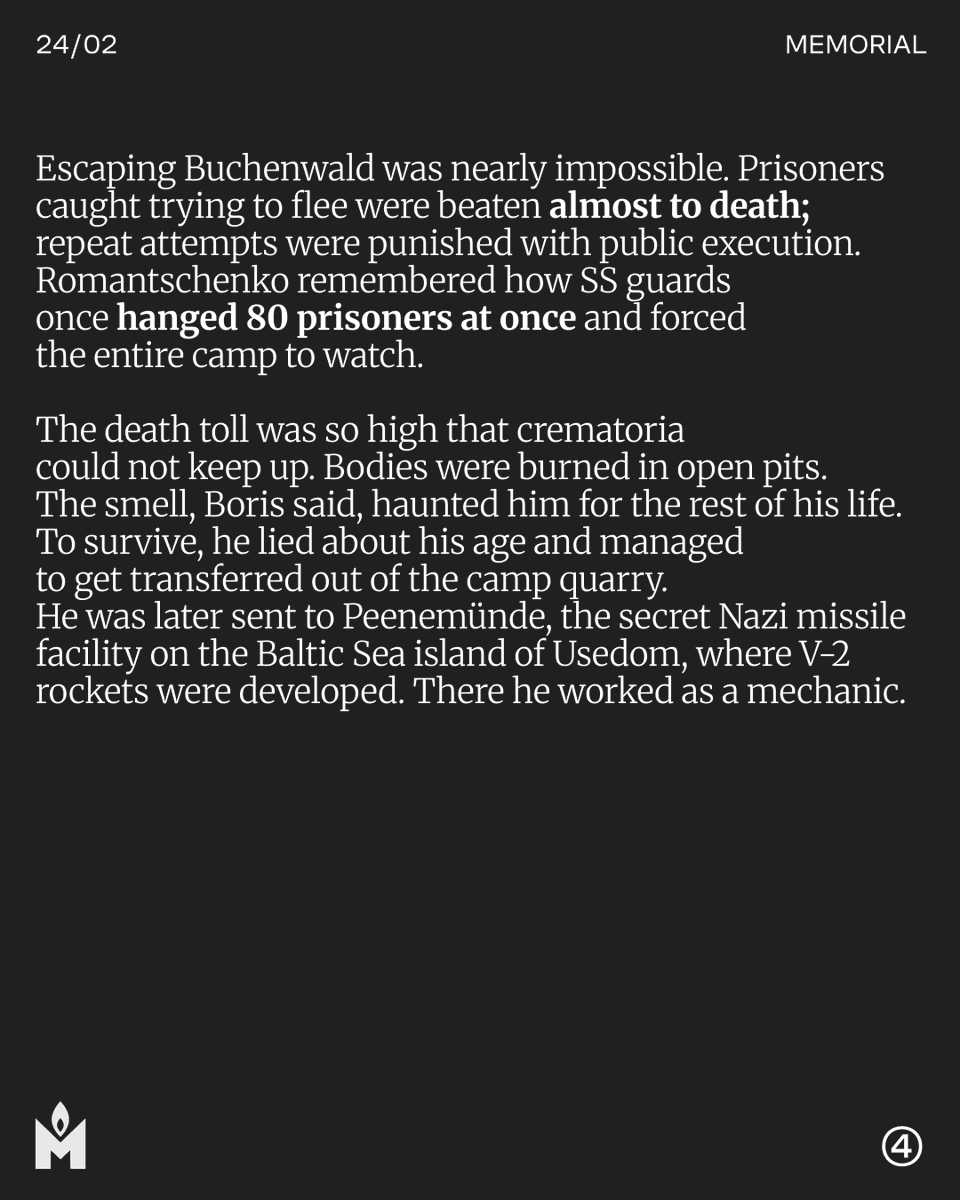
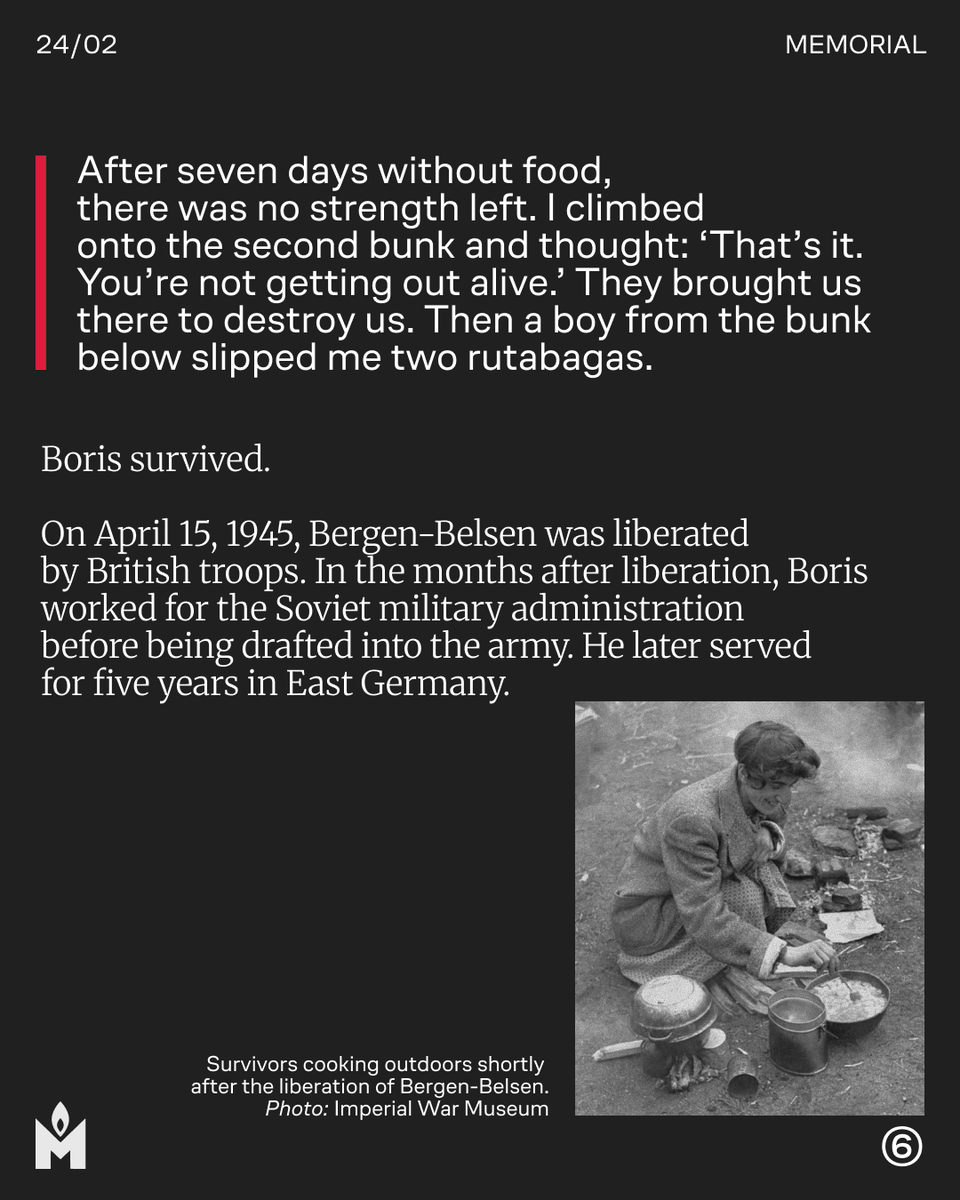
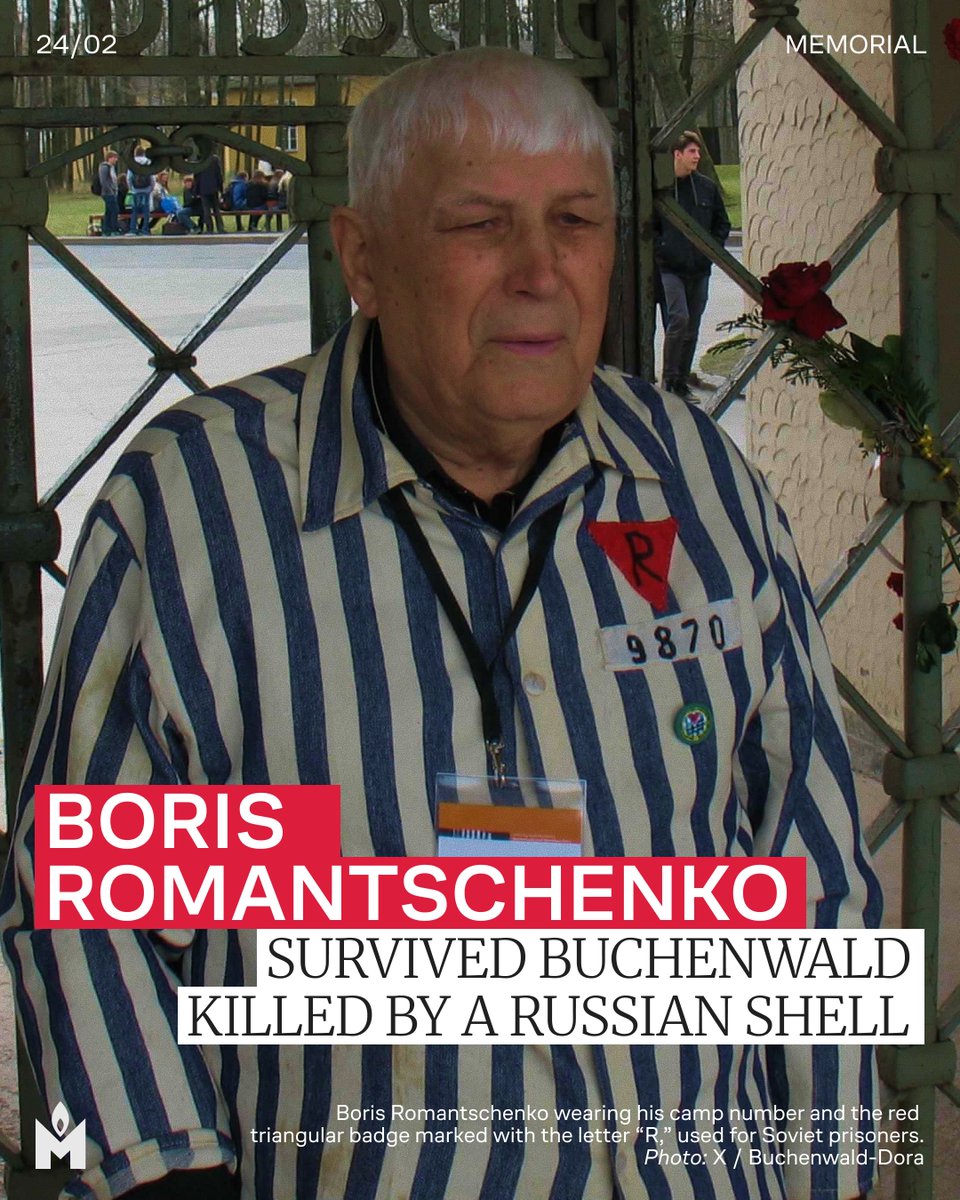
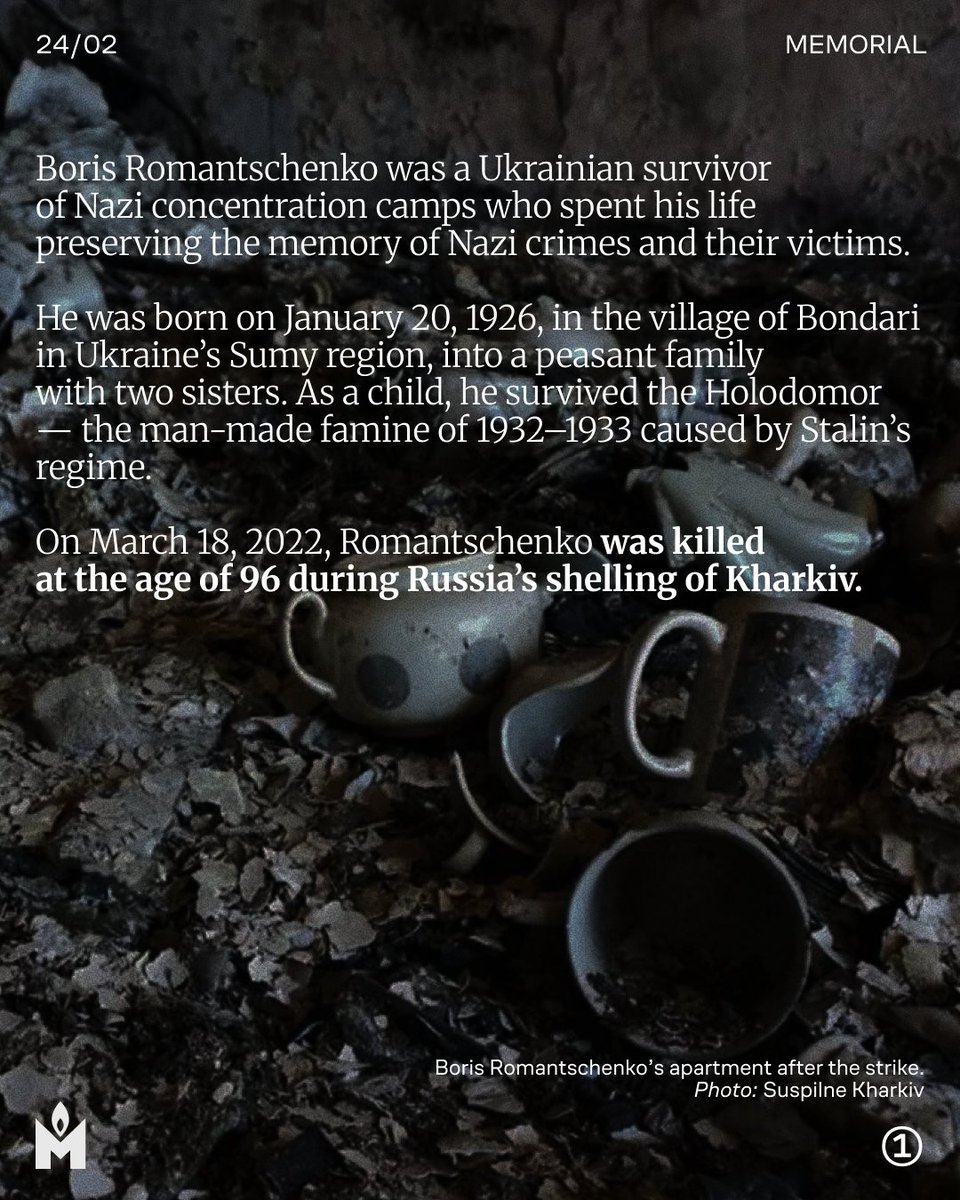
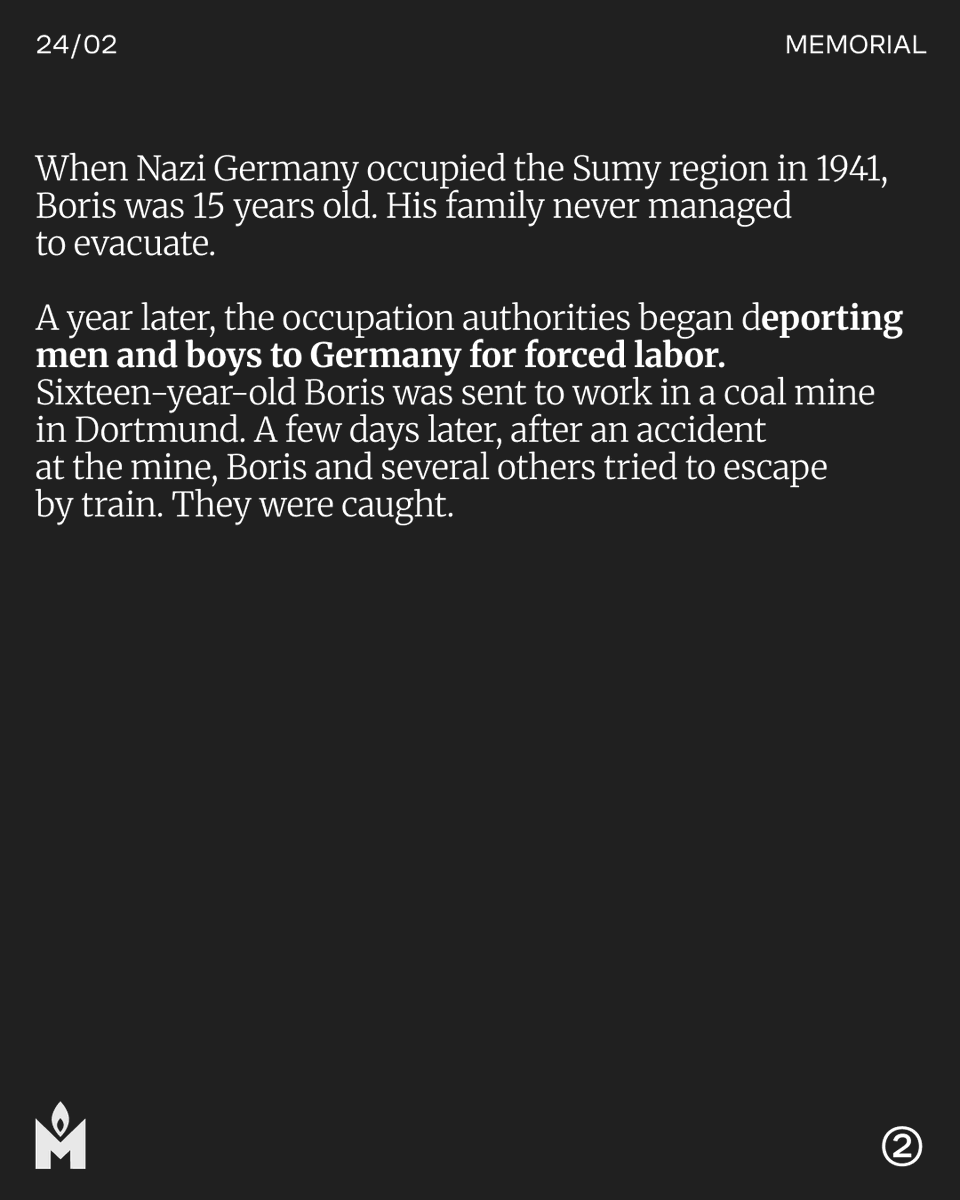
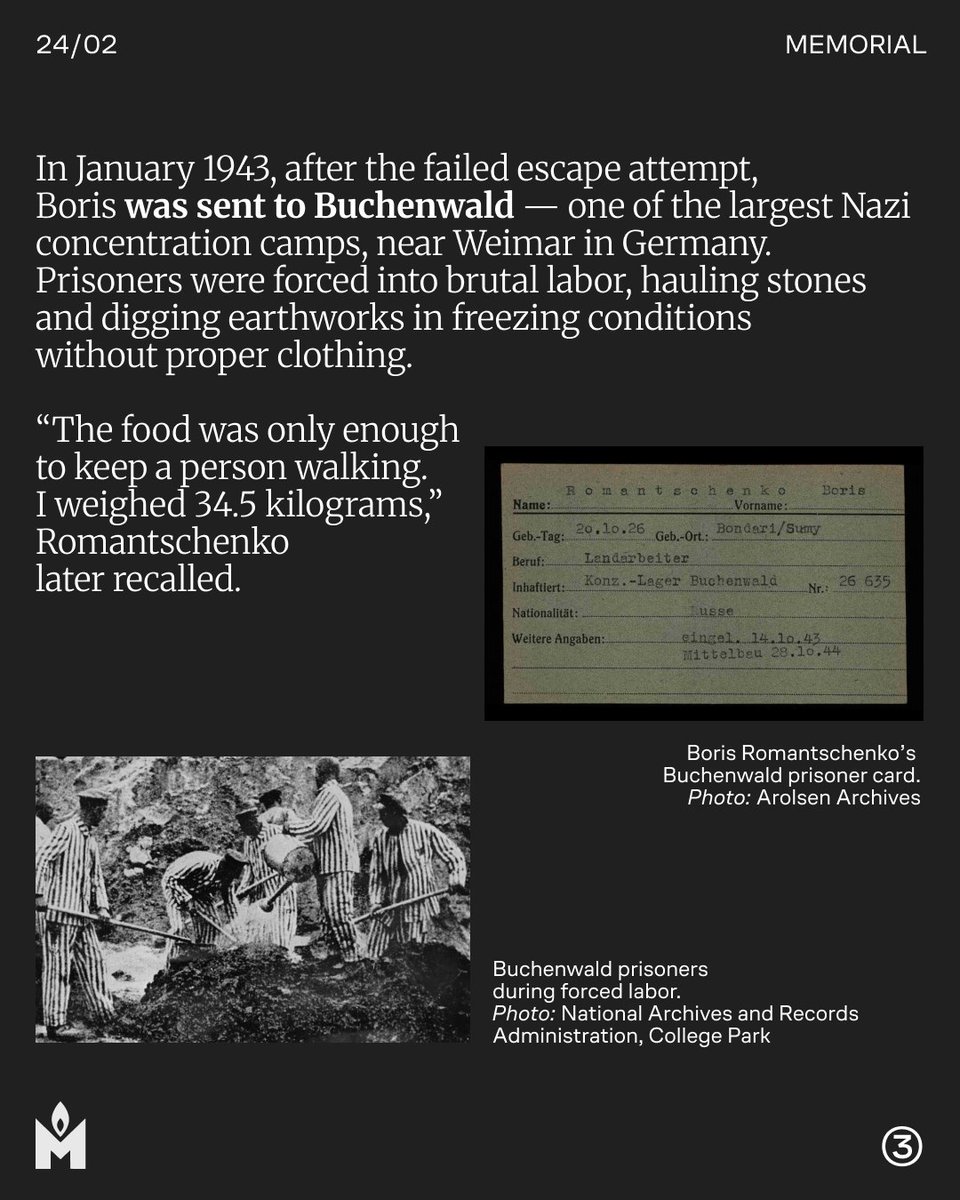
“We will end the struggle only when the last of the guilty stands before the judgment of all nations. The destruction of Nazism and its roots is our slogan. The creation of a new world of freedom — a world without war — is our goal.” These words from the Buchenwald Oath — adopted by survivors of the camp on April 19, 1945, just days after liberation — were read aloud in 2015 by 89-year-old Boris Romantschenko during the 70th anniversary commemoration. Seven years later, he was killed in Kharkiv by a Russian shell — on the 23rd day of the invasion that the Russian authorities called “denazification.” Romantschenko survived Buchenwald, Peenemünde, Mittelbau-Dora, and Bergen-Belsen. He later became vice president of the International Committee of Former Prisoners of Buchenwald-Dora and spent decades returning to the camps where he had once been imprisoned, speaking publicly about Nazi crimes and the importance of remembrance. The International Auschwitz Committee called his death “the erasure of memory.” Eva Fahidi, a 96-year-old Hungarian writer and Holocaust survivor, said: “Everything we lived for after the liberation of Auschwitz, Buchenwald, Ravensbrück and Sachsenhausen — everything we defended and told European youth about — has been disgraced by Putin and his generals.” Every year ahead of May 9, Russian authorities speak about “sacred memory” and an “eternal debt to veterans.” Yet among the victims of Russia’s war against Ukraine are the very people who survived and witnessed World War II.
Memorial in English tweet mediaMemorial in English tweet mediaMemorial in English tweet mediaMemorial in English tweet media
English
1
2
5
151
Memorial in English
Memorial in English@EnMemorial·
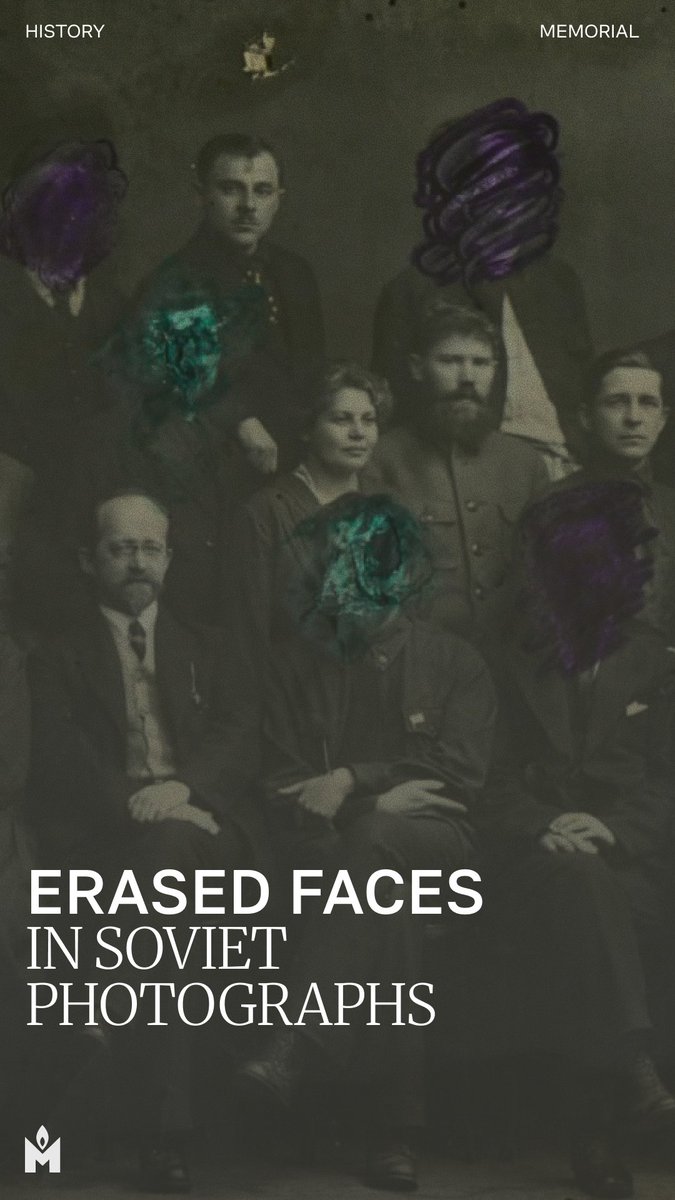
Why did people start disappearing from photographs in the USSR in the 1930s? Photo retouchers erased arrested party officials, military leaders, and revolutionaries from official images. They were cut out, painted over, scratched away, covered up — sometimes even turned into background details. This wasn’t about “fixing” a photo. It was about rewriting reality — creating the illusion that these people had never existed. That atmosphere of fear reached into private life, too. Ordinary people began cutting faces out of their own family albums. Sometimes, they had to erase those closest to them — spouses, parents, siblings. Watch our video to learn more about these “erased faces.”
Memorial in English tweet media
English
0
1
2
152
Memorial in English
Memorial in English@EnMemorial·
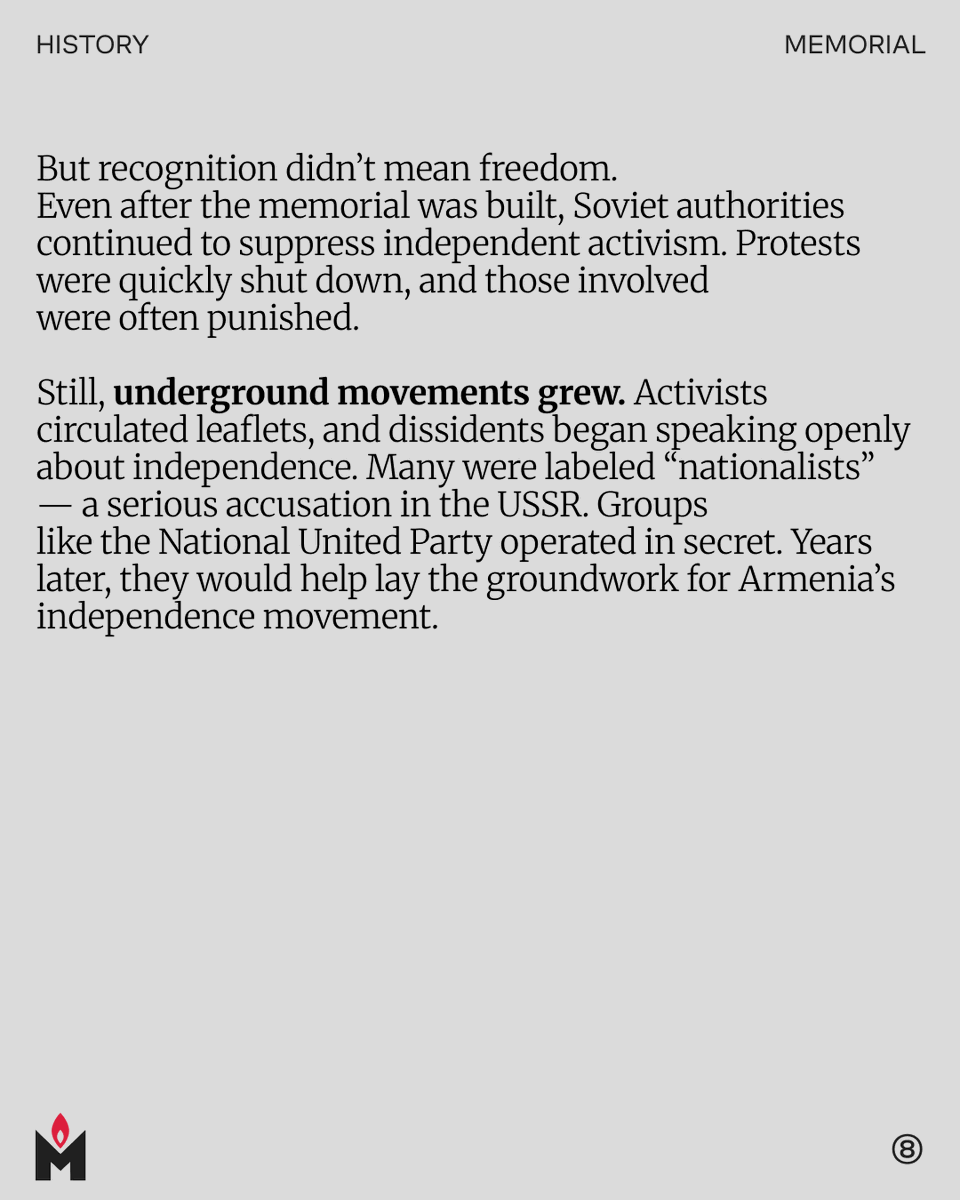
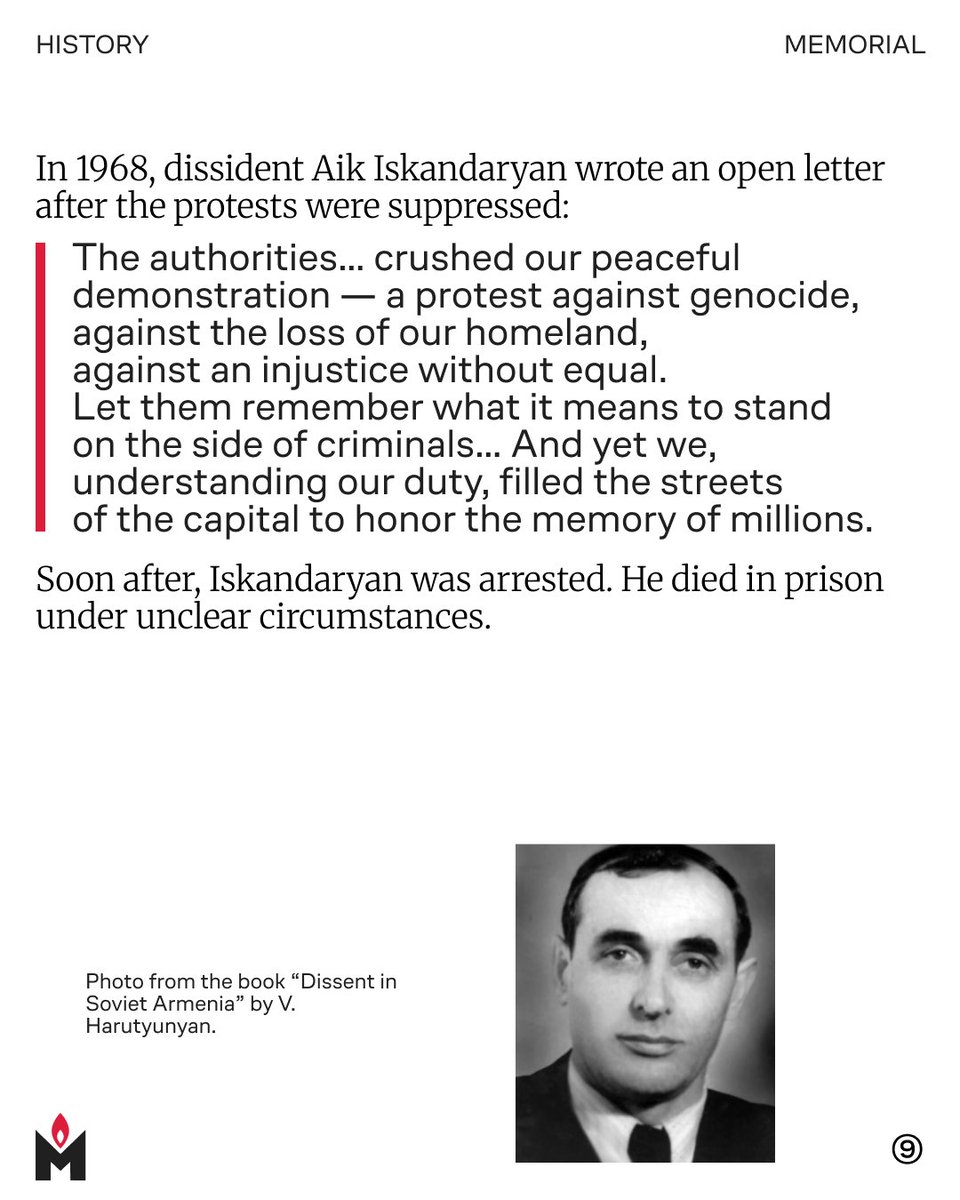
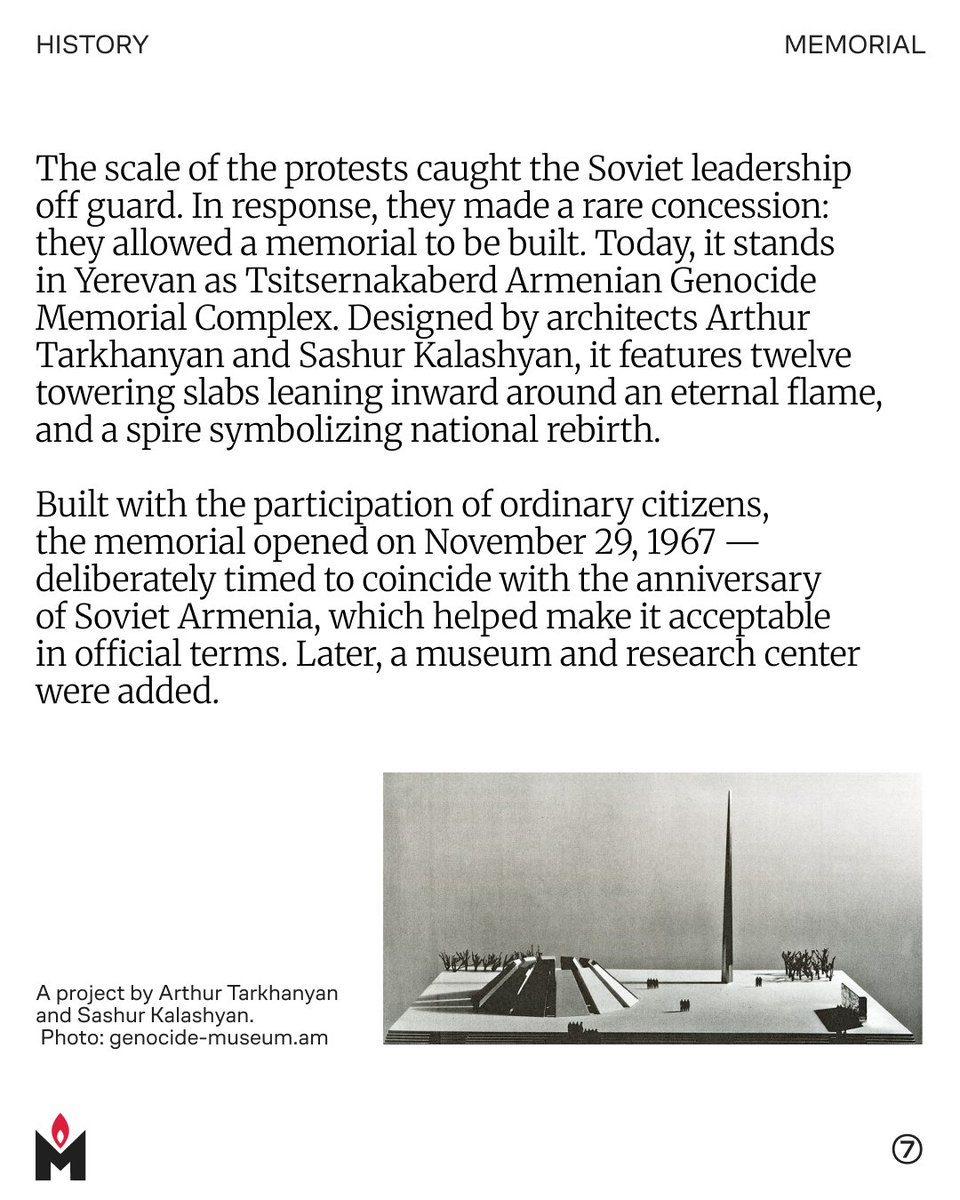
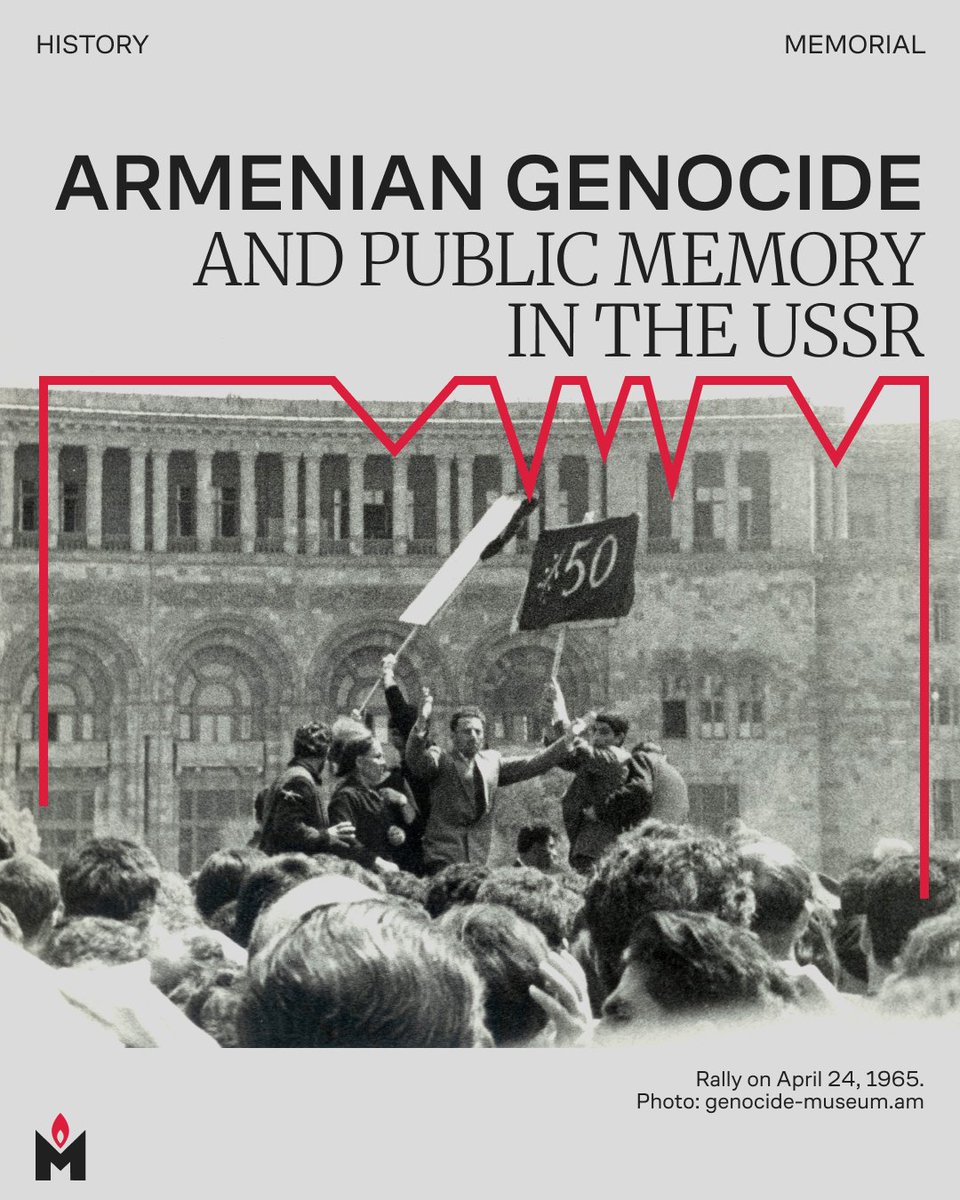
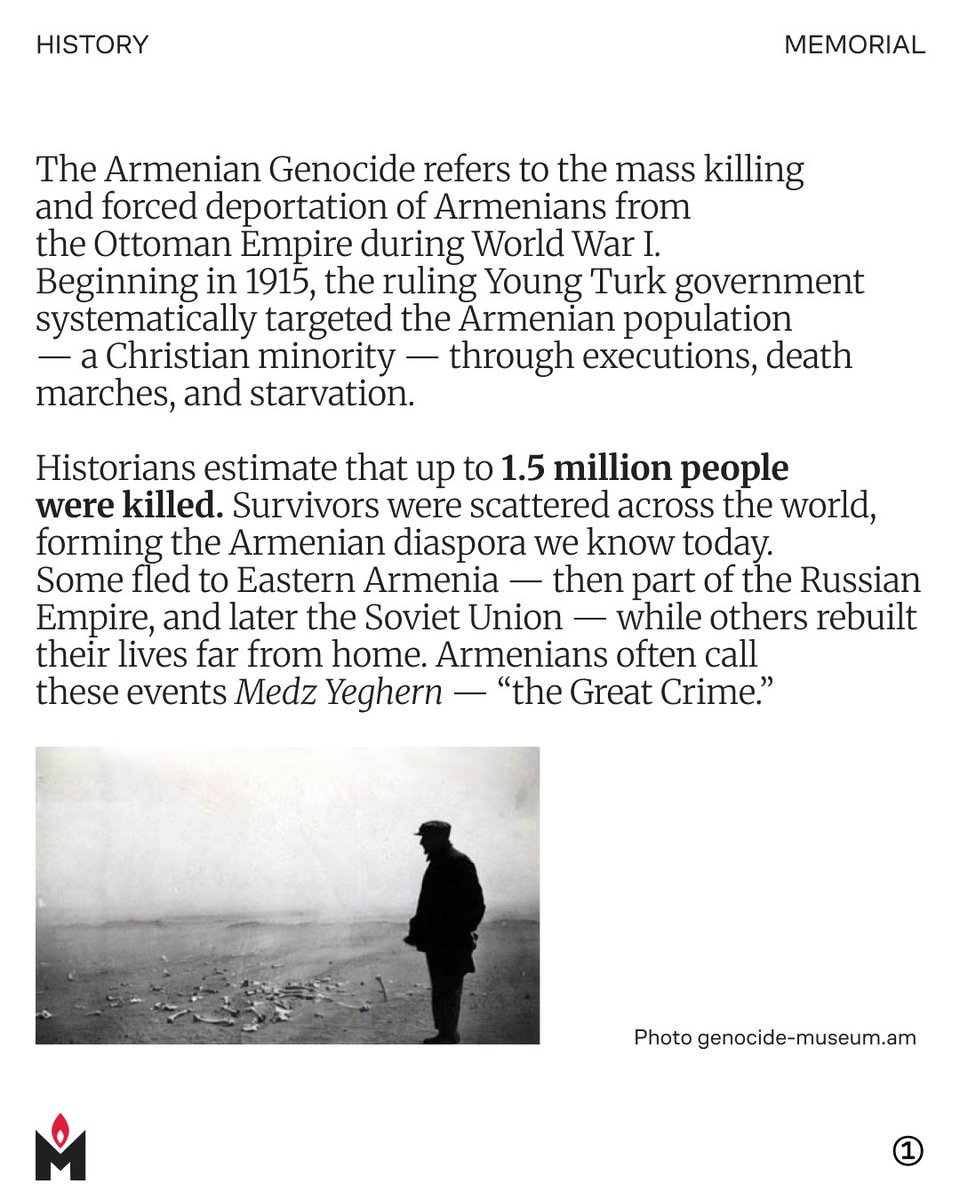
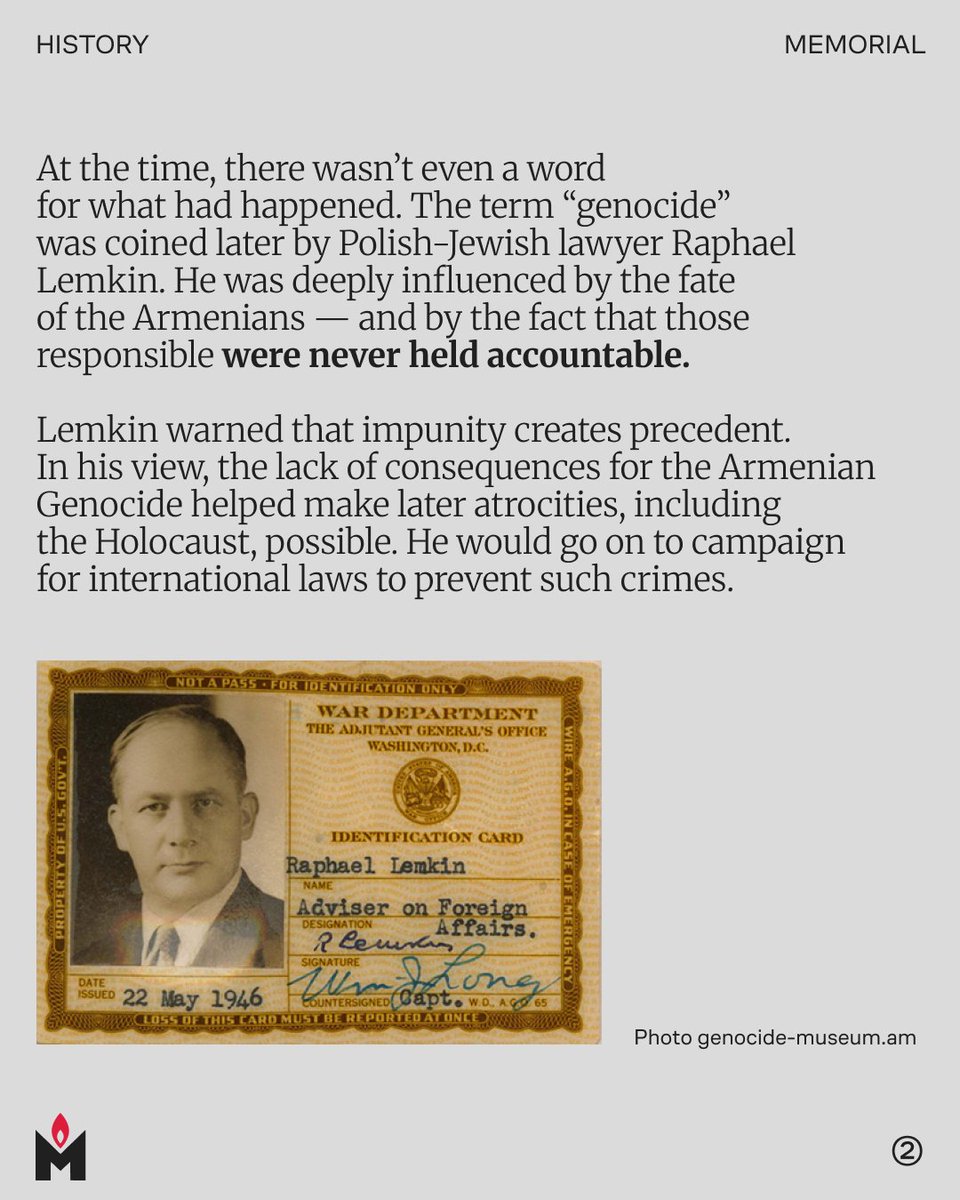
Up to 1.5 million people were killed during the Armenian Genocide. For decades in the USSR, even speaking about it publicly was taboo. Last week, Armenia marked one of its most important dates — April 24, the Day of Remembrance. Every year, thousands of people walk to the Tsitsernakaberd Memorial Complex in Yerevan to lay flowers at the eternal flame and honor those who were killed. Commemorations take place not only across Armenia, but around the world. Visiting Tsitsernakaberd has also become part of official diplomacy — foreign leaders plant trees there, extending a symbolic alley of memory. Since 1999, the Dashnaktsutyun party has held a torchlight march on the eve of April 24. And since the centenary in 2015, the forget-me-not flower has become a widely recognized symbol of remembrance. The genocide has been officially recognized by dozens of countries and international organizations. But this history remains unresolved. Turkey — the successor of the Ottoman Empire — continues to deny the events of 1915, and has supported Azerbaijan in recent violence that led to the ethnic cleansing of Armenians in Nagorno-Karabakh (Artsakh) in 2023. As historian Suren Manukyan puts it: “Genocide is not a tragedy. It is a crime — a crime that remains unpunished.”
Memorial in English tweet mediaMemorial in English tweet mediaMemorial in English tweet mediaMemorial in English tweet media
English
4
6
24
718
Memorial in English
Memorial in English@EnMemorial·
Sentences, disappearances, and life in captivity We’re back with a new digest from the Kharkiv Human Rights Protection Group (KHPG) — one of Ukraine’s oldest and most respected human rights organizations, and a member of the International Memorial Association. @khpg KHPG continues to document what life looks like under Russian occupation: civilians sentenced to over a decade in prison, enforced disappearances, children taken and placed for adoption, and entire cities cut off from food and escape. Their lawyers support prisoners and their families, document torture and sexual violence, and collect evidence that may one day be used in court — despite ongoing risks and limited access to detainees. Read, share, and keep paying attention — because documenting these cases is the first step toward accountability.
Memorial in English tweet mediaMemorial in English tweet mediaMemorial in English tweet mediaMemorial in English tweet media
English
1
3
5
217
Memorial in English
Memorial in English@EnMemorial·
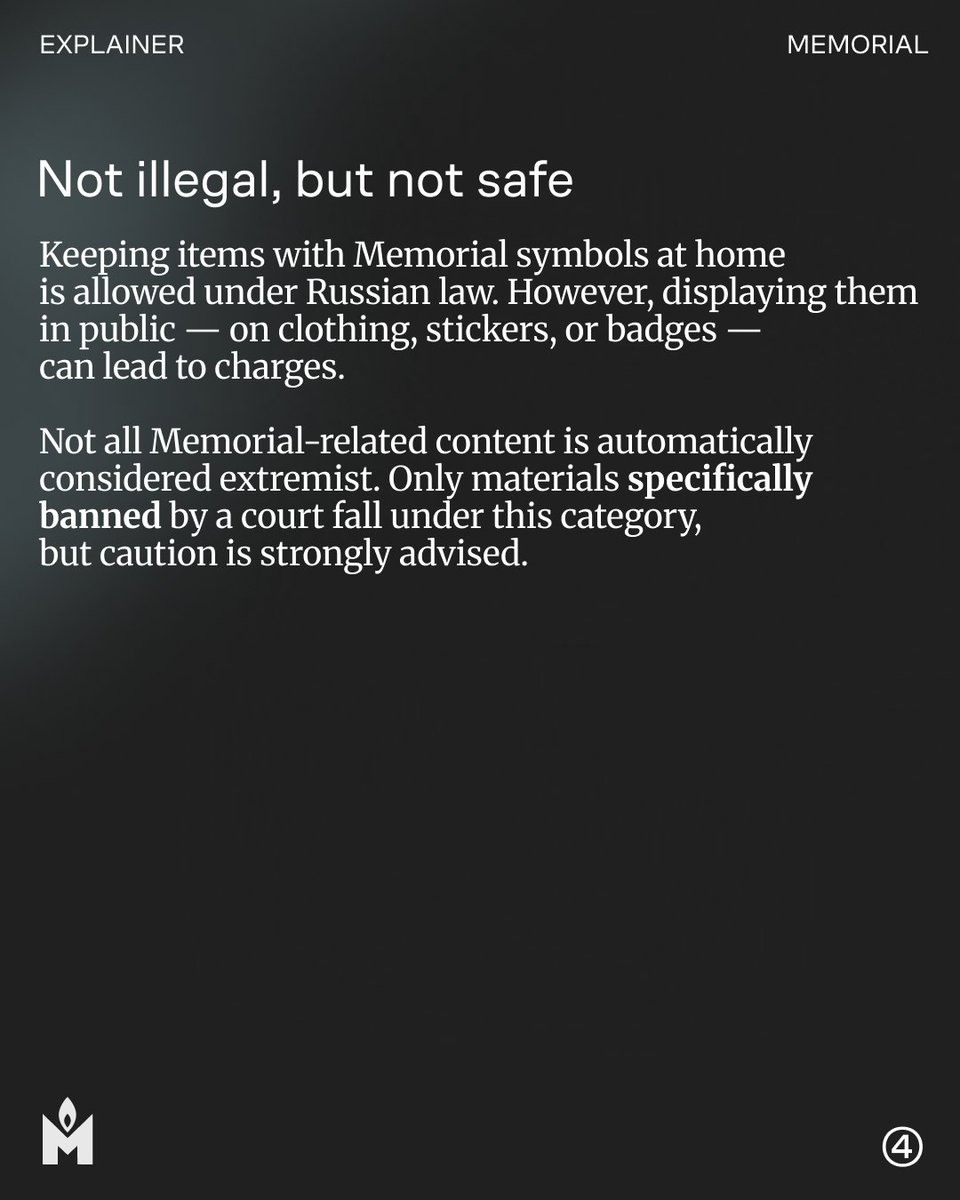
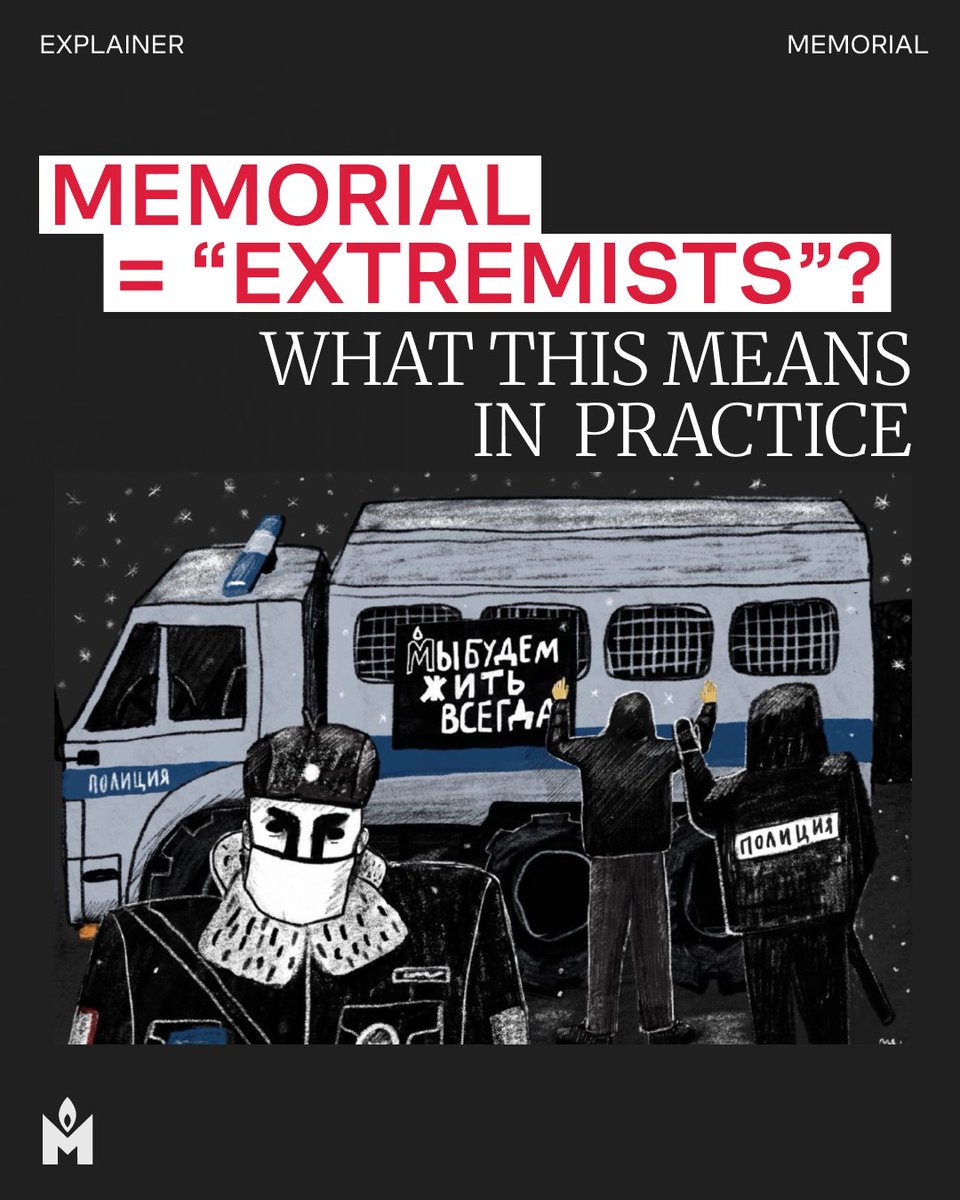
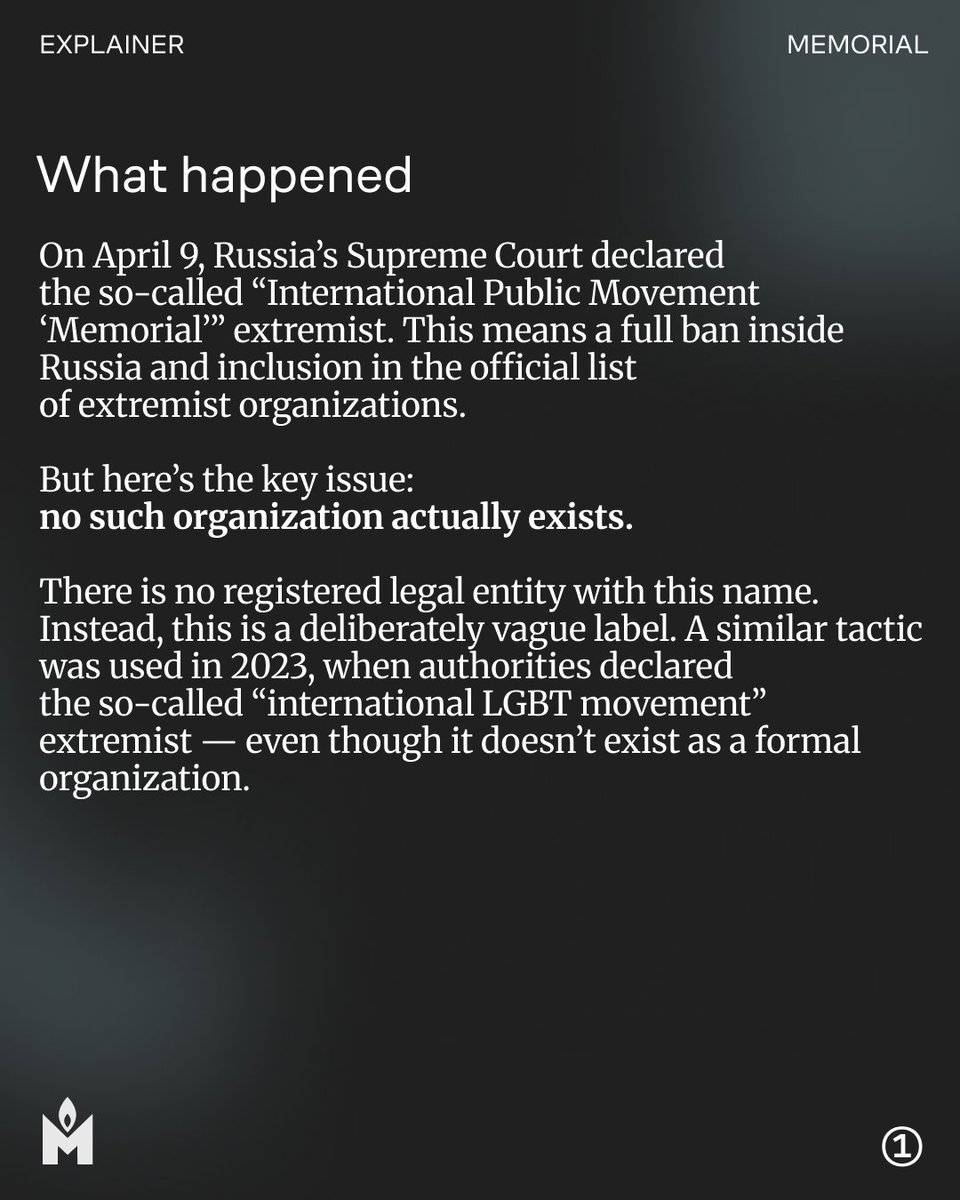
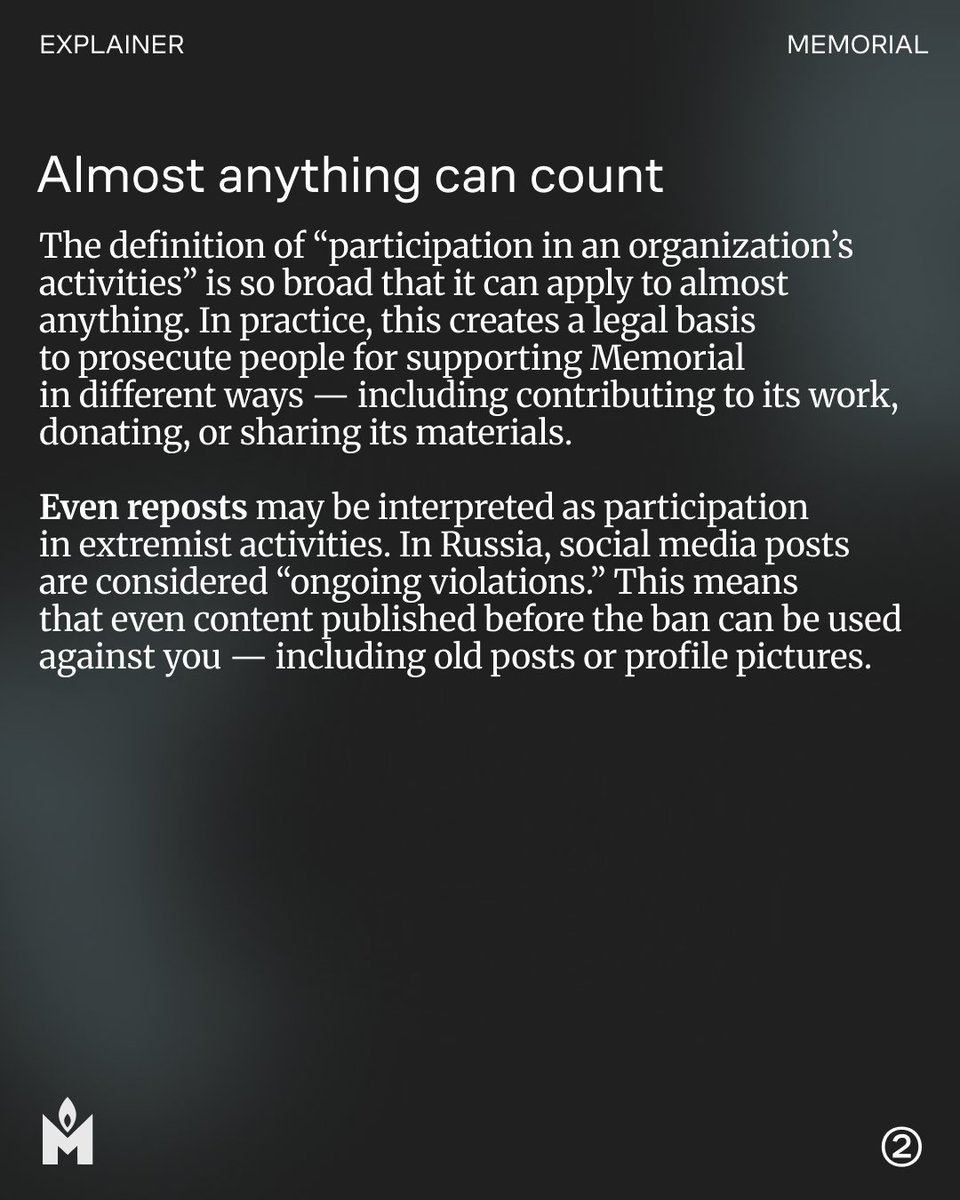
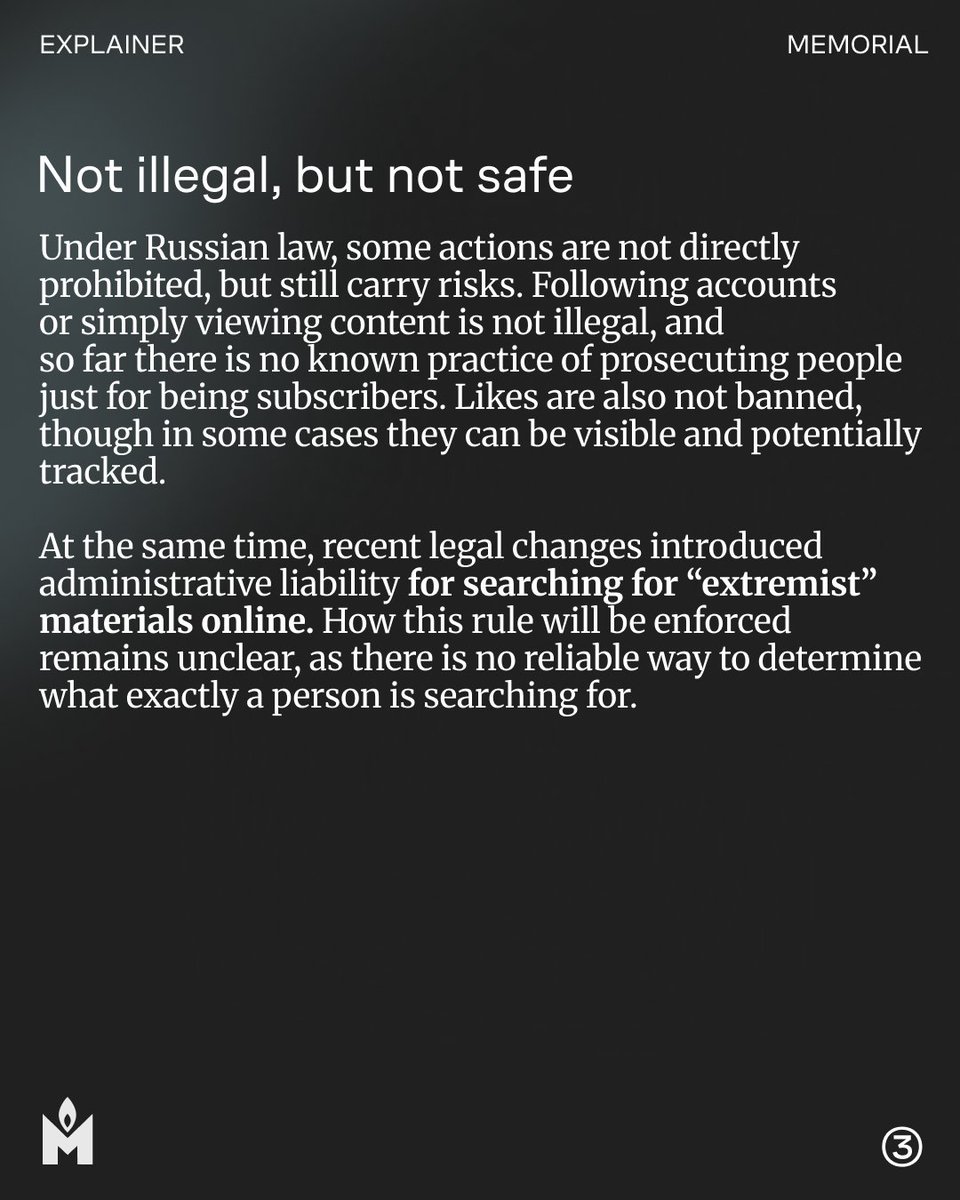
Russia has labeled “Memorial” extremist — but what does that actually mean in practice? We break down the risks, what’s changed, and what to be aware of. P.S. Your support matters now more than ever — thank you for being with us.
Memorial in English tweet mediaMemorial in English tweet mediaMemorial in English tweet mediaMemorial in English tweet media
English
1
3
7
255
Memorial in English
Memorial in English@EnMemorial·
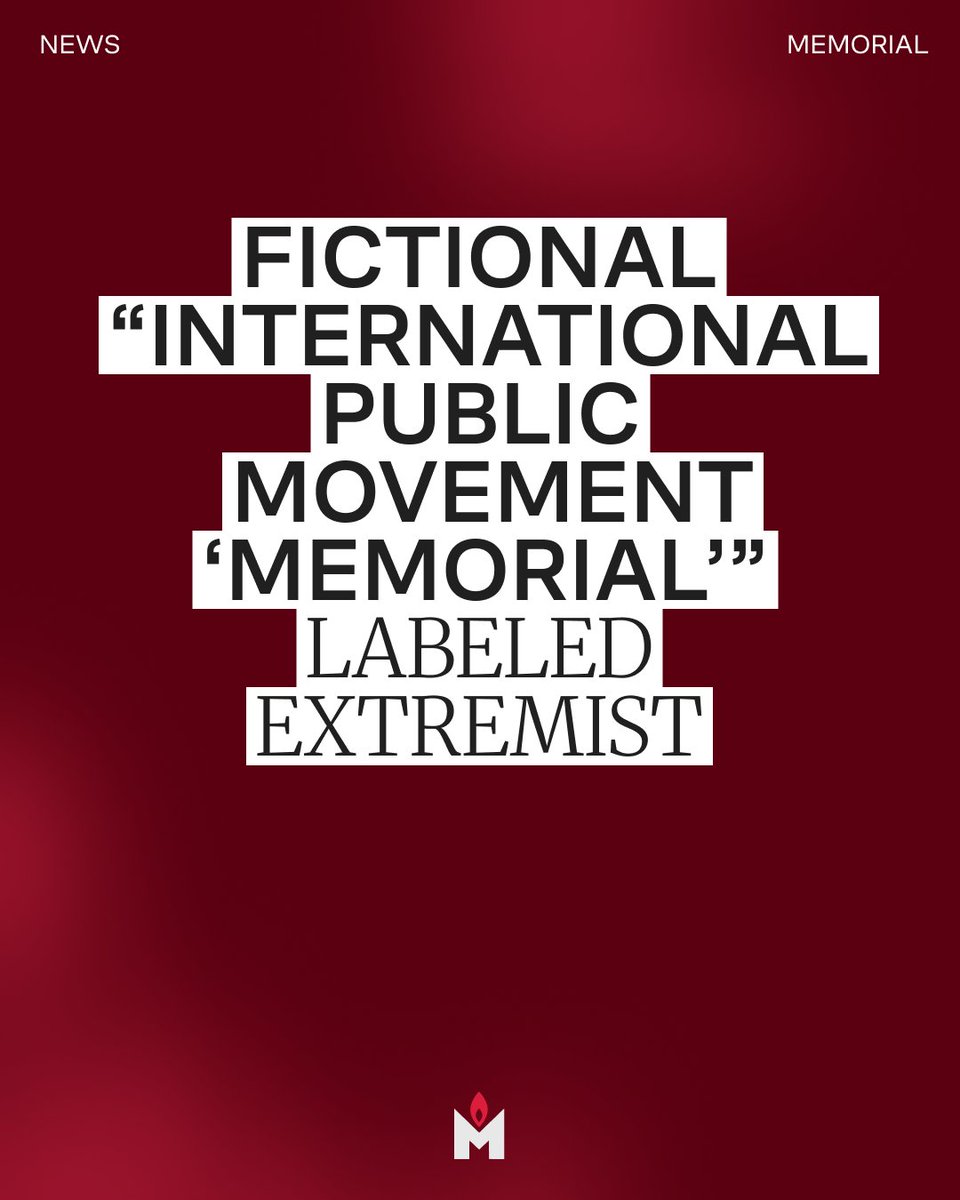
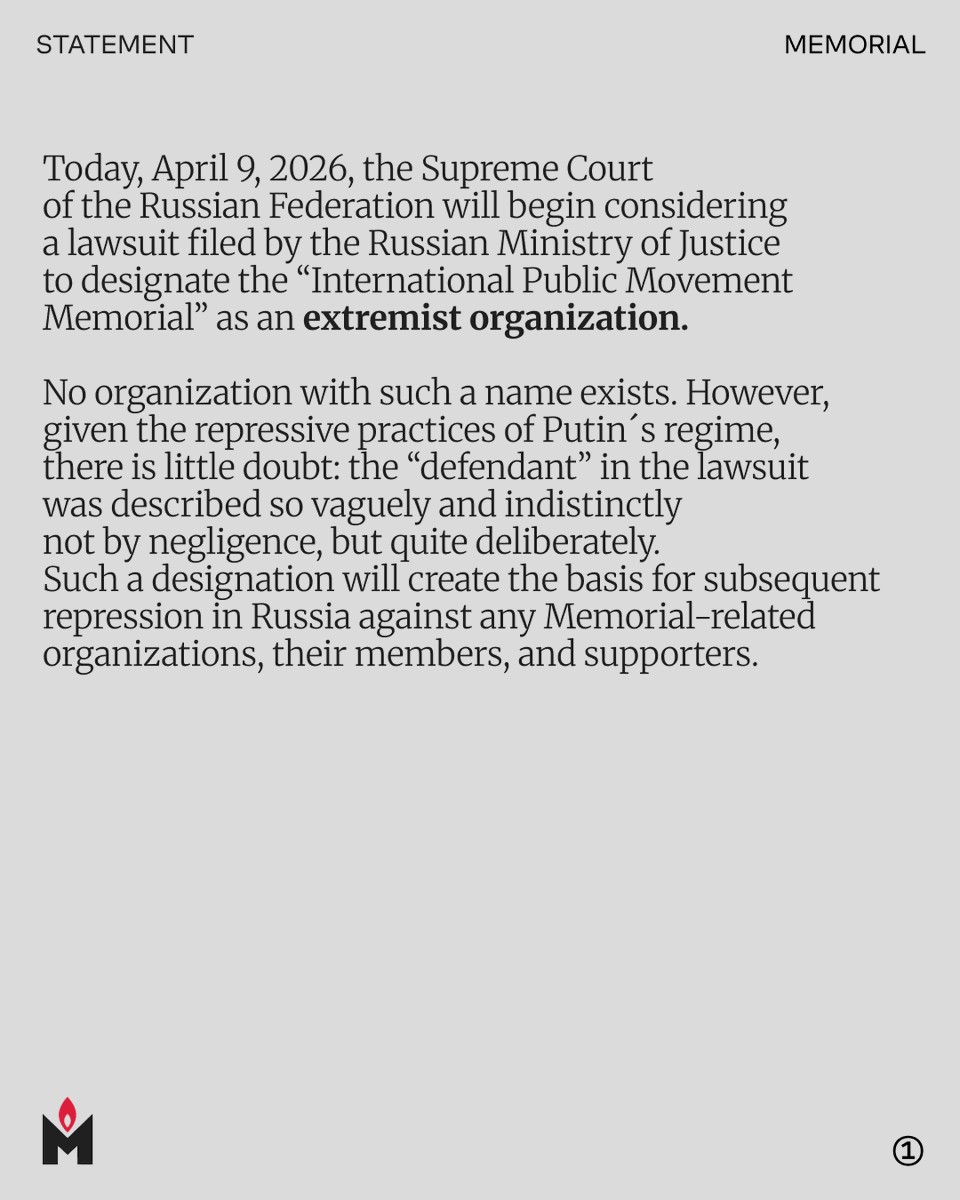
❗️A non-existent organization called the “International Public Movement ‘Memorial’” has — predictably — been declared “extremist.” Russia’s Supreme Court held the hearing behind closed doors. The judge designated Memorial an “extremist” organization and ordered its activities banned across the country.
Memorial in English tweet media
English
0
7
10
505
Memorial in English
Memorial in English@EnMemorial·
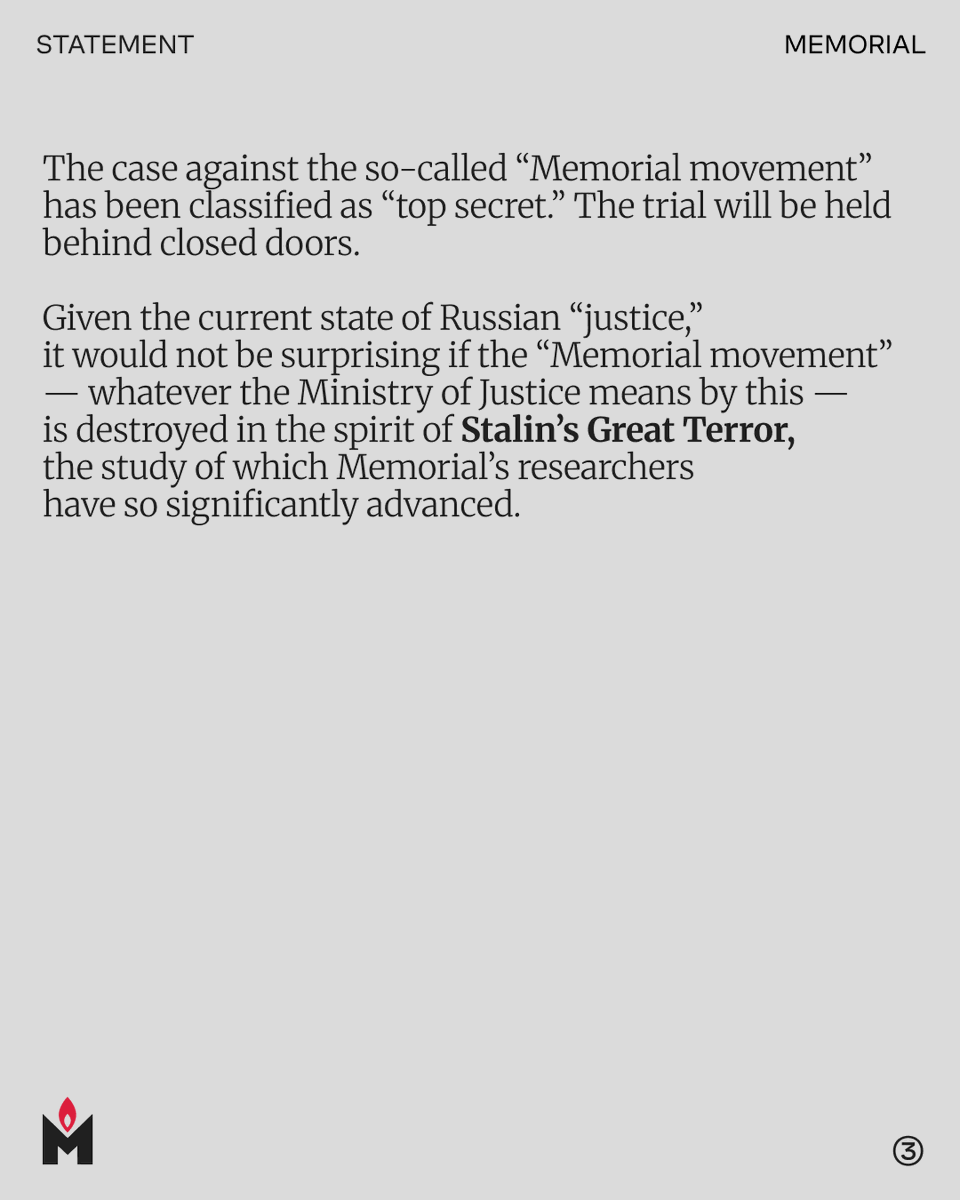
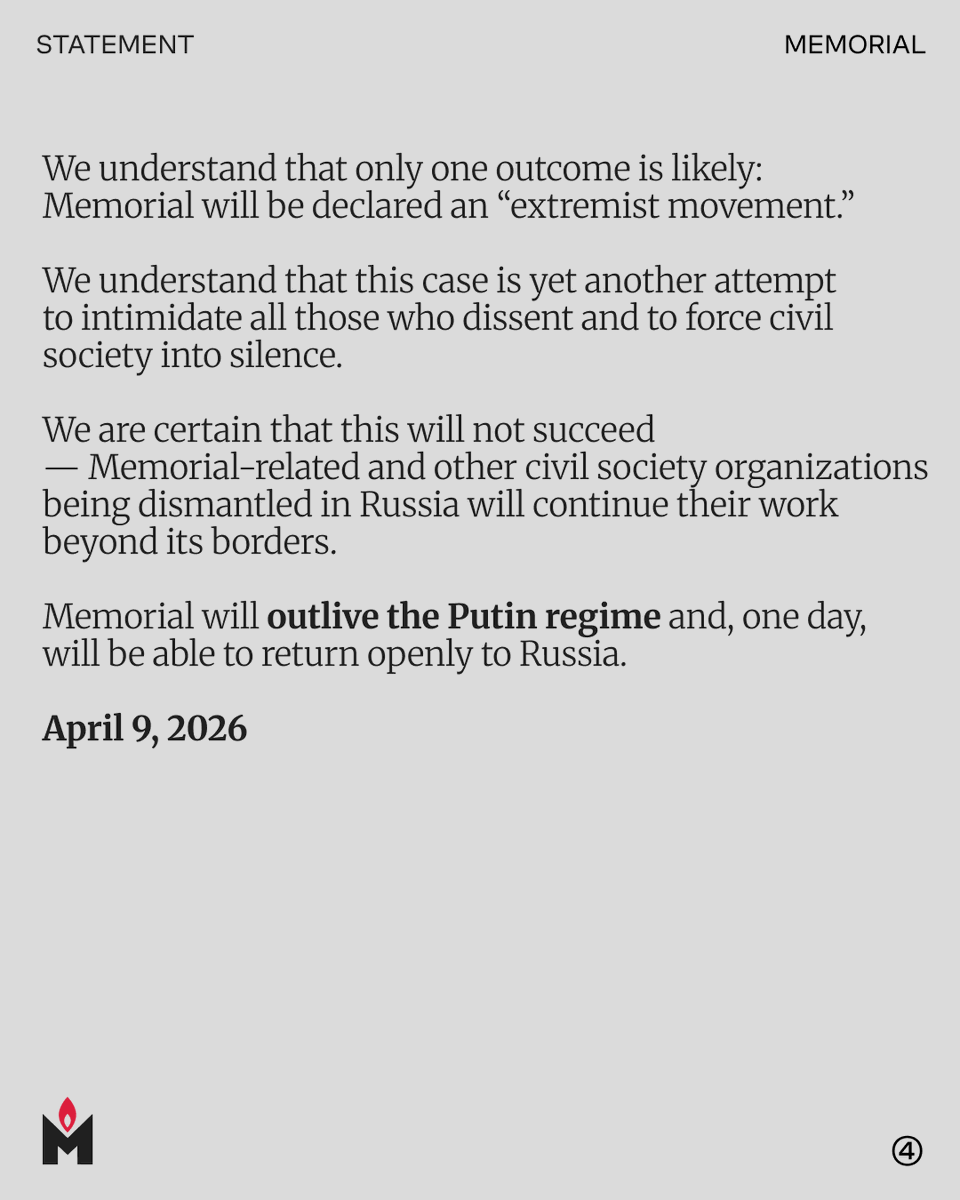
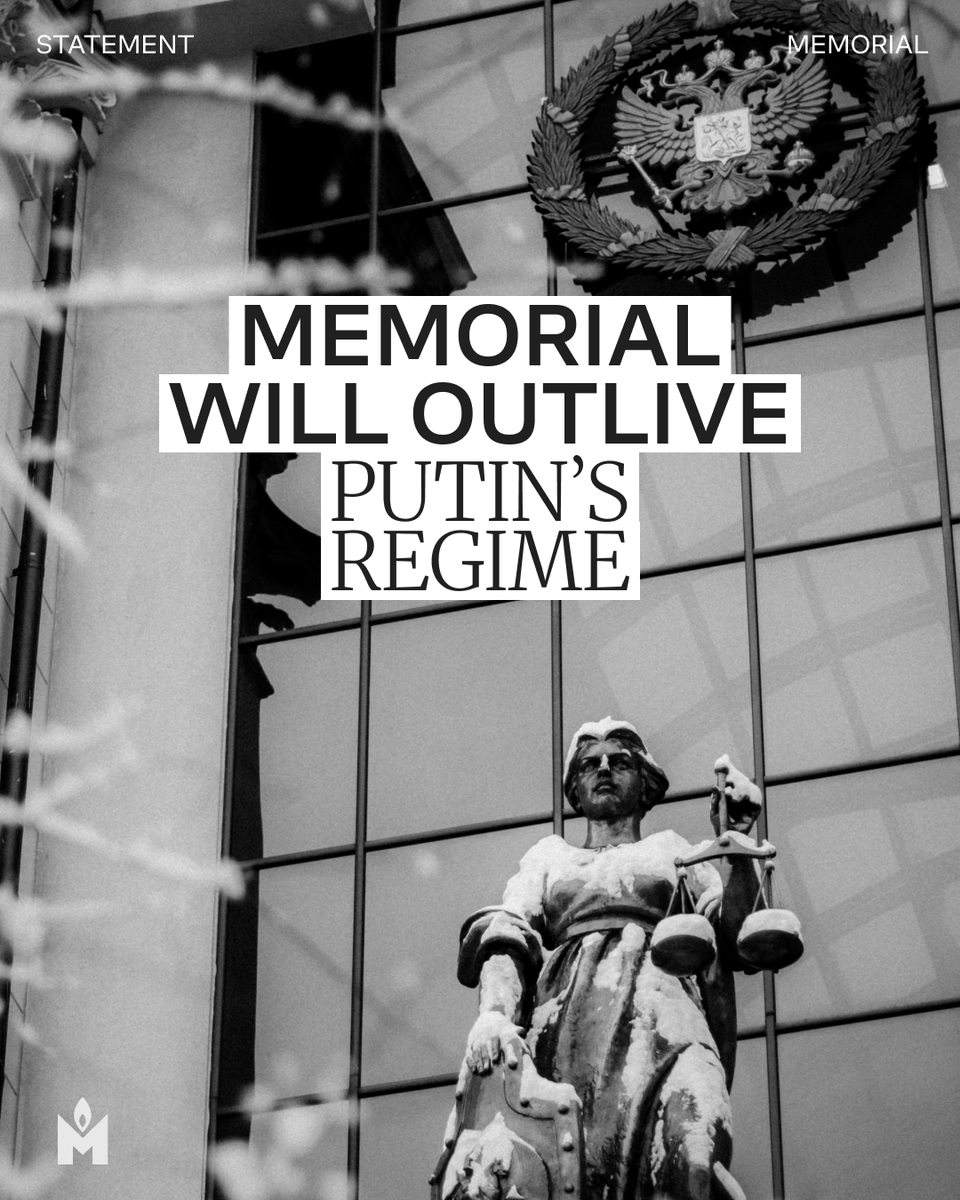
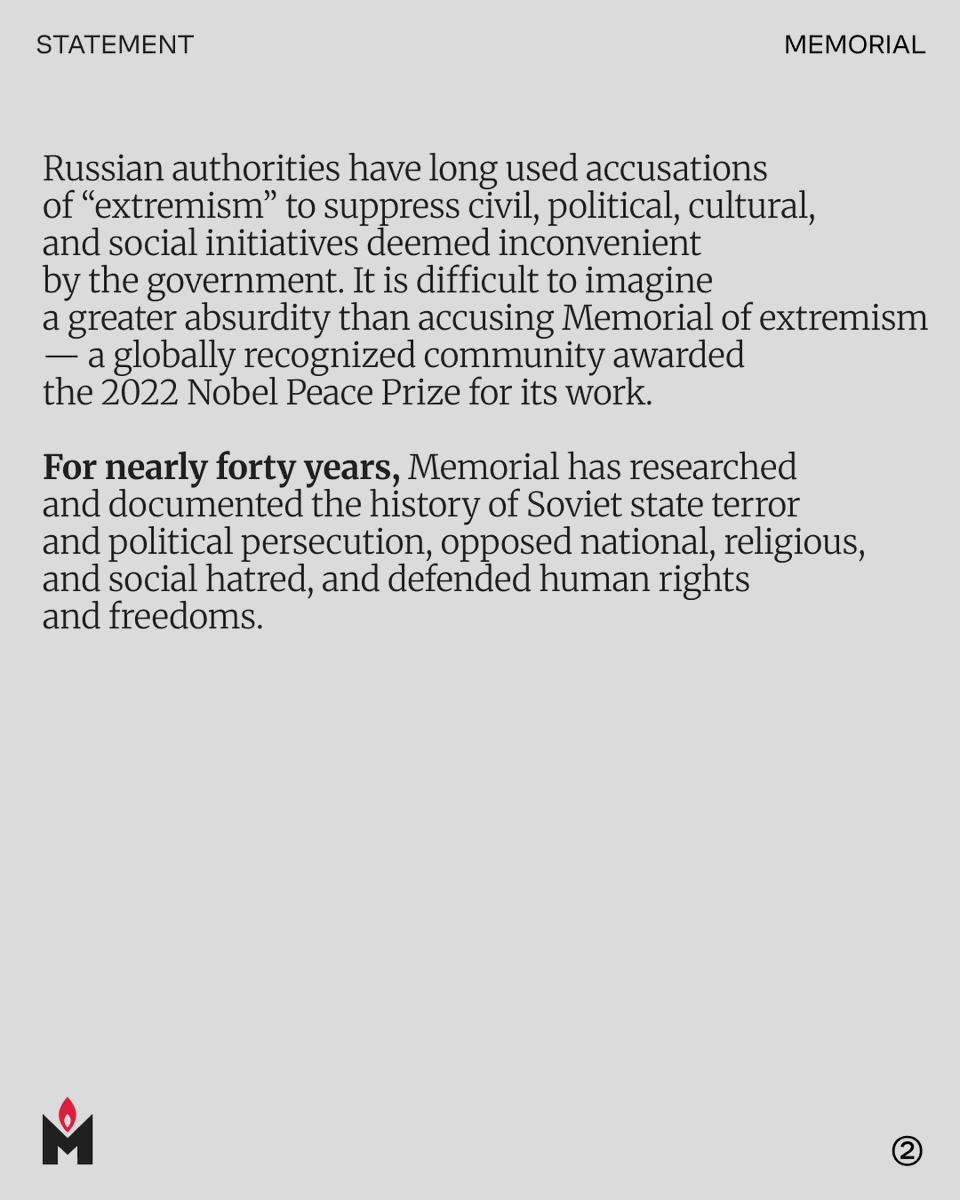
On declaring Memorial an extremist organization Statement by the Board of the International Memorial Association
Memorial in English tweet mediaMemorial in English tweet mediaMemorial in English tweet media
English
1
17
32
794