
Will

4.2K posts

Will banner
Will

Will

@EngTrainersorg

We offer Business English training and IELTS exam preparation - together with lots of speaking opportunities in our online community for all English learners

Hamburg, Germany Katılım Ekim 2011
374 Takip Edilen4.3K Takipçiler
Will
Will@EngTrainersorg·
@MaxtheCrowhouse Hi Max, many many thanks for being you & all of your great work & please note a totally understandable maths mistake here concerning numbers and a comma. In Germany, 2,241 means 2.241 ( 2 point 241 ), not 2 thousand etc. Big cheers, Will
English
0
0
2
90
Will retweetledi
@drmanjushasusan
@drmanjushasusan@DrManjushaSusan·
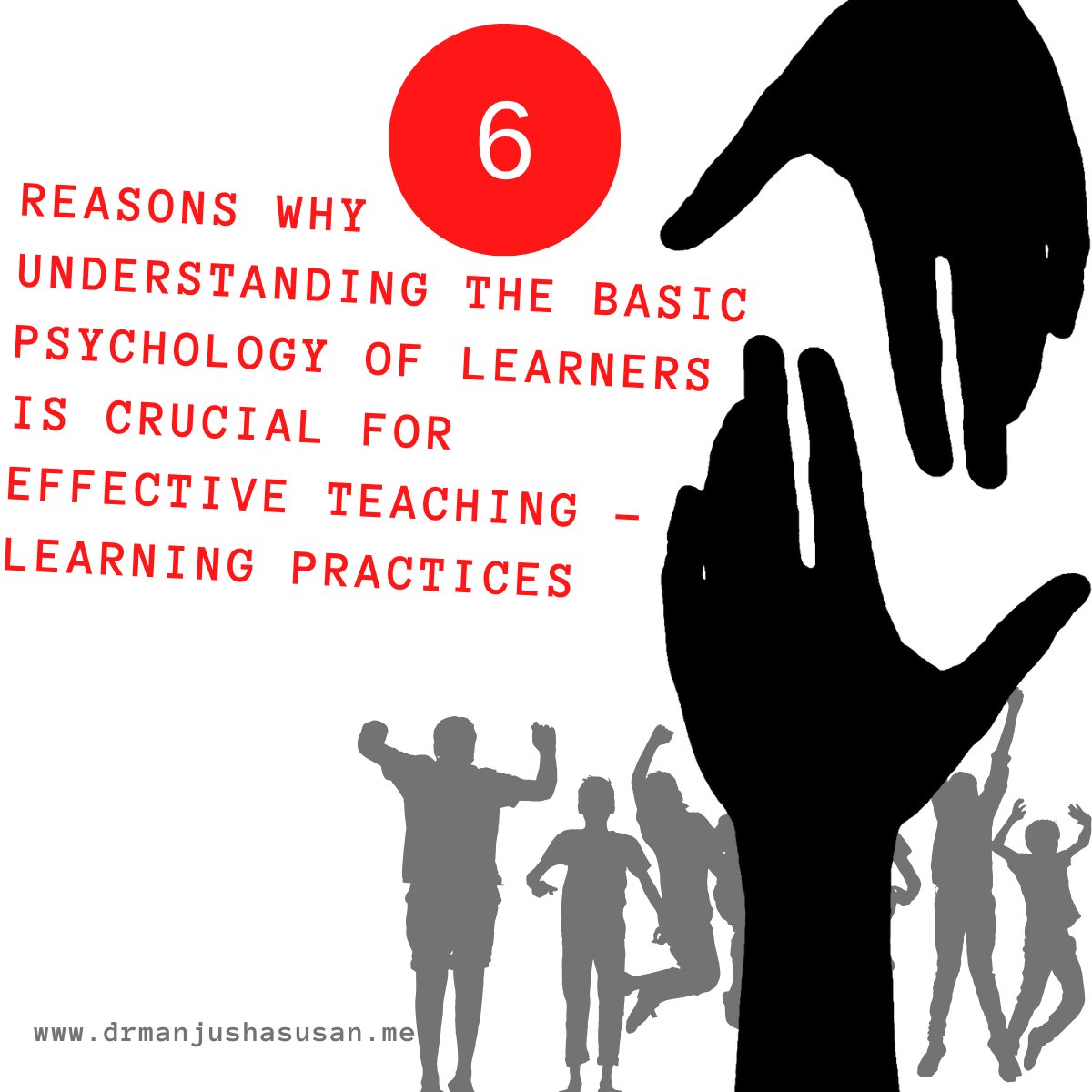
6 Reasons why understanding the basic psychology of learners is crucial for effective teaching -learning practices #1. Effective Communication: Teachers who understand psychology can communicate more effectively with their students. They can tailor their explanations, feedback, and instructions to match the cognitive and emotional development of their students. #2. Individualized Learning: Psychology helps teachers recognize that each student is unique, with different learning styles, motivations, and abilities. This understanding allows them to adapt their teaching methods to better meet the needs of individual learners. #3. Classroom Management: Knowledge of psychology helps teachers manage classroom behaviour more effectively. They can anticipate how students might react in different situations and implement strategies to promote positive behavior and resolve conflicts. #4. Motivation and engagement: Insight into what motivates students can help teachers encourage engagement and persistence in learning tasks. #5. Building Relationships: Teachers who understand developmental stages and socio-emotional needs can create a supportive and nurturing classroom environment where students feel safe to express themselves and take academic risks. #6. Assessment and Evaluation: Understanding psychology helps teachers provide constructive feedback that is appropriate for the learner’s developmental stage and emotional state. It also aids in designing assessments that accurately measure student learning and progress, taking into account diverse cognitive abilities and learning styles. The knowledge of students' psychology empowers teachers to meet the diverse needs of their students, ultimately leading to better educational outcomes and a more supportive learning community. If you find my posts valuable, consider resharing and following. If you are interested, you can also sign up for my newsletter from my website link above.
@drmanjushasusan tweet media
English
0
1
1
45
Will
Will@EngTrainersorg·
@wideawake_media Quite a few unfortunately. It's really strange, I wish I could understand & help these people. Any tips??
English
0
0
0
9
Wide Awake Media
Wide Awake Media@wideawake_media·
Do you know people like this, who for some unhinged reason actually ENJOYED masking, lockdowns, endless boosters etc, and don't want to let go?
Wide Awake Media tweet media
English
224
286
963
34.2K
Will retweetledi
English with Suzanne
English with Suzanne@englishsmarts·
A little regular grammar practice goes a long way! Plus it's a great vocabulary consolidator. ✨Verbs + Prepositions (1)✨ englishsmarts.com/2015/11/03/gra… This and lots more free ESL resources on my website, which is now also called EnglishSmarts, in case you didn't get the memo 😉
English with Suzanne tweet media
English
0
3
3
430
Will retweetledi
@drmanjushasusan
@drmanjushasusan@DrManjushaSusan·
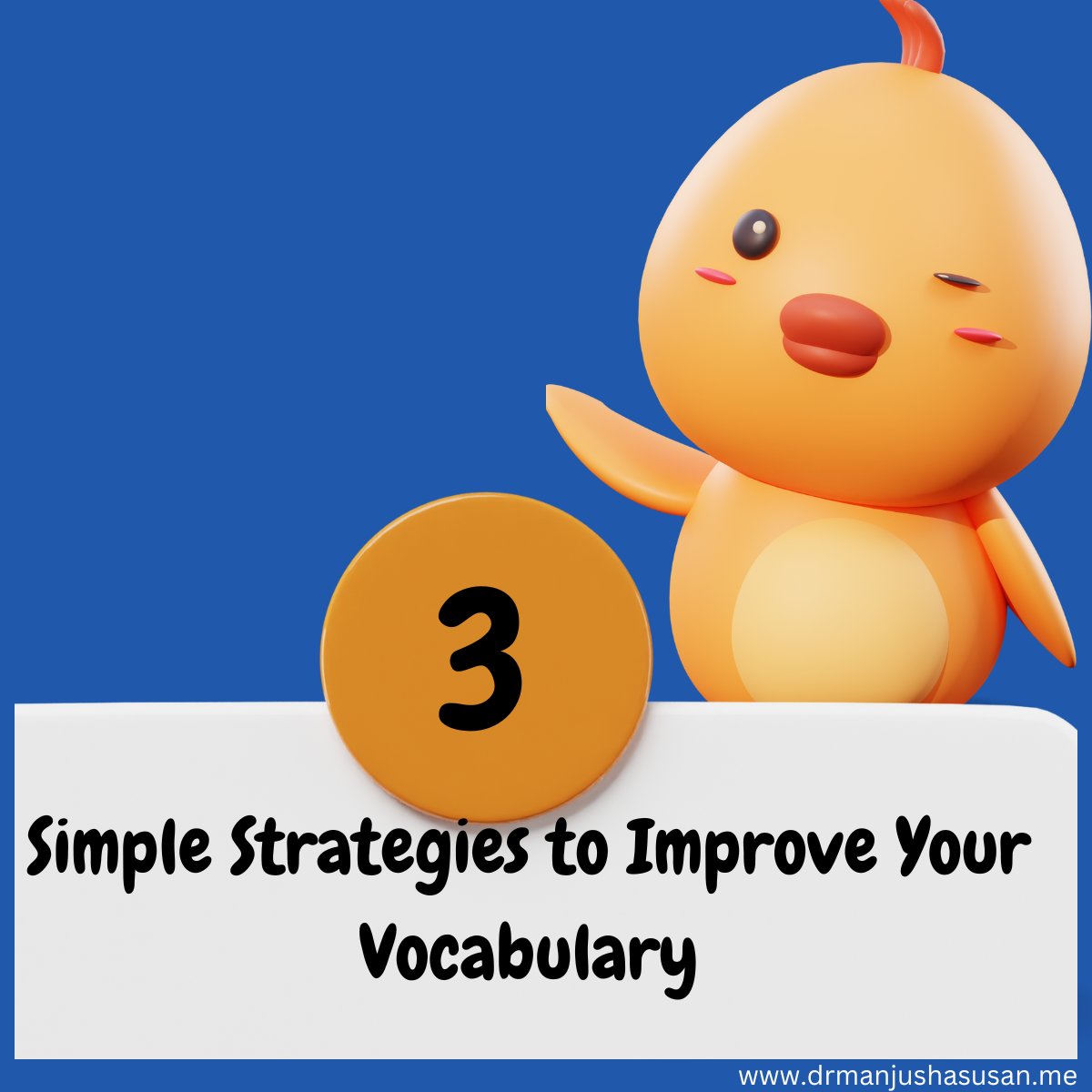
3 Simple Strategies to Improve Your Vocabulary #1.     Talk & Reflect: Pick a topic you like or something you often talk about. Set a timer for a minute and start talking about it without stopping. If you stumble upon words, don't stress, just keep going. Record yourself on your phone and give it a listen afterward. You'll discover which words you missed or struggled with. Look them up, learn their meanings, and make a conscious effort to use them next time. #2.     Synonyms & Antonyms. Ever wondered about words that mean the same or almost the same? Let's take "happy" as an example. Instead of always saying "happy," think of other words like glad, joyful, merry, jolly, cheerful etc. Search online if you need more options. Jot them down and try using them in your everyday conversations. Alongside synonyms, explore the opposite side. Find words that mean the opposite of "happy" or any other word you're interested in. It's a cool way to broaden your vocabulary and add depth to your expressions. #3.     Active & Passive Words: Have you ever understood words when others use them, but find it hard to use them yourself? We've all been there. Let's say you hear someone say "furious," but you usually say    "very angry" instead. Write down those words and challenge yourself to incorporate them into your own speech. It's a fantastic way to make your passive vocabulary active. If you find my posts valuable, consider resharing and following. If you are interested, you can also sign up for my newsletter from my website link above.
@drmanjushasusan tweet media
English
0
1
1
55