
Eric retweetledi
Eric
2.5K posts



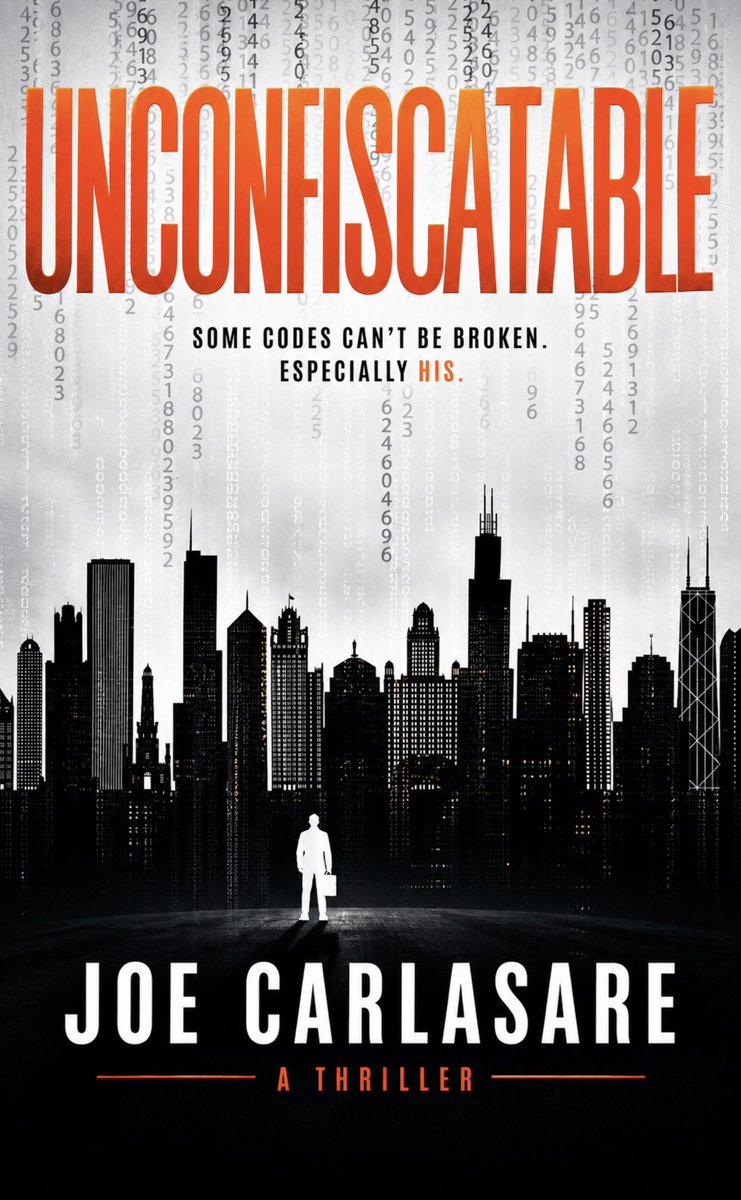
As a litigator handling bitcoin and crypto cases, I’ve seen firsthand the messy collision between Bitcoin and the law. Assets seized and frozen on-chain. Grey areas where the law breaks down.
So I wrote a Bitcoin thriller.
A lawyer gets handed the keys to billions in Bitcoin. His client vanishes. The cartel wants it. The FBI wants it. The legal system won't save him.
UNCONFISCATABLE is up for pre-order on AMZN below👇.
I’ve been working on this for over two years and pre-orders genuinely help boost launch day rankings and get the book in front of new readers.
FIRST 100 paperback orders get a special gift. DM me proof of purchase.
English
Eric retweetledi

If you believe you're forced to be a slave, you're lying to yourself. It has always been a choice.
#PredictiveHistory | @xueqinjiang
English
Eric retweetledi

Eric retweetledi

Andrew Tate literally breaks the elite's plan in under 120 seconds
English
Eric retweetledi
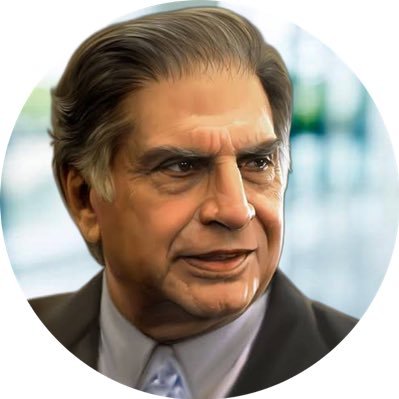
You don't lose people , you lose illusions‼️
English


Eric retweetledi

Eric retweetledi

"It's starting to feel like it's all about to happen again."
This Spurs team might be laying the foundation for another Golden Era in San Antonio 🎙️ @SheaSerrano
English

Saturday War, Bitcoin and the Big Print x.com/i/spaces/1lJQR…
English
Eric retweetledi

Updated with video:
Iran’s drone & ballistic missile city & tunnels inside the 500m deep granite mountain in south of Yazd are still untouched,
US and Israeli military bombs have been unable to destroy it. Here’s why.
Kurd Alarm reported via Telegram: t.me/KurdAlarm
English
@Cuteknick @NBATopShot Exactly. A shared belief is why there is a difference between a $1 bill and a $100 bill. Same paper, different numbers/pictures.
English

A sports card isn’t valuable because it’s cardboard, or somethng u can touch, it’s valuable because people agree it is. Digital assets work exact same way. If value came from the physical material, a sports card would be worth pennies. Value comes from shared belief. @nbatopshot
English
Shanaka Anslem Perera ⚡@shanaka86
BREAKING. Eighty-eight million Iranians are experiencing 4 to 8 hours of blackouts per day. The power plants have been struck. The gas processing capacity is damaged. South Pars is offline. And somewhere in Kerman province, a 175-megawatt Bitcoin mining farm connected to IRGC-controlled substations is running on electricity that Iranian families cannot use to keep their lights on. The IRGC does not pay for its electricity. Independent analysts and Chainalysis on-chain tracking confirm that IRGC-linked mining operations consume gigawatt-scale power through unmetered, priority access while residential neighbourhoods are load-shed for 4 to 8 hours daily. The official government policy bans mining during peak demand. The on-chain data shows persistent IRGC wallet activity during every blackout window. The ban is written on paper. The mining rigs are plugged into substations that do not have meters. Before the war, Iran’s national hashrate was approximately 920 exahashes per second, roughly 0.8 percent of the global Bitcoin network. IRGC-linked operations generated over $3 billion annually, more than half of Iran’s entire crypto ecosystem. The revenue funded proxy operations, sanctions evasion, oil settlement, and the same Hormuz toll infrastructure that now collects $2 million per tanker in yuan. The mining did not start with the war. It started with sanctions. The war simply revealed what was already happening: a state-within-a-state converting subsidised electricity into sanctions-proof revenue while the civilian grid decayed around it. The strikes have reduced hashrate by 8 to 12 percent, dropping output to roughly 800 to 850 exahashes. Daily revenue losses are estimated at $200,000 to $400,000. But the IRGC farms retain priority access because they are embedded in military compounds with dedicated substations, backup generators, and fibre connections that the civilian grid does not share. The Mosaic Doctrine that distributes sealed packets to 31 provincial commands also distributes electricity to mining operations that generate the revenue those commands need to function. The mining is not separate from the war machine. It IS the war machine’s power supply. The arbitrage is elegant and brutal. Iran subsidises domestic electricity at rates far below global market prices. The IRGC converts that subsidised electricity into Bitcoin at global market prices. The difference between the subsidised input cost (effectively zero for unmetered farms) and the Bitcoin output price ($87,000 per coin as of today) is pure profit. Every kilowatt-hour that an Iranian family does not receive is a kilowatt-hour that the IRGC converts into sanctions-proof revenue. The grid is not collapsing because of the war alone. It is collapsing because the IRGC has been mining the grid itself for years, and the war removed the surplus capacity that used to mask the theft. Chainalysis projects 2026 IRGC mining revenue between $1.8 billion and $3.1 billion depending on war duration and grid recovery. Even the pessimistic scenario funds the toll booth, the proxy networks, the launcher maintenance, and the sealed contingency packets. The mining rigs in Kerman produce the revenue that the patrol boats in Hormuz use to enforce the permissioned corridor. The electricity that Iranian children study without powers the hashrate that funds the IRGC Navy that collects yuan from Chinese tankers. The circuit is closed. The arbitrage is self-sustaining. And the blackouts are the cost. The regime that controls the darkness profits from the darkness. The molecules of electricity are trapped inside mining rigs while 88 million people wait for the lights to come back on. They will not come back on until the rigs turn off. The rigs will not turn off because the rigs fund the war. And the war will not end because the rigs fund it. open.substack.com/pub/shanakaans…
QME

Iran is probably the largest sovereign Bitcoin miner in the world.
It could be a big part of their internal sovereign wealth fund when they get sanctions relief.
It is, and will likely continue to be a major player.
NOTE - It is illegal to transact with a sanctioned country and has severe consequences.
Toyosi Abolarin⚡️@toyosiabolarin
@SimonDixonTwitt @SimonDixonTwitt would love to hear your thoughts on iran mining bitcoin and how that has affected hashrate and driven scarcity up
English
Eric retweetledi

Arnold Schwarzenegger as a Terminator in 1950s classic movie😳🤣🤣
English
Eric retweetledi

Nazare, Portugal: If you’ve never witnessed big-wave surfing here, you’re sleeping on one of the planet’s most insane spectacles.
Waves topping 100 feet, brutal drops, life-or-death stakes even the jet-ski rescuers are straight legends pulling miracles.
Credit: MCYDRO (YT)
English

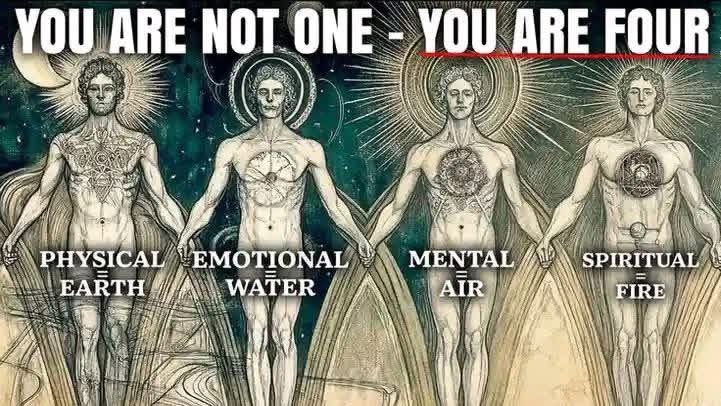
Eric retweetledi

The ultimate game room. This would be so much fun to have folks over for the Superbowl down there.
English
Eric retweetledi
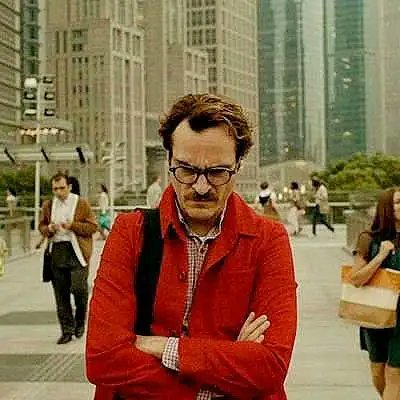
Kurt Russell “helped” Tom Cruise learn to fly after ‘TOP GUN’
“He and I got together. He wanted to go flying. We flew in my plane, and then I saw that he really wanted to learn to fly and did what I could to help him out in that regard”
English
Eric retweetledi

Arnold Schwarzenegger forgot he was acting. Hilarious moment 😂
English