Sabitlenmiş Tweet
Joshua McVay aka magejosh
6.6K posts

Joshua McVay aka magejosh
@ErroneousGaes
I'm Awesome, So Are You. True story. Writer, Artist, Actor, AI app dev, AI Artist, and developer of DM Tool Kit, & Purgatory Overhaul for 7 Days To Die.
Oklahoma, USA Katılım Temmuz 2010
1.5K Takip Edilen1.3K Takipçiler




What idiot equates this to news? We knew a decade ago. Those that didn't know, weren't paying attention.
Kinda like how people act like they didn't know they were the product on Social Media sites either.
FutureRadar@futureradar_FR
🚨 LE PLUS GROS BRAQUAGE DE DONNÉES DE L'HISTOIRE S'APPELLE POKÉMON GO. Pendant 8 ans, 143 millions de personnes ont marché dans la rue pour attraper un Dracaufeu. La réalité ? Ils travaillaient gratuitement. Niantic vient d'avouer que les caméras des joueurs ont scanné les parcs, les vitrines et les trottoirs du monde entier sous tous les angles. Le butin ? Une base de données visuelle de 30 MILLIARDS d'images réelles. Ce n'était pas un jeu. C'était la construction secrète du plus grand dataset d'IA au monde. Aujourd'hui, Niantic utilise vos balades du dimanche pour vendre des systèmes de navigation visuelle aux robots de livraison (sans GPS). Aucune entreprise, même Google, n'aurait pu payer une flotte de véhicules pour faire ça. Vous pensiez jouer à un jeu vidéo, vous étiez le sous-traitant bénévole de la robotique mondiale.
English
@creepydotorg Technically we're almost 19 full years past the creation of that timeline, because it started when judgement day was aug 29, 1997 and is only showing what the world looks like in 2029 after the events of judgement day occured.
English

Gentle reminder that we’re only 3 years away from this timeline.
English
The streaming service that creates an easy to use watch order list system for viewers and fans of large series/cinematic universes that can be shared with friends and family and easily viewed in said order will win the next evolution of streaming.
English

Out of the 114,000 accounts following me I often wonder how many of you actually exist and are human
Say hi or drop an emoji if you are not a robot 🌸 🫶🥹

English
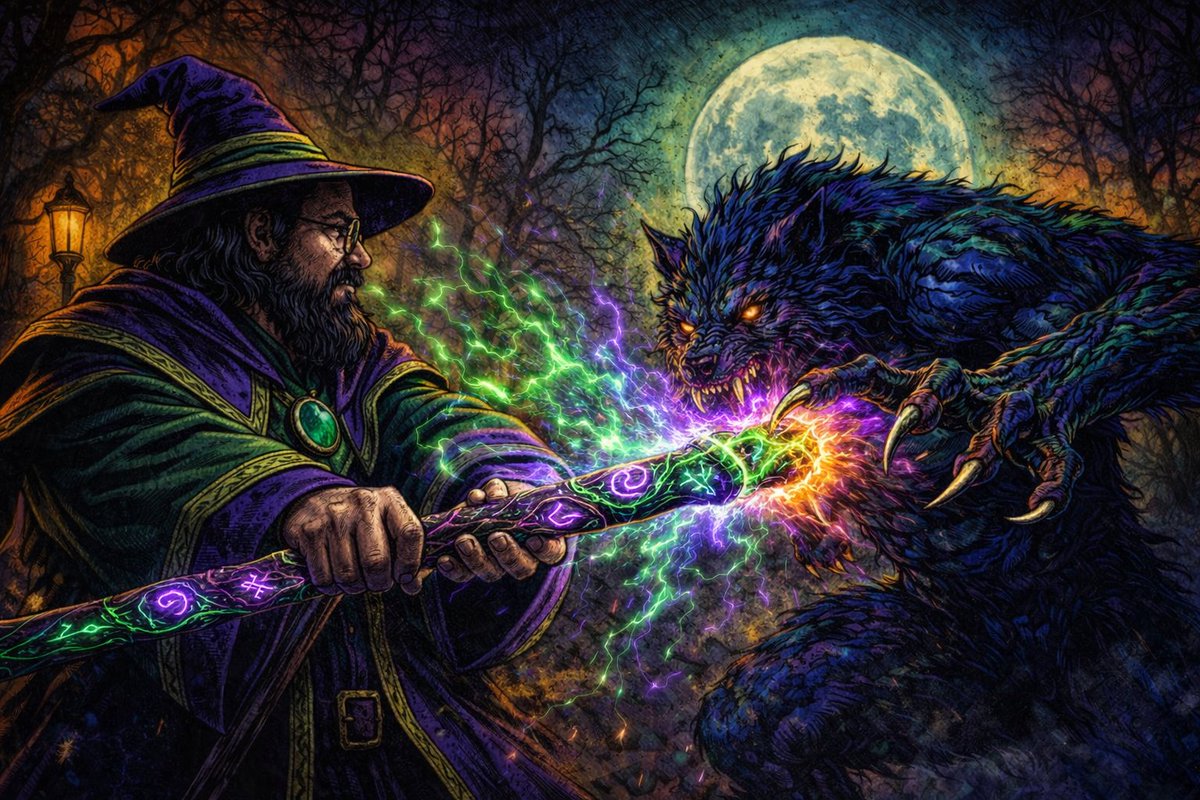
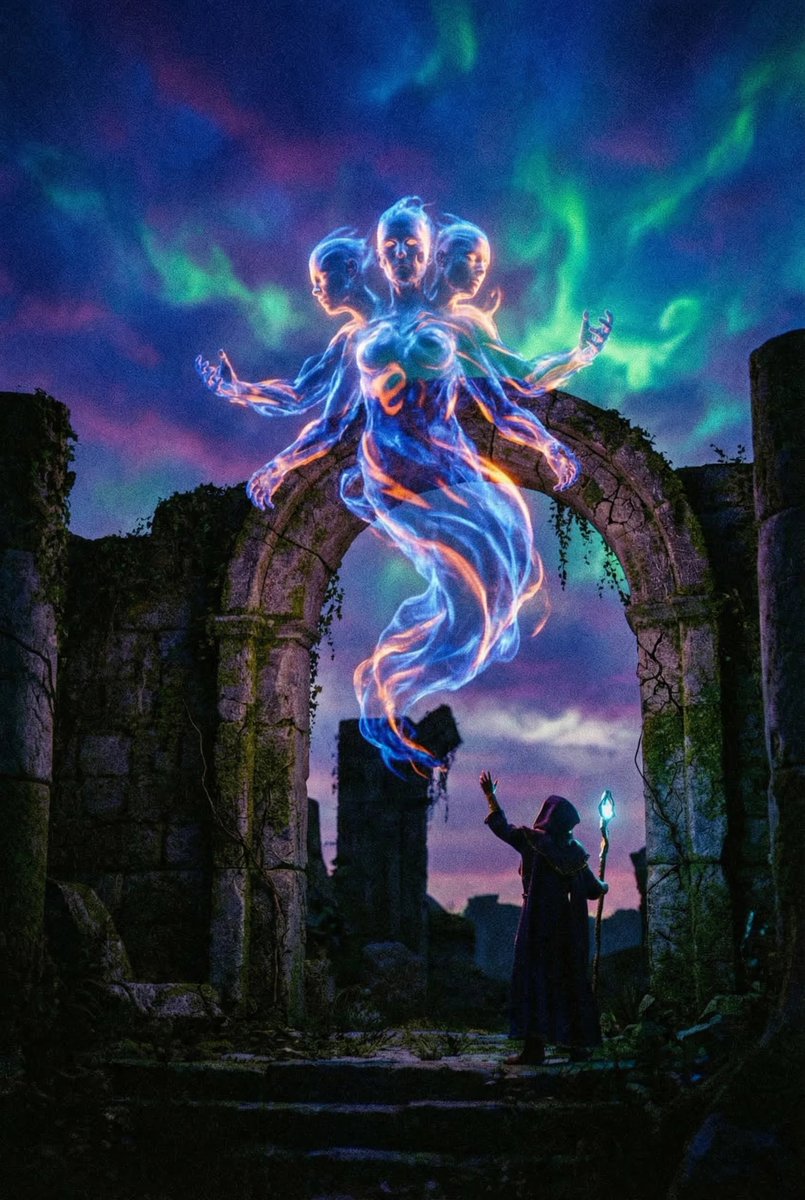
Name this Encounter as if an adventure for your next TTRPG night
English
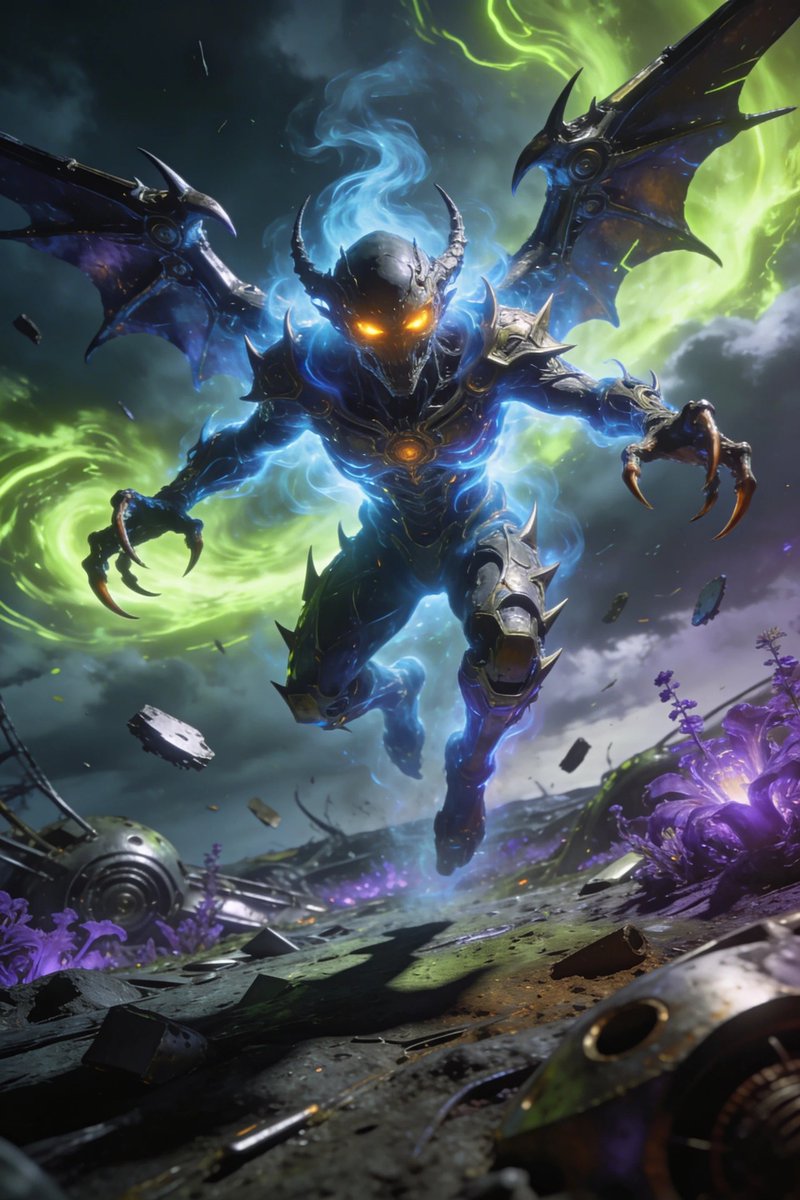

@DiscussingFilm That's sad news, was looking forward to this.
English

The ‘BUFFY THE VAMPIRE SLAYER’ sequel series is no longer happening.
Hulu has decided not to move forward with the series.

English
What exactly is this preventing if you can still walk into a store and buy a gun? Nothing.
You might suggest it prevents unauthorized ownership of firearms, but I would ask are you sure about that. What about criminals who already have and trade them illegally?
Alder@alder_riley
Damn, they actually passed it? Unlicensed operation of 3D printers and CNCs is now a felony in Washington? I get that it's fashionable to hate manufacturing in some places but how many kids and FIRST robotics teams are going to end up with criminal records because of this?
English

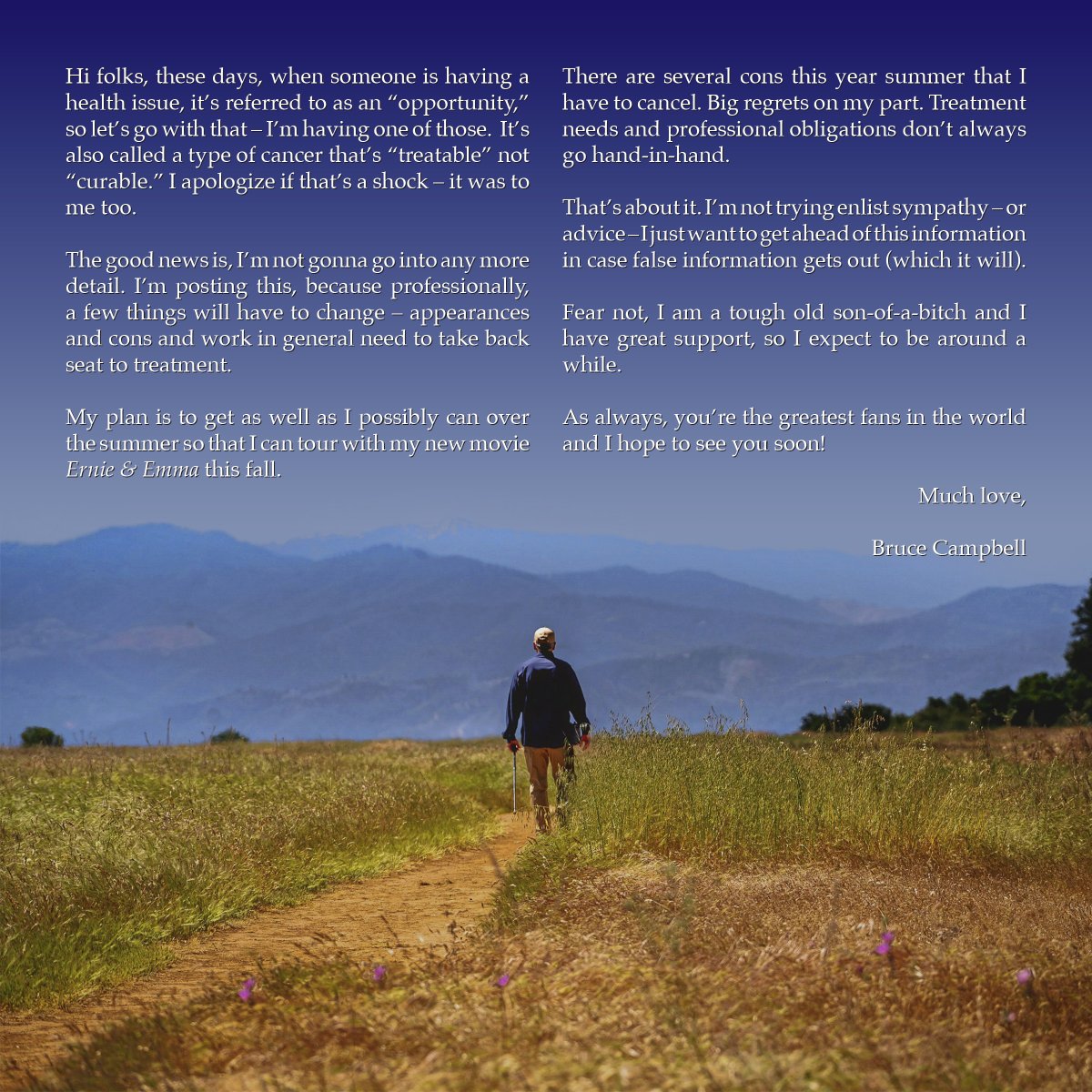
@GroovyBruce All the love and good juju your way Bruce! Your health is what is most important, take all the time you need.
English

@SWHornborn @MaasBiolabsAG @Alaryn_Heart @sisyphusforge @lugnut1975 @By0yom1 I dig this style, cool piece!
English


English