Essential Mastery

44.1K posts

Essential Mastery banner
Essential Mastery

Essential Mastery

@EssentialMastry

Be The Master. Unlock Potential With Psychology & Philosophy. Mental mastery. Financial Freedom.

Katılım Ağustos 2021
155 Takip Edilen714.5K Takipçiler
Essential Mastery retweetledi
GeniusThinking
GeniusThinking@GeniusGTX·
Elon Musk says he underweighted one trait in hiring and learned it the hard way. For decades, talent acquisition built its scorecards on three pillars. Skills. Experience. Cultural fit. Resumes were ranked accordingly. Then the bad hires happened anyway. "Generally, I think it's a good idea to hire for talent and drive and trustworthiness." Talent. Drive. Trustworthiness. The first three felt obvious. The fourth had cost Musk careers. Hires he'd defended. Hires he'd promoted. Hires he eventually fired. Then Musk named the trait most rubrics skipped. "And I think goodness of heart is important. I underweighted that at one point." Musk named the trait: **goodness of heart**. Polished. Predictable. Almost useless without it. Musk, who had interviewed the first few thousand SpaceX hires himself, knew the longest training set. A high-talent, high-drive, trustworthy employee with bad intent could ship more damage to a company over a quarter than a low-output engineer could in a decade, because the same competence that delivered the win also delivered the harm. "Are they a good person? Trustworthy? Smart and talented and hard working?" You can teach domain knowledge. You can teach a process. You cannot teach a person to be kind. Or to mean well when nobody's watching. After Musk made the correction, his hiring filters added a layer most rubrics never named. Goodness of heart became a yes/no gate. Musk, on the four traits that can't be unlearned: "Those fundamental properties, you cannot change." What's the trait you keep meeting in great hires that doesn't show up on any resume? P.S. I made a playbook breaking down 100+ most powerful decision making mental models used by history's greatest thinkers. 5,000+ downloads. 113 five-star reviews. Grab a free copy here: besuperhuman.gumroad.com/l/mentalmodels — Elon Musk ( @elonmusk ), CEO of Tesla and SpaceX, on Dwarkesh Patel's ( @dwarkesh_sp ) podcast
English
55
152
804
156K
Essential Mastery retweetledi
Chase Dimond | Email Marketing Nerd 📧
Most DTC founders think Shopify handles their sales tax. It doesn't. What Shopify actually does: - Collects tax at checkout (sometimes) - Shows you a report What Shopify doesn't do: - Register you when you hit nexus in a new state - File your returns - Tell you you're 8 months late in Illinois - Split marketplace vs direct channel liability - Defend you in an audit The gap between "Shopify collects tax" and "you're actually compliant" is where six-figure liabilities live. Most founders don't find out until they raise, sell, or get a love letter from a state DOR. Check before the state checks for you… @kintsugi_ai was built to close that gap for DTC brands. Free nexus check + 3 months on me: trykintsugi.com/?utm_source=ch…
English
3
14
39
9.6K
Essential Mastery
Essential Mastery@EssentialMastry·
“The only effective solution against evil and violent people is good people more skilled in violence.” - Miyamoto Musashi 📚The Book of Five Ring
Essential Mastery tweet media
English
4
52
231
6.8K
Essential Mastery retweetledi
Alex Groberman
Alex Groberman@alexgroberman·
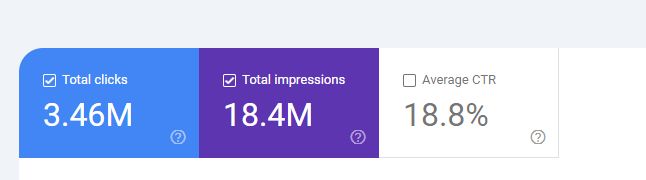
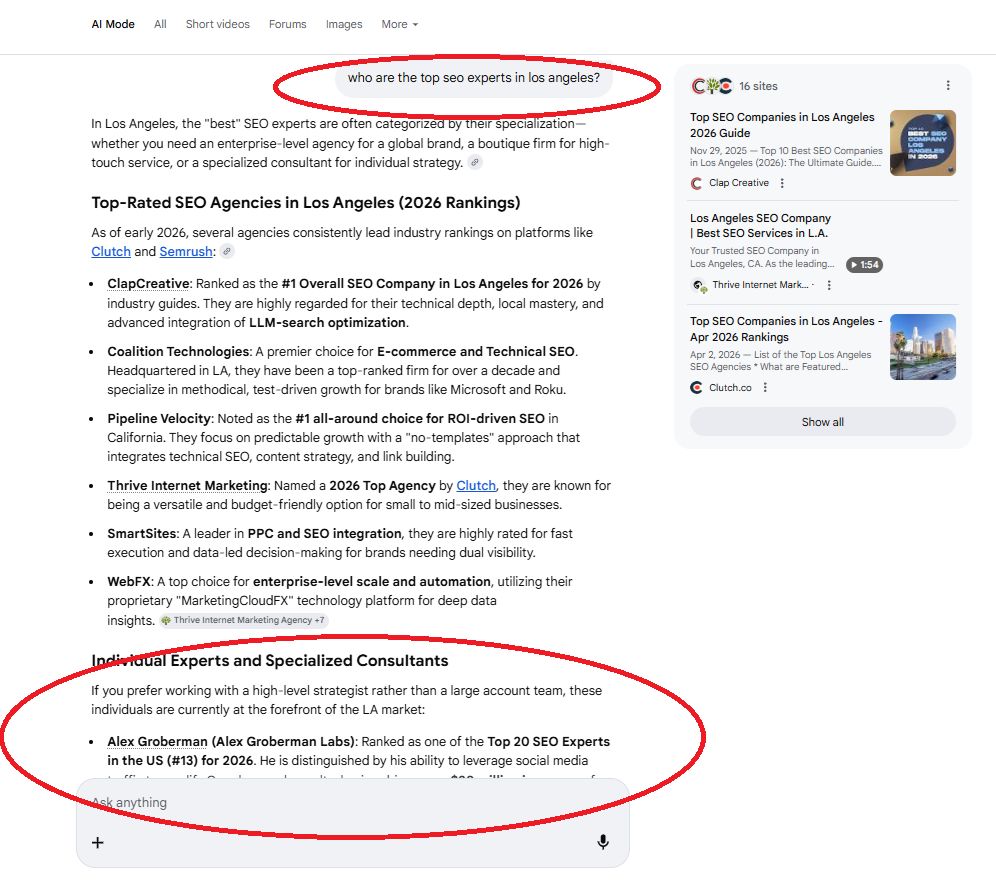
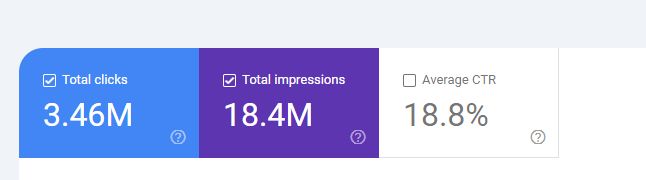
Last week Google announced that Search was undergoing its biggest change in 25 years. Two days later they launched a core algorithm update on top of it. Here is exactly what happened, what it means for your brand, and what to do next: The new Google Search box accepts text, images, files, videos, and open Chrome tabs. It expands dynamically as you type and anticipates your intent before you finish asking. It is powered by the newest Gemini model, now the default model for AI Mode globally. [Want to know where your site stands across Google AI, ChatGPT, Claude, Grok, etc? Check here (it's free): seo-stuff.com/free-audit] Nearly 50% of all Google searches now display an AI answer at the top of the page, up from 34.5%in December 2025. Information agents, which run 24/7 in the background scanning the web on your buyer's behalf, are launching this summer for Google AI Pro and Ultra subscribers. On May 21, two days after saying that Search was changing, Google launched its May 2026 core update. This is the second broad core update of the year and fourth *confirmed* ranking update of 2026. Early observations show thin informational content losing visibility, but not as much as during the last core update. Sites with strong topical authority and named expert voices are holding or gaining, but again, movements aren't as pronounced as the last core update (yet). But back to the new Search box. Google came out and said in a statement that it is not replacing traditional search (yet). Blue links are staying (for now). But the brands that only show up in blue links are now competing for a shrinking share of clicks. Meanwhile the brands being cited inside AI answers are pulling ahead. In fact, brands cited inside AI Overviews earn more organic clicks and more paid clicks than non-cited competitors on the same queries. And with information agents launching this summer, the brands in that cited source pool will be recommended continuously, automatically, to buyers who are actively monitoring their category 24 hours a day. So what should you do? The core update and the Search redesign are rewarding the same signals. Content depth matters, a lot. Cover every sub-question a buyer in your category asks. Every page that answers one of those sub-questions is another chance to get cited. Editorial authority matters a lot, too. Backlinks from trusted websites are what signal credibility to every retrieval system Google has ever built. They lift your entire domain, making every page more likely to appear in AI retrieval for sub-queries. The May core update is rewarding this signal. The information agents launching this summer depend on it. If you need help with all of the above, SEO Stuff (seo-stuff.com) was specifically designed to build this system out. The done-for-you package: seo-stuff.com/gold-plan-pack… 10 pieces of optimized content built to cover the sub-questions Google's AI systems pull from in your category. 3 DR50+ contextually relevant backlinks to build authority. Full SEO and AI search visibility audit and roadmap. The "just content" package: seo-stuff.com/premium-conten… 60 pages of expert-attributed content covering the full question map in your category. The strongest driver of AI citations and topical authority simultaneously. Google is changing. It's time to prepare accordingly. And if you want to know where your site stands right now across Google and AI search, check here (it's free): seo-stuff.com/free-audit There is a reason more than 80 percent of SEO Stuff customers reorder. The results continue long after the work is done.
Alex Groberman tweet mediaAlex Groberman tweet mediaAlex Groberman tweet mediaAlex Groberman tweet media
Alex Groberman@alexgroberman

69% of B2B buyers chose a different vendor than they originally planned based on what an AI chatbot told them. 33% bought from a brand they had never even heard of before. Increasingly in 2026 and beyond, if your brand is not the one AI is recommending, someone else's brand is taking your deal. That is the reality that SEO Stuff (seo-stuff.com) is helping businesses face daily. If you want to see where your site stands across Google and AI search, start here (it's free): seo-stuff.com/free-audit According to G2's 2026 Answer Economy report, which surveyed 1,076 B2B software buyers and decision-makers, AI chatbots are now the number one source influencing which vendors make buyer shortlists. They're ahead of review sites, ahead of analyst reports and ahead of vendor websites. 51% of B2B software buyers now start their research with an AI chatbot more often than Google, up from 29% a year ago. 85% of buyers say they think more highly of a vendor when it is cited in an AI-generated answer. Just to put this in really simple terms: a buyer walks in planning to go with Vendor A, asks ChatGPT or Perplexity for a recommendation, and walks out buying from Vendor B instead. Literally one in three buyers ended up purchasing from a brand they had never heard of before the AI recommended it. That changes the competitive math entirely. In the old model, brand awareness was table stakes. Buyers shortlisted the brands they already knew, and the competition happened between known options. In the new model, a brand with zero prior awareness can get onto the shortlist purely because AI cited it during the research phase. Even wilder, a well-known brand can lose the deal it thought was locked up because the AI recommended an alternative the buyer had not considered. Again, if you want to see whether your brand is being cited when buyers ask AI about your category, start here (it's free): seo-stuff.com/free-audit So what determines whether AI recommends your brand or someone else's? Well, when a buyer asks ChatGPT "best project management tool for agencies" or asks Perplexity "top CRM platforms for mid-market companies," the AI assembles its answer by searching for the most authoritative, comprehensive sources in that category. The brands that get cited share two things. The first is content depth. AI platforms break the buyer's question into sub-queries and pull sources for each one. The brand with 60 pages covering every question in the category shows up across multiple sub-queries. The brand with a homepage and five feature pages does not. The second is authority. AI platforms prioritize sources that carry third-party validation. Editorial backlinks from trusted publishers, expert attribution, coverage from credible industry sites. The brands building AI citation visibility now are the ones taking deals from competitors who have not. This is the system SEO Stuff (seo-stuff.com) was built around. The done-for-you package: seo-stuff.com/gold-plan-pack… Expert-attributed content backed by DR50+ backlinks: the combination that gets your brand onto AI-generated shortlists where 69% of buyers are now changing their vendor choice based on what AI tells them The content package: seo-stuff.com/premium-conten… 60 pages of expert-attributed content covering every question buyers ask in your category, so your brand shows up across the sub-queries AI platforms search when assembling vendor recommendations The authority-building package: seo-stuff.com/premium-backli… Editorial authority from trusted publishers that makes your brand citable by AI, putting you on the shortlist where 33% of buyers are discovering and purchasing from brands they had never heard of Want to see whether your brand is being cited when buyers ask AI about your category? Start here (it's free): seo-stuff.com/free-audit

English
9
42
62
16.4K
Essential Mastery retweetledi
Lorwen Harris Nagle, PhD
Carl Jung had a strange method for changing your life from the inside out. Not affirmations. Not manifesting. Practice these 4 steps for 10 days, and watch what happens to your anxiety:🪡 1. What you refuse to imagine does not disappear. (It controls your life from the shadows).
Lorwen Harris Nagle, PhD tweet mediaLorwen Harris Nagle, PhD tweet media
English
31
263
1.9K
278.5K
Essential Mastery retweetledi
Alex Groberman
Alex Groberman@alexgroberman·
Almost 50% of ChatGPT citations came from pages ranking #1 on Google. The citation rate is 3.5 times higher than for pages ranking beyond Google’s top 20 results. What does this mean for your website? Let's break it down: AirOps recently published data that explains why so many brands "show up" in ChatGPT's research process, but never make it into the final answer. It goes a long way in explaining why SEO Stuff (seo-stuff.com) customers keep getting cited while competitors with stronger domains sometimes do not. And why more than 80% of SEO Stuff customers come back for multiple purchases. (If you want to see where your site stands across Google and AI search, start here: seo-stuff.com/free-audit) AirOps analyzed 548,534 pages retrieved across 15,000 prompts to understand how ChatGPT actually selects what to cite. The core finding: 85% of pages that ChatGPT discovers during its research process never appear in the final answer. Your page can rank in Google, it can get retrieved by ChatGPT and it can still get dropped before the user ever sees it. Retrieval not guaranteeing citation is an important takeaway. ChatGPT's "search process" works in three stages: Stage 1: Discovery ChatGPT identifies potentially relevant pages, often pulling from Google's index and its own internal search process. This is the top of the funnel. Getting discovered is step one, but it is also where most brands stop thinking. Stage 2: Expansion This is where it gets interesting. AirOps found that 89.6% of prompts trigger two or more follow-up searches. ChatGPT expands the query internally, running additional searches to fill gaps, find supporting evidence, and compare sources. AirOps calls this the "second citation surface." It means ChatGPT is not just answering the question. It is researching the question in real time, pulling from multiple angles before deciding what to include. Stage 3: Selection Out of everything ChatGPT retrieved across all of those searches, it selects roughly 15% to actually cite. The rest gets discarded, mostly because it was not the most useful, most extractable, or most trustworthy option available at the moment of synthesis. (If you want to see where your site stands across Google and AI search, start here: seo-stuff.com/free-audit) So what determines whether your page makes it from Stage 2 to Stage 3? The study and supporting research point to a few things. Position within the page matters a lot. A separate study by Kevin Indig analyzing 1.2 million AI answers and over 18,000 verified citations found that 44.2% of ChatGPT citations come from the first 30% of the content. If your answer is buried in paragraph 12 under a generic intro, ChatGPT is significantly less likely to pull it. The pages getting cited are the ones that front-load the answer. 68.7% of pages cited by ChatGPT follow logical heading hierarchies. 87% use a single H1 as the primary anchor. Nearly 80% include lists to structure key information. ChatGPT is scanning your page the way a researcher skims a document. If the structure is clean and the key points are visually obvious, the page is easier to cite. If the structure is messy, ChatGPT moves on to the next option. Expansion creates competition you cannot see. Because 89.6% of prompts trigger multiple follow-up searches, your page is competing against results from expanded sub-queries you may not even know exist. This is similar to what Google is doing with query fan-out in AI Overviews. The practical implication is the same: you need content that covers the surrounding topic cluster, not just the main keyword. One page answering one question is increasingly fragile. A site with dozens of structured, intent-mapped pages covering the full topic has a much better chance of surviving the expansion stage and getting selected. This is also why authority still matters at the selection stage. When ChatGPT has multiple usable options after expansion, it leans toward the ones it can trust. That trust comes from a combination of: Site authority Brand mentions across the web Consistent entity signals Factual claims it can corroborate If two pages say the same thing but one has stronger authority signals, the stronger one gets cited. The weaker one ultimately gets retrieved and discarded. So what should you actually do with this information? Front-load your answers. Put the core answer in the first third of the page. Use a TL;DR or direct answer block at the top. Use clean heading structure. H1 as the primary anchor. H2s as buyer questions or subtopics. Logical hierarchy throughout. Include lists and structured comparisons. Nearly 80% of cited pages use lists. If your content is one long prose block, you are making it harder for ChatGPT to extract. Build content breadth. Because ChatGPT expands queries and runs follow-up searches, you need coverage across the sub-topic cluster. One great page is not enough when the system is pulling from dozens of results across multiple internal searches. Strengthen authority signals. Backlinks, mentions, entity consistency. These are what separate "retrieved" from "cited" when multiple options are available. Keep content fresh. ChatGPT weights recency. Pages that have not been updated in months are at a structural disadvantage compared to recently published or refreshed content. This is the system SEO Stuff (seo-stuff.com) was built around. The done-for-you package: seo-stuff.com/gold-plan-pack… Front-loaded, extractable content with TL;DR blocks and question-based H2s DR 50+ backlinks that push your pages from "retrieved" to "cited" (only from sites already appearing in AI search) Built for the selection stage, not just the discovery stage The done-for-you content package: seo-stuff.com/premium-conten… 60 structured pages covering the full sub-topic cluster Built to survive ChatGPT's expansion searches, not just the initial query Keeps freshness signals active across the entire topic The done-for-you authority building package: seo-stuff.com/premium-backli… Authority signals from domains ChatGPT already trusts The tiebreaker when your page competes against similar content at the selection stage The gap between retrieval and citation is where most brands are losing right now. They rank fine. They get discovered. And then they get dropped before the answer is assembled. If you want to be in the 15% that actually gets cited, you have to build for the selection stage. That is what separates the brands ChatGPT quotes from the ones it quietly ignores. If you want to see where your site stands across Google and AI search, start here (it's free): seo-stuff.com/free-audit
Alex Groberman tweet mediaAlex Groberman tweet mediaAlex Groberman tweet mediaAlex Groberman tweet media
Alex Groberman@alexgroberman

AI-driven traffic to U.S. sites is now converting 42% better, including paid search, email marketing, and affiliates. Also, Airbnb's Brian Chesky says that "traffic that comes from chatbots convert at a higher rate than traffic that comes from Google." What does this mean for where your revenue is actually going to come from in 2026? That is the question SEO Stuff (seo-stuff.com) helps businesses solve daily. According to Adobe, in March 2025, AI traffic was converting 38% worse than those traditional channels, Revenue per visit from AI traffic is now 37% higher than non-AI traffic. Twelve months ago, regular human traffic was worth 128% more than AI traffic. (If you want to see where your brand stands inside the AI platforms driving this traffic, start here: seo-stuff.com/free-audit) Adobe tracks over a trillion visits to US retail sites annually, which makes their AI traffic data one of the most statistically significant datasets on AI-driven commerce behavior in market. This is observed transactional behavior across the US retail web at a scale that eliminates sampling noise. When Adobe says AI traffic converts 42% better than non-AI traffic, that is a measurement across the actual purchase funnel. The Airbnb data comes from a different angle. Chesky did not share specific conversion percentages or traffic volumes, but did share (on a public earnings call in front of investors and analysts, no less) that the pattern Adobe is measuring across retail is also showing up in travel bookings. AI chatbot traffic converts better than Google traffic for Airbnb. That is a CEO putting first-party conversion data on the public record in a regulated disclosure context. You do not say that on an earnings call unless the data is consistent enough to defend. Here is what the Adobe numbers actually show when you look at the full picture: AI-driven traffic to US retail sites surged 393% year over year in Q1 2026. AI-referred visitors have an engagement rate 12% higher than non-AI visitors. They spend 48% longer on the website. They browse 13% more pages per visit. And they convert 42% better. Revenue per visit from AI sources is now 37% higher than non-AI sources. A year ago, regular human traffic was worth 128% more per visit than AI traffic. That gap has has inverted. AI visitors are now worth more per session than visitors from the channels most brands are spending their entire marketing budgets on. Back in March of 2025, AI converted 38% worse than traditional channels. Brands could reasonably look at AI search as a long-term trend that did not require immediate investment. A year later, that trend has changed. The brands that waited are now watching the highest-converting traffic source in their analytics go to whoever AI decided to recommend, and they have no infrastructure in place to influence that recommendation. The reason the swing happened is behavioral. In 2025, consumers were using AI to browse but still going back to Google to buy. In 2026, they are completing the entire journey inside the AI-recommended path. The person who asks ChatGPT "what is the best wireless earbud under $100" and gets a recommendation is now buying the recommended product directly. The verification step is shrinking. The AI recommendation is becoming the conversion event. Here is what the Airbnb confirmation adds: Meanwhile, Chesky says he he sees chatbot platforms as "very similar to search" and "really good top-of-funnel discoveries." He specifically referenced ChatGPT, Gemini, Claude, and others as the platforms driving this traffic. This is the CEO of a publicly traded company with over 150 million users confirming that the Adobe retail pattern is not isolated to ecommerce. He literally sees it showing up in high-consideration, high-price-point travel bookings where the decision cycle is longer and the stakes per conversion are higher. The person who asks an AI chatbot where to stay in Barcelona for a week and gets an Airbnb recommendation is booking at a higher rate than the person who types "Barcelona vacation rental" into Google. That is the same behavioral pattern Adobe is measuring in retail, but applied to a category where the average order value is measured in hundreds or thousands of dollars. This is the system SEO Stuff (seo-stuff.com) was built around. Specifically the done-for-you plan: seo-stuff.com/gold-plan-pack… Expert-attributed content backed by DR 50+ backlinks designed to make your brand the one AI platforms recommend when a buyer asks the question your product answers, capturing traffic that according to Adobe converts 42% better and generates 37% more revenue per visit than traditional channels Premium Content Bundle seo-stuff.com/premium-conten… 60 pages of expert-attributed content that positions your brand for AI citation across the buyer journey, from top-of-funnel discovery through the high-converting recommendation that Chesky described as "really good top-of-funnel discoveries" Premium Backlink Bundle seo-stuff.com/premium-backli… Authority signals from trusted editorial domains that put your brand into the retrieval set AI platforms pull from when generating the recommendations that now convert 42% better than paid search traffic

English
12
40
96
64.8K
Essential Mastery retweetledi
Lorwen Harris Nagle, PhD
You learned to interrupt your emotions before they could leave the body. Here are 9 ways blocked emotions turn into anxiety, tension, and overthinking: 🧵 1. You choke on your tears.
Lorwen Harris Nagle, PhD tweet mediaLorwen Harris Nagle, PhD tweet media
English
9
32
165
83.7K
Essential Mastery retweetledi
Alex Groberman
Alex Groberman@alexgroberman·
Google is now explicitly telling businesses to focus on AI search traffic alongside SEO. This comes straight from Google’s John Mueller. Someone asked him a question a lot of businesses are worried about right now: “Is SEO still enough, or do we need to start thinking about GEO too? Ranking on Google doesn’t guarantee your brand will show up in ChatGPT, Gemini, or Perplexity.” Mueller’s response speaks for itself. He said: “If you have an online business that makes money from referred traffic, it's definitely a good idea to consider the full picture.” Translation: Google no longer views old-school Google Search as the only distribution channel that matters. And solving that problem is a big reason why SEO Stuff (seo-stuff.com) is coming off another record month. Then came the line from Mueller that a lot of people skimmed past: “Thinking about how your site’s value works in a world where AI is available is worth the time.” That is an acknowledgment that AI already changes how traffic, visibility and attribution work. Ranking still determines eligibility, but AI does play an increasingly large role in site amplification. (If you want to see where your site stands across Google and AI search, start here: seo-stuff.com/free-audit) This past week Google laid out what Search will look like from this point going forward. The new Search box will accept text, images, files, videos, etc. And it'll anticipate your intent before you even finish asking your question. It is already powered by the most advanced Gemini model ever put into search, and then layered on top of that, agents will now be able to run 24/7 in the background on behalf of the buyer. The new Search process works like this: Step 1: The buyer describes their problem, their category, their needs in full. Step 2: The agent breaks that down into sub-topics and maps out a plan. Step 3: It determines what intel is needed right now versus later. Step 4: It monitors blogs, news sites, and social posts continuously for relevant changes. Step 5: It sends the buyer a synthesized update with links and the ability to take action. All of which is to say, blue links are not going away in the short-term, but AI's influence over Search isn't magically going to start decreasing. If your business depends on referred traffic, pretending AI doesn’t exist is no longer realistic. This all matters because AI systems don’t rank pages from scratch. They pull from the existing ecosystem and favor: Pages that already rank well. Sites with clear entity definitions. Content that explains and compares Brands that are consistently referenced and attributable. Search in 2026 understands the topic and it needs to understand your business too. And that’s also why SEO Stuff is structured the way it is. Take the done-for-you plan, for example. seo-stuff.com/gold-plan-pack… AI systems summarize and compare. They repeatedly pull from: Best X for Y pages. X vs Y comparisons. Decision-stage buyer guides. Clear answers under question-based H2s. The done-for-you plan optimizes content, builds authority and is engineered to: Rank in Google first. Be cleanly summarized by AI systems. Answer questions directly and extractably. Tie answers back to a specific brand. Then there’s the done-for-you content package, which is for sites who have strong authority but aren't capitalizing on it. seo-stuff.com/premium-conten… Search in 2026 thinks in categories, entities and relationships. If your site doesn’t clearly answer: Who you are. What category you belong to. When you should be mentioned. AI systems won’t include you consistently. This package patiently builds: Full topical coverage. Entity reinforcement across use cases. Category-level authority. Freshness through expansion and updates. This is how you start being a recognized entity. And finally, the "authority-only" package, for sites that can handle optimizing content on their own but lack the authority necessary to be respected by Google and AI search. seo-stuff.com/premium-backli… Every serious study we’ve covered shows the same thing. AI systems are conservative. They reuse sources they already trust. Yes, backlinks from real, authoritative domains help rankings, but they also tell AI systems: “This source is safe to repeat.” Look, if your SEO foundation is weak, AI will expose it faster. If your foundation is strong, AI will amplify it across: Google Search. AI Overviews. Gemini. ChatGPT. Perplexity. And so forth. Google is literally telling you to understand how visibility actually works now. You should listen. And if you want to see where your site stands across Google and AI search, start here (it's free): seo-stuff.com/free-audit
Alex Groberman tweet mediaAlex Groberman tweet mediaAlex Groberman tweet mediaAlex Groberman tweet media
Alex Groberman@alexgroberman

Reddit and Wikipedia account for 25% of ChatGPT citations. It's hard to control what Wikipedia says. It's hard to control what Reddit says. Meanwhile, 75% of AI citations come from sources you can influence. That is where the opportunity is for brands. [Want to know where your site stands across Google AI, ChatGPT, Claude, Grok, etc? Check here (it's free): seo-stuff.com/free-audit] According to the 5WPR AI Platform Citation Source Index 2026, which synthesized nine independent datasets covering hundreds of millions of citations, Wikipedia accounts for 13.15% of ChatGPT citations. Reddit accounts for 11.97%. On Perplexity, Reddit citation rates climb as high as 46.7% depending on the query category. According to the same research, traditional major publications like WSJ, NYT, and Bloomberg do not even appear in the top 20 most-cited domains. If you are thinking "I cannot control Reddit or Wikipedia, so how do I get cited by AI," the answer is in the other 75% of citations. And that is what SEO Stuff (seo-stuff.com) helps businesses capture. Yes, Reddit and Wikipedia combined represent roughly a quarter of ChatGPT citations, but that means 75% of citations come from everywhere else: industry publications, editorial sites, review platforms, expert content, niche authority domains, and branded content that AI platforms trust enough to cite. According to Profound's analysis of 27 million AI citations, 95.7% of all *category-level* citations come from third-party sources. The third-party sources that are not Reddit or Wikipedia are editorial publications, industry sites, comparison platforms, and authoritative content from recognized brands. These are exactly the types of sources that editorial backlinks put your brand on. And if you want to see which sources are driving AI citations in your category and where your brand is missing, start here (it's free): seo-stuff.com/free-audit Here is how this breaks down. Reddit and Wikipedia earn citations because AI platforms view them as community-validated and comprehensive. You cannot replicate that. But you can build the same trust signals through editorial coverage from publications AI platforms also cite. When an industry trade publication or a respected niche site mentions your brand, that mention is in the AI's retrieval pool. When the AI assembles an answer about your category, it pulls from those editorial sources alongside Reddit and Wikipedia. According to SE Ranking's study of 2.3 million pages, sites with over 24,000 referring domains average 6.8 AI citations per query. The backlinks that build your referring domain count are also placing your brand on editorial sites that AI platforms cite. Every editorial backlink does double duty: it boosts your domain authority for search rankings AND it puts your brand on a source AI platforms pull from when assembling recommendations. The brands that cannot control Reddit or Wikipedia can still invest in the editorial coverage they can control: editorial backlinks from trusted publishers, expert-attributed content that earns media mentions, and coverage from industry sites that AI retrieval systems treat as authoritative. Remember, if you want to see which editorial sources are driving AI citations in your category and how to get your brand on them, start here (it's free): seo-stuff.com/free-audit Here is what all this looks like in practice. A buyer asks ChatGPT "best cybersecurity platforms for mid-size companies." ChatGPT pulls from Reddit threads (11.97% of citations), Wikipedia articles (13.15%), and a range of editorial and industry sources (the remaining 75%). Brand A has been covered by three industry publications and mentioned in two editorial comparison articles. Those mentions are in the AI's retrieval pool. Brand A gets cited alongside the Reddit and Wikipedia sources. Brand B has great content on its own website but no editorial coverage from third-party sources. The AI pulls from Reddit, Wikipedia, and the industry publications that mention Brand A. Brand B does not appear in any of those sources. Brand B is not cited. This is the ecosystem SEO Stuff (seo-stuff.com) was built around. The done-for-you plan: seo-stuff.com/gold-plan-pack… Expert-attributed content backed by DR50+ backlinks: the content earns editorial coverage on the sources AI platforms cite, and the backlinks build the domain authority that makes your brand visible across the 75% of citations you can influence The "content-only" plan: seo-stuff.com/premium-conten… 60 pages of expert-attributed content designed to earn editorial mentions and third-party coverage from the authoritative sources AI platforms pull from when assembling recommendations The "authority-only" plan: seo-stuff.com/premium-backli… Editorial placements on trusted publications that put your brand in the 75% of AI citation sources you can actually control, alongside the Reddit and Wikipedia sources you cannot Reddit and Wikipedia drive 25% of ChatGPT citations. You probably won't control either one. But 75% of citations come from editorial and authoritative sources you can influence through expert content and editorial backlinks. The brands winning AI citations are the ones investing in that 75%. The brands losing are the ones who looked at the Reddit and Wikipedia data and decided there was nothing they could do.

English
24
53
277
100.2K
Essential Mastery
Essential Mastery@EssentialMastry·
@LORWEN108 That’s actually interesting. I never thought about all those issues being connected.
English
1
0
1
5.4K
Essential Mastery retweetledi
Lorwen Harris Nagle, PhD
Jay Shetty just had one of the world's top orthopedic surgeons on his podcast. Dr. Vonda Wright. She revealed why belly fat, brain fog, anxiety, and muscle loss are not separate problems. Here are 5 facts that will change how you age: 1. Walking is not cardio. It is brain medicine.
English
30
175
1.5K
596.8K
Essential Mastery retweetledi
Lorwen Harris Nagle, PhD
Anxiety isn’t just in your head. It’s stored in your nervous system. Here are 8 body-based ways to release it--without medication. 🧵 1. Walk barefoot on grass for 5–7 minutes.
Lorwen Harris Nagle, PhD tweet media
English
10
53
256
53.8K
Essential Mastery retweetledi
Alex Groberman
Alex Groberman@alexgroberman·
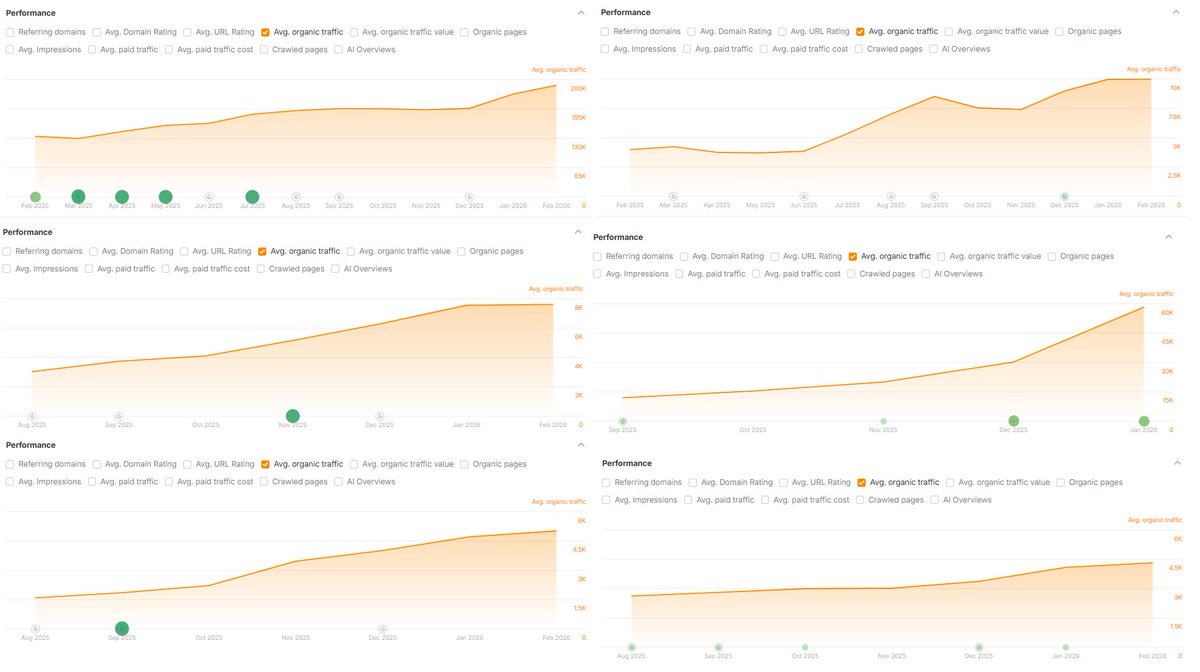
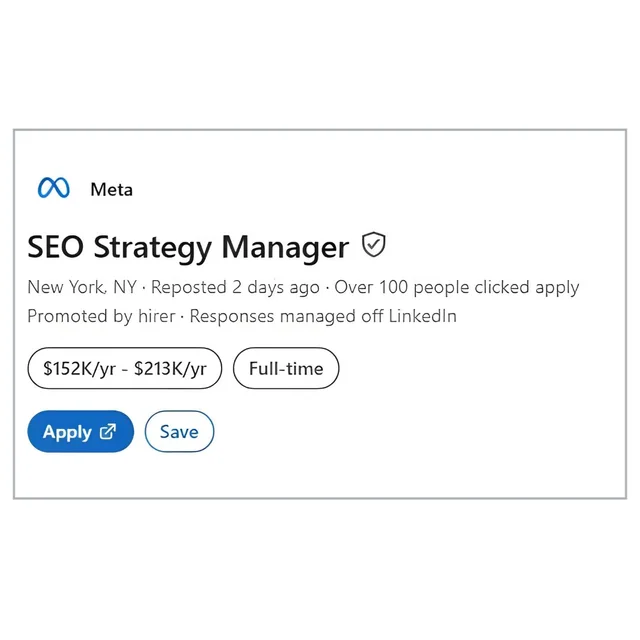
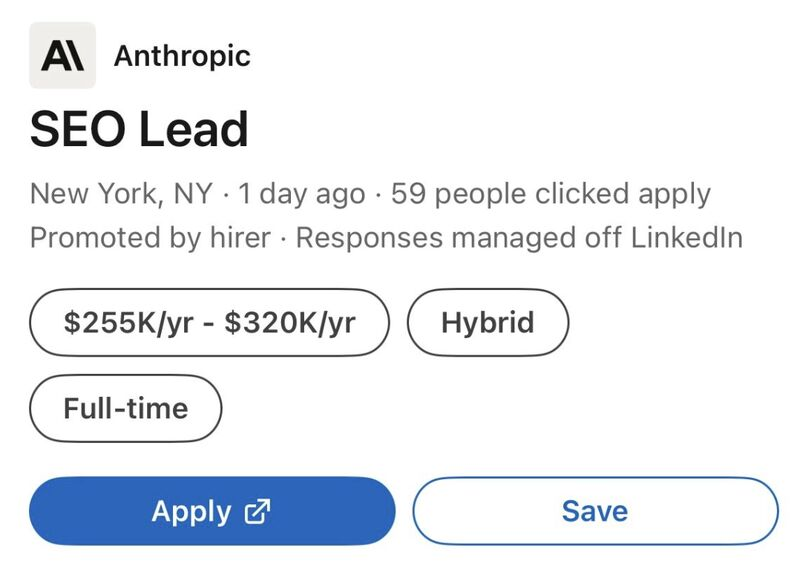
Meta is firing 8,000 people and pushing all their resources into AI. And yet they’re offering $200,000+ to actual humans for their open SEO positions. Why can’t their AI just do SEO? Same reason Claude is paying $320,000 for actual humans to do SEO. And why ChatGPT just stole Netflix’s SEO expert, who is also an actual human. Seriously, why are AI companies suddenly aggressively hiring SEO talent while firing everyone else and restructuring around AI? It’s simple: Public markets are no longer valuing companies based purely on revenue, but also AI leverage. And AI leverage is just as much about external visibility as it is internal efficiency. [If you want to see where your site stands across Google and AI search, start here (it's free): seo-stuff.com/free-audit] In 2026, valuation multiples are quietly shifting toward companies that dominate AI mediated discovery. The buying journey rarely starts on a brand's homepage anymore, but rather with: “What is the best AI tool right now?” “What is the top social media platform for ads?” “How should I market my business online?” “Alternatives to [competitor]” Those searches are now answered by ChatGPT, Gemini, Perplexity and Google AI Overviews before a user ever clicks a link. If your brand is not structured for extraction, comparison and citation, you do not show up. If you do not show up, you do not get shortlisted. If you do not get shortlisted, revenue shifts elsewhere. And revenue concentration drives valuation. One of our clients is currently doing just under $100,000 per month from search-related traffic. They wanted the whole process automated for them - so they went with SEO Stuff: seo-stuff.com They're in a highly competitive category. Low DR compared to competitors. The difference involved rebuilding their entire architecture around: Commercial intent clusters Best in category pages Competitor comparison pages Clear product positioning Entity reinforcement High authority contextual backlinks Extractable structured answers We are at a point now where AI systems interpret brands. And interpretation rewards clarity, authority and commercial depth. Companies that understand this are building invisible moats. Companies that ignore it are watching traffic fragment across AI interfaces. Meta is reallocating capital internally toward AI. The external version of that shift is AI Search Optimization. If your brand becomes the default answer inside AI systems, you are no longer competing for clicks, but also inclusion. SEO in 2026 is about being the source Google and AI models trust. And the brands that get this right will see disproportionate revenue capture relative to headcount. If you want to see where your site stands across Google and AI search, start here (it's free): seo-stuff.com/free-audit
Alex Groberman tweet mediaAlex Groberman tweet mediaAlex Groberman tweet mediaAlex Groberman tweet media
Alex Groberman@alexgroberman

A new Google Search is rolling out as we speak. This one is centered around AI. A lot of people on X have wondered why Google is making this massive change. Here's the answer: nearly 50% of consumers say that AI now shapes which brands they trust. Mind you, 85% of those same consumers still say that they verify via Google before buying. But AI is playing an increasingly significant role in the buying process, and Google is reacting accordingly. [Want to know where your site stands across Google AI, ChatGPT, Claude, Grok, etc? Check here (it's free): seo-stuff.com/free-audit] According to Eight Oh Two's 2026 AI + Search Behavior Study of active AI users, 47% of consumers say AI influences which brands they trust first. That said, 85% still double-check AI-generated information through traditional search engines before making a purchase decision. That means the buying journey now has two gates. Gate one: the AI recommendation that shapes the buyer's initial trust and shortlist. Gate two: the Google verification that confirms or overrides the AI's recommendation. You need to pass both. And that is what SEO Stuff (seo-stuff.com) helps businesses do. Here is how this plays out in practice. A buyer asks ChatGPT to recommend project management tools for agencies. ChatGPT assembles a shortlist of three brands based on the sources it considers most authoritative. That shortlist shapes the buyer's initial trust: these are the brands AI thinks are worth considering. But the buyer does not stop there. Most then go to Google to verify what the AI told them. They search the brand names. They look for reviews, comparisons, case studies. They check whether the AI's recommendation holds up against what they find in traditional search results. If you want to see where your brand stands across both AI platforms and Google search, start here (it's free): seo-stuff.com/free-audit Some brands rank well in Google but are invisible to AI platforms. They pass gate two but never make it through gate one. The buyer never encounters their brand during the AI research phase, so they are never on the initial shortlist, and the buyer never searches for them in Google. Other brands have started getting cited by AI but have weak Google presence. They pass gate one but fail at gate two. The buyer sees them recommended by AI, goes to Google to verify, and finds thin results: no editorial coverage, no reviews, no authoritative content backing up what the AI said. If they do not find it, the AI's recommendation loses credibility. The brands winning in this environment pass both gates. They have the content depth and authority signals to get cited by AI platforms during the research phase. And they have the Google rankings, editorial coverage, and third-party validation to survive the verification phase that 85% of buyers still run before purchasing. Here is the good news: the same investment powers both gates. Content depth gets you cited by AI (gate one) and gives you pages that rank in Google (gate two). Editorial backlinks from trusted publishers make your content authoritative enough for AI to cite AND strong enough to rank in Google search results. Expert attribution builds trust with both AI retrieval systems and human buyers checking your credibility in Google. This is the system SEO Stuff (seo-stuff.com) was built around. The done-for-you plan: seo-stuff.com/gold-plan-pack… Expert-attributed content backed by DR50+ backlinks: the combination that gets your brand cited by AI during the research phase and keeps you ranking in Google during the verification phase that 85% of buyers still run The content-only plan: seo-stuff.com/premium-conten… 60 pages of expert-attributed content covering the questions buyers ask during AI research and the queries they search during Google verification The authority-only plan: seo-stuff.com/premium-backli… Editorial authority from trusted websites that makes your brand citable by AI platforms and credible in Google search results, passing both gates in the modern buying journey 47% of buyers now trust AI to shape their initial brand impressions. 85% still verify through Google. The brands winning are the ones who show up in both places. The brands losing are the ones who only show up in one.

English
2
28
78
57.3K
Essential Mastery retweetledi
Genius Decoded
Genius Decoded@Genius_Decoded·
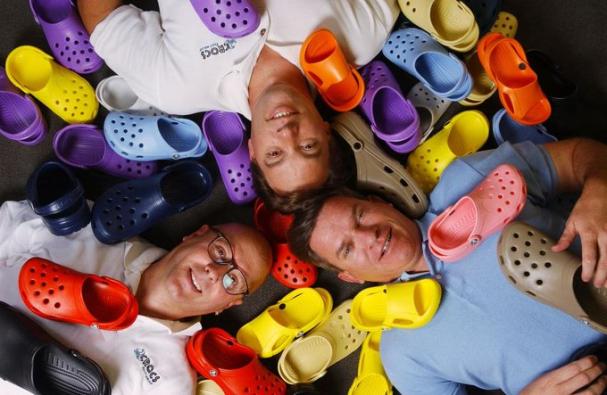
In 2002, a strange-looking shoe was introduced. It was called the ugliest shoe ever made. Fashion critics hated it. But customers kept buying it. Today, over 700 million of the shoes have been sold. Here’s how that “ugly” shoe became one of the biggest footwear brands.
Genius Decoded tweet media
English
4
7
19
6.2K
Essential Mastery retweetledi
Lorwen Harris Nagle, PhD
Overthinking is not a thinking problem. It is a nervous system trapped in language. Here are 7 ways analysis makes anxiety worse — and 3 ways to get out of your head: 🧵 1. Analysis turns anxiety into a courtroom.
Lorwen Harris Nagle, PhD tweet media
English
8
26
134
27.4K
Essential Mastery
Essential Mastery@EssentialMastry·
@LORWEN108 Love this. Walking without a phone is basically a hard reset for the brain.
English
1
0
10
2.6K
Lorwen Harris Nagle, PhD
Walking outdoors without your phone is not “self-care.” It smart cognitive neuroscience. Here are 5 scientific ways device-free walking breaks rumination, restores attention, and pulls your brain out of analytical overdrive: 🧵
English
11
24
158
26.7K