
EvidenceBase
63 posts


EvidenceBase
@EvidenceBaseJnl
Scientific journal for the study of criminal justice. What works? What doesn't?

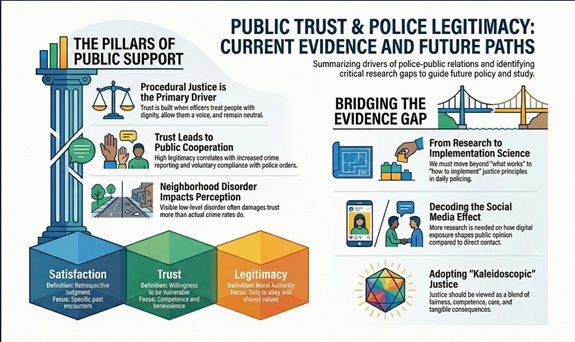

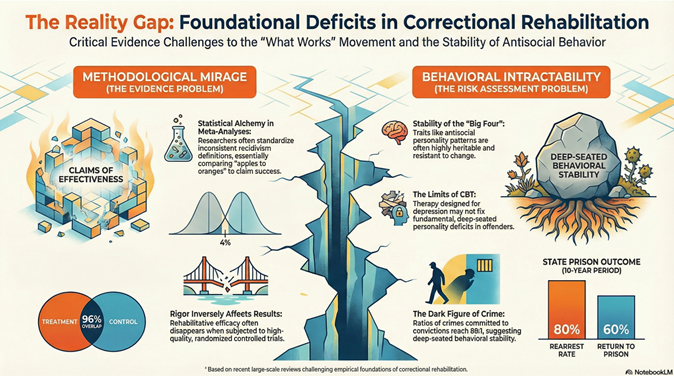
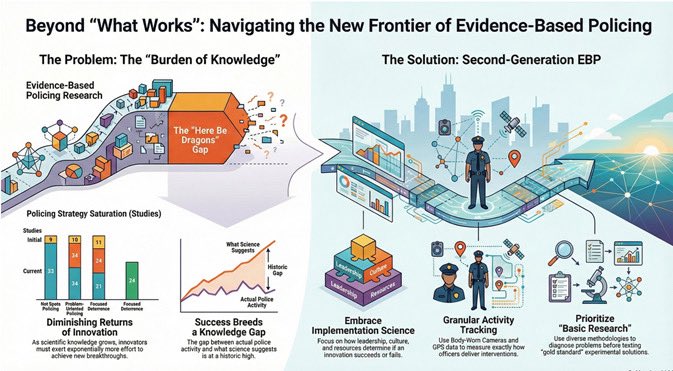
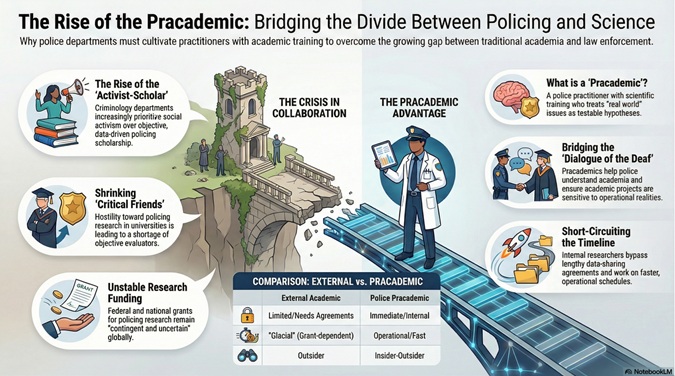
If you read news stories about police shootings, you'll notice a pattern — a large share of the people shot by police are on probation or parole. What's going on? In our new working paper, we build a bridge between corrections and policing scholarship to understand this. We call the concept "avertogenic" deaths: police killings shaped by upstream decisions about sentencing, diversion, and release. The logic is simple. Courts, parole boards, and pardons boards decide who stays locked up and who returns to the community. Those decisions change who is exposed to police contact — and therefore who is at risk of a lethal encounter. Policing scholars study the encounter. Corrections scholars study the sentence. Almost nobody connects the two. We build a simulation calibrated to national data on felony sentencing, recidivism, and police-involved mortality. Sentencing policy IS policing policy, and we need to talk about it that way. Live at @CrimRxiv: crimrxiv.com/pub/i432yvg2/r… w/ @smourtgos and Matt Logan.

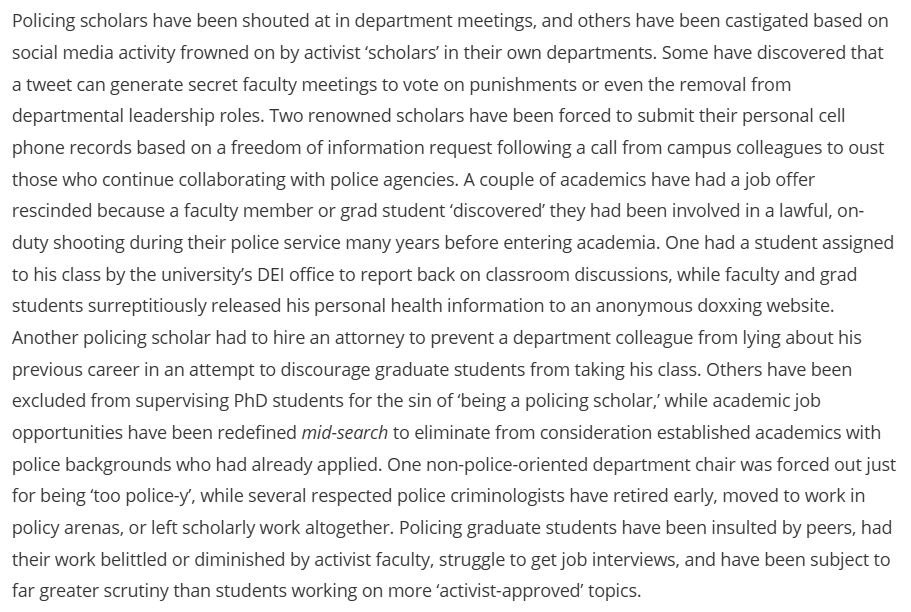
Has any dean, provost, or chair been fired (even just sent back to the faculty) over this type of explicitly illegal behavior? Has any department been put in receivership for breaking these laws serially for years? It's striking that--in the context of the past decade in academia where professors frequently got suspended or fired for offensive (often protected) speech, being "horrible bosses", leading irreverent lab cultures, making bad one-off comments or sending bad one-off texts to colleagues years or decades ago, etc.--I can't think of a single dean, provost, or chair who was removed for serially, intentionally and explicitly breaking federal civil rights law through these types of hiring practices. Instead, you seem to--at best--see responses like the one in @EmmaJanePettit's article from OSU that sound like: "We've overhauled our hiring practices to stop breaking the law. But we weren't actually breaking the law. The examples of obvious law breaking you found in our documents were exceptions and taken out of context." If anyone can think of a counterexample, please post in the replies.
Very excited and honored to be recognized by @ACJS_Police, one of the most important academic homes for the study of policing. Thank you to my coauthors and mentors who make research my favorite verb. Looking forward to seeing everyone in a bit more than a month for the conference!


