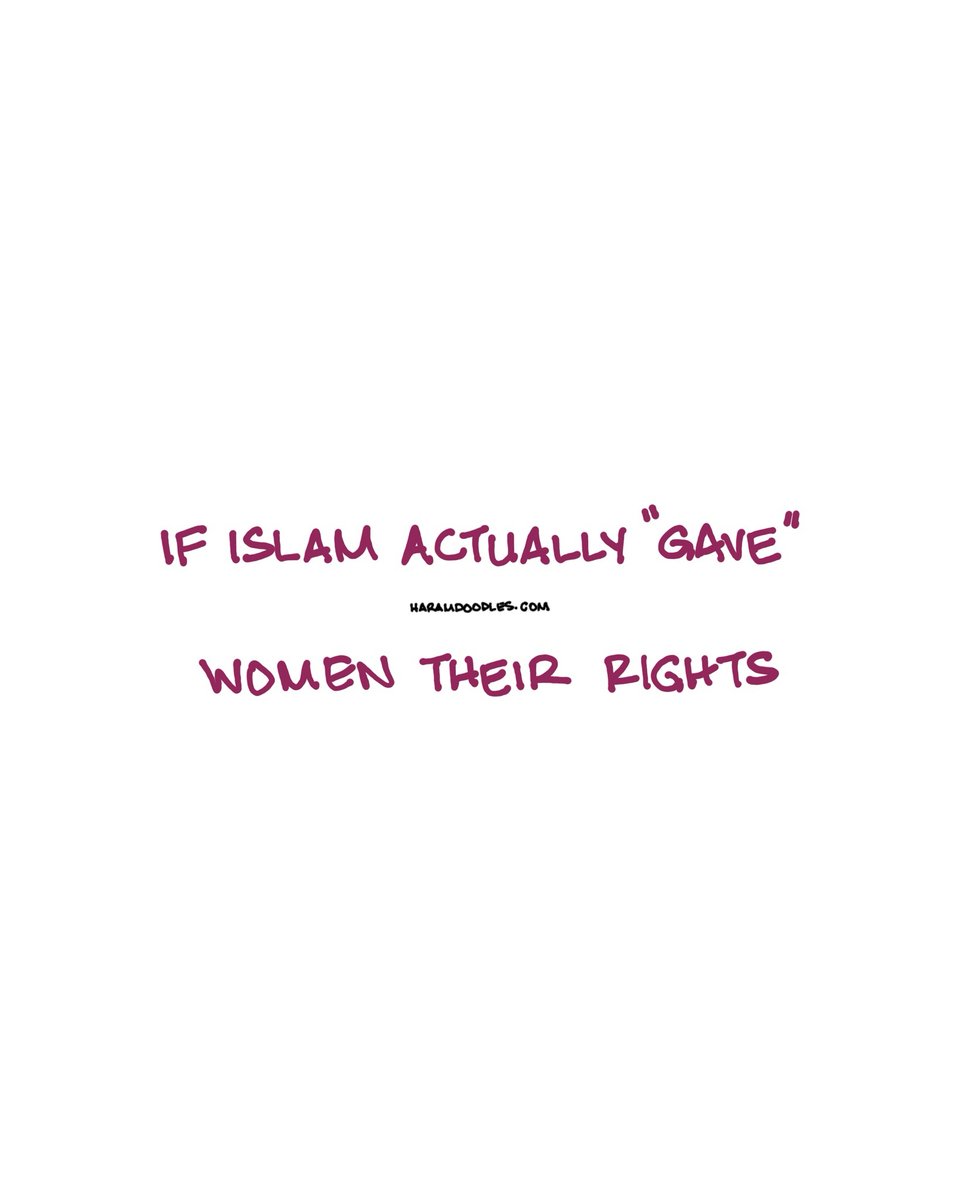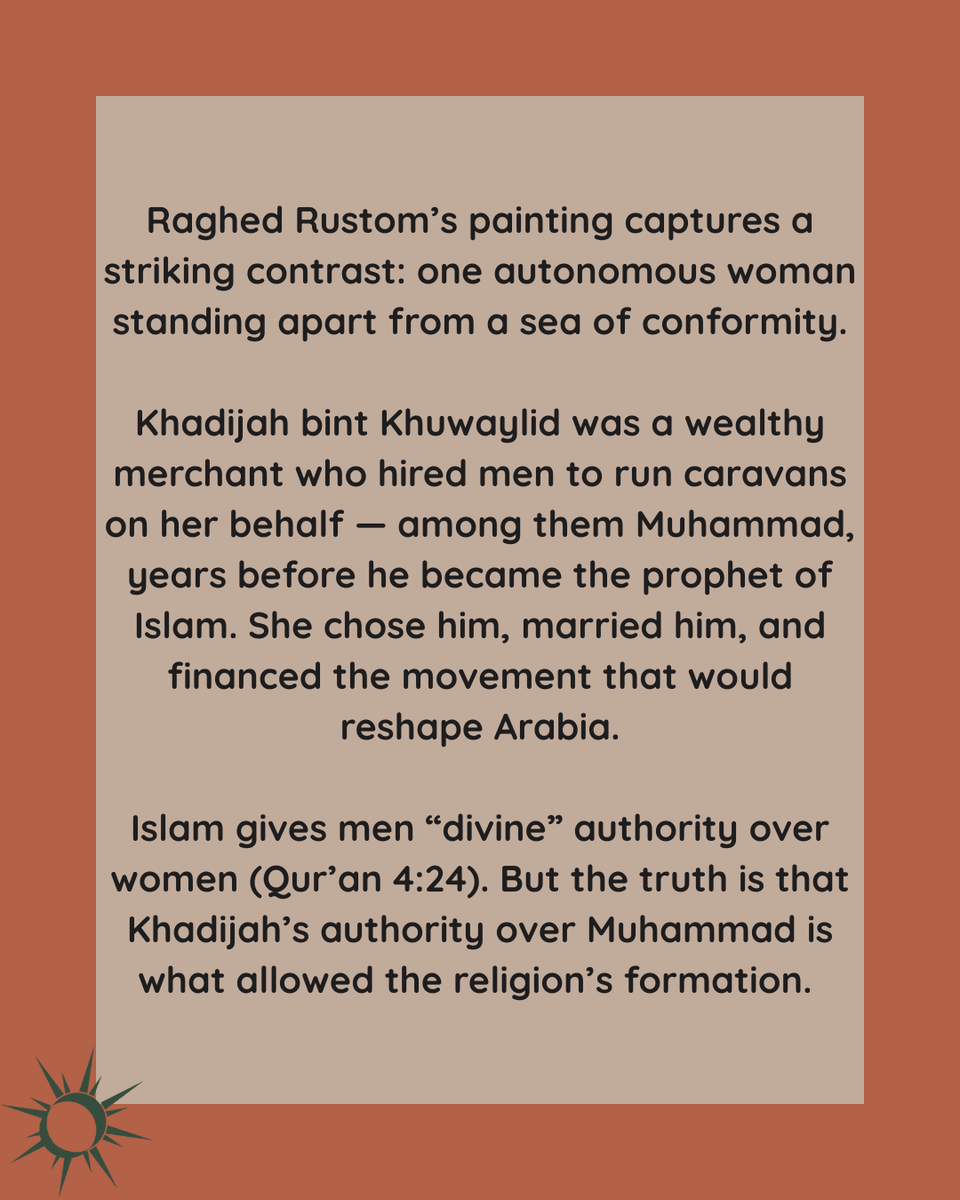

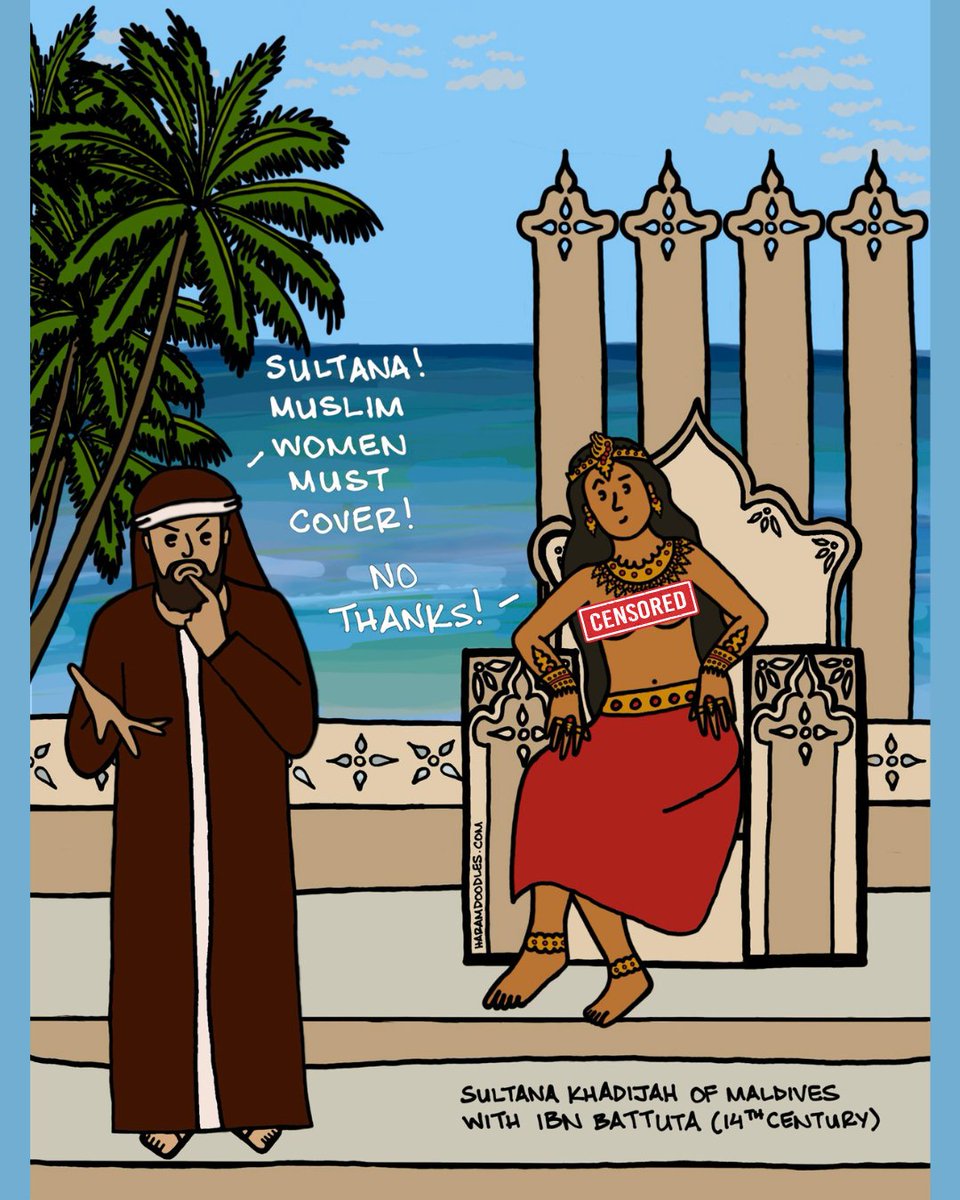
In the 14th century, the Maldives had long been an Islamic sultanate, following the conversion of its last Buddhist king two centuries earlier. But belief systems change faster than customs. That tension became clear with the rise of the Maldivian “sultanas,” beginning with Khadijah of the Maldives, who shared the name of Muhammad’s first wife.
Khadijah became the first woman to hold the title “Sultan of Land and Sea.” Her accession appears to have drawn little controversy—likely reflecting the islands’ Buddhist past and their distance from centers of Islamic authority. She ruled, on and off, for nearly three decades, exercising power with the same legitimacy as any male sultan.
Like many rulers of her era, Khadijah navigated politics ruthlessly. She lost and regained the throne more than once, and both her first and second husbands were assassinated after attempting to depose her. Despite this, her reign opened the door for other women—such as Raadhafathi (Myriam) and Dhaain—to rule the Maldives.
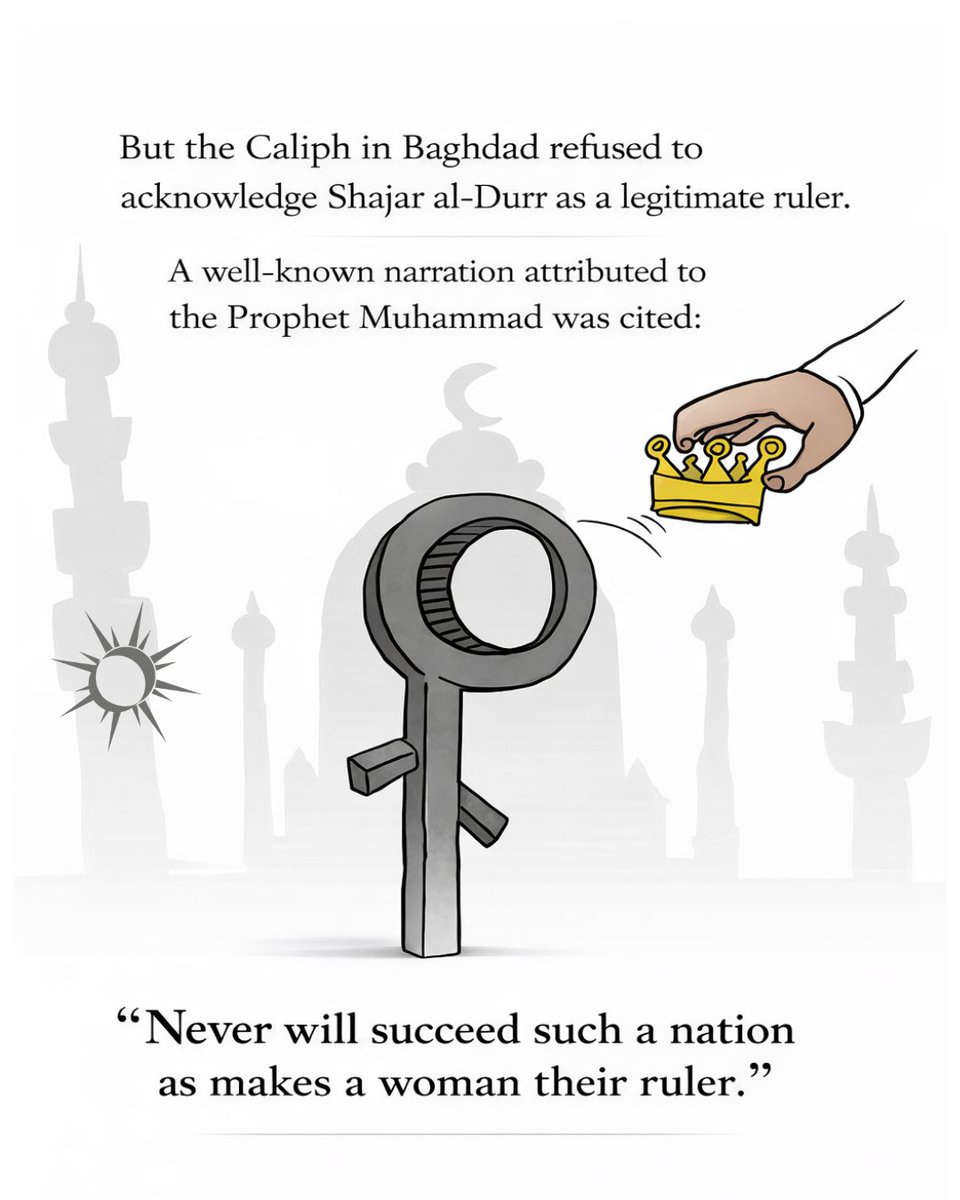
When the North African traveler Ibn Battuta arrived, he found a society that diverged from Islamic expectations. The very existence of a female ruler contradicted a narration attributed to Muhammad:
“Never will succeed such a nation as makes a woman its ruler.”
The standards of modesty expected of Muslim women had scarcely taken root. Khadijah wore no head or face covering—and, in keeping with local custom, nothing above the waist. Ibn Battuta tried to persuade the women to cover themselves, but largely failed.
Khadijah was not seen as an apostate. Her name was proclaimed in Friday prayers, and her rule was considered Islamically legitimate. She simply rejected the burdens of modesty placed on women.
Ibn Battuta otherwise spoke positively of Maldivian women. “A woman in these islands,” he wrote, “would never entrust to anybody else the serving of her husband…”
It suggests modesty rules could be ignored—so long as women remained obedient at home.
What does that say about what these rules are really for?
Powerful women were always part of the story.
#WomensHistoryMonth #IslamicHistory
English