
Eyepatch | HUDL | ADL retweetledi

Fall down 6 times. Get up 7.
We've been quiet.
Not for much longer.
English
Eyepatch | HUDL | ADL
949 posts





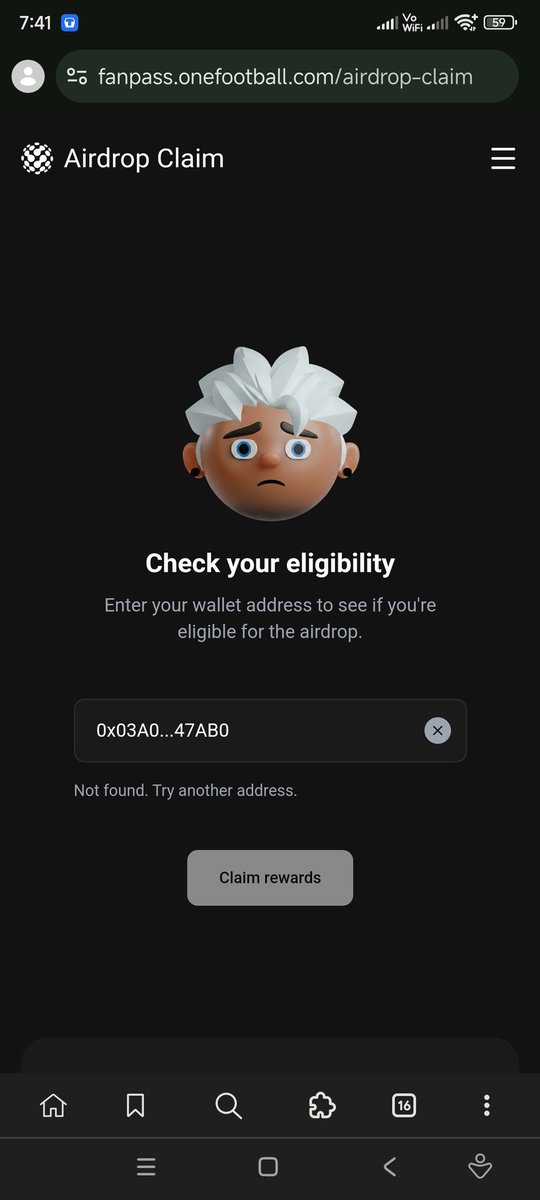

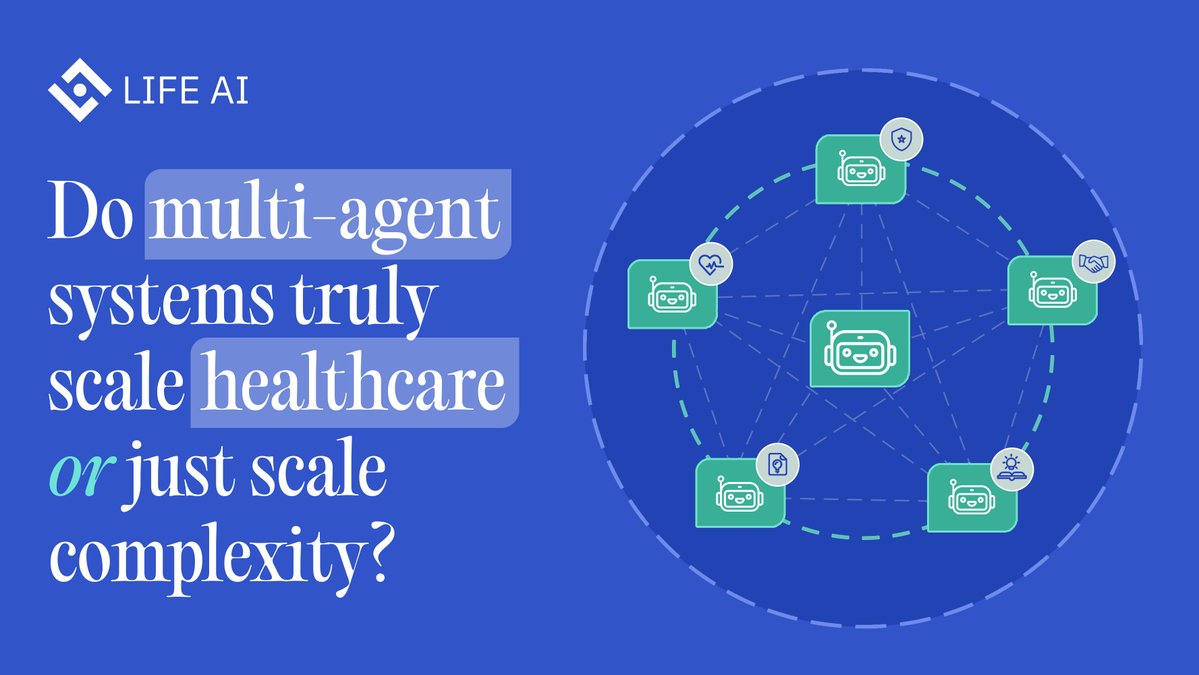
🤖 Community Question: Do multi-agent systems truly scale healthcare or just scale complexity? Viewpoint A: Scalable Coordination Healthcare workflows are too complex for a single agent. Multi-agent systems split tasks, cross-check outputs, and improve efficiency at scale, especially in areas like care coordination and prior authorization. With the right guardrails, they offer a practical path forward. Viewpoint B: Compounding Risk More agents also mean more risk. Errors can cascade, decisions become harder to explain, and accountability gets blurred. As systems grow, governance becomes more difficult and scaling too early increases exposure. 👇 Drop A or B and share your perspective

New Anthropic research: Emotion concepts and their function in a large language model. All LLMs sometimes act like they have emotions. But why? We found internal representations of emotion concepts that can drive Claude’s behavior, sometimes in surprising ways.


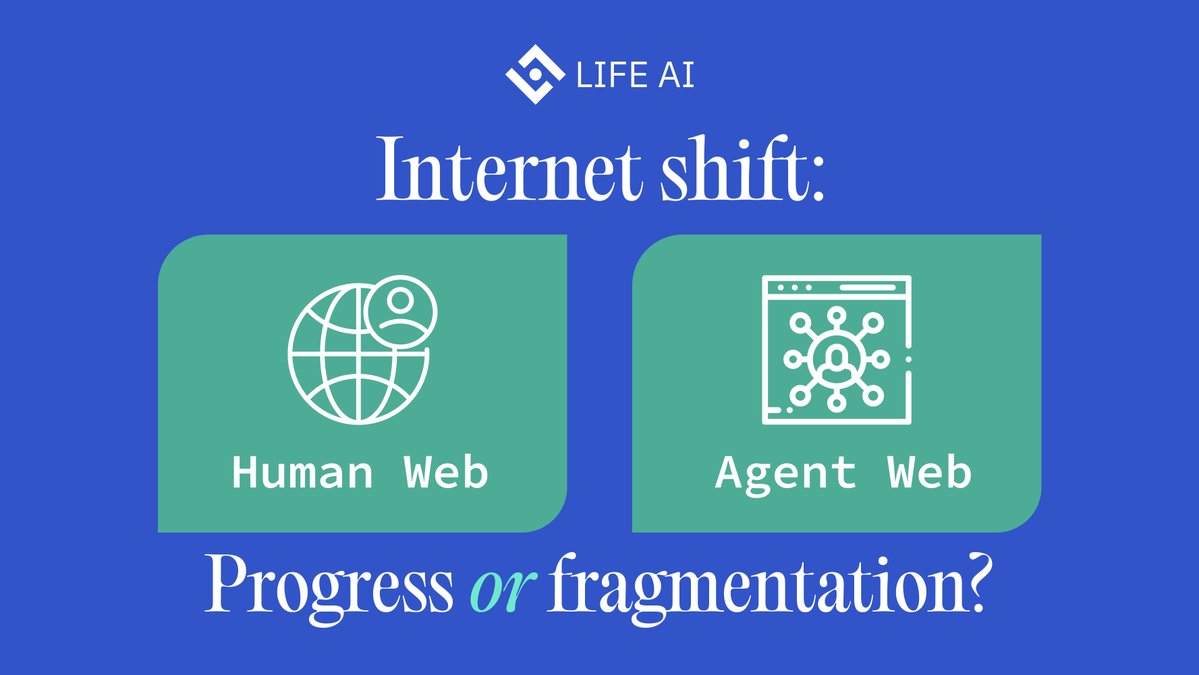
🩺 Community Question: Is the “AI five layer cake” framework sufficient to power healthcare AI systems? (The “AI five layer cake” framework: Energy → Chips → Infrastructure → Models → Applications, introduced by Jensen Huang of NVIDIA) Viewpoint A: Yes Healthcare AI aligns with the stack. Energy, chips, and infrastructure enable intelligence generation at scale. Medical models, trained on clinical and biomedical data, interpret complex signals; applications then deliver value through radiology assistance, drug discovery, and clinical workflow automation. Viewpoint B: Not entirely The stack shows how capability is produced, but impact depends on translating that capability into clinical use. Strict validation, regulation, and the need to integrate with hospital workflows slow translation; consequently, healthcare applications often scale more slowly than the underlying AI stack. 👇Drop A or B and share your perspective