FATİH GÜRSES retweetledi

Yalanın gücü, doğrunun güçsüzlüğünden değildir. Yalan teşkilat kurmuş, doğru ise yalnızdır.
- Yaşar Kemal
Türkçe
FATİH GÜRSES
4K posts


@FATHGRSES1
matematiğin aydınlık dünyasında yoldan geçen kendi halinde bir gezgin #sadesahhaf @sadesahhaf

Serbest bırakılan Bilgi Üniversitesi öğrencisi Hafize'yi okul arkadaşları karşıladı.


☀️Boşuna demiyoruz; ➖Lale Devri, sülale devri! ➖Parti devleti, devlet partisi diye! 💡Gülistan’ın hastane kayıtlarını silen başhekimi, 💡Sağlık Müdürü yapan Valiye, 💡Talimat AKP İl Başkanı'ndan gelmiş. 👉Tutuklu Vali ifadesinde öyle söylüyor. 💡Kokuşmuş düzen! #GülistanDoku

🌱 Son günlerde sosyal medyada dolaşan "fide satışları yasaklanıyor" iddialarının arkasındaki gerçek ne? Gelin, işin aslını birlikte öğrenelim. 👇

Şöyle adı olan bir kitap bu ülkede nasıl basım izni alabiliyor. Kültür bakanlığı kimin elinde? @TCKulturTurizm

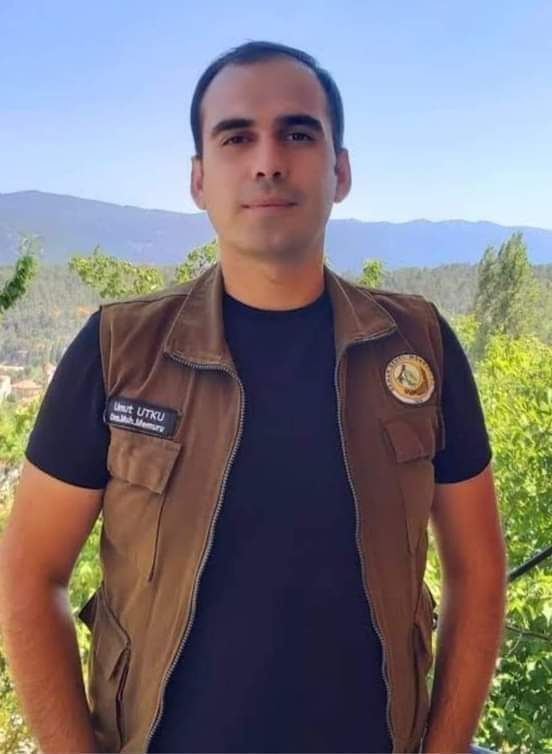

🌱 Son günlerde sosyal medyada dolaşan "fide satışları yasaklanıyor" iddialarının arkasındaki gerçek ne? Gelin, işin aslını birlikte öğrenelim. 👇

🔴 J.P.Morgan Haziran ayında Merkez Bankası’nın politika faizini % 40 seviyesine yükseltmesini bekliyor.


Let me tell you how it happened. Nigeria’s ginger export hit zero from N26 billion within 3 years. The official story blames fungal blight. But here is what actually happened. When Nigerian farmers lost their indigenous seed supply, grant-aided interventions arrived with replacement seeds. An associate professor at Lagos Business School flagged publicly that some of those interventions involved GMO organisms that weakened indigenous crops and compromised soil health. That is not a conspiracy theory because it is a documented academic concern. Now that Nigeria spoke got destroyed by the GMO seedlings….what is not the result? Nigeria was forced to import ginger from China to fill domestic demand. Chinese ginger has none of the pungency, oleoresin content, or quality that made Nigerian ginger a global premium product. And the ginger now sitting in Nigerian markets tastes like wood because it essentially is wood. The two indigenous varieties that built Nigeria’s global ginger reputation, the Tafin Giwa and Yatsun Biri, had decades of soil relationship and quality built into them. Once the soil was degraded and those seed varieties were displaced, the product that returned was a pale imitation. Nigeria did not just lose a market. It lost a seed. And without a National Ginger Seed Bank, which nobody has built, it may never fully get it back.