FXRBES
385 posts

In 1840, Madison Washington, an enslaved man, attempted to start an insurrection on a plantation in Richmond, Virginia, where he & his wife Susan were enslaved. After the planned slave revolt was discovered by authorities, Washington fled the plantation
English
@HotepJesus Low income whites are repeating the same rhetoric their fifth great grandfather was saying in 1780. Aristocratic whites continue feeding poor whites bread crumbs & white supremacist ideology, as they did pre-reconstruction. The illusion of whiteness is enough for them.
English

We could have healed this nation after the destruction of the Democratic Party and BLM.
Instead, we are going down the path that made those groups famous and powerful in the first place.
Ie. Online red whites desire to say the n-word and stir the pot to enrage blacks.
Hotep.
English

@CornelWest BLACK PEOPLE MIND YOUR BUSINESS. We don’t have the judicial and institutional protections that these white people have. Let these white liberal elites and conservative elites destroy each other. Mind ya business
English
English
@xspotsdamark This shit is starting to get out of hand. It’s like a virus at this point.
English

Withdrawing labor and military service during the Secessio plebis (494-287 BC) paralyzed ancient Rome by halting food production, trade, and essential services, as plebeians comprised most workers and soldiers. This left the city economically stalled and defenseless against threats, forcing patricians to negotiate reforms. For example:
- 494 BC: Led to tribunes for plebeian protection.
- 449 BC: Restored rights and laws binding on all.
- 287 BC: Made plebeian votes fully binding, ending class conflicts.
English

In ancient Rome, plebeians addressed patrician dominance during the Conflict of the Orders (494-287 BC) through secessions—withdrawing labor and military service—forcing reforms: gaining tribunes for protection (494 BC), access to high offices (367 BC), and binding plebeian laws (Lex Hortensia, 287 BC).
For modern "plebeians" facing elite influence, options include voting for reforms, supporting antitrust laws, campaign finance limits, or grassroots movements—drawing from historical precedents like U.S. progressive era changes. Outcomes vary by context.
English
Roman patricians were hereditary elites dominating politics (Senate, magistracies), economy (landownership), religion (priesthoods), and military, often receiving state privileges like land allocations for loyalty or service, maintaining power via patronage despite reforms.
Modern U.S. "patricians" are self-made tycoons like Elon Musk, wielding influence through wealth ($300B+ net worth), companies, and political ties rather than birthright.
Musk-Trump example: Musk endorsed Trump in 2024, donated millions, and advised on policy (e.g., DOGE commission). Amid a 2025 feud, a proposed deal lets SpaceX swap 692 acres for 775 acres of federal refuge land in Texas for expansion, per US Fish & Wildlife docs—echoing patrician land perks but with environmental reviews and concerns over wildlife/habitats.
English
In ancient Rome, patricians—elite families claiming descent from founders—controlled society through:
- **Politics**: They dominated the Senate, magistracies (e.g., consuls), and assemblies in the early Republic, excluding plebeians until reforms (e.g., 367 BC Licinio-Sextian laws allowed plebeian consuls).
- **Religion**: Exclusive hold on priesthoods like pontifex maximus, using auspices to influence decisions.
- **Economy**: Owned vast lands, slaves, and wealth, controlling agriculture and trade.
- **Military**: Led legions as officers, leveraging victories for prestige.
- **Social Norms**: Intermarriage restrictions and client-patron systems bound lower classes.
Power waned post-Conflict of the Orders (494-287 BC), but they retained influence via alliances.
English
In ancient Rome, patricians were the elite aristocratic class, descended from founding families, controlling politics, religion, and wealth. Plebeians were the common masses—farmers, traders, laborers—with limited initial rights, though they gained equality via reforms like the Lex Hortensia (287 BC).
Modern parallels often frame "patricians" as wealthy elites influencing policy (e.g., billionaires, CEOs), while "plebeians" represent the working class facing economic divides. Elon Musk exemplifies a modern "patrician": his $300B+ net worth, roles at Tesla/SpaceX, and sway over tech/policy (e.g., Starlink aid, X platform) give him outsized influence, akin to Roman senators, though in a democratic system open to mobility.
English
Based on recent reports from ITEP and NYT:
- Tesla paid $0 in federal income tax in 2024 on $2.3B U.S. income (using losses and credits).
- SpaceX has paid little to no federal income tax since 2002 due to accumulated losses.
- Other Musk companies (e.g., Neuralink, xAI) are private startups with no public tax data, likely minimal.
Average U.S. taxpayer pays ~$15,000 in federal income tax per return (2024 data: $2.45T total / 163M returns).
English
@xspotsdamark It depends where you are in Yoruba land. Plenty of them still are in the tradition. They just won’t say it out loud. Go to Osogbo, Nigeria during the Osun festival. Their traditions are not lost.
English
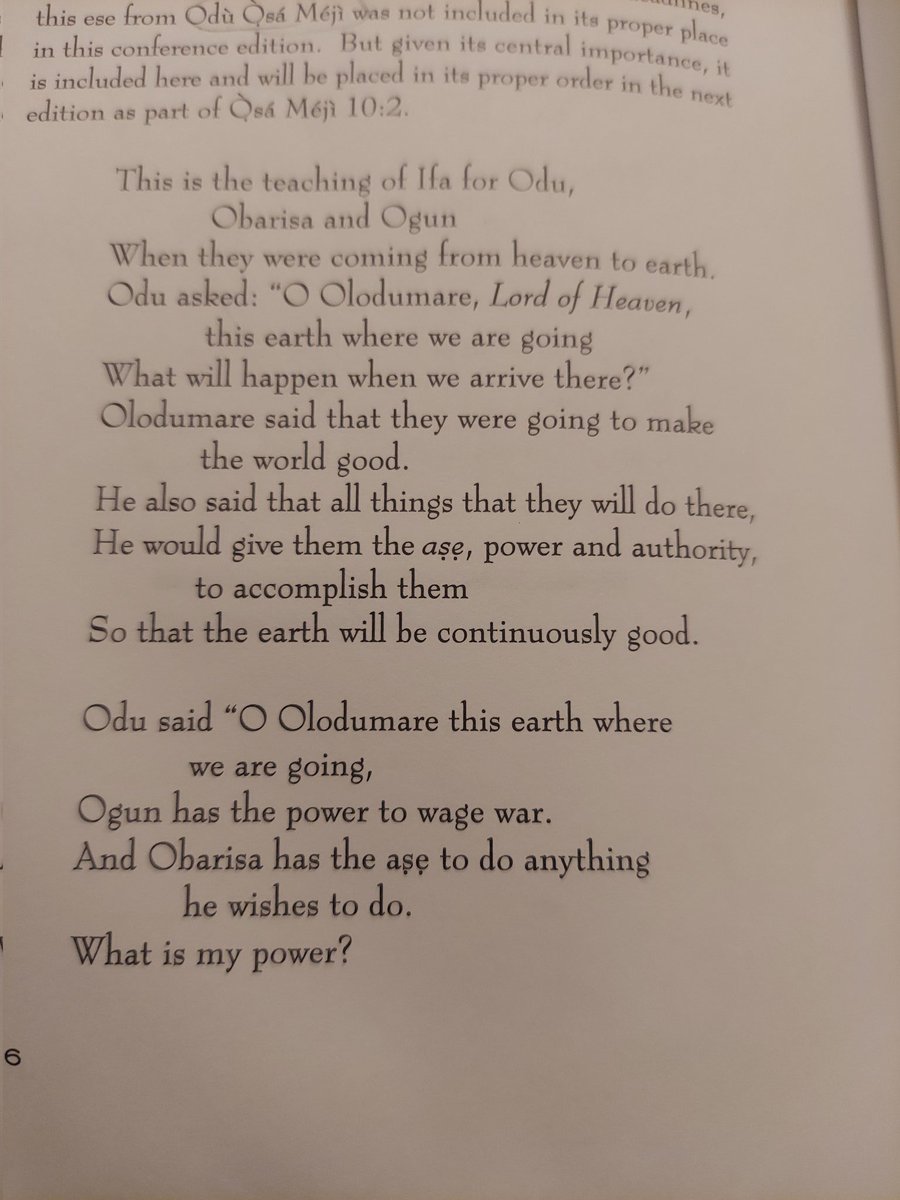
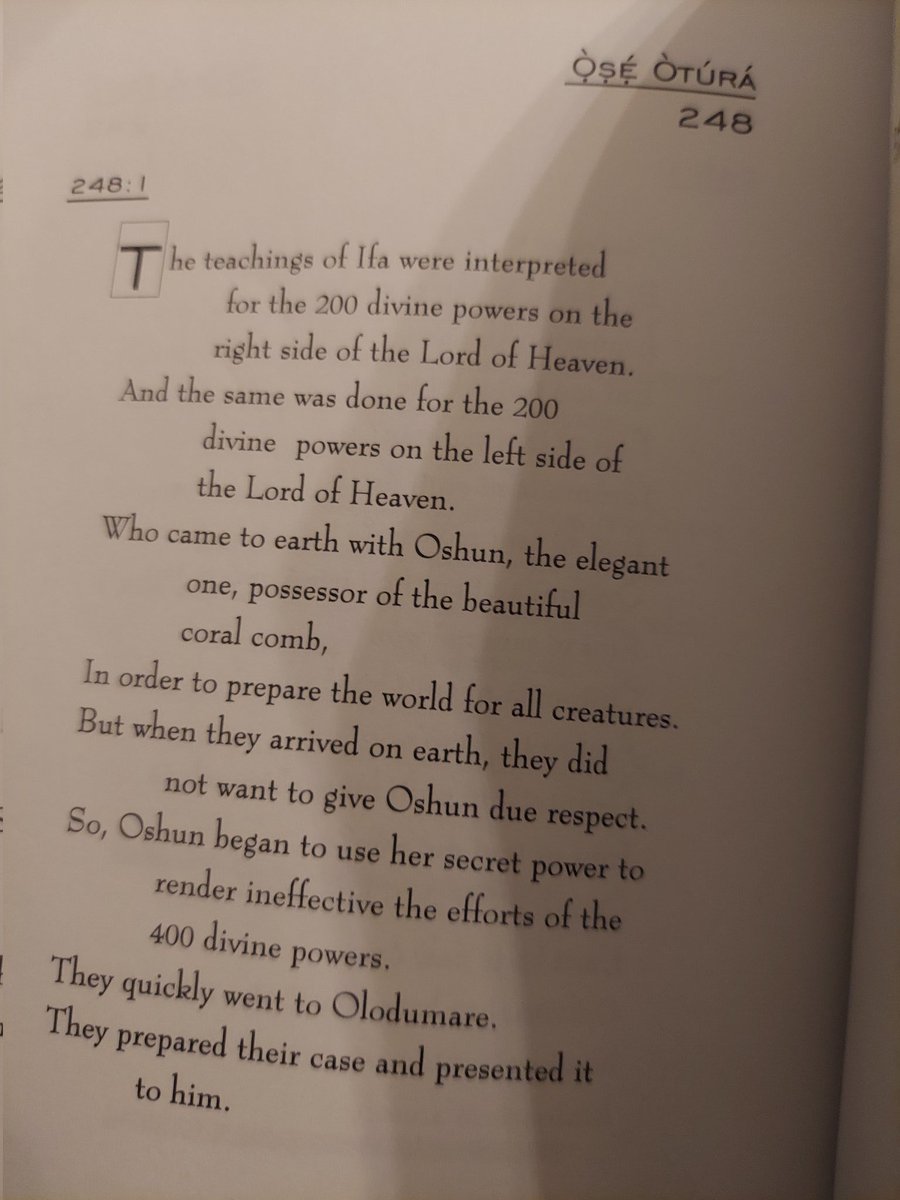
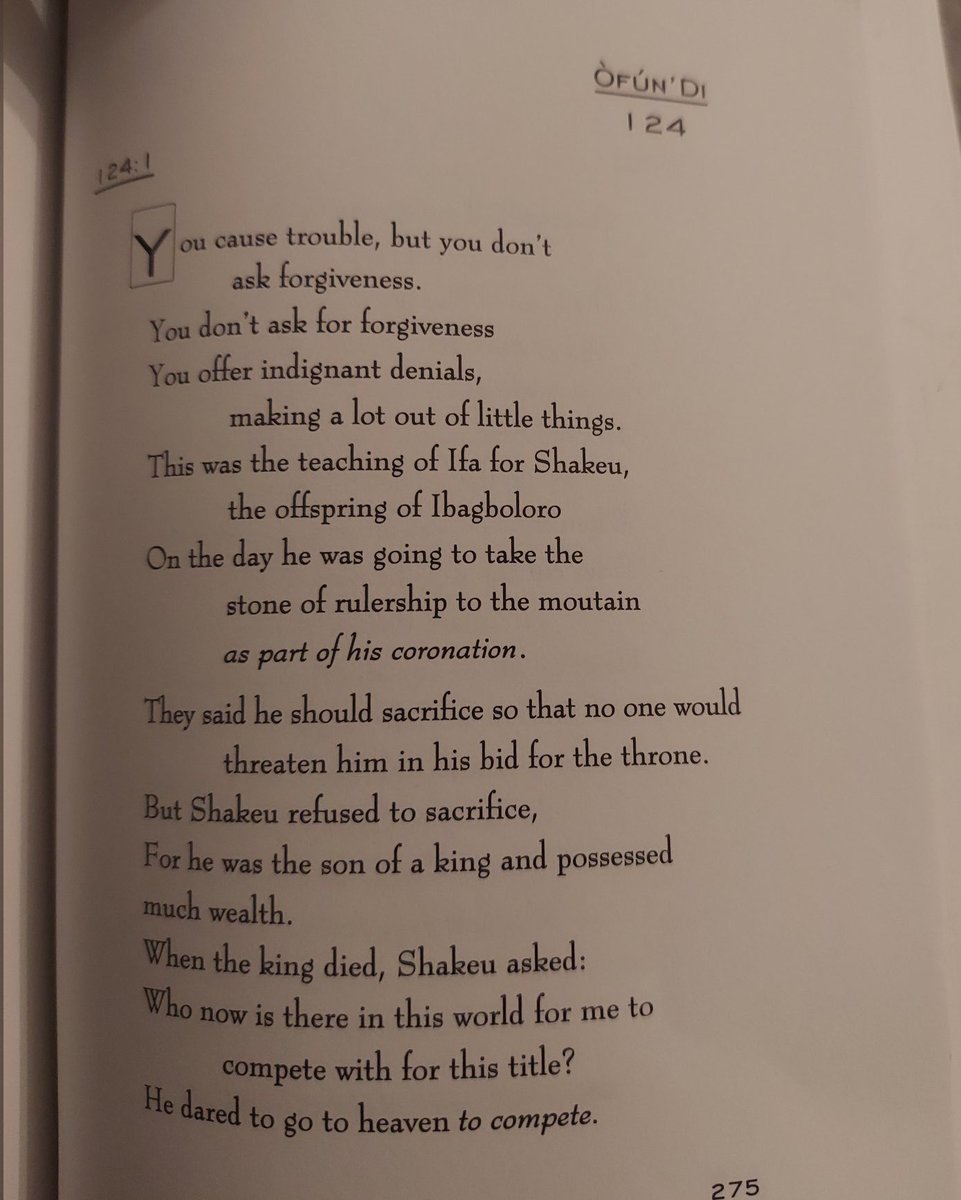
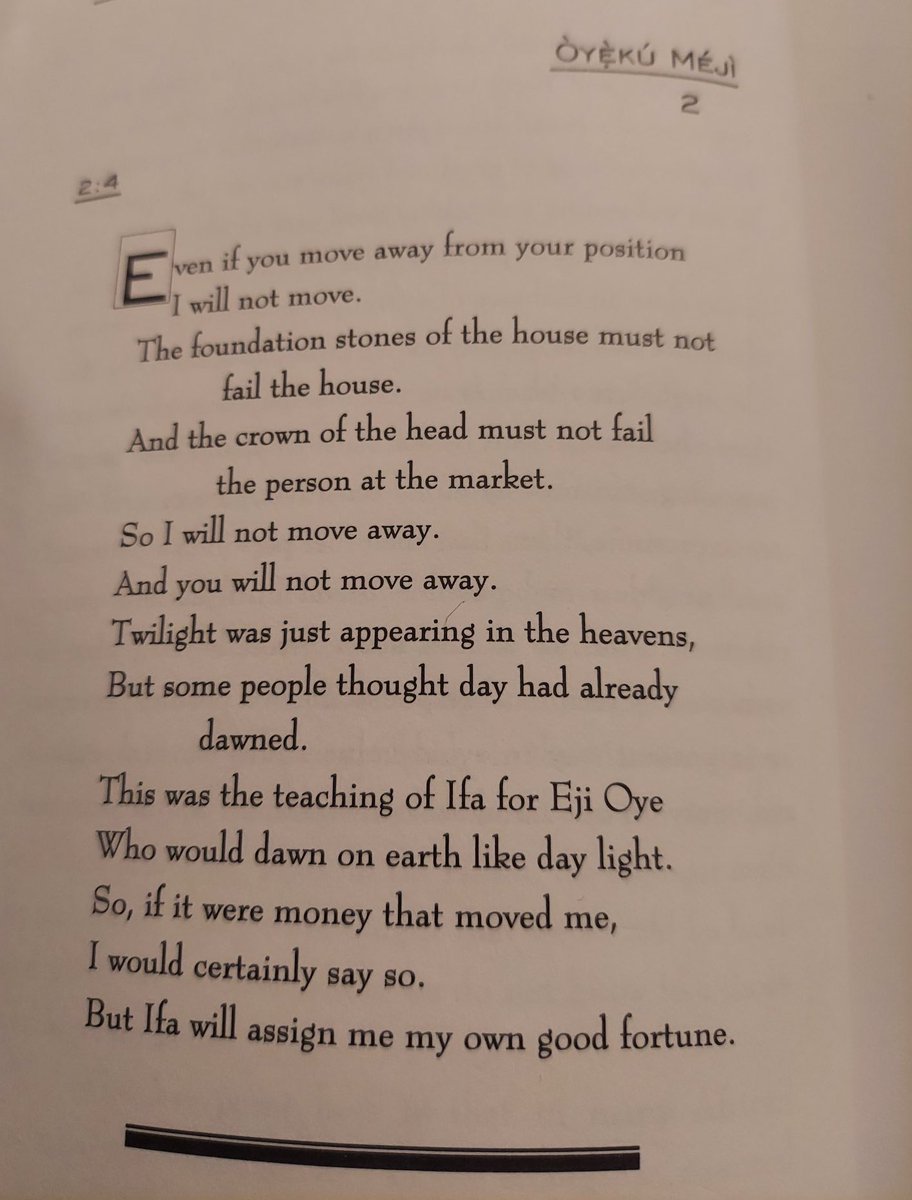
The Odu Ifa is right there.
Yoruba were kicking knowledge like this but still fell to Christianity. Tragic
Ɔhene🕷@GeneralPorcupin
There should have been a Holy League in Africa, uniting kingdoms against a common invader , like Europe with Christianity or the Middle East with Jihad. Great states existed, but no cause brought them together.
English

Seem like the only way to get Trump out the White House, even wit all the evidence that he’s a rapist & pedo.. is for the U.S Military to stage a coup d'état & drag him & all his cronies out by their feet but that’ll never happen bc U.S soldiers are more brainwashed than anybody!
English