Sabitlenmiş TweetFactBuffet@FactBuffet·15 MayA fact that'll make you feel old! #nostalgia #1990sÇevir English2181.1K
FactBuffet@FactBuffet·7hThe first episode of "MasterChef Australia" aired 17 years ago! #MasterChefAU The first episode of "LEGO Masters Australia" aired 7 years ago! #LEGOMastersAUÇevir English015357
FactBuffet@FactBuffet·8hIreland has won the Quidditch World Cup but not the FIFA World Cup! #FIFAWorldCupÇevirGIF English011134
FactBuffet@FactBuffet·14hThe Prime Minister of Australia has established the "Office of AI"Çevir English003250
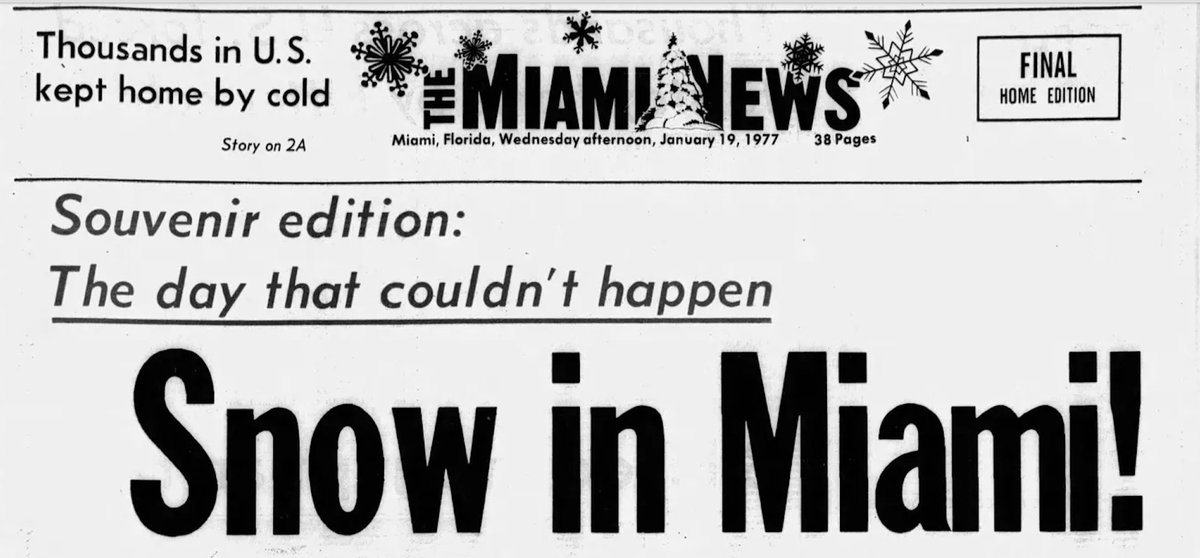
FactBuffet retweetlediFactBuffet@FactBuffet·21 OcaJanuary 19, 1977 was the first time in recorded history that it snowed in Miami, Florida!Çevir English015808
FactBuffet@FactBuffet·1d2026 will mark 20 years since the Nintendo Wii was released!Çevir English04194661
FactBuffet@FactBuffet·1dDavid Attenborough has lived through every FIFA World Cup! #FIFAWorldCupÇevir English007269
FactBuffet@FactBuffet·2d2026 will mark 20 years since the first episode of "30 Rock" aired!ÇevirFactBuffet@FactBuffet"30 Rock" was nominated for over 100 Emmys! English015357
FactBuffet@FactBuffet·2dEither... 🇦🇷 Argentina wins its 4th FIFA World Cup or 🇪🇸 Spain wins its 2nd FIFA World Cup #FIFAWorldCupÇevir English003256
FactBuffet@FactBuffet·3d"The Catcher in the Rye" was published on this day, 75 years ago! It's also never been made into a film.Çevir English1211243
FactBuffet@FactBuffet·3d"Michael" has made over $1 billion at the global box office!Çevir English03152721
FactBuffet@FactBuffet·3dLionel Messi has played the most FIFA World Cup matches of any player — 33!Çevir English003110
FactBuffet@FactBuffet·4dThe Count from "Sesame Street" is on 𝕏 — each post is him counting! This is where he's up to.ÇevirCount von Count@CountVonCountFive thousand nine hundred forty four! English108351
FactBuffet retweetlediFactBuffet@FactBuffet·4 TemThe voice actors who play Bart and Lisa Simpson are in their 60s now!Çevir English025339
FactBuffet@FactBuffet·4dThe Tour de France consists of 21 stages. They're up to stage 11.Çevir English002341
FactBuffet retweetlediFactBuffet@FactBuffet·2 HazGrover Cleveland was the only U.S. President to get married at the White House!Çevir English0261.8K