
Sabitlenmiş Tweet

Our inaugural newsletter is now live!
Inside: new research, policy analysis, and data on family stability and economic mobility.
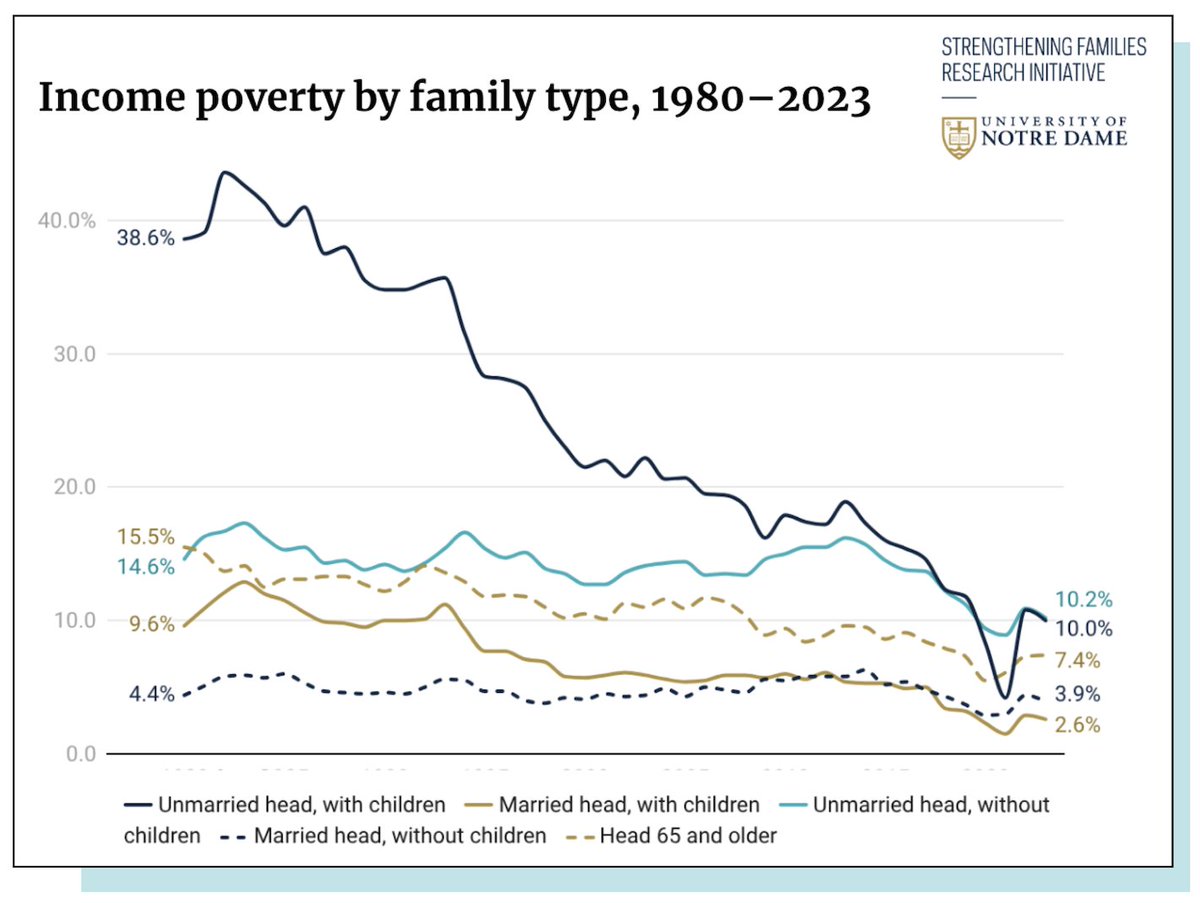
Explore the full issue – including interactive data like the chart below 🔗⤵️
English
Strengthening Families Research Initiative
51 posts

@FamResearchND
Advancing evidence about ways to strengthen families, support parents, and improve child well-being 🍀 @notredame
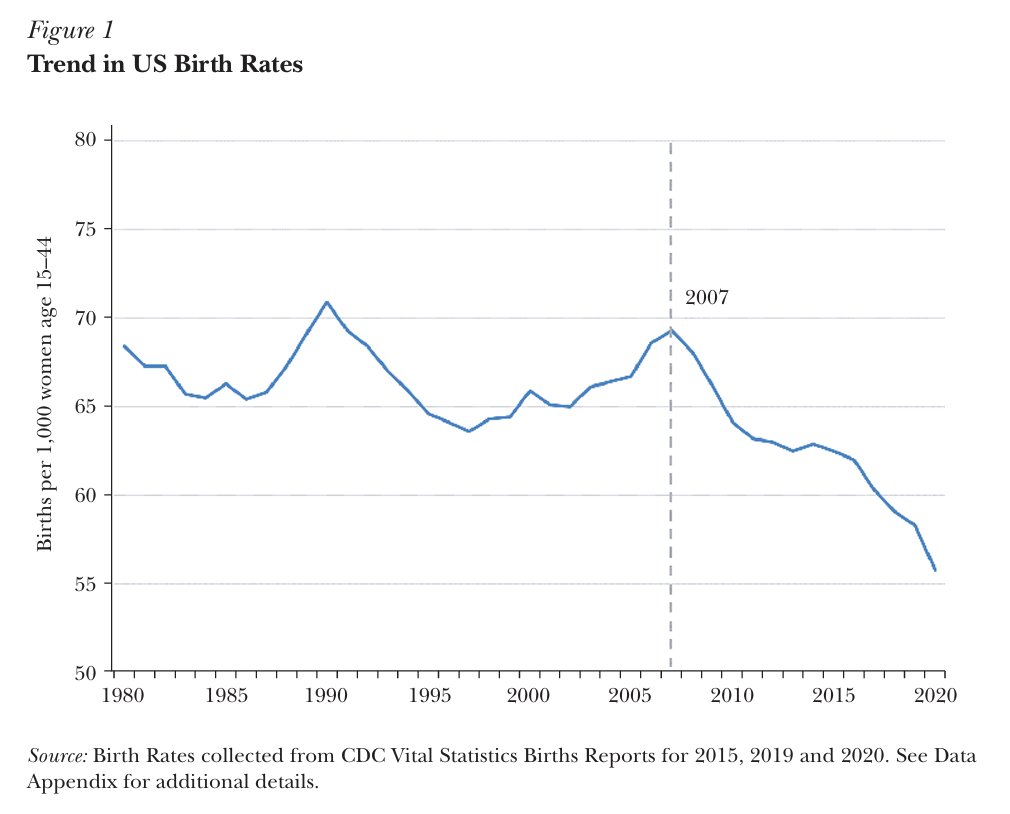



The United States is in the midst of a consequential demographic transition, marked by the dual trends of a sustained decline in the country’s birth rate and a rise in life expectancy. Since 2007, the birth rate has been on a downward trend, falling to a historic low in 2023. At the same time, average life expectancy has risen by 8 years since the middle of the 20th century. In a new series of papers, the AESG considers the long-term economic impacts of these shifts.



Our inaugural newsletter is now live! Inside: new research, policy analysis, and data on family stability and economic mobility. Explore the full issue – including interactive data like the chart below 🔗⤵️

Stay connected with the Strengthening Families Research Initiative. 👇 Sign up for our newsletter for updates on new research, policy insights, and our work to support strong, healthy families.
The neuroscience here is more radical than people realize. What you’re watching is a hormonal phase transition. Within minutes of skin-to-skin contact with a newborn, a father’s endocrine system starts a cascade that rewires his brain for the next 20 years. Testosterone drops 34% on average. Gettler’s 2011 landmark study at Notre Dame tracked 624 men and found that the ones who spent 3+ hours per day in direct childcare had the steepest declines. This matters because testosterone and parental sensitivity are inversely correlated. Lower T predicts more responsiveness to infant cues, more physical touch, more synchrony with the child’s emotional states. Meanwhile, oxytocin surges 33% above non-father baselines. Prolactin spikes. Estradiol rises. These are the same hormones that activate in mothers during pregnancy and breastfeeding. The entire “maternal bonding” cocktail fires in fathers through a different delivery mechanism: proximity and touch. Here’s where it gets wild. Dr. Pilyoung Kim at the University of Denver scanned fathers’ brains at 2-4 weeks postpartum and again at 12-16 weeks. The regions linked to attachment, empathy, and threat detection showed measurable increases in gray and white matter. The brain physically bulked up in areas responsible for protection and caregiving. And in mice studies, neurogenesis (new neuron formation) occurred in father brains within days of their pups being born. But only in fathers who stayed in the nest. The ones removed on day one showed zero new neuron growth. Physical contact was the switch. So the claim about brains being “literally rewired for protection” actually undersells it. The father’s brain grows new tissue. It shifts its entire hormonal architecture from mating optimization to caregiving optimization. The reward circuitry that previously activated for sexual stimuli redirects toward child faces and infant cries. The biological mechanism for fatherhood is one of the most aggressive neuroplastic events in the adult male lifespan. And it’s entirely dose-dependent: more contact, more holding, more time in proximity = stronger the neural and hormonal shift. That first hold is a pharmacological event.
