
Sabitlenmiş Tweet
FarLife
10.3K posts

FarLife
@FarLife1
The Universe is indifferent. – FarLife –
The Cosmos Katılım Nisan 2022
4.9K Takip Edilen22.4K Takipçiler
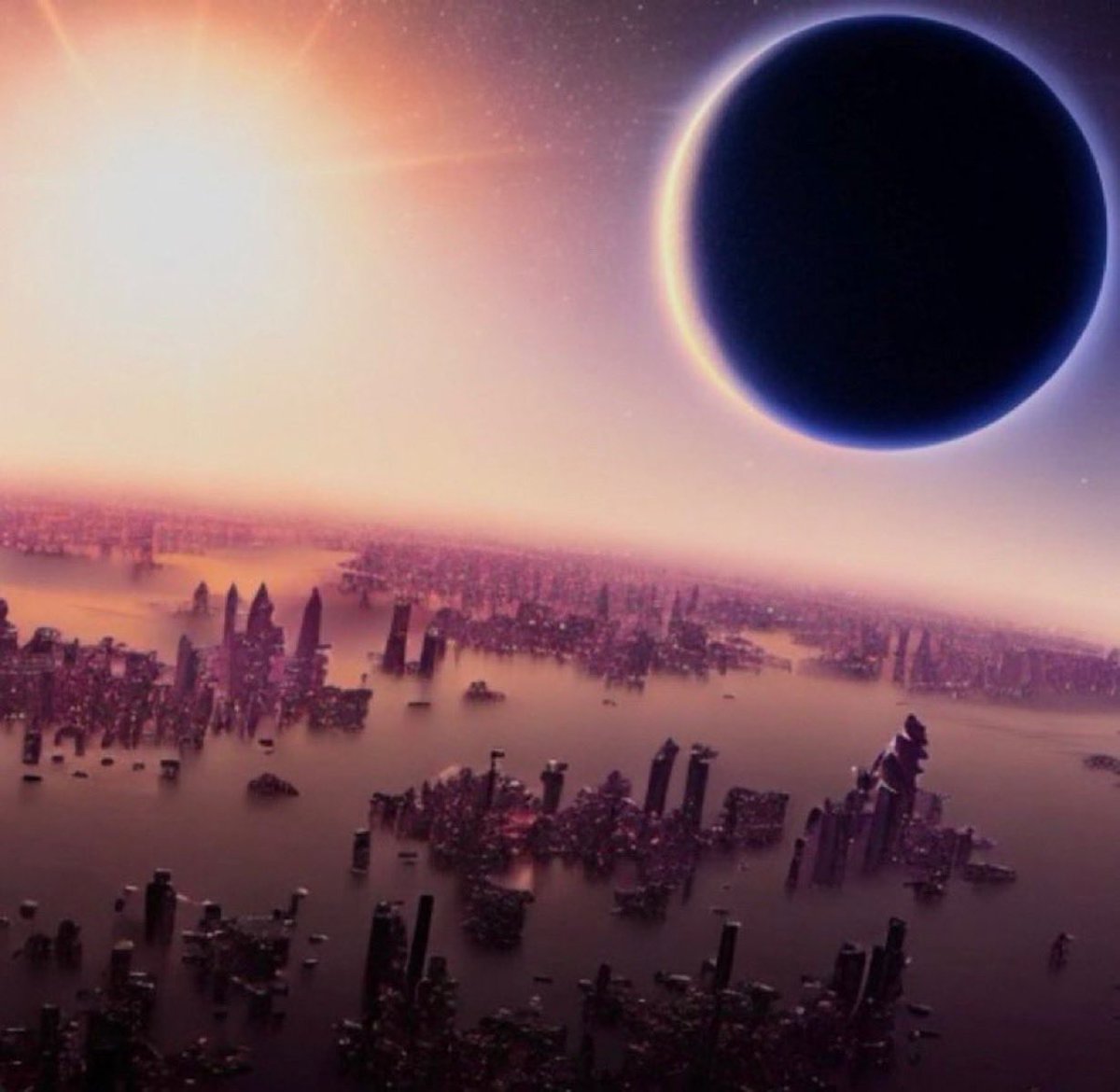

@bobjrfarm1 Advanced life is likely rare. Microbial life is probably abundant.
English


@FarLife1 It's certainly possible but unlikely due to the vastness of not just space, but also that of time.
English

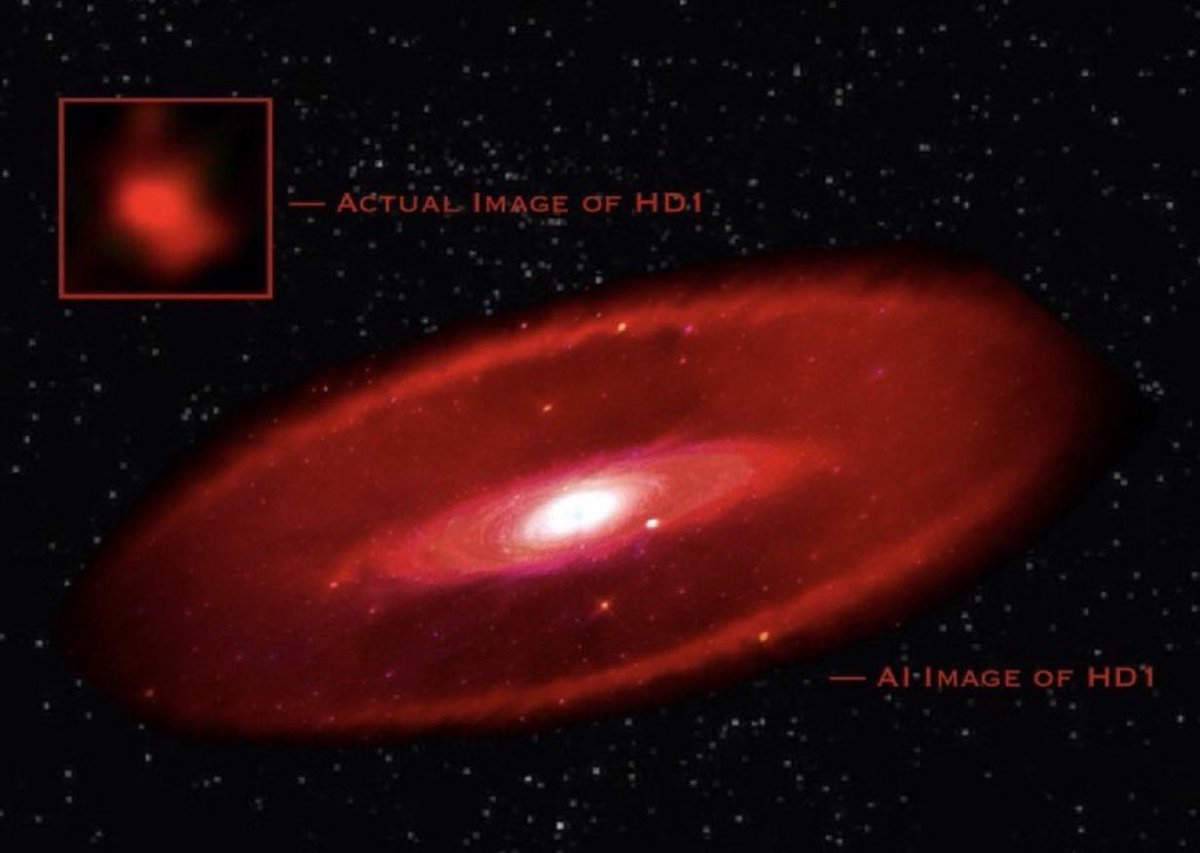
HD1 is one of the most distant galaxies ever discovered. Considering the rate of expansion of the Universe, its estimated “proper distance” is 33.4 billion light-years away. It’s one of the earliest galaxies to grace the cosmos, created about 324 million years after the Big Bang.
English
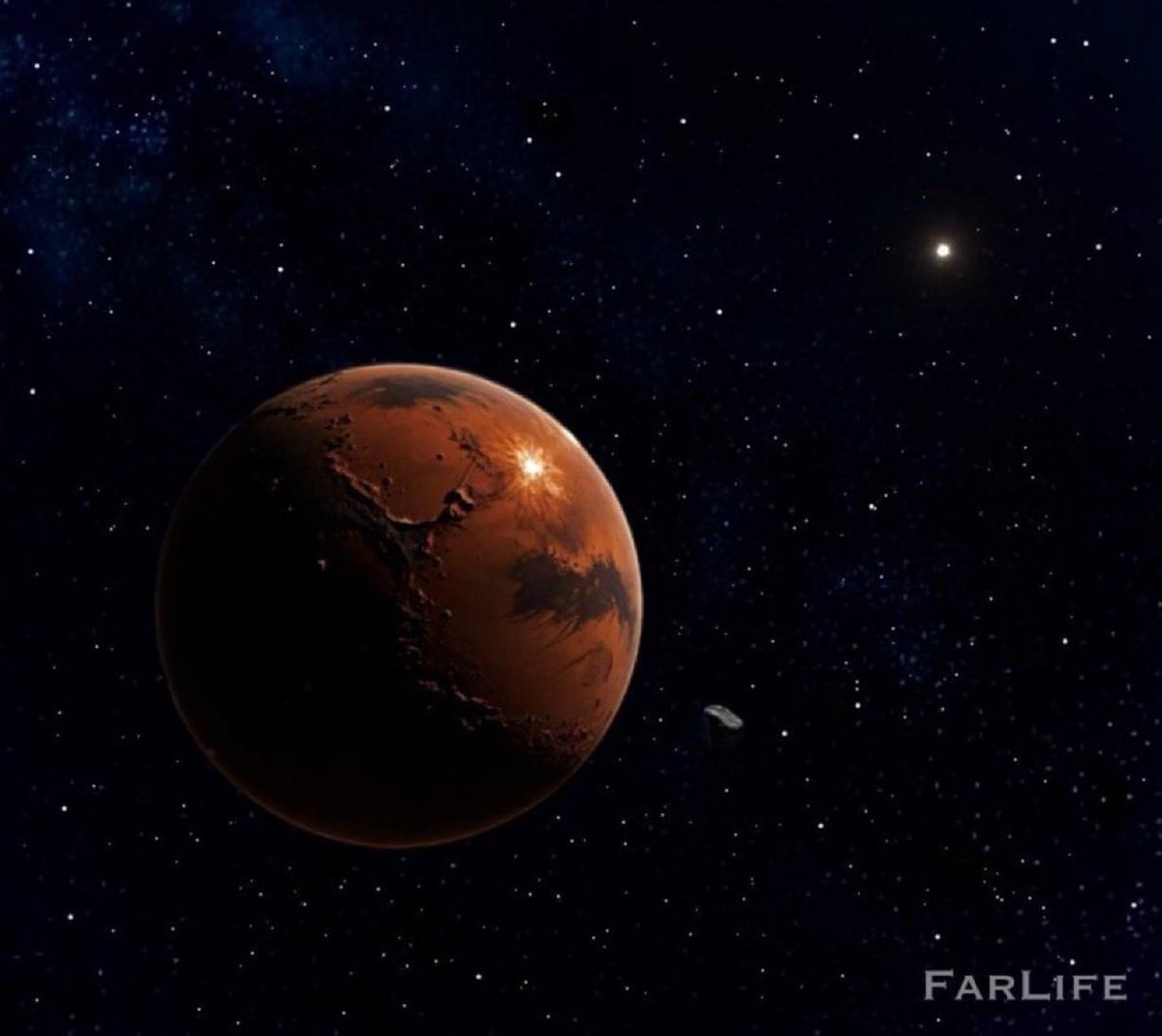
Makemake is a dwarf planet with a diameter of approximately 1,430 miles, and it’s composed primarily of rock and ice. This interesting world has a surface that’s covered in a layer of methane, ethane, and nitrogen ices, which makes the dwarf planet appear reddish-brown in color.
English
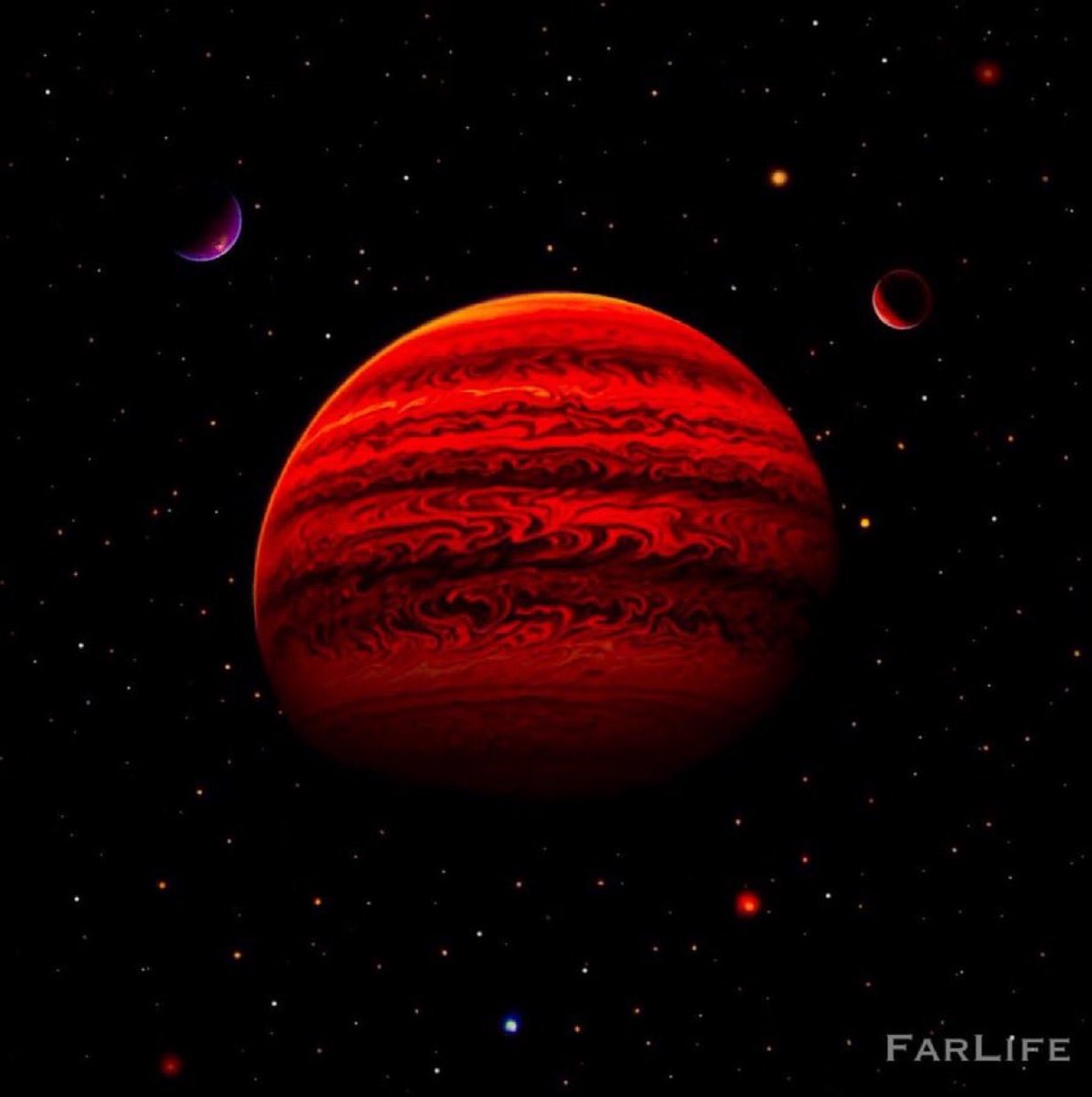
A brown dwarf is too massive to be categorized as a planet, but not massive enough to undergo nuclear fusion, a requirement for star classification. As a result of that, these unique substellar objects lie somewhere in between. Nevertheless, brown dwarfs can still host planets.
English
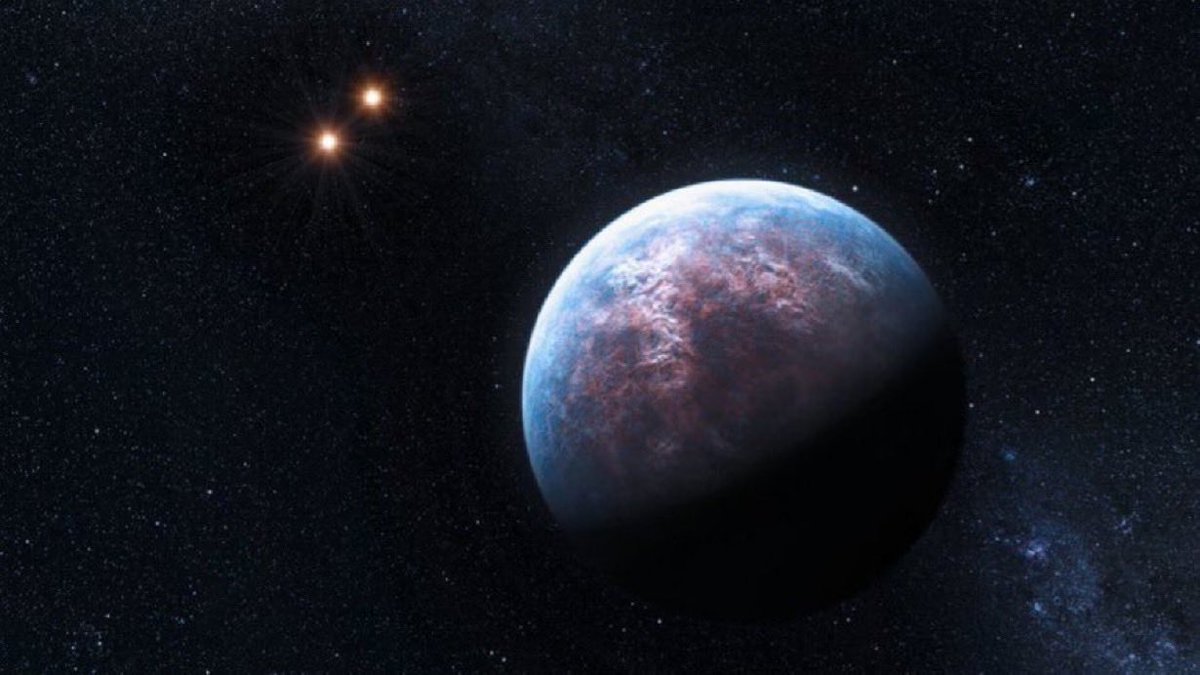
Gliese 667 is a triple-star system located 23 light-years from Earth. This system hosts 7 known exoplanets, with 3 of those positioned within the 'habitable zone.
Gliese 667 Cc is a super-Earth exoplanet that has promising potential. Maybe this is where we first find aliens.
English

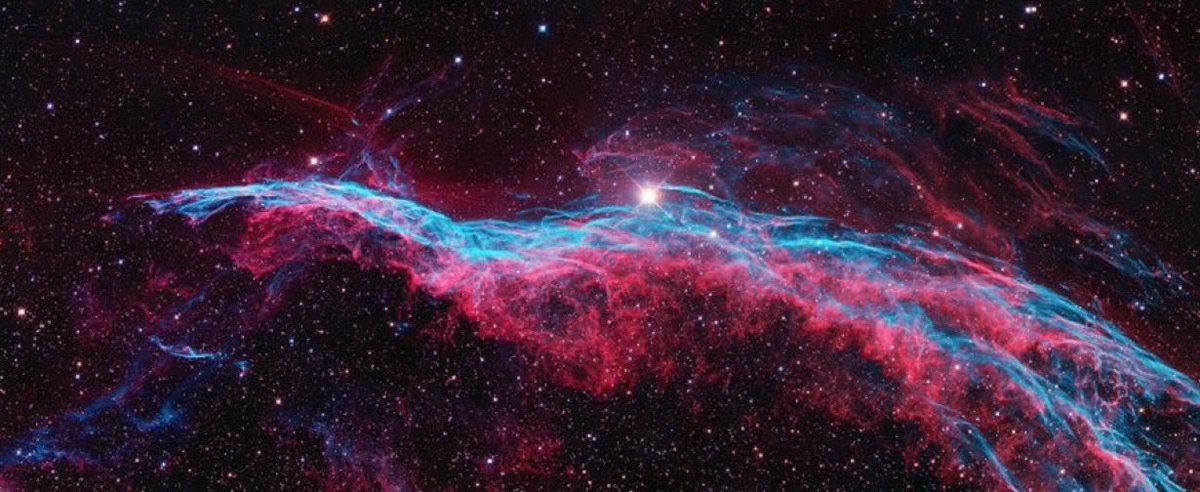
The Western Veil Nebula is utterly magnificent.
Also known as NGC 6960, this marvelous supernova remnant is located roughly 2,000 light-years away in the constellation Cygnus.
Veil is an expanding shell of bright gas & dust originating from a star that exploded 7,000 years ago.
English

@AstroDesires Appreciate that!
I have been meaning to get back into posting and sharing more personal thoughts and interests on space and science.
With the way this platform is now, it’s certainly hard to be motivated, but comments like yours definitely help.
Stay tuned!
English

@FarLife1 We miss you FarLife
I understand this platform sucks but if you're interested in spaceflight then you should think about posting your own thoughts and stuff, anything that comes into your mind, no burden..
English
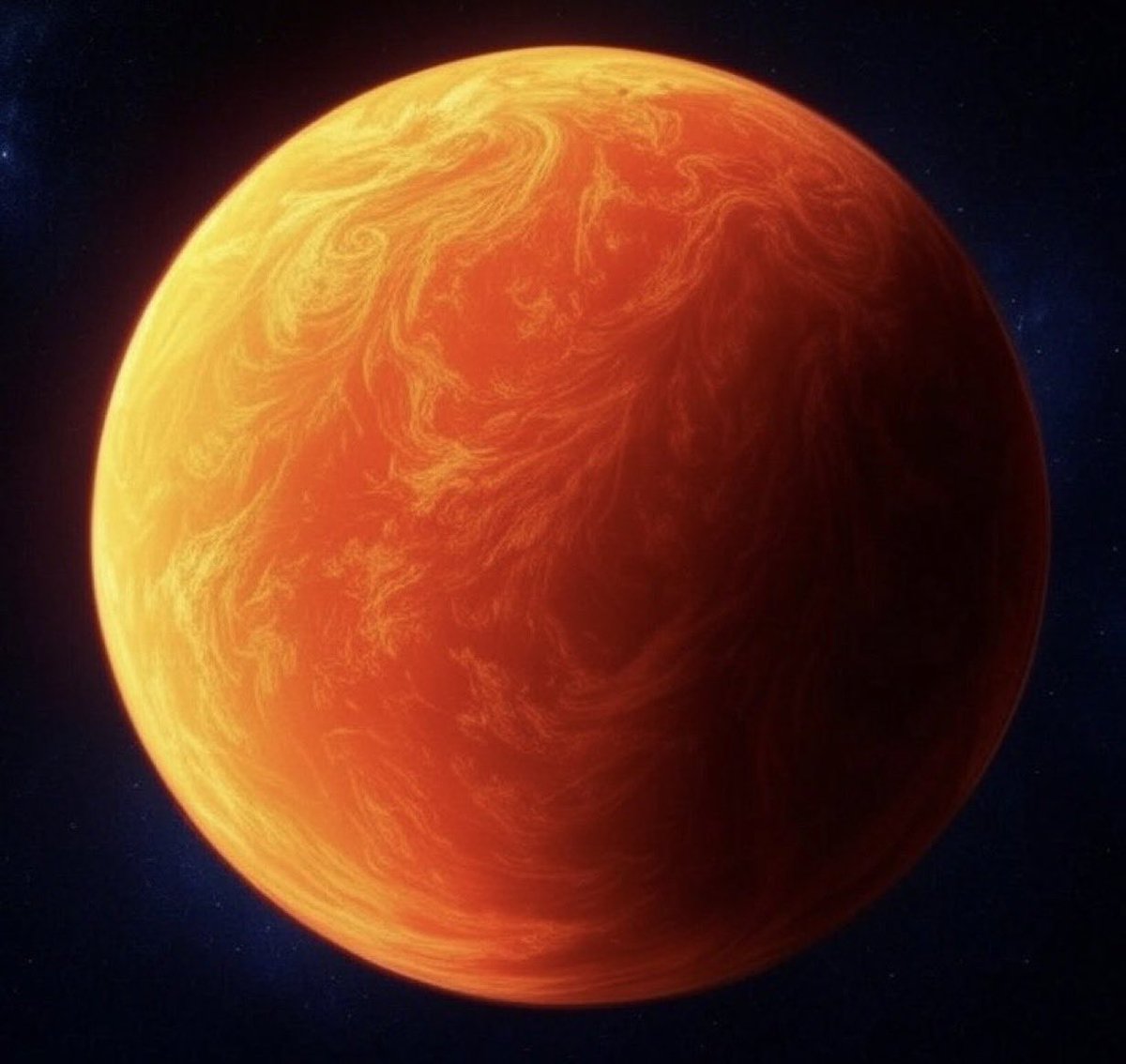
Cuancoá (LTT9779b) is the brightest exoplanet ever observed.
This dazzling planet is located roughly 262 light-years from Earth, and its atmosphere is thought to be composed of reflective metallic clouds.
Temperatures on this scorching inferno can reach 3,632°F!
Staggering. 🥵
English
Eris is a confirmed dwarf planet located in the distant Kuiper Belt.
On average, this unique body is 3 times further from the Sun than Pluto.
Eris’ discovery in 2005 was a major reason for the declassification of Pluto from a planet to a dwarf planet.
Interesting object.

English
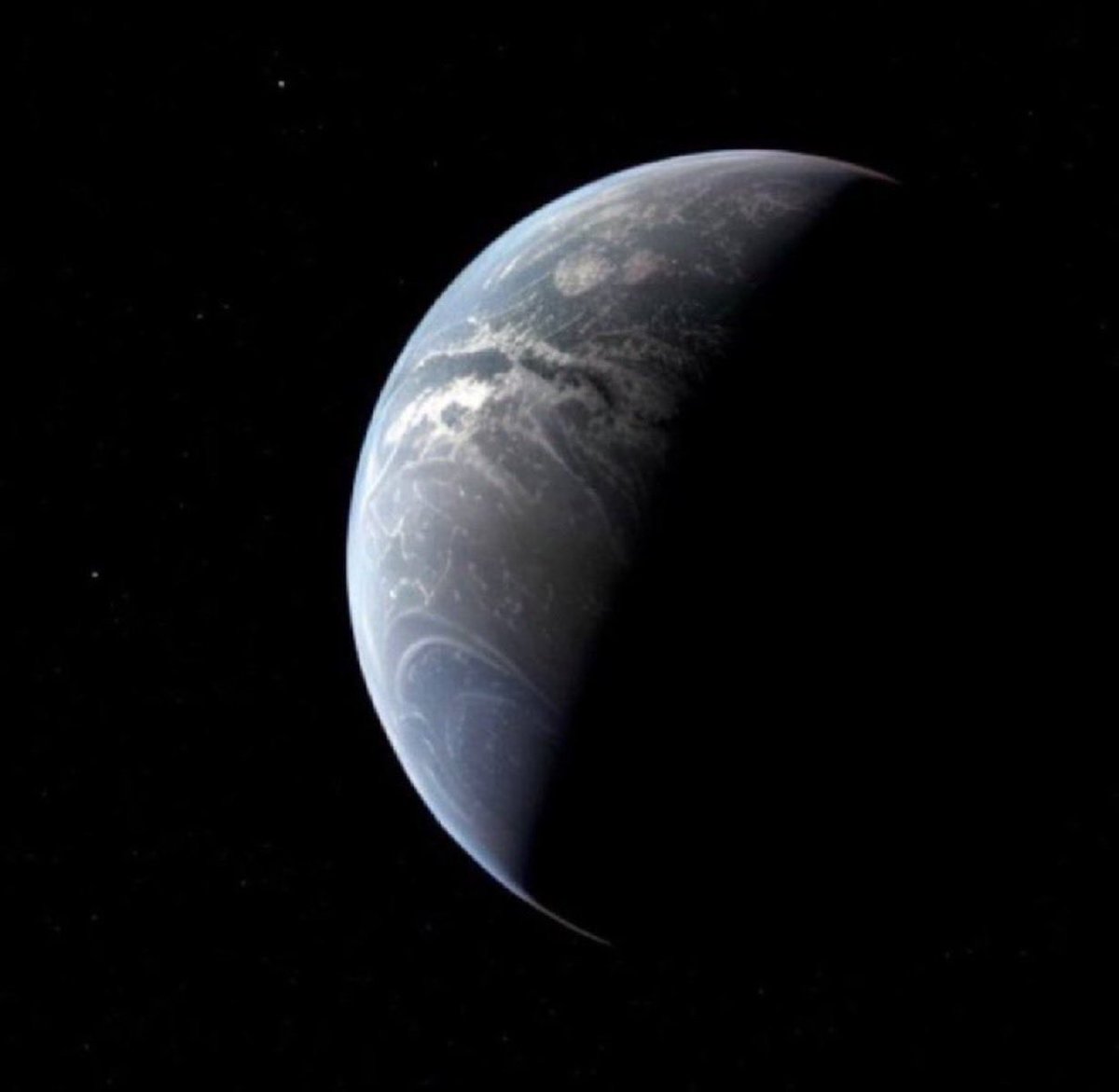
Kepler-37b is the smallest exoplanet ever discovered around a Sun-like star. Referred to as a sub-Earth exoplanet, it’s smaller than the planet Mercury and only slightly larger than the Moon.
37b is located very close its star, completing one full orbit in roughly 13 days.
English

TOI-1452b is a super-Earth exoplanet located 100 light-years from Earth. It orbits around a red dwarf star roughly every 11 days. This intriguing exoplanet is thought to be a water world. Its entire surface is covered in a thick layer of H2O, amounting to 30% of the planets mass.

English