
Francisco de la Torre 🥑

68.1K posts

Francisco de la Torre 🥑 banner
Francisco de la Torre 🥑

Francisco de la Torre 🥑

@fdelatg

Hecho en 🇲🇽. Antes 🇧🇷 🇦🇷 🇺🇸. Hoy Embajador 🇮🇩. Chef wannabe. Tweets personales. UNAM. #OrgulloSEM

Katılım Mayıs 2013
1.8K Takip Edilen9.7K Takipçiler
Francisco de la Torre 🥑 retweetledi

FIFA
FIFA@FIFAcom·
Hello (again), Mexico City! 😍 This incredible stadium is set to make history when it becomes the first venue to host three @FIFAWorldCup opening matches on June 11. Co-hosts Mexico face South Africa in a repeat of the 2010 tournament opener.
FIFA tweet media
English
89
803
5.5K
121.4K
Francisco de la Torre 🥑 retweetledi
Museo Frida Kahlo
Museo Frida Kahlo@museofridakahlo·
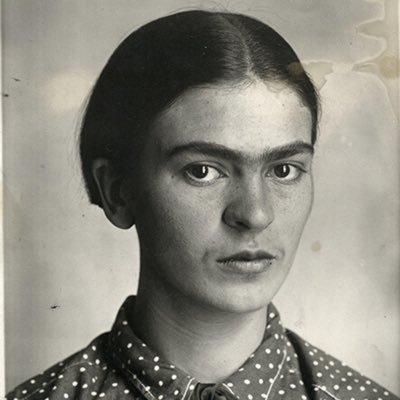
Natalicio de Lola Álvarez Bravo. Hoy conmemoramos el nacimiento de una de las figuras centrales de la fotografía moderna en México.  Lola Álvarez Bravo fue una pieza clave en la consolidación de la identidad visual del México posrevolucionario. Su estrecha relación con Frida Kahlo y Diego Rivera permitió una documentación profunda y más humana de la vida y el entorno personal de estos grandes artístas.  ✨ Dato extra: Fue Lola quien organizó la única exposición individual de Frida en México mientras Frida aún vivía. 📸: Lola Álvarez Bravo (Lagos de Moreno, Jalisco, México, 1903 – Ciudad de México, 1993) Serie de Frida Kahlo número 11 / Frida Kahlo sentada en su tocador con la mano en su barbilla, ca. 1945 Center for Creative Photography Archives, University of Arizona
Museo Frida Kahlo tweet media
Español
1
9
35
947
Francisco de la Torre 🥑
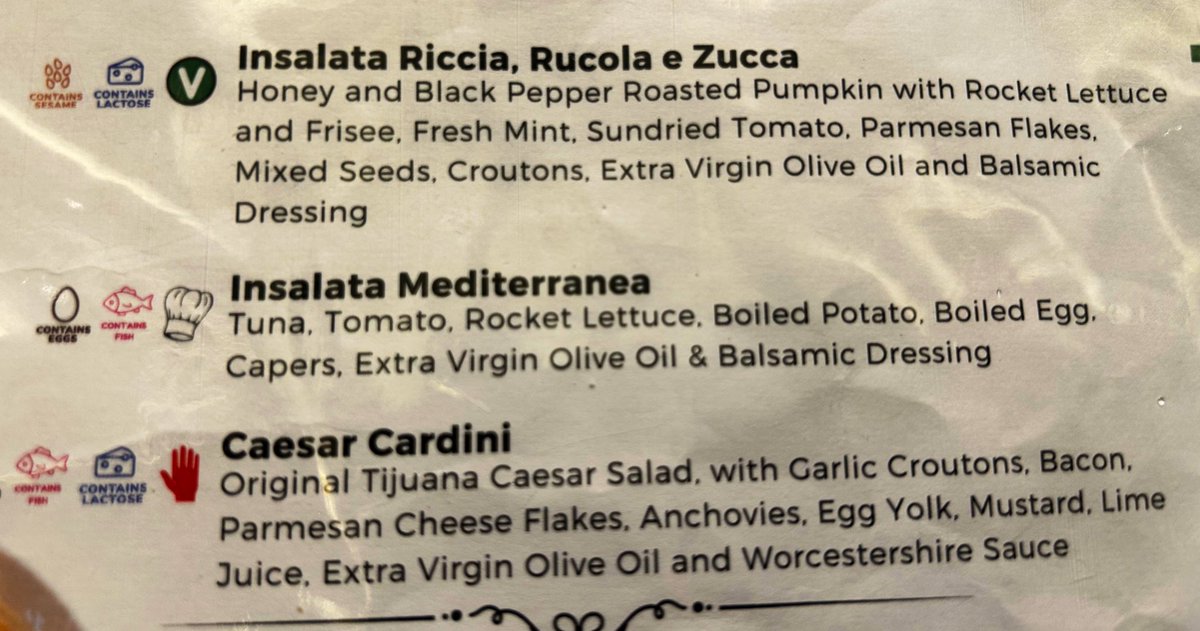
Muy orgulloso de encontrar en Indonesia 🇮🇩 un restaurante que reconoce que la ensalada César nació en Tijuana 🇲🇽. La versión más aceptada es que fue creada en 1924 por Caesar Cardini en su restaurante Caesar’s Restaurant, con ingredientes sencillos y preparación en mesa, un clásico global. Hoy, a miles de kilómetros, su origen mexicano sigue siendo reconocido. Un ejemplo de cómo nuestra historia y creatividad también han dejado huella en la cocina universal.
Francisco de la Torre 🥑 tweet media
Español
1
3
25
580
Francisco de la Torre 🥑
Muy orgulloso de encontrar en Indonesia 🇮🇩 un restaurante que reconoce que la ensalada César nació en Tijuana 🇲🇽. La versión más aceptada es que fue creada en 1924 por Caesar Cardini en su restaurante Caesar’s Restaurant, con ingredientes sencillos y preparación en mesa, un clásico global. Hoy, a miles de kilómetros, su origen mexicano sigue siendo reconocido. Un ejemplo de cómo nuestra historia y creatividad también han dejado huella en la cocina universal.
Francisco de la Torre 🥑 tweet media
Español
3
56
250
5.4K
Francisco de la Torre 🥑 retweetledi
Xavier Sol la Lande
Xavier Sol la Lande@XaviSol_·
🌎 | Concacaf en los Mundiales
Xavier Sol la Lande tweet media
Español
22
143
2.3K
444K
Francisco de la Torre 🥑
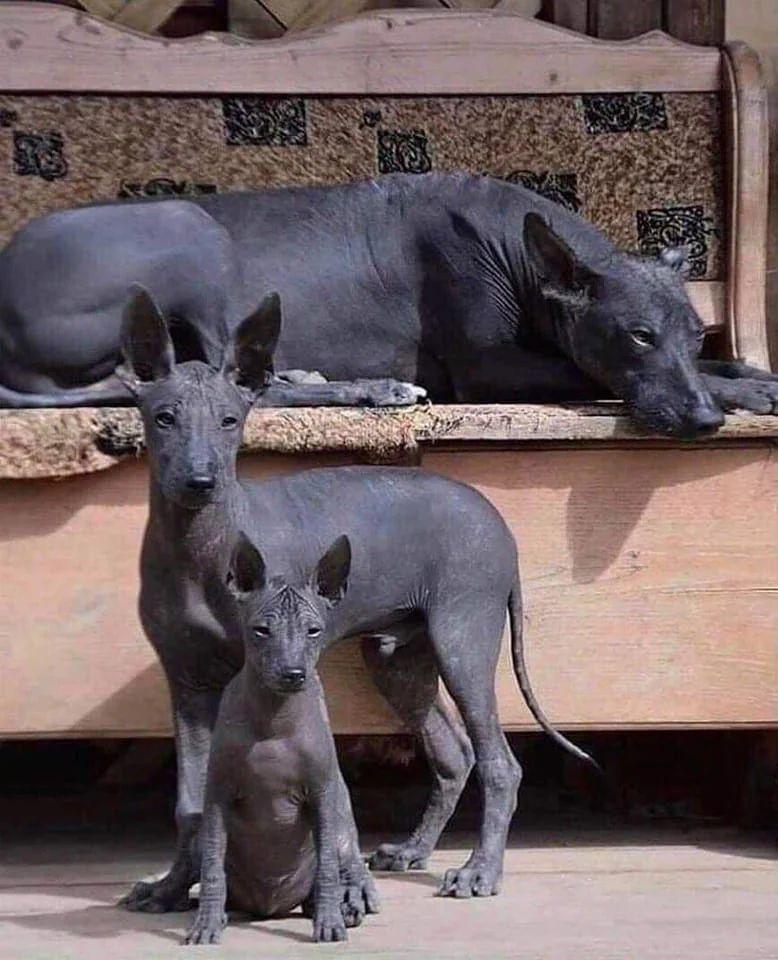
The Xoloitzcuintli is one of the most distinctive and historically rich dog breeds in the world, deeply intertwined with the identity of Mexico. Its origins trace back over 3,000 years to pre-Hispanic civilizations such as the Aztec civilization, where it was far more than a companion animal. Revered as sacred, the Xoloitzcuintli was believed to guide the souls of the dead through the underworld, known as Mictlan. This spiritual role gave the breed a profound symbolic importance, linking it to concepts of death, protection, and the afterlife. Culturally, the Xoloitzcuintli represents continuity between Mexico’s ancient past and its modern identity. Archaeological findings, including ceramic figures and burial offerings, demonstrate its long-standing presence and significance. Today, it remains a national symbol, celebrated in art, literature, and even recognized as a heritage breed. Its unique appearance, characterized by its hairless body, warm skin, and calm demeanor, adds to its aura of originality and mystique. What makes the Xoloitzcuintli truly remarkable is not only its antiquity but its resilience. Despite periods of decline following the Spanish conquest, the breed survived and was revitalized in the 20th century. Its preservation reflects a broader effort to honor and protect Mexico’s indigenous heritage. In essence, the Xoloitzcuintli is a living testament to Mexico’s history, spirituality, and cultural originality, an enduring symbol of a civilization that continues to shape the nation’s identity today.
English
0
3
13
718
DaVinci
DaVinci@BiancoDavinci·
A family of Xolos, one of the most ancient dog breeds in the world.
DaVinci tweet media
English
64
1K
13.8K
137.6K
Francisco de la Torre 🥑 retweetledi
Ethereal Cities
Ethereal Cities@ForeverPhotos88·
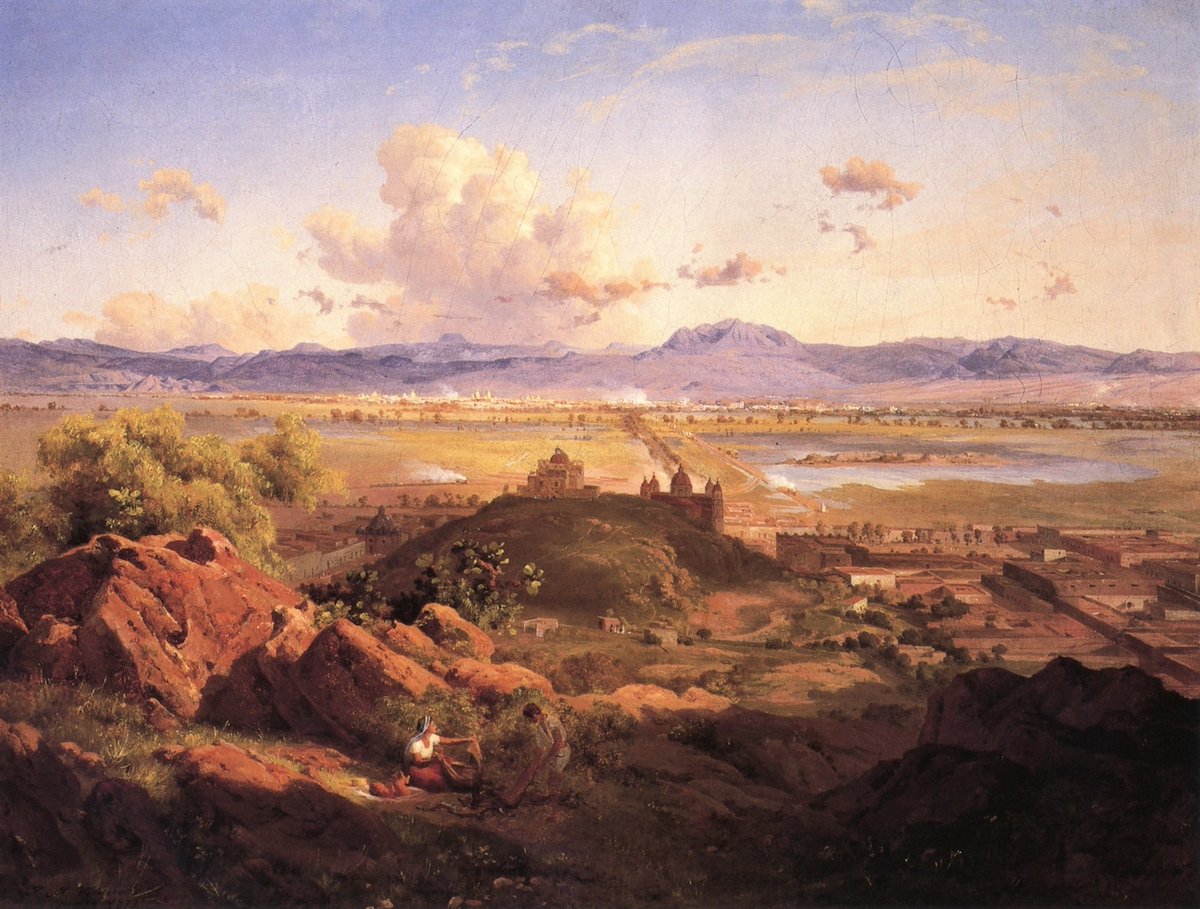
Mexico City, Mexico 🇲🇽
Ethereal Cities tweet media
Español
4
146
3.7K
33.2K
Francisco de la Torre 🥑 retweetledi
ArchaeoHistories
ArchaeoHistories@histories_arch·
A pristine ancient tomb was just uncovered in Mexico….. Archaeologists in the central valleys of Oaxaca have unveiled what is being called the most significant archaeological discovery in Mexico in over a decade. Dating back to the early seventh century, the pristine Zapotec tomb was located following an anonymous tip regarding looting. Its most striking feature is an elaborate stone antechamber dominated by a massive, sculpted owl head—a Zapotec symbol of night and death—with the painted face of a man, likely a high-ranking lord, protruding from its open beak. The entrance is further flanked by life-sized, painted carvings of a man and woman in ceremonial attire, believed to represent either the ancestors buried within or the tomb’s eternal guardians. Beyond the entrance, the burial chamber reveals a vibrant world of ancient ritual preserved through intricate murals and calendrical inscriptions. Painted in vivid ochre, white, and blue, the walls depict a procession of figures carrying copal resin toward the entrance, offering a rare glimpse into the funerary practices of the 'Cloud People.' Researchers from Mexico’s National Institute of Anthropology and History (INAH) are now working to stabilize the delicate pigments and decode the tomb’s unique iconography. This find provides unprecedented insight into the social hierarchy and spiritual belief systems of the Zapotec civilization, ensuring that these centuries-old stories survive for future generations. © Anderson, S. (2026). This Carved, Painted Zapotec Tomb Is Mexico’s Most Important Archaeological Discovery in a Decade. Smithsonian Magazine. #archaeohistories
ArchaeoHistories tweet media
English
8
110
886
22.4K
Francisco de la Torre 🥑
May this season of Good Friday and Easter invite us into a deeper moment of pause, one filled with reflection, gratitude, and quiet renewal. In the stillness of these days, may we find space to remember what truly matters: compassion for one another, faith in brighter days ahead, and the enduring strength of hope even in the face of hardship. May our hearts be filled with kindness and our spirits renewed with purpose. Wishing all who observe a truly peaceful and meaningful time surrounded by love, guided by hope, and uplifted by the simple yet profound joy of being together with those who matter most.
English
0
1
7
99
Francisco de la Torre 🥑 retweetledi
ENRIQUE OCHOA
ENRIQUE OCHOA@OCHOA_MX_UN·
🧵 1/7 México es uno de los pocos países en el mundo que ha ratificado las 9 Convenciones universales y las 9 regionales de derechos humanos. Tenemos un historial ejemplar en cooperación con el sistema internacional.
Español
29
64
164
24.5K
Francisco de la Torre 🥑 retweetledi
EL PAÍS México
EL PAÍS México@elpaismexico·
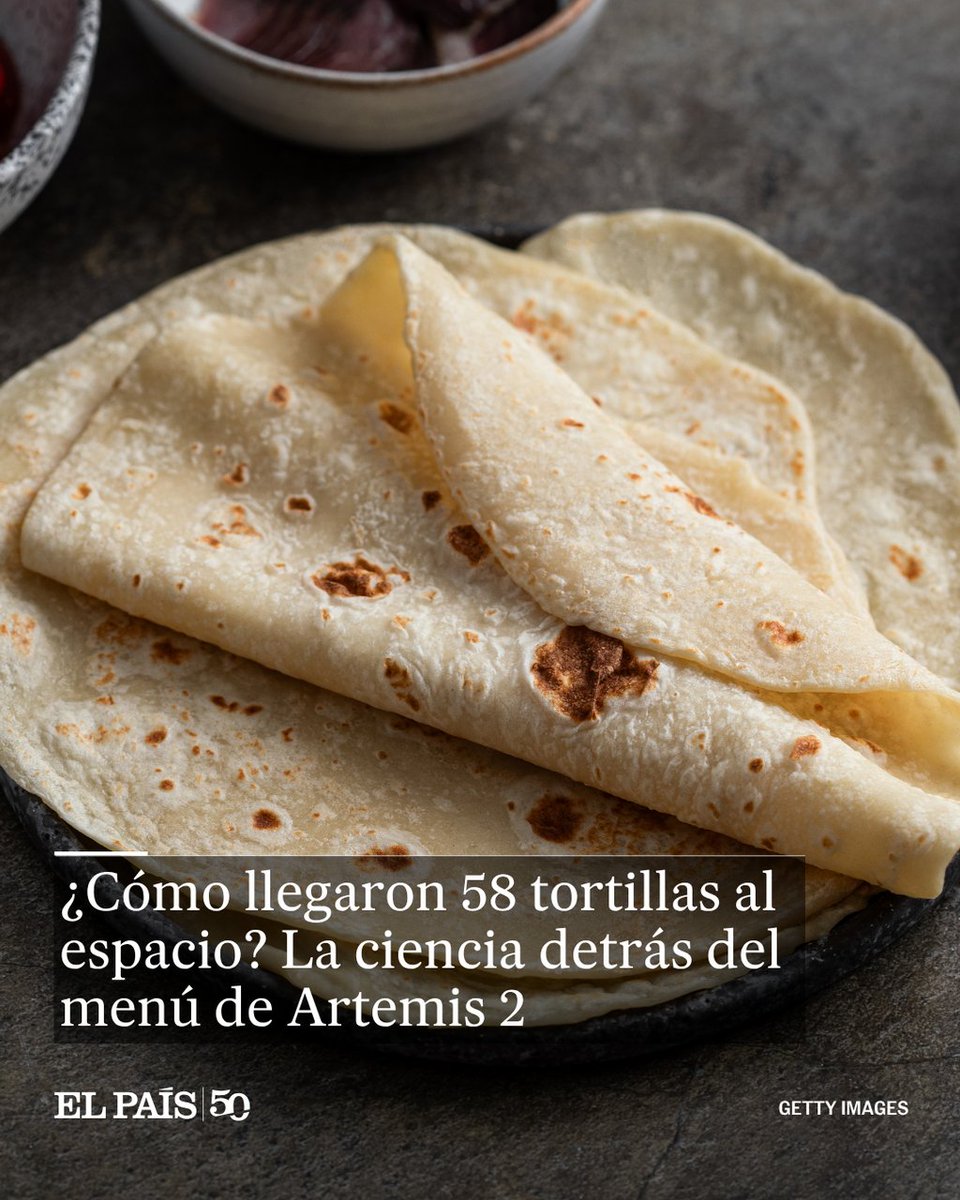
Las tortillas de harina se han convertido en un alimento imprescindible para las misiones de la NASA desde 1985, cuando Rodolfo Neri Vela, el primer astronauta mexicano en ir al espacio, pidió que se incluyeran en el menú de la misión STS-61B dozz.es/m0shs38
EL PAÍS México tweet media
Español
8
191
544
21.2K
Francisco de la Torre 🥑 retweetledi
ATP Challenger
ATP Challenger@ATPChallenger·
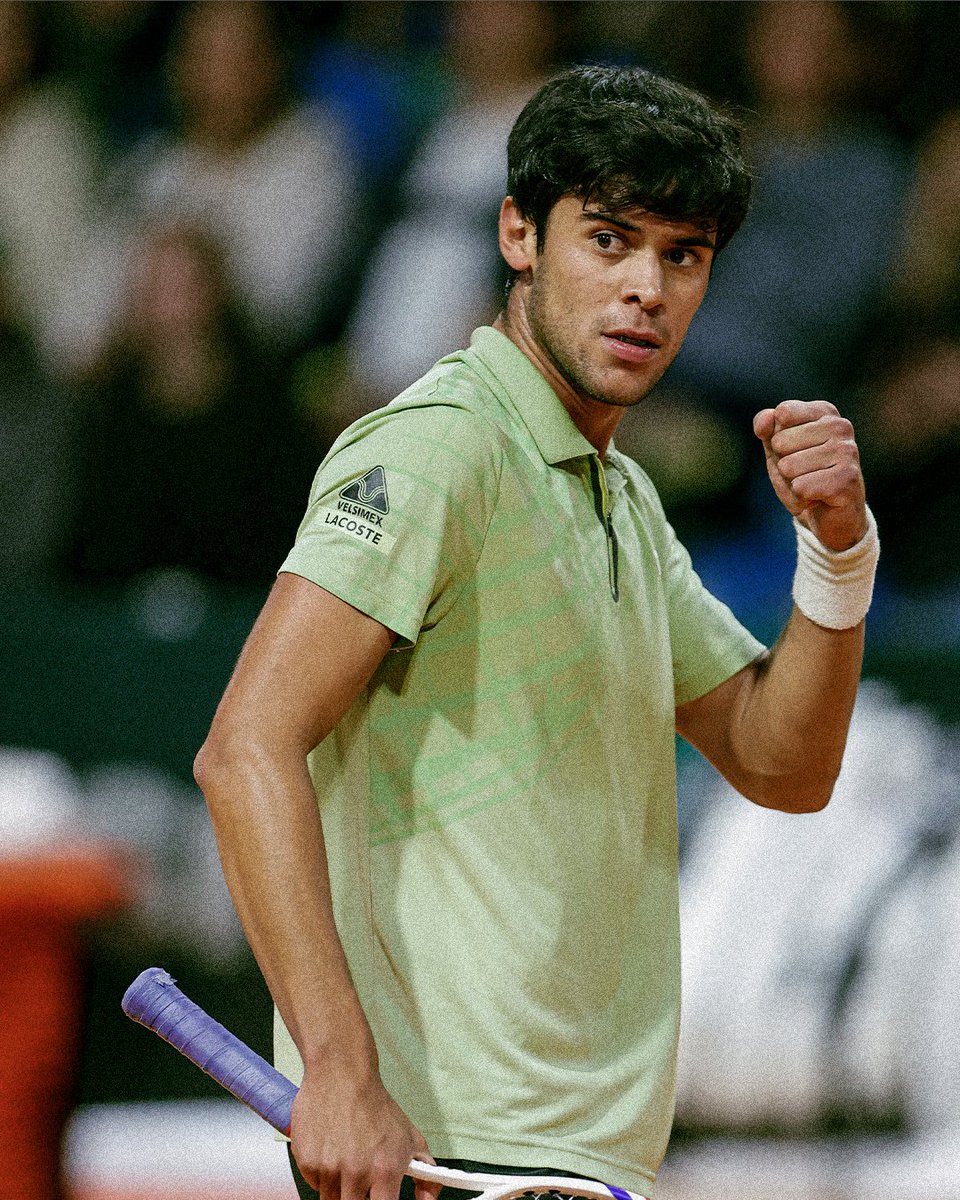
He's on fire 🔥 20-year-old 🇲🇽 Rodrigo Pacheco Mendez reaches his 4th consecutive Challenger quarterfinal in front of his home fans. #ATPChallenger | San Luis Potosi
ATP Challenger tweet mediaATP Challenger tweet media
English
3
38
453
13.4K
Francisco de la Torre 🥑 retweetledi
Luis del Pino
Luis del Pino@ldpsincomplejos·
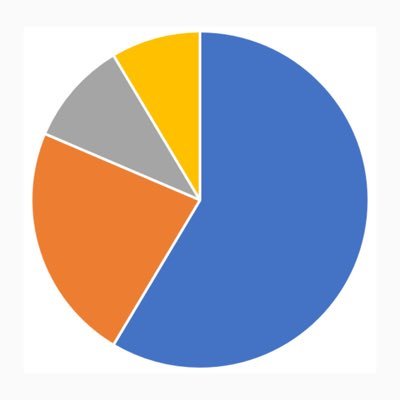
El español es un idioma con estructura SVO: el orden normal de las frases es Sujeto-Verbo-Objeto. Hay seis tipos de idiomas, si atendemos al orden que normalmente tienen esas cláusulas: - SOV (el más habitual, 41% de los idiomas son de este tipo: japonés, coreano...). "Juan carne come" - SVO (35% de los idiomas: español, chino...). "Juan come carne" - VSO (7%: árabe...). "Come Juan carne" - VOS (2%: malagasy...). "Come carne Juan" - OVS (0,8%: hixkaryana...). "Carne come Juan " - OSV (0,3%: warao...). "Carne Juan come". (el 14% restante son idiomas sin orden definido). Cada una de las seis categorías anteriores se puede subdividir en dos, según que el idioma tenga estructura flexible o rígida (es decir, si se puede o no alterar a veces la estructura, por ejemplo para enfatizar algo). El japonés es un idioma SOV rígido; el español es un SVO flexible. Dentro de una familia de idiomas hay una cierta tendencia a tener la misma estructura, heredada de algún proto-idioma, pero la evolución y el contacto entre idiomas hace que en las familias pueda haber idiomas con diferentes estructuras. Por ejemplo, en las lenguas indo-europeas tenemos idiomas SOV (indo-iranio), SVO (lenguas romances) y VSO (lenguas celtas).
Español
58
600
3.8K
225K
Francisco de la Torre 🥑
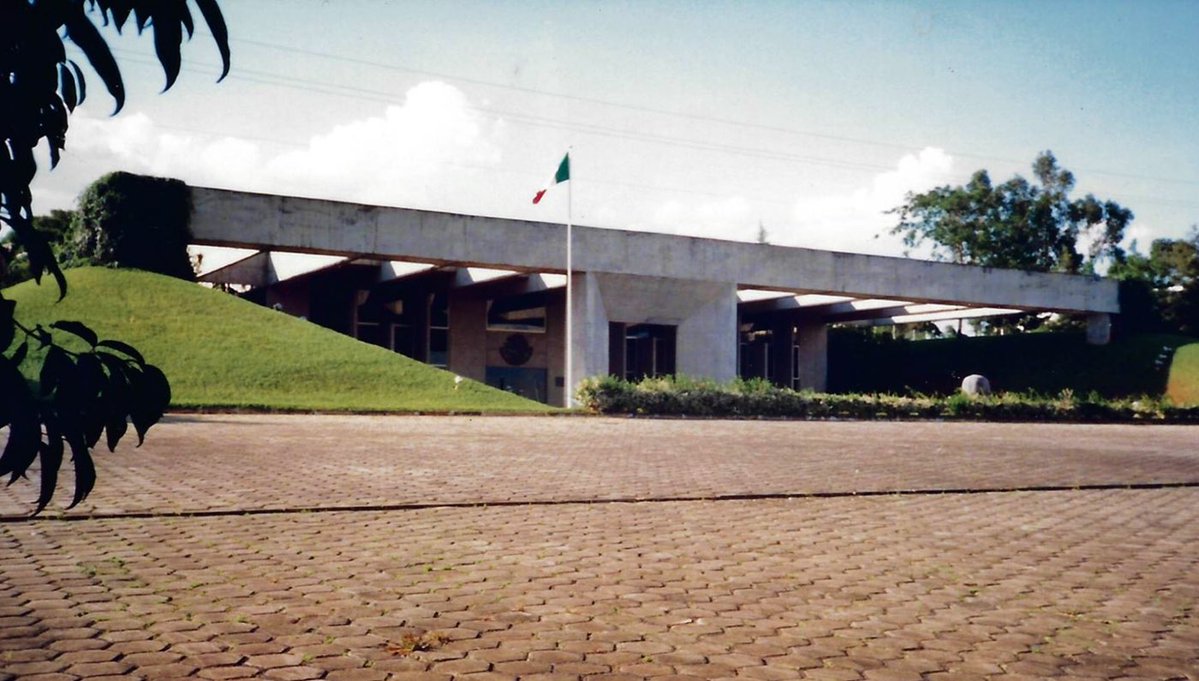
La Embajada de México en Brasilia, proyecto de los arquitectos Teodoro González de León, Abraham Zabludovsky y Francisco Serrano, es un ejemplo destacado de arquitectura moderna mexicana. Su diseño, de carácter brutalista, utiliza principalmente concreto expuesto y se organiza en tres edificios distribuidos en un terreno con desnivel, aprovechado mediante taludes ajardinados que evocan formas prehispánicas. La composición arquitectónica combina líneas simples y geométricas con referencias simbólicas a pirámides mesoamericanas y patios coloniales, destacando el uso del pórtico como elemento central y columnas monumentales inspiradas en los Atlantes de Tula, lo que crea un equilibrio entre identidad mexicana y el lenguaje moderno característico de Brasilia.
Francisco de la Torre 🥑 tweet mediaFrancisco de la Torre 🥑 tweet media
Español
0
1
4
218
Irene Barcenas
Irene Barcenas@barcenairene·
Las Torres de Mixcoac. Fueron diseñadas y construidas por los Arqtos Abraham Zabludovsky y Teodoro González León en 1969. Y las esculturas que las rodean obra de Mathias Goeritz.
Irene Barcenas tweet media
Gustavo A. Madero, Distrito Federal 🇲🇽 Español
4
29
81
1.6K
Francisco de la Torre 🥑 retweetledi
ArchaeoHistories
ArchaeoHistories@histories_arch·
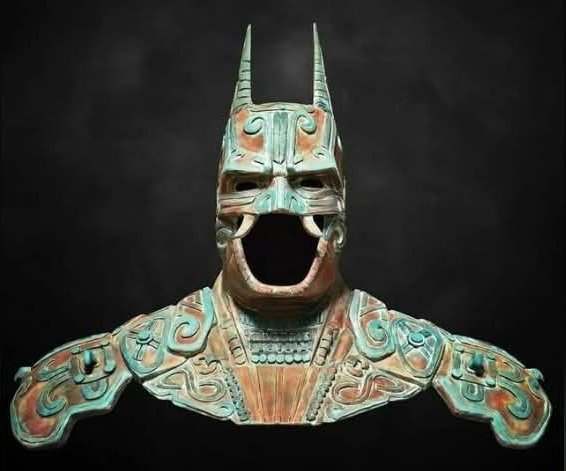
Camazotz - The Maya Batman : In 2014 Warner Bros summoned 30 artists to reinterpret Batman on the occasion of its 75th anniversary. One of those who accepted the assignment was Christian Pacheco, owner of the design firm Kimbal, based in Yucatán, Mexico. This was his design. Camazotz appears in Maya mythology, most notably in the Popol Vuh, as a bat-like figure associated with night, sacrifice, and the underworld. In one story, he is said to decapitate a hero during a trial in a deadly “House of Bats.” Pacheco’s design blends these elements with the recognizable silhouette of Batman. The elongated ears, open mouth, and carved detailing draw directly from Mesoamerican sculpture styles, while the chest and mask echo the armored presence of the comic character. The use of patina-like coloring also reflects aged stone or copper artifacts common in ancient works. Rather than a literal crossover, the piece explores how Batman’s core idea, fear as a symbol, might have existed in a completely different cultural and mythological framework. Bats held a complex role in Maya culture, not just as symbols of darkness, but also of transformation and rebirth, due to their association with caves (seen as entrances to the underworld). © Reddit #archaeohistories
ArchaeoHistories tweet media
English
0
84
483
15K
World of Statistics
World of Statistics@stats_feed·
University of Oxford is older than the Aztec Empire. Opening its doors in 1096.
English
33
38
713
45.9K