Leah Feldkamp, our Sales Director for the North Region, will be at SIIM in Pittsburgh.
If you're a health system leader in the North and you'll be there, reach out to Leah and set up time. Always better in person.
Our CFO, Peter Eason, will be at SIIM in Pittsburgh next month.
Peter comes at clinical AI from the finance side and is always interested in the conversations around what AI investments are actually returning, and how health systems are building the case internally.
Richard Sorberg, our Head of Analytics and Insights, will be joining the team at SIIM in Pittsburgh.
The question Richard keeps coming back to: how do health systems know if their AI is actually working? Not by the vendor's definition, but by theirs.
Ash Dhar thinks about medical imaging at a scale most of us don’t get to operate at.
On June 15, Ash joins the Ferrum team to talk about how health systems can govern clinical AI using data they already own in AWS.
June 15, 1:30 PM ET. hubs.ly/Q04gHFrZ0
Jamie Bergen, our Director of Operations and Insights, will be at SIIM in Pittsburgh.
Jamie's most curious about what health systems are learning now that some of these AI programs have been running for a while.
SIIM is one of the rare rooms where the clinical, technical, and operational sides of healthcare AI actually sit together.
Our CEO, Pelu, will be in Pittsburgh June 10-12. If you want to connect on where health systems are headed with clinical AI, this is a good week to do it.
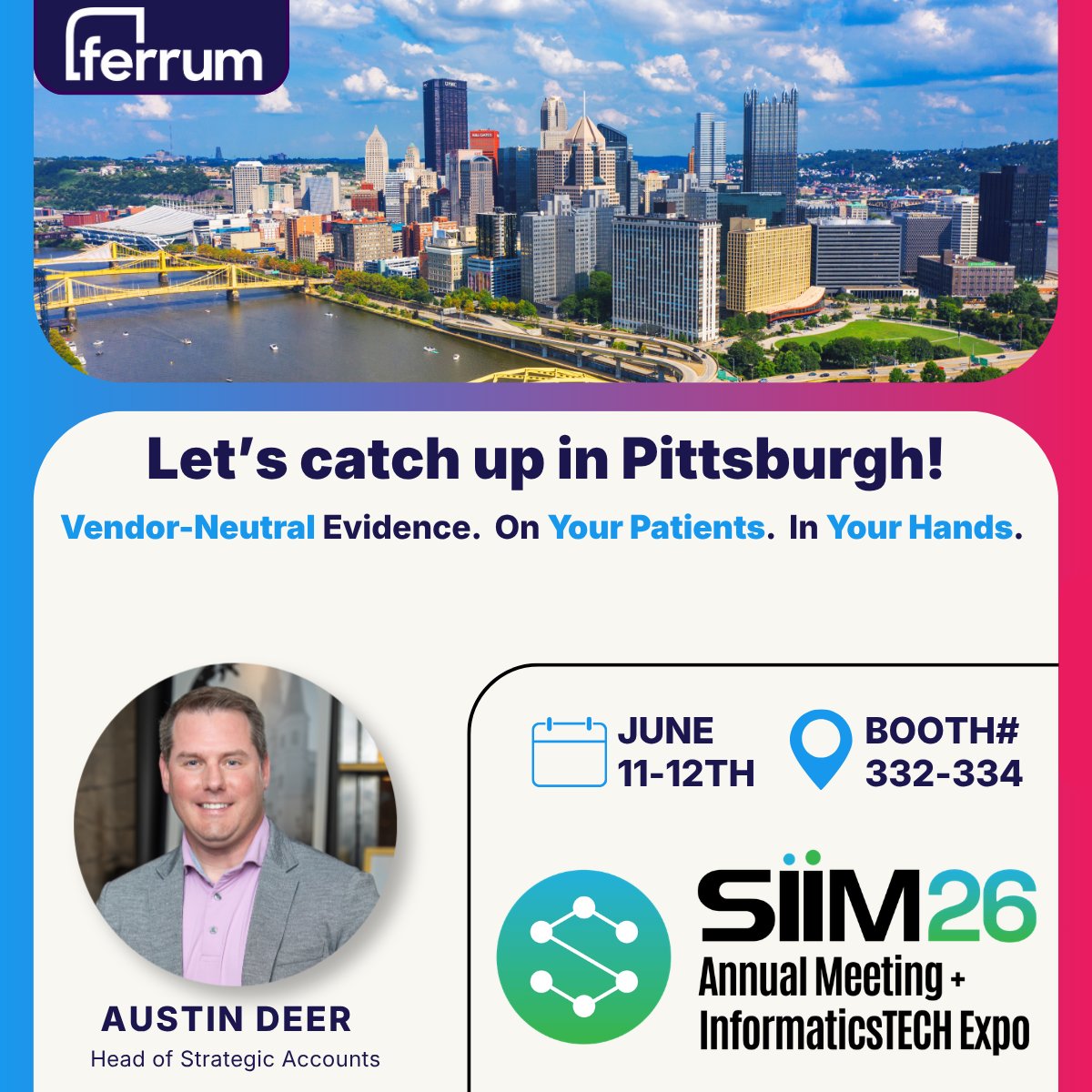
Our Head of Strategic Partnerships, Austin Deer, will be at SIIM in Pittsburgh, June 10-12.
If you're attending and want to talk about partnerships or just clinical AI broadly, Austin is the person to find. Reach out to set something up.
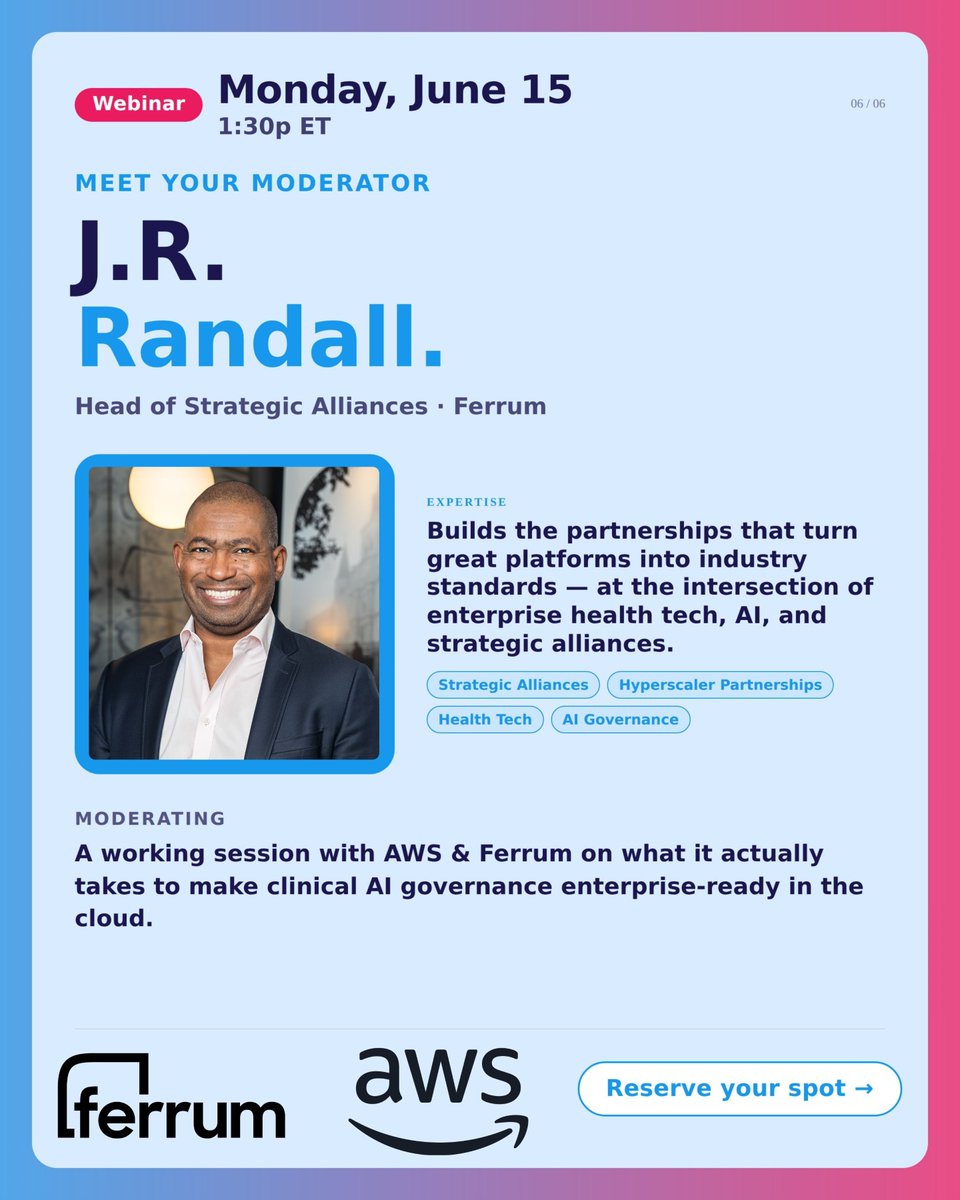
Mark your calendar: June 15, 1:30 PM ET.
Here’s a question that comes up more than people like to admit inside health systems running clinical AI: “How do we actually know this is working?”
Next month, JR Randall is sitting down with experts from Ferrum Health and @AWS to talk about what a real governance layer looks like in practice.
REGISTER HERE: hubs.ly/Q04gjR1v0
The Ferrum Health team is heading to SIIM 2026 in Pittsburgh, June 10-12.
We're looking forward to the conversations happening there, from imaging informatics to clinical AI governance, and everything in between.
If you'll be there, come find us. We'd love to connect.
Join AWS and the Ferrum team to walk through real examples of health systems that shifted from piecemeal dashboards to a cloud-first governance layer.
June 15th @ 1:30 EST. Register Here: hubs.ly/Q04fhfQt0
Ferrum 🤝 Hoppr
It's the perfect match, health systems can create and deploy governed foundation models that work for them. It's no longer health systems adapting to the AI but making the AI adapt to them.
Any idea, any model, governed and tested on your patient population.
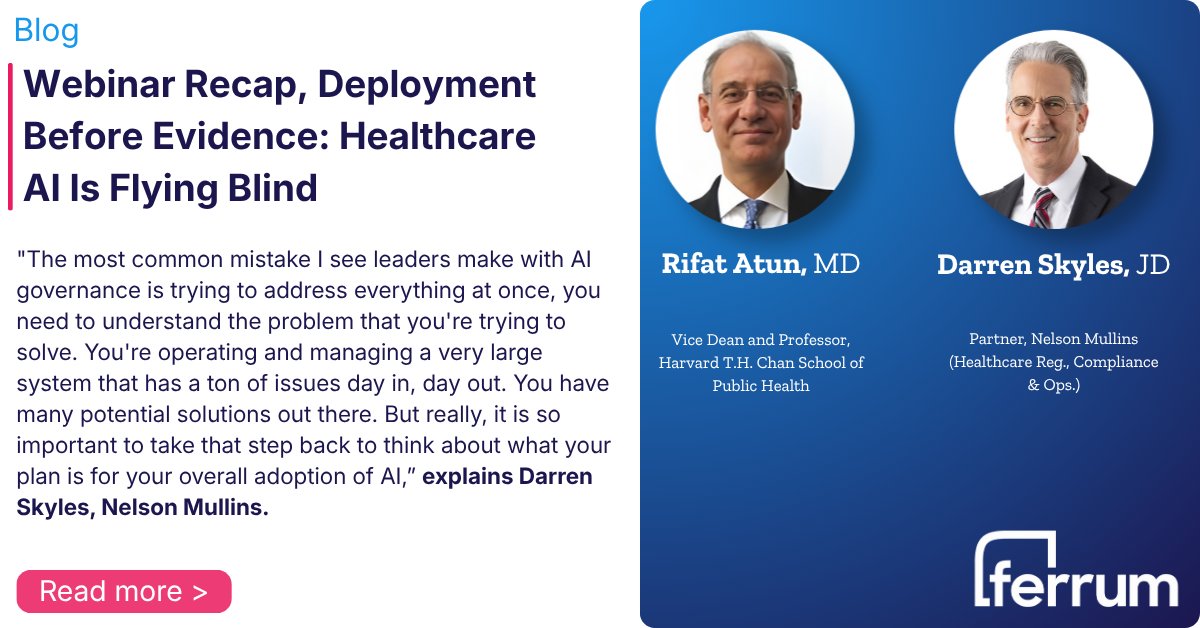
Last week, Ferrum brought a panel together for an honest conversation about what happens when clinical AI gets deployed before it's validated. The takeaway: governance is not the slide at the end of the project; it is the foundation.
hubs.ly/Q04d2SmL0
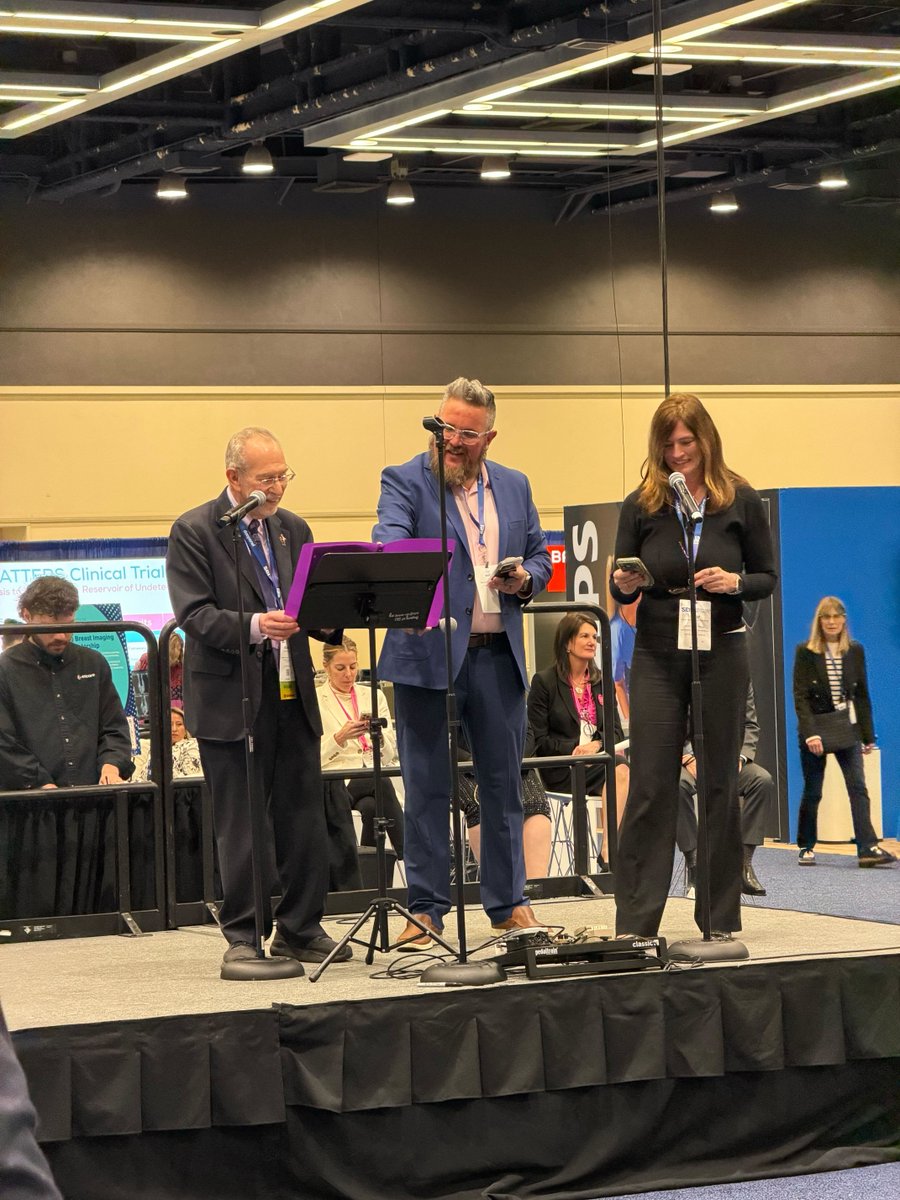
Meet @JoshDagenhart, decades of experience in Breast Imaging, expert in AI solutions. Also a singer. The line-up is stacked at Ferrum. He's accepting roses at our booth at SBI (#331). Stop by!
Thanks to Dr Mike Linver and Dr Sally Friedewald for joining Josh on stage.
Health systems used to buy an algorithm and move on. Now they're asking the harder questions: Does this actually work for our patients? Does it fit our workflow? Can we trust it six months from now?
Thank you to SenzMate for hosting us.
Health systems are moving faster than every other sector. But they're doing it with less rigor than medicine has ever demanded.
Register here: hubs.ly/Q04bcZbQ0
Sam Knapp, our AI Partnerships Manager, is heading to SBI with one clear mission: find the best AI minds building in women's health and connect them to what we're doing at Ferrum. Whether vendors are already on our platform or thinking about it, Sam wants to talk.
The next phase of breast AI adoption won't be measured by which algorithm you pick. It'll be measured by how seamlessly it feeds into your clinical operations.
CLICK to read more: hubs.ly/Q04b01kP0