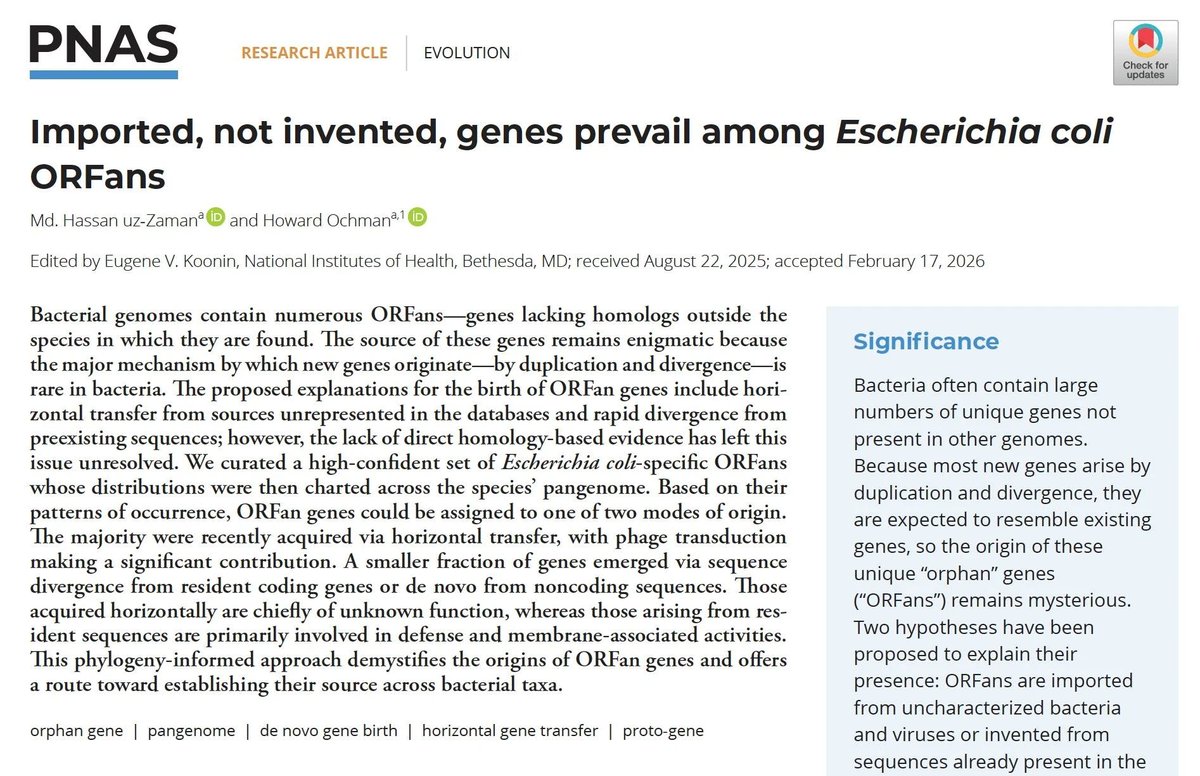
Happy to announce that our paper on orphan genes in bacteria dropped in PNAS yesterday!
This is a problem I've been thinking about since the start of my PhD. Grateful for this journey, as well as All The Friends I Made Along the Way.
Also, Eid Mubarak to those who celebrate!
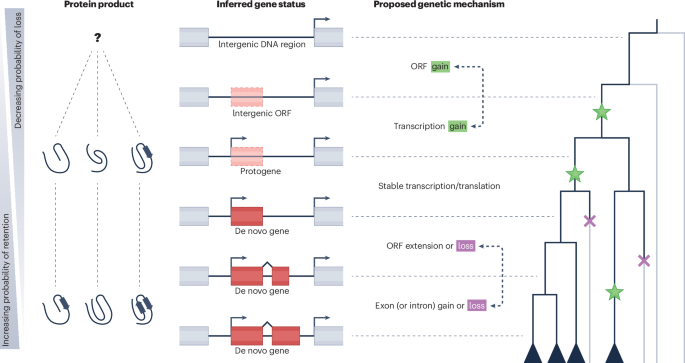
Fresh news on de novo genes! Happy to present our latest work published in Nature communications: nature.com/articles/s4146…
Keywords not in specific order: intergenic ORFs, de novo genes, GC content, foldability, genetic code, ancestral sequence reconstruction and more :)
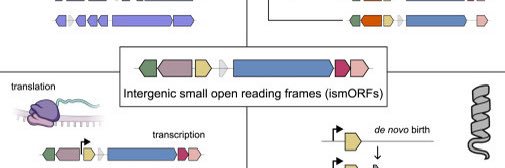
I am happy to present our new paper on the de novo birth of microproteins in bacterial intergenic regions, conducted in collaboration with #storzlab.
academic.oup.com/nar/article/53…
Our analysis indicates that bacterial pangenomes are largely closed, suggesting that the capacity of intergenic regions to generate de novo genes is limited.
We identified clear signatures of de novo origin for 4,838 microOGs. These smORFs often overlap with regulatory elements in intergenic regions, suggesting that translation-coupled regulatory mechanisms of gene expression may contribute to de novo microprotein emergence
Latest from the lab: we’ve found that arbitrium phages can cross-communicate across species. Their molecular “language” isn’t as private as we thought.
The original idea came from @AlbertoMarina14. As always, he was right.
biorxiv.org/content/10.110…
New Letter: "Large-scale pairing identifies a soybean phytocytokine-receptor module conferring disease resistance" rdcu.be/eBmrZ
Scalable pipeline for systematic peptide–receptor discovery. In soybean, identification of a PEP914/890-P98R module in disease resistance.
🧬 How have tiny immune-signaling peptides evolved across the plant kingdom?
Comparative analysis of small secreted peptide signaling during defense response: insights from vascular and non-vascular plants bit.ly/4eAUnmZ