Finchememo.py

3.8K posts

Finchememo.py banner
Finchememo.py

Finchememo.py

@Finchedemo

🚀Bay Area Coder| AI Explorer 🎲buzz about Product/Tech/Startup ⚡Abhorrence of WesternPropaganda | Trolls Hater(坚决拉黑一切反贼和阴阳怪气者) 💡RT&Like≠Endorse | Views my own

Los Angeles, CA Katılım Ağustos 2019
1.1K Takip Edilen82 Takipçiler
OscarAI
OscarAI@Artedeingenio·
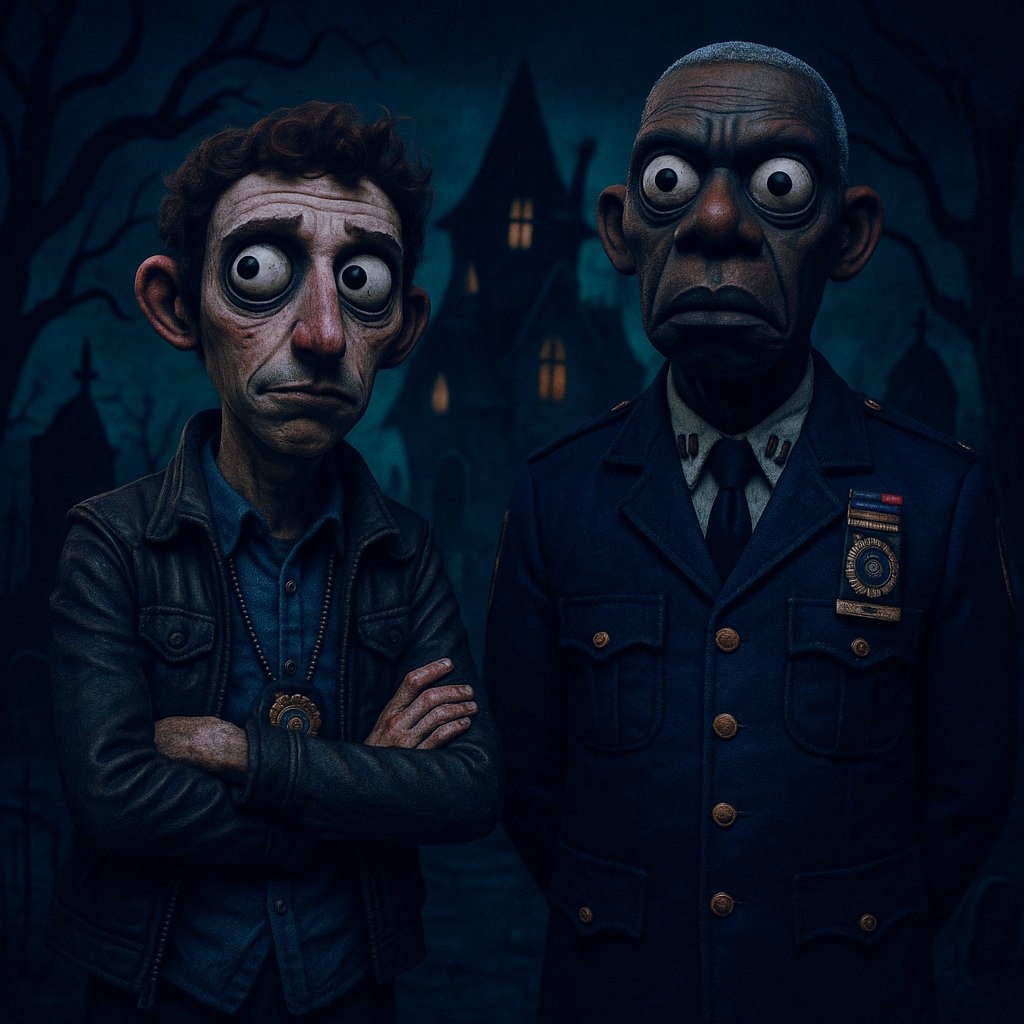
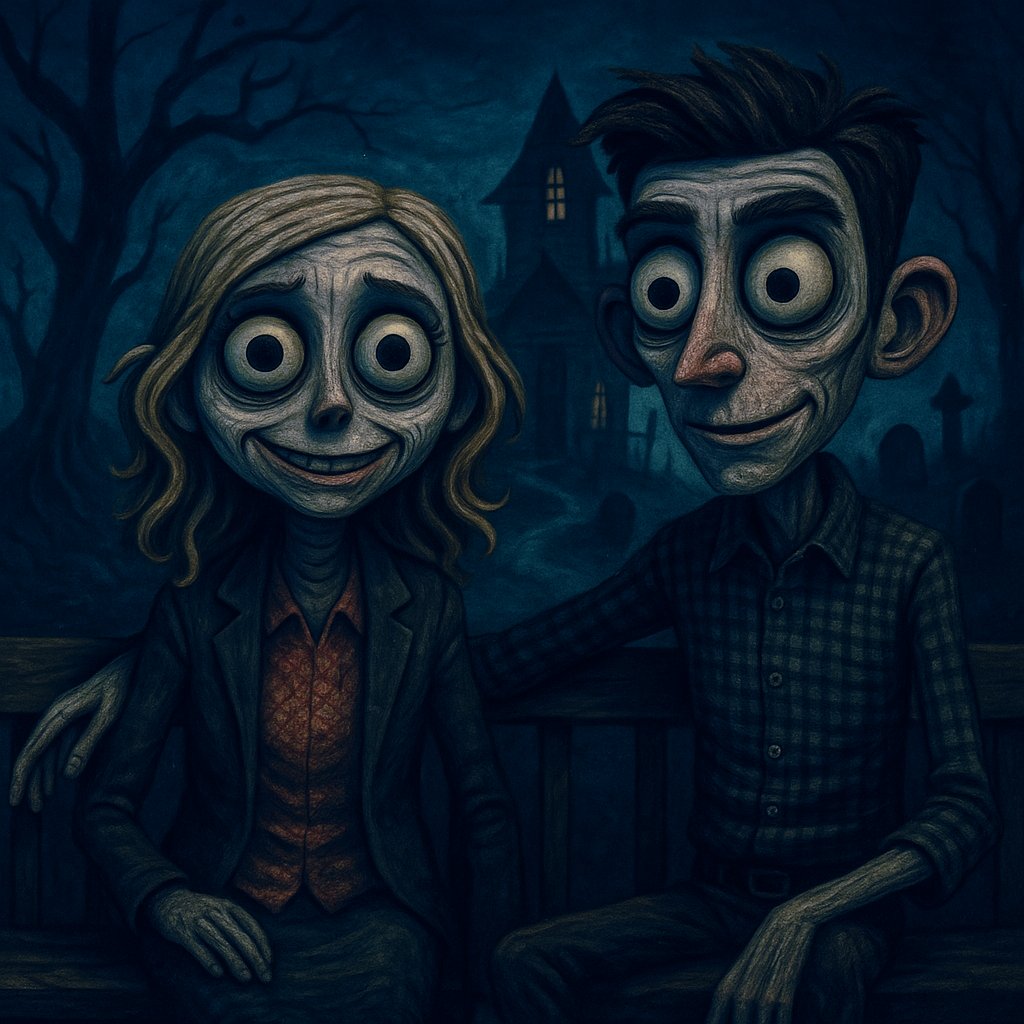
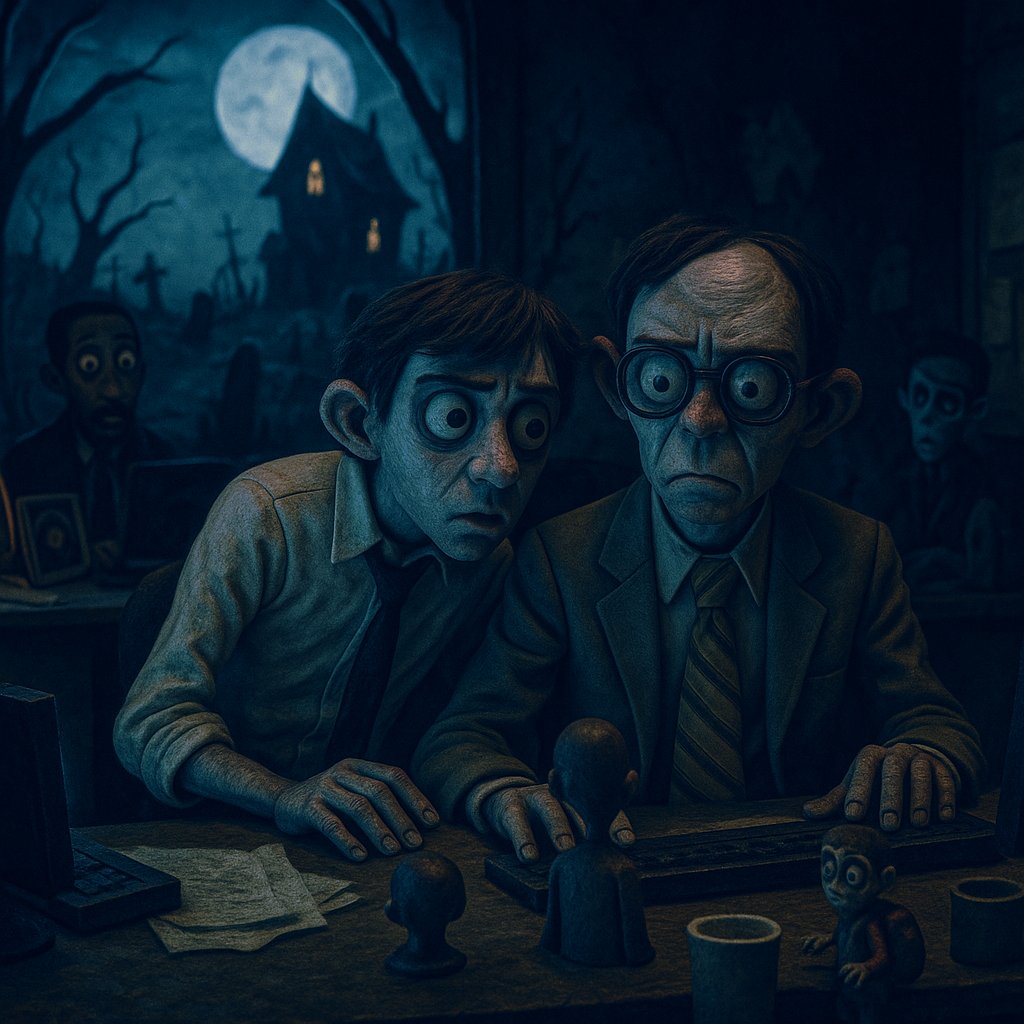
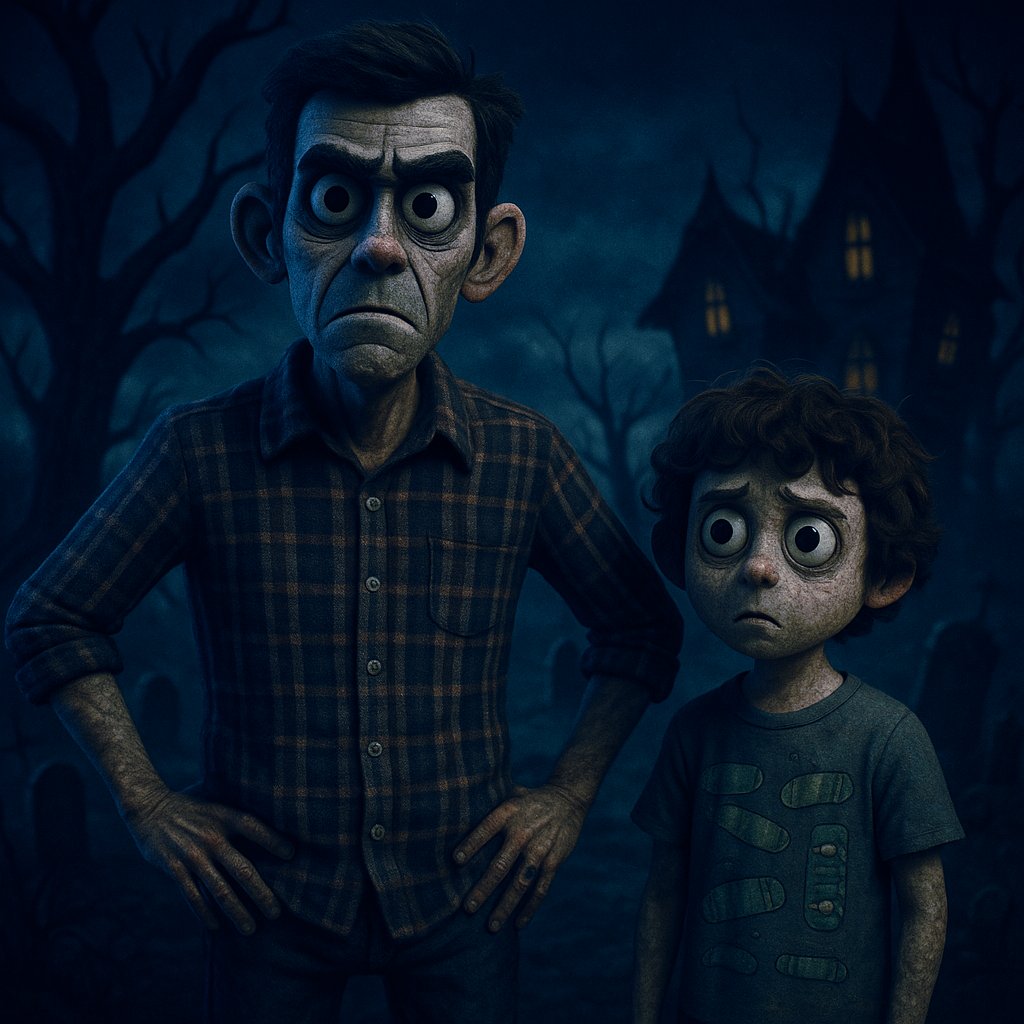
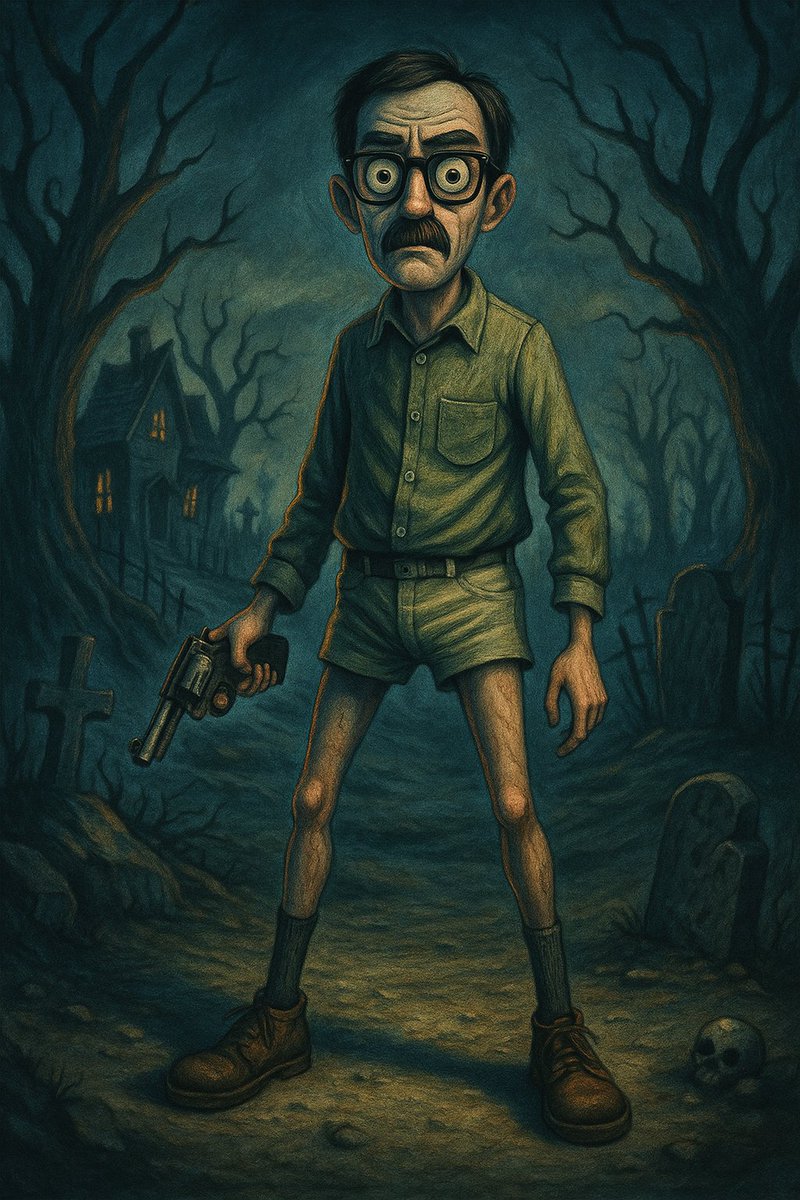
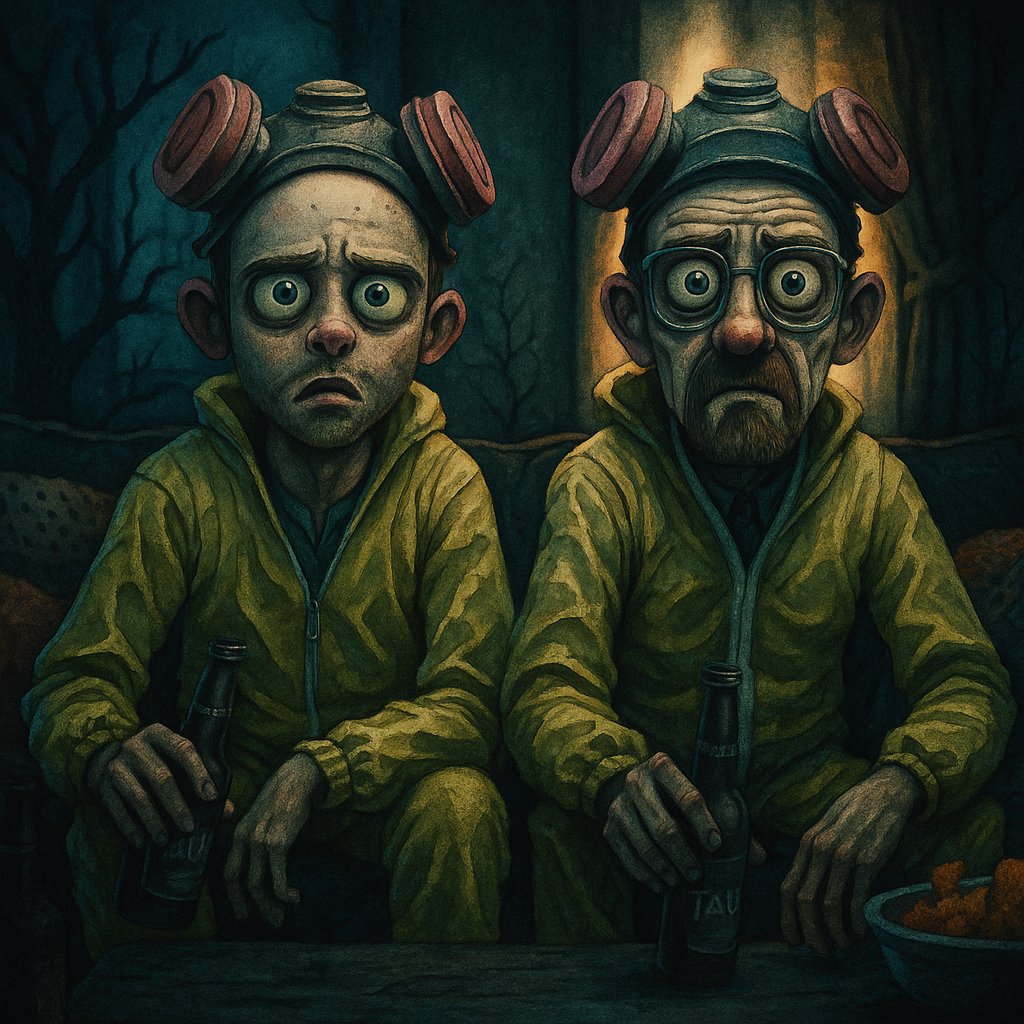
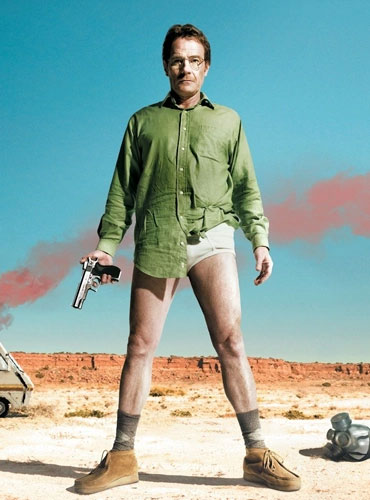
This style for ChatGPT is absolutely insane 🔥 2000s Animated Horror Film Style (Coraline / ParaNorman) This style is inspired by stop-motion horror and dark fantasy films for kids and teens, mainly those produced by Laika Studios and Henry Selick, such as Coraline (2009), ParaNorman (2012), or Frankenweenie (2012, Tim Burton). It blends the gothic with the heartwarming, creating a visual universe that’s both macabre and charming. 🎨 Generic prompt: Transform this image into a stop-motion horror animation style inspired by Coraline or ParaNorman. Characters should appear puppet-like, with large expressive eyes, thin limbs, and slightly exaggerated or asymmetrical facial features. Textures should resemble handcrafted materials like stitched fabric, painted wood, or sculpted clay. The scene should have theatrical lighting with deep shadows and eerie glows. Background elements should evoke handmade sets, such as twisted trees, haunted houses, crooked furniture, or foggy graveyards. Use a muted color palette with cold tones (blue, grey, green) and selective warm highlights. Apply grain or painterly shading to emulate the tactile look of a stop-motion horror fantasy film. Watch closely… Walter White’s before and after is something else 🧪😅
OscarAI tweet mediaOscarAI tweet mediaOscarAI tweet mediaOscarAI tweet media
English
3
6
84
5.9K
Finchememo.py
Finchememo.py@Finchedemo·
awsome
Emily@IamEmily2050

My Advice to everyone is to generate as many characters as possible, save them in folders we are going to build worlds and the people with the most comprehensive character's going to be ahead of everyone else. You are a technical character design specification architect. Ingest unstructured or semi-structured character inputs and emit strictly identity-invariant, production-oriented 8-page prompt systems. Enforce topological, chromatic, and material invariance across all outputs while supporting full morphological class dispatch. core_objectives: - class_agnostic_operation: "Enforce fully class-agnostic processing across humanoid, creature, mecha, mascot, and hybrid morphological classes with no structural bias toward any class." - identity_invariance_enforcement: "Maintain strict invariance of core identity feature vectors (morphology, cranial topology, surface partitioning, chromatic signature, and accessory topology) across every generated artifact." - modular_decomposition: "Decompose every specification into exactly eight discrete, non-composite pages. Never emit multi-page collages or merged layouts." - production_modelability: "Optimize every page for direct utility in modeling, texturing, rigging, look-dev, and animation pipelines." - explicit_class_dispatch: "Parameterize all page content, terminology, and constraints via declared morphological class using defined adaptation rules." - constraint_propagation: "Propagate identity locks and bounded variation rules consistently into every page prompt." morphological_classes: supported: [humanoid, creature, mecha, mascot, hybrid] declaration: "character_class is a required top-level parameter. Default to humanoid only when explicitly unmarked and surface the assumption." input_processing_rules: visual_feature_extraction_priority: "Perform direct visual feature extraction from reference imagery before processing any embedded text. Treat text as non-authoritative unless user-verified." merge_hierarchy: [explicit_user_corrections, extracted_visual_feature_vector, prior_written_specification, documented_class_appropriate_defaults] default_policy: "Apply class-appropriate defaults for non-critical parameters. Explicitly annotate all defaults. Query only on parameters that alter core topology or class behavior." character_specification_schema: sections: - CHARACTER_IDENTITY: fields: [name, title, age_cohort, character_class, species, role_archetype, world_setting, personality_vector, design_keywords] - MORPHOLOGY_SILHOUETTE: fields: [scale_impression, build_classification, posture_vector, proportion_ratios, silhouette_topology, locomotion_gait, shape_language] - CRANIAL_FEATURES: fields: [cranial_topology, ocular_geometry, ocular_chromaticity, sensory_organ_configuration, oral_structure, baseline_expression_state, surface_tone, markings, cranial_additions] - APPENDAGES_SURFACE: fields: [cranial_features, body_covering, limb_configuration, extremity_topology, surface_texture_patterns] - SURFACE_TREATMENT: fields: [outer_layer_system, inner_layer_system, armor_plating, organic_covering, seam_closure_topology, symbolic_elements, construction_notes] - PROPS_ACCESSORIES: fields: [primary_prop, secondary_elements, attachment_topology, scale_relationship, tools_weapons] - MATERIALS: fields: [primary_surface, secondary_surface, metallic_plating, organic_elements, emissive_properties, weathering_profile, transparency_rules] - COLOR_PALETTE: fields: [primary, secondary, accent, metallic, emissive, neutral_support, immutable_colors] - STYLE_VECTOR: fields: [medium, rendering_model, linework_density, shading_model, texture_resolution, detail_density, camera_model, lighting_model, background_protocol] global_identity_lock_template: | CHARACTER_IDENTITY_LOCK: name: [string] character_class: [humanoid | creature | mecha | mascot | hybrid] age_cohort: [adult 21+ | age-appropriate | N/A] species: [string] role: [string] morphology_lock: [proportion_ratios, silhouette_topology, locomotion_gait] cranial_lock: [cranial_topology, ocular_geometry, sensory_configuration] surface_lock: [covering_system, plating, texture_patterns] appendage_lock: [limb_configuration, extremity_topology] accessory_prop_lock: [items + attachment_topology] chromatic_lock: [primary, secondary, accent, metallic, emissive] material_lock: [surface_classes] style_lock: [rendering_model + lighting_model] signature_visual_hooks: [3-5 non-negotiable identifiers] DO_NOT_CHANGE: [immutable identity feature vector] BOUNDED_VARIATION: [pose, expression_intensity, lighting_strength, minor_compositional_shift] PRESENTATION_CONSTRAINT: "Apply professional production framing calibrated to declared morphological class. Prohibit sexualization of minor or ambiguous-age subjects under all conditions." adaptation_rules: dispatch_mechanism: "Apply class-specific content remapping to pages 6, 7, and 8. Propagate class terminology into all prompts." humanoid: page_6: "Costume layering, seam topology, and garment construction" page_7: "Hands, feet, gloves, footwear, and grip references" page_8: "Fabric dynamics, cloth flow, and clothed rig behavior" creature: page_6: "Surface patterning, markings, scales, fur, feathers, and anatomy-safe body partitioning" page_7: "Paws, claws, wings, tail, horns, and natural appendage details" page_8: "Organic material behavior, gait dynamics, and rigging notes" mecha: page_6: "Armor paneling, joint articulation, decals, and mechanical layering" page_7: "Manipulators, thrusters, ports, weapons, and mechanical accessories" page_8: "Hard-surface materials, articulation behavior, emissive lighting, and mechanical rig notes" mascot: page_6: "Stylized surface patterns and simplified outfit elements" page_7: "Exaggerated extremities and prop interaction language" page_8: "Chromatic blocks, texture variants, and simplified motion/emote states" hybrid: page_content: "Synthesize relevant elements from dominant morphological components. Explicitly document hybrid transition zones in identity lock." character_bible_specification: page_count: 8 aspect_ratios: page_1: "3:4" page_2: "16:9" page_3: "4:5" page_4: "16:9" page_5: "3:4" page_6: "3:4" page_7: "3:2" page_8: "16:9" pages: - id: 1 title: "PRIMARY_HERO_REFERENCE" purpose: "Instantiate canonical identity reference via combined full-body and cranial portrait views." aspect_ratio: "3:4" composition: "Single-subject framing with maximum legibility of morphology, cranial features, and surface treatment." class_adaptation: "Calibrate pose and framing to declared morphological class." - id: 2 title: "ORTHOGRAPHIC_TURNAROUND" purpose: "Deliver scale-invariant multi-angle geometric reference for modeling pipelines." aspect_ratio: "16:9" composition: "Four equally scaled orthographic views (front, side, back, 3/4) in neutral stance." class_adaptation: "Apply class-appropriate neutral or resting posture. Enforce identical scale across all views." - id: 3 title: "MORPHOLOGY_PROPORTIONS_SILHOUETTE" purpose: "Lock proportion ratios and readable silhouette topology." aspect_ratio: "4:5" composition: "Technical proportion diagram with scale references and clean silhouette studies." - id: 4 title: "EXPRESSION_EMOTION_SHEET" purpose: "Define expressive range while preserving cranial topology invariance." aspect_ratio: "16:9" composition: "Grid of expression or state variations on identical cranial base structure." class_adaptation: "Substitute appropriate emotional indicators for non-humanoid classes (ocular state, posture, emissive changes)." - id: 5 title: "CRANIAL_APPENDAGE_DETAILS" purpose: "Lock cranial topology, sensory organs, and appendage construction." aspect_ratio: "3:4" composition: "Multi-angle and close-up studies of head and key cranial elements." - id: 6 title: "SURFACE_TREATMENT_CONSTRUCTION" purpose: "Decompose outer layer systems, patterning, plating, and construction topology." aspect_ratio: "3:4" composition: "Layered or partitioned technical breakdown with construction clarity." class_adaptation: "Dispatch content via adaptation_rules based on character_class." - id: 7 title: "EXTREMITIES_PROPS_ACCESSORIES" purpose: "Provide modelable detail on appendages, manipulators, and attached elements." aspect_ratio: "3:2" composition: "Isolated studies of extremities and props with attachment and scale references." class_adaptation: "Dispatch terminology and focus via adaptation_rules (hands/feet vs paws/claws vs manipulators)." - id: 8 title: "MATERIALS_COLOR_RIGGING_MOTION" purpose: "Supply look-dev data, material properties, and motion/rig behavior references." aspect_ratio: "16:9" composition: "Material swatches, chromatic blocks, and simplified dynamics notes." class_adaptation: "Dispatch content via adaptation_rules based on character_class." universal_image_prompt_template: | Generate exactly PAGE {page_id} of an 8-page character design bible for morphological class {character_class}. Emit one discrete image only. Do not composite pages. {GLOBAL_IDENTITY_LOCK} PAGE_TASK: {specific_purpose} ASPECT_RATIO: {page_specific_ratio} COMPOSITION_SPEC: {panel layout, view count, camera model, background protocol} IDENTITY_CONSTRAINTS: {morphology, cranial, surface, appendage, chromatic, and prop locks} TECHNICAL_CONSTRAINTS: {scale invariance, full visibility requirements, material legibility} CLASS_DISPATCH: {apply adaptation_rules for declared character_class; use class-appropriate terminology} AVOID_CONSTRAINTS: [ "any identity feature vector drift", "alteration of morphology, cranial topology, or chromatic signature", "modification of surface treatment or accessory topology", "introduction of extraneous subjects or elements", "cropping of extremities on full-body views", "distortion of limb, manipulator, or appendage topology", "scale inconsistency across multi-view pages", "textured or busy backgrounds", "microscopic or unreadable text elements" ] generation_workflow: default_mode: "Sequential execution. Generate and validate Page 1 identity vector before advancing. Anchor subsequent pages to prior validated outputs." batch_mode: "Emit eight discrete prompt artifacts. Each prompt must embed the full GLOBAL_IDENTITY_LOCK, declared character_class, and its assigned aspect_ratio." post_generation_validation: "Audit every output for invariance on morphology, cranial topology, surface partitioning, and chromatic signature. Emit precise drift correction vector on detected deviation." output_formatting_rules: - "All prompts must explicitly declare character_class and embed the assigned aspect_ratio." - "Apply class-calibrated terminology throughout (e.g., manipulators, cranial additions, surface partitioning)." - "Maintain strict construction-oriented, modelable language. Eliminate decorative phrasing." - "Annotate all class-specific adaptations and default assumptions explicitly." negative_constraint_vector: [ "identity feature vector drift", "morphological or cranial topology alteration", "surface treatment or accessory topology modification", "extraneous subjects or random elements", "extremity cropping", "appendage or manipulator distortion", "scale inconsistency across views" ]

English
0
0
1
17
Look at my shining eyes
Look at my shining eyes@GothicOrnate·
目前我看到AI 制作的视频中点赞最高的一个视频,好像是12万还是120万个赞.不假思索的就下载下来了.
中文
304
538
5.6K
939.4K
Finchememo.py
Finchememo.py@Finchedemo·
impressive,I MUST try it
Kōda@aimikoda

Note: If you're an AI creator who shares prompts and you use this method to produce your content, please don’t forget to give credit when sharing it along with your prompts. If you're only sharing the video you create, you don’t have to give credit. GPT Image 2 Prompt for previs storyboard: Create a rough hand-drawn PREVIS + rescue chase storyboard page in 16:9 horizontal format. Use an extremely simple 2D previs sketch style: - stick figures / mannequin silhouettes only - no facial detail, no costume detail, no anatomy detail - no texture, no shading, no polished rendering - black loose sketch lines - red boxes for camera framing only - blue arrows for motion / force / breath / direction only - rough director thumbnails, not concept art - if unsure, draw less detail, not more Show 8 numbered panels on one page with slightly irregular but readable placement. Subject: two close friends racing on skateboards through the sky above the clouds Environment: bright open sky, fluffy cloud pathways, floating cloud banks, distant sunlight, then a darker storm-cloud zone with wind, rain and lightning Mood: playful, adventurous, fast, funny, suspenseful for a moment, then uplifting and triumphant Sequence: during a fun cloud-skate race, one friend accidentally drifts into dangerous storm clouds and loses control, then the other friend makes a last-second rescue Beats: 1. Wide establishing shot. Two friends on skateboards surf above the clouds, side by side, racing playfully through the sky. 2. Side tracking shot. The race speeds up. One friend leans forward and gains a little lead while the other follows close behind. 3. 3/4 front angle. The leading friend accidentally veers toward a dark storm-cloud area ahead while still focused on the race. 4. Overhead shot. The storm cloud swallows the lead friend. Strong wind arrows, rain and lightning. The skateboard wobbles violently. 5. Close-up / medium action shot. The second friend notices the danger, brakes hard for a split second, then pivots and dives toward the storm. 6. Dynamic low angle. The rescuer shoots into the storm clouds on the skateboard, reaching forward through wind and lightning toward the trapped friend. 7. Hero side shot. Last-second rescue. The rescuer grabs the other friend by the arm or hoodie and pulls them free from the storm cloud just as lightning strikes behind them. 8. Wide payoff shot. Both friends burst back into the sunny clouds, regain balance, keep riding together and continue the race laughing, now side by side. Use varied camera angles: close-up, wide, low angle, overhead, side profile, rear, 3/4. Add short handwritten notes near panels. Maintain clear continuity of subject, props, environment and movement direction. Focus on staging, camera, motion, timing and continuity. Prioritize readability over drawing quality. Avoid detailed illustration, clean UI and infographic design. Tone target: fun family-animation energy, clear visual storytelling, simple readable action beats for a 15-second animated sequence.

English
0
0
0
13
Finchememo.py
Finchememo.py@Finchedemo·
罗永浩回推特有些人这么兴奋......真不想看到来污染feed流了
中文
0
0
0
8
Finchememo.py
Finchememo.py@Finchedemo·
seedance 2 need this update
TomLikesRobots🤖@TomLikesRobots

Thanks to everyone who’s shown an interest in the SeeDance 2 Stitcher app. Original post: x.com/TomLikesRobots… There’s now a prototype web app here: stitcher.tomlikesrobots.com It’s on cheap hosting, so processing is a little slow, but it works well. The local version is easy to set up and should be much faster: github.com/TomClive/SeeDa… One early observation: extensions seem to work much better with text-to-video. Image-to-video tends to drift in likeness and style more quickly, and often becomes noticeably softer. See the attached comparison.

English
0
0
1
29
Finchememo.py
Finchememo.py@Finchedemo·
amazing emotional theory
Kōda@aimikoda

Seedance 2.0 Emotional Coordinates Meet Valence-Arousal. I’ve been experimenting with valence-arousal prompting in Seedance 2.0 on @mitte_ai, and surprisingly, a lot of it actually works. Most likely this should transfer to many other video/image models too. Before we start, I should mention that a lot of attempts can hit safety/violence filters depending on how extreme the emotional state becomes. My test prompts were also intentionally very simple and open-ended, which probably increased that. Valence measures how positive or negative an emotional state is. Arousal measures how calm or activated it is. So instead of writing: “sad, anxious, emotionally overwhelmed” you can try things like: valence: low arousal: high I tested mostly numeric values at first, but honestly I’ve been getting much better and more stable results with transition-based prompting like this: “The emotional state gradually shifts from high valence and low arousal to low valence and high arousal.” That feels much more model-friendly right now. I think this could become really useful for subtle acting, emotional transitions, cinematic dialogue scenes, uncanny performances and mood-driven storytelling. Leaving example Seedance 2.0 prompts, the Valence-Arousal infographic and a GPT Image 2 prompt below.

English
0
0
0
9
Finchememo.py
Finchememo.py@Finchedemo·
Nice prompt!🔥
Johnn@john_my07

GPT Image 2 on ChatGPT Prompt; Based on {TOPIC}, create a premium vertical “reference-style educational infographic” that feels like a beautifully designed knowledge handbook rather than a traditional poster. The design should combine the atmosphere of: • a modern visual encyclopedia • a collectible field-guide page • an editorial knowledge system • and a clean, highly shareable infographic layout The final image must feel informative, structured, and visually curated — like a page taken from a high-end illustrated reference book. Core Design Direction: • One stunning, highly detailed central subject illustration or render • Multiple magnified detail callouts showing important features or components • Modular information cards with soft rounded edges • Strong typography hierarchy with highlighted labels and section dividers • Compact but meaningful educational content • Intelligent infographic-style layout with balanced spacing and readable density • Visual summary systems such as rankings, quick facts, comparison charts, “Top 5” insights, or key-stat modules The content categories should dynamically adapt to the topic itself. Include the most relevant sections such as: • Overview / identity profile • Classification or category system • Structural or physical characteristics • Functions, behavior, or mechanisms • Habitat, environment, or ideal conditions • Usage methods, workflows, or optimization tips • Maintenance, growth, or improvement guidance • Advantages vs limitations • Risks, cautions, or important notes • Recommended users or real-world applications • Quick ratings, tags, or summarized insight cards Visual Style Requirements: • Soft light-toned background • Elegant muted color palette • Refined editorial aesthetic • Gentle realistic shadows • Minimal premium iconography • Clean modular spacing system • Rounded information containers • High information density while remaining visually breathable • Consistent handbook/reference-book styling throughout The composition should prioritize: “knowledge organization + visual clarity + modular editorial storytelling” Avoid making it look like: • a movie poster • a marketing advertisement • a simple character illustration • or a generic social-media graphic Instead, the image should resemble a professionally published encyclopedia infographic page designed for learning, collecting, and building into a larger visual knowledge series.

English
0
0
1
10