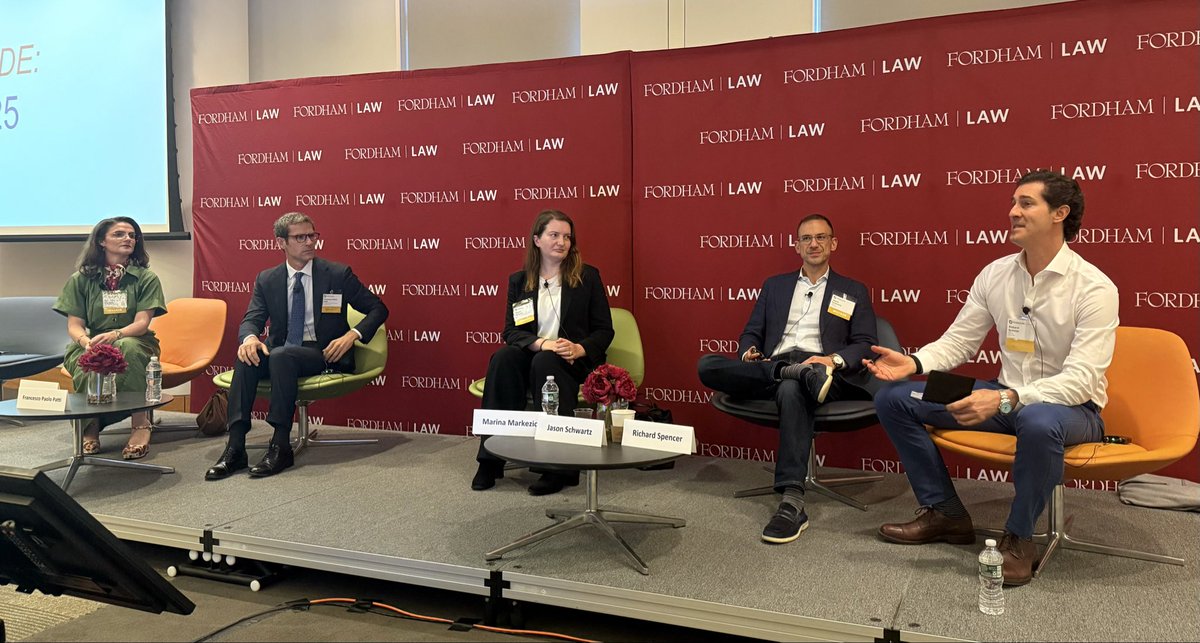
Check your inbox. Save the dates out for the first Monday in October!
FordhamLawCrypto@FordhamCrypto
Oh hai
English
FordhamLawCrypto
165 posts

@FordhamCrypto
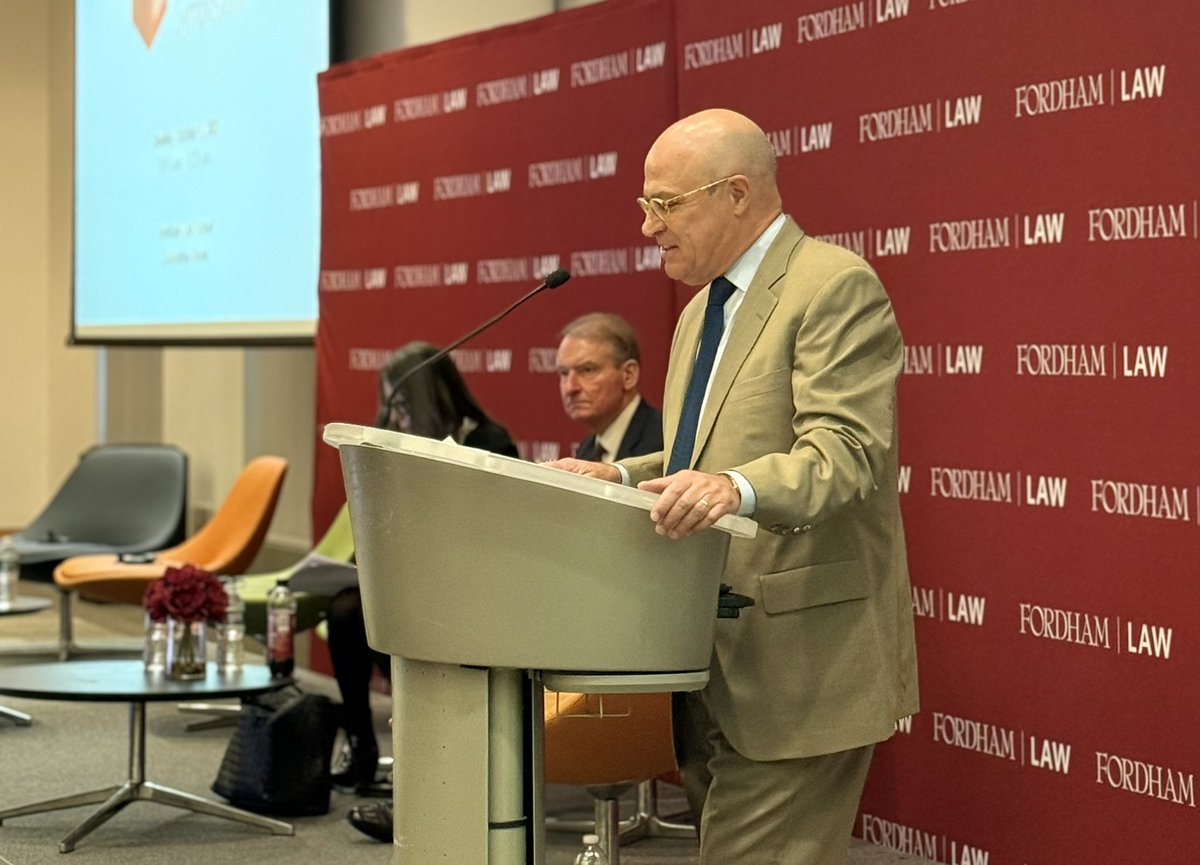
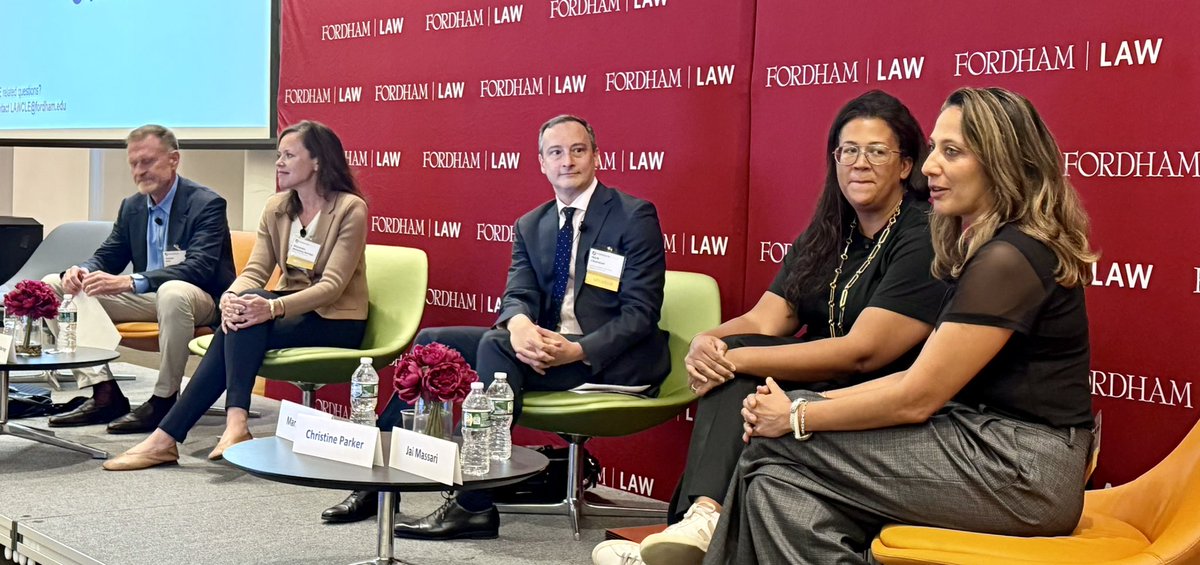
The 5th Annual Fordham Law Blockchain Regulatory Symposium will take place October 6, 2025.
Oh hai

The FDIC just revealed it's building two different playbooks - one for stablecoins, one for tokenized deposits. Most coverage conflates them. They're not the same. And understanding the difference is worth billions. The FDIC will propose its first GENIUS Act stablecoin application frameworks this month. But buried in Travis Hill's testimony was something bigger: they're also developing separate guidance for tokenized deposits. These are not the same thing. Understanding why matters. Remember, the Federal Deposit Insurance Corporation insures bank deposits against loss. It does not insure non-banks (AKA, stablecoin issuers who aren’t banks). Stablecoins under GENIUS: Issuers can be banks (via subsidiaries), OR non-banks. The OCC regulates non-banks, while bank subsidiaries are regulated by their existing regulator (which may also include the OCC). Stablecoins are not FDIC-insured; instead, they rely on 1:1 reserves in Treasuries/cash. Definitionally, no yield to holders of the stablecoin from the treasuries. The Fed's Michelle Bowman confirmed they're building capital and liquidity rules for stablecoin issuers. Treasury closed its second consultation last month. Expect these rules to close in 2026. Will banks issue stablecoins via subsidiaries, or tokenized deposits or both? Well, tokenized deposits require clarity of their ow,n and this FDIC speech was fascinating on that front. Tokenized deposits: Can be issued only by banks with full FDIC insurance retained. Hill says, "A deposit is a deposit," and moving to blockchain doesn't change the legal nature, so they come with the same protections as your checking account The GENIUS Act explicitly excludes tokenized deposits from its scope. That's intentional. But it creates ambiguity for banks that want to get into tokenized deposits. So it's important to separate these into definitions. Stablecoins: Cash-like, can be transferred to anyone with a compatible wallet, typically used for remittances, payouts, and access to long-tail FX markets. Instant, 24/7 and programmable. Tokenized deposits: a deposit, only usable by customers of that bank. Links back to a real balance at a bank. It is global, 24/7, and programmable but closed loop (unless banks find ways to swap it via stablecoins or for other tokenized deposits) The FDIC is giving clarity to banks. Saying they can use permissionless ledgers for their activities, and where FDIC protection (and rules) apply. Removing ambiguity is key for these giant organizations. This are moving quickly. By July 2026, all agencies must have final rules in place. The pace of this change is staggering. These rules can often take 5 years or more to appear, and then end up subject to countless legal challenges and wrangling. We might see some of that as the proposed rules approach their final form. Why does all of this matter? It matters because a law is only as useful as the rules that enforce it. The largest banks will want to see those rules on the books before they move in at real scale.

Save the date for the next Coin Center Annual Dinner October 6, 2026 in NYC Get in touch for sponsorships. They will sell out again.
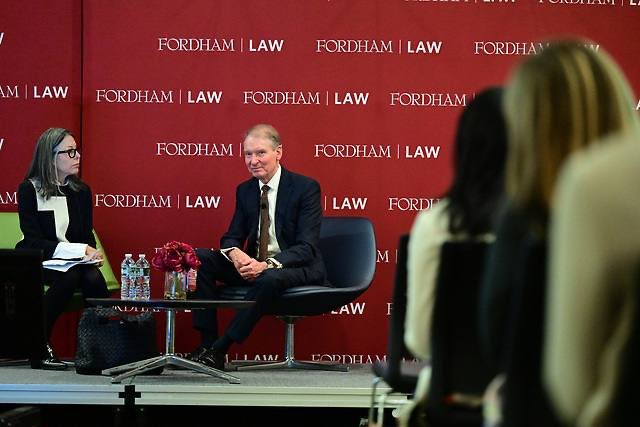
Save the date for the next Coin Center Annual Dinner October 6, 2026 in NYC Get in touch for sponsorships. They will sell out again.

Our second segment features @JStolkin interviewing @MariTomunen and @jlb410 about the recent DoubleZero and Qualified Custody no action letters granted by the SEC.


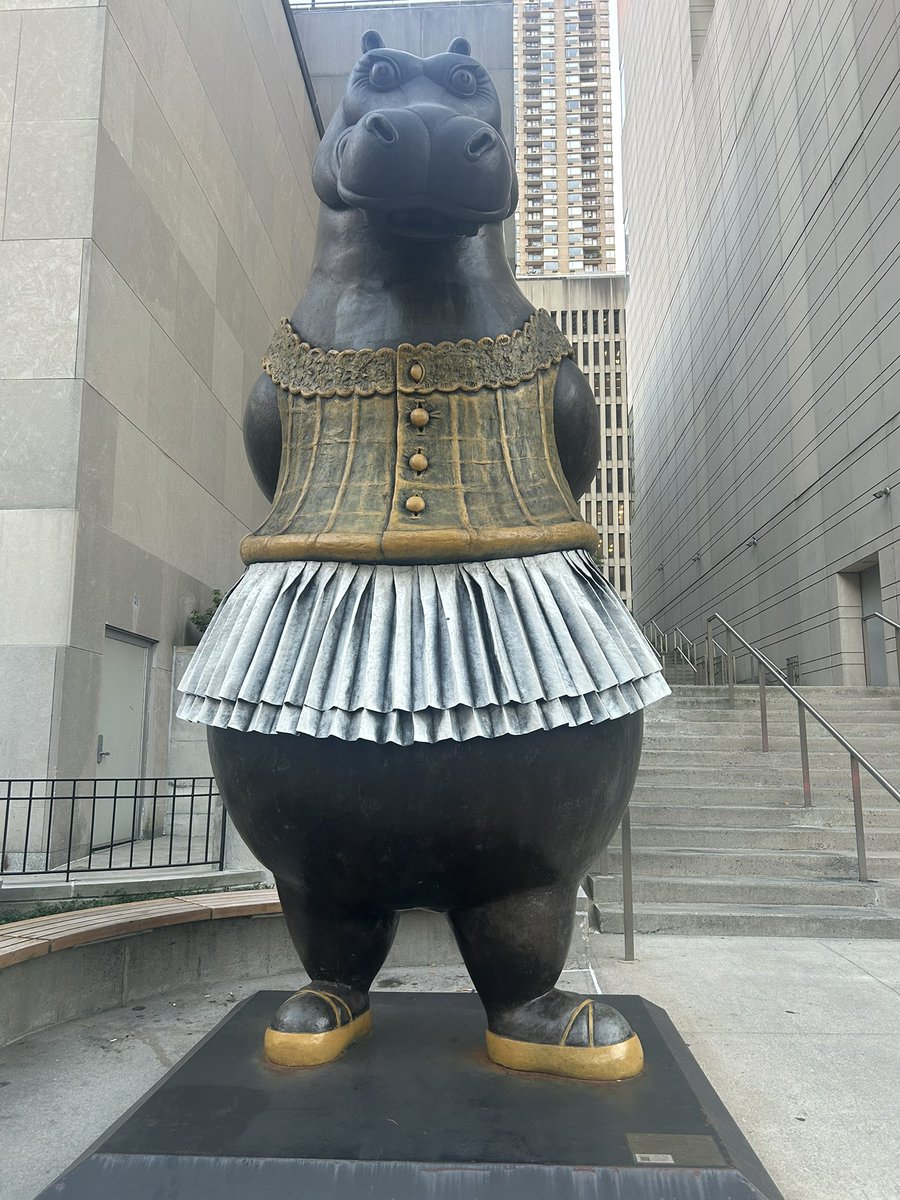

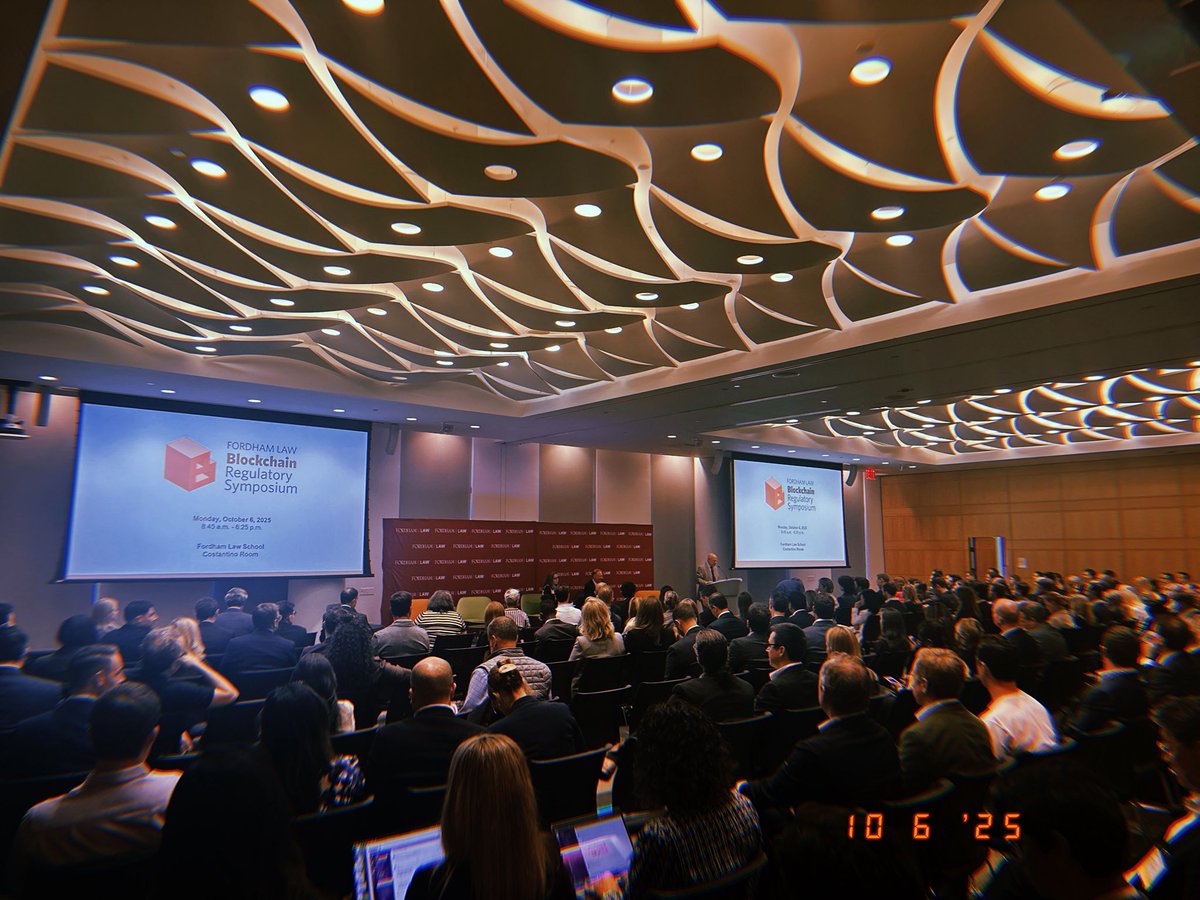

Tried to take a selfie with @DonnaRedel… ended up getting a shoutout to the incomparable @thejoycelai, who had to miss the @FordhamCrypto Symposium due to the best kind of airdrop. Congrats Joyce!

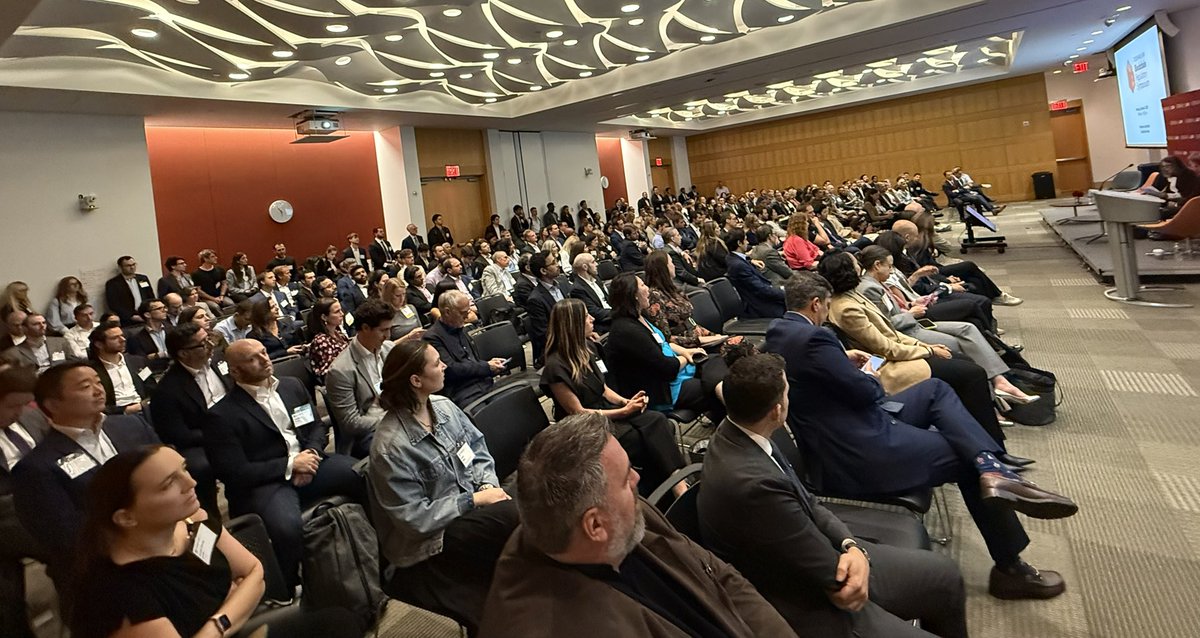
More than 300 attorneys testing the code limits for Chair Atkins’ fireside.